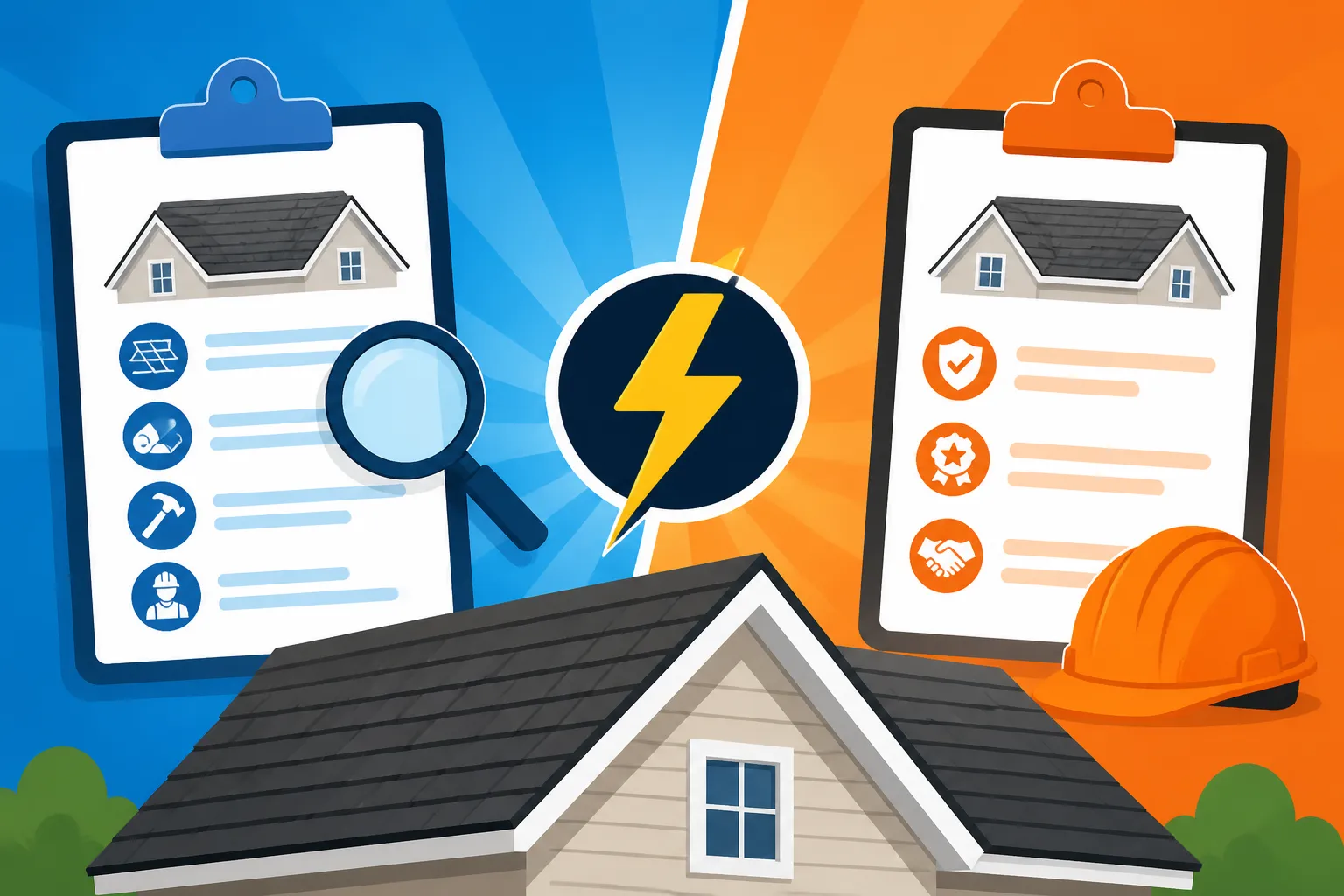
Roofing Estimate vs Roofing Bid
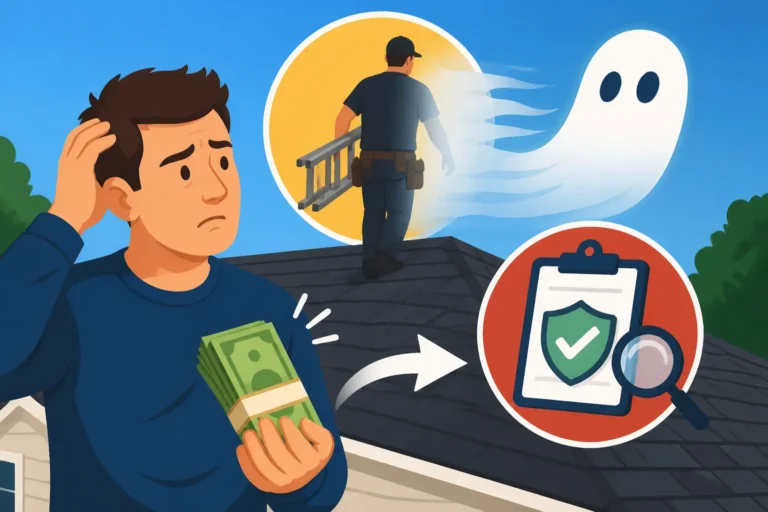
Getting a new roof, or even a major repair, can feel like navigating a maze of unfamiliar terms and financial figures. One common area of confusion for homeowners is the distinction between a "roofing estimate" and a "roofing bid"—terms that are often mistakenly used interchangeably. Understanding the critical differences between these two documents is essential for making informed decisions, ensuring you get accurate pricing, and ultimately protecting your investment. This guide will meticulously break down what each term signifies, when you're likely to encounter them, and how to use this knowledge to your advantage during your roofing project.
Unpacking the Roofing Estimate
When you first start thinking about a new roof, you'll probably begin by reaching out to a few local roofing companies. What you typically receive in those initial interactions is what's known as an estimate. Think of it as a preliminary assessment, a best guess based on readily available information, designed to give you a ballpark figure. It’s not meant to be a final, legally binding price, but rather a starting point for discussion.
What an Estimate Truly Represents
A roofing estimate is, at its core, an educated projection of the potential cost for a roofing project. It's usually generated after an initial, often less-detailed inspection, or sometimes even through satellite imagery analysis if the contractor uses modern tools for measurement. The contractor makes assumptions about materials, labor, and potential challenges based on the visible condition of your roof, your stated needs, and typical project parameters. For example, if you tell a contractor you have a 2,000 sq ft home and want architectural shingles, they might give you an estimate range that covers common scenarios. It's meant to be helpful, offering you a preliminary idea of what to expect financially before anyone digs deep into the specifics.
When and Why Contractors Provide Estimates
Contractors typically provide estimates early in the sales process. This usually happens when you're just exploring options, trying to get a sense of the market, or budgeting for a future project. Imagine you're wondering, "How Much Does an Asphalt Shingle Roof Cost?" and you call three different companies. Each might give you an estimate over the phone or after a quick visual inspection. They offer estimates because it allows them to quickly qualify leads and give homeowners a general idea without investing a significant amount of time and resources into a full, in-depth analysis. It's also useful for them to gauge your budget expectations before moving forward with a more detailed proposal. Many homeowners use platforms like Modernize to get these initial estimates, connecting with several contractors to compare preliminary figures.
The Level of Detail You Can Expect
An estimate will generally be less comprehensive than a bid. It might list major components like shingles, underlayment, and labor, but often without precise quantities, brands, or specific installation methodologies. You might see a total cost, or a cost per square, but the detailed breakdown of materials, accessories, and individual line items will likely be absent. For instance, an estimate might say "Architectural Shingles: $X per square," but it won't specify the exact brand (e.g., GAF Timberline HDZ or Owens Corning Duration), color, or warranty level. It's designed to be quick and easy to produce, which means it sacrifices granular detail for speed and general guidance. Think of it as a rough sketch, not a blueprint.
Deciphering the Roofing Bid
While an estimate gives you a general idea, a roofing bid is a much more serious and detailed document. This is what you receive when a contractor has thoroughly evaluated your project and is ready to make a firm offer. It's the point where preliminary discussions transform into concrete proposals, and you get a much clearer picture of your financial commitment.
Defining a Roofing Bid
A roofing bid, also often called a "proposal" or "quote," is a formal, detailed, and legally binding offer from a roofing contractor to complete a specific project for a set price. It comes after a comprehensive inspection of your property, where the contractor has meticulously measured the roof, assessed its condition, identified all necessary repairs or upgrades, and taken into account your specific preferences. The bid outlines the exact scope of work, the materials to be used, the labor involved, the timeline, payment terms, and warranty information. It's essentially a contract waiting for your signature. For an in-depth understanding of what should be included in this crucial document, you might want to read our guide on what a roofing estimate should include, as many of those elements are even more critical in a bid.
When a Bid Becomes the Standard
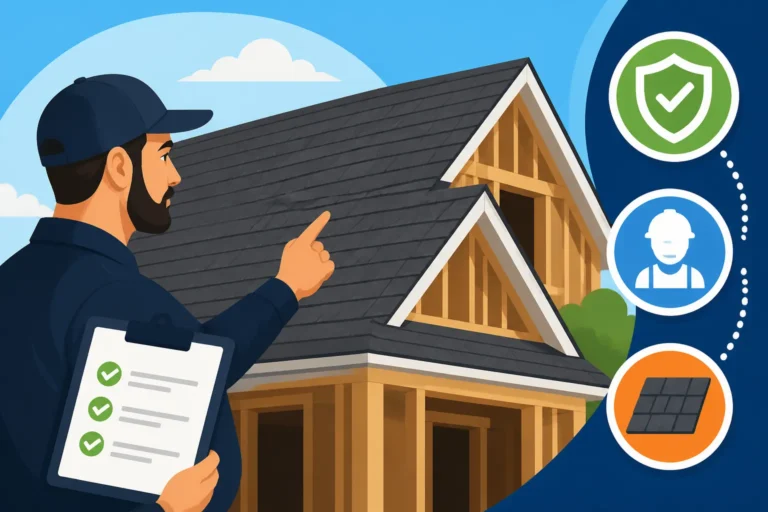
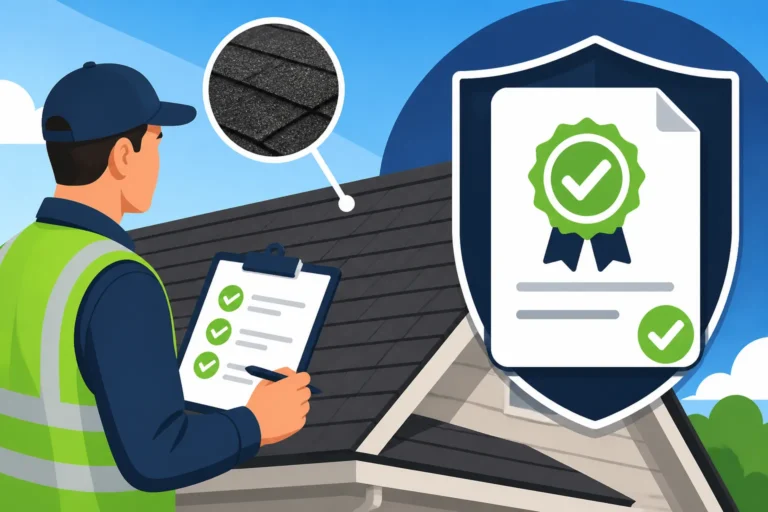
You'll typically receive a bid once you've narrowed down your choices to a few contractors and have invited them for a thorough, in-person assessment. This isn't just a quick look from the ground; a reputable contractor will get on your roof, go into your attic, and examine every component from the decking to the flashing. They might use specialized tools to measure accurately and identify hidden issues. After this detailed inspection, they'll compile all the information, including any unexpected issues discovered, and present you with a comprehensive bid. This process helps minimize surprises later on, which is vital when you're trying to avoid hidden costs in a roof replacement. It reflects the contractor's commitment to a specific price and scope of work.
The Firmness and Commitment of a Bid
The key difference with a bid is its firmness. Unlike an estimate, a bid is a formal offer that the contractor is committed to honoring, provided you accept it within a specified timeframe (usually 30-60 days). It becomes a legally binding agreement once both parties sign it. This means the price, materials, and scope of work outlined in the bid are locked in, barring any unforeseen circumstances explicitly detailed in the contract (like discovering extensive hidden rot after tear-off, which would usually be handled via a change order). This level of commitment offers you, the homeowner, significant protection and peace of mind, knowing exactly what you're paying for and what you're getting.
Core Differences: Estimate vs. Bid at a Glance
The distinctions between an estimate and a bid are crucial for homeowners. Confusing the two can lead to misunderstandings, unexpected costs, and disputes down the line. Let’s break down the fundamental differences across various aspects of your roofing project.
Price Certainty and Scope
The most significant difference lies in the certainty of the price and the specificity of the scope. An estimate offers a flexible, approximate cost. It’s a starting point, and the final price can, and often does, vary from the initial figure. The scope of work might be broadly defined, mentioning "roof replacement" but not delving into the minutiae of every component. It might not account for all potential issues like significant decking replacement or complex flashing work, which could alter the Roof Cost Per Square: What You'll Pay.
A bid, however, provides a firm, fixed price for a clearly defined scope of work. It’s based on a thorough inspection and detailed calculations, taking into account every material, labor hour, and ancillary service. The bid will itemize costs for things like tear-off and disposal, new underlayment, drip edge, flashing, ventilation, and the specific brand and type of shingles. This level of detail removes much of the guesswork, allowing you to accurately compare offers from different companies.
Legal Binding and Negotiation
The legal implications of an estimate versus a bid are also vastly different. An estimate is generally not a legally binding document. It's a statement of expected cost, and neither party is typically obligated to adhere to it. While you can certainly use an estimate as a basis for negotiation, it doesn't hold the same weight as a formal contract.
A bid, once accepted and signed, transforms into a legally binding contract. This means both the contractor is obligated to complete the work as specified for the agreed-upon price, and you, the homeowner, are obligated to pay that price. This contractual nature is why it’s imperative to thoroughly review every detail of a bid, including the payment schedule and warranties. You should feel comfortable asking for clarifications or requesting modifications before signing, as described in our guide on how to negotiate with a roofing contractor.
The Role of Detailed Specifications
The level of specification in each document is another clear differentiator. An estimate might simply state "roofing materials" or "standard shingles." It relies on generalized information and common practices.
A bid, conversely, will include explicit details. It will name the specific shingle manufacturer (e.g., GAF, Owens Corning, CertainTeed) and product line (e.g., GAF Timberline HDZ, Owens Corning Duration), the type of underlayment (e.g., synthetic vs felt underlayment), the exact number of squares of shingles, the kind of flashing used, and whether new vents are included. It specifies the warranty period for both materials and workmanship. This granular detail ensures that you and the contractor are on the same page about the quality and type of products being installed, which is crucial for the long-term performance of your roof.
Here's a quick comparison table to summarize these differences:
| Feature | Roofing Estimate | Roofing Bid/Proposal |
|---|---|---|
| Purpose | Ballpark figure, initial cost projection | Firm offer, detailed contract proposal |
| Inspection | Often quick, visual, or satellite-based | Comprehensive, on-site, in-depth |
| Price | Approximate, subject to change | Fixed, legally binding upon acceptance |
| Scope of Work | General outline, less detailed | Highly detailed, itemized breakdown |
| Legal Status | Non-binding opinion of cost | Binding contractual offer |
| Detail Level | Broad categories (e.g., "shingles," "labor") | Specific materials (brands, types), quantities, methods |
| Revisions | Expected and easy to adjust | Requires formal change orders |
| Timeline | Often includes general timeframe | Specific project start and completion dates |
| Payment Terms | May not be specified | Clearly outlined payment schedule |
| Warranties | May be mentioned generally | Detailed manufacturer and workmanship warranties |
Strategic Considerations for Homeowners
Understanding the nuances between estimates and bids isn't just academic; it's a strategic advantage. Knowing when to expect each, what to look for, and how to discuss them with contractors empowers you to make smarter decisions throughout your roofing journey.
Getting Multiple Quotes: Estimates First, Then Bids
When you're starting your roofing project, it's always a smart move to get multiple opinions and price points. The best approach is to begin by gathering initial estimates from several contractors. This stage is perfect for platforms like Modernize, which can help you connect with qualified roofers in your area. You want to cast a wide net here to get a general understanding of the market rates for your specific type of roof (e.g., Cost to Replace a Roof on a 2,000 Sq Ft House). These initial estimates will help you quickly filter out contractors who are significantly outside your budget or who don't seem to understand your needs.
Once you have a few estimates that seem promising, then you move to the next step: inviting two or three of your top choices for a full, in-depth inspection that will lead to a formal bid. This is where they spend the time on your property, taking precise measurements, inspecting the decking, checking ventilation, and identifying all the elements that will go into a truly accurate and firm price. This two-step process saves everyone time and ensures that when you receive a bid, it’s based on a thorough assessment, not just a guess.
What to Look For in Each Document
When you receive an estimate, focus on the general scope and the rough price range. Does it align with your budget? Does it seem reasonable compared to other estimates you've received? Don't get hung up on tiny details, as they won't be there. Instead, confirm that it includes the basic elements you expect, like shingle type and basic labor. It's a quick gut check.
When reviewing a bid, however, you need to scrutinize every single line item. This is the document that will become your contract, so no detail is too small. Look for:
- Exact Material Specifications: Are the shingle brand, model, and color clearly named? What about underlayment, starter shingles, and ridge caps?
- Detailed Scope of Work: Does it clearly state what will be removed (e.g., one layer of shingles, two layers of shingles), what will be installed, and any necessary repairs (e.g., Roof Decking Replacement Cost)?
- Labor Costs: Is labor clearly included, and are there any specifics about crew size or typical timelines?
- Ancillary Costs: Are things like permits, debris removal (e.g., Cost of Roof Tear-Off and Disposal), and protection of your property specified?
- Warranty Information: Both manufacturer and workmanship warranties should be detailed.
- Payment Schedule: This should clearly lay out when payments are due (e.g., Roofing Deposit: How Much Is Normal, milestones, final payment).
A thorough bid provides confidence. Our guide on How to Read and Compare Roofing Estimates offers more tips, especially applicable to the detailed bids you'll be reviewing.
Using the Right Terminology with Contractors
It might seem minor, but using the correct terminology can prevent misunderstandings and show contractors that you're an informed homeowner. When you're in the early stages, call them "estimates" or "preliminary quotes." Ask, "Can you provide me with an estimate for a new asphalt shingle roof?" This signals that you're looking for a general idea.
Once you've done your initial vetting and invited a contractor for a detailed assessment, clearly state that you are expecting a "formal bid" or "detailed proposal." You might say, "After your thorough inspection, I'd like to receive a comprehensive bid outlining all materials, labor, and warranty information." This sets the expectation for a meticulous, commitment-driven document, ensuring you don't receive just another vague estimate when you need a firm offer.
From Initial Quote to Final Agreement
The journey from thinking about a new roof to having one installed involves several steps, and understanding how estimates evolve into bids, and then into a signed contract, is key to a smooth process. It's not always a linear path, and there will likely be discussions and clarifications along the way.
How Estimates Evolve into Bids
Think of the estimate as the first draft, and the bid as the final, polished manuscript. An estimate serves as a preliminary filter. If you like what you hear from an initial estimate, you then invite that contractor for a more rigorous evaluation of your roof. This on-site visit is where the transformation truly begins. The contractor will take precise measurements, inspect the decking for any signs of rot or damage, check the attic for ventilation issues, and note all the small but critical details like flashing around chimneys and skylights.
All this detailed information then feeds into the creation of the bid. The general assumptions from the estimate are replaced with exact quantities, specific product names, and a precise scope of work tailored to your home's unique needs. This is where the price becomes much more concrete, reflecting the actual labor and materials required, rather than an average. This comprehensive approach is part of How a Roof Replacement Works: The Full Process.
Navigating Revisions and Clarifications
It's entirely normal, and often advisable, to have questions or request revisions to a bid before you sign anything. Don't feel pressured to accept the first bid as-is. This is your home, and a significant investment. You might want to ask about upgrading to a different shingle type (e.g., Impact-Resistant Shingle Cost), inquire about a specific warranty, or seek clarification on a particular line item. For example, if the bid includes "ventilation," you might want to ask if it's a ridge vent or box vents, and if attic insulation issues were considered, as covered in our article on Roof Ventilation Upgrades.
A professional and reputable contractor will welcome your questions and be happy to walk you through every aspect of their proposal. They should be able to clearly explain why certain materials were chosen or why specific procedures are necessary. If a contractor becomes defensive or dismissive of your questions, consider it a potential red flag and think about exploring other options. Platforms like Modernize can help you find other reliable contractors if needed.
The Importance of a Solid Roofing Contract
Once you're satisfied with a bid and all your questions have been answered, that bid essentially becomes the foundation for your roofing contract. A good contract is your ultimate protection. It should explicitly state everything from the bid: the total cost, detailed scope of work, material specifications, payment schedule (including the initial deposit and subsequent installments, often referred to as Roofing Payment: Milestones vs Lump Sum), start and completion dates, cleanup procedures, and, crucially, all warranty information—both manufacturer and workmanship.
It should also include clauses for unforeseen circumstances, permit responsibilities, and dispute resolution. Never sign a contract that you don't fully understand or that leaves too much open to interpretation. Take your time, read it carefully, and don't hesitate to seek legal advice if you have significant concerns. This final document is what ensures both you and your contractor are protected and that your roofing project progresses smoothly from start to finish. For more details on what to expect, refer to our guide on what to include in a roofing contract.
Disclaimer
Please remember that the information provided in this guide is intended for general informational purposes only and does not constitute professional advice. Roofing projects can be complex, and local regulations, material costs, and labor rates vary significantly by region and specific project requirements. Always consult with multiple qualified and licensed roofing professionals in your area for accurate assessments, customized recommendations, and detailed, legally binding bids for your specific needs.