Roofing License Requirements in Florida
Let's be real: trying to navigate the world of home renovations, especially something as critical as your roof, can feel like you're lost in a labyrinth. In Florida, with our intense sun, hurricane seasons, and sudden downpours, choosing the right roofing contractor isn't just about curb appeal; it's about safeguarding your entire home. The good news is, understanding the specific roofing license requirements in Florida can save you a world of heartache, shoddy work, and financial headaches. This comprehensive guide will walk you through everything you need to know to make an informed, confident decision.
Why Florida's Roofing Licenses are So Important
Florida's unique climate and frequent severe weather events make stringent licensing requirements not just a bureaucratic hurdle, but a vital shield for homeowners. We've all heard the stories, or perhaps even experienced them ourselves, of less-than-reputable contractors who vanish after a storm or leave behind a job that's more problematic than the original damage. That's why the Sunshine State takes its contractor licensing so seriously, especially for a critical component like your roof.
Protecting Homeowners from Shady Operators
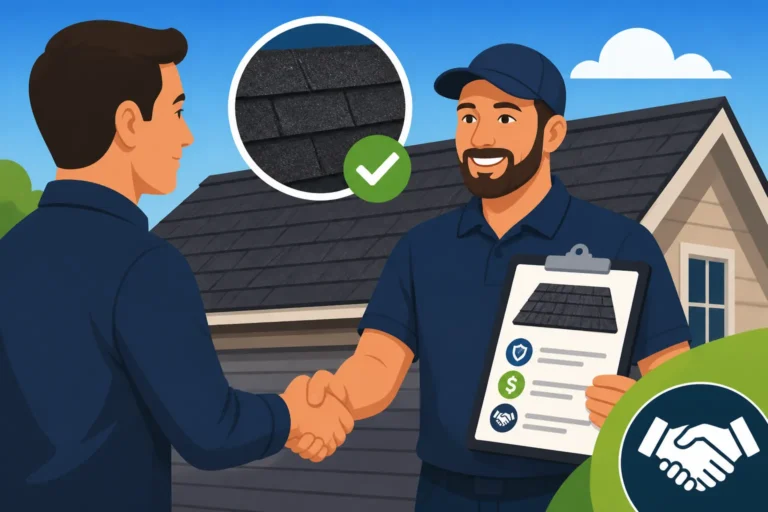
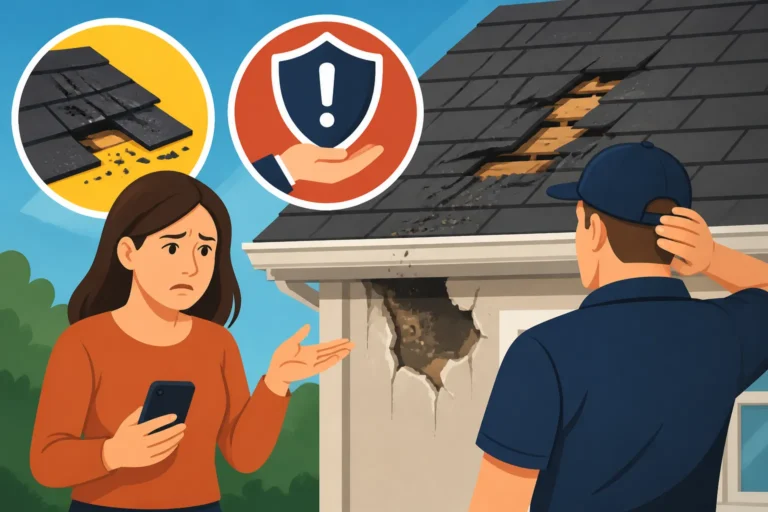
Imagine this scenario: a powerful hurricane sweeps through your town, leaving a trail of damaged roofs. Suddenly, countless trucks with out-of-state plates and unfamiliar names appear, knocking on doors, promising quick fixes and unbeatable prices. This is a common post-storm phenomenon, and it's precisely why Florida's robust licensing system is in place. Without proper licensing, a "storm chaser" could take your money, do shoddy work, and then disappear, leaving you with a leaky roof and no recourse. A licensed contractor, on the other hand, has demonstrated a level of expertise, financial stability, and adherence to state regulations that provides a layer of protection. They are accountable to the state and have a reputation to uphold, making them far less likely to abandon a job or perform subpar work. It’s about more than just a piece of paper; it’s about having a legitimate business with a vested interest in doing things right.
Ensuring Quality and Safety Standards
Beyond preventing scams, Florida's licensing ensures that roofing professionals adhere to strict building codes and safety standards. Our building codes, particularly in coastal areas prone to hurricanes, are among the toughest in the nation. A licensed Florida roofing contractor is required to be knowledgeable about these codes, which dictate everything from how shingles are fastened to the type of underlayment required to withstand high winds and driving rain. This isn't just about passing an inspection; it's about the long-term integrity of your home. Think about it: a roof installed to code will perform better, last longer, and protect your family more effectively during extreme weather. Unlicensed individuals might cut corners, use cheaper materials, or ignore critical installation techniques, potentially compromising the structural integrity of your roof and your entire home. The state’s licensing process confirms they've met minimum standards of competency and safety.
Understanding Florida's Roofing Contractor Licenses
Navigating the different types of contractor licenses can feel like learning a new language. In Florida, roofing licenses are primarily governed by both state and local authorities, meaning a contractor might need one or both depending on their scope of work and where they operate. It's not always a one-size-fits-all situation, and understanding these distinctions is key to making sure you're hiring the right professional.
State-Level Certification: Certified Roofing Contractor
At the state level, the most comprehensive license for roofing is the Certified Roofing Contractor (CRC) license, issued by the Florida Department of Business and Professional Regulation (DBPR). This is the gold standard. A Certified Roofing Contractor is authorized to contract for any roofing work in the State of Florida without restriction. This means they can install, repair, or replace any type of roof system on any type of building, from residential homes to large commercial properties, anywhere in Florida.
To earn this certification, a contractor must go through a rigorous process:
- Experience: They typically need at least four years of experience, a portion of which must be supervisory.
- Examination: They must pass a demanding two-part state certification exam covering business and finance, and the trade itself, which includes complex topics like roofing theory, materials, installation methods, and Florida building codes.
- Financial Stability: They must demonstrate financial responsibility, including having workers' compensation and general liability insurance.
- Background Check: A thorough background check ensures they meet moral character requirements.
It's important to differentiate a Certified Roofing Contractor from a Certified General Contractor. While a General Contractor can also perform roofing work, their primary focus is broader construction, whereas a Roofing Contractor specializes specifically in roofs. When your main project is a new roof, a dedicated Certified Roofing Contractor often brings unparalleled expertise. This state certification ensures a high level of competence and accountability across Florida. You can also explore how much Asphalt Roof Replacement Cost: Complete Breakdown to get a better understanding of what you should expect from a professional service.
Local Licensing and Registration
While a state-certified license allows a contractor to work anywhere in Florida, many counties and municipalities have their own additional licensing or registration requirements, especially for smaller projects or for contractors who only operate within a specific local jurisdiction. These local licenses vary significantly from place to place. For example:
- Miami-Dade County: This county, like many others, has its own robust contractor licensing board that issues "certificate of competency" licenses, including for roofing, that are specific to the county. They often require additional local examinations and proof of insurance tailored to local conditions.
- Orange County (Orlando area): Orange County also requires local registration for state-certified contractors and may have additional requirements for specialty roofing licenses not covered by the state.
- Hillsborough County (Tampa area): Similar to other large counties, Hillsborough County has specific local ordinances and licensing procedures that even state-certified roofers must often comply with by registering their state license.
These local requirements are often designed to ensure that contractors understand hyper-local building codes, permitting processes, and specific environmental factors relevant to that region. It’s always wise to check with your local building department in cities like Tampa, Orlando, or Jacksonville to see if their specific local ordinances require more than just the state certification. This dual-layer system means that even with a state license, a contractor must still register with or obtain a local license from the county or city where the work is being performed. This is another layer of protection, ensuring local accountability. Knowing Roofing Contractor License Requirements by State can give you a broader perspective, but for Florida, always check both state and local.
Specialty Licenses and Exemptions
Beyond the full Certified Roofing Contractor license, there are also a few specialty licenses or situations where a contractor might operate under different rules:
- Residential Roofing Contractor (RR): Some states have this, but in Florida, the CRC covers both residential and commercial. However, smaller repairs might sometimes fall under specific local handyman rules, which can be tricky. Generally, any significant roofing project requires a full roofing contractor license.
- Handyman Exemptions: In Florida, a handyman can perform minor repairs without a contractor's license, typically work valued under a certain monetary threshold (which can vary by county, but is often around $2,500) and not requiring a building permit. However, this is usually limited to very small, non-structural fixes. For anything involving shingle replacement, flashing repair, or anything that touches the integrity of the roof system, a licensed roofing contractor is almost always required. Never assume a handyman is appropriate for anything more than the simplest tasks, especially when it comes to your roof.
- Insurance Work: After a storm, many contractors focus on insurance claims. While insurance companies might have their own requirements, the underlying state and local licensing for the actual construction work remains paramount. An insurance claim roofer still needs to be fully licensed to perform the repairs. You can also learn about Does Insurance Cover Roof Replacement in detail.
It’s crucial for homeowners to be aware of these distinctions. If a contractor tries to operate under a "handyman" exemption for a full roof replacement or large repair, that's a significant red flag. Always insist on a properly licensed professional for any substantial roofing work to protect your investment and ensure compliance with all safety and building codes.
How to Verify a Roofing Contractor's License in Florida
You've got a few estimates in hand, maybe from a couple of local companies and a referral from a friend. Now comes the critical step: verifying their licenses. This isn't just about ticking a box; it's about confirming their legitimacy and ensuring they're qualified to work on your home. Taking the time to do this due diligence can save you immeasurable stress and potential financial loss down the line.
Utilizing the DBPR Database
The Florida Department of Business and Professional Regulation (DBPR) is your first and most important stop for verifying state-level licenses. They maintain a comprehensive online database that is publicly accessible and incredibly easy to use.
Here's how to do it:
- Visit the DBPR Website: Go to the Florida DBPR's official website. Look for a section titled "Verify a License" or "Licensee Search."
- Enter Contractor Information: You can search by the contractor's name, company name, or license number. The license number is usually a string of letters and numbers (e.g., CCC1234567 for a Certified Roofing Contractor).
- Review the Results: Once you find their listing, carefully review the details.
- License Status: Is it "Active" or "Inactive"? An inactive license means they are not authorized to work.
- License Type: Does it specifically say "Certified Roofing Contractor" (CCC)? If it's a general contractor (CGC) doing roofing, that's generally fine, but ensure it's not a different, unrelated license type.
- Disciplinary Actions: This is crucial. The DBPR database will often show any past disciplinary actions, complaints, or public records against the contractor. A clean record is ideal, but if there are minor issues, understand the context. Major violations or numerous complaints are significant red flags.
- Expiration Date: Make sure the license is current and not expired.
Using the DBPR database is a non-negotiable step. Any legitimate contractor should be happy to provide their license number and understand why you're checking. If they balk or seem evasive, consider that a major warning sign. Platforms like Modernize can also help connect you with pre-vetted contractors who are already verified for proper licensing, adding an extra layer of confidence.
Checking Local County and City Records
Remember, in Florida, local licensing can be just as important as state certification. After checking the DBPR, your next step is to verify local registration or licensing with your specific county or city's building department.
Here’s a general approach:
- Identify Your Local Jurisdiction: This means knowing which county and city your property falls under.
- Visit the Local Building Department Website: Search for their "Contractor Search" or "Permit Search" section. Large counties like Miami-Dade, Broward, Palm Beach, Orange, or Hillsborough often have sophisticated online portals. Smaller cities might require a phone call or in-person visit.
- Enter Information: Again, use the contractor's name or company name. Often, state-certified contractors need to register their state license with the local authority, so you might find a registration number rather than a separate local license number.
- Confirm Local Compliance: Ensure they are registered or licensed to work in your specific area. A contractor licensed in Tampa might not automatically be licensed to pull permits in Orlando, even with a state license, without local registration.
- Check for Permits: You can often search for past permits pulled by the contractor in your area. This shows their history of legitimate work and compliance with local processes. Remember that Roofing Permits: Who Pulls Them is an important question to ask.
Don't skip this step. Local verification confirms that the contractor is operating legally within your immediate community and understands local nuances. For a significant project, also inquire about their general liability and worker's compensation insurance – essential protections for you, the homeowner. Learning How to Choose a Roofing Contractor also involves checking these details thoroughly.
Beyond the License: Insurance and Bonding
While licensing proves competence, insurance and bonding provide critical financial protection. A license alone doesn't cover damages or injuries.
Here's what you need to confirm:
- General Liability Insurance: This protects your property from damage caused by the contractor or their crew during the roofing project. Imagine a dropped shingle denting your car or debris damaging landscaping. This insurance covers those costs. Ask for a Certificate of Insurance (COI) directly from the insurance provider, not just a copy from the contractor, to ensure it's current and valid.
- Workers' Compensation Insurance: If a worker is injured on your property, Workers' Comp covers their medical expenses and lost wages. Without it, you, as the homeowner, could be held liable. This is a massive risk to take on. Again, request a COI directly from their insurer.
- Bonding (if applicable): Some larger projects or certain local jurisdictions may require a contractor to be bonded. A bond is a form of financial guarantee that ensures the contractor completes the work according to the contract. If they fail to do so, you can make a claim against the bond. While not always required for residential roofing, it's an added layer of security if available.
Always ask for proof of these crucial coverages. A reputable contractor will have no problem providing current certificates and understands your need for peace of mind. Without proper insurance, you're exposing yourself to significant financial risk. This due diligence is a cornerstone of How to Find a Reputable Roofer. You also want to verify that they have Licensed and Insured Roofers: Why It Matters.
The Risks of Hiring an Unlicensed Roofer in the Sunshine State
It's tempting, especially when facing unexpected repair costs after a storm, to go with the lowest bid. However, if that low bid comes from an unlicensed individual or company, you're not saving money; you're actually taking on enormous risks that can cost you far more in the long run. The dangers range from shoddy workmanship to significant legal and financial liabilities.
Financial and Legal Consequences for Homeowners
Hiring an unlicensed contractor in Florida isn't just a risk for the contractor; it's a huge risk for you, the homeowner. If a problem arises, you have little to no legal recourse. The Florida Homeowners' Construction Recovery Fund, for instance, typically only applies when you've contracted with a licensed contractor. This means if an unlicensed roofer takes your deposit and disappears, or performs work so poorly it needs to be redone, you're often left holding the bag. You might have to sue them in small claims court, but if they're a fly-by-night operation, collecting a judgment can be nearly impossible.
Beyond the lack of recourse, some jurisdictions in Florida can actually fine homeowners for hiring unlicensed contractors. While less common, it’s a possibility, especially if the work is deemed unsafe or not up to code. Imagine trying to sell your house only to find out the roof work done years ago by an unlicensed individual wasn't permitted and isn't up to current code. This could lead to massive repair costs or even deter potential buyers. Moreover, if your property sustains damage due to the unlicensed work, your homeowner's insurance might deny the claim, arguing that you contributed to the damage by not hiring a qualified professional. You could be on the hook for thousands of dollars in repairs and remediation.
Substandard Workmanship and Voided Warranties
Unlicensed contractors often lack the formal training, experience, and knowledge of current building codes that licensed professionals possess. This frequently translates into substandard workmanship. They might use improper installation techniques, cut corners on materials, or fail to install critical components like proper flashing or underlayment correctly. For a roof, this means potential leaks, premature deterioration, and a shorter lifespan for your entire roofing system.
Think about a common issue: nailing patterns. Licensed roofers understand the precise nailing patterns required by manufacturers and Florida building codes to ensure shingles resist wind uplift. An unlicensed individual might use too few nails, nail in the wrong spot, or use staples instead of nails, all of which compromise the roof's ability to withstand a storm. When this happens, your roof fails, and guess what? Your manufacturer's warranty will almost certainly be voided. Major shingle manufacturers like GAF, Owens Corning, or CertainTeed offer extensive warranties, but these are typically contingent on the roof being installed by a certified contractor according to their specifications and local codes. If an unlicensed person installs it, that warranty is often worthless, leaving you with no protection if the materials fail prematurely. You can learn more about What Voids a Shingle Warranty to truly understand this risk.
Personal Liability and Insurance Nightmares
This is perhaps the most frightening risk. If an unlicensed worker gets injured on your property while performing roofing work, you, as the homeowner, could be held personally liable. Licensed contractors carry workers' compensation insurance to cover these situations. Unlicensed individuals typically do not. So, if a worker falls off your roof, breaks a leg, or suffers a more severe injury, you could be responsible for their medical bills, lost wages, and potentially a lawsuit. This can amount to hundreds of thousands of dollars, completely unprotected by your own homeowner's insurance policy, which may specifically exclude coverage for injuries to uninsured contractors.
Furthermore, if the unlicensed contractor causes damage to a neighboring property – say, falling debris hits a neighbor's car or workers accidentally damage their fence – you could also find yourself entangled in a liability claim. Your insurance might again deny coverage due to the unlicensed nature of the work. The peace of mind that comes with knowing your contractor is fully insured with general liability and workers' compensation coverage is invaluable, and it’s a benefit you forfeit when you choose to go with an unlicensed option. Prioritizing Should Your Roofer Be Bonded and Insured is a critical part of protecting your biggest asset.
| Verification Step | Description | Where to Check | What to Look For |
|---|---|---|---|
| State License | Verifies state-level certification (e.g., CCC) | Florida DBPR Website (MyFloridaLicense.com) | "Active" status, "Certified Roofing Contractor," no disciplinary actions, valid expiration |
| Local Registration | Confirms permission to work in your specific city/county | Your City/County Building Department Website | Active registration, compliance with local ordinances |
| General Liability | Protects your property from contractor-caused damage | Request Certificate of Insurance (COI) from insurer | Current policy, adequate coverage limits, your address as additional insured (sometimes) |
| Workers' Compensation | Covers injuries to workers on your property | Request Certificate of Insurance (COI) from insurer | Current policy, covers all employees |
| Permit History | Shows history of compliant work and code adherence | Your City/County Building Department Website | Contractor has pulled permits for similar work in your area |
Choosing a reputable, licensed roofing contractor is the most important decision you'll make when it comes to your roof. It's an investment in your home's safety, longevity, and your own peace of mind. Platforms like Modernize can simplify your search by connecting you with screened professionals, and remember, always ask detailed Questions to Ask a Roofing Contractor Before Hiring. Never hesitate to verify credentials – it’s your right and your responsibility as a homeowner.
Disclaimer
Please remember that building codes, licensing requirements, and regulations can change frequently at both state and local levels. While we strive to provide the most current information, it is always recommended to verify specific requirements with the Florida Department of Business and Professional Regulation (DBPR) and your local county or city building department before engaging any roofing contractor. This article is for informational purposes only and should not be considered legal advice.