How to Find a Reputable Roofer
Finding a reputable roofer can feel like navigating a minefield, especially when you're already stressed about the state of your asphalt roof. The thought of entrusting your home's most important protector to just anyone is daunting, and the horror stories of shoddy work or fly-by-night contractors are enough to make anyone anxious. This comprehensive guide is here to cut through the confusion, providing you with clear, actionable steps to identify and hire a trustworthy, skilled roofer who will deliver quality work and peace of mind.
Understanding What "Reputable" Means in Roofing
Before you even start looking, it's crucial to understand what qualities define a truly reputable roofer. This isn't just about someone who can put shingles on a roof; it's about a professional who operates with integrity, skill, and a commitment to their customers. Without a clear picture of what you're seeking, it's easy to get sidetracked by flashy marketing or unbelievably low bids that ultimately lead to regret. A reputable roofer is an investment in your home's long-term protection and value.
Licensing and Insurance: Non-Negotiable Basics
Let's be absolutely clear: a roofer without proper licensing and comprehensive insurance is a massive liability and a significant red flag. Licensing requirements vary greatly by state and even by county or city. In some states, like California, roofing contractors must hold a specific C-39 Roofing Contractor license. In others, such as New York, local municipalities dictate licensing, and some states might only require a general contractor's license for larger projects. This isn't just bureaucracy; it ensures a baseline level of competency and adherence to building codes. If your roofer isn't licensed, it means they haven't met the minimum standards set by your jurisdiction, which can indicate a lack of experience, training, or even a disregard for legal operating procedures.
Beyond licensing, robust insurance coverage is paramount. A reputable roofer will carry both General Liability insurance and Worker's Compensation insurance. General Liability protects your property in case of accidental damage during the project. Imagine a roofer accidentally drops a bundle of shingles, damaging your landscaping or a window—without this insurance, you'd be on the hook for the repairs. Worker's Compensation is even more critical, as it protects you from liability if a worker gets injured on your property. Roofing is inherently dangerous work, and if a contractor doesn't have Worker's Comp, you could be held responsible for medical bills and lost wages if one of their crew members is hurt on your job site. Always ask for current certificates of insurance directly from their provider, not just a copy they provide, to ensure they are valid and active. Checking their status is a vital step in making sure you’ve hired a responsible professional, as detailed in our guide on Licensed and Insured Roofers: Why It Matters.
Experience and Specialization: What Kind of Work Do They Do Best?
A roofer's experience isn't just about the number of years they've been in business; it's about the depth and breadth of their expertise. While a newer company might offer competitive pricing, a roofer with a decade or more under their belt often brings invaluable knowledge, problem-solving skills, and a proven track record. This is especially true for asphalt roofing, where nuances in installation, material selection, and understanding local weather challenges can make a huge difference in your roof's longevity. Ask how long they've been in business under the current company name, as some less reputable contractors might frequently change names to escape bad reviews or legal issues.
Furthermore, consider if they specialize in the type of work you need. While many roofers handle standard asphalt shingle installations, some might excel at complex projects involving multiple valleys, steep pitches, or historical home renovations. If you have a specific type of asphalt shingle in mind, like architectural or designer shingles, inquire if they have extensive experience working with those particular materials. Some contractors are also certified by specific manufacturers, such as GAF or Owens Corning, indicating they've met stringent training and installation standards for those brands. This specialization often translates to higher quality work and a better understanding of manufacturer warranties.
Communication and Professionalism: How They Interact with You
The way a roofer communicates with you from the very first contact is a strong indicator of their professionalism and how the entire project will likely unfold. Do they respond promptly to your calls and emails? Are they punctual for appointments? Do they provide clear, detailed explanations without making you feel rushed or confused? A reputable roofer understands that a roof replacement is a significant investment and decision for a homeowner, and they will take the time to answer all your questions thoroughly, transparently, and patiently. They won't pressure you into signing a contract on the spot or use high-pressure sales tactics.
Professionalism also extends to their demeanor and respect for your property. When they visit your home for an estimate, do they conduct a thorough inspection, taking photos and detailed notes, or do they simply glance at your roof from the ground? Do they provide a written estimate that is easy to understand and itemized, rather than a scribbled note on a napkin? These small details paint a larger picture of how much they value their work and their clients. A good contractor will treat you with respect, maintain clear lines of communication throughout the entire process, and manage expectations realistically.
Starting Your Search: Where to Look for Potential Roofers
Once you know what to look for, the next step is actually finding candidates. This phase is crucial because the quality of your initial pool of prospects directly impacts your chances of hiring a truly reputable roofer. Don't limit yourself to just one method; cast a wide net to gather a diverse set of options.
Local Recommendations and Word-of-Mouth: The Old-Fashioned, Reliable Way
In the age of endless online reviews, sometimes the most reliable information still comes from the people you trust. Ask your neighbors, friends, family, and colleagues who have recently had roofing work done. A personal recommendation carries significant weight because it comes from someone who has direct experience with a contractor's work ethic, quality, and communication. They can tell you about their full experience, from the initial consultation to the final cleanup, and whether they were satisfied with the outcome and the overall process. This insight is invaluable, as it often highlights aspects that online reviews might miss.
Beyond direct connections, consider talking to other local home service professionals you trust, such as general contractors, real estate agents, or even your insurance agent. They often have a network of reliable tradespeople they've worked with over the years and can offer referrals based on their professional experience. For instance, a local real estate agent in Atlanta might know several roofers who consistently do quality work that helps homes sell, while an insurance agent could recommend contractors known for smooth insurance claim processes after storms. Don't hesitate to ask for several names; the more choices you have, the better equipped you'll be to compare and decide.
Online Directories and Review Sites: Using the Internet Wisely
The internet is an indispensable tool for finding roofers, but it requires a discerning eye. Websites like Yelp, Google Reviews, and the Better Business Bureau (BBB) are excellent starting points for gathering initial information and seeing what other homeowners are saying. Pay attention to the overall rating, but don't stop there. Read through both positive and negative reviews. Look for recurring themes: Are people consistently praising a roofer's communication, punctuality, or quality of work? Conversely, do multiple reviews mention issues like poor cleanup, delays, or unexpected cost increases? It's natural for a busy company to have a few less-than-stellar reviews, but a pattern of complaints is a serious warning sign.
In addition to broad review sites, consider platforms that connect homeowners with contractors, such as Modernize. These services often pre-screen contractors for licenses and insurance, giving you a head start on vetting. Using a platform like Modernize can help you get multiple estimates from qualified local professionals without having to individually seek out and vet each one from scratch. When reviewing online profiles, look for contractors who have a solid presence, detailed service descriptions, and responsiveness to reviews—even negative ones. A professional contractor will often respond to criticism constructively, demonstrating a commitment to customer satisfaction.
Manufacturer-Certified Programs: A Seal of Approval
One often-overlooked but incredibly valuable avenue for finding reputable roofers is through manufacturer certification programs. Major asphalt shingle manufacturers like GAF, Owens Corning, and CertainTeed offer advanced certifications to select roofing contractors who meet rigorous standards. For example, a GAF Master Elite Contractor, an Owens Corning Platinum Preferred Contractor, or a CertainTeed SELECT ShingleMaster has undergone extensive training, demonstrated proven experience, and committed to upholding the manufacturer's strict installation guidelines. These certifications are not easily earned; they require continuous education, adherence to specific installation practices, and often a minimum number of years in business.
What does this mean for you? It means you're working with a contractor who is not only skilled but also deeply familiar with the products they are installing. Furthermore, hiring a manufacturer-certified roofer often unlocks enhanced warranty options that are not available with standard installations. These upgraded warranties can provide significantly longer coverage for both materials and workmanship, offering you greater peace of mind. Our article on Manufacturer-Certified Roofers Explained delves deeper into why these certifications matter and how they benefit homeowners. When you're searching, look for these credentials on a roofer's website or ask about them during your initial inquiries.
Initial Vetting: Separating the Good from the Bad
Once you have a list of potential roofers, it's time to put on your detective hat and start the initial vetting process. This phase is crucial for weeding out less reputable contractors and ensuring that the ones you consider seriously meet essential professional standards. Skipping these steps can lead to significant headaches down the road.
Checking Licenses, Insurance, and Bonding: Verify, Verify, Verify
This cannot be emphasized enough: always verify a roofer's credentials independently. Don't just take their word for it or accept copies of documents without cross-referencing. For licensing, visit your state's contractor licensing board website or your local municipality's building department portal. Most jurisdictions offer an online search tool where you can input the contractor's license number or company name to check its validity and any disciplinary actions. If a roofer claims to be licensed but you can't find them, that's an immediate deal-breaker. Roofing license requirements by state vary, so it's essential to check the specific regulations for your area.
For insurance, ask the roofing company to have their insurance provider send proof of General Liability and Worker's Compensation directly to you. This ensures that the certificates are current and have not been altered. Look at the policy dates to confirm they are active through the duration of your project. If they only provide you with a copy, politely insist on direct verification from the insurer. In some cases, a roofer might also be bonded, which offers an additional layer of financial protection should the contractor fail to complete the job or meet contractual obligations. While not always required, a bond further signals a contractor's commitment to standing behind their work. Our guide on Should Your Roofer Be Bonded and Insured offers more detailed insights into why these protections are so vital.
Reviewing Online Presence and Reputation: What Others Say
Beyond the basic licenses and insurance, a deep dive into a roofer's online reputation can tell you a lot about their operational practices and customer service. Start by looking up their company on the Better Business Bureau (BBB) website. Here, you can see their rating, accreditation status, and any customer complaints filed against them, along with the company's responses. A reputable company will often address complaints professionally and work towards a resolution, showing their commitment to customer satisfaction.
Next, scour independent review sites like Google Reviews, Yelp, and even local social media groups (like Facebook community pages). Pay attention to the frequency of reviews, not just the star rating. A company with many recent, positive reviews is generally a good sign. However, be wary of profiles with only a handful of reviews that all sound similar—these can sometimes be fabricated. Look for reviews that provide specific details about the project, the crew, communication, and overall experience. What were their common complaints or praises? Are there any consistent red flags in a roofing estimate mentioned? A roofer with a consistent track record of positive feedback and transparent communication is usually a safe bet.
Looking for Red Flags and Warning Signs: What to Avoid
While actively seeking positive attributes, it's equally important to be vigilant for warning signs that can indicate a less-than-reputable roofer. One of the biggest red flags is a contractor who pressures you to make a quick decision or sign a contract on the spot, especially after a storm. This "storm chaser" tactic often involves out-of-town companies looking to do quick, often subpar, work before moving on. Our piece on Storm Chaser Roofers: How to Spot Them provides critical advice on avoiding these predatory practices. Another major red flag is a contractor asking for full payment upfront, or an unusually large deposit. While a reasonable deposit (typically 10-30%) is common, reputable roofers usually structure payment schedules based on project milestones, not demand everything before any work begins.
Other warning signs include:
- No physical address or only a P.O. Box: A legitimate business should have a verifiable physical office location.
- Door-to-door sales tactics: While some reputable companies use this, it's a common tactic for less scrupulous contractors, especially after a storm. Be extra cautious.
- Unsolicited offers or ridiculously low bids: If a bid is significantly lower than others, it could indicate corners being cut on materials, labor, or insurance. Remember, the cheapest roofer isn't always the best value.
- Lack of a detailed written estimate or contract: A reputable roofer provides comprehensive documentation.
- Inability to provide proof of insurance and licensing upon request: Any hesitation here is a huge warning.
Being aware of these common roofing contractor red flags to avoid can save you from significant financial and structural problems.
Getting and Comparing Estimates: Beyond Just the Price Tag
Once you've narrowed down your list to a few reputable contenders, the next critical step is to obtain detailed estimates. This isn't just about finding the lowest price; it's about understanding the scope of work, the quality of materials, and the value each contractor offers. Comparing bids effectively requires a systematic approach, ensuring you're looking at apples to apples, not apples to oranges.
What a Comprehensive Estimate Should Include: Detail is Key
A truly comprehensive roofing estimate goes far beyond a single lump sum. It should be itemized, transparent, and clearly detail every aspect of the project. This means specifying the types and brands of materials (e.g., GAF Timberline HDZ shingles, Owens Corning Duration, or CertainTeed Landmark Pro), the quantity of materials (e.g., number of squares of shingles), and the cost per unit. It should break down labor costs separately from material costs, explaining how much roofers charge per hour or per square. The estimate should also clearly state the cost of tear-off and disposal of old materials, as well as any fees for permits, which are often required for roof replacements.
Furthermore, a detailed estimate should include information on crucial underlayment (like synthetic or felt), ice and water shield installation, flashing (for chimneys, vents, and valleys), drip edge, and ventilation components (ridge vents, soffit vents). Any potential for extra costs, such as unforeseen roof decking replacement due to rot, should be discussed upfront and outlined with clear contingency plans. If a contractor from Modernize provides an estimate, ensure it's as detailed as possible to allow for accurate comparison. A vague estimate is a red flag because it leaves too much room for unexpected "change orders" once the project begins. Our guide on What a Roofing Estimate Should Include provides a thorough checklist for reviewing your bids.
How to Compare Multiple Bids Fairly: Apples to Apples
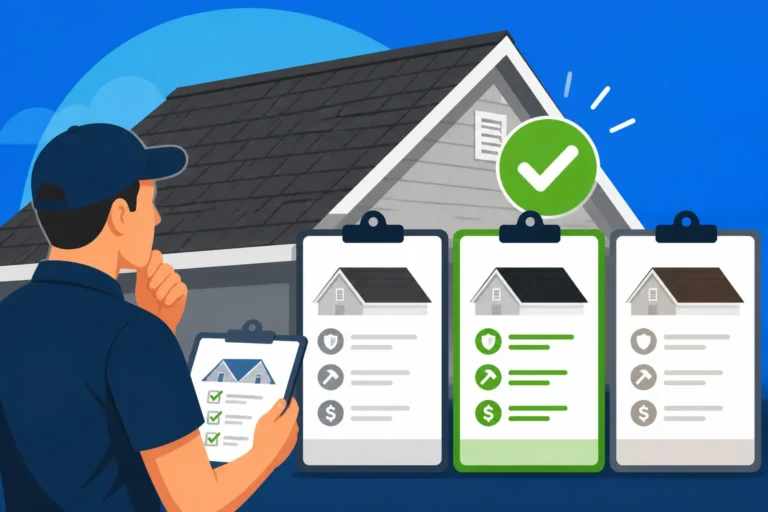
Receiving multiple bids from different contractors is standard practice, and it’s wise to get at least three to five quotes. But simply comparing the bottom-line price is a mistake. Instead, lay out each estimate side-by-side and compare the line items. Are all contractors quoting the same quality and brand of shingles? Do they all include the same type and amount of underlayment? Is the scope of work identical, covering everything from tear-off to cleanup and final inspection? One contractor might offer a lower price because they've excluded necessary components like new drip edge or adequate ventilation, or they might be planning to cut corners.
Pay close attention to warranties. A bid might be slightly higher from a manufacturer-certified contractor because it includes an enhanced, non-prorated warranty that protects your investment for decades. Also, consider the timeline for completion and the payment schedule. Does one contractor require a much larger upfront deposit than others? Are the completion dates realistic, or does one promise an impossibly fast turnaround that could indicate rushed work? Our article on How to Get Roofing Quotes and Compare Them offers practical strategies for this critical comparison phase. It's about finding the best value, not just the lowest cost, recognizing that the long-term performance of your roof is paramount.
Questions to Ask During the Consultation: Get Specific Answers
The consultation meeting with each potential roofer is your opportunity to gather crucial information and assess their expertise and communication style. Come prepared with a list of questions beyond what's on the estimate. For example, ask about their crew: Are they subcontractors or direct employees? How long have they worked together? What safety measures do they have in place? Inquire about their process for protecting your property during installation, such as using tarps, magnetic nail sweeps, and careful material staging.
Ask about their cleanup process; a meticulous cleanup is essential to prevent nails or debris from damaging your property or injuring someone. Discuss their plan for managing unforeseen issues, like discovering rotted decking, and how they communicate and get approval for change orders. Don't forget to ask about their specific experience with asphalt roofing projects similar to yours and if they can provide references for those jobs. Our guide on Questions to Ask a Roofing Contractor Before Hiring lists essential inquiries that will help you gauge a contractor's professionalism and capability, helping you feel confident in your choice.
Making Your Final Decision: The Contract and Beyond
You've done your research, vetted your candidates, and compared estimates. Now comes the moment of truth: choosing your roofer and finalizing the agreement. This stage involves scrutinizing the contract, understanding payment terms, and clarifying warranty details – all crucial steps to protect your investment and ensure a smooth project.
Understanding the Roofing Contract: Read Every Line
Never sign a roofing contract without reading and understanding every single line. This document is your primary protection and outlines the entire agreement between you and the contractor. A good contract should reflect everything that was discussed during the consultation and detailed in the estimate. It should clearly state the start and estimated completion dates, the total cost, and a detailed breakdown of materials and labor. Crucially, it must specify the exact products being used, including brand, model, and color of shingles, as well as the type of underlayment, flashing, and ventilation.
The contract should also outline the payment schedule (e.g., deposit, progress payments, final payment upon completion), define who is responsible for pulling necessary permits (it should always be the contractor), and detail the cleanup process. Look for clauses regarding change orders—how will additional work, like unforeseen roof decking replacement, be authorized and priced? Ensure there's a clear statement about warranties, covering both materials (manufacturer's warranty) and workmanship (contractor's warranty). A reputable contractor will be happy to walk you through the contract and answer any questions you have. If they seem to rush you or are vague about details, consider that a serious red flag in a roofing contract.
Payment Schedules and Deposit Expectations: What's Normal?
Understanding the typical payment structure for a roofing project is vital to avoid scams and manage your budget effectively. It's common practice for reputable roofers to request a deposit upfront to cover initial material costs and secure your spot on their schedule. This deposit typically ranges from 10% to 30% of the total project cost, though it can vary based on local regulations and project size. For instance, in some states like California, contractors are legally limited to a 10% deposit or $1,000, whichever is less. However, in states like Texas or Florida, larger deposits are more common due to material ordering logistics and storm-related demand.
The remaining balance is usually tied to project milestones. This might mean a payment upon delivery of materials, another halfway through the installation, and the final payment only once the job is 100% complete and you are satisfied with the work. This milestone-based approach protects both you and the contractor, ensuring work progresses as payments are made. Be extremely wary of any roofer who demands full payment upfront before any work has begun, or who insists on cash-only payments without a clear, verifiable invoicing system. Our article on Roofing Deposit and Payment Schedule provides more insight into what to expect.
Warranty Information: Protecting Your Investment
A new roof is a significant investment, and the warranty provides critical protection for that investment. You should expect two main types of warranties: the manufacturer's warranty covering the materials, and the contractor's warranty covering their workmanship.
- Manufacturer's Warranty: This typically covers defects in the shingles and other components supplied by the manufacturer. Standard warranties might offer prorated coverage for 20-30 years, while enhanced "system" warranties (often only available when a manufacturer-certified contractor installs a complete roofing system) can provide non-prorated coverage for 50 years or even a lifetime, including coverage for installation errors. Brands like GAF, Owens Corning, and CertainTeed all offer various levels of protection. Make sure you understand what voids a shingle warranty and how to register your new roof.
- Workmanship Warranty: This is the contractor's guarantee that their installation work is free from defects. A reputable roofer will typically offer a workmanship warranty of at least 5 to 10 years, though some certified contractors might extend this to 25 years or even longer. This covers issues like leaks caused by improper flashing or shingles improperly fastened.
Ensure all warranty details are clearly documented in your contract, including the duration, what specifically is covered, and the process for filing a claim. Ask about transferability – is the warranty transferable to a new homeowner if you sell your house? This can be a significant selling point. Knowing How Long Should a Roofing Warranty Last will help you set realistic expectations and ensure you're getting adequate protection for your new asphalt roof.
Working with Your Chosen Roofer and Post-Installation
The relationship with your roofer doesn't end when the contract is signed; it continues throughout the project and even after completion. Effective communication, understanding the installation process, and a thorough final inspection are key to ensuring a successful outcome and your complete satisfaction.
Communication During the Project: Staying in the Loop
Even with the most reputable contractor, questions or minor issues can arise during a complex project like a roof replacement. Establishing clear lines of communication from the outset is vital. Ask your project manager or lead foreman who your primary point of contact will be and how they prefer to communicate (phone, text, email). Understand their typical working hours and what to do in case of an emergency. A good contractor will provide regular updates on progress, anticipate potential delays due to weather or material availability, and promptly address any concerns you might have.
Be proactive. If you notice something that looks off or have a question, bring it up immediately. Don't wait until the project is nearly finished. A reputable roofer will appreciate your engagement and be keen to address issues before they become bigger problems. This open dialogue helps manage expectations and ensures you're both on the same page every step of the way, preventing misunderstandings and ensuring smooth progress.
Final Inspection and Punch List: Ensuring Satisfaction
Once the installation is complete, a thorough final inspection is paramount before you make the final payment. Don't rush this step. Ideally, you and the project manager should walk around your property together, inspecting the new roof from the ground (and with binoculars if possible) for proper shingle alignment, clean edges, and correct flashing around chimneys, vents, and skylights. Look for any visible imperfections or signs of damage. Check your property for debris: a reputable roofer will conduct a meticulous cleanup, removing all old materials, nails, and packaging, often using a magnetic roller to catch errant nails.
Also, check your attic for signs of new leaks (especially if it rains after installation) or any internal damage that might have occurred. Create a "punch list" of any issues, no matter how small, that need to be addressed. This might include a stray nail, a shingle that looks slightly off, or remaining debris. A professional contractor will be happy to walk you through the entire project, address any items on your punch list promptly, and ensure your complete satisfaction before requesting the final payment. This diligence helps prevent common Signs of a Bad Roofing Job from becoming your reality.
Long-Term Relationship and Maintenance: Keeping Your Roof in Top Shape
While your new asphalt roof is designed for durability, it's not entirely maintenance-free. A reputable roofer doesn't just install a roof and disappear; they often encourage a long-term relationship by offering advice on maintenance and being available for future needs. Ask your contractor about recommended annual roof inspections, especially if you live in an area prone to harsh weather. Regular inspections can identify minor issues like loose shingles, damaged flashing, or clogged gutters before they escalate into major problems.
They can also advise you on how to extend the life of an asphalt roof, such as keeping tree branches trimmed away from the roofline and cleaning moss or algae growth promptly. Knowing who to call for routine checks or minor repairs means you won't be starting your search from scratch again in a few years. Having a trusted roofer on speed dial for any future concerns is a significant benefit of choosing wisely from the start.
Common Mistakes to Avoid When Hiring a Roofer
Even with the best intentions, homeowners can sometimes fall into traps when hiring a roofer. Being aware of these common pitfalls can save you from financial loss, shoddy workmanship, and immense frustration. Learning from the mistakes of others is a powerful tool in securing the right contractor for your asphalt roofing project.
Falling for the Cheapest Bid: Why It's Often a Trap
It's tempting to go with the lowest price, especially when faced with a significant expense like a roof replacement. However, choosing a roofer based solely on the cheapest bid is one of the biggest mistakes homeowners make. A significantly lower price often means corners are being cut somewhere – whether it's using subpar materials, skimping on critical components like underlayment or flashing, hiring uninsured or untrained laborers, or simply lacking the overhead for proper operations and warranties.
For example, a low bid might exclude the cost of a full tear-off and disposal, instead proposing to roof over existing shingles, which might violate local building codes or void manufacturer warranties, as discussed in Cost to Roof Over Existing Shingles. While this can save money upfront, it significantly reduces the lifespan and performance of your new roof. Always remember that a quality roof is an investment in your home's structural integrity and value. If a price seems too good to be true, it almost certainly is. Always get at least three detailed quotes and compare them thoroughly, prioritizing value and reputation over just the bottom line, as we emphasize in Why the Lowest Roofing Bid Is Risky.
Ignoring References and Reviews: Missing Crucial Insights
While online reviews offer a broad overview, neglecting to ask for and actually check references is a missed opportunity for deeper insight. A reputable roofer will be eager to provide you with a list of recent clients you can contact. When speaking with references, ask specific questions: Was the project completed on time and within budget? Was communication clear and consistent? How was the cleanup? Were there any issues, and if so, how were they resolved? Would they hire this contractor again?
This step provides a personal, unfiltered perspective on the contractor's performance and customer service. Similarly, just glancing at a 5-star rating online isn't enough. Dive into the details of the reviews. Are they recent? Do they sound authentic? Are there responses from the contractor, especially to negative feedback? The collective experiences of past customers are a powerful indicator of what you can expect, helping you avoid contractors with a history of poor service or unfinished jobs.
Rushing the Decision: Pressure Can Lead to Bad Choices
A new roof is a major financial and structural undertaking, and it should never be a rushed decision. Unfortunately, high-pressure sales tactics are common in the roofing industry, particularly after severe weather events. Some less scrupulous contractors might try to create a sense of urgency, claiming materials prices are about to skyrocket or that they have a limited-time "deal" that expires immediately. This pressure is designed to prevent you from doing your due diligence, getting multiple quotes, or thinking clearly.
Take your time. Gather all the information, get several estimates, and compare them carefully. Sleep on the decision. A reputable contractor will understand that you need time to make an informed choice and will never pressure you into signing a contract on the spot. If a contractor from Modernize or any other source tries to force your hand, consider it a significant red flag and walk away. A hasty decision can lead to buyer's remorse, substandard work, and a host of problems you'll have to deal with long after the "deal" is gone.
Disclaimer
Please note that the information provided in this article is intended for general guidance and informational purposes only. While we strive to offer accurate and up-to-date advice, roofing regulations, costs, and contractor requirements can vary significantly by location and change over time. Always consult with multiple licensed and insured roofing professionals in your specific area to obtain tailored advice and estimates for your project. Before making any decisions, verify all contractor credentials, insurance, and licensing independently with the appropriate local and state authorities.