Questions to Ask a Roofing Contractor Before Hiring
Deciding to replace your roof is a huge step, and frankly, it can feel incredibly daunting. You're entrusting a significant investment and the protection of your entire home to a team of people you likely don't know. The fear of choosing the wrong contractor, getting shoddy work, or being stuck with hidden costs is very real. This comprehensive guide is here to empower you with the right questions to ask, ensuring you find a reliable, professional roofing contractor who will do the job right the first time.
Why Asking the Right Questions is Crucial
Before any hammer swings or materials are ordered, the interview process with potential roofing contractors is your absolute best defense against future headaches. Think of it like this: you wouldn't hire someone for a major job at work without a thorough interview, right? Your roof is arguably more important than many day-to-day work tasks. It protects your family, your belongings, and your peace of mind. Without the right questions, you're essentially walking into a major home improvement project blind, hoping for the best. This approach often leads to misunderstandings, unexpected expenses, and, in the worst cases, costly repairs of a poorly installed roof. A professional, trustworthy contractor will welcome your questions and be transparent with their answers. It’s a sign of their confidence and commitment to quality.
Avoiding Common Pitfalls
The roofing industry, like any home service sector, has its share of less-than-reputable characters. Many homeowners fall victim to high-pressure sales tactics, ambiguous contracts, or contractors who disappear once problems arise. By preparing a solid list of questions, you take control of the conversation, forcing contractors to be specific and accountable. This proactive stance helps you identify red flags early on, such as evasiveness about licensing, insurance, or warranties. For instance, some "storm chaser" companies will swoop into an area after severe weather, offer incredibly low bids, and then perform subpar work before moving on, leaving homeowners with no recourse. Your questions will help you separate these opportunistic outfits from established local businesses dedicated to their craft and community.
Setting Clear Expectations from the Outset
Clear communication is the bedrock of any successful home improvement project. When you ask detailed questions about timelines, materials, payment schedules, and cleanup procedures, you're not just gathering information; you're also setting expectations. This ensures that both you and the contractor are on the same page regarding the scope of work and the desired outcome. For example, if you expect daily updates on progress and the contractor only plans to communicate at the start and end of the project, knowing this upfront allows you to address the discrepancy before it becomes a source of frustration. Understanding their process, from securing permits to final inspection, helps you visualize the project progression and feel more in control.
Investigating Credentials and Experience
The foundation of a reliable roofing contractor lies in their credentials and depth of experience. You wouldn't trust a novice to perform brain surgery, and your roof, the crown of your home, deserves similar consideration.
Verifying Licensing and Insurance
One of the first and most critical questions to ask is about their licensing and insurance. This isn't just a formality; it's a fundamental safeguard for you, the homeowner.
When you ask, "Are you licensed and insured?", don't settle for a simple "yes." Request to see actual proof. A legitimate contractor should be proud to show you their current general contractor or roofing contractor license, issued by your state or local municipality. Licensing ensures they meet minimum standards of competence and professionalism. The specific requirements can vary significantly from one area to another; for example, what's needed in Florida might be different than in Colorado. It's smart to also check with your local building department to verify the license is active and in good standing. Without a proper license, you could be dealing with an amateur, and you might have little recourse if something goes wrong.
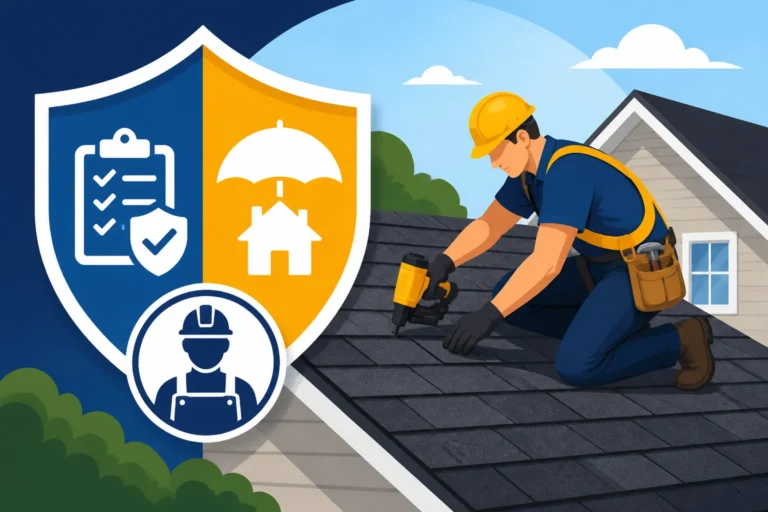
Equally important is verifying their insurance. There are two primary types you need to see: workers' compensation and general liability insurance. Workers' compensation protects the contractor's employees if they get injured on your property. Imagine a roofer falls and breaks a leg while working on your house. If the contractor doesn't have workers' comp, you, the homeowner, could potentially be held liable for their medical bills and lost wages. This is a nightmare scenario that homeowners often overlook. General liability insurance, on the other hand, covers any damage the roofing crew might accidentally cause to your property, such as a falling ladder damaging your gutters or shingles landing on your prized rose bushes. Again, ask for current certificates of insurance directly from their insurer, not just a copy the contractor printed. You want to make sure the policy is active for the dates of your project. This due diligence is precisely why Licensed and Insured Roofers: Why It Matters is such an important topic to understand thoroughly.
Assessing Company History and Specialization
Beyond basic credentials, delve into the contractor's background. Ask, "How long have you been in business, and what is your primary area of expertise?"
A company with a long, established history in your community often indicates stability and a proven track record. They’ve likely weathered various economic climates and local challenges, demonstrating resilience. While a new company isn't necessarily bad, one that's been around for a decade or more has a stronger foundation. Ask how long they've been operating under their current name and if there have been any name changes. Regarding specialization, you want a contractor who focuses on asphalt roofing if that's what you're getting. Some general contractors might dabble in roofing, but a specialist will have more in-depth knowledge of asphalt shingle installation best practices, common issues, and the latest products. They’ll also be more likely to have the right specialized equipment and trained crews. Don't hesitate to ask about their experience with specific types of asphalt shingles, like architectural or designer styles, if you have a preference.
Furthermore, inquire about any manufacturer certifications they hold, such as GAF Master Elite, Owens Corning Platinum Preferred, or CertainTeed SELECT ShingleMaster. These certifications are a big deal because they show that the manufacturer trusts the contractor enough to endorse their installation quality. To earn these, contractors typically have to meet stringent criteria, including specific training, consistent quality workmanship, and a solid business reputation. This often allows them to offer enhanced manufacturer warranties that an uncertified contractor cannot. For example, a GAF Master Elite contractor can offer their Golden Pledge Warranty, which covers both material defects and workmanship for an extended period. These certifications demonstrate a commitment to ongoing education and adherence to industry best practices, giving you an extra layer of confidence in their expertise. This directly relates to Manufacturer-Certified Roofers Explained.
Delving Into Project Details and Process
Once you're comfortable with a contractor's legitimacy, it's time to understand exactly how they'll tackle your specific project. This is where you clarify the nuts and bolts of the work.
Clarifying the Scope of Work and Timeline
It's vital to have a crystal-clear understanding of what the project entails and when it will be completed. Ask, "What exactly does your proposal include, and what is the estimated timeline for completion?"
A detailed proposal should break down every aspect of the job. It shouldn't just say "new roof." Instead, it should list components like tear-off of old shingles, inspection and replacement of any damaged roof decking, installation of new underlayment, ice and water shield, drip edge, flashing, and the specific brand and type of asphalt shingles, along with hip and ridge caps. Clarify if skylights or chimney repairs are included, or if these are separate line items. Don't assume anything. If something isn't explicitly mentioned, ask. For instance, will they replace deteriorated fascia boards or just cover them? You also need a realistic timeline. A full roof replacement typically takes 1-3 days for an average-sized home, but factors like roof size, pitch, weather, and unexpected decking repairs can extend this. Ask for a projected start date and an estimated completion window. Good contractors will communicate if delays occur due to weather or material availability, but you should know their standard timeframe expectations upfront. Understanding How a Roof Replacement Works: The Full Process can really help you contextualize these details.
Discussing the tear-off process is also crucial. Ask whether they plan a full tear-off or if they'll consider roofing over existing shingles. While roofing over can sometimes be cheaper upfront, it's generally not recommended for asphalt shingles if there's already one layer or significant damage, as it can void warranties and hide underlying issues. A full tear-off allows for a thorough inspection of the roof decking, which is essential for a long-lasting roof. If they do find rotten decking, ask about the process for replacement and how that impacts the cost and timeline. Typically, they'll specify a per-sheet rate for decking replacement in the contract, which is a common additional charge.
Understanding Site Management and Protection
A professional roofing job extends beyond just installing shingles; it includes careful management of your property throughout the process. Ask, "What steps do you take to protect my property, and what is your cleanup process?"
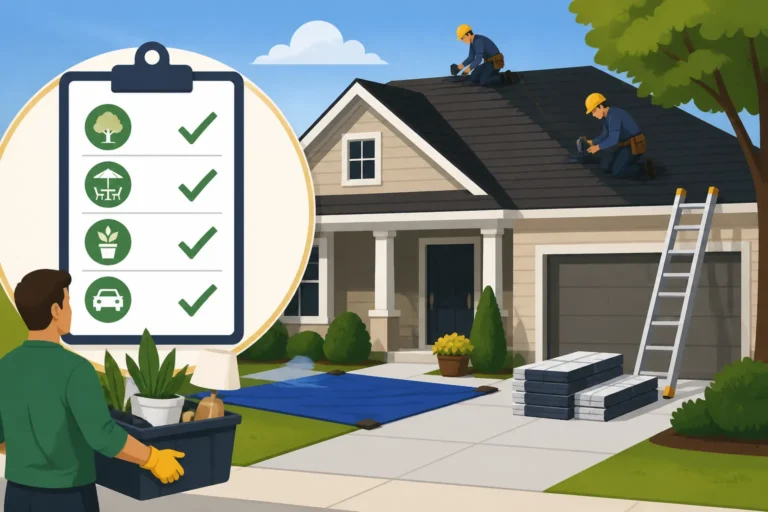
Your home, landscaping, and personal belongings around the perimeter need protection during a roof replacement. Roofing is messy work, involving old shingles, nails, debris, and tools being moved around. Inquire about how they protect your shrubs, flowerbeds, outdoor furniture, and driveways. Many contractors use large tarps draped over landscaping and magnetic rollers to pick up nails. Some might even use plywood to protect windows or garage doors, especially on multi-story homes. Don't be shy about asking for specific examples of how they'll safeguard your property. You can even walk them around your yard and point out areas of particular concern, like a prized rose bush or a newly paved driveway.
The cleanup process is another major point of consideration. A truly professional crew will leave your property cleaner than they found it. Ask about their daily cleanup routine and their final cleanup plan. This should include collecting all old shingles and debris, sweeping for nails (using those magnetic rollers repeatedly!), and ensuring all discarded materials are properly hauled away. Nobody wants to be stepping on roofing nails in their driveway months after the job is done. Ensure their plan includes proper disposal of old materials, preferably at a recycling facility if available in your area. They should also specify who is responsible for post-project debris removal and confirm that this cost is included in the estimate. This ensures there are no surprises when the job is complete, leaving you with a beautiful new roof and a tidy yard.
Navigating Cost and Payment Structures
The financial aspect is often the most stressful part of a roof replacement. Transparent pricing and clear payment terms are non-negotiable for a smooth experience.
Requesting Detailed Estimates and Breakdowns
Never accept a verbal quote. Always ask for a written, itemized estimate. Specifically, ask, "Can you provide a detailed, itemized estimate that breaks down all costs, and what factors might cause the price to change?"
A good estimate should be more than just a single number. It should clearly list the cost of materials (shingles, underlayment, flashing, vents, etc.), labor, permit fees, tear-off and disposal fees, and any other associated charges. The quantity of materials (e.g., number of roofing squares) should also be specified. This level of detail allows you to compare bids accurately between different contractors and understand exactly what you're paying for. If an estimate is vague or overly simplified, it’s a red flag. You need to know if the cost of new flashing around your chimney is included or if it's an extra. How to Read and Compare Roofing Estimates is an excellent resource for this stage. For example, some contractors might bundle everything, while others break it down to show their competitive pricing on individual components.
It’s also crucial to discuss potential additional costs upfront. The most common unexpected expense is discovering rotted or damaged roof decking after the old shingles are removed. Ask the contractor how they handle this. Most will include a clause in their contract specifying a per-sheet price for plywood or OSB replacement. You should understand this cost and how they will communicate such findings to you before proceeding with additional work. Other factors that can influence the price include the complexity of your roof (steep pitches, multiple valleys, numerous dormers), accessibility issues (e.g., tight spaces, landscaping that complicates access), and even the time of year, as demand can fluctuate. Brands like GAF and Owens Corning offer a range of shingle options, from standard architectural to premium designer shingles, with varying price points. A good contractor will explain these options and their respective costs clearly.
Understanding Payment Schedule and Financing
How and when you pay is just as important as the total cost. Ask, "What is your payment schedule, and do you offer any financing options?"
A reputable contractor will typically not demand full payment upfront. A common payment structure involves a deposit (often 10-30% of the total project cost) to secure materials and schedule the work, with the remaining balance due upon satisfactory completion of the project. Sometimes, there might be a progress payment halfway through for larger, multi-day projects. Avoid any contractor who asks for more than 50% upfront, especially if they are unsolicited or new to the area. This can be a sign of a scam or a contractor with cash flow problems. Always get the payment schedule in writing, outlining specific milestones for payments. This protects both you and the contractor. For deeper insight, refer to Roofing Deposit: How Much Is Normal.
Beyond the payment schedule, inquire about financing options. Many homeowners don't have the entire cost of a new roof sitting in their bank account. Professional roofing companies often partner with lenders to offer various financing plans, including options with low interest, deferred payments, or even 0% APR for a limited period. Companies found through platforms like Modernize often have connections to contractors who provide flexible financing, making a new roof more accessible. Understanding these options upfront can help you budget effectively. If you're planning to use a home equity loan or another external financing method, be sure to communicate your timeline for receiving funds to the contractor so they can coordinate scheduling accordingly.
Clarifying Warranties and Guarantees
A new roof is a significant investment, and its longevity and performance are paramount. Understanding the warranties that come with it is absolutely essential.
Differentiating Manufacturer and Workmanship Warranties
Warranties can be confusing because there are usually two distinct types. Ask, "What kind of warranties do you offer, both for materials and workmanship, and what are the terms?"
The first type is the manufacturer's warranty, which covers the roofing materials themselves (the shingles, underlayment, etc.) against defects. This is provided by the company that made the shingles, such as GAF, Owens Corning, or CertainTeed. These warranties often last for 25 to 50 years, or even "lifetime" (which typically means as long as you own the home, with some limitations). It's important to understand the details: Is it prorated, meaning the coverage decreases over time? What specifically does it cover? How do you file a claim? Some advanced manufacturer warranties, like GAF's Golden Pledge, can cover the entire roofing system and include a significant period of non-prorated coverage.
The second type is the workmanship warranty, which is provided by the contractor and covers the installation. This warranty guarantees that the roof was installed correctly, according to manufacturer specifications and building codes. If your roof leaks because a shingle was nailed improperly or flashing wasn't installed correctly, the workmanship warranty is what protects you. These typically range from 2 to 10 years, though some top-tier contractors offer longer periods. It's crucial to have this in writing from your contractor, detailing what's covered and for how long. You should also clarify the process for filing a claim under their workmanship warranty. This distinction is so important that we dedicated an entire post to Roofing Warranty: Workmanship vs Manufacturer. Many issues arise not from faulty materials, but from faulty installation, making the workmanship warranty incredibly valuable.
Understanding Transferability and Registration
Life happens, and you might sell your home before your roof's warranty expires. Ask, "Is the warranty transferable to a new homeowner, and who is responsible for registering the manufacturer's warranty?"
The transferability of a warranty can be a significant selling point when you put your house on the market. A buyer will appreciate knowing they are inheriting a roof that is still protected. Many manufacturer warranties are transferable, but often with specific conditions, such as a fee or a limited transfer period (e.g., only transferable once within the first five years). Ensure you understand these terms. If the warranty is not transferable, it essentially expires when you sell the home, which diminishes the roof's long-term value proposition for a prospective buyer.
Regarding registration, most manufacturers require the warranty to be registered within a certain timeframe after installation – sometimes as short as 30 or 60 days. This step is critical; without proper registration, your warranty might be void. Ask your contractor who is responsible for this. A professional contractor should handle the registration of the manufacturer's warranty on your behalf as part of their service, especially if they are certified to offer enhanced warranties. They should provide you with proof of registration once completed. Don't leave this important step to chance; confirm it's part of their process and that you will receive all necessary documentation for your records. For a deeper dive into this, see How to Transfer a Roof Warranty.
Evaluating Communication and References
A successful project relies not only on technical skill but also on effective communication and a proven track record with past clients.
Checking Client References and Reviews
One of the best ways to gauge a contractor's reliability is by looking at their past work and reputation. Ask, "Can you provide a list of recent references, and where can I find reviews of your work?"
Any reputable contractor should be happy to provide you with contact information for at least three recent clients. Don't just take their word for it; actually call these references. When you call, ask specific questions:
- Were they satisfied with the quality of the work?
- Was the project completed on time and within budget?
- How well did the contractor communicate throughout the project?
- How did they handle any unexpected issues or challenges?
- Would they hire this contractor again?
- Did they leave the property clean?
- Was the crew professional and respectful?
These conversations can provide invaluable insights into what it's truly like to work with the contractor. In addition to personal references, check online review platforms. Look at Google Reviews, Yelp, Better Business Bureau (BBB), and industry-specific sites. Pay attention not just to the star ratings but also to the content of the reviews. Look for patterns: consistently positive comments about professionalism, quality, and communication are good signs. Similarly, consistent complaints about delays, hidden fees, or poor cleanup are major red flags. Also, note how the contractor responds to negative reviews – a professional response attempting to resolve issues can be a positive sign. This process is covered in more detail in How to Check Roofer Reviews and References.
Establishing a Communication Plan
Poor communication can derail any project, leading to frustration and misunderstandings. Ask, "Who will be my primary point of contact throughout the project, and how often can I expect updates?"
Before signing a contract, you should know exactly who you'll be communicating with. Will it be the sales representative you met, the project manager, or the crew foreman? Ideally, you'll have one dedicated point person who can answer your questions, address concerns, and provide updates. This prevents you from being shuffled around or receiving conflicting information. Ask for their direct contact information (phone number and email) and confirm their availability during the workday.
Establish expectations for communication frequency. Will you receive daily updates at the end of each workday? Will they notify you immediately of any significant developments, like unexpected material delays or the discovery of extensive decking damage? Knowing this upfront helps manage your expectations and reduces anxiety. For example, if your chosen contractor primarily communicates via text message, but you prefer phone calls, clarify this preference now. A good contractor understands that a homeowner’s peace of mind is partly dependent on feeling informed and heard.
Considering Material and Product Choices
The quality of your roof isn't just about the installation; it's equally about the materials used. Understanding your options is key to making an informed decision.
Reviewing Shingle Options and Benefits
Asphalt shingles come in various styles, grades, and features, each with its own benefits and price point. Ask, "What shingle options do you recommend for my home, and what are the pros and cons of each?"
A knowledgeable contractor won't just tell you what they use; they'll explain why certain shingles are a good fit for your home, climate, and budget. For asphalt shingles, the most common types are 3-tab, architectural (also known as dimensional), and designer (luxury) shingles.
- 3-tab shingles are the most economical, offering a flat, uniform look. They are usually the least durable and have the shortest warranties.
- Architectural shingles are by far the most popular. They are thicker, have a multi-dimensional appearance that mimics wood shakes, and offer better wind resistance and longer warranties than 3-tab. Brands like Owens Corning Duration and GAF Timberline HDZ are common architectural choices. 3-Tab vs Architectural Shingle Cost Compared details the differences.
- Designer shingles are the heaviest and most durable, mimicking slate or cedar shakes with exceptional aesthetic appeal and often offering the best performance, including enhanced impact resistance.
Beyond aesthetics and basic durability, inquire about specialized features.
- Impact-resistant shingles (Class 4 rated) are designed to withstand hail and debris, which can be a huge benefit if you live in a hail-prone region like Texas or Colorado. These can even qualify you for insurance premium discounts.
- Cool roof shingles incorporate granules that reflect solar energy, potentially reducing attic temperatures and cooling costs, particularly useful in hot climates like Arizona or Florida.
- Algae-resistant shingles contain copper granules that inhibit algae growth, preventing those unsightly black streaks common in humid areas.
Your contractor should discuss these options, their costs, their expected lifespan, and how they perform in your specific local climate conditions. They should also show you samples of the shingles so you can visualize the color and texture.
Discussing Underlayment and Accessory Components
A complete roofing system is more than just shingles. The underlying components are vital for weather protection and longevity. Ask, "What type of underlayment, flashing, and ventilation will you use, and why are these components important?"
The longevity and performance of your new asphalt roof depend heavily on the quality and proper installation of every component, not just the shingles.
- Underlayment: This is the protective layer installed directly onto your roof decking before the shingles. Traditional felt paper has largely been replaced by synthetic underlayment, which is more durable, tear-resistant, and provides superior water resistance. Ask if they use synthetic and what brand. They should also explain the importance of a properly installed ice and water shield in vulnerable areas like eaves, valleys, and around penetrations, especially in regions prone to ice dams. For more information, read Underlayment Explained: Synthetic vs Felt.
- Flashing: This metal material prevents water from entering your home where the roof meets vertical surfaces like chimneys, skylights, and walls. Proper flashing is critical, as these are common leak points. Ask about the type of flashing (e.g., galvanized steel, copper) and their installation methods (e.g., step flashing, counter-flashing).
- Ventilation: Adequate attic ventilation is crucial for your roof's health and your home's energy efficiency. Proper airflow prevents heat and moisture buildup, which can lead to premature shingle aging, mold growth, and ice dams. Ask about their ventilation plan, including soffit vents (intake) and ridge vents (exhaust), and if your current system is adequate or needs an upgrade. A balanced ventilation system is key.
- Drip Edge: This metal flashing is installed along the edges of your roof to direct water away from the fascia and prevent water damage to your roof decking and siding. Confirm it’s included and properly installed.
A comprehensive roofing system, using high-quality components from the same manufacturer, often qualifies for enhanced warranty coverage. A good contractor will explain how all these elements work together to form a protective barrier for your home.
Understanding Permits and Regulations
Navigating local building codes and permits can be complex, but it's a non-negotiable part of a legal and safe roof replacement.
Clarifying Permit Acquisition and Inspections
Skipping permits can lead to serious legal and structural issues down the line. Ask, "Who is responsible for pulling the necessary permits, and what inspections will be required during and after the project?"
In most municipalities, a permit is required for a full roof replacement. This isn't just red tape; it ensures that the work adheres to local building codes, promoting safety and structural integrity. A reputable contractor will always handle the permit acquisition process for you. They should know the specific requirements for your area, fill out the paperwork, and arrange for necessary inspections. Never agree to pull the permit yourself unless you are acting as the general contractor for the entire project, which is not recommended for most homeowners tackling a roof replacement. If a contractor asks you to pull the permit, it's a major red flag that they might not be licensed, insured, or reputable. This crucial topic is fully covered in Do You Need a Permit to Replace a Roof.
Once the permit is obtained, clarify what inspections will take place. Often, a building inspector will need to examine the roof decking after the old shingles are removed and before the new underlayment is installed. This ensures the structural integrity of the roof deck. A final inspection might also be required after the new roof is completed to ensure compliance with all codes. Ask your contractor what their plan is to coordinate these inspections and how they will ensure your roof passes. It’s important that your contractor is present or available during these inspections to address any questions the inspector might have.
Ensuring Adherence to Local Building Codes
Building codes exist for a reason: to ensure the safety and longevity of your home. Ask, "How do you ensure that all work complies with local building codes and manufacturer specifications?"
A professional roofing contractor will be intimately familiar with the building codes in your area, including requirements for wind resistance, ventilation, fire ratings, and proper fastening methods. For instance, in hurricane-prone regions like Florida, strict high-wind nailing patterns and impact-resistant shingles might be mandatory. In colder climates, specific requirements for ice and water shield installation are common to prevent ice damming. They should explain how their proposed work adheres to these codes, not just generally, but specifically for your roof. They should also adhere to the manufacturer's installation guidelines, as deviating from these can void your warranty. Roofing Building Codes: What to Know is an excellent guide for understanding these requirements.
It's not uncommon for building codes to be updated, especially after severe weather events. Ask if they are current on the latest code changes. For example, some areas have recently updated requirements for roof ventilation or the number of shingle layers allowed. A good contractor stays informed and will incorporate these changes into their work. This commitment to code compliance protects your home, ensures safety, and makes it easier if you ever need to sell your property or file an insurance claim, as insurance companies often require code-compliant repairs or replacements.
Other Important Considerations
Beyond the core questions, there are a few other aspects that speak volumes about a contractor's professionalism and how smoothly your project will run.
Understanding Crew Management and On-Site Conduct
The people working on your home should be professional and respectful. Ask, "Who will be on the job site, are they employees or subcontractors, and what are their standards for professionalism?"
It's common for roofing contractors to use subcontractors, but it's important to know this upfront. If they use subs, confirm that those subcontractors are also properly licensed and insured (especially for workers' compensation). You don't want a situation where an uninsured subcontractor's employee gets hurt on your property. Ask about the experience level of the crew, particularly the foreman, as their expertise significantly impacts the quality of the installation. A well-managed crew is efficient, respectful, and adheres to safety standards.
Inquire about on-site conduct expectations: Will the crew refrain from loud music, smoking, or using foul language? What are their working hours? Will there be a designated area for breaks and storage? While these might seem like minor details, they contribute significantly to your overall experience during the project. A professional crew will minimize disruption to your daily life and treat your property with care. They should have proper safety equipment, including harnesses and fall protection, and maintain a tidy work area to prevent accidents.
Discussing Your Project's Specific Challenges
Every home and every roof has unique characteristics. A good contractor will acknowledge and plan for yours. Ask, "Do you foresee any specific challenges with my roof or property, and how will you address them?"
Walk around your property with the contractor and point out anything you think might be an issue. This could include a particularly steep pitch, difficult access for their equipment, a sensitive garden bed, complex valleys, skylights, or even solar panels that need temporary removal. A skilled contractor will identify these potential challenges during the initial inspection and discuss their plan for mitigating them. For instance, if you have a very steep roof, they might explain how this affects labor costs or the time required, or if you have solar panels, they should explain their process for coordinating removal and reinstallation (often, they'll work with a solar company for this).
Their ability to identify and articulate solutions to these specific challenges is a strong indicator of their experience and foresight. If they gloss over potential problems or dismiss your concerns, it could be a sign they haven't thoroughly assessed your property or lack the experience to handle complex situations. For instance, if you have multiple valleys, a contractor should be able to explain how they will flash and seal these areas to prevent leaks, which are common failure points if not done correctly. Being proactive about potential issues fosters trust and helps prevent unwelcome surprises once the project is underway.
| Category | Key Questions to Ask | Why It Matters |
|---|---|---|
| Credentials | Are you licensed and insured? | Protects you from liability; ensures competence. |
| How long have you been in business? | Indicates stability and experience. | |
| Do you have manufacturer certifications (e.g., GAF, Owens Corning)? | Shows manufacturer endorsement, allows for enhanced warranties. | |
| Project Details | What's included in the estimate, and what's the timeline? | Ensures clear scope of work and schedule expectations. |
| How will you protect my property and clean up? | Minimizes damage to landscaping and ensures a tidy site. | |
| Will you tear off the old roof or roof over? | Impacts quality, warranty, and ability to inspect decking. | |
| Cost & Payment | Can I get a detailed, itemized estimate? | Allows for clear comparison and understanding of all costs. |
| What is the payment schedule, and do you offer financing? | Clarifies financial obligations and payment options. | |
| How are unexpected costs (like decking damage) handled? | Prepares you for common additional expenses. | |
| Warranties | What material and workmanship warranties do you provide? | Defines coverage for defects and installation errors. |
| Is the warranty transferable, and who registers it? | Important for future home sales; ensures warranty validity. | |
| Communication | Who is my main point of contact, and how often will I get updates? | Ensures clear communication and peace of mind during the project. |
| References/Reviews | Can you provide recent references and online reviews? | Verifies reputation and past client satisfaction. |
| Materials | What shingle options do you recommend, and why? | Helps you choose the right materials for durability, aesthetics, and climate. |
| What underlayment, flashing, and ventilation will be used? | Ensures the entire roofing system is robust and up to code. | |
| Permits & Codes | Who pulls the permits, and what inspections are required? | Guarantees legal compliance and adherence to safety standards. |
| How do you ensure compliance with local building codes? | Protects your investment and ensures a safe, long-lasting roof. | |
| Other | Are your workers employees or subcontractors? | Clarifies liability and quality control. |
| What are your safety protocols? | Shows commitment to worker safety and accident prevention. |
The Importance of Multiple Bids and a Written Contract
After asking all these critical questions, don't just go with the first contractor. Getting at least three bids allows you to compare proposals, costs, and personalities. Remember, the cheapest bid isn't always the best; a significantly lower price could indicate cut corners or hidden costs. Focus on value, clarity, and trust.
Once you’ve chosen a contractor, ensure every detail you discussed is included in a comprehensive, written contract. This legally binding document should cover:
- Detailed Scope of Work: Exactly what will be done, materials to be used (brand, type, color).
- Total Cost: The agreed-upon price, including any provisions for unexpected costs like decking replacement.
- Payment Schedule: Clearly outlined deposit, progress payments, and final payment terms.
- Start and Completion Dates: Realistic timelines for the project.
- Warranty Information: Specifics on both material and workmanship warranties.
- Insurance and Licensing Details: Confirmation of valid policies and licenses.
- Permit Acquisition: Who is responsible and what inspections are expected.
- Cleanup Procedures: How debris will be handled.
Don't hesitate to ask for any clarification or additions before you sign. A reputable contractor will be transparent and willing to refine the contract until you are comfortable. Take your time, review everything, and remember that this decision protects your most valuable asset – your home. Finding the right professional for your asphalt roofing project means asking the right questions, being patient, and thoroughly vetting your options.
Disclaimer
Please remember that this article provides general information and recommendations. Roofing regulations, material costs, and contractor practices can vary significantly by location and specific circumstances. Always consult with local, qualified roofing professionals and verify all licensing, insurance, and warranty information independently before making any hiring decisions or proceeding with a roofing project.