Roofing Cost in Hail-Prone States
Dealing with roof damage, especially after a brutal hailstorm, is one of the most frustrating experiences a homeowner can face. The sudden impact, the worry about leaks, and then the sheer uncertainty of how much it will cost to fix or replace your roof can be overwhelming. This guide is here to shed light on the unique factors that drive roofing costs in hail-prone states, helping you understand the financial landscape and prepare for the unexpected.
The Unique Challenge of Living in Hail Alley
If you've ever watched a hailstorm turn your backyard into a winter wonderland in the middle of summer, you know the sinking feeling it brings, especially when you think about your roof. Certain parts of the U.S. are simply magnets for these destructive storms, and homeowners in these areas face a different set of challenges—and costs—when it comes to maintaining their roofs.
Mapping the Nation's Hail Hotbeds
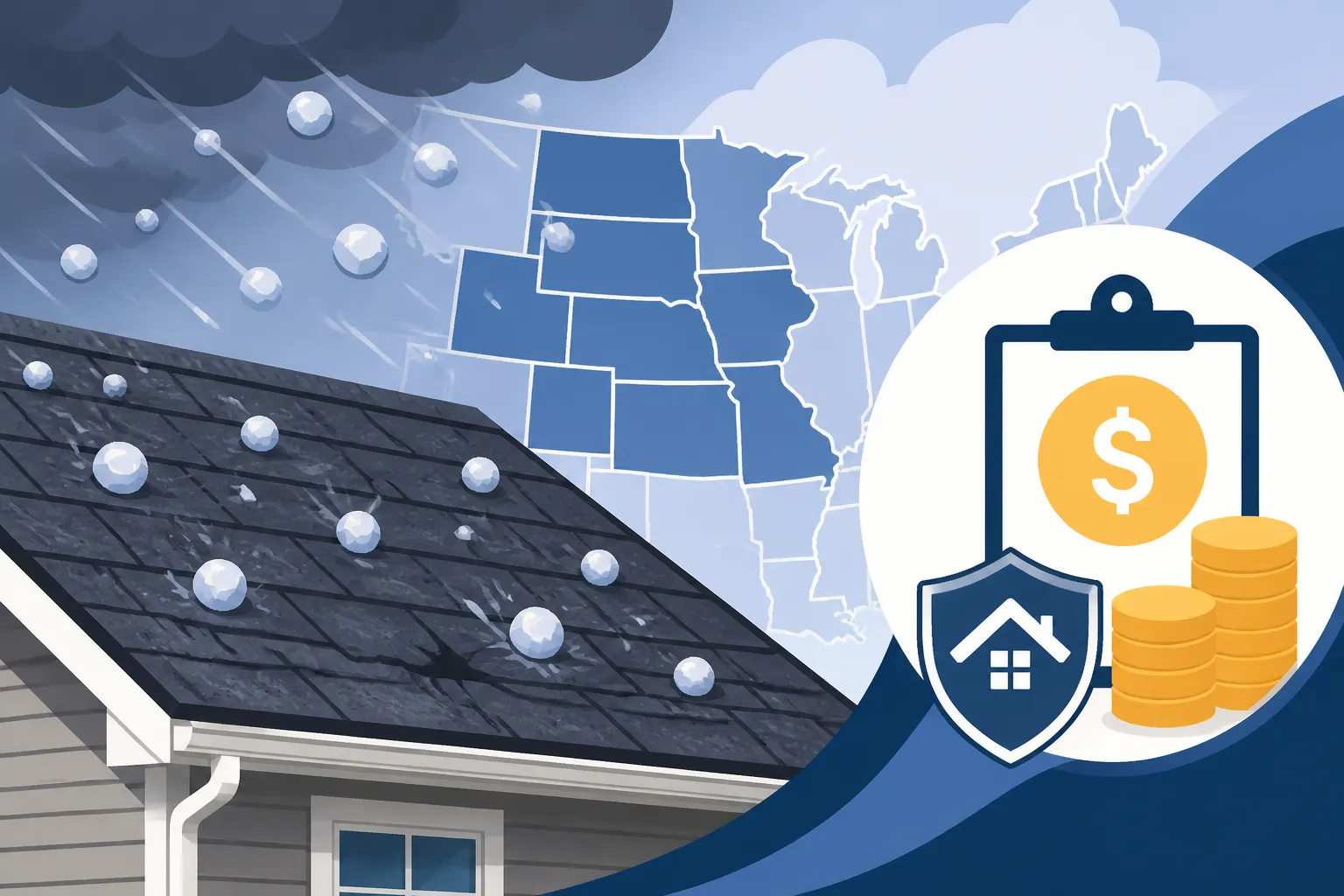
When we talk about "Hail Alley," we're generally referring to a broad band of states stretching from Texas northward through Oklahoma, Kansas, Nebraska, and into parts of Colorado, Wyoming, and South Dakota. However, hail events are not exclusive to this region. States like Missouri, Illinois, and even parts of Florida and the Carolinas can experience significant hail activity, sometimes with devastating consequences.
For instance, Texas consistently leads the nation in annual hail damage claims, with areas like Dallas-Fort Worth, Houston, and San Antonio frequently battered by severe storms. Colorado, particularly the Denver metro area, also sees its fair share of large, destructive hail. Living in these regions means your roof is under constant threat, and understanding this risk is the first step in protecting your home and your wallet.
How Hail Damages Your Roof
It's not just the size of the hailstones, though that certainly plays a huge role. The density, shape, and velocity of the hail, combined with the age and condition of your existing roof, all determine the extent of the damage. Even small, pea-sized hail, if accompanied by high winds, can cause significant granule loss on asphalt shingles, exposing the underlying asphalt and fiberglass mat to UV rays and accelerating deterioration.
Larger hail, think golf ball-sized or bigger, can do much worse. It can crack shingles, bruise the fiberglass mat, or even puncture through softer roofing materials. These impacts often aren't immediately visible from the ground, which is why a professional inspection after any significant hail event is absolutely crucial. These subtle damages, if left unaddressed, can lead to leaks, mold, and even structural issues down the road, turning a minor repair into a major, costly replacement.
The Financial Fallout: How Hail Affects Roofing Costs
The moment hail hits your roof, it’s not just physical damage you’re dealing with; it’s a cascade of financial implications. From specialized materials to surging labor rates and complex insurance claims, the cost of a new roof in a hail-prone state can be significantly higher than in regions with less extreme weather.
The Premium on Protection: Impact-Resistant Shingles
In many hail-prone areas, standard asphalt shingles just don't cut it anymore. Homeowners are increasingly opting for impact-resistant shingles, often rated as Class 4 under the UL 2218 standard. These shingles are specifically designed to withstand the force of large hailstones, often incorporating a rubberized polymer that makes them much more resilient to damage.
While these advanced shingles offer superior protection and can even lead to Do Class 4 Shingles Lower Insurance Premiums, they come with a higher upfront cost. Typically, you might see a 15-25% price premium compared to standard architectural shingles. For example, while a traditional architectural shingle might cost $120-$150 per square (100 sq ft) for materials, a Class 4 impact-resistant shingle could run you anywhere from $175-$250 per square, sometimes more, depending on the brand and specific product features. Brands like GAF (e.g., Timberline AS II), Owens Corning (e.g., Duration Storm), and CertainTeed (e.g., Landmark IR) offer excellent Class 4 options, but their advanced technology is reflected in the price. Understanding the Impact-Resistant Shingle Cost is key to budgeting in these regions.
Labor Dynamics: The Post-Storm Price Surge
It’s an unfortunate reality that when a major hailstorm rolls through, the demand for roofing contractors skyrockets. This sudden surge in demand can lead to significantly higher labor costs, as reputable contractors become fully booked and can command premium rates. It’s not uncommon to see labor rates increase by 10-30% or more in the immediate aftermath of widespread storm damage, especially in areas where skilled labor is already in short supply.
For example, if the typical Average Roof Replacement Cost This Year in your area is $15,000 for a 2,000 sq ft house, a widespread hail event could push that cost up by several thousand dollars due to inflated labor and material transportation costs. Additionally, the complexity of dealing with insurance claims, extra paperwork, and potentially longer project timelines also factors into what roofers charge. This is why it's so important to find a reliable contractor who won't inflate prices unfairly, even during high-demand periods.
Navigating the Insurance Minefield
For many homeowners, insurance is the primary buffer against the high cost of hail damage. However, filing a claim can be a confusing and often frustrating process. Insurers in hail-prone states have refined their policies and procedures to account for the frequent claims, sometimes introducing higher deductibles specifically for wind and hail damage, or offering Actual Cash Value (ACV) policies instead of Replacement Cost Value (RCV) policies on older roofs.
An ACV policy will factor in depreciation, meaning the payout will be for the current value of your aged roof, not the cost of a brand-new one. This can leave a significant gap that you, the homeowner, have to cover out-of-pocket. Understanding Does Insurance Cover Roof Replacement and the specifics of your policy before a storm hits is paramount. Many homeowners find themselves blindsided by unexpected out-of-pocket expenses because they didn't fully grasp their policy's limitations. It’s always a good idea to speak with your agent to clarify your coverage.
Here's a quick look at how different shingle types might compare in a hail-prone state:
| Shingle Type | Material Cost Per Square (Estimated) | Insurance Discount Potential | Hail Resistance (UL 2218) | Typical Warranty (Years) |
|---|---|---|---|---|
| 3-Tab Shingles | $70 – $100 | Low | Class 1-2 | 20-25 |
| Architectural Shingles | $120 – $180 | Moderate | Class 1-3 | 30-50 |
| Impact-Resistant (Class 4) | $175 – $250+ | High (10-30%+) | Class 4 | 30-Lifetime |
| Designer/Luxury Shingles | $200 – $400+ | Varies (often Class 4) | Class 1-4 | 50-Lifetime |
Note: These are estimated material costs and can vary widely based on brand, region, specific product, and market conditions.
Smart Strategies to Manage Roofing Costs in Hail-Prone Areas
While you can't control the weather, you can certainly take proactive steps to minimize the financial impact of hail damage on your home. It’s all about preparation, smart choices, and knowing who to trust when the time comes.
Investing in Superior Protection
One of the best defenses against high roofing costs in hail-prone states is a robust offense: installing impact-resistant (Class 4) shingles. While the initial Class 4 Shingle Roof Cost is higher, the long-term benefits can be substantial. Many insurance companies offer significant discounts on premiums (often 10-30% or more) for homes equipped with Class 4 roofs, recognizing the reduced risk of claims. Over the lifespan of your roof, these savings can offset a good portion of the upgrade cost.
Beyond the financial incentives, the peace of mind that comes with knowing your roof is better equipped to handle severe weather is invaluable. You're less likely to face the headache of extensive repairs or a full replacement after every significant storm. When discussing options with a contractor, always ask about Class 4 certifications and what specific products they recommend from manufacturers like GAF, Owens Corning, or CertainTeed that excel in hail resistance.
The Power of Proactive Inspections and Maintenance
After any significant weather event, especially one involving hail, a thorough roof inspection is non-negotiable. Even if you don't see obvious damage, hidden issues like bruised shingles or subtle cracks can lead to leaks and accelerate wear. Don't wait until you have a drip in your living room to call a professional. Regular Roof Damage Assessment: A Homeowner's Guide can catch minor issues before they escalate, potentially saving you thousands in emergency repairs.
A professional inspection can also help identify and address other vulnerabilities that hail might exploit, such as deteriorated flashing around chimneys or vents, or compromised sealant strips on shingles. Proactive maintenance, like keeping gutters clear and trimming overhanging branches, can also contribute to your roof's overall resilience. Catching issues early is often far less expensive than waiting for them to become critical problems.
Navigating Your Insurance Claim with Confidence
If hail does damage your roof, navigating the insurance claim process effectively is crucial. Start by documenting everything: take clear photos or videos of the damage, note the date and time of the storm, and keep records of any temporary repairs you make. Contact your insurance company promptly to file a claim.
When it comes to getting estimates, don't settle for just one. Getting multiple, detailed How to Read and Compare Roofing Estimates from reputable local contractors will give you a clear picture of the true cost of repairs or replacement. Be wary of "storm chasers" who appear after a major event; they often cut corners or pressure you into signing contracts before you've fully assessed your options. Instead, seek out established local companies, perhaps through platforms like Modernize, who have a proven track record and understand local building codes and insurance claim procedures. A trustworthy contractor will work with your insurance adjuster to ensure all legitimate damage is accounted for.
Regional Variations and Finding the Right Support
Even within hail-prone states, roofing costs can fluctuate dramatically based on hyper-local factors, building codes, and the availability of skilled labor. Understanding these nuances can help you make more informed decisions.
State and Local Cost Differences
A new roof in Dallas, Texas, might cost you differently than a comparable roof in Denver, Colorado, or even Oklahoma City. These variations are influenced by:
- Local Building Codes: Some municipalities in hail-prone areas have stricter codes, requiring specific types of underlayment, enhanced nailing patterns, or even mandatory use of impact-resistant materials. These requirements can add to the Asphalt Roof Replacement Cost by State.
- Material Supply Chains: Proximity to manufacturing hubs or major distribution centers can affect material costs.
- Labor Availability and Wages: As mentioned, post-storm demand significantly impacts labor, but general regional labor rates also play a role.
- Permit Costs: The Roofing Permit Cost and Process can vary from county to county or city to city, adding another layer to your total expense.
For example, homeowners in a large metro area like Houston, Texas, might find a wider pool of contractors, potentially leading to more competitive bids, while those in a more rural part of eastern Colorado might face higher costs due to longer travel times for crews and materials. Always ensure your contractor is familiar with and adheres to all local building codes.
Choosing a Reputable Roofing Contractor
This cannot be stressed enough: the quality of your roof replacement is only as good as the contractor who installs it. In hail-prone states, especially after a storm, you'll see an influx of out-of-state companies, often referred to as "storm chasers." While not all are bad, many prioritize quick work over quality, and they'll be gone by the time any issues arise.
Instead, prioritize local, established businesses. Look for contractors who are licensed, insured, and have a strong track record. Check their reviews, ask for local references, and verify their certifications, such as those from major manufacturers like GAF Master Elite or Owens Corning Platinum Preferred. These certifications often mean the contractor has undergone additional training and can offer enhanced warranties. When you’re looking for a professional, using a service like Modernize can connect you with vetted contractors who understand the local climate and specific challenges of roofing in hail-prone regions. They can help you How to Choose a Roofing Contractor who will stand by their work.
Always get a written contract that details the scope of work, materials to be used, payment schedule, and warranty information. Be wary of contractors who ask for a disproportionately large upfront deposit or pressure you into signing immediately. A reliable contractor will take the time to explain the process, answer your questions, and provide a transparent estimate.
Disclaimer
Please remember that the information provided in this guide is for general informational purposes only and should not be considered professional advice. Roofing costs, insurance policies, and local regulations can vary significantly. Always consult with a qualified roofing professional and your insurance provider for advice tailored to your specific situation.