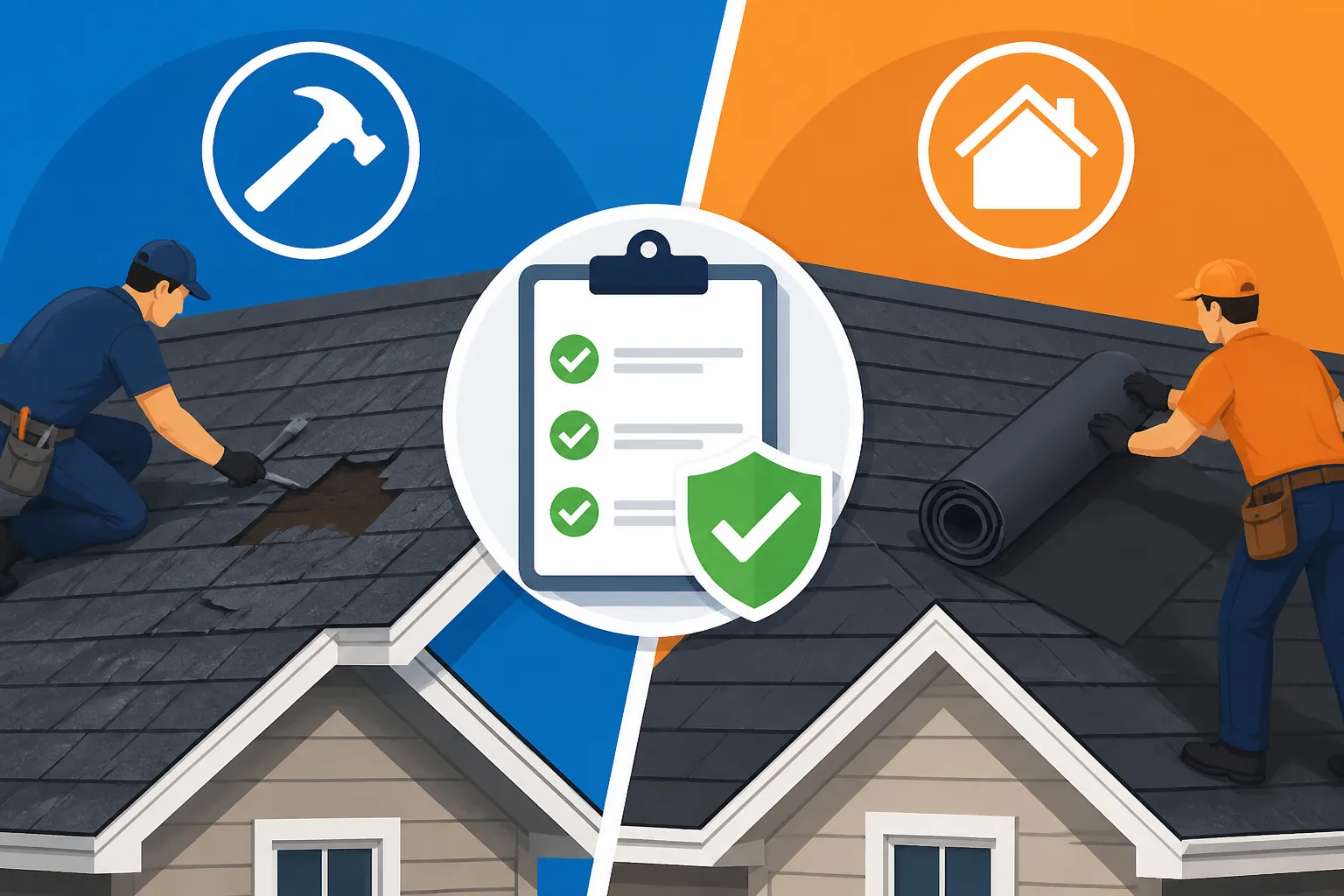
Roofing Permit for a Repair vs Replacement
Navigating the world of home renovations can be a real head-scratcher, especially when it comes to something as crucial as your roof. Many homeowners find themselves scratching their heads wondering, "Do I really need a permit just to fix a few shingles?" or "Is a permit always required for a full roof replacement?" This guide is here to clear up that confusion, diving deep into when a roofing permit is necessary for repairs versus a complete replacement, helping you understand the rules and avoid costly missteps.
Understanding Roofing Permits and Their Importance
It's easy to view permits as just another bureaucratic hurdle, but trust me, they're in place for some very important reasons. They ensure your home remains safe, structurally sound, and up to current building standards. Skipping this step, even if it seems minor, can lead to bigger headaches down the road.
Why Permits Are Necessary
Think of a roofing permit as your local municipality's way of making sure that any significant work done on your home meets a minimum standard of safety and quality. It's not just about getting permission; it's about ensuring that the work adheres to established building codes. These codes are designed to protect you, your family, and your property from shoddy workmanship, fire hazards, and structural failures. When a roofer pulls a permit, it usually means that a licensed professional is doing the work and that the project will be inspected at various stages to confirm compliance. This process helps prevent dangerous situations, like a roof collapsing under heavy snow load because the framing wasn't up to snuff, or inadequate ventilation leading to moisture issues and mold. It’s an assurance that your investment is being handled properly.
General Requirements Across Municipalities
Here's where things get a little tricky, because there isn't one universal rule for roofing permits across the entire country. Each city, county, or even specific town can have slightly different regulations. While many jurisdictions base their codes on national standards like the International Residential Code (IRC), they often add their own amendments. For instance, coastal communities like those in Florida or Texas will have much stricter requirements for wind resistance than an inland town in, say, Ohio, due to their higher risk of hurricanes and severe storms.
Generally, all municipalities require some form of approval for major structural changes or significant alterations to a home. What constitutes "major" can vary, but it almost always includes anything that impacts the structural integrity, safety, or weatherproofing envelope of your home. It’s crucial to remember that ignorance of the law isn't an excuse, so it’s always best practice to check with your local building department before any work begins. This is the only way to get truly accurate information for your specific location. Our guide on Roofing Permits Explained offers a broader overview of this process.
Roofing Permits for Repairs
The big question for many homeowners is whether a small repair warrants the same permit process as a full replacement. The answer, unfortunately, is "it depends," but there are some clear guidelines to help you figure it out.
When a Permit Is (or Isn't) Required for Repairs
Generally speaking, minor cosmetic repairs that don't involve structural changes or a significant percentage of the roof surface typically do not require a permit. This might include replacing a handful of missing shingles, re-sealing some flashing around a chimney that has come loose, or patching a very small, isolated leak. The key here is "minor" and "isolated." If you're simply patching up a small section where a tree branch fell, or if you're swapping out a few curled shingles on one slope of your roof, you're likely in the clear.
However, once a repair project starts to involve replacing large sections of decking, adding new structural elements, or repairing extensive storm damage that affects a significant portion of the roof's integrity, then a permit becomes essential. The threshold for "significant portion" can vary by local ordinance. Some areas might say if more than, say, 10-25% of the total roof area is being repaired or replaced, a permit is needed. Others might base it on the dollar value of the repair. It's truly a granular detail that you must verify with your local permitting office. Understanding these nuances is critical to avoiding issues down the line.
Examples of Repair Scenarios
Let's walk through a couple of common scenarios to illustrate the difference.
Imagine a scenario where a strong gust of wind rips off about five shingles near your home's gutter line. You've got spare shingles in the garage, and it's a relatively straightforward fix. In most places, replacing those few shingles wouldn't require a permit. You're not altering the underlying structure, nor are you changing the roof's basic design or covering a substantial area. This falls squarely into the "minor repair" category.
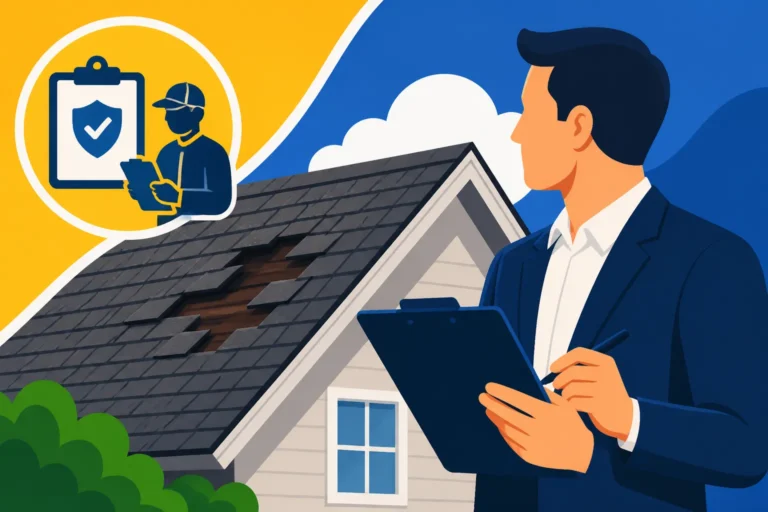
Now, consider a different situation. A persistent leak in your attic reveals that a significant section of your roof decking, along with several rafters, has succumbed to rot and water damage. Fixing this isn't just about replacing a few shingles; it involves tearing back a large area, replacing compromised wood, and potentially addressing structural issues. This type of extensive repair absolutely requires a permit. Not only are you making structural changes, but you're also ensuring the newly installed materials and repairs meet current Roofing Building Codes: What to Know for safety and integrity. A building inspector would need to verify that the new framing and decking are properly installed and adequately fastened before the new underlayment and shingles go down. This ensures the structural components of your roof are sound for years to come.
Roofing Permits for Replacements
When it comes to a full roof replacement, the answer simplifies considerably. In almost every jurisdiction, a permit is not just recommended, but legally required.
The Universal Need for a Replacement Permit
If you're planning to tear off all the old shingles and install a completely new roofing system, you can pretty much guarantee you'll need a permit. This isn't up for debate in most places across the U.S. A full roof replacement is a major construction project that directly impacts the structural integrity, energy efficiency, and overall safety of your home. Building departments want to ensure that the new roof is installed correctly, meets current seismic or wind load requirements, and that the materials used are up to code. This includes checking things like the type of underlayment, the nailing patterns for shingles, and proper ventilation.
Moreover, a full replacement often involves a tear-off and disposal of old materials. Local regulations also oversee waste management to ensure environmental compliance. You'll also want to make sure your contractor is pulling the right kind of permit and that it covers the full scope of work, including things like new flashing or decking repairs, if necessary. You can learn more about this by reading Do You Need a Permit to Replace a Roof.
The Full Scope of Work and Inspections
When you undertake a full roof replacement, the permit covers more than just the new shingles. It encompasses the entire process, from the tear-off of old materials to the final inspection of the new system. This usually involves several stages:
- Initial Application: Your contractor will submit plans and specifications to the building department. This often includes details about the materials being used, the proposed ventilation system, and any structural modifications.
- Pre-Roofing Inspection: In some areas, an inspector might check the existing roof structure before work begins, especially if there are concerns about previous damage or poor installation.
- Mid-Project (Decking) Inspection: After the old shingles are removed and before the new underlayment and shingles are installed, an inspector will often check the roof decking. This is crucial for verifying the integrity of the sheathing, ensuring proper fastening, and identifying any areas of rot or damage that need to be addressed. If a permit isn't pulled, these critical structural elements could be overlooked, leading to significant problems later.
- Final Inspection: Once the new roof is completely installed, a final inspection will be conducted. The inspector will check for proper shingle installation, flashing around penetrations like chimneys and vents, adequate ventilation, and overall workmanship. Passing this final inspection is your official stamp of approval that the work meets all local codes.
The contractor plays a vital role here; they typically handle the permit application process. Make sure to ask Questions to Ask a Roofing Contractor Before Hiring and specifically confirm they will obtain all necessary permits. The cost for these permits is usually rolled into your overall project estimate, so it's not an unexpected separate bill for you to deal with directly.
Here's a quick comparison of permit needs:
| Feature | Minor Repair (e.g., a few shingles) | Extensive Repair (e.g., large decking replacement) | Full Roof Replacement (tear-off and new system) |
|---|---|---|---|
| Permit Required? | Generally No (unless over a certain % of roof, or involves structural work) | Almost Always Yes | Almost Universally Yes |
| Scope of Work | Small, isolated area; no structural change; cosmetic fix | Significant portion of roof; structural elements (decking, rafters) affected | Entire roof system replaced from deck up; major structural overhaul is possible |
| Inspections Required? | Typically None | Often requires a decking inspection and a final inspection | Usually requires a decking inspection and a final inspection |
| Primary Goal | Restore integrity to a small area | Restore structural integrity and weatherproofing to a damaged section | Entire new roof system, ensuring code compliance and long-term performance |
| Risk if Skipped | Minor inconvenience; potential for slightly lower resale value | Major fines, legal issues, insurance claim denial, significant resale problems | Massive fines, legal action, insurance invalidation, severe resale repercussions |
The Impact of Ignoring Permit Requirements
It might seem tempting to skip the permit process to save a little time or money, but believe me, the potential downsides far outweigh any perceived benefits. It's a risk that could cost you thousands in fines and headaches later on.
Potential Fines and Legal Issues
Ignoring permit requirements can lead to serious legal and financial consequences. If your local building department discovers that work was performed without a required permit, they can issue stop-work orders immediately, halting your project mid-stream. This often means delays, additional costs for your contractor to demobilize and remobilize, and sometimes even having to expose your home to the elements longer.
Beyond stop-work orders, municipalities typically levy significant fines for unpermitted work. These fines can range from a few hundred dollars to several thousands, depending on the severity and scale of the violation. In some cases, you might even be required to tear down the unpermitted work and redo it according to code, with proper permits in place. Imagine paying for a whole new roof twice, all because you tried to cut corners on the permit. That's a real and unfortunate possibility. Check out our guide on What Happens If You Skip a Roofing Permit for more details on these penalties.
Insurance and Resale Complications
The repercussions of unpermitted work don't stop at fines and legal battles; they can also significantly impact your home's insurance coverage and future resale value. If your unpermitted roof fails – say, it leaks during a heavy storm or suffers damage due to high winds – your homeowner's insurance policy might deny your claim. Insurers often have clauses that exclude coverage for damage resulting from unpermitted or non-code-compliant construction. You could be left paying for expensive repairs entirely out of pocket.
When it comes time to sell your home, unpermitted work can become a major stumbling block. Home inspectors, mortgage lenders, and potential buyers will often look for proper permits for major renovations like a roof replacement. If they discover work was done without the necessary permits, it raises immediate red flags. This can lead to delays in closing, demands for you to obtain retroactive permits (which can be a long and expensive process, often requiring opening up walls or tearing off sections of the roof for inspection), or even a reduction in your home's selling price. In some extreme cases, it can even kill a sale altogether, leaving your home stuck on the market. It's truly not worth the risk for such a critical component of your home.
Navigating the Permit Process
The idea of permits can feel overwhelming, but it doesn't have to be. With the right contractor by your side, the process should be fairly smooth.
Working with Your Contractor
The good news is that reputable roofing contractors are well-versed in the permit process and will usually handle it all for you. When you're choosing a contractor, one of the key questions to ask is whether they pull all necessary permits. A professional contractor should include the permit fees in their initial quote and manage the application and inspection schedule. This means they will submit the plans to the local building department, coordinate with inspectors, and ensure the work adheres to all relevant codes. This takes a huge burden off your shoulders.
Don't just assume they're taking care of it, though. Make sure it's explicitly stated in your contract that the contractor is responsible for obtaining all permits. Ask them to provide copies of the approved permits before work begins. This is not only a sign of a professional company but also protects you from liability should any issues arise. Remember, finding the right partner for your project is crucial, and our guide on How to Choose a Roofing Contractor can help you with this. Also, it’s beneficial to know Who Pulls the Roofing Permit: You or the Contractor so you can set expectations.
What to Expect During Inspections
As mentioned earlier, a full roof replacement usually involves at least two inspections: a decking inspection and a final inspection.
During the decking inspection, the inspector will come to your home after the old shingles have been torn off and the roof deck is exposed. They'll be looking for several key things:
- Decking Condition: Is the existing roof decking (plywood or OSB) in good condition, or does it have areas of rot, delamination, or damage that need to be replaced?
- Fastening: Are the existing decking panels properly fastened to the rafters? If not, the inspector might require additional nails or screws to meet current code.
- Structural Integrity: They'll confirm that the underlying roof structure (trusses or rafters) appears sound. Any significant structural issues would need to be addressed before proceeding.
- Ice and Water Shield: In areas prone to ice dams or heavy rain, the application of ice and water shield will be checked to ensure it covers the required areas, such as eaves, valleys, and around penetrations.
Once the decking inspection passes, your contractor can proceed with installing the underlayment, drip edge, and then the new shingles.
The final inspection occurs after all roofing work is completed. This is the last step in the permitting process. The inspector will typically walk around your home, examining:
- Shingle Installation: Are the shingles laid evenly, with proper overlap and exposure? Are they properly fastened according to manufacturer specifications and local wind codes (often checked via the nailing pattern)?
- Flashing: Is the flashing around chimneys, skylights, vent pipes, and wall intersections properly installed and sealed to prevent leaks? This is one of the most common areas for leaks if done incorrectly.
- Ventilation: Is the roof adequately ventilated with ridge vents, soffit vents, or other systems to ensure proper airflow in the attic? This is crucial for energy efficiency and preventing moisture buildup.
- Overall Workmanship: The inspector will assess the overall quality and neatness of the installation, ensuring it meets industry standards and local codes.
Passing these inspections means your new roof is officially approved and documented as compliant. You can inquire about the specific Roofing Permit Inspection Schedule with your local building department, as it can vary slightly.
Final Thoughts
The permitting process for roofing work, whether it's a minor repair or a complete replacement, is a critical step in protecting your investment and ensuring the safety and longevity of your home. While it might seem like an extra hoop to jump through, understanding when a permit is required and entrusting the process to a qualified professional will save you from potential fines, insurance nightmares, and resale complications. Always verify your local requirements and work with a contractor who prioritizes code compliance and proper procedures. It’s truly the best way to gain peace of mind under your newly refreshed roof.
Disclaimer
Please remember that the information provided in this guide is intended for general informational purposes only. Building codes and permit requirements are highly localized and subject to change. Always consult with your local building department or a licensed roofing professional for specific guidance regarding your project and location.