Roof Inspection Before Buying a Home
Buying a new home is an exhilarating journey, but it's also fraught with potential pitfalls, especially when it comes to the roof. Many eager homebuyers get caught up in the excitement, overlooking critical structural components that could turn their dream home into a financial nightmare. A thorough pre-purchase roof inspection isn't just a recommendation; it's an essential safeguard to protect your investment and ensure you're not inheriting a problem that will cost you tens of thousands of dollars shortly after moving in. This guide will walk you through why this inspection is so important and what to expect.
Why a Pre-Purchase Roof Inspection is Non-Negotiable
Let's face it, when you're touring homes, you're often looking at the pretty stuff: the kitchen countertops, the fresh paint, the backyard oasis. The roof? It's usually an afterthought, blending into the background. But that roof is literally what stands between your family and the elements. Skipping a dedicated roof inspection before buying can be one of the costliest mistakes a new homeowner can make. You need to know exactly what you're buying, and that includes the condition and expected lifespan of the roofing system.
Avoiding Costly Surprises Down the Line
Imagine closing on your beautiful new home, only to discover a few months later that a persistent leak has led to extensive water damage in the attic, or that your shingles are nearing the end of their life and need a full replacement. These aren't small fixes; we're talking about potential expenses that can easily range from a few thousand dollars for significant repairs to upwards of $20,000 to $30,000 or more for a complete roof replacement. This kind of unexpected financial hit can derail your budget, especially when you're already stretched thin with mortgage payments and other moving expenses. A proper inspection aims to uncover these issues before you sign on the dotted line, giving you the power to negotiate repairs or a price reduction with the seller. Think of it as your homeowner's equivalent of looking under the hood of a used car – you wouldn't buy a car without checking the engine, so why buy a house without checking its protective shell?
Another crucial aspect of avoiding surprises is understanding the remaining service life of the roof. Even if a roof isn't actively leaking, if it's nearing the end of its typical 20-25 year lifespan for many asphalt shingle roofs, you'll want to factor that inevitable replacement cost into your long-term financial planning. Discovering this after closing leaves you holding the bag entirely, whereas identifying it beforehand can give you leverage to ask for a credit at closing or for the seller to undertake the replacement themselves. This proactive approach saves you both stress and money.
Protecting Your Investment and Peace of Mind
Your home is likely the biggest investment you'll ever make. Protecting that investment starts from the very top. A robust, well-maintained roof not only keeps your home safe and dry but also contributes significantly to its overall value and curb appeal. Conversely, a failing roof can quickly depreciate your home's worth and make it a headache to maintain. Beyond the financial aspect, there's the invaluable peace of mind that comes with knowing your roof is sound. You want to move into your new home and focus on decorating, settling in, and making memories, not constantly worrying about the next rainstorm or wondering if that stain on the ceiling is a new leak.
A professional roof inspection provides you with a comprehensive report detailing the current condition of the roof, identifying any existing problems, and estimating its remaining useful life. This documented assessment empowers you with knowledge. If issues are found, you can approach the seller armed with facts, not just suspicions. This data-driven approach allows for fair negotiation and ensures that any necessary repairs or replacements are handled correctly, often by the seller's dime or through a negotiated credit. Ultimately, this process safeguards your investment from potential damage, helps you budget more accurately for future maintenance, and allows you to truly enjoy your new home without the looming threat of a major roof disaster.
What a Professional Roof Inspector Actually Looks For
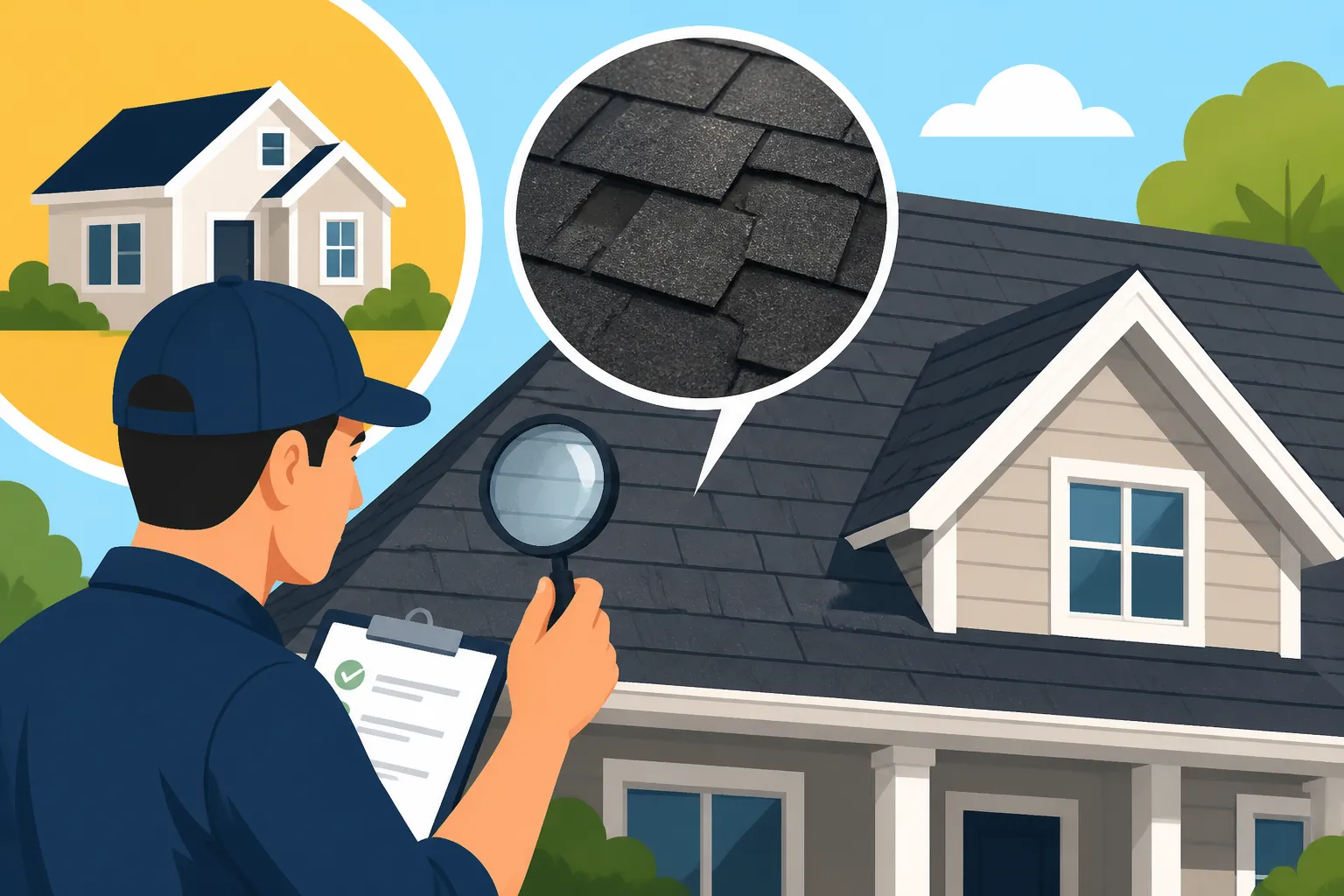
A dedicated roof inspection goes far beyond a quick glance from the ground. Professional inspectors, particularly those specializing in roofing systems, possess a keen eye for detail and an understanding of how all the components work together to protect your home. They're not just looking for obvious holes; they're meticulously examining every aspect of the roof's health and integrity.
Structural Integrity and Decking Health
One of the most critical, yet often overlooked, aspects of a roof inspection is the underlying structural integrity, particularly the roof decking. The decking, typically made of plywood or OSB, is the foundation upon which your shingles rest. Inspectors will check for signs of sagging, bowing, or soft spots, which can indicate water damage, rot, or even structural deficiencies in the framing below. They often access the attic space to get a clear view of the underside of the decking and the rafters, looking for water stains, mold growth, or compromised wood.
Damage to the roof decking is a serious issue that goes beyond just replacing shingles; it means replacing the sub-structure itself, adding significantly to the complexity and Roof Decking Replacement Cost if a full tear-off is needed. They will look for proper fastening of the decking to the rafters and ensure there are no widespread areas of deterioration. This thorough examination ensures that the entire roofing system has a solid base, preventing future problems related to structural instability or improper support for the shingles above.
Shingle Condition and Lifespan Assessment
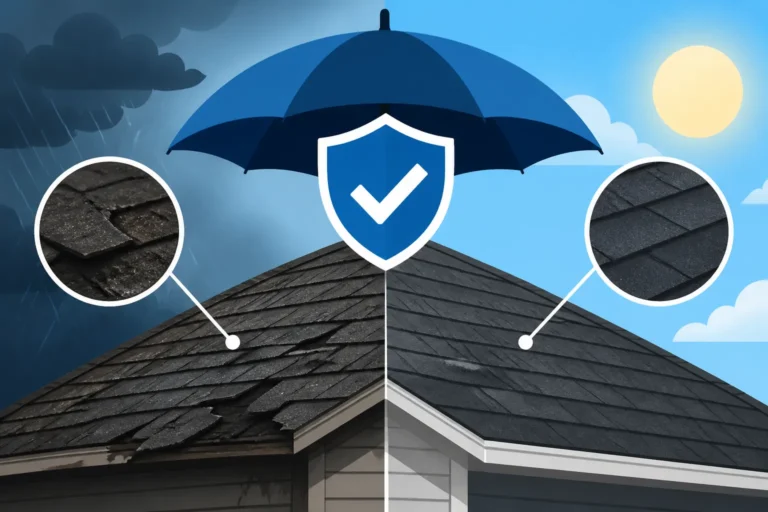
The shingles are the most visible part of your roof, and their condition is a major indicator of the roof's overall health and remaining lifespan. An inspector will meticulously examine the shingles for a variety of red flags. They'll check for Signs You Need a New Roof, such as excessive granule loss – those small, sand-like particles that protect the asphalt from UV rays. Bare spots mean the shingles are losing their protective layer and will deteriorate faster.
Curling, cracking, or blistering shingles are also key indicators of aging and wear. Curling shingles often signify that they are drying out and losing their elasticity, making them brittle and prone to cracking or blowing off. Cracks, especially those extending through the shingle, create direct pathways for water. Blistering, which looks like small bubbles, can be a sign of manufacturing defects or improper ventilation. Missing shingles, while sometimes a simple repair, can also indicate widespread adhesive failure or wind damage. The inspector will assess the overall consistency of wear across the roof, the presence of moss or algae growth, and even look at the type of shingles to estimate their typical How Long Does an Asphalt Roof Last. This detailed analysis helps determine if you're looking at a roof with years of life left or one that's teetering on the edge of needing a full replacement.
Flashing, Ventilation, and Drainage System Checks
Beyond the shingles and decking, a comprehensive roof inspection delves into critical components that manage water and air flow. The flashing—thin pieces of metal installed around chimneys, skylights, vents, and in valleys—is crucial for preventing water intrusion at vulnerable points. Inspectors will look for bent, rusted, missing, or improperly installed flashing, which are common sources of leaks. They’ll also check the caulking or sealant around these areas for deterioration.
Proper roof ventilation is paramount for extending the life of your roof and preventing moisture buildup in the attic. An inspector will ensure that soffit vents, ridge vents, or other attic ventilation systems are present, unobstructed, and functioning correctly. They'll look for signs of inadequate ventilation, like excessive heat buildup in the attic or prematurely aged shingles, which could lead to issues like ice dam formation in colder climates.
Finally, the drainage system, primarily your gutters and downspouts, will be evaluated. While not strictly part of the roof itself, these components are vital for directing water away from your home's foundation. Blocked gutters, improper slope, or damaged downspouts can lead to water overflowing, saturating fascia boards, and potentially causing leaks or foundation problems. The inspector will ensure that water can flow freely and effectively protect the entire home.
The Difference Between a Standard Home Inspection and a Dedicated Roof Inspection
When you're buying a home, a general home inspection is a standard part of the process, and it often includes a look at the roof. However, it's crucial to understand that a general home inspector's assessment of the roof is usually quite different from what you'd get from a specialized roof inspector. While both are valuable, they serve different purposes and offer varying levels of detail.
Limitations of a General Home Inspection
A standard home inspection is designed to provide a broad overview of the home's major systems and components, from the foundation to the roof, plumbing to electrical. When it comes to the roof, a general home inspector will typically do a visual assessment. This might involve looking at the roof from the ground with binoculars, walking on accessible sections of the roof if it's safe and within their comfort level, or using a drone. They will note obvious issues like missing shingles, major sagging, or visible damage. Their report will likely include general observations about the roof's age and apparent condition.
However, a general home inspector might not have the specialized tools, extensive training, or in-depth experience to identify subtle, nuanced roofing problems that could become major issues later. They might not climb onto a steep or high roof due to safety concerns, limiting their view to what's visible from the eaves or a ladder. They often don't have moisture meters or specific knowledge of various shingle manufacturers' common failure points. Their assessment is more of a "pass/fail" for immediate concerns rather than a comprehensive deep dive into the roofing system's longevity and detailed health. This often leaves homebuyers with an incomplete picture, potentially missing critical defects that aren't immediately apparent to a less specialized eye.
The Depth and Expertise of a Specialized Roof Inspection
A dedicated roof inspection, performed by a licensed and insured roofing professional or a certified roof inspector, offers a significantly higher level of scrutiny and expertise. These individuals spend their days focused solely on roofs, understanding their intricacies, common failure modes, and the specific installation standards required. They are trained to spot not only obvious damage but also the subtle signs of impending failure, improper installation, or manufacturer defects that a general inspector might miss.
A specialized inspector will typically:
- Physically walk the entire roof surface, weather and safety permitting, to get up close and personal with every shingle, vent, and flashing component.
- Use specialized tools, like moisture meters, to detect hidden leaks in the decking or attic insulation.
- Take numerous high-resolution photos of any deficiencies, providing clear visual evidence for your report.
- Identify specific shingle brands and types, assessing their condition against industry standards and expected lifespans.
- Evaluate the entire "roofing system," including underlayment (if visible or inferred), drip edge, starter strips, and proper nail placement. This understanding is key to knowing How Asphalt Shingles Are Installed: Step by Step.
- Provide a detailed report that not only outlines current issues but also offers insights into potential future problems and estimated repair or replacement costs. This level of detail is invaluable when you're preparing to negotiate.
While it might seem like an added expense, the cost of a dedicated roof inspection is often a small fraction of what you could potentially save or avoid in future repairs. It’s an investment in peace of mind and financial security.
How to Choose a Reputable Roof Inspector for Your Home Purchase
Finding the right person to inspect your future roof is just as important as the inspection itself. You wouldn't trust just anyone with such a critical task. You need someone knowledgeable, experienced, and unbiased. Don't simply go with the first name that pops up in a search engine; take the time to vet your options thoroughly.
Credentials and Experience to Prioritize
When looking for a roof inspector, prioritize professionals with specific roofing expertise. Ideally, you want someone who is either a licensed roofing contractor with extensive experience in installations and repairs, or a home inspector who has specialized certifications in roofing systems. Here are some key credentials and experiences to look for:
- Licensing and Insurance: First and foremost, ensure they are properly licensed in your state or local municipality to perform inspections or roofing work. They should also carry adequate liability insurance, protecting both them and you in case of an accident on the property. In a state like Florida, for instance, roofing contractors require specific licensing, and an inspector with that background would be highly advantageous.
- Certifications: Look for certifications from recognized industry organizations. While there isn't one universal "roof inspector" certification, certifications in specific roofing materials (like from major manufacturers such as GAF, Owens Corning, or CertainTeed) can indicate a deep understanding. Some home inspectors may also have additional training specifically focused on roofing systems.
- Specialization: Ideally, choose someone whose primary business or a significant part of it is roofing. A general home inspector who also happens to do roofs is different from a roofing company that offers inspection services as part of their expertise. Someone who understands Roofing Building Codes: What to Know specifically will be invaluable.
- Years of Experience: Experience matters. A seasoned inspector has seen a wide variety of roofing issues across different ages and types of homes, allowing them to more accurately diagnose problems and assess their severity. Ask how long they've been doing roof inspections or roofing work.
- References and Reviews: Check online reviews on platforms like Google, Yelp, or the Better Business Bureau. Don't be shy about asking for references from previous clients. Hearing directly about their professionalism, thoroughness, and clarity of reports can be very insightful.
Questions to Ask Before Hiring
Before you commit to a roof inspector, have a list of Questions to Ask a Roofing Contractor Before Hiring ready. This isn't just about price; it's about ensuring you get a thorough and reliable assessment.
Here are some crucial questions to ask:
- "What is your background and experience in roofing or roof inspections?" This helps you gauge their expertise beyond just general home inspections.
- "What does your roof inspection entail? Will you walk the entire roof?" Clarify their process. A good inspector will explain their methodology, tools used, and safety protocols. Make sure they intend to get on the roof, not just view it from the ground.
- "What kind of report will I receive, and how long does it take?" A comprehensive report should include detailed descriptions, photos, and recommendations. Understand the timeframe for receiving it.
- "Are you licensed and insured? Can you provide proof?" Always ask for proof of both liability and workers' compensation insurance.
- "What is your pricing structure?" Get a clear, written quote. Be wary of inspectors who offer significantly lower prices than competitors, as this could indicate less thoroughness.
- "What if you find issues? Will you provide repair estimates?" Some inspectors will, others prefer to remain neutral and advise you to get separate quotes from contractors. Clarify this upfront. It's often best if the inspector is separate from the repair work to avoid potential conflicts of interest.
- "Do you have any affiliations with real estate agents or roofing companies?" While not always a red flag, understanding potential relationships can help you gauge impartiality. You want an inspector who works for you, the buyer, and not for the seller's agent or a roofing company looking for work.
By asking these questions, you'll gain confidence in your choice and ensure you're getting a qualified, unbiased professional to evaluate one of your home's most vital components.
Deciphering the Roof Inspection Report and What to Do Next
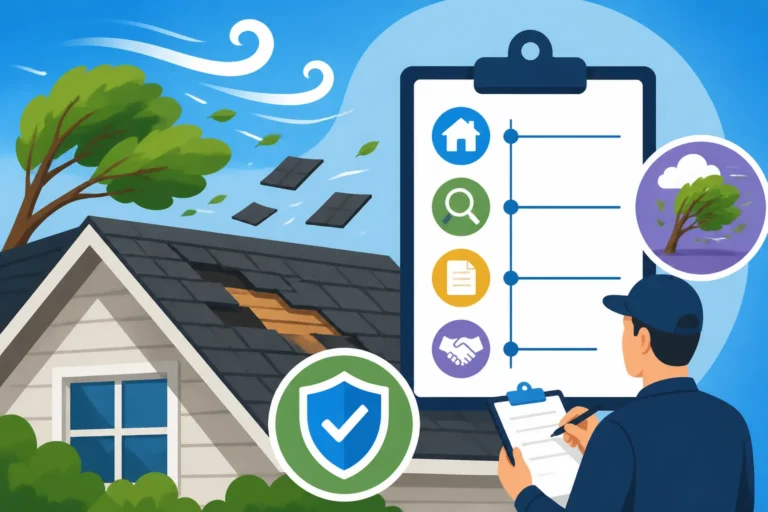
Once your chosen inspector has completed their work, you'll receive a detailed report. This document is your roadmap, outlining the roof's condition and any issues found. Don't just skim it; take the time to understand its contents thoroughly. This report is a powerful tool in your home-buying negotiations.
Understanding Common Deficiencies and Their Implications
The inspection report will categorize any identified problems, often with photos for clarity. Here are some common deficiencies you might see and what they typically imply:
- Granule Loss: This is a natural part of shingle aging. If it's minimal and even, it might just be normal wear. If it's excessive in certain areas, particularly in valleys or around roof penetrations, it indicates that the shingles' protective layer is significantly compromised, leading to faster deterioration and a reduced lifespan. This often means the roof is nearing the end of its life, and a full replacement may be on the horizon.
- Curling, Cracking, or Blistering Shingles: These are clear signs of aged or weather-damaged shingles. Curling makes shingles vulnerable to wind lift, while cracks allow water to penetrate. Blistering can be a manufacturing defect or a symptom of poor ventilation. Widespread curling or cracking almost always points to a roof needing significant repair or replacement soon.
- Damaged or Improper Flashing: Flashing issues are notorious leak sources. Rust, bent metal, or missing flashing around chimneys, vents, or valleys means water can easily seep under the shingles and into your home. This is usually a repairable item, but if neglected, it can lead to severe water damage to the decking and interior.
- Inadequate Ventilation: If the report highlights poor attic ventilation, it's a concern. Insufficient airflow can lead to heat and moisture buildup, which can prematurely age shingles, promote mold growth in the attic, and increase your energy bills. While addressing ventilation can sometimes be a standalone project, persistent issues can also indicate the roof itself is suffering.
- Sagging or Soft Spots on the Roof Decking: As mentioned, this is a serious structural issue. Sagging indicates compromised supports or extensive water damage to the wood beneath the shingles. Soft spots often mean rot. These issues are expensive to fix and usually necessitate a Roof Decking Replacement Cost as part of a larger roof replacement project.
- Moss, Algae, or Fungi Growth: While not always immediately damaging, heavy growth can trap moisture against the shingles, accelerating their deterioration. Algae streaks are primarily cosmetic, but moss can lift shingles and trap water. Cleaning can sometimes resolve this, but significant growth may suggest poor drainage or excessive shade, and persistent issues might hint at an older roof.
When reviewing the report, distinguish between minor maintenance items (like cleaning gutters or resealing a small piece of flashing) and major structural or systemic failures that require significant investment.
Negotiating Repairs or Credits with the Seller
This is where your detailed roof inspection report becomes your most valuable asset. If the inspection reveals significant issues, you have a few options for negotiating with the seller:
- Request Repairs: You can ask the seller to have a licensed roofing contractor perform the necessary repairs before closing. Be specific in your request, referencing items from the inspection report. You'll want to ensure the repairs are done by a qualified professional and that you have a chance to re-inspect the work.
- Request a Price Reduction: Instead of asking for repairs, you might negotiate a reduction in the home's purchase price to cover the estimated cost of repairs or a future replacement. This gives you control over hiring your own contractors after closing. To get a good estimate, you might need to consult a local roofing company for a quote on the necessary work. Check out resources like How Much Does an Asphalt Shingle Roof Cost or Average Roof Replacement Cost This Year to get an idea of the expense.
- Request a Closing Credit: Similar to a price reduction, you can ask for a credit at closing, which reduces the amount of cash you need to bring to the table. This is often a simpler option for sellers and allows you to manage the repairs post-closing.
- Walk Away: If the roof issues are extensive, the seller is unwilling to negotiate, or the problems are simply too severe for your comfort level, you always have the option to walk away from the deal, assuming your contract has an inspection contingency.
When negotiating, always base your requests on the factual findings in the inspection report. Present clear, concise information and be prepared with quotes for the necessary work. This negotiation phase is critical; it’s your chance to avoid inheriting a financial burden and ensure you’re moving into a home with a sound, dependable roof. Remember to thoroughly read and compare roofing estimates you receive to ensure you are getting fair pricing for quality work.
Key Takeaways for Homebuyers
Navigating the home buying process is complex, and it's easy to feel overwhelmed by all the moving parts. However, overlooking the condition of the roof can lead to significant headaches and financial strains down the road. Remember, the roof is your home's primary defense against the elements, and its health directly impacts your safety, comfort, and financial well-being.
Always prioritize a dedicated, thorough roof inspection by a qualified professional before finalizing your home purchase. This crucial step empowers you with knowledge, protects your investment from unforeseen costly repairs, and provides invaluable peace of mind. Don't be swayed by a quick glance or a general home inspector's cursory overview; dig deeper to truly understand the condition of what's over your head. By being proactive, you're not just buying a house; you're securing a home that will keep you safe and dry for years to come.
Disclaimer
Please note that this content is intended for informational purposes only and does not constitute professional advice. Always consult with a licensed and insured roofing contractor or qualified home inspector for specific assessments and recommendations regarding your home's roof. Local building codes and regulations vary, so it's essential to check with your local authorities.