Common Problems with a 30-year-old Asphalt Roof
If your asphalt roof is hitting the big three-oh, you're likely bracing for impact, or perhaps already dealing with the frustrating realities of an aging system. Thirty years is a long time for a roof, and while some robust systems might stretch a bit further, most asphalt shingles are well past their prime by this point. This guide will walk you through the common, often costly, problems that typically surface with a 30-year-old asphalt roof, helping you understand what to look for and what your next steps should be.
The Inevitable Decline: General Age-Related Wear and Tear
Even a perfectly installed, well-maintained roof will eventually succumb to the relentless forces of nature and time. After three decades, the materials that once offered robust protection begin to break down, leading to a host of visible and hidden issues. It's not just about aesthetics; these problems directly impact your home's ability to stay dry and insulated.
Significant Granule Loss
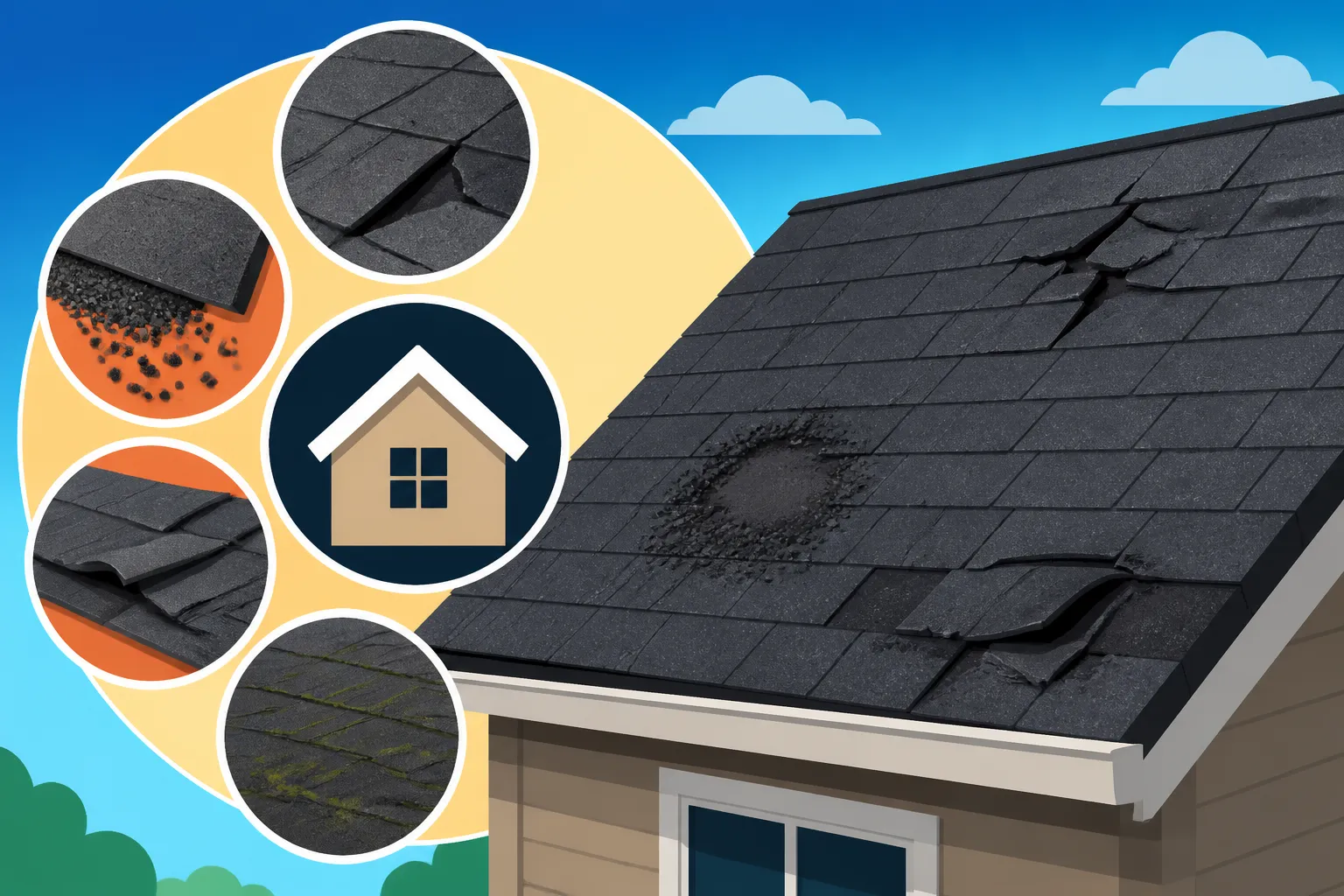
One of the most immediate and widespread signs of an old asphalt roof is excessive granule loss. Those tiny, ceramic-coated mineral particles embedded in the asphalt are your shingles' first line of defense against the sun's harsh UV rays and physical impact from hail and debris. When a roof reaches 30 years old, these granules have typically been shed in large quantities over time, often washing into gutters and accumulating around downspouts.
The problem with granule loss isn't just cosmetic; it exposes the underlying asphalt layer to direct sunlight. Without the reflective protection of the granules, the asphalt begins to dry out, become brittle, and deteriorate rapidly. You might notice your shingles looking duller, with bare patches where the black asphalt is clearly visible. This accelerates the aging process, leading to more cracking and shrinking, and ultimately, significantly reducing the shingle's ability to protect your home.
Curling and Cupping Shingles
Another tell-tale sign of an extremely aged roof is shingles that are visibly curling or cupping. Curling occurs when the edges of the shingles begin to lift, often resembling claws, while cupping happens when the center of the shingle sinks, creating a concave appearance. Both are a direct result of decades of thermal cycling – the continuous expansion and contraction of the shingles due to daily heating and cooling, as well as moisture absorption and drying.
When shingles curl or cup, they no longer lie flat, creating pathways for water, wind, and debris to get underneath. This significantly increases the risk of leaks, especially during heavy rain or strong winds. It also compromises the roof's wind resistance, making it more susceptible to damage from even moderate gusts. A roof with widespread curling and cupping isn't just an eyesore; it's a compromised defense system for your home, often signaling that the entire system is reaching the end of its serviceable life.
Widespread Cracking and Brittleness
Thirty years of sun exposure, temperature fluctuations, and environmental stressors take a massive toll on the flexibility and integrity of asphalt shingles. By this age, it's common to see widespread cracking, especially "alligatoring," which looks like a network of fine cracks resembling reptile skin. The asphalt oils that give shingles their pliability have evaporated, leaving them dry, brittle, and prone to breaking.
This brittleness means that even minor impacts, like small hailstones or falling twigs, can cause significant damage. During cold weather, the shingles become even more rigid and susceptible to cracking if walked on or if struck by anything. These cracks allow water to penetrate deeper into the shingle layers and eventually to the underlayment and roof decking below, leading to leaks and potential rot. A roof exhibiting extensive cracking is a clear indication that it no longer has the structural integrity to effectively shed water or withstand the elements, prompting a serious discussion about whether to consider a full roof replacement. For guidance on assessing damage, check out our article on Roof Damage Assessment: A Homeowner's Guide.
Beyond Surface Deep: Structural and Hidden Issues
While the surface issues are often what catch a homeowner's eye, a 30-year-old asphalt roof can harbor much more insidious problems beneath the shingles, affecting the entire roofing system and even the underlying structure of your home. These issues can be harder to spot but are often far more critical.
Decking Deterioration and Rot
The roof decking, usually plywood or OSB, forms the structural base of your roof. It's what the shingles are nailed to. After 30 years, especially if there have been unnoticed leaks over time, this decking can suffer significant deterioration, including rot. Even minor leaks that went undetected for years can cause localized soft spots and rot, which can spread if not addressed.
Signs of decking issues might include a spongy feeling when walking on the roof (not recommended for an old roof!), sagging areas, or water stains on the ceiling or in the attic. Rotted decking compromises the structural integrity of the roof, making it unsafe and unable to properly hold new nails. If your decking is severely deteriorated, it will need to be replaced, which adds to the overall cost of a new roof. It’s a crucial component that often gets overlooked until the removal of old shingles reveals the true extent of the problem.
Compromised Underlayment and Flashing
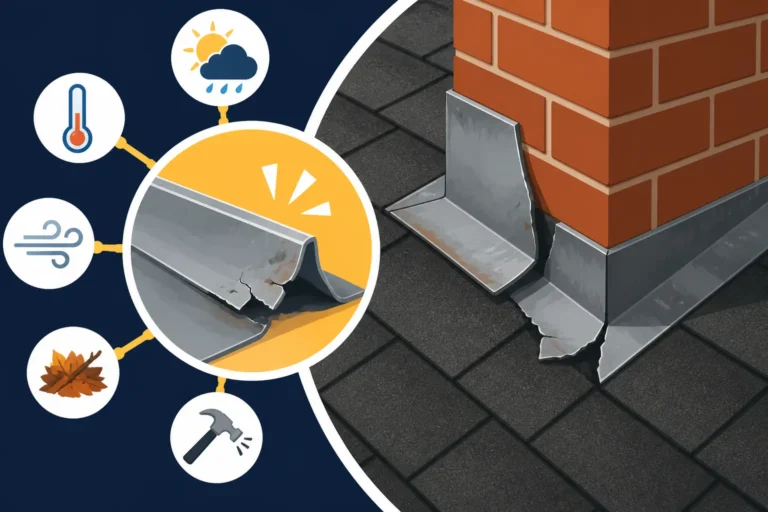
Underneath your shingles is the underlayment, typically felt or synthetic material, which provides an extra layer of waterproofing. Flashing, usually made of metal, is installed in critical areas like valleys, around chimneys, skylights, and vent pipes to divert water. After three decades, both the underlayment and flashing can degrade significantly.
Felt underlayment can become brittle, torn, or saturated with moisture, losing its ability to protect the decking. Synthetic underlayment, while more durable, also has a lifespan and can be damaged over time. Metal flashing can rust, corrode, or pull away from its seals, creating direct entry points for water. These components are vital for preventing leaks in vulnerable areas. When they fail, water intrusion becomes almost inevitable, leading to interior damage, mold growth, and further deterioration of the roof structure. You might notice active leaks in specific spots, especially during heavy rains, which often point to failing flashing or underlayment in that area.
Inadequate or Failing Ventilation
Proper roof ventilation is crucial for the longevity of any roofing system. It helps regulate attic temperatures and moisture levels, preventing heat buildup in summer and condensation in winter. A 30-year-old home might have an outdated or completely inadequate ventilation system, which has been silently contributing to the roof's premature aging.
Poor ventilation can lead to a host of problems: scorching hot attics in summer that bake the shingles from below, accelerating granule loss and cracking; and in winter, excessive moisture buildup that can lead to mold, mildew, and even ice dam formation. Ice dams can force water back up under the shingles, causing leaks and water damage inside your home. Upgrading your roof ventilation system is often a necessary part of a full roof replacement on an older home, not just an optional add-on.
Weathering the Storm: Increased Vulnerability to Elements
An old roof is a weak roof, and after 30 years, asphalt shingles simply don't have the resilience they once did to stand up to the weather. This increased vulnerability means that even typical storms can cause significant damage that a newer roof would easily shrug off.
Reduced Wind Resistance
As shingles age, the adhesive seal that binds them together and to the underlying course of shingles weakens significantly. Coupled with curling and brittleness, this means that a 30-year-old roof offers drastically reduced wind resistance. While a new architectural shingle might boast a 130 mph wind rating, an old, deteriorated shingle might only withstand winds of 30-40 mph before beginning to lift, tear, or blow off entirely.
During even moderate wind events, you might find missing shingles scattered across your yard or your neighbors' properties. Each missing shingle exposes the underlying underlayment and decking, creating immediate pathways for water intrusion. The cost and effort of repeatedly patching an old, wind-damaged roof can quickly surpass the benefits, often making a full replacement the more economical and safer option in the long run.
Susceptibility to Hail and Impact Damage
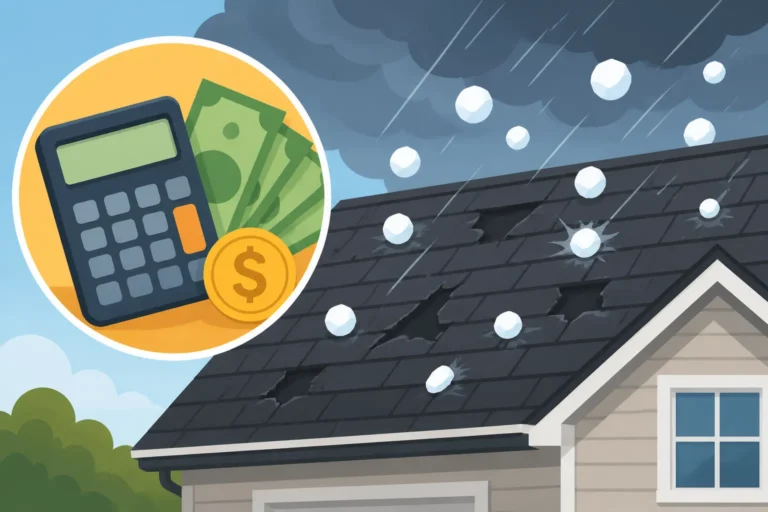
The protective ceramic granules on asphalt shingles are designed to absorb and deflect the impact of hail. When these granules are largely gone and the underlying asphalt is dry and brittle, the shingles become extremely vulnerable to hail damage. What might be considered minor hail for a new roof can cause significant cracking, bruising, or even punctures on a 30-year-old roof.
After a hailstorm, inspect your roof for visible damage (from the ground or with binoculars, or by hiring a professional – never get on an old, compromised roof yourself!). You might see circular depressions, cracks radiating from impact points, or even holes where hail has penetrated the shingle. This kind of damage is a direct route for water into your home. If you're dealing with extensive hail damage on an old roof, it's highly likely that your insurance company will deem it a total loss, triggering a full replacement. For more on assessing this type of damage, refer to Signs of Roof Hail Damage.
Poor Performance Against Heavy Rain and Snow
The cumulative effects of granule loss, curling, cracking, and compromised flashing mean that a 30-year-old roof struggles significantly with heavy rain and snow. The carefully designed system of overlapping, sealed shingles is no longer effective in directing water efficiently off the roof.
During torrential downpours, water can seep through cracks, get under lifted edges, and bypass deteriorated flashing, leading to leaks in your attic, ceilings, and walls. In snowy climates, old shingles are more prone to ice dam formation because the roof deck might not have adequate insulation or ventilation, allowing heat to escape and melt snow unevenly. This meltwater then refreezes at the colder eaves, forming dams that trap more water and force it under the shingles. These continuous water intrusions can lead to significant interior damage and pose a risk for mold and structural issues.
What to Do When Your Roof is 30: Next Steps and Considerations
Reaching the 30-year mark with an asphalt roof is a significant milestone, but it's also a clear indicator that major decisions about your home's protection are on the horizon. Don't wait until a major leak or storm damage forces your hand; proactive planning is key.
Get a Professional Roof Inspection
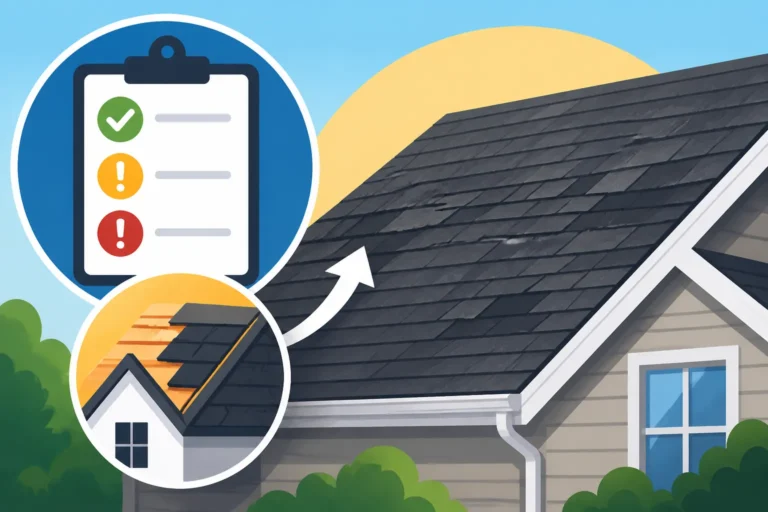
The very first step you should take is to schedule a comprehensive roof inspection with a reputable, licensed roofing contractor. An experienced professional will be able to safely assess the condition of your roof, identify all the issues – both obvious and hidden – and provide you with an objective report. They'll look for signs of granule loss, shingle damage, flashing issues, decking integrity, and proper ventilation. This inspection is invaluable in understanding the true state of your roof and whether repairs are viable or a replacement is necessary.
During their assessment, they can also give you an idea of any underlying concerns that might become bigger problems. For example, they might notice signs of How Roof Decking Works or areas where the underlayment is failing. Getting multiple professional opinions is always a good idea. Resources like Modernize can help connect you with local, qualified roofing contractors who can perform these inspections.
Understand the Repair vs. Replace Dilemma
With a 30-year-old roof, the "repair versus replace" debate often leans heavily towards replacement. While small, isolated repairs might seem tempting to save money in the short term, they rarely make financial sense for a roof that is at the end of its lifespan. Patching one area often leads to another problem surfacing soon after, turning into a never-ending cycle of minor fixes that collectively add up to a significant expense without providing long-term security.
A qualified contractor will be able to explain the pros and cons based on your roof's specific condition. If your roof is exhibiting widespread issues like extensive granule loss, curling, cracking, and compromised flashing across multiple slopes, then a full replacement is almost certainly the most cost-effective and responsible choice. Trying to repair a severely deteriorated 30-year-old roof is often akin to putting a bandage on a sinking ship – it’s a temporary fix for a systemic problem. You might find our article on Roof Repair vs Replacement: How to Decide helpful in navigating this decision.
Start Planning for a Full Roof Replacement
Given the age and common problems associated with a 30-year-old asphalt roof, the most realistic expectation is that you will need a full roof replacement. This is a significant investment, but it's one that protects your entire home and its contents for decades to come. Don't let the sticker shock deter you; view it as an essential home improvement project.
Begin by researching different types of asphalt shingles available today, like architectural shingles, which offer superior durability and aesthetic appeal compared to older 3-tab shingles. Look into manufacturers such as GAF, Owens Corning, and CertainTeed, which offer robust warranty options. Gather several quotes from reputable, licensed, and insured contractors. Ensure these quotes are comprehensive, detailing all aspects of the job, including Cost of Roof Tear-Off and Disposal, new underlayment, flashing, ventilation, and a thorough cleanup. You can use platforms like Modernize to gather competitive bids from local experts. Understanding the Cost to Replace a Roof by House Size can help you budget effectively.
Consider Long-Term Value and Protection
Replacing a 30-year-old roof isn't just about fixing problems; it's about investing in the future of your home. A new roof significantly enhances your home's curb appeal, increases its market value, and provides superior protection against the elements, potentially even lowering your homeowners' insurance premiums with impact-resistant or cool-roof shingle options. Modern roofing materials come with advanced features like improved wind resistance, algae protection, and longer warranties, offering peace of mind that your aging roof could never provide.
| Common Problem | What It Looks Like | Primary Cause | Implication for a 30-Year-Old Roof |
|---|---|---|---|
| Granule Loss | Bald spots, gritty residue in gutters | UV exposure, natural wear, hail | Exposure of asphalt, rapid deterioration, reduced lifespan |
| Curling/Cupping Shingles | Edges lift (curl), centers sink (cup) | Thermal cycling, moisture, aging | Vulnerability to wind uplift, water intrusion, leaks |
| Cracking/Brittleness | Fine lines, "alligatoring," easily broken shingles | Loss of asphalt oils, UV damage | Direct water entry, poor resistance to impact |
| Decking Rot | Soft spots, sagging, water stains in attic | Unnoticed leaks, condensation | Structural instability, inability to hold new nails |
| Failing Flashing | Rust, corrosion, gaps around penetrations | Age, improper installation, settling | Immediate leak points around chimneys, vents, skylights |
| Poor Ventilation | Hot attic, mold, ice dams, premature shingle failure | Outdated systems, blockages | Accelerated shingle aging, interior moisture damage |
| Reduced Wind Resistance | Missing shingles, lifted tabs | Weakened adhesive, brittle materials | High risk of major damage during storms |
| Hail/Impact Vulnerability | Bruises, cracks, punctures from small impacts | Loss of granules, brittle asphalt | Severe damage from minor hail, direct leaks |
Ultimately, your 30-year-old asphalt roof has served you well, but it’s sending clear signals that its time is drawing to a close. Ignoring these signs can lead to far more expensive damage down the line. By taking proactive steps, getting professional assessments, and planning for a replacement, you can ensure your home remains safe, dry, and valuable for many more years to come. Remember to ask detailed questions about Roofing Warranty: Workmanship vs Manufacturer coverage.
Disclaimer
This article is intended for informational purposes only and does not constitute professional roofing advice. Always consult with a qualified, licensed, and insured roofing contractor for inspections, assessments, and any work on your roof. Roofing work can be dangerous and should only be performed by experienced professionals.