Common Problems with a 10-year-old Asphalt Roof
It’s incredibly frustrating when your asphalt roof, which you probably thought had years more life in it, starts showing signs of trouble after just a decade. You feel blindsided, maybe a little cheated, and definitely worried about unexpected costs. This guide is designed to shed light on the most common issues homeowners face with a 10-year-old asphalt roof, helping you understand what you're seeing and what steps you can take next.
The Reality of a Decade-Old Asphalt Roof
When you invest in a new roof, especially an asphalt one, you're often told it will last 20, 25, even 30 years. And while that's generally true for a well-maintained roof under ideal conditions, the reality for many homeowners is that the first signs of wear and tear can creep in much earlier, sometimes right around the 10-year mark. It's not always a sign of a bad installation or faulty materials, but rather a combination of environmental factors, the type of shingle originally chosen, and even the quality of the initial installation itself.
Understanding Expected Lifespan Versus Real-World Wear
Think of your roof like a car. The manufacturer might say it’ll last 200,000 miles, but that’s assuming perfect maintenance, driving conditions, and no accidents. Your roof faces its own set of challenges, from scorching summer sun in places like Phoenix, Arizona, to relentless hail storms in Denver, Colorado, or heavy snow loads in Minneapolis, Minnesota. These extreme weather patterns accelerate wear and tear far beyond what's considered "normal." A good quality architectural shingle might indeed reach its 25-30 year lifespan, but a basic 3-tab shingle often starts showing its age closer to 15-20 years, and sometimes, even sooner. After 10 years, your roof is effectively in its "teenage" years – old enough to have experienced a fair share of weather, but perhaps not old enough to be fully ready for replacement. This is the point where proactive monitoring becomes crucial, helping you determine if you need to consider a major repair or replacement sooner than expected.
Factors That Accelerate Roof Aging
Several elements can contribute to a 10-year-old roof looking and performing older than its age. The sun's UV rays are a silent killer, slowly breaking down the asphalt and causing the protective granules to dislodge. High winds can lift shingle tabs, especially if they weren't sealed properly or if the roof was installed in cold weather which inhibited the sealant strip from activating. Heavy rain, especially if gutters are clogged, can cause water to back up and seep under shingles, leading to water damage. Even something as simple as overhanging trees, shedding leaves and branches, can create moist environments for moss and algae to thrive, further degrading shingles. Poor attic ventilation is another significant culprit; if your attic traps heat, it essentially bakes your shingles from underneath, shortening their lifespan considerably.
Troubleshooting Common Issues on a 10-Year-Old Roof
At the 10-year mark, your asphalt roof often enters a transitional period. It’s no longer brand new, but it shouldn't be failing catastrophically either. However, it's very common to start seeing certain issues that, if ignored, can lead to bigger problems down the line. Identifying these early is key to maintaining your home's protection and avoiding costly surprises.
Granule Loss and Bald Spots
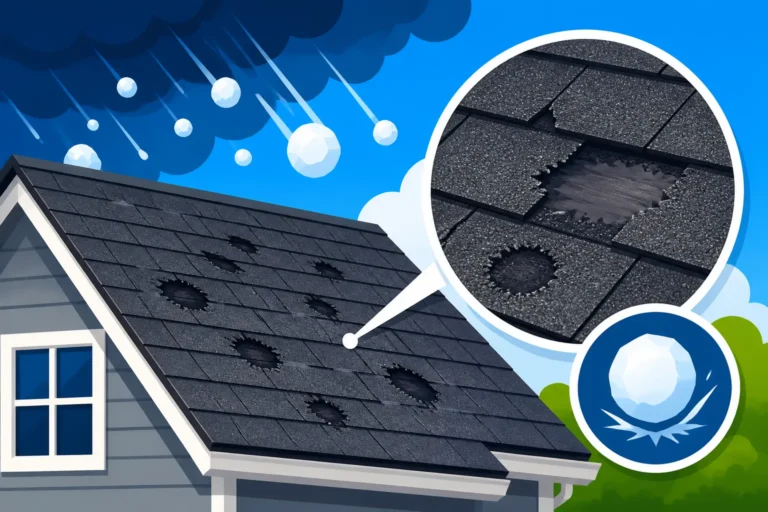
One of the most frequent sights on a 10-year-old asphalt roof is granule loss. Those tiny, ceramic bits embedded in the asphalt are your shingles’ sunscreen, protecting the underlying asphalt from harsh UV rays. Over time, and especially after hail or strong storms, these granules begin to detach. You might notice them collecting in your gutters or downspouts. While a small amount of granule loss is normal throughout a roof's life, significant or widespread granule loss, particularly in distinct patches, means the asphalt underneath is exposed. This exposure leads to rapid deterioration of the shingle, making it brittle and susceptible to cracking and water penetration. If you see areas that look "bald" or significantly darker, almost black, where granules used to be, it's a clear sign of accelerated aging and a red flag for future problems. For more insights on this, you might want to read our article on Granule Loss: Should You Worry.
Curling, Cracking, and Blistering Shingles
Another set of common complaints around the 10-year mark involves the physical integrity of the shingles themselves.
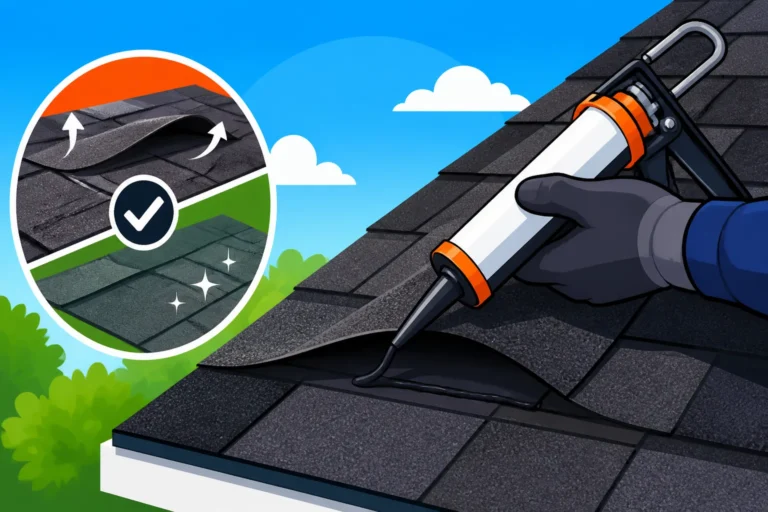
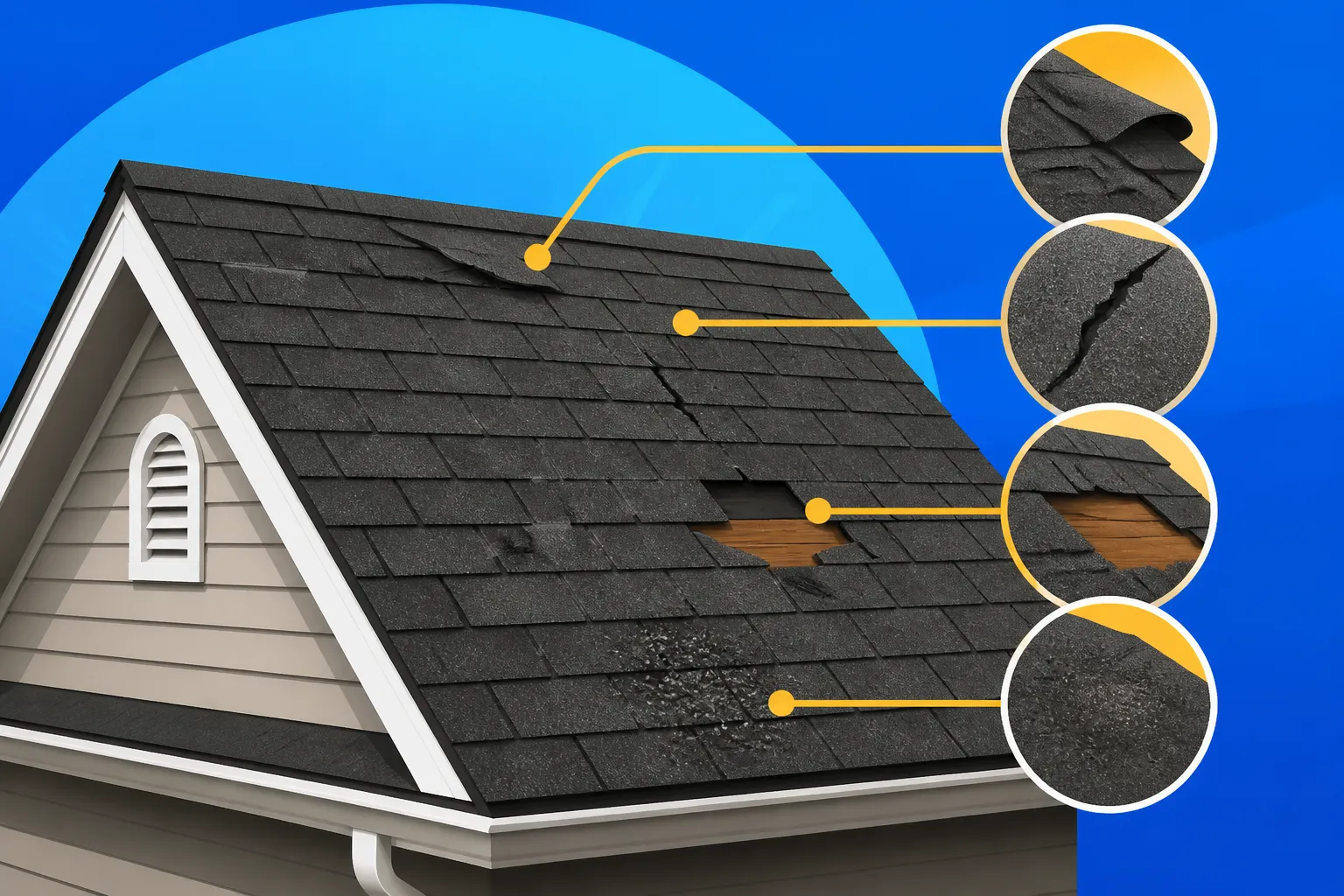
- Curling Shingles: This happens when the shingle edges start to turn upward or downward. Upward curling (sometimes called "cupping") often indicates an issue with moisture absorption or poor ventilation in the attic, causing the shingle to expand and contract unevenly. Downward curling (or "clawing") is more typical of aging shingles, where the bottom edge lifts and loses its adhesion. Both forms of curling make shingles vulnerable to wind damage, allowing water to get underneath, and compromising the roof's ability to shed water effectively. If you're seeing curling, it's worth understanding Curling Shingles: What They Mean.
- Cracked Shingles: As asphalt ages, it loses its flexibility and becomes brittle. Stress from thermal expansion and contraction, coupled with UV exposure, can lead to visible cracks. These cracks can range from small, hairline fractures to larger, more significant breaks that allow water to seep directly into the roofing system. Cracked Shingles: Causes and Fixes covers this issue in more detail.
- Blistering: These are small, raised bubbles that appear on the surface of the shingle. They usually form when trapped moisture or volatile materials beneath the shingle expand due to heat. While small blisters might not immediately cause a leak, they weaken the shingle, making it more prone to granule loss and eventually cracking.
Moss, Algae, and Fungi Growth
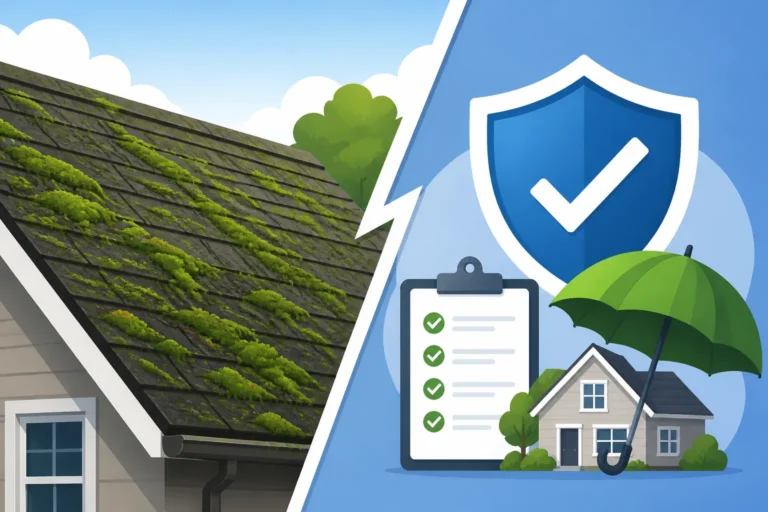
If you live in a humid climate, or if parts of your roof are shaded by trees, you might start seeing green or black streaks appear on your 10-year-old roof. These are typically algae, moss, or even fungi. While they might seem like purely cosmetic issues, they can actually cause significant damage. Algae, particularly Gloeocapsa magma, creates those unsightly black streaks and feeds on the limestone filler in shingles, often causing granule loss. Moss, with its thicker, mat-like growth, retains moisture against the shingle surface, which can lead to moisture damage, rot, and even lift shingles as it grows. Fungi can also degrade the shingle material. Not only do these growths make your roof look older and less appealing, but they can also shorten its lifespan by accelerating material breakdown.
Missing or Damaged Shingles
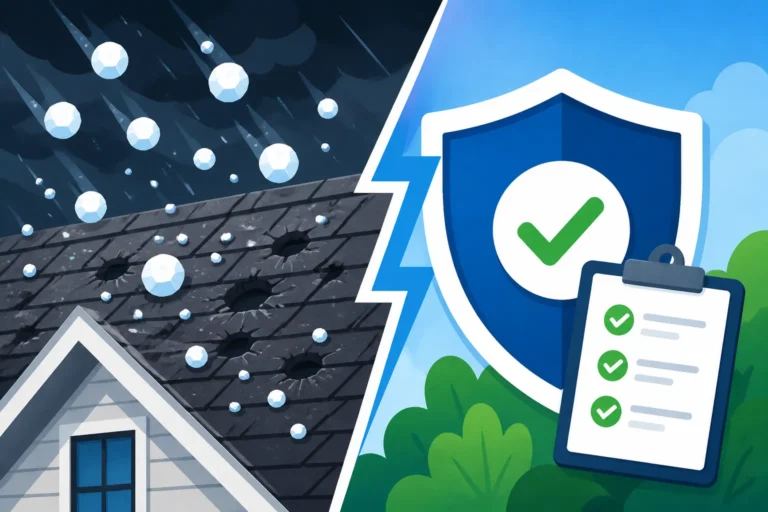
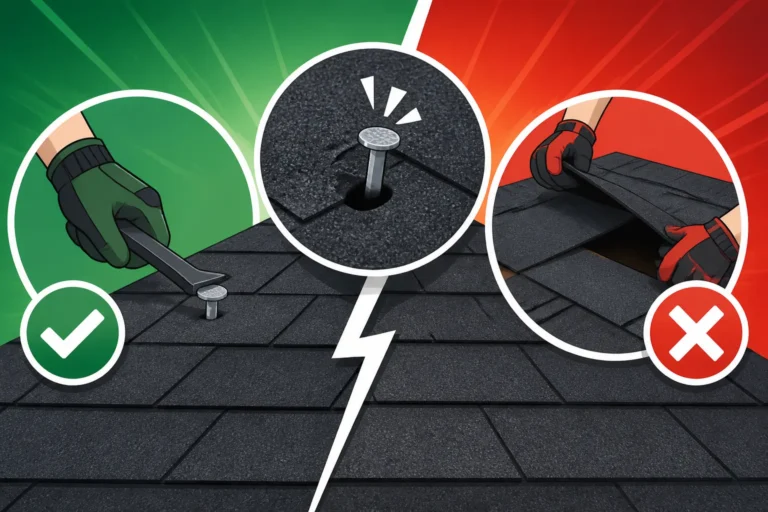
Even a relatively young 10-year-old roof can experience missing or damaged shingles, especially after a severe storm with high winds. When shingles are improperly nailed, or if their sealant strips haven't adhered well, strong gusts can lift and tear them off, leaving exposed underlayment or even the roof deck. Missing shingles are an immediate red flag, as they leave your home vulnerable to water intrusion. Similarly, shingles that are visibly ripped, creased, or otherwise compromised can't provide adequate protection. Often, damage from wind or hail might not be immediately obvious, so a post-storm inspection is always a good idea. Sometimes, a few missing shingles can be patched, but widespread issues might point to larger problems.
Here’s a quick overview of common problems and their potential implications:
| Problem | Appearance | Common Causes | Severity & Urgency |
|---|---|---|---|
| Granule Loss | Bald spots, granules in gutters | UV exposure, age, hail damage | Moderate to High; reduces shingle protection |
| Curling Shingles | Edges turning up (cupping) or down (clawing) | Age, poor ventilation, moisture absorption | Moderate; increases wind vulnerability, potential leaks |
| Cracked Shingles | Visible lines or breaks in shingle surface | Age, thermal cycling, brittleness, impact damage | Moderate to High; direct path for water intrusion |
| Blistering Shingles | Small bubbles on shingle surface | Trapped moisture, manufacturing defect | Low to Moderate; precursor to granule loss and cracks |
| Moss/Algae Growth | Green patches, black streaks | Humidity, shade, moisture retention | Low to Moderate; accelerates shingle degradation |
| Missing Shingles | Bare spots on roof, exposed underlayment | High winds, improper installation, poor adhesion | High; immediate risk of water damage |
| Damaged Flashing | Bent, rusted, or loose metal around chimneys | Age, poor installation, storm damage, rust | High; common source of persistent leaks |
How to Assess and What to Do Next
Finding problems on your 10-year-old asphalt roof can be unsettling, but don't panic. The next step is to get a clear, professional assessment. Understanding the extent of the damage will help you decide between a minor repair or a more significant course of action.
When to Get a Professional Roof Inspection
It's highly recommended to schedule a professional roof inspection as soon as you notice any of the issues we've discussed. While it might be tempting to climb up there yourself, working on a roof is dangerous, and an untrained eye can easily miss subtle but significant signs of damage. A professional roofer knows exactly what to look for, from proper shingle adhesion to the integrity of flashing around chimneys and vents. They can spot hail damage that's invisible from the ground, identify areas of improper ventilation, and assess the overall health of your roofing system. Many reputable contractors offer free inspections, giving you a comprehensive report on your roof's condition. This is especially crucial if you suspect storm damage, as insurance claims often require a professional assessment. For a deeper dive into what they check, look into our guide on Roof Inspection: What They Check.
Repairing Versus Replacing a 10-Year-Old Roof
This is the big question, isn't it? If your roof is only 10 years old, your first thought is probably "repair," not "replace." And often, that's the right move. If the issues are localized – a few missing shingles from a wind gust, a small patch of moss, or some minor granule loss in one area – repairs can certainly extend your roof's life without breaking the bank. Replacing individual shingles, resealing lifted areas, or treating moss can be effective.
However, if the problems are widespread, such as significant granule loss across multiple slopes, extensive curling and cracking, or multiple leaks, then a full replacement might be the more economical and practical option in the long run. Constantly patching a failing roof can become a "money pit" and only prolong the inevitable. You'll want to carefully weigh the Cost to Replace vs Repair an Old Roof. A good contractor will be honest with you about whether repairs are a viable long-term solution or if you're just putting a band-aid on a bigger problem. They can help you determine Roof Repair vs Replacement: How to Decide.
Getting and Comparing Roofing Estimates
If replacement or significant repairs seem to be on the horizon, the next crucial step is to gather multiple estimates. Don't settle for just one! Contact at least three different roofing contractors. Platforms like Modernize can be incredibly helpful for this, as they connect you with pre-vetted professionals in your area, streamlining the process of getting competitive bids. Each estimate should be detailed, outlining the scope of work, materials to be used, labor costs, and warranty information. Make sure they specify if a full tear-off is included (which is generally recommended for a roof with existing issues) or if they're proposing to roof over existing shingles. Also, ask about their experience, licensing, and insurance. Comparing these estimates isn't just about the lowest price; it's about understanding the value and proposed solution from each contractor. Our article on How to Get Roofing Quotes and Compare Them can guide you through this process. Don't forget to inquire about the specific type of shingles they recommend and their associated warranties. For instance, asking about GAF Timberline HDZ Roof Cost Installed or Owens Corning Duration Roof Cost Installed can give you an idea of options for durable architectural shingles.
Protecting Your Investment: Proactive Steps for a Longer Roof Life
Even after dealing with 10-year issues, there are always steps you can take to maximize the remaining life of your asphalt roof and prevent future problems from spiraling out of control. Proactive maintenance and smart choices can make a significant difference.
Regular Maintenance and Inspections
The absolute best way to extend the life of your asphalt roof, regardless of its age, is consistent, proactive maintenance. This isn't just about fixing things when they break; it's about preventing them from breaking in the first place.
- Clean Gutters Regularly: Clogged gutters cause water to back up, sitting on your roof edge and potentially seeping under shingles or fascia, leading to rot and leaks. Make sure they are clear of leaves, twigs, and granules.
- Trim Overhanging Branches: Branches rubbing against your roof can abrade shingles, causing premature granule loss and creating paths for moisture. Overhanging branches also deposit leaves and debris, creating shaded, damp areas perfect for moss and algae.
- Check Your Attic Ventilation: Ensure your attic is properly vented. Good airflow helps dissipate heat and moisture, which are enemies of your shingles. If your attic feels like a sauna in summer, it's baking your roof from the inside out. Consider reviewing roof ventilation upgrades.
- Annual Professional Inspections: Even if you're comfortable with a visual check from the ground, a professional roofer can identify subtle issues before they become major problems. They can catch small cracks, loose flashing, or early signs of shingle degradation that you might miss. This minor investment can save you thousands in major repairs or premature replacement.
Understanding and Leveraging Your Roof Warranty
Your roof likely came with a manufacturer's warranty, and possibly a workmanship warranty from the installer. At the 10-year mark, it’s important to understand what those warranties still cover. Most asphalt shingle manufacturer warranties are prorated after a certain number of years, meaning they cover a diminishing percentage of the material cost as the roof ages. However, some premium "system" warranties from brands like GAF or Owens Corning might offer stronger coverage, sometimes even for labor, for a longer period if the entire roofing system (shingles, underlayment, ventilation, etc.) was installed by a certified contractor.
Take the time to locate your warranty documents and understand the terms. Knowing what voids a shingle warranty is critical; for example, improper repairs or adding another layer of shingles over existing ones (if not specified in the warranty) could nullify your coverage. If you’re considering a repair, check if the proposed work might affect your warranty. If you end up needing a major repair or replacement, understanding your warranty could potentially save you a lot of money.
Planning for the Inevitable: Budgeting for Future Replacement
Even with the best maintenance, all roofs eventually need to be replaced. If your 10-year-old roof is already showing significant signs of wear, it’s a good idea to start thinking about the future. Many homeowners find themselves blindsided by the cost of a new roof, especially if they haven't budgeted for it.
Start setting aside funds, even a small amount each month, into a dedicated home repair fund. Research average roofing costs in your area; for example, what is the Asphalt Roof Replacement Cost in Texas or Asphalt Roof Replacement Cost in Florida? Knowing these figures will help you prepare. If you keep up with professional inspections, you'll get a clearer picture of your roof's remaining lifespan, allowing you to plan financially. When the time comes for a full replacement, having a budget in place will alleviate much of the stress and allow you to make better choices regarding materials and contractors, rather than being forced into a hasty decision due to an emergency.
Remember, even at 10 years, your roof is still a vital protective layer for your home. Addressing common issues promptly and maintaining it diligently will ensure it continues to serve you well for many more years to come.
Disclaimer
Please note that the information provided in this article is intended for general guidance and informational purposes only. Every roof and home situation is unique, and local building codes, climate conditions, and individual roof wear can vary significantly. Always consult with a qualified, licensed, and insured roofing professional for a thorough inspection and personalized recommendations for your specific property. Do not attempt roof repairs or inspections yourself unless you are properly trained and equipped, as it can be dangerous.