What Causes Missing Shingles on a Roof
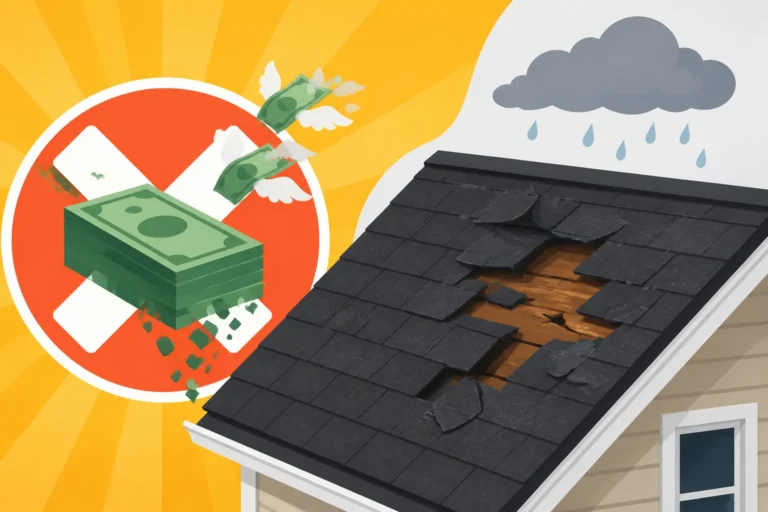
Finding missing shingles on your roof can be a truly disheartening experience, whether it's after a fierce storm or just a quiet discovery during routine yard work. It immediately triggers worry about leaks, further damage, and, of course, the potential cost of repairs. This comprehensive guide will walk you through the primary culprits behind those disappearing shingles, helping you understand why it happens so you can better protect your home.
The Relentless Force of Mother Nature: Environmental Factors
Our roofs stand as the first line of defense against the elements, and sometimes, those elements are just too strong. Missing shingles are often a direct result of environmental stress, with wind and hail being particularly notorious.
Wind Uplift and Shingle Blow-Off
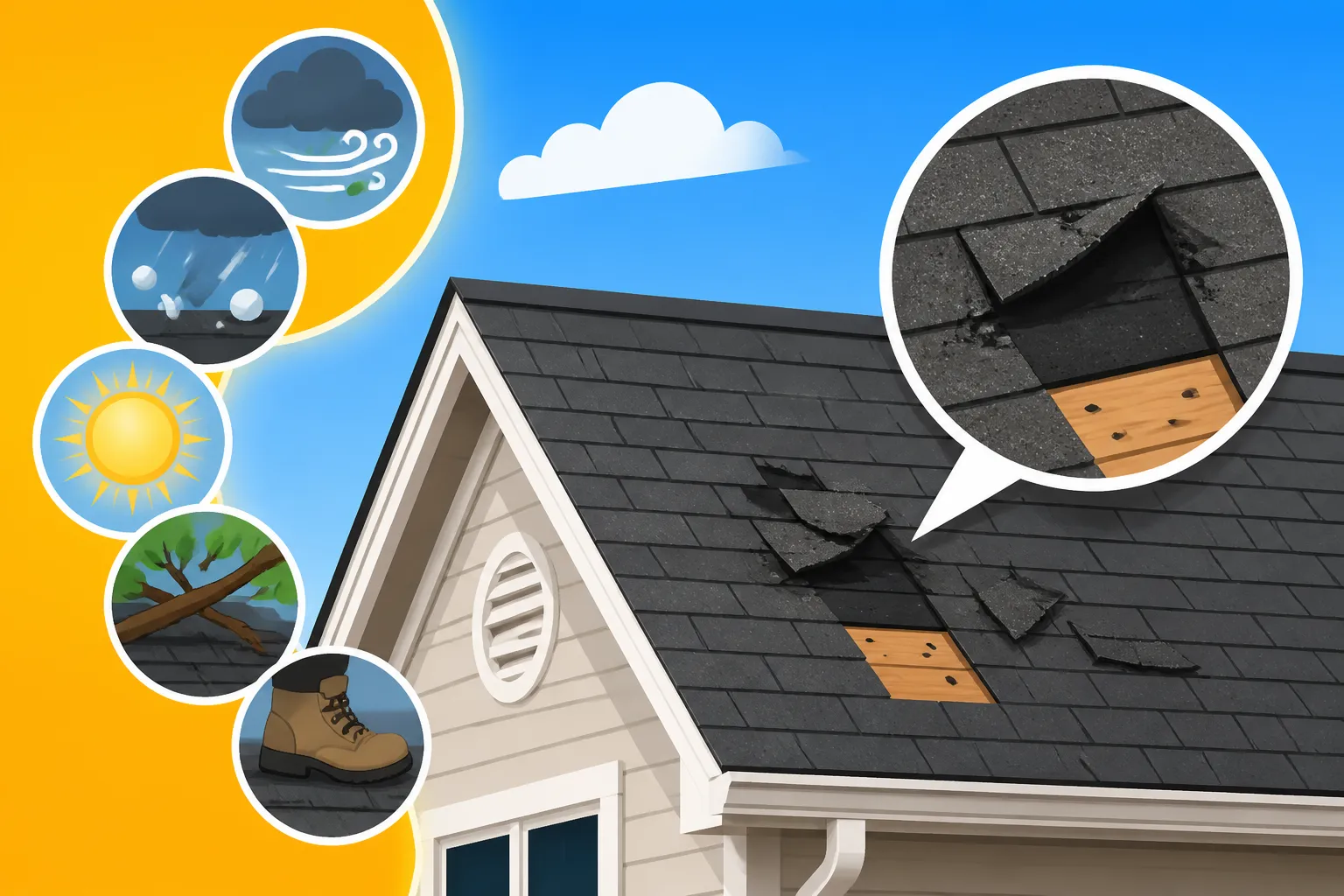
Wind is arguably the most common cause of missing shingles. It's not just hurricane-force gusts that can do damage; even moderate winds, especially those with sustained speeds or sudden updrafts, can wreak havoc on your roof.
- How Wind Works Against Shingles: Asphalt shingles are designed with a self-sealing strip activated by the sun's heat, creating a bond with the shingle above it. This bond is crucial for resisting wind. When strong winds blow across your roof, they create both uplift (a suction effect) and direct pressure. If the self-seal isn't fully activated (perhaps due to cold weather, too much shade, or poor initial adhesion) or if the shingles are old and brittle, the wind can get underneath them. Once wind penetrates, it can lift, bend, and eventually tear shingles right off the roof deck. It's a bit like peeling a sticker – once a corner lifts, the rest can follow quickly.
- Factors Increasing Wind Damage Risk: The pitch of your roof plays a role; steeper roofs can sometimes be more vulnerable to certain wind directions. The presence of trees can also contribute. While trees offer shade, overhanging or nearby branches can buffet your roof during a storm, loosening shingles or creating weak points. Furthermore, localized wind patterns, often intensified by nearby structures or hills, can create powerful gusts that specifically target certain sections of your roof, such as the ridges, hips, and edges. These are the areas where wind often gets its first grip, and a strong gust can quickly dislodge a whole section. You can often see clear Signs of Roof Wind Damage after a severe weather event.
Hail Impact and Shingle Weakening
Hail, from tiny pea-sized pellets to golf-ball-sized chunks, can cause significant damage that might not immediately result in missing shingles but can set the stage for them to disappear later.
- Direct Damage Leading to Loss: When hail stones strike asphalt shingles, they create circular indentations, often accompanied by granule loss. Granules are those tiny, gritty particles on the surface of shingles that protect the asphalt layer from UV rays and wear. Repeated hail strikes or particularly large hailstones can weaken the shingle's mat and compromise its adhesion to adjacent shingles. While the shingle might not fly off immediately, the damage creates a vulnerable spot. A subsequent wind storm, even a mild one, can then easily tear away the now-fragile shingle. It’s like punching holes in a piece of paper; it’s much easier to rip once weakened.
- Identifying Hail-Induced Vulnerabilities: Hail damage can be tricky to spot from the ground, as it often looks like dark spots where granules have been dislodged. However, these seemingly minor impacts can expose the asphalt layer underneath to the sun's harsh UV rays, accelerating its degradation. Over time, these weakened spots can become brittle and crack, making them prime candidates for wind to catch and remove. If you suspect hail damage, it's wise to get a professional Roof Damage Assessment: A Homeowner's Guide to prevent future problems.
Ice Dams and Freeze-Thaw Cycles
While less about direct forceful removal, ice dams and the repeated freeze-thaw cycle can certainly contribute to shingle loss over time, especially in colder climates.
- The Freeze-Thaw Effect: Water has an incredible power to expand when it freezes. In areas prone to heavy snow and fluctuating winter temperatures, snow melts during the day, runs down the roof, and then refreezes at the eaves, forming an ice dam. This dam prevents subsequent meltwater from draining off the roof, causing it to back up under the shingles. This repeated process of water infiltrating and then freezing can pry shingles up, weakening their bond and even damaging the shingle mat itself. Once compromised, these lifted, brittle shingles are far more susceptible to being blown off by wind.
- Water Infiltration and Adhesion Loss: Beyond the physical prying, constant moisture trapped under shingles can degrade the adhesive strip, rendering it ineffective. Even if the shingle isn't visibly moved by ice, the loss of adhesion means it loses its primary defense against wind uplift. When spring arrives and winds pick up, those previously water-logged and now poorly-adhered shingles can become loose and eventually go missing. Ensuring proper Ice Barrier Code Requirements during installation can mitigate these risks.
Subpar Installation and Material Quality: The Hidden Flaws
Sometimes, the problem isn't the weather at all, but rather issues that stem from the moment the roof was put on, or even the quality of the materials themselves. This is where choosing a reputable contractor makes all the difference.
Improper Nailing Techniques
This is a big one. Even the best shingles won't perform if they aren't fastened correctly. Nails are the literal anchors holding your roof together.
- Misplaced or Insufficient Nailing: Every shingle manufacturer specifies a nailing zone, an exact area where nails should be placed to properly secure the shingle and allow the self-seal strip to work effectively. If nails are placed too high (known as "high nailing"), they only go through one layer of shingle, leaving the overlying shingle susceptible to lifting. If too few nails are used, or if they're not driven flush (either proud or countersunk), the shingle isn't securely fastened. A shingle installed with a high nail, for example, is just waiting for a gust of wind to rip it free. The industry standard is typically 4-6 nails per shingle, placed within a specific strip. If a contractor rushes or isn't adequately trained, these critical details are often overlooked.
- Nail Pops and Shingle Damage: "Nail pops" occur when nails work their way up through the shingle. This can happen due to house framing movement, roof deck expansion/contraction, or improper nailing depth. When a nail pops, it creates a small tenting effect in the shingle, breaking the shingle's seal and making it vulnerable to wind and water infiltration. Over time, the movement can enlarge the nail hole, weakening the shingle around it, eventually leading to its detachment and loss. This is a common What Causes Nail Pops on a Roof issue that needs addressing promptly.
Low-Quality or Incompatible Shingles
Not all shingles are created equal, and sometimes, the material itself can be a weak link in your roofing system.
- Manufacturer Defects and Poor Adhesion: While rare with reputable brands, manufacturing defects can sometimes occur, leading to shingles that don't properly seal or have inherent weaknesses in the mat. Cheaper, economy-grade shingles often use less robust asphalt mixes or thinner fiberglass mats, making them less durable and more prone to damage from UV rays, temperature fluctuations, and wind. For example, some 3-tab shingles, while budget-friendly, offer less wind resistance than a robust architectural shingle. These lower-quality shingles are designed with different specifications and may simply not stand up to the local climate as well as higher-grade options.
- Using Non-Compatible Components: A roofing system is more than just shingles; it includes underlayment, starter strips, ridge caps, and flashing. Reputable manufacturers like GAF, Owens Corning, and CertainTeed design their components to work together as a complete system, often backed by enhanced warranties. If a contractor mixes and matches disparate brands or uses generic, lower-grade components, it can compromise the integrity of the entire roof. For instance, an incompatible starter shingle might not adhere properly to the first course of main shingles, leaving the eaves vulnerable to wind lift and eventual shingle loss. This is why it’s so important to understand the Full Roofing System Explained.
The Unavoidable Truth: Age and Natural Wear & Tear
Even perfectly installed, high-quality shingles have a lifespan. As roofs age, they naturally become more susceptible to damage and shingle loss.
Granule Loss and UV Degradation
Asphalt shingles are designed with a protective layer of mineral granules that deflect harmful UV rays, which can otherwise dry out and prematurely age the asphalt.
- Erosion of Protective Granules: Over years of exposure to sun, rain, and hail, these granules gradually wear off and wash away. You might notice them accumulating in your gutters. As What Causes Granule Loss on a Roof progresses, the underlying asphalt becomes exposed to direct sunlight. The UV radiation then begins to bake and dry out the asphalt, making it brittle and less flexible. This process accelerates the shingle's deterioration, making it more prone to cracking, curling, and eventually breaking apart or blowing off.
- Brittleness and Cracking: Once the asphalt loses its pliability, the shingles become stiff and brittle. They can no longer flex and move with temperature changes or wind gusts. Instead, they crack, especially along the sealing strips or in the "tabs" of the shingle. These cracks are not only entry points for water but also weak spots where wind can easily catch and tear away sections, leading to missing shingles.
Failed Shingle Sealing Strips
The self-sealing strip is a crucial element that bonds shingles together, forming a continuous, wind-resistant surface. Its failure is a direct pathway to missing shingles.
- Adhesive Degradation: The asphalt-based sealant strip, which activates with heat, can degrade over time due to repeated heating and cooling cycles, UV exposure, or even prolonged moisture exposure. As it loses its stickiness, the shingles lose their vital bond. When the seals fail, each shingle essentially becomes an individual tile rather than part of a unified, watertight system.
- Wind's Easy Target: Without the protective bond of the sealing strip, even moderate winds can easily lift the edges of the shingles. Once the wind gets under them, it exerts immense upward pressure, and with no adhesion to counteract it, the shingles can be peeled off one by one. This is particularly common on older roofs, where the seals have long since lost their efficacy. If your roof is nearing its expected lifespan, typically 20-30 years for architectural shingles, this is a very common issue that necessitates considering Roof Repair vs Replacement: How to Decide.
Deterioration of the Shingle Mat
The core of an asphalt shingle is its fiberglass mat, which provides strength and stability. Over extended periods, even this mat can break down.
- Aging and Weakening: Just like any material, the fiberglass mat can weaken with age. Continuous exposure to temperature extremes, moisture, and the stresses of expansion and contraction can degrade its fibers. If the mat becomes weak, the shingle loses its structural integrity.
- Fragility and Disintegration: When the mat is compromised, the shingle becomes fragile and can disintegrate, even without direct impact. Strong winds can simply tear through the weakened mat, causing pieces of the shingle, or even the entire shingle, to detach and go missing. This is a clear Signs You Need a New Roof indicator, as the fundamental structure is failing.
Other Contributors to Shingle Loss
While environmental factors, installation flaws, and age are the big three, a few other issues can unexpectedly lead to missing shingles.
Poor or Neglected Maintenance
A little bit of TLC for your roof can go a long way in preventing premature shingle loss. Neglecting maintenance leaves your roof vulnerable.
- Moss, Algae, and Debris Accumulation: While moss and algae might seem like mere cosmetic issues, they can actively damage shingles. Moss, in particular, traps moisture against the shingle surface, preventing the self-seal strips from drying and adhering properly. Its root-like structures can also lift shingles and pry them apart. Similarly, accumulated leaves, pine needles, and other debris on the roof, especially in valleys and low-slope areas, trap moisture and create an environment conducive to rot and degradation of the shingle surface and sealing strips. This constant moisture can undermine the shingle's integrity and adherence, making it easier for wind to lift them.
- Untrimmed Trees and Overhanging Branches: Trees are beautiful, but they can be a roof's worst enemy if not properly managed. Overhanging branches can rub against shingles, wearing away granules and weakening the shingle over time. During storms, these branches can break off and fall onto the roof, causing direct impact damage or simply loosening shingles sufficiently for wind to finish the job. Regular tree trimming is a simple yet effective maintenance step.
Animal Activity
While not as common as wind or age, critters can sometimes be the direct cause of missing shingles.
- Rodent and Wildlife Damage: Squirrels, raccoons, and even large birds like crows can damage shingles. Squirrels, for instance, might chew on shingle edges or fascia boards to gain access to your attic. Raccoons are incredibly strong and can tear at shingles or flashing to create an entry point, especially if they're trying to nest. Once a shingle is pried or chewed open, it becomes a prime target for wind to fully detach it.
- Nesting and Entry Points: Animals looking for a warm, dry place to nest will exploit any weakness in your roof. They might tear at loose shingles, pry up edges, or enlarge existing gaps to create an entry. This physical manipulation directly contributes to shingles going missing and can also lead to significant interior damage from water infiltration. If you notice signs of animal activity, it's crucial to address it quickly. For more complex roofing issues, it's a good idea to seek out certified professionals, which you can often find through services like Modernize.
Inadequate Ventilation
Believe it or not, an improperly ventilated attic can indirectly contribute to shingles going missing.
- Excessive Heat Buildup: Inadequate attic ventilation traps hot air, especially during scorching summers. This intense heat radiates back up into the underside of your roof deck and shingles. This constant extreme heat can bake the asphalt shingles from below, accelerating the drying out and degradation of the asphalt layer and the self-seal strips. When the adhesive strips lose their effectiveness prematurely due to excessive heat, shingles are far more likely to be lifted and blown off by wind. This is why proper How Roof Ventilation Works is so critical.
- Moisture Accumulation: Conversely, poor ventilation in winter can lead to moisture buildup in the attic due as warm, moist air from the living space rises and condenses on the cold underside of the roof deck. This moisture can compromise the integrity of the roof deck and, in extreme cases, affect the underside of the shingles, weakening their adherence and leading to premature failure.
Understanding the Consequences of Missing Shingles
When shingles go missing, it's more than just an eyesore; it's a direct threat to your home's integrity and your peace of mind.
Immediate Risks: Leaks and Water Damage
The most obvious and immediate consequence of missing shingles is the risk of a roof leak. Even one missing shingle creates an unprotected spot where water can penetrate.
- Direct Exposure of Underlayment: When a shingle is gone, the underlying roof felt or synthetic underlayment is exposed. While underlayment offers a secondary layer of protection, it's not designed for prolonged direct exposure to the elements. UV rays can degrade it, and heavy rain or wind-driven rain can overwhelm it, allowing water to seep into your attic.
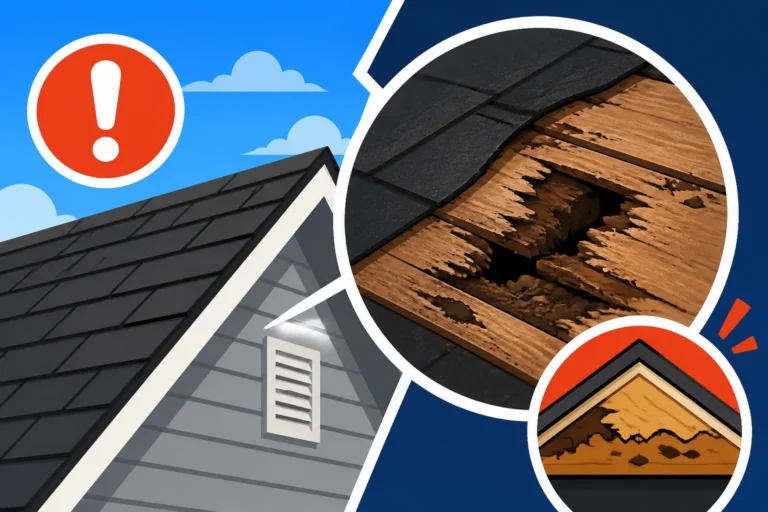
- Structural Damage and Mold Growth: Once water gets into your attic, it can saturate insulation, damage wood trusses and decking, and eventually lead to water stains on your ceiling. Prolonged moisture can also lead to the growth of mold and mildew, which can be a serious health hazard and expensive to remediate. Even a seemingly small leak can cause extensive damage over time, especially if you're not regularly checking your attic or interior for signs of water ingress.
Long-Term Implications: Accelerated Roof Deterioration
A few missing shingles might seem like a small problem, but it can accelerate the overall deterioration of your roof.
- Chain Reaction of Damage: The loss of one shingle can expose its neighbors to increased wind uplift and UV degradation. For example, if a shingle from the middle of a course goes missing, the shingles directly above and below it, and to either side, are now more exposed and vulnerable. The wind can then more easily get under the adjacent shingles, continuing a domino effect of shingle loss.
- Compromised Roof System: A roof is designed as a system where each component protects the next. When a piece is missing, the entire system is compromised. This can lead to faster aging of the entire roof, potentially shortening its lifespan and requiring a full replacement sooner than anticipated. This is why addressing even minor issues quickly is key to extending the life of an asphalt roof.
What to Do When You Spot Missing Shingles
Don't panic! Taking swift, informed action can prevent minor issues from becoming major headaches.
Prioritizing Safety and Assessment
Your first step should always be safety, followed by a careful assessment of the situation.
- Safe Inspection: If you're comfortable and have the right safety gear, a visual inspection from the ground with binoculars is often the safest first step. Never get on a ladder or your roof if you're uncomfortable, if the roof is wet, or if there are high winds. Look for the extent of the missing shingles, if there are any other signs of damage, and if there are obvious entry points for water. Document everything with photos.
- Calling a Professional: For a thorough and safe assessment, it's always best to call a qualified roofing contractor. They have the expertise and equipment to safely inspect your roof, identify the cause of the missing shingles, and assess for any underlying damage. Services like Modernize can help you connect with local, vetted roofing professionals who can provide accurate estimates and reliable repairs. Make sure to understand How to Read and Compare Roofing Estimates to ensure you're getting a fair deal.
Temporary Measures and Permanent Solutions
Depending on the severity, you might need a temporary fix before a permanent repair.
- Temporary Tarping: If you have active leaks or a large section of missing shingles exposing your home, temporary tarping can be a lifesaver. This involves carefully covering the damaged area with a waterproof tarp, securing it to prevent further water intrusion until professional repairs can be made. This is especially critical during heavy rain or storms.
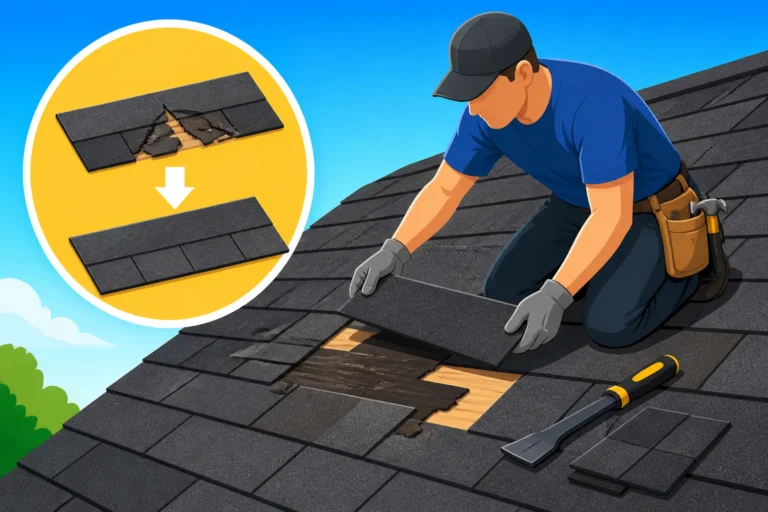
- Professional Repair vs. Replacement: For isolated missing shingles, a professional can often perform a targeted repair by carefully removing adjacent shingles, installing new ones, and ensuring proper sealing and nailing. However, if you have widespread missing shingles, significant granule loss across the roof, or if your roof is simply very old, it might be time to consider a full roof replacement. A contractor can help you understand When to Repair a Roof Leak vs Replace the Roof and advise on the most cost-effective and durable solution for your specific situation. This may involve exploring options like Cost to Replace a Roof by House Size or Asphalt Roof Replacement Cost: Complete Breakdown.
| Cause of Missing Shingles | Common Signs | Contributing Factors | Urgency Level |
|---|---|---|---|
| Wind Damage | Shingles detached, folded back, often on edges/ridges | High wind speeds, improper nailing, aged seals | High |
| Hail Damage | Granule loss spots, minor indentations, weakened shingles | Hailstorms, underlying granule erosion | Medium (can lead to high if unaddressed) |
| Age & Wear | Curling, cracking, widespread granule loss, brittle shingles | Old age, UV exposure, degraded sealant | High (indicates overall roof failure) |
| Improper Nailing | Shingles lifting/detaching, often localized to certain areas | Poor contractor workmanship, wrong nail placement | Medium to High |
| Ice Dams | Water stains inside, lifted shingles near eaves, gutters | Heavy snow, fluctuating temperatures, poor insulation/ventilation | Medium (seasonal) |
| Animal Activity | Chewed edges, claw marks, entry holes, nesting materials | Presence of wildlife, existing roof vulnerabilities | Medium |
| Poor Ventilation | Sagging deck, prematurely aged shingles, increased attic heat | Blocked vents, insufficient intake/exhaust | Low (indirect cause, long-term impact) |
Disclaimer
Please remember that this article provides general information and guidance. Every roof and situation is unique, and the advice here should not replace a professional inspection and assessment by a qualified and licensed roofing contractor. Always prioritize safety and consult with experts for specific recommendations regarding your home.