Algae Streaks: Repair or Replace
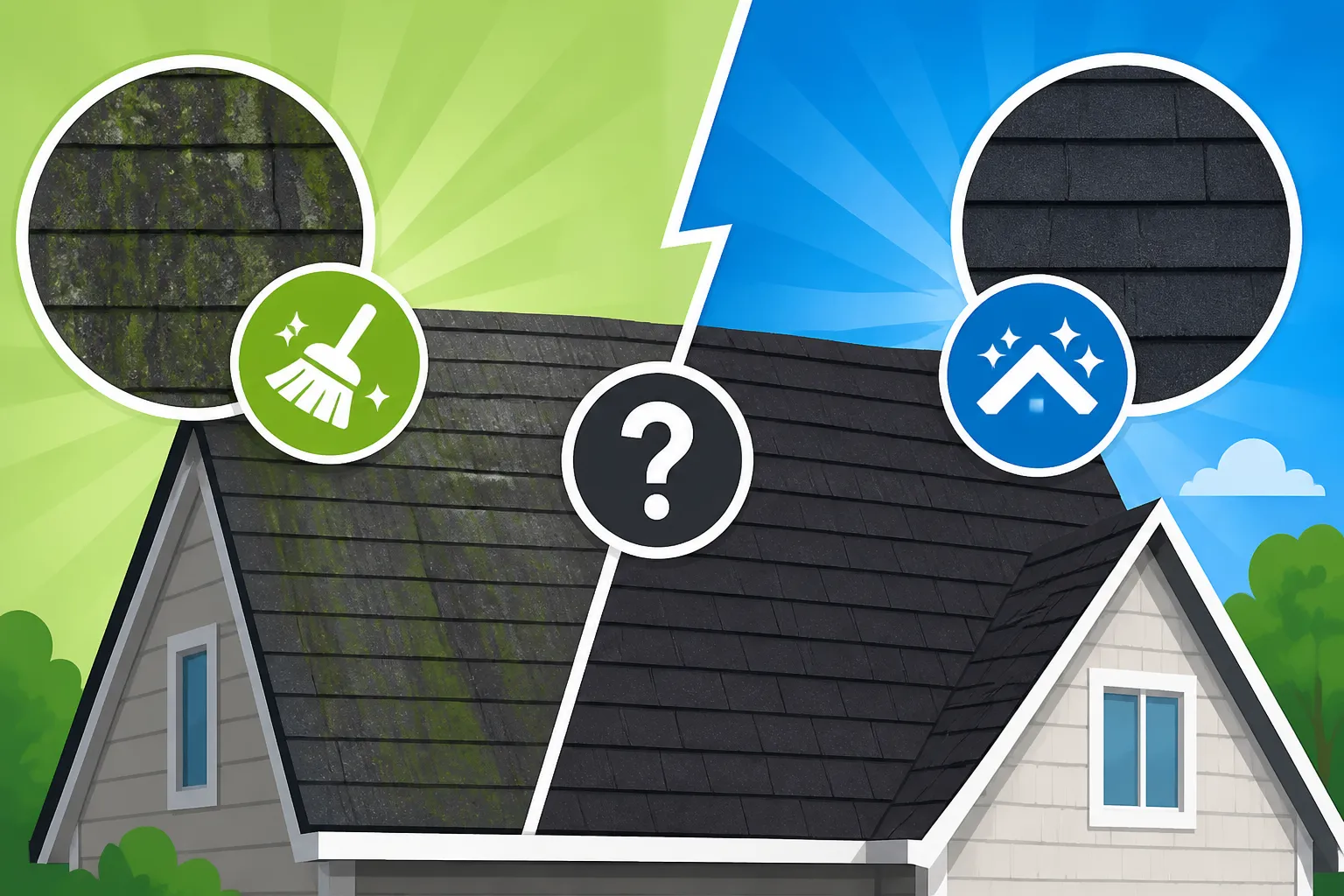
Oh, those dreaded black streaks on your asphalt roof! If you’re seeing them, you’re certainly not alone. It's a common sight that makes a perfectly good home look older, dirtier, and honestly, a bit neglected. This guide is here to help you understand what those streaks really are, whether a good cleaning will do the trick, or if they're a tell-tale sign that it might be time for a more significant investment, like a full roof replacement.
Understanding Those Pesky Algae Streaks on Your Roof
It’s easy to look up at your roof and just think, "Ugh, my roof is getting dirty." But those dark, unsightly streaks aren't just dirt; they're alive! Understanding what you're dealing with is the first step toward figuring out the best solution for your home.
What Causes Those Dark Stains?
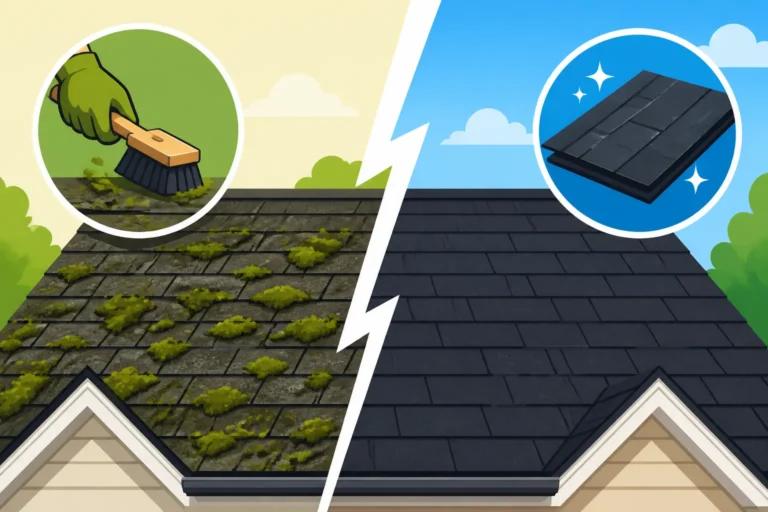
Those black and green streaks that mar the appearance of so many roofs, especially in humid climates, are primarily caused by a type of blue-green algae called Gloeocapsa magma. This isn't just some random moss or lichen, though those can also appear. Gloeocapsa magma thrives by feeding on the limestone filler that's often used in the manufacturing of asphalt shingles. As the algae grows, it forms a protective dark pigment, which is what gives your roof that characteristic streaky, discolored look. It’s particularly prevalent in areas that don't get much direct sunlight, like the north side of your roof or sections shaded by large trees, because moisture lingers there longer.
The prevalence of this algae has also increased over time due to changes in shingle composition. Modern asphalt shingles often incorporate more limestone as a filler, which is an excellent nutrient source for Gloeocapsa magma. Add in the increasing humidity levels in many regions, and you've got a perfect breeding ground for these stubborn stains. It’s not a reflection of your housekeeping skills; it's just biology at work on your roofing materials.
The Real Impact of Algae on Your Roof
While the primary concern for most homeowners is the aesthetic degradation – those streaks can seriously diminish your home's curb appeal and even make it harder to sell – algae can have more insidious effects. Beyond just looking bad, these organisms can actually impact the long-term health and efficiency of your roof.
Firstly, the dark pigmentation of the algae absorbs more heat from the sun. This means your attic and, consequently, your home can get hotter, potentially leading to higher air conditioning bills, especially in warmer climates. Think of it like wearing a black shirt on a sunny day versus a white one – the black absorbs more heat. Over time, the algae can also trap moisture, which can accelerate the degradation of your shingles by preventing them from drying out properly. This continuous moisture can break down the shingle granules, leading to premature aging and shortening the overall lifespan of your roof. For insights into why shingles fail early, check out our guide on what makes shingles fail early.
While algae doesn't typically cause immediate structural damage in the way a severe storm might, its prolonged presence can contribute to shingle deterioration over the years. It can slowly eat away at the asphalt binder and dislodge granules, which are vital for protecting the underlying asphalt from UV rays. Granule loss is a significant indicator of shingle wear, and if you’re seeing a lot of it, coupled with heavy algae growth, it could be a sign that your roof is in more trouble than just needing a wash.
When Can You Simply Clean Algae Streaks?
For many homeowners, the good news is that those black streaks don't always mean you need a new roof. Often, especially on younger roofs, a good cleaning can restore your roof's appearance and help prolong its life. However, it's crucial to approach roof cleaning correctly to avoid causing more harm than good.
DIY Cleaning Methods: The Good, The Bad, and The Risky
If you're considering tackling the algae streaks yourself, there are a few methods, but caution is paramount. A popular and generally effective DIY solution involves a mix of household bleach (sodium hypochlorite) and water, often in a 50/50 ratio, applied with a garden sprayer. Let it sit for 15-20 minutes, then rinse thoroughly with low-pressure water. This solution is great for killing the algae and brightening your shingles. However, you must be incredibly careful to protect your landscaping below by pre-wetting plants and shrubbery, then rinsing them again thoroughly after applying the cleaning solution to the roof. Bleach can damage plants and discolor siding.
There are also commercial roof cleaning solutions specifically designed to remove algae and mildew, often found at hardware stores. These products usually contain similar active ingredients or other algaecides. Always follow the manufacturer's instructions to the letter. What you should never do is use a high-pressure washer directly on your asphalt shingles. High pressure will blast off the protective granules, drastically shortening your roof’s lifespan and potentially voiding your shingle warranty. Even if you're tempted to use a pressure washer for a quick fix, remember that the damage it causes can lead to a much more expensive problem down the line.
Remember, safety should always be your top priority. Working on a roof can be extremely dangerous due to heights and slippery surfaces, especially when wet with cleaning solutions. If you’re not comfortable or experienced with ladder safety and roof work, it’s always best to leave it to the professionals.
Professional Roof Cleaning Services
If the thought of climbing on your roof with bleach solution makes you nervous, or if your roof is particularly steep or high, hiring a professional roof cleaning service is a smart investment. These pros have the right equipment, safety gear, and expertise to clean your roof effectively without causing damage. They typically use low-pressure sprayers (often called "soft washing") and specialized cleaning agents that are tough on algae but gentle on your shingles and landscaping.
Professional cleaning can usually range from a few hundred dollars to over a thousand, depending on the size and complexity of your roof and the extent of the algae growth. While it might seem like a significant expense, it's a fraction of the cost of a full roof replacement and can dramatically improve your home's appearance. A reputable company will provide a detailed estimate and explain their process, including how they protect your property. When getting quotes, don’t hesitate to ask about their experience, insurance, and the specific products they use. For more on ensuring you hire the right people, check out our guide on how to choose a roofing contractor.
Preventative Measures Against Algae Recurrence
Even after a thorough cleaning, algae can eventually return, especially if the environmental conditions that favored its initial growth haven't changed. To prolong the clean look of your roof, you can consider some preventative measures. One of the most common and effective is the installation of zinc or copper strips along your roof’s ridge. When rain washes over these metal strips, tiny amounts of zinc or copper ions are released and flow down the roof surface, creating an environment hostile to algae growth.
Other simple steps include trimming back overhanging tree branches to increase sunlight exposure and improve airflow, which helps keep the roof surface drier. Regularly cleaning your gutters to prevent standing water and debris buildup is also crucial, as debris can harbor moisture and algae spores. Finally, if you're approaching the time for a roof replacement, consider investing in algae-resistant shingles. These shingles, often infused with copper granules, are specifically designed to inhibit algae growth for decades.
When Algae Streaks Signal It's Time for a New Roof
Sometimes, those streaks are more than just a superficial problem. They can be a visual cue, a "check engine light" for your roof, indicating deeper issues that cleaning alone won't solve. Knowing these signs can save you from costly repairs down the line.
Beyond Surface-Level Stains: Signs of Deeper Trouble
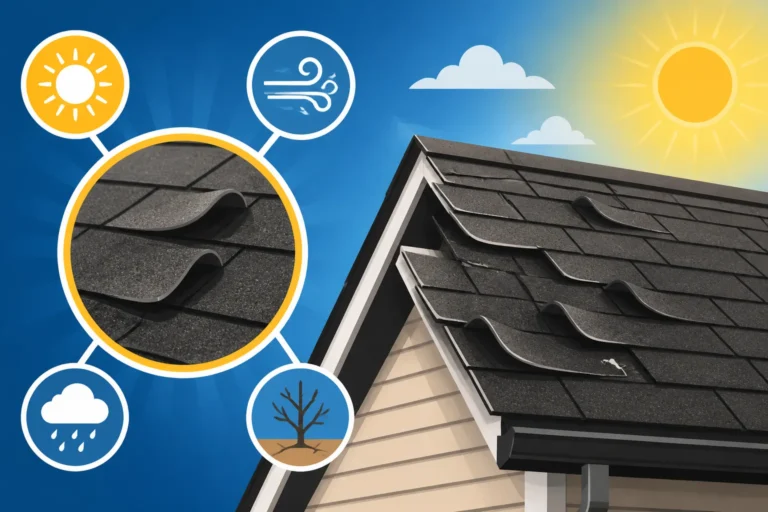
If your roof is already showing significant signs of wear and tear alongside the algae streaks, then cleaning might just be putting a band-aid on a much larger wound. Look for things like extensive granule loss, where the small, gritty particles on your shingles are noticeably worn away or accumulate in your gutters. Granules protect your shingles from harmful UV rays, and without them, your roof deteriorates rapidly. You might also see curling, buckling, or cracked shingles, which are clear indicators that the asphalt is drying out and losing its protective qualities. Our article on curling shingles: what they mean can offer more detail on this specific issue.
Furthermore, if the algae growth is accompanied by signs of underlying moisture damage, such as water stains in your attic, soft spots on your roof deck, or leaks inside your home, then a cleaning is completely insufficient. In these cases, the algae streaks are merely a visible symptom of a roof that has reached the end of its functional life. These issues point to a compromised roofing system that needs a full assessment, and very likely, a complete replacement. A comprehensive roof inspection will reveal the true extent of the damage.
The Limitations of Cleaning an Aging Roof
Attempting to clean an older, brittle roof can often do more harm than good. Shingles that are 15-20 years old or more are already nearing the end of their lifespan, even if they look okay from the ground. The physical act of walking on them, spraying them with water, and applying cleaning solutions can cause further damage, dislodge more granules, or even break already fragile shingles. It's akin to trying to "clean" a severely rusted car part; while you might remove the surface rust, the underlying structural integrity is still compromised.
The cost-effectiveness also comes into play. If your roof is already old and showing other signs of decline, spending $500-$1000 on a cleaning might only buy you a year or two of slightly better aesthetics before other problems force a replacement anyway. In such situations, that money would be better put towards the total Average Roof Replacement Cost This Year. It's important to consider the overall health and expected remaining life of your roof. When a roof repair is a waste of money is a great resource if you're grappling with this dilemma.
Considering Algae-Resistant Shingles for Your Replacement
If you decide a replacement is in order, or if your existing roof is simply ready for an upgrade, you have an excellent opportunity to prevent future algae problems. Many leading manufacturers, like GAF, Owens Corning, and CertainTeed, offer lines of algae-resistant shingles. These shingles are specially engineered with copper-infused granules that are blended into the shingle surface during manufacturing. As rain washes over the roof, these copper particles are activated, releasing microscopic amounts of copper that inhibit algae growth over the entire roof surface.
This technology is incredibly effective, often backed by extended warranties specifically against algae discoloration. For instance, GAF's Timberline HDZ and Owens Corning's Duration lines frequently offer enhanced algae protection. Investing in these types of shingles, such as those covered in our guide on Algae-Resistant Shingles: How They Work, can maintain your home's pristine appearance for decades, saving you the hassle and cost of future cleanings. It’s a smart, long-term solution that addresses the root cause of the streaking problem.
Making the Decision: Repair, Clean, or Replace?
Ultimately, the choice to clean your roof or replace it when faced with algae streaks depends on several key factors unique to your home and situation. There’s no one-size-fits-all answer, but by carefully weighing your options and seeking expert opinions, you can make the best decision.
Factors to Weigh in Your Decision
When staring up at those streaks, ask yourself a few critical questions. First, consider the age of your roof. A roof that’s only 5-10 years old with minor streaking is a prime candidate for cleaning. But if your asphalt roof is pushing 18-20 years old, or even more, as discussed in How Long Does an Asphalt Roof Last, then replacement is likely the more sensible long-term investment. Cleaning an old roof might make it look better temporarily, but it won't fix underlying structural issues or prevent inevitable leaks.
Next, assess the overall condition of your shingles. Are there other Signs You Need a New Roof, like widespread granule loss, significant curling, cracking, or missing tabs? If so, algae streaks are just one symptom of a roof in distress. Your budget also plays a role. A professional cleaning is significantly less expensive than a full replacement. However, if you plan to stay in your home for many more years, a new roof with algae-resistant features could offer better long-term value and peace of mind. Your aesthetic goals matter too – do you just want it to look better for resale, or are you hoping for a pristine appearance for the next 25 years?
Getting Professional Advice
This is where a trusted roofing professional really comes in handy. It’s always a good idea to get a thorough roof inspection from an experienced contractor. They can assess not only the algae growth but also the overall health of your shingles, flashing, decking, and ventilation system. A good contractor will provide an honest assessment of whether cleaning is sufficient or if replacement is the more prudent course of action. When seeking estimates, try to get at least three quotes and make sure they include a detailed breakdown of services and costs. Our guide on How to Get Roofing Quotes and Compare Them can walk you through this process.
Don’t be afraid to ask tough questions. Inquire about their experience with algae removal and whether they offer algae-resistant shingle options if a replacement is recommended. A contractor who is manufacturer-certified, like a GAF Master Elite or Owens Corning Platinum Preferred contractor, will have in-depth knowledge of different shingle technologies and installation best practices. They're also often able to offer enhanced warranties. When you're ready to improve your home, platforms like Modernize can help you connect with local, reputable roofing professionals who understand these nuances and can guide you through the decision-making process, whether it's for a cleaning or a full re-roof.
| Feature / Consideration | Roof Cleaning | Roof Replacement |
|---|---|---|
| Primary Goal | Restore aesthetics, prolong existing roof's life, address surface algae. | Permanent solution to algae, structural issues, aged materials; reset lifespan. |
| Cost (Typical) | $400 – $1,500 (depending on size/complexity) | $10,000 – $30,000+ (highly variable by size, materials, location; see Cost to Replace a Roof by House Size) |
| Roof Age Suitability | Best for roofs under 15-20 years old, in otherwise good condition. | Ideal for roofs 18+ years old, or those with extensive damage/wear regardless of age. Often recommended when Roof Age: When to Start Planning Replacement |
| Shingle Condition | Minimal granule loss, no widespread curling, cracking, or missing shingles. | Significant granule loss, brittle/curling/cracked shingles, soft spots in decking, visible leaks. |
| Longevity of Fix | Temporary; algae may return within 2-5 years without preventative measures. | Permanent solution for algae with algae-resistant shingles, lasting 25-50+ years depending on shingle type and warranty. |
| Warranty Impact | Improper cleaning (e.g., pressure washing) can void shingle warranty. Proper soft washing should not. | A new roof comes with a new manufacturer and workmanship warranty. |
| Energy Efficiency | Can slightly improve heat reflection if dark algae is removed. | New, lighter-colored, or "cool roof" shingles can significantly improve energy efficiency. |
The decision between repairing/cleaning and replacing can feel daunting, but by thoroughly assessing your roof’s condition and leveraging the expertise of local professionals found through services like Modernize, you’ll arrive at the best solution for your home and your budget. Remember, a healthy roof protects your most important asset – your home!
Disclaimer
Please remember that the information provided in this article is intended for general guidance and informational purposes only. Every roofing situation is unique, and professional advice should always be sought for specific assessments and recommendations regarding your home. We are not licensed contractors, and this content should not be considered a substitute for professional inspection or advice.