Wind Damage: Repair or Replace
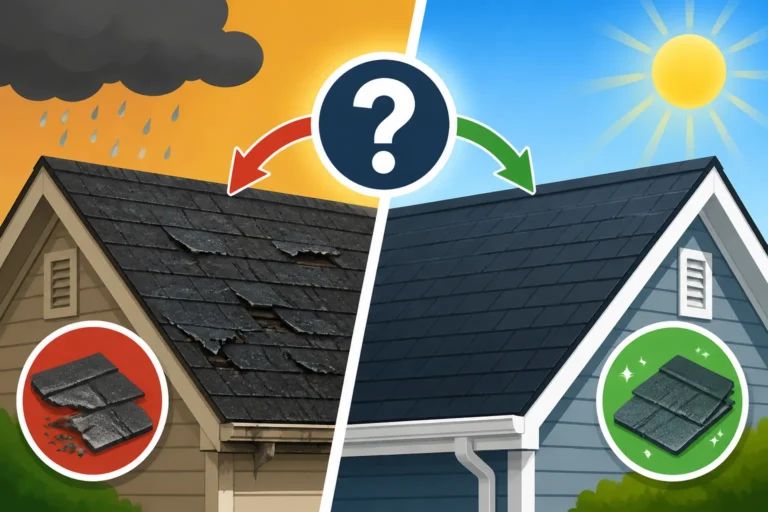
Finding yourself staring up at a section of roof where shingles used to be, or spotting those tell-tale lifted tabs after a fierce storm, is incredibly disheartening. Wind damage can range from a few misplaced shingles to a significant compromise of your home's protective layer, leaving you wondering if a simple patch-up will do or if you’re looking at a complete overhaul. This guide will walk you through identifying wind damage, understanding its severity, and making an informed decision about whether to repair or replace your asphalt roof.
Understanding How Wind Damages Your Roof
Wind isn't just about raw speed; it's about the complex pressures it exerts on your home, particularly your roof. When those gusts hit, they don't just push; they create a fascinating dance of uplift and scour that can wreak havoc on even the most well-installed asphalt shingles.
The Mechanics of Wind Damage
Imagine wind as an invisible force trying to peel away your roof. When strong winds blow over your roof, they create negative pressure, essentially a suction effect, especially at the edges, eaves, and ridges. This uplift pressure is what tries to lift and peel shingles right off your roof deck. At the same time, wind blowing underneath a lifted shingle can exacerbate this, pushing it further open.
It’s not just about lifting, though. Wind can also pick up and hurl debris – branches, gravel, even loose items from your yard or a neighbor's. This leads to what we call "shingle scour," where airborne grit and particles act like sandpaper, eroding the protective granules from your shingles. Even worse, larger impacts from falling tree limbs or heavy debris can crack, puncture, or outright break shingles and even the underlying roof decking. This combination of uplift, scour, and impact is why wind damage can be so varied and devastating.
Common Types of Visible Wind Damage
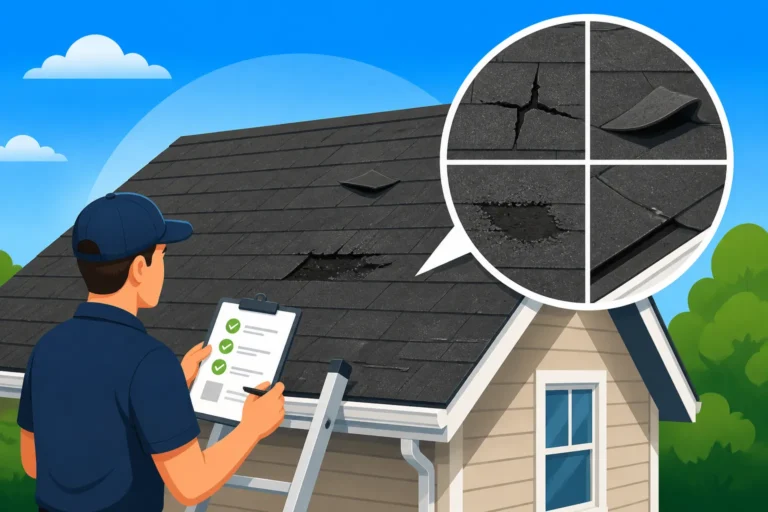
When you're inspecting your roof (from the ground or with a professional's help), there are several key indicators of wind damage to look for. These signs often point to different levels of severity and potential repair needs.
- Missing Shingles: This is probably the most obvious sign. You might find shingles in your yard, or simply see bare spots on your roof, exposing the underlayment or even the roof deck. Missing shingles are a direct result of strong uplift forces. The wind finds a weak spot, gets underneath, and rips the shingle away.
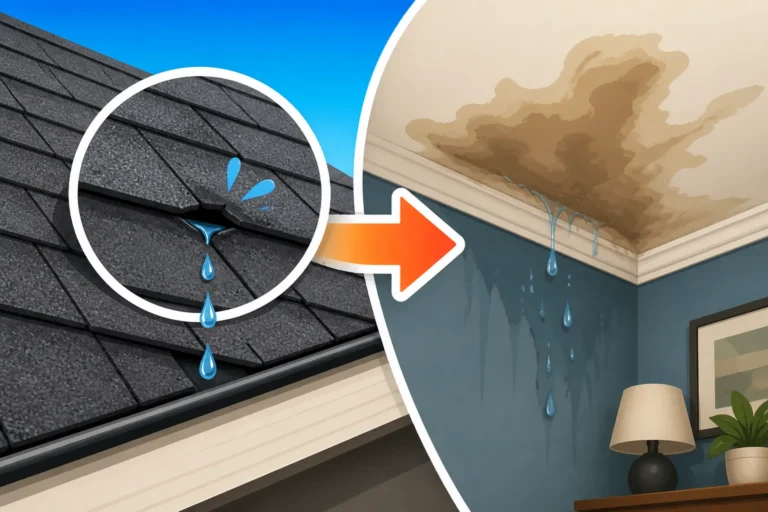
- Lifted or Curled Shingles: Sometimes the wind isn't strong enough to tear shingles off completely, but it can lift them, breaking the sealant strip that holds them down. This often leaves shingles appearing wavy, curled at the edges, or popped up in certain areas. These lifted shingles are vulnerable to future wind events and can also allow water to penetrate underneath.
- Creased or Bent Shingles: Wind can bend or crease shingles, particularly along the seal strip or at their nailing points. These creases can weaken the shingle, making it more prone to cracking over time and compromising its ability to shed water effectively.
- Granule Loss: As mentioned earlier, wind-blown debris can erode the protective granules from your asphalt shingles. You might notice these granules accumulating in your gutters or at the bottom of your downspouts. While some granule loss is normal over a roof's lifespan, excessive loss in patches, especially after a storm, is a sign of damage and reduces the shingle's UV protection and waterproofing capabilities. You can learn more about this by reading our guide on Granule Loss: Should You Worry.
- Damaged Flashing: Wind can also impact the metal flashing around chimneys, skylights, vents, and along wall intersections. If flashing becomes bent, lifted, or detached, it creates direct pathways for water intrusion. This often happens because the flashing is less flexible than shingles and can be torn or bent by extreme wind forces or impact from debris.
- Exposed Underlayment or Decking: If shingles are missing or severely damaged, the layer beneath them – the underlayment or even the roof decking itself – can become exposed. This is a critical situation, as these layers are not designed for direct long-term exposure to UV rays and precipitation, leading to rapid deterioration and potential leaks.
Assessing the Severity: Repair or Replace?
Once you've identified wind damage, the big question looms: can it be repaired, or does the whole roof need replacing? This decision isn't always straightforward and depends on several critical factors, from the extent of the damage to the age of your existing roof.
Factors Influencing Your Decision
Deciding between repair and replacement hinges on a few key considerations that a reputable roofing contractor will help you evaluate.
- Age of Your Roof: This is often the most significant factor. If your asphalt roof is relatively new, say less than 10-15 years old, and the damage is localized, repairs are often a sensible and cost-effective solution. However, if your roof is nearing the end of its typical lifespan (often 20-25 years for architectural shingles, or 15-20 for 3-tab), even minor wind damage might be the tipping point for a full replacement. Older shingles are more brittle, making repairs difficult and often leading to further damage during the repair process itself. They also may not seal properly if re-laid. Understanding How Long Does an Asphalt Roof Last can really help here.
- Extent and Location of Damage: Is it just a few shingles on one slope, or is there widespread damage across multiple areas, including ridges, valleys, and vulnerable edges? Isolated damage, particularly on easily accessible areas, leans towards repair. Widespread damage, affecting many "squares" of roofing (a roofing square is 100 square feet), or structural elements like the roof decking, makes a full replacement much more likely.
- Availability of Matching Shingles: If you only need to replace a few shingles, finding an exact match is crucial for aesthetics and uniform protection. If your shingles are discontinued, or if the existing ones have faded significantly, matching new ones might be impossible, leading to a patchwork look. In such cases, even minor damage might push you towards a full replacement if appearance is a priority.
- Underlying Issues: Did the wind damage expose or exacerbate existing problems like rotted decking, inadequate ventilation, or compromised flashing? Sometimes, what seems like minor shingle damage might reveal larger, hidden issues that necessitate a more extensive repair or replacement project.
- Local Building Codes: In some areas, building codes might mandate a full replacement if a certain percentage of your roof is damaged, or if repairs won't bring the roof up to current safety standards, especially after a major storm. This is particularly true in areas prone to severe weather, like coastal regions in Florida or hail-prone states like Colorado, where specific High-Wind Roofing Code Requirements or Impact-Resistant Shingle Requirements by State might be in effect.
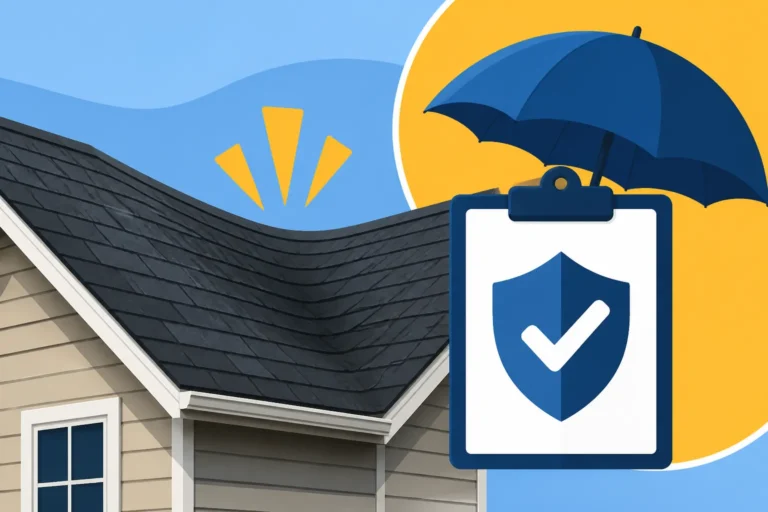
- Insurance Coverage: Your homeowner's insurance policy will play a critical role. Many policies cover wind damage, but the extent of coverage and your deductible will influence the financial feasibility of repair versus replacement. Sometimes, insurers might deem an entire roof a "total loss" if the damage is extensive, making replacement the financially sensible choice. It's vital to understand Roof Replacement and Insurance Claims and how your policy works.
When Repair is a Viable Option
Repairs are usually the go-to solution when the damage is contained, relatively minor, and your roof has plenty of life left in it.
- Isolated Missing Shingles: If only a handful of shingles have been blown off, and the surrounding shingles are in good condition, replacing just those few can be a quick and effective fix. A professional can carefully remove the damaged or adjacent shingles, replace any torn underlayment, and install new shingles, ensuring they are properly nailed and sealed. The cost to replace a few missing shingles is significantly lower than a full roof replacement.
- Lifted but Undamaged Shingles: Sometimes shingles are merely lifted, and their sealant strip has broken, but the shingle itself isn't torn or creased. In these cases, a roofer can often re-seal them using roofing cement. This is a common, cost-effective repair that prevents further damage and keeps your roof watertight.
- Minor Granule Loss (Localized): If you notice some granule loss but it's not widespread, and the underlying asphalt isn't exposed or brittle, it might not require immediate full replacement. However, continued monitoring is essential, as this area will be more vulnerable to UV degradation.
- Newer Roofs: For roofs less than 10-15 years old, even if the damage is a bit more than just a few shingles, repairs are often preferable. The existing shingles still have good flexibility and integrity, making it easier for new shingles to blend and seal properly.
Remember, a proper repair involves not just replacing the visible damage but also ensuring the underlying components like the underlayment and flashing are intact. It's always best to have a professional assess the situation to guarantee the repair is sound. You can easily find qualified contractors through services like Modernize to get reliable assessments and quotes.
When Replacement Becomes Necessary
Sometimes, patching up isn't enough. There are clear indicators that a full roof replacement is the smarter, more economical, and safer path forward. You might even find that getting multiple estimates from platforms like Modernize confirms the consensus for a replacement.
- Widespread Damage: If wind has caused extensive damage across multiple sections of your roof, affecting 20% or more of the total surface, a full replacement usually makes more sense. Trying to patch numerous areas can be almost as costly as a new roof, and you’ll end up with a checkerboard appearance and uneven weathering. Furthermore, significant portions of the roof may have experienced stress even if they don't show overt signs of damage, shortening their remaining lifespan. Our article on Roof Repair vs Replacement: How to Decide provides a deeper dive into this comparison.
- Older Roofs: As asphalt shingles age, they become brittle, lose granules, and their sealant strips degrade. If your roof is past its prime (typically 20-25 years for architectural shingles), wind damage, no matter how seemingly minor, can signify the end of its useful life. Attempting repairs on an old, brittle roof can cause more shingles to crack or break, making the repair process frustrating and often ineffective. In this scenario, the money spent on repairs might be a "waste of money" if a full replacement is just around the corner anyway.
- Structural Damage to Decking: If wind-blown debris caused significant impact damage, leading to cracks or holes in your roof decking, a complete replacement is often necessary to address the structural integrity. Simply replacing shingles over compromised decking is a temporary fix that won't solve the underlying problem. You can explore Roof Decking Replacement Cost for more information on this particular aspect.
- Unavailability of Matching Shingles: If your shingle style or color is no longer manufactured, or if your existing shingles are so faded that new ones would stand out drastically, a full replacement ensures a consistent, aesthetically pleasing appearance.
- Insurance Total Loss: After severe wind events, an insurance adjuster might determine that the cost to repair your roof exceeds a certain percentage of the replacement cost (often 50% or more). In such cases, your insurer may declare it a "total loss" and provide funds for a full replacement, making it the most financially sound choice. It's important to understand the process of How to Get Insurance to Pay for a Roof.
| Damage Type | Repair Feasible? | Replacement Recommended? | Key Considerations |
|---|---|---|---|
| Few Missing Shingles | Yes | No | Roof age, shingle match, localized damage |
| Lifted/Curled Shingles | Yes | No (unless widespread) | Shingle integrity (not torn/creased), roof age |
| Widespread Granule Loss | No | Yes | UV protection severely compromised, waterproofing reduced, aesthetic concerns |
| Many Damaged Shingles | No (unless new) | Yes | Extent of damage, roof age, cost-effectiveness of multiple repairs |
| Damaged Flashing | Yes | No (unless structural) | Severity of flashing damage, condition of surrounding roof elements |
| Compromised Decking | No (unless minor) | Yes | Structural integrity, potential for leaks, long-term stability |
| Old Roof (20+ years) | No | Yes | Brittle shingles, difficulty in sealing, future repair likelihood |
Navigating the Process After Wind Damage
Dealing with wind damage can feel overwhelming, but taking the right steps can make the process much smoother, from initial assessment to final repairs or replacement.
Immediate Steps to Take
Your actions right after a storm can significantly impact the outcome of your repairs and insurance claim.
- Prioritize Safety: Before anything else, ensure it’s safe to inspect your property. Look for downed power lines, sharp debris, or unstable structures. Never climb onto a damaged roof yourself, especially if it’s steep, wet, or windy. Instead, inspect from the ground with binoculars.
- Document Everything: This is perhaps the most crucial step for your insurance claim. Take clear photos and videos of all damage you can safely see, both on the roof and anywhere else on your property that might have been affected (e.g., gutters, siding, fences, interior water spots). Date-stamp your photos if possible. Get wide shots showing the scope of damage, and close-ups detailing specific issues like lifted shingles or missing granules. This documentation is vital for understanding How to Document Roof Damage for Insurance.
- Temporary Measures: If there are active leaks or large exposed areas, consider temporary tarping. You can often find heavy-duty tarps at hardware stores. Secure them carefully to prevent further water intrusion, but again, prioritize safety. Many roofing contractors offer emergency tarping services, which is often the safest bet. This temporary measure can prevent more extensive water damage to your home's interior while you await professional repairs or an insurance adjuster.
- Contact Your Insurance Company: Report the damage as soon as possible. They will guide you through their specific claims process and likely send an adjuster to assess the damage. Be prepared to share your documentation.
Working with Contractors and Insurance
This phase requires diligence to ensure you get a fair assessment and quality work.
- Get Multiple Quotes: Don't settle for the first estimate you receive. Contact at least three local, licensed, and insured roofing contractors. This allows you to compare not only prices but also the scope of work, materials proposed, and warranties offered. Services like Modernize can connect you with qualified local professionals, saving you time and stress. When you receive estimates, make sure they clearly detail what’s included, from tear-off and disposal to underlayment, new shingles, and flashing. For a deeper understanding of what to look for, refer to How to Read and Compare Roofing Estimates.
- Verify Credentials: Always check a contractor's licensing, insurance (liability and worker's compensation), and references. Ask for proof of insurance directly from their provider, not just a copy from the contractor. A contractor who is certified by shingle manufacturers like GAF, Owens Corning, or CertainTeed may also offer enhanced warranties.
- Understand Your Insurance Claim: Your insurance adjuster will evaluate the damage and determine coverage based on your policy. Be present during the adjuster's inspection if possible. If their initial assessment differs significantly from your contractor's, don't hesitate to provide your documentation and seek clarification. Sometimes, a supplemental claim might be necessary if additional damage is found during the repair process. Understanding the terms like Actual Cash Value (ACV) vs. Replacement Cost Value (RCV) in your policy is crucial, as this dictates how much your insurer will pay.
- Review the Contract Carefully: Before signing anything, read the contract thoroughly. Ensure it includes all agreed-upon work, materials, timelines, payment schedules, and warranty information. Look for specifics on shingle type, underlayment, flashing, and ventilation. Make sure it explicitly states who is responsible for pulling permits, as this is usually the contractor's job. Our guide on Roofing Contract: What to Look For offers essential advice.
Protecting Your Investment: Long-Term Considerations
Whether you repair or replace, thinking ahead about how to protect your asphalt roof from future wind damage is a smart move.
The Role of Shingle Quality and Installation
Your roof's ability to withstand wind starts with the quality of its components and, crucially, how they are installed.
- High-Wind Rated Shingles: When choosing new shingles or making extensive repairs, consider upgrading to shingles specifically designed for high-wind areas. Brands like Owens Corning with their Duration line or GAF's Timberline HDZ are known for enhanced wind resistance. These often feature wider nailing zones, reinforced adhesion strips, or thicker construction. Always check the shingle's wind rating, typically expressed in miles per hour (e.g., 110 mph or 130 mph). These ratings indicate the maximum sustained wind speed the shingles are designed to withstand.
- Proper Nailing Patterns: How shingles are nailed is paramount to their wind resistance. Standard installation typically involves four nails per shingle, but in high-wind zones, local codes or manufacturer specifications might require six nails per shingle, often referred to as High-Wind Nailing Explained. The placement of these nails also matters; they must be within the specified nailing zone to be effective and ensure the shingle warranty remains valid.
- Full Roofing System: A truly wind-resistant roof is more than just shingles. It's a complete system that includes a quality underlayment (like synthetic rather than felt), proper starter shingles, and robust flashing at all vulnerable points. The integrity of these components working together provides the best defense against severe weather.
Understanding Your Warranty
A roofing warranty is your safety net, but it's essential to know what it covers and what could void it.
- Manufacturer vs. Workmanship Warranties: You'll typically have two types of warranties:
- Manufacturer Warranty: This covers defects in the shingles and other roofing materials themselves. For example, if your shingles prematurely lose granules or don't seal properly due to a manufacturing flaw, this warranty would apply. However, it usually doesn't cover damage from extreme weather events unless the shingle fails to perform to its specified wind rating.
- Workmanship Warranty: Provided by your contractor, this covers issues arising from improper installation. If shingles lift or leak because they weren't nailed correctly or flashing wasn't installed properly, this warranty would cover the repair.
- Wind Warranty Requirements: Many shingle manufacturers offer separate wind warranties that guarantee their products will withstand winds up to a certain speed (e.g., 130 mph). To keep these warranties valid, specific installation procedures must often be followed, such as the aforementioned high-wind nailing patterns. Failing to adhere to these can void your Roofing Wind Warranty Requirements.
- What Voids a Warranty: Be aware that certain actions can void your shingle or workmanship warranty. This can include improper attic ventilation, walking on your roof too soon after installation (especially in cold weather, before sealants have activated), installing a satellite dish or solar panels incorrectly, or even having unqualified individuals perform repairs. Understanding What Voids a Shingle Warranty is crucial for protecting your investment. Always ensure any subsequent work on your roof is done by a qualified professional to maintain warranty coverage.
By staying informed about these factors and working with trusted professionals, you can navigate wind damage effectively and ensure your roof continues to protect your home for years to come.
Disclaimer
Please note that the information provided in this guide is for general informational purposes only and does not constitute professional advice. Roofing projects can be complex and dangerous. Always consult with a qualified, licensed, and insured roofing contractor for specific assessments, recommendations, and services related to your roof's condition. Additionally, building codes and insurance policies can vary significantly by location and individual circumstances. It is essential to verify all local regulations and review your specific insurance policy details.