How Overlay Roofing Works
Overlay roofing involves installing a second layer of asphalt shingles directly over an existing roof to save initial costs.
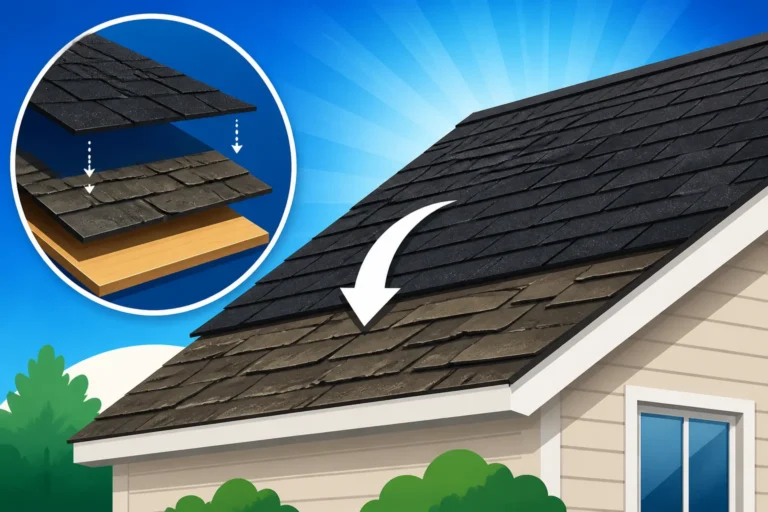
Overlay roofing involves installing a second layer of asphalt shingles directly over an existing roof to save initial costs.
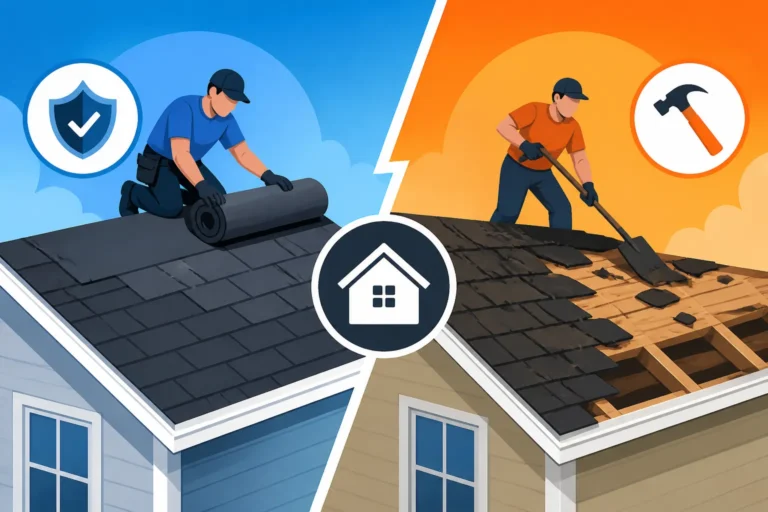
Roof overlay and full replacement differ in cost, labor steps, and how they affect the structural integrity of your home.
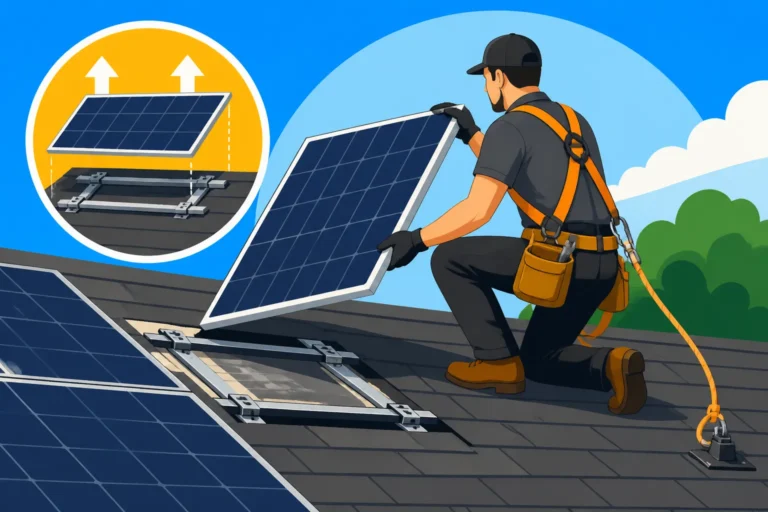
Solar panel removal and reinstallation requires coordination between roofing contractors and certified solar specialists to protect your home.
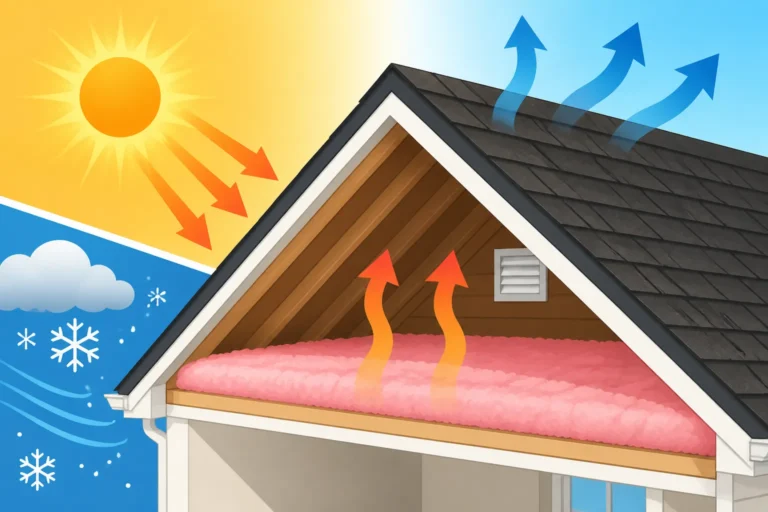
Poor attic insulation causes ice dams, extreme heat, moisture buildup, and premature shingle failure on your asphalt roof.
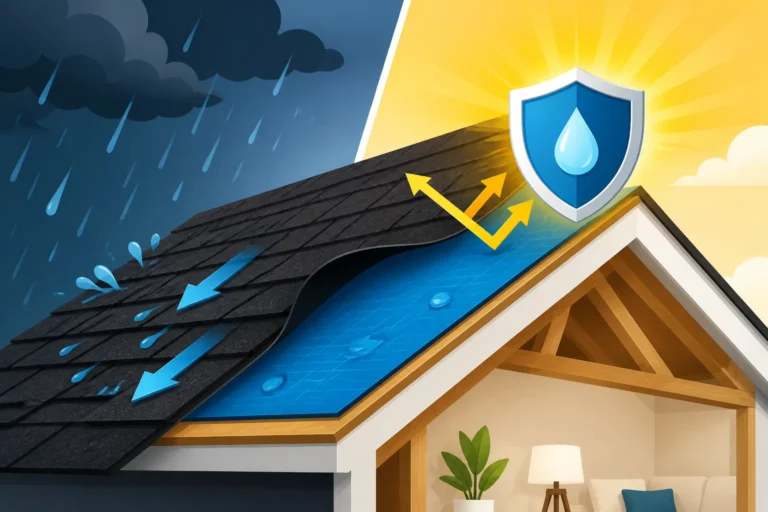
Roof underlayment blocks water intrusion by providing a secondary barrier beneath asphalt shingles, protecting vulnerable roof decking.
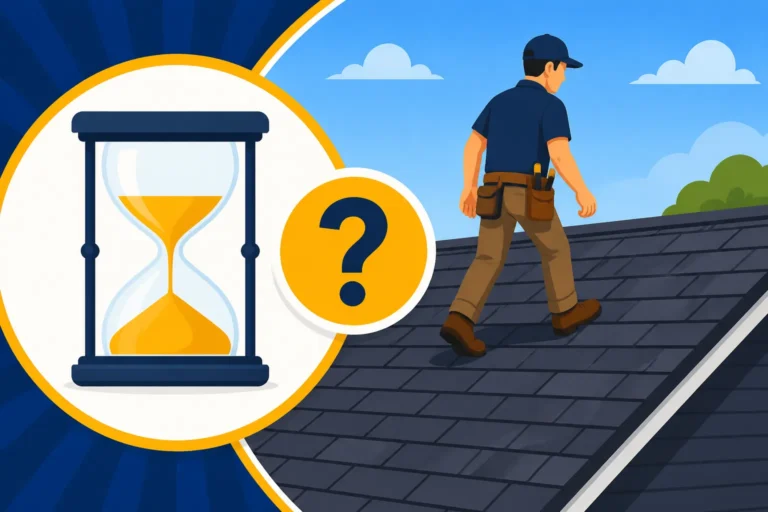
New asphalt shingle roofs need a curing period of several days to two weeks before foot traffic to prevent permanent damage.
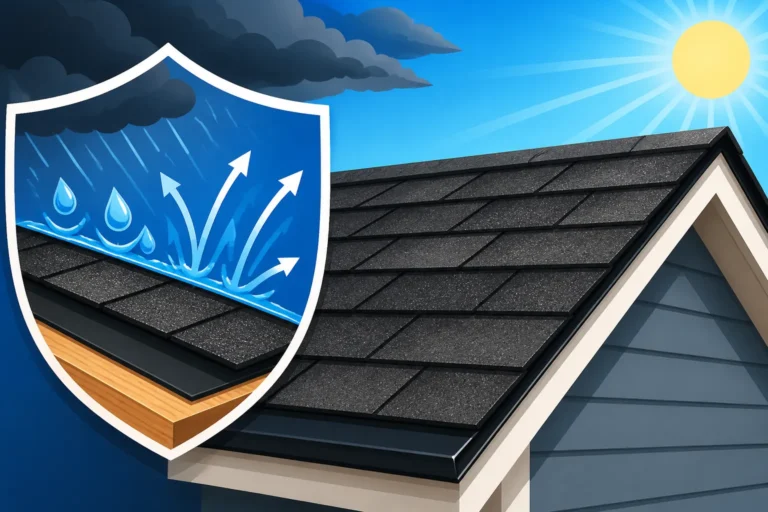
Roof decking, underlayment, ice and water shield, asphalt shingles, and flashing protect homes by keeping roofs watertight.
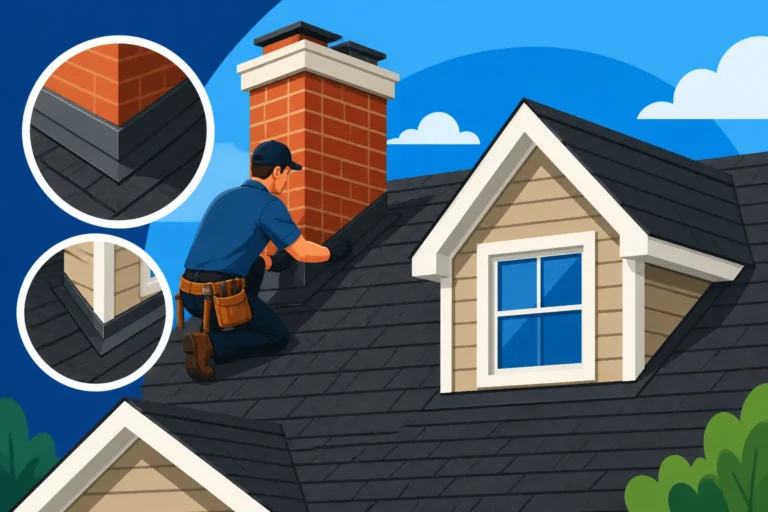
Professional roofers explain how they install flashing, underlayment, and crickets to protect chimneys and dormers from leaks.
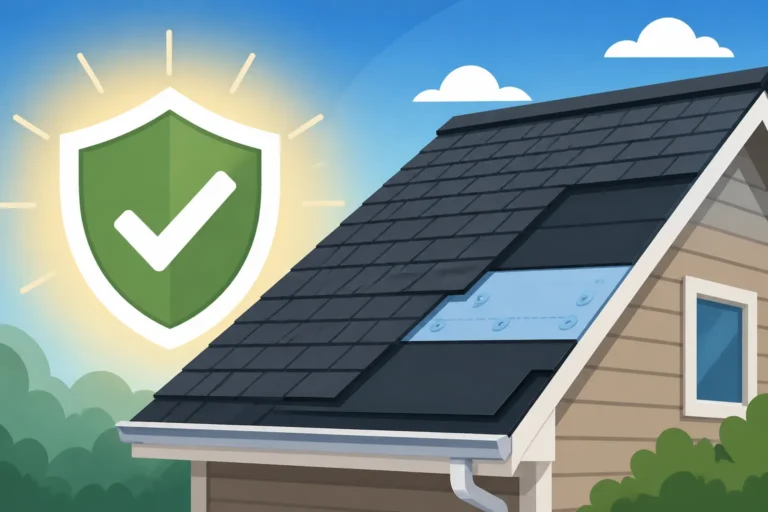
Manufacturer warranties require integrated asphalt roof components and certified contractors to qualify for enhanced system coverage and labor protection.
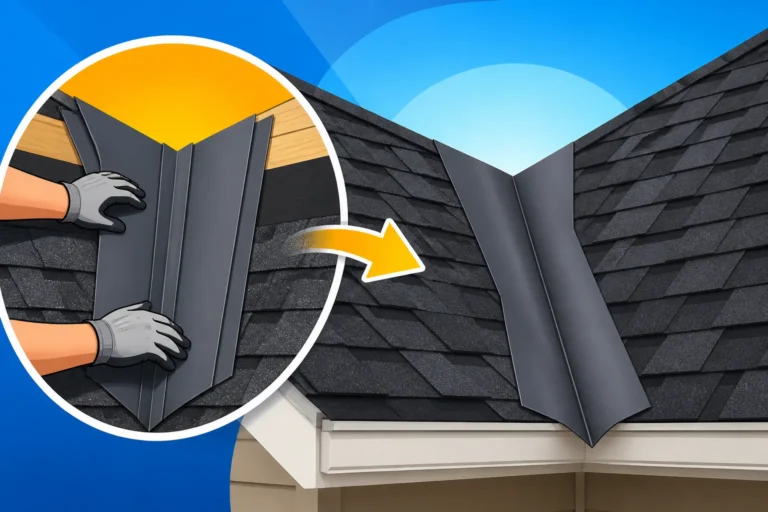
Open metal valley installation involves preparing roof decking, securing ice and water shields, placing flashing, and integrating asphalt shingles.