How Hip and Ridge Caps Are Installed
Roof installation methods for hip and ridge caps explain sealing techniques, material types, and structural protection for houses.
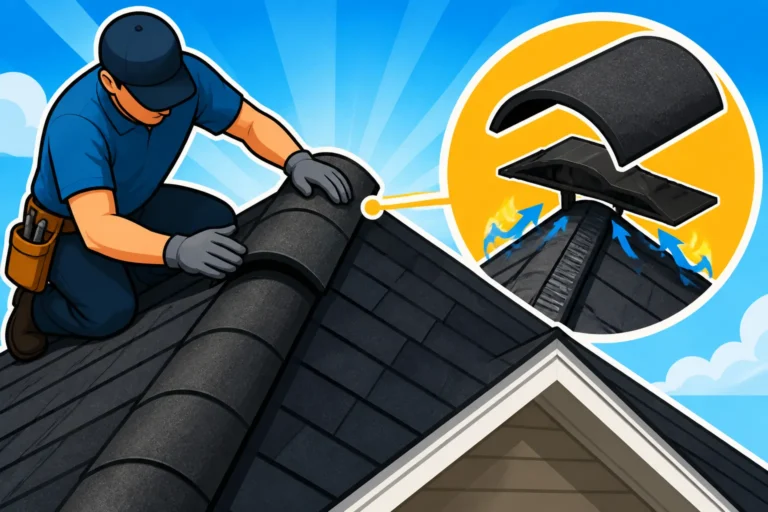
Roof installation methods for hip and ridge caps explain sealing techniques, material types, and structural protection for houses.
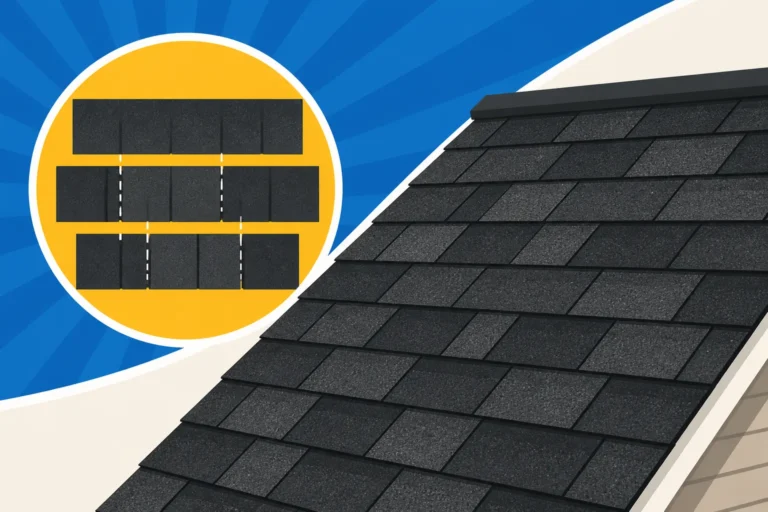
Proper shingle staggering and offsetting techniques prevent leaks and structural damage by creating a watertight barrier across your roof.
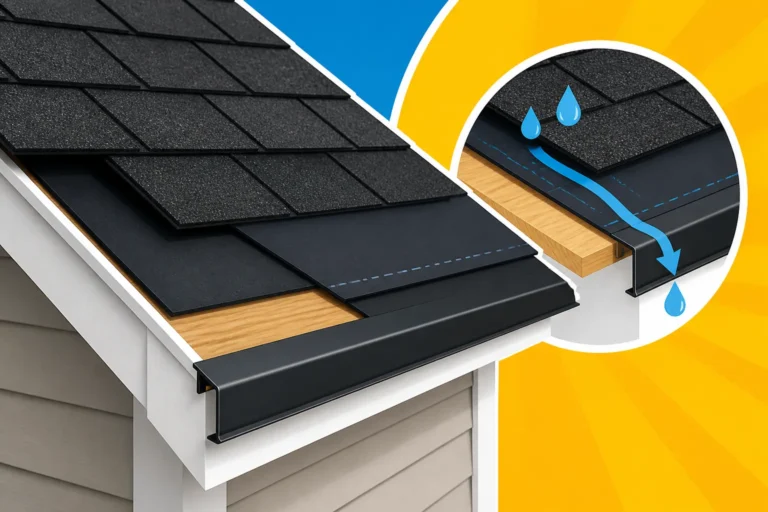
Roof drip edge and underlayment combine to protect homes by directing water away from decking and forming watertight seals.
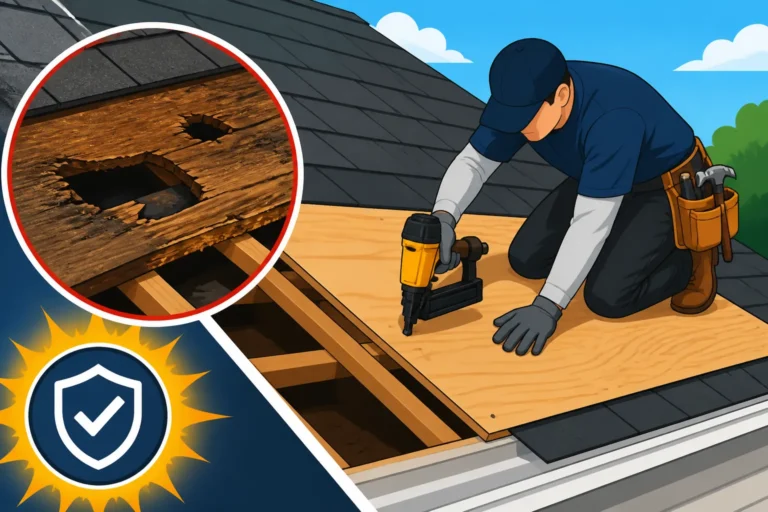
Roofing professionals inspect damaged plywood and oriented strand board to replace compromised wooden sections during repairs.
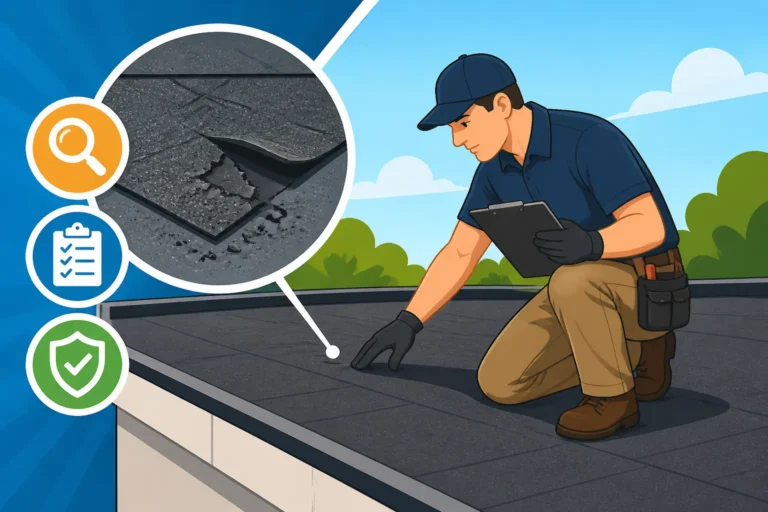
A roof deck inspection evaluates attic water stains, mold, and exposed plywood for rot, delamination, and structural integrity.
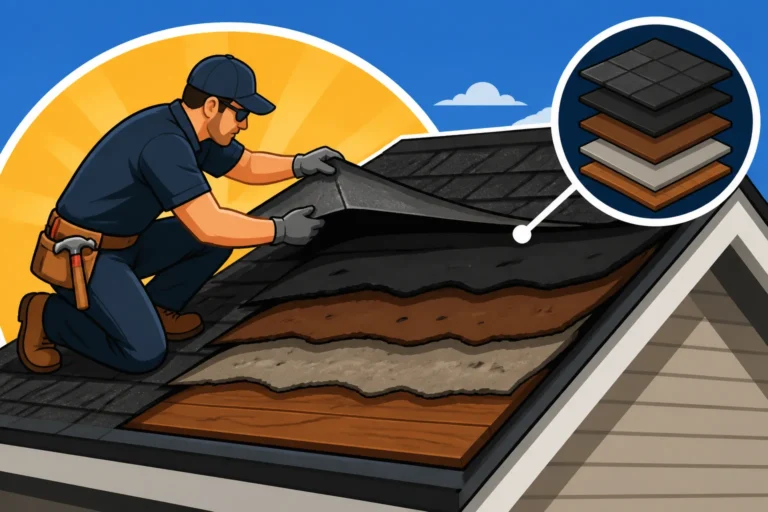
Multiple roof layers complicate replacements, adding weight and hiding rot, so professional contractors usually perform complete tear-offs.
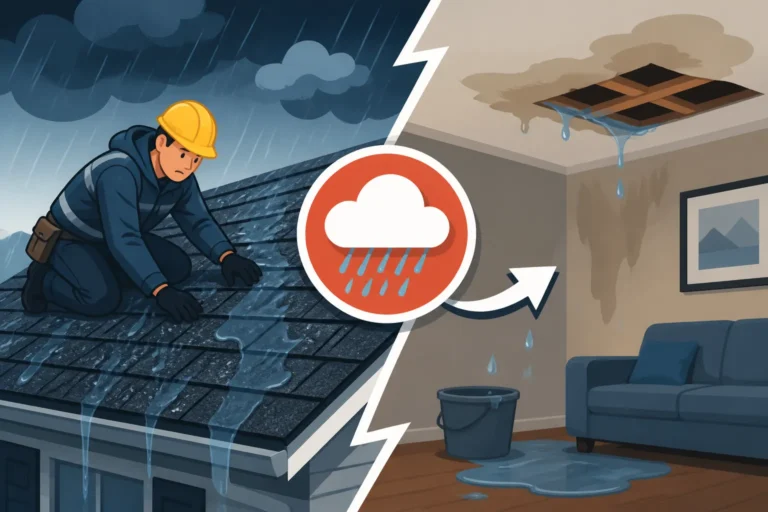
Rain during a roof replacement can damage bare decking or underlayment, and this text explains prevention and water damage response.
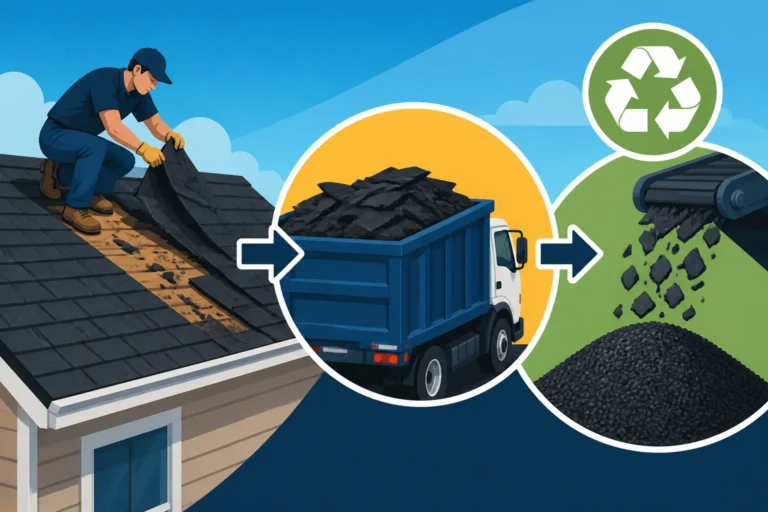
Asphalt shingle disposal involves managing heavy debris through traditional landfills or emerging recycling programs that repurpose old roofing materials.
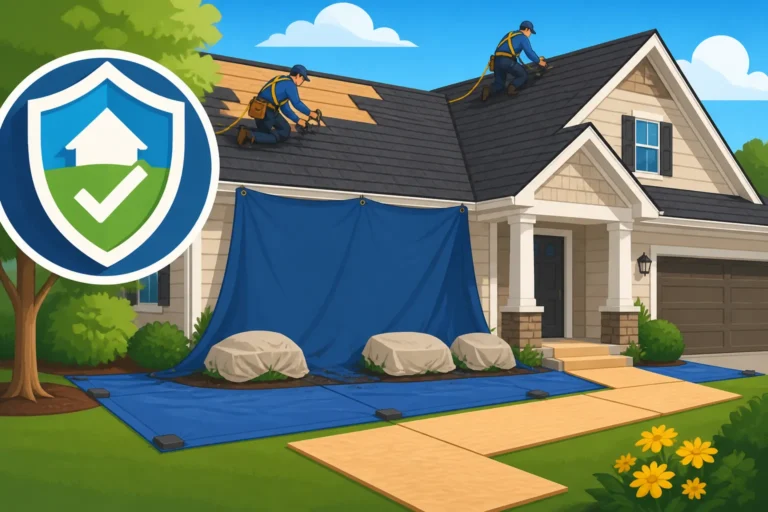
Professional roofers protect lawns and gardens using heavy tarps, plywood sheets, and magnetic sweeps during roof replacements.
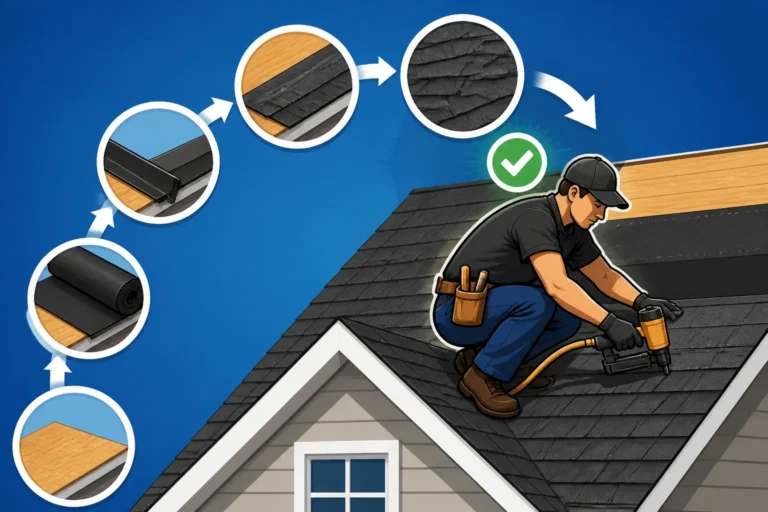
Roof installation steps explain how roofers replace old asphalt shingles, inspect decking, and apply underlayment and flashing.