Sagging Roof: What to Do
That feeling of dread when you look up at your roof and notice something just isn't quite right – a subtle dip, a pronounced curve, or a visibly sunken section – is one no homeowner wants to experience. A sagging roof isn't just an eyesore; it's a serious structural problem that demands immediate attention. This comprehensive guide will walk you through identifying a sagging roof, understanding its root causes, the dangers it poses, and, most importantly, what steps you need to take to protect your home and investment.
The Alarming Truth About a Sagging Roof
When you bought your home, you probably pictured a strong, straight roofline standing proudly against the sky. Finding a sag or dip can be incredibly disheartening, and often, it's a sign of deeper issues lurking beneath your shingles. It’s not just a superficial problem; it's a critical indicator that your home's protective shield might be failing.
What Exactly Constitutes a "Sagging" Roof?
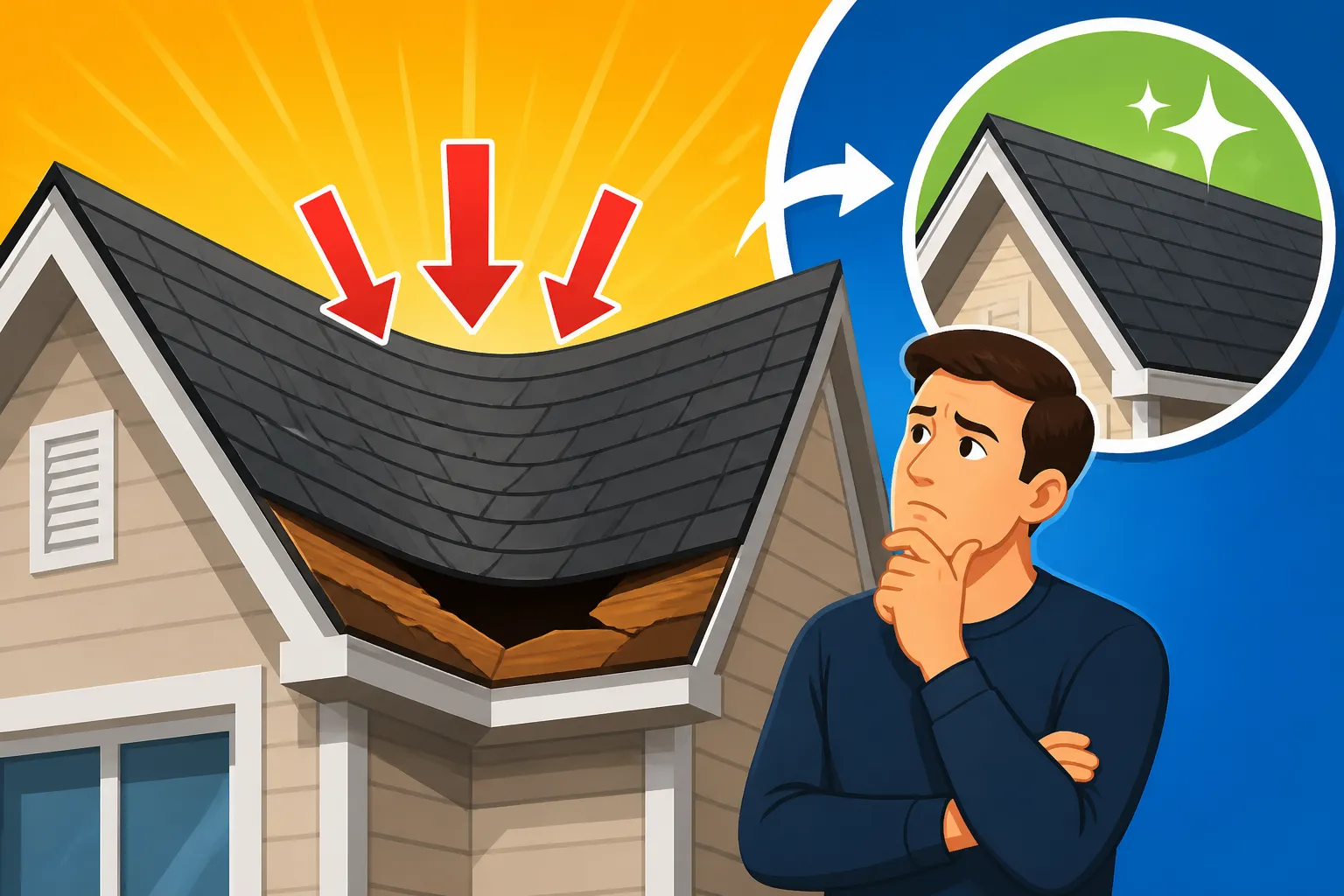
A sagging roof isn't always as dramatic as a cartoon roof about to collapse. Often, it starts subtly. You might notice a slight dip in the middle of a roof plane, a gentle curve where there should be a straight line, or a ripple effect across the shingles, especially near the eaves or ridge. Sometimes, it's easier to spot from the street or a neighbor's yard, giving you a wider perspective on the overall roofline. You might see a "sway" in the ridge line, or areas where the shingles look compressed or stretched compared to surrounding sections.
Think of it like this: your roof deck, the sturdy platform underneath your shingles, is designed to be perfectly flat and rigid. When it starts to sag, it means this rigidity is compromised. This can be particularly noticeable on longer roof spans or in areas with less support. It’s worth checking your roof periodically, perhaps after a major storm or during seasonal cleanups, just to keep an eye on its overall condition. What might seem like a small, insignificant dip today could quickly worsen if left unaddressed, leading to far more expensive repairs down the line.
Why a Sag is More Than Just a Cosmetic Flaw
While a sagging roof certainly detracts from your home's curb appeal, its implications go far beyond aesthetics. This isn't just about making your house look less attractive; it's about the fundamental integrity of your entire structure. A sag indicates that your roof's load-bearing capacity is being compromised. The roof is designed to evenly distribute weight – from its own materials, snow, ice, and wind loads – down through the walls and foundation of your home. When it sags, it means this distribution is failing, putting undue stress on other parts of your house.
This stress can manifest in many ways. Inside your home, you might start to see cracks appearing in ceilings or walls, especially on the top floor. Doors and windows might become difficult to open or close, indicating shifting in the frame. These are all domino effects of a compromised roof. Furthermore, a sag creates low points where water can pool instead of draining properly, leading to increased risk of leaks and further water damage to the roof decking, insulation, and even your living spaces. It's a clear warning sign that your roof, which is arguably your home's most important defense against the elements, is in distress.
Common Culprits Behind a Drooping Roofline
Understanding why your roof is sagging is the first step toward figuring out what to do about it. It’s rarely one single issue, but often a combination of factors that, over time, put undue stress on the roofing system. Knowing these causes can help you or a professional diagnose the problem more accurately.
Water Damage and Rotting Roof Decking
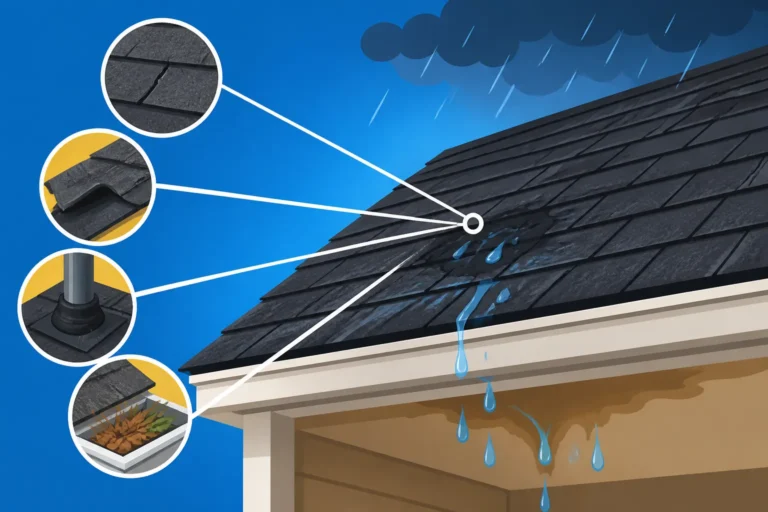
One of the most frequent and severe causes of a sagging roof is extensive water damage leading to rotting roof decking. The roof deck, usually made of plywood or OSB, provides the structural base for your shingles. When water infiltrates the roofing system through missing shingles, damaged flashing, or inadequate underlayment, it can seep into this decking. Over time, constant moisture causes the wood to soften, swell, and eventually rot.
Once the decking begins to rot, it loses its strength and can no longer adequately support the weight of the shingles, snow, or anything else on the roof. This is particularly common in areas where water tends to collect, like valleys, around chimneys, or near vent pipes. A persistent leak, even a small one, can silently degrade your roof deck over years, leading to a noticeable sag. You might see dark stains in your attic or feel soft spots if you were to walk on the roof (though we strongly recommend against walking on a potentially compromised roof yourself). Addressing the source of the leak, whether it's a simple repair or something more extensive, is crucial. If the rot is widespread, you might be looking at a significant project, including a full roof decking replacement.
Inadequate Structural Support or Poor Construction
Sometimes, the problem isn't wear and tear, but an inherent flaw in the roof's original construction or design. If the roof rafters or trusses were not spaced correctly, were too small for the span they needed to cover, or were made of inferior materials, they might simply lack the strength to bear the roof's weight over decades. This is particularly true for older homes or those where previous renovations might have compromised the original structural integrity without proper reinforcement.
An addition that tied into an existing roof without adequate support for the new load, or even just insufficient bracing in the attic, can contribute to a sag. In regions prone to heavy snow loads, building codes specify certain structural requirements. If these were not met during construction, the roof might sag under the weight of accumulated snow and ice, especially during particularly harsh winters. Similarly, if a major load, like a large HVAC unit or heavy solar panels, was added to the roof without reinforcing the underlying structure, it could cause localized sagging. A reputable contractor will inspect the entire roof anatomy to identify any such deficiencies.
Excessive Weight from Multiple Shingle Layers or Debris
Another common reason for sagging, especially in older homes, is the cumulative weight of multiple layers of shingles. Historically, it was common practice to simply install a new layer of shingles over an existing one, known as a "reroof" or "overlay." While this might seem like a cost-saving measure at the time, it significantly increases the load on the roof's structure. Most building codes now restrict the number of shingle layers, often to two, due to this very issue.
Each layer of asphalt shingles can weigh several thousand pounds, and piling on multiple layers can easily overload rafters and decking not designed for such immense weight. If your home has two or more layers of shingles, this could very well be a primary factor in any sagging you observe. Beyond shingles, prolonged accumulation of wet leaves, debris, or even persistently heavy snow and ice (if the roof isn't properly designed for it) can also add excessive weight, stressing the structure and leading to a sag. This is one of the reasons why a full tear-off is almost always recommended over an overlay.
Age, Wear, and Tear on the Roofing System
No roof lasts forever, and sometimes, a sag is simply a symptom of an aging roofing system reaching the end of its lifespan. Over decades, constant exposure to UV rays, extreme temperatures, wind, and precipitation takes its toll on all components of your roof. Wood framing can weaken, fasteners can loosen, and the materials themselves can degrade. This gradual deterioration, combined with any of the factors mentioned above, can eventually lead to a noticeable sag.
Consider the typical lifespan of an asphalt shingle roof. While some architectural shingles can last 30 years or more, many older 3-tab shingles might only last 20 years. If your roof is approaching or has exceeded this age, a sag might be one of the many signs that it's time for a full replacement. Gravity and time are relentless forces, and even the best-built roofs will eventually show signs of wear. Regular maintenance and addressing small issues promptly can help extend its life, but there comes a point where components simply lose their integrity due to age.
The Serious Risks of Ignoring a Sagging Roof
Ignoring a sagging roof is akin to ignoring a persistent check engine light in your car. It might seem harmless for a while, but it's a clear warning of underlying problems that will only get worse, more dangerous, and much more expensive if left unaddressed. Procrastinating on this issue can put your entire home and family at risk.
Compromised Structural Integrity of Your Home
At its core, a sagging roof means your home's structural integrity is compromised. The roof is a critical part of your home's frame, working in conjunction with the walls and foundation to create a stable, resilient structure. When the roof sags, it exerts uneven pressure on the supporting walls, potentially causing them to bow, crack, or shift. This isn't just a concern for the attic; these structural stresses can propagate down through your entire house.
Imagine the force of a strong windstorm or a heavy snowfall. A structurally sound roof is designed to withstand these pressures. A sagging roof, however, has lost much of its ability to resist such forces, making your home significantly more vulnerable to collapse, especially under extreme weather conditions. This isn't just about losing a roof; it's about potentially compromising the entire dwelling, turning a repairable problem into a catastrophic failure.
Increased Vulnerability to Leaks and Further Damage
As mentioned, a sag creates low points on your roof where water can collect. Instead of smoothly flowing off into your gutters, rain, snowmelt, and ice will pool in these depressions. This standing water dramatically increases the chances of leaks. Shingles are designed to shed water, but they aren't meant to sit submerged. Prolonged exposure to standing water will accelerate shingle deterioration, compromise sealant strips, and eventually find its way through the underlayment and into your roof deck.
Once water penetrates the roof deck, it can lead to further rot, mold and mildew growth in your attic, damaged insulation, and unsightly water stains on your ceilings and walls. These leaks can also damage electrical wiring, personal belongings, and even create a breeding ground for pests. What starts as a small dip can quickly escalate into a widespread moisture problem that affects your indoor air quality and the long-term health of your home. The cost to repair even a minor leak, especially if it's been ongoing, can be substantial once you factor in interior damage.
Decreased Home Value and Curb Appeal
Beyond the immediate structural and moisture risks, a sagging roof significantly diminishes your home's aesthetic appeal and market value. When potential buyers drive by or view photos of your home, a visibly sagging roof is an immediate red flag. It suggests a lack of maintenance, underlying structural issues, and the likelihood of needing a very expensive repair or replacement soon after purchase. This can deter buyers or lead to drastically reduced offers.
Even if you're not planning to sell anytime soon, a sagging roof negatively impacts your daily enjoyment of your home. It’s a constant visual reminder of a serious problem. Furthermore, it might raise questions from your homeowner's insurance provider, potentially affecting your coverage or premiums, especially if they deem the neglected sag as an increased risk. Addressing the issue promptly not only protects your investment but also maintains your home's value and provides peace of mind.
Diagnosing the Extent of Your Roof's Distress
Once you've spotted a potential sag, the next critical step is to accurately diagnose its cause and severity. This isn't a task to be taken lightly; a thorough assessment will determine the appropriate course of action, which could range from minor repairs to a complete overhaul.
Visual Inspection from the Exterior and Interior
While you should never get on a potentially compromised roof yourself, you can start with a visual inspection from the ground. Walk around your home and observe the roofline from various angles. Look for any inconsistencies:
- Wavy or uneven ridge lines: The very peak of your roof should be straight.
- Depressions or dips: Areas where the roof plane seems to sink inwards.
- Curled or lifted shingles in affected areas: These can be indicators of underlying issues.
- Compromised gutters: If gutters are pulling away or sagging along with the roof, it’s another clue.
Next, head into your attic. This is where you can get a clearer picture of the structural components. Look for:
- Water stains or streaks: These are definite signs of current or past leaks.
- Damp or rotting wood: Check rafters, trusses, and the underside of the roof deck.
- Fungal growth or mold: Another clear indicator of moisture problems.
- Loose or split rafters/trusses: Look for any signs of structural fatigue.
- Poor ventilation: Is the attic excessively hot or humid? Inadequate ventilation can contribute to wood rot and premature aging.
Taking photos of anything suspicious can be helpful when discussing the issues with a professional. Remember, safety first – if your attic feels unstable or you're uncomfortable, don't push it.
Professional Assessment: When to Call in the Experts
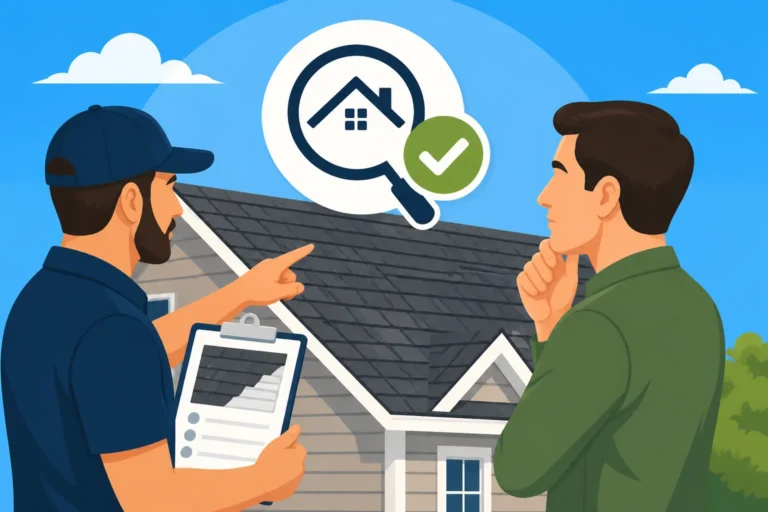
While a homeowner's inspection can give you clues, a sagging roof absolutely requires a professional assessment. This is not a DIY project. A qualified roofing contractor, or even a structural engineer for severe cases, has the expertise, tools, and safety equipment to properly evaluate the situation. They can safely access the roof, inspect the decking more closely, and climb into the far reaches of your attic to check every structural component.
When choosing a contractor, look for one that is licensed and insured, with a strong track record and good local reviews. Companies like Modernize can help homeowners connect with reputable, local professionals who specialize in roofing issues. Ask them specific questions about their experience with structural issues and sagging roofs. They should be able to identify the exact cause, whether it’s rotten decking, inadequate framing, or excessive load, and propose a detailed solution. Don’t hesitate to get multiple opinions and compare their findings and proposed solutions. This will give you confidence in the chosen course of action.
Understanding the Underlying Damage
A professional assessment will go beyond just identifying the sag; it will pinpoint the root cause and the extent of the damage. For instance, if the sag is due to localized water damage, the contractor will need to identify the leak source, which could be anything from a broken shingle to compromised flashing around a skylight or chimney. They'll then assess how much of the roof decking has rotted and needs replacement. This could mean replacing a few sheets of plywood or a much larger section.
If the issue is structural, such as undersized rafters or failing trusses, the contractor will need to evaluate the entire framing system. This might involve consulting with a structural engineer, especially if the problem is significant. They’ll look at spans, wood types, and connections to determine the best way to reinforce or replace the compromised elements. Understanding this underlying damage is paramount because simply patching the visible sag without addressing its cause is a recipe for recurrent problems.
| Type of Sagging Cause | Typical Underlying Damage | Potential Solutions | Severity |
|---|---|---|---|
| Water Damage / Rot | Rotted roof decking, damaged insulation, weakened rafters | Decking replacement, leak repair, shingle replacement | Moderate to High |
| Structural Deficiencies | Undersized rafters/trusses, insufficient bracing, poor connections | Rafter/truss reinforcement or replacement, adding supports | High |
| Excessive Weight | Overloaded framing, premature material fatigue | Shingle tear-off (multiple layers), structural reinforcement | Moderate |
| Age / Wear & Tear | Deteriorated decking, weakened framing, widespread shingle failure | Full roof replacement | High |
Actionable Steps to Address a Sagging Roof
Once you have a clear diagnosis from a qualified professional, it’s time to take action. The approach will vary significantly depending on the underlying cause and severity of the sag. It’s crucial to follow the recommendations of your roofing expert to ensure a lasting solution.
Repairing Minor Sagging from Water Damage
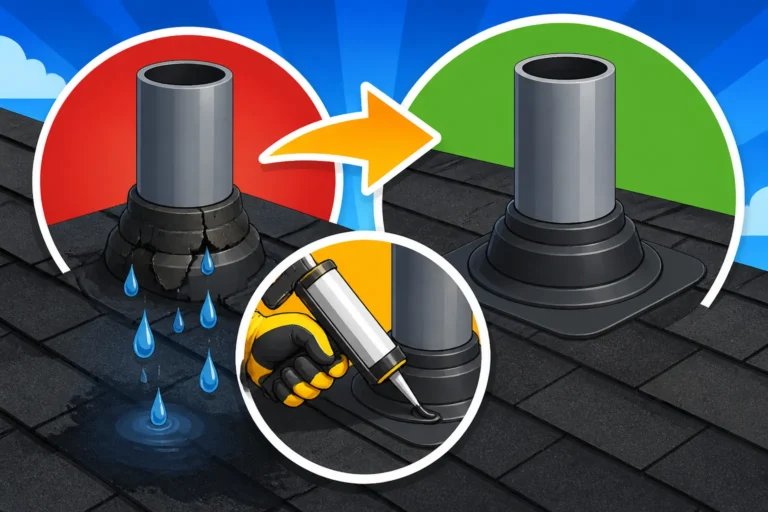
If your professional assessment reveals that the sagging is localized and primarily caused by recent, contained water damage leading to a small area of rotted roof decking, repairs might be a viable option. This scenario is often seen when a specific leak, like around a vent pipe or a small section of flashing, has been allowing water in for a short period. In these cases, the contractor will first identify and seal the source of the leak, perhaps by replacing a section of flashing or a few damaged shingles.
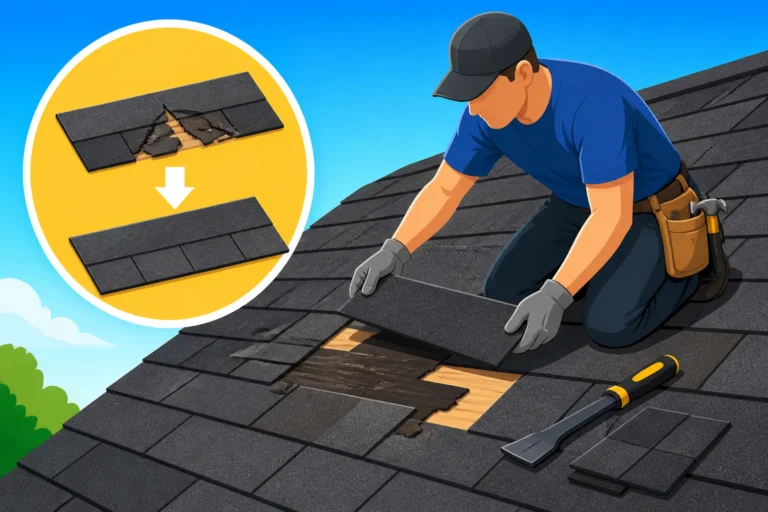
Next, they will carefully remove the damaged shingles and underlayment in the affected area. The rotted sections of the roof decking will be cut out and replaced with new, properly sized plywood or OSB panels. It's essential that the new decking is securely fastened to the existing rafters and that all connections are strong. After the new decking is in place, new underlayment, and then new shingles, will be installed, ensuring a watertight seal. This type of repair is less intrusive and less costly than a full replacement, but it's only appropriate for truly minor and contained damage.
Reinforcing or Replacing Structural Components
When the sag stems from more significant structural issues—like undersized rafters, insufficient bracing, or failing trusses—the solution becomes more involved. This isn't just a roofing job; it's a structural carpentry project. Your contractor might recommend reinforcing existing rafters by "sistering" them, which means attaching new, strong lumber alongside the old, weak ones to provide additional support. This effectively doubles the strength of the compromised rafter.
In some cases, especially with severely damaged or undersized components, complete replacement of rafters or trusses might be necessary. This often requires carefully jacking up the sagging section of the roof to its original position, then removing and replacing the compromised members. Additional bracing, collar ties, or purlin supports might also be added in the attic to redistribute loads more effectively and prevent future sagging. This type of work is complex and absolutely requires the expertise of an experienced roofing contractor, possibly even in consultation with a structural engineer, to ensure the long-term safety and integrity of your home.
Full Roof Replacement: The Ultimate Solution
In many cases of significant or widespread sagging, particularly those caused by widespread rot, multiple layers of shingles, or severe structural deficiencies over a large area, a full roof replacement is the safest and most cost-effective long-term solution. This involves a complete tear-off of all existing roofing materials down to the original roof decking. At this stage, the contractor can thoroughly inspect the entire roof deck and structural framing.
Any damaged or compromised sections of the roof deck can be replaced, and structural issues like weak rafters can be reinforced or replaced as needed. Once the underlying structure is sound, a new complete roofing system—including new underlayment, drip edge, flashing, and shingles—is installed. While this is a significant investment, a full roof replacement ensures that your roof is not only visually straight but also structurally sound and built to last. It also offers the opportunity to upgrade to modern, more durable materials like architectural shingles and to improve attic ventilation. You can learn more about what this might entail by looking into the average roof replacement cost.
The Role of Qualified Contractors
Let’s be clear: addressing a sagging roof is not a job for a handyman or an inexperienced crew. You need a qualified, licensed, and insured roofing contractor who has proven experience with structural repairs and complete roof replacements. They should be able to provide detailed estimates, explain the scope of work clearly, and offer references. When vetting potential contractors, ask about their experience specifically with sagging roofs or structural framing issues.
A good contractor will meticulously inspect your attic and roof, provide a comprehensive report on their findings, and outline all available options with their associated costs and benefits. They should also be transparent about the permitting process, as significant structural work or a full replacement will almost certainly require local building permits and inspections. Don't be afraid to use resources like Modernize to find contractors who have a solid reputation and can handle the complexities of a sagging roof repair correctly and safely the first time around. Choosing the right contractor is arguably the most critical step in successfully resolving a sagging roof issue.
Preventing Future Roof Sagging and Ensuring Longevity
Dealing with a sagging roof is a stressful and costly experience. The good news is that many of the underlying causes are preventable with proactive measures and proper maintenance. Investing a little time and effort now can save you a world of trouble down the line, helping your roof protect your home for decades.
Regular Roof Inspections and Maintenance
One of the simplest yet most effective ways to prevent roof sagging and other issues is to schedule regular roof inspections. Ideally, your roof should be inspected at least once a year, preferably in the spring or fall, and always after a major storm involving high winds, heavy rain, or hail. A professional inspection can catch small problems, like loose or damaged shingles, compromised flashing, or early signs of water intrusion, before they escalate into major structural damage.
During these inspections, a contractor will check for things like granule loss, cracked or curling shingles, moss and algae growth, and ensure your gutters are clear and functioning correctly. They'll also venture into your attic to check for any signs of leaks, mold, or structural stress on the rafters and decking. Addressing these minor issues promptly is far less expensive than waiting until a full-blown sag develops. Think of it as preventative medicine for your home – a small investment in maintenance can significantly extend your roof's life and stave off expensive repairs.
Proper Ventilation and Drainage
Effective attic ventilation and proper roof drainage are paramount in preventing the conditions that lead to sagging. Good ventilation allows hot, moist air to escape the attic, preventing heat buildup that can prematurely age shingles and, more importantly, reducing condensation that can lead to wood rot in the roof deck and framing. A combination of soffit vents, ridge vents, or other attic exhaust systems helps create a continuous airflow. You might want to consider checking into how roof ventilation works if you suspect your attic is trapping moisture.
Proper drainage means ensuring water flows quickly and efficiently off your roof and away from your foundation. This involves correctly installed drip edges, well-maintained gutters and downspouts that are free of debris, and properly constructed valleys that funnel water away effectively. Standing water is the enemy of any roof, so keeping everything clear and free-flowing minimizes the chances of water infiltration and subsequent damage to your roof's structure. If your existing ventilation seems inadequate, consider discussing upgrades with your roofing contractor.
Smart Material Choices and Installation Practices
When it comes time for a new roof, making smart material choices and insisting on proper installation practices are vital for long-term resilience against sagging. Choosing high-quality shingles, such as those from reputable brands like GAF, Owens Corning, or CertainTeed, which come with strong warranties, can provide superior protection and longevity. Opt for architectural shingles, which are generally more durable and robust than traditional 3-tab shingles, and consider features like enhanced wind resistance or impact resistance if your local climate demands it.
Equally important is ensuring your contractor adheres to all local building codes and manufacturer specifications during installation. This includes proper nailing patterns for shingles, correct installation of underlayment and ice and water shield, and ensuring that all flashing is meticulously sealed. If your roof structure is deemed adequate for the region's climate challenges, these diligent installation practices, combined with quality materials, will ensure your new roof is well-equipped to withstand the elements without succumbing to premature sagging or structural failure. This comprehensive approach to your roof will significantly reduce the likelihood of encountering issues like a sagging roof in the future.
Disclaimer
Please note that the information provided in this article is for general informational purposes only and does not constitute professional advice. Roofing issues, especially those involving structural integrity like a sagging roof, are complex and require the assessment and intervention of qualified professionals. Always consult with a licensed and insured roofing contractor or structural engineer for specific advice regarding your home's roof. Attempting DIY repairs on a compromised roof can be dangerous and may lead to further damage.