How a Reroof Differs from a Full Replacement
Navigating a roof problem can feel overwhelming, especially when you hear terms like "reroof" and "full replacement" thrown around by contractors. Many homeowners find themselves scratching their heads, wondering what the actual difference is, which option is best for their unique situation, and what it really means for their budget and home's longevity. This comprehensive guide is here to cut through the confusion, meticulously breaking down the nuances of a reroof versus a full replacement, so you can make an informed decision with confidence.
Understanding the "Reroof" (Roof Overlay) Process
Let's start by demystifying the concept of a "reroof," often referred to as a "roof overlay." This is a process that sounds appealing on the surface, primarily because it often comes with a lower initial price tag. However, it's crucial to understand what it truly entails before considering it for your home.
What Exactly is a Reroof?
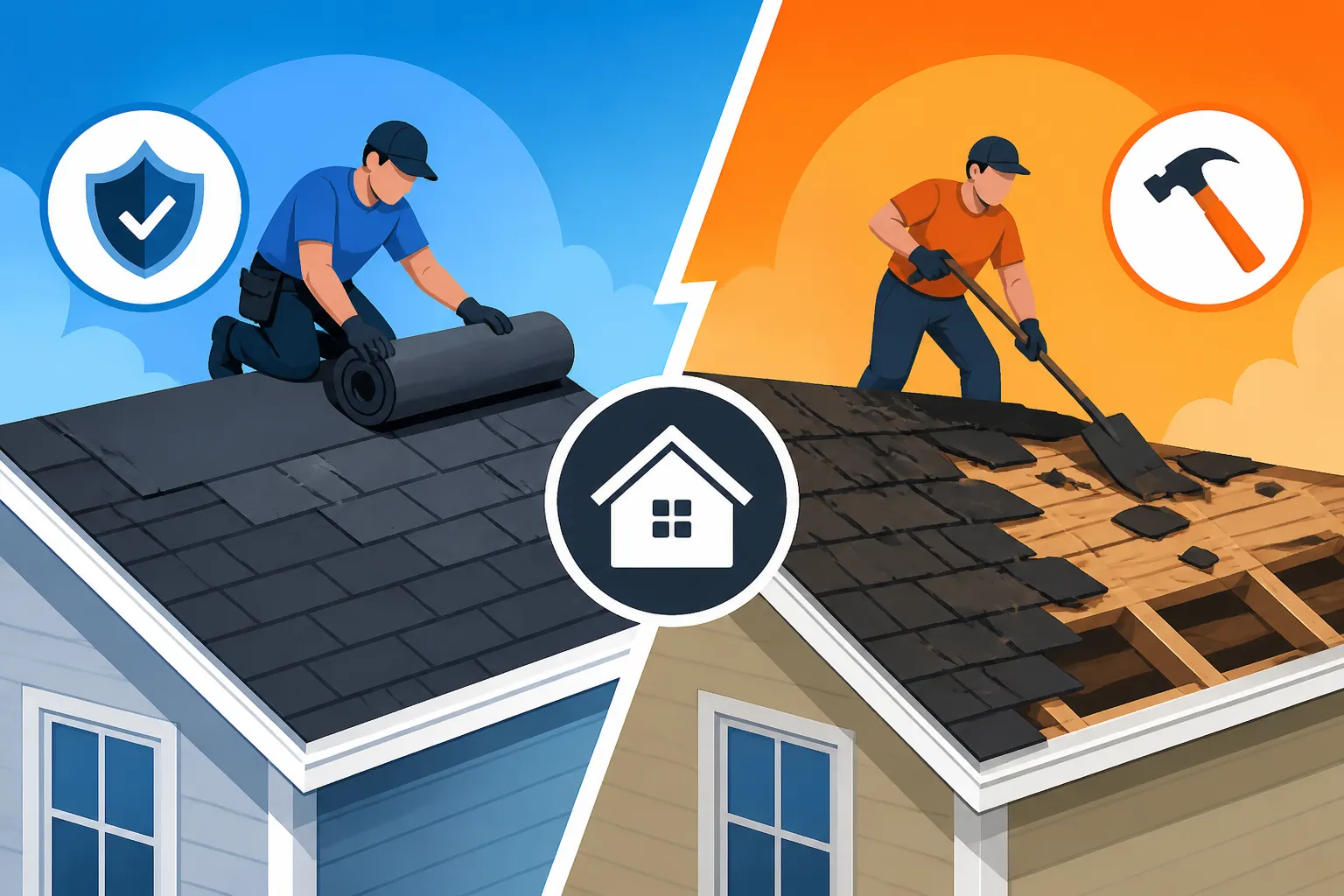
A reroof, at its core, involves installing new asphalt shingles directly over your existing layer of shingles. Think of it like putting a new coat of paint over an old one, without stripping the old paint first. The existing shingles are left in place, and a fresh layer of underlayment (if required by code or chosen by the homeowner) and new shingles are fastened right on top. This method skips the laborious and often messy step of tearing off the old roof system, which is where a lot of the cost and time savings come into play. It's an option that can seem like a quick fix, particularly if your existing roof structure is sound and only has minor, localized issues. However, the existing layer must be in relatively good condition – flat, stable, and without significant damage – to provide a proper base for the new shingles.
The Pros and Cons of a Reroof
When considering a reroof, it's important to weigh the advantages against the potential drawbacks. The appeal of a reroof typically boils down to two main factors: cost and speed.
On the "pro" side, a reroof is generally significantly less expensive than a full replacement. This is because you save on labor costs associated with the tear-off, as well as the disposal fees for the old materials. The project also moves much faster, often being completed in a day or two depending on the size and complexity of your roof. This means less disruption to your daily life and a quicker resolution to your roofing woes. Plus, it technically adds an extra layer of insulation, which might offer a minuscule improvement in energy efficiency, though this is rarely a primary driver. For homeowners on a tight budget or with urgent needs, a reroof can present an attractive, immediate solution.
However, the "cons" are considerable and often outweigh the initial savings in the long run. First, you're essentially building on an existing foundation that might have hidden problems. Any underlying issues like soft spots, rot in the decking, or inadequate ventilation from the original roof will simply be covered up, potentially accelerating future damage or fostering mold growth. Second, adding a second layer of shingles adds significant weight to your roof structure. While most modern homes can handle two layers, older homes or those with questionable framing might be stressed, leading to sagging or structural damage over time. Third, the shingle manufacturer's warranty might be voided or significantly reduced when installed over an existing layer, as the shingles aren't on a pristine, flat surface, which can affect their performance and longevity. Lastly, visually, a reroofed roof might not look as smooth and uniform as a fully replaced one, as the contours of the old shingles can telegraph through the new layer. This is why it’s critical to get a thorough inspection before considering this route.
When a Reroof is a Viable Option
While a reroof isn't always the ideal solution, there are specific scenarios where it might be a genuinely viable, code-compliant option. The most critical factor is often local building codes. Many municipalities only allow a maximum of two layers of shingles on a residential roof. If your home already has two layers, a reroof is simply not an option, and a full tear-off becomes mandatory. You should always check with your local building department or ask your contractor about the specific regulations in your area.
Beyond code, a reroof is typically only considered suitable when your existing asphalt shingle roof is relatively young and in decent structural condition. We're talking about a roof that's maybe 10-15 years old, not showing widespread signs of severe damage, extensive granule loss, significant curling, or widespread leaks. Perhaps a storm caused some damage, but the underlying structure and most of the shingles are still solid. It's often chosen as a temporary measure to extend the life of a roof for a few more years, especially if a homeowner is planning to sell the property soon or needs to defer the larger expense of a full replacement. If you're looking to save money on the immediate project, exploring the option to "Cost to Roof Over Existing Shingles" might be tempting, but remember the limitations involved. A good rule of thumb is that if your existing roof is already failing, has significant water damage, or shows signs of structural compromise, an overlay is likely to be a poor investment, as it won't address the root cause of the problems.
Deciphering the "Full Roof Replacement" (Tear-Off) Process
In stark contrast to a reroof, a full roof replacement, often called a "tear-off," is the gold standard when your roof truly needs a fresh start. This method ensures that your entire roofing system is built from the ground up, providing maximum longevity and peace of mind.
What Does a Full Replacement Entail?
A full roof replacement involves removing all existing roofing materials down to the roof decking. This includes shingles, underlayment, drip edge, and flashing. Once the old materials are stripped away, the roof deck is thoroughly inspected for any damage, such as rot, soft spots, or loose boards. Any necessary repairs or replacements to the roof decking are made at this stage, ensuring a solid and stable foundation for the new roof. This inspection is a crucial step that a reroof simply cannot provide, allowing hidden problems to be identified and rectified before they become major structural issues.
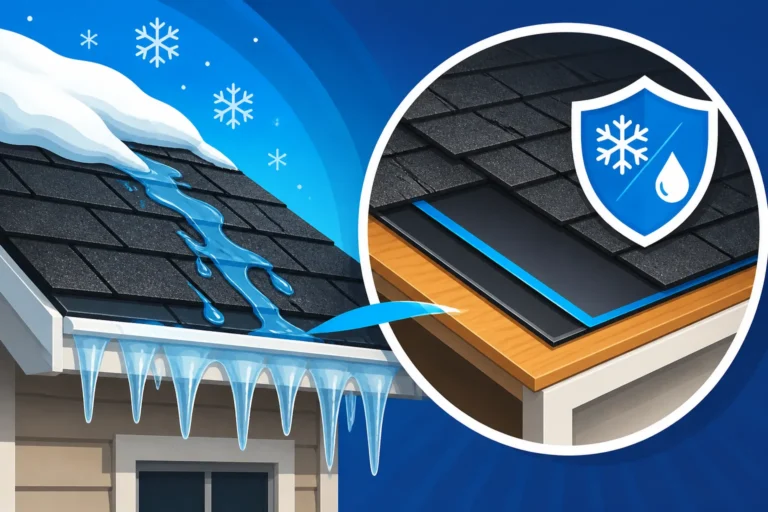
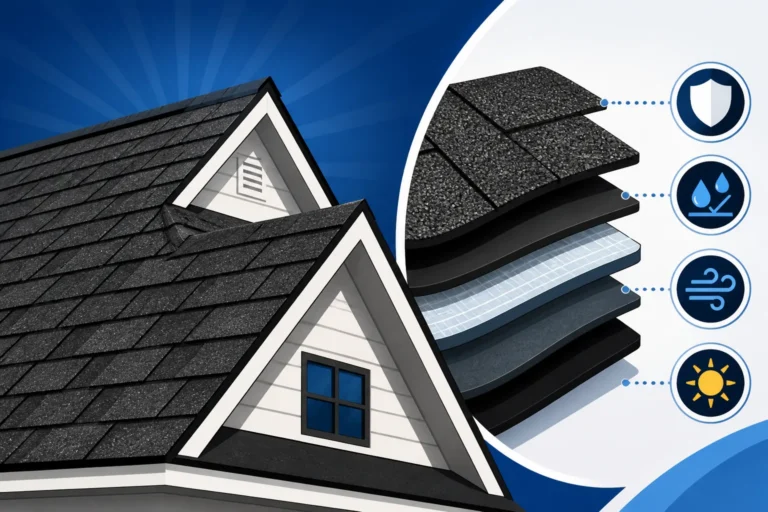
After the decking is repaired, new underlayment (either felt or synthetic), ice and water shield in vulnerable areas, new drip edge, flashing around chimneys and vents, and finally, new asphalt shingles are installed. This multi-layered approach ensures that every component of your roofing system is fresh, properly installed, and designed to work together to protect your home. The process follows strict manufacturer guidelines and local building codes, guaranteeing a durable and high-performing roof. Many homeowners looking to understand the full process might find our guide on "How a Roof Replacement Works: The Full Process" incredibly helpful.
The Advantages and Disadvantages of a Full Replacement
Choosing a full roof replacement comes with a clear set of benefits, but also some significant considerations in terms of investment and time.
The biggest advantage of a full replacement is the assurance of a completely new, sound roofing system. By stripping everything down, your contractor can inspect and repair the underlying roof deck, identifying and fixing any hidden water damage, rot, or structural weaknesses that would otherwise be covered up by an overlay. This meticulous approach significantly extends the lifespan of your new roof and ensures proper installation, which is crucial for honoring the manufacturer's warranty. A new roof also performs optimally from day one, offering superior weather protection, better energy efficiency (especially if you upgrade insulation or ventilation during the process), and a pristine aesthetic. Furthermore, homeowners often find that a new roof with a strong warranty increases their home's curb appeal and resale value, making it a wise long-term investment.
However, the primary disadvantages revolve around cost and duration. A full replacement is undeniably more expensive upfront than a reroof. This higher cost is due to the increased labor involved in tearing off and disposing of old materials, as well as the potential for unforeseen expenses if extensive decking repairs are needed. The project also takes longer to complete, typically several days to a week or more, depending on the size and complexity of your roof, as well as weather conditions. While contractors on platforms like Modernize can help you get competitive bids, this is still a substantial investment. You'll need to prepare for the noise, debris, and disruption that comes with a major construction project. Despite these downsides, for most homeowners facing an aging or compromised roof, a full replacement is the recommended, safest, and most cost-effective solution in the long run.
When a Full Replacement is Non-Negotiable
There are many instances where a full roof replacement isn't just a recommendation, but an absolute necessity. The most common scenario is when your existing roof has reached the end of its functional life. If you're seeing widespread signs of failure such as significant granule loss, numerous cracked, curled, or missing shingles, persistent leaks in multiple areas, or visible sagging of the roof deck, a full tear-off is the only sensible option. These are often clear "Signs You Need a New Roof".
Additionally, local building codes often dictate when a tear-off is required. As mentioned, if your roof already has two layers of shingles, you cannot simply add a third; a full replacement is mandatory. This rule is in place to prevent excessive weight on the roof structure and ensure proper shingle adhesion and performance. Similarly, if your roof has suffered extensive storm damage, such as severe hail impact or widespread wind damage that compromises the integrity of the decking or underlayment, a repair might not be sufficient, and an insurance company may even deem a full replacement necessary. Ultimately, if there's any doubt about the structural integrity of your roof or the extent of underlying damage, a full replacement offers the most reliable and durable solution.
Key Differences and Considerations: Reroof vs. Replacement
Making the right decision between a reroof and a full replacement isn't just about initial cost; it's about understanding the long-term implications for your home's protection, value, and your peace of mind. Let's delve into the crucial distinctions that will guide your choice.
Structural Integrity and Longevity Implications
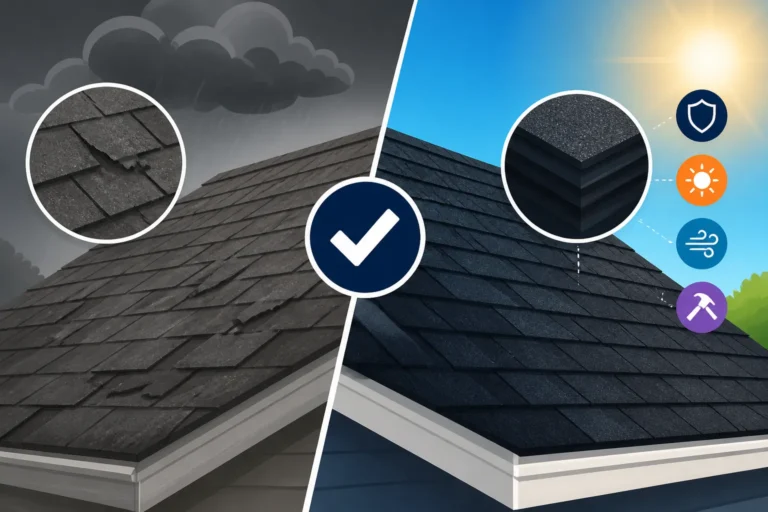
This is arguably the most significant differentiator. With a reroof, you're essentially putting a bandage over existing issues. The new shingles might look great, but if the underlying roof deck has rot, water damage, or poor ventilation, those problems will persist and potentially worsen beneath the new layer. This means the lifespan of your reroofed roof will inherently be limited by the condition of the old roof it's covering. You might get another 5-10 years, but it's often a gamble. The added weight of a second layer can also exacerbate structural issues in older homes or those not designed to bear the extra load, potentially leading to sagging or even structural failure over time.
A full replacement, on the other hand, guarantees a fresh start. By stripping the roof down to the decking, contractors can thoroughly inspect for and repair any structural deficiencies. This process ensures that your new roofing system is installed on a solid foundation, allowing it to perform optimally and achieve its maximum intended lifespan, typically 20-30 years or more for quality asphalt shingles. This investment in structural integrity translates directly into greater longevity and fewer headaches down the road. If you're pondering "How Long Does an Asphalt Roof Last", a full replacement gives you the best chance to hit the upper end of that estimate.
Cost, Time, and Warranty Factors
While we've touched on these, it's vital to consolidate them for a clear comparison.
Cost:
- Reroof: Significantly lower initial cost due to less labor (no tear-off) and no disposal fees. Estimates for a basic reroof might run 30-50% less than a full replacement.
- Full Replacement: Higher upfront cost due to extensive labor for tear-off and installation, disposal fees, and potential for decking repairs. However, this cost is often justified by greater longevity and avoided future repairs. For a complete breakdown, consider researching "How Much Does an Asphalt Shingle Roof Cost".
Time:
- Reroof: Faster completion, often 1-2 days, depending on roof size.
- Full Replacement: Longer project duration, typically 3-7 days or more, depending on roof size, complexity, and weather.
Warranty:
- Reroof: Manufacturer warranties on new shingles may be voided or significantly reduced if installed over an existing layer, as the installation conditions aren't ideal. Workmanship warranties from the contractor may also be limited.
- Full Replacement: Full manufacturer warranties are typically honored, often requiring installation by a manufacturer-certified contractor (e.g., GAF Master Elite, Owens Corning Platinum Preferred) to unlock enhanced coverage. This also usually comes with a robust workmanship warranty from the installer. Understanding "Roofing Warranties: Manufacturer vs Workmanship" is crucial here.
Here's a quick comparison table:
| Feature | Reroof (Overlay) | Full Replacement (Tear-Off) |
|---|---|---|
| Process | New shingles over existing layer | All old materials removed down to deck, then new system installed |
| Initial Cost | Lower | Higher |
| Project Time | Faster (1-2 days typically) | Longer (3-7+ days typically) |
| Structural Inspection | Minimal/None | Full inspection and repair of roof deck |
| Longevity | Limited by existing roof condition (5-10 years additional) | Maximum lifespan for new materials (20-30+ years) |
| Warranty Coverage | Potentially voided or limited | Full manufacturer and workmanship warranties |
| Weight on Structure | Adds significant extra weight | Replaces old weight with new, lighter system possible |
| Code Compliance | Only if 1 existing layer & local codes allow | Generally compliant, allows for upgrades to current codes |
| Aesthetics | May show imperfections from underlying roof | Smooth, uniform finish |
| Disposal | Minimal | Significant, includes old materials |
Code Compliance and Local Regulations
This aspect is often overlooked but can be a deal-breaker for a reroof. Building codes vary significantly by jurisdiction, and what's permissible in one town might be strictly forbidden in another. Most building codes across the United States limit asphalt shingle roofs to a maximum of two layers. This is a safety regulation designed to prevent excessive weight on the roof structure and ensure proper adhesion and performance of the shingles. If your home already has two layers of asphalt shingles, then a full tear-off becomes your only option by law.
Beyond the layer count, a full replacement allows the opportunity to bring your entire roofing system up to current building codes. This can include upgrading to more robust underlayment, ensuring proper ventilation, installing ice and water shield in necessary areas, and meeting specific wind resistance requirements prevalent in storm-prone regions. These upgrades aren't just about compliance; they enhance your home's protection and can even impact insurance premiums. Neglecting to follow local codes, particularly by attempting a reroof when a tear-off is required, can lead to fines, difficulties selling your home, or even refusal of insurance coverage in the event of future damage. Always consult with a reputable local contractor who understands the specifics of "Roofing Building Codes: What to Know" in your area, or reach out to your local building department.
Making the Right Choice for Your Home
Deciding between a reroof and a full replacement can feel like a high-stakes gamble, but by understanding the nuances and consulting the right experts, you can make the best choice for your property and wallet. It's not just about today's price tag, but about long-term value, safety, and performance.
The first and most crucial step is to get a professional roof inspection. A qualified roofing contractor will be able to assess the condition of your existing roof, including the underlying decking and structure, identify any hidden damage, and determine if an overlay is even a viable or code-compliant option. They can spot issues like soft spots, widespread granule loss, or signs of water infiltration in the attic that might indicate a full replacement is truly necessary. A good contractor will also discuss your long-term plans for the home – are you planning to sell in a few years, or is this your forever home? This greatly influences the scope and investment you should make.
Furthermore, gather multiple bids for both options, if applicable, to compare costs, scopes of work, and warranties. Don't just look at the bottom line; scrutinize what each estimate includes. A platform like Modernize can connect you with several reputable local roofing professionals, allowing you to compare options and ensure you're getting a fair assessment. Remember that the cheapest bid isn't always the best, especially when it comes to something as vital as your roof. A reputable contractor will be transparent about the pros and cons of each approach and won't pressure you into a decision. Ultimately, for most homeowners facing a failing roof or planning to stay in their home for many years, a full roof replacement offers superior long-term value, enhanced protection, and greater peace of mind, despite the higher initial cost. It's an investment in your home's future.
Disclaimer
Please remember that this article provides general information and should not be considered professional advice. Always consult with a qualified, licensed, and insured roofing contractor for specific recommendations regarding your home's roof. Local building codes, material availability, and individual home conditions can vary greatly.