What Is Ridge Vent and Why It Matters
Do you ever feel like your attic is a sauna in the summer, or worry about strange moisture stains appearing in your ceiling during colder months? These common frustrations often point to a silent culprit: inadequate roof ventilation. This comprehensive guide is here to shed light on a crucial component of a healthy roof system – the ridge vent – explaining what it is, how it works, and why it's so incredibly important for your home's comfort, energy efficiency, and the longevity of your asphalt roof.
Understanding the Crucial Role of Roof Ventilation
It’s easy to think of your roof as just the shingles you see from the curb, but beneath that protective layer lies a complex system designed to shield your home. One of the most overlooked, yet vital, parts of this system is proper attic ventilation. Many homeowners don't realize that a well-ventilated attic works year-round to protect their home, not just in extreme weather.
Why Proper Attic Ventilation Isn't Just a "Nice-to-Have"
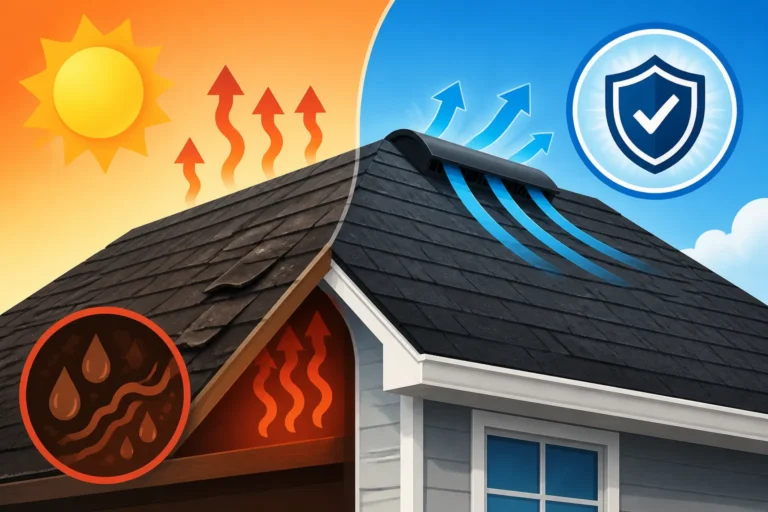
Picture this: it's a sweltering August day in Dallas, Texas, and the sun is beating down on your roof. Without proper ventilation, the heat trapped in your attic can easily reach temperatures of 150 degrees Fahrenheit or even higher. This extreme heat doesn't just make your home uncomfortable; it literally bakes your asphalt shingles from the inside out. This accelerated aging can lead to premature curling, cracking, and granule loss, significantly shortening the lifespan of your roof. You might find yourself needing a full roof replacement much sooner than expected, which is a significant and unexpected expense.
But it's not just about summer heat. In colder climates, like those in Minnesota, a poorly ventilated attic can become a haven for moisture. Warm, moist air from your living space rises and gets trapped in the attic, condensing on the cold underside of your roof deck. This condensation can lead to frustrating and damaging issues like mold growth on your attic rafters, rotted roof decking, and even structural damage over time. Perhaps the most visible sign of winter ventilation failure is the dreaded ice dam, where melting snow refreezes at the colder eaves, creating a barrier that can force water back under your shingles and into your home. It’s a real nightmare for homeowners, causing ceiling damage and often requiring costly repairs.
The Basics of Airflow: Intake and Exhaust
To truly appreciate the ridge vent, you first need to understand the fundamental concept of attic airflow. Think of your attic as a giant lung for your house, needing to constantly breathe in fresh air and breathe out stale, hot, or moist air. This is achieved through a balanced system of "intake" and "exhaust" vents.
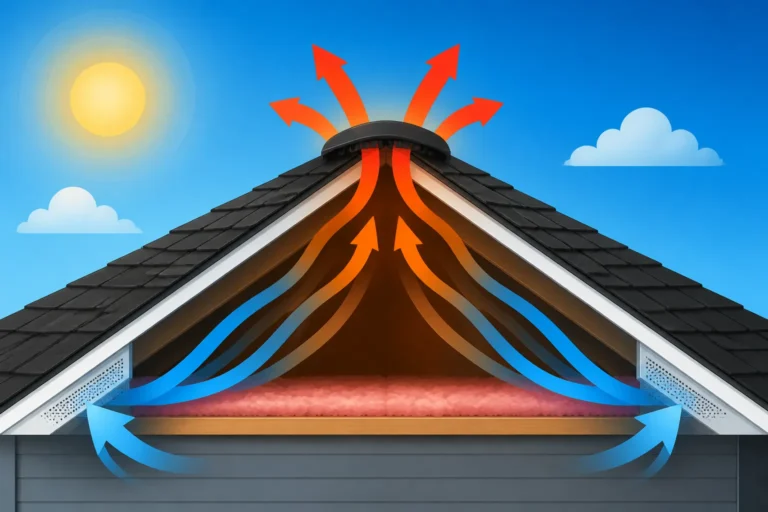
Intake vents are typically located at the lowest points of your roof, usually within the soffits (the underside of your roof's eaves). These vents allow cooler, fresh air from outside to enter the attic. This cooler air then travels upwards, naturally replacing the warmer air that is rising and escaping through the exhaust vents.
Exhaust vents, on the other hand, are placed at or near the highest point of the roof. Their job is to let that hot, moist air escape. Without both intake and exhaust working together, the system is unbalanced. If you only have exhaust, you're trying to pull air out without enough fresh air coming in, creating a vacuum that isn't efficient. If you only have intake, the hot air just gets trapped. The whole idea is to create a continuous flow, a thermal current, that keeps the attic air moving, protecting your home and helping your roof last longer.
What Exactly Is a Ridge Vent?
Now that we understand the 'why' of ventilation, let's dive into the 'what' of the ridge vent. If you've ever driven through a newer neighborhood or looked closely at modern homes, you've probably seen them without even realizing it. They're designed to be low-profile and blend seamlessly into the roofline, making them aesthetically pleasing compared to some older ventilation options.
Anatomy of a Ridge Vent
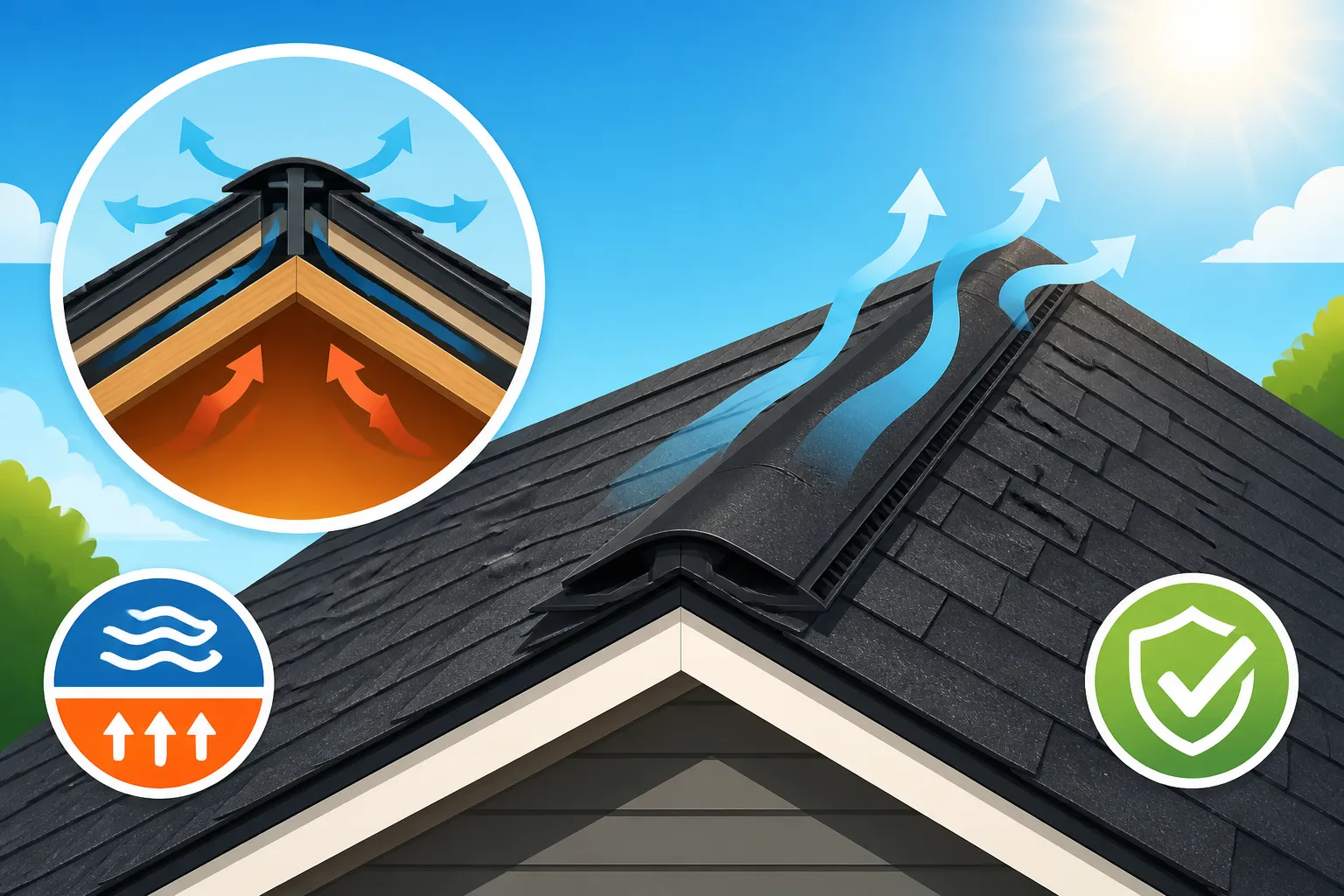
A ridge vent is a continuous vent that runs along the peak, or ridge, of your roof. Unlike traditional roof vents that might stick up conspicuously, a ridge vent is designed to be virtually invisible from the ground, looking like an extension of the roof itself. It's essentially a cap that covers a slot cut into the roof decking along the entire ridge. This cap is often made of sturdy plastic, aluminum, or sometimes a fiberglass-reinforced material, and it’s engineered with an internal baffle system. This baffle is critical because it prevents rain, snow, and insects from entering your attic while still allowing air to flow freely.
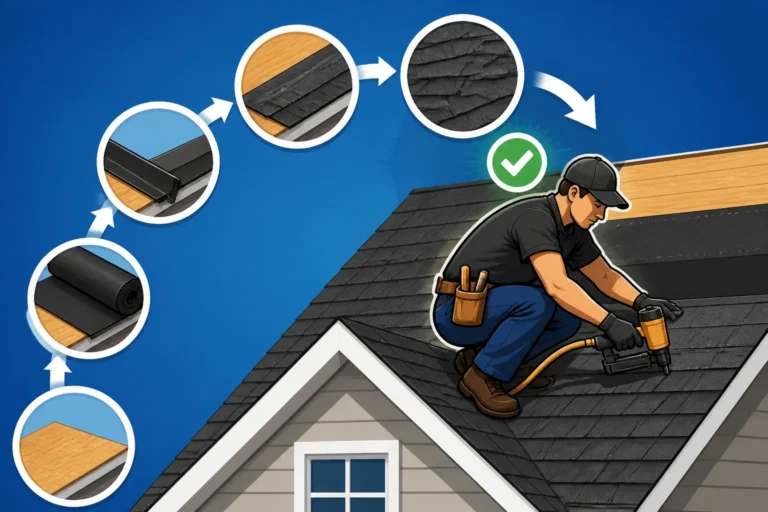
The installation process for a ridge vent typically involves cutting a precise opening along the peak of the roof decking, exposing the attic space. A continuous roll of vent material is then laid over this opening, and then special ridge cap shingles are installed over the vent itself. This integration makes it a truly cohesive part of the roof's design. When installed correctly by a professional, it forms a weatherproof, yet breathable, cap over your home.
How a Ridge Vent Works Its Magic
The beauty of a ridge vent lies in its simplicity and efficiency, primarily utilizing a natural phenomenon known as the "stack effect" or "chimney effect." Hot air, as we all know, rises. In your attic, this natural convection process means that the warmest air accumulates at the very peak.
As this warm, moist air rises and collects along the ridge, the ridge vent provides a continuous escape route. Simultaneously, cooler, fresh air is drawn in through your soffit vents along the eaves of your roof. This creates a constant, gentle, upward flow of air from the soffits, through the attic space, and out through the ridge vent. It’s a perfectly balanced system that allows your attic to "breathe" efficiently.
This constant air exchange not only removes excess heat but also expels moisture. Think of it like a natural exhaust fan for your entire attic, working silently and effectively 24/7. When a reliable roofing contractor designs and installs your roof system, they ensure this balance is maintained, which is why services like Modernize can be incredibly helpful in connecting you with vetted professionals who understand these intricate details.
The Undeniable Benefits of a Well-Installed Ridge Vent System
Investing in a proper ridge vent system, as part of a comprehensive roof replacement, pays dividends far beyond just aesthetics. It's an investment in the long-term health and efficiency of your entire home.
Extending the Lifespan of Your Asphalt Shingles
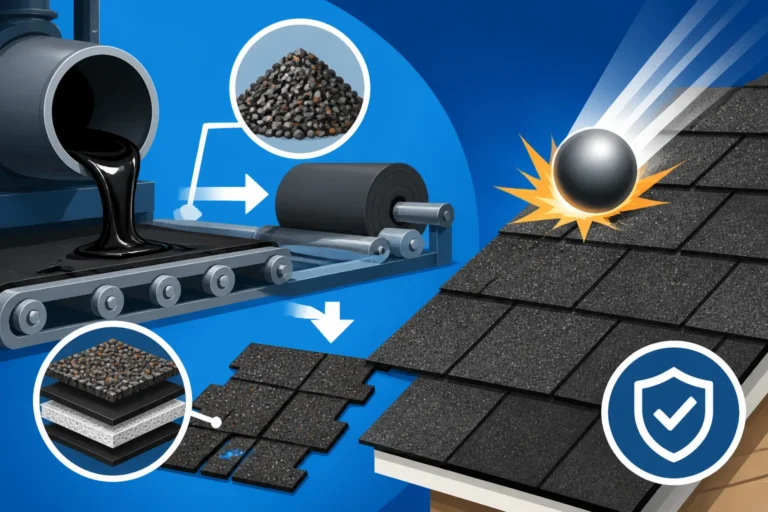
Asphalt shingles are tough, but they're not invincible, especially when subjected to extreme temperature fluctuations. In scorching summer heat, a poorly ventilated attic allows temperatures to soar. This intense heat causes the asphalt in your shingles to degrade faster, leading to premature aging. The granules, which protect the asphalt from UV rays, become brittle and shed off, exposing the underlying material. You'll start to see your shingles curl at the edges, crack, and become much more susceptible to wind damage. A ridge vent helps regulate the attic temperature, preventing this internal baking process. By keeping the attic cooler, the shingles experience less thermal stress, retaining their flexibility and protective granules for many more years. This can directly impact your How Long an Asphalt Roof Lasts, potentially adding years to its service life.
Boosting Energy Efficiency and Comfort
Nobody enjoys a scorching hot house in the summer, or paying astronomical air conditioning bills. A superheated attic acts like a giant radiator, transferring that intense heat down into your living spaces. Even with good insulation in your ceiling, a blistering attic will make your air conditioner work harder and longer to keep your home cool. This is a direct drain on your wallet.
A well-functioning ridge vent, in conjunction with adequate intake vents, reduces the attic temperature significantly. This means less heat radiating into your home, which in turn means your HVAC system doesn't have to struggle as much. You'll notice a more comfortable indoor environment, and your energy bills will reflect the reduced workload on your air conditioning unit. It's one of those hidden benefits that truly makes a difference in your day-to-day living and monthly budget.
Preventing Moisture-Related Damage
Moisture is the silent killer of roofs and attics. Everyday activities like showering, cooking, and doing laundry introduce moisture into your home's air. If this moist air escapes into a cold, unventilated attic in winter, it will condense on the coldest surfaces—your roof rafters and the underside of your roof decking. This condensation creates a perfect breeding ground for mold and mildew, which can pose health risks and damage your home's structural integrity.
Over time, prolonged moisture exposure can lead to wood rot in your roof trusses and decking, severely compromising the strength of your roof. A ridge vent, by constantly exhausting moist air, prevents this buildup of condensation. It helps maintain a dry, healthy attic environment, protecting against mold, rot, and the expensive repairs that come with them. Understanding How Attic Ventilation Prevents Damage is key to appreciating this benefit.
Guarding Against Ice Dams in Colder Climates
For those living in regions with heavy snowfall and freezing temperatures, ice dams are a perennial winter headache. An ice dam forms when heat escapes from your home into the attic, warming the roof deck and melting the snow on top. This melted water then runs down the roof until it reaches the colder eaves, which are typically unheated and exposed. There, it refreezes, creating a barrier of ice. More melting snow backs up behind this barrier, often forcing water under your shingles and into your walls, ceilings, and insulation.
A properly ventilated attic, with a continuous ridge vent and sufficient soffit intake, maintains a consistent, cold temperature throughout the attic space. This prevents the heat transfer from your home from melting the snow on the roof in the first place. If the roof deck stays cold, the snow melts more uniformly from the outside, or not at all, drastically reducing the risk of ice dam formation. It's a critical preventative measure for homeowners facing harsh winters, and it works hand-in-hand with components like Ice and Water Shield Explained for comprehensive protection.
Comparing Ridge Vents to Other Ventilation Options
While ridge vents are a top-tier choice for attic ventilation, they aren't the only option out there. Understanding the differences can help you make an informed decision when planning a new roof or assessing your current system.
Ridge Vents vs. Other Exhaust Vents (Box, Turbine, Gable)
Historically, and even today in many existing homes, other types of exhaust vents have been used.
- Box Vents (Static Vents): These are individual, non-moving vents installed in various spots across the roof surface, typically closer to the ridge. They rely purely on convection (hot air rising) to exhaust air. While they work, they offer limited exhaust capacity per unit, and their numerous penetrations can be potential leak points. They also interrupt the clean lines of your roof.
- Turbine Vents (Whirlybirds): These are those spinning, metallic vents you might see on older homes. They use wind power to spin and create a vacuum effect, drawing air out of the attic. While effective on windy days, they are less efficient on calm days and can be noisy, require maintenance, and are often considered aesthetically less appealing than a ridge vent.
- Gable Vents: These are intake/exhaust vents located high up on the gable walls (the triangular part of a wall at the end of a pitched roof). They allow air to flow horizontally through the attic space. However, they are often less effective than roof-level exhaust vents because they don't always create the necessary thermal lift to fully ventilate the entire attic, leaving stagnant pockets of air.
Ridge vents offer a continuous, uniform exhaust system that is less visible and generally more efficient than these other options. They provide consistent ventilation along the entire peak, leading to more even temperature and moisture control throughout the attic.
Matching Intake with Exhaust for Optimal Performance
Regardless of the type of exhaust vent you choose, the golden rule of attic ventilation is balance: you need an equal amount of intake and exhaust. A ridge vent, no matter how efficient, won't work properly if there isn't enough fresh, cooler air coming into the attic to replace the hot air being exhausted.
This is where your soffit vents come in. These continuous or individual vents located under the eaves of your roof are critical for intake. Think of them as the lungs inhaling, while the ridge vent is the lungs exhaling. If your soffit vents are blocked by insulation, paint, or debris, or if there simply aren't enough of them, your ridge vent can't perform its job effectively. The result is still poor ventilation, leading to all the problems we've discussed. A professional roofer will always assess both intake and exhaust when planning a ventilation system, ensuring that the total net free area (the actual open space for air to pass) of your intake matches that of your exhaust. This balanced approach is critical for the system to work as intended and maximize its benefits.
Here’s a quick comparison of common roof ventilation types:
| Vent Type | Location | How It Works | Pros | Cons |
|---|---|---|---|---|
| Ridge Vent | Roof peak | Natural convection (stack effect) | Continuous, low-profile, aesthetic, highly efficient, minimizes heat/moisture build-up | Requires proper soffit intake, can be more complex to install than box vents |
| Box Vent | Across roof field | Natural convection | Inexpensive, relatively easy to install | Limited capacity, visible, multiple roof penetrations (potential leaks) |
| Turbine Vent | Across roof field | Wind-driven rotation | Good capacity on windy days, no electricity needed | Less effective on calm days, mechanical parts can fail, noisy, visible, can detract from aesthetics |
| Gable Vent | Gable wall | Horizontal airflow through attic | Easy to install on gable walls, less visible than roof-mounted options | Less effective for full attic ventilation, can create dead air pockets in larger attics |
What to Look for When Choosing and Installing a Ridge Vent
Choosing the right ridge vent and ensuring it's installed correctly are paramount for it to truly deliver on its promises. This isn't an area where you want to cut corners.
Materials and Durability
Ridge vents come in various materials, each with its own characteristics:
- Plastic/Polypropylene: These are common, lightweight, and durable. They are resistant to rust and corrosion and often incorporate features like external baffles to resist wind-driven rain and snow. Many modern plastic ridge vents are designed to be UV-resistant, so they won't become brittle and crack over time due to sun exposure. Brands like Owens Corning and GAF offer excellent options in this category, engineered to integrate perfectly with their shingle systems.
- Aluminum: Aluminum ridge vents are incredibly durable and rust-resistant. They can withstand harsh weather conditions and offer excellent longevity. While sometimes a bit more expensive than plastic, their robust nature can be a worthwhile investment, especially in areas prone to extreme weather.
- Fiberglass-Reinforced: Some manufacturers produce ridge vents with a fiberglass mesh or composite material, offering a blend of flexibility, strength, and breathability. These often have a lower profile and can be very effective at shedding water while allowing air to escape.
When selecting, consider the climate you live in and the manufacturer's warranty. A good ridge vent should come with a solid warranty, often aligning with the warranty of your shingles if purchased as part of a complete roofing system.
Professional Installation is Key
While a ridge vent might seem like a straightforward component, its installation is absolutely critical. A poorly installed ridge vent can cause more problems than it solves. If the slot cut in the roof decking isn't sized correctly, or if the vent isn't properly sealed and capped, it can become a significant leak point. This is particularly true for How Asphalt Shingles Are Installed: Step by Step and other roofing components.
A skilled roofing contractor understands the nuances of proper ridge vent installation, including:
- Correct Slot Cutting: Ensuring the cut in the roof deck is the right width and stops at the appropriate distance from the gable ends.
- Weather Sealing: Using appropriate sealants and flashing to prevent water intrusion.
- Proper Nailing: Ensuring the ridge vent and ridge cap shingles are securely fastened according to manufacturer specifications and local building codes, which often includes specific Roofing Nail Code Requirements.
- Matching System Components: A reputable roofer will ensure your ridge vent is compatible with your soffit vents to create a truly balanced system. They will also consider the overall Roof Anatomy: Parts of an Asphalt Shingle Roof to ensure seamless integration.
Trying to DIY this aspect of your roof can easily lead to costly mistakes, potential leaks, and even void your shingle warranty. When it's time for a roof repair or replacement, it's always best to work with a licensed and insured professional. If you're wondering how to find a reliable contractor in your area, services like Modernize can help connect you with vetted professionals who understand these intricate details, ensuring a proper installation that stands the test of time. Be sure to ask questions like those found in Questions to Ask a Roofing Contractor Before Hiring.
Maintenance and Longevity of Your Ridge Vent
Ridge vents are generally low-maintenance, but they aren't entirely "set it and forget it." Regular roof inspections, ideally once a year or after a major storm, should include a check of your ridge vent. Look for any signs of damage, such as cracks in the material, debris buildup (leaves, twigs), or loose ridge cap shingles.
Over time, dust and pollen can accumulate in the vent's baffles, slightly reducing airflow. While most are designed to be self-cleaning with wind and rain, it's something to be aware of. If you notice a significant decrease in attic ventilation or an increase in energy bills, it might be worth having a professional inspect the vent for obstructions or damage.
Remember, a ridge vent is part of a larger system. Keeping your soffit vents clear of insulation and debris is just as important. By taking these proactive steps, you can ensure your ridge vent continues to do its job effectively, protecting your roof and home for decades.
Disclaimer
This article is intended for informational purposes only and should not be considered professional advice. Always consult with a qualified and licensed roofing contractor for specific recommendations and services related to your home's roof.