How to Choose a Roofer for storm damage
When a fierce storm rips through your neighborhood, leaving behind a trail of destruction, the last thing you want to worry about is how to pick the right person to fix your roof. The stress is immense – dealing with insurance, worrying about more leaks, and simply not knowing who to trust. It's a vulnerable time, and unfortunately, it's also when unscrupulous operators often emerge. This guide is here to walk you through the essential steps to choose a trustworthy, qualified roofer who can restore your home and your peace of mind after storm damage.
The Immediate Aftermath of Storm Damage
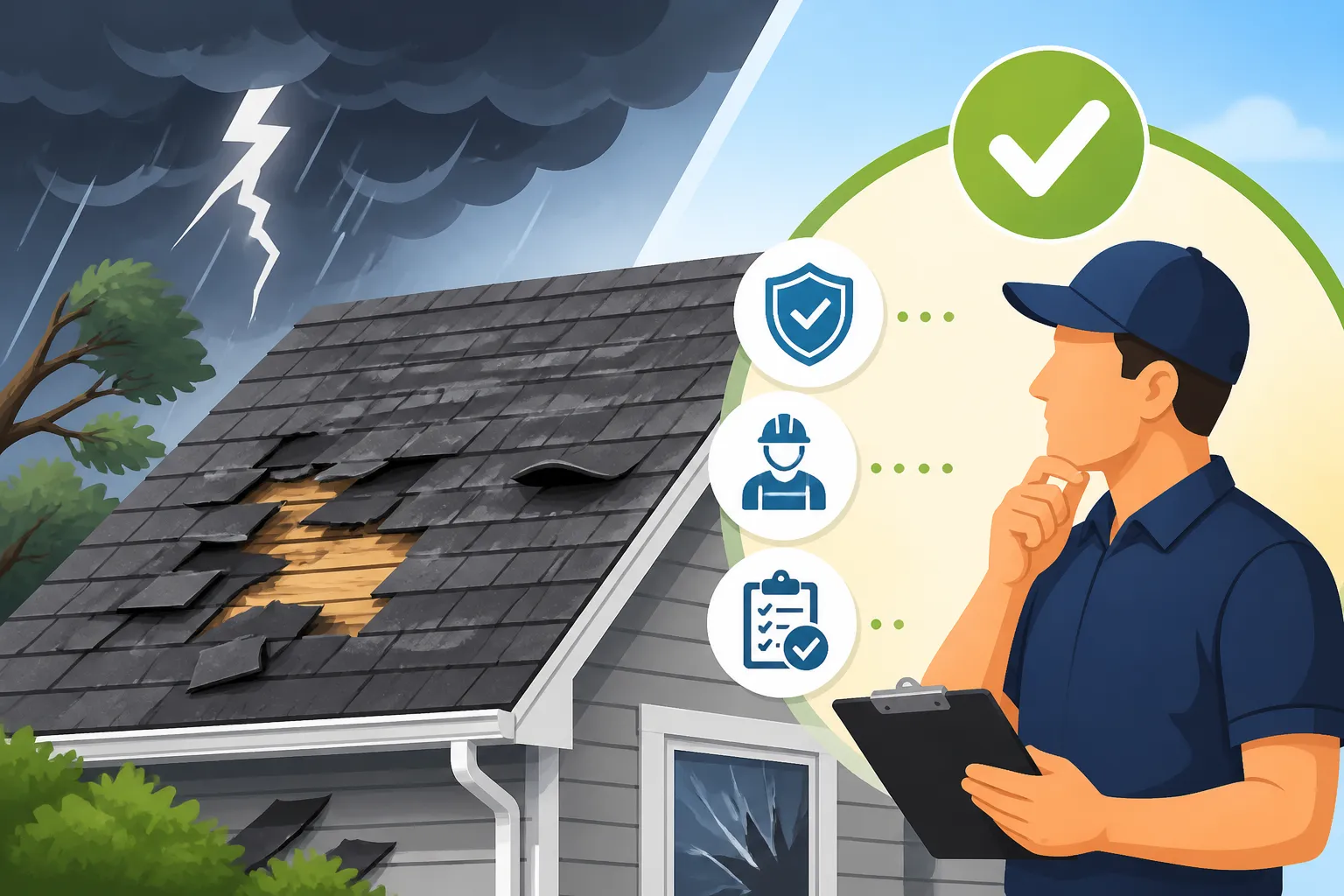
The wind howls, the rain pours, and then, silence. You step outside and your heart sinks. Missing shingles, debris scattered everywhere, maybe even a tree limb resting precariously on your roof. It's a sight no homeowner ever wants to see, and the immediate panic is completely understandable.
Assessing the Damage Safely
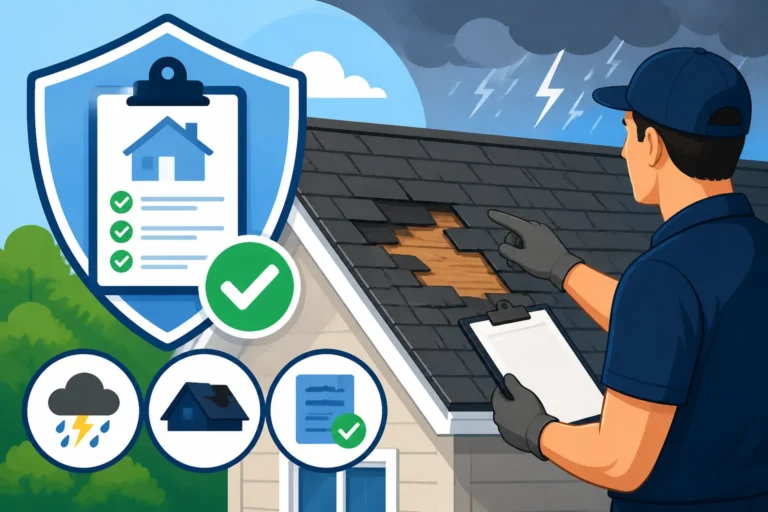
Your first instinct might be to rush outside and get a closer look, but please, prioritize your safety above all else. Storms often leave behind hidden dangers: downed power lines, unstable structures, and slippery surfaces. If it's still actively raining or windy, or if there's any visible structural compromise, do not get on your roof. Even walking around your yard can be risky due to hidden debris. Instead, grab your phone and take pictures from a safe distance, documenting any obvious damage you can see from the ground. Look for missing shingles, dents on flashing, damage to gutters, or debris accumulation.
Once the immediate danger has passed and it's safe to do so, you might want to consider a more thorough visual inspection from a ladder, but again, only if you're comfortable and it feels secure. For anything beyond a quick glance, it's always best to leave detailed roof inspections to professionals. They have the training, equipment, and insurance to do it safely. In the interim, if you have active leaks, consider temporary measures like tarping the affected area to prevent further water intrusion, but only if it's genuinely safe to do so. This small step can save you from far more extensive interior damage while you search for the right contractor.
Documenting for Insurance
After you’ve assessed the situation safely, the very next crucial step is to meticulously document everything for your insurance claim. This is where your cell phone becomes your best friend. Take an abundance of photos and videos from multiple angles, capturing both the broad scope of the damage and close-ups of specific issues like cracked, curled, or missing shingles. Don't forget to photograph any interior damage, such as water stains on ceilings or walls, which can be direct evidence of a roof leak.
Keep a detailed log of dates, times, and what you observed. Note the date of the storm and any specific details you remember about it, like extreme wind gusts or hail size. This evidence will be invaluable when you file your claim and communicate with your insurance adjuster. Many homeowners feel overwhelmed by the sheer volume of information needed, but remember, the more thorough you are upfront, the smoother the claims process tends to be. Your goal is to provide your insurance company with undeniable proof of the storm's impact on your home, making it easier for them to approve your claim and ensure you get the coverage you deserve.
Why Choosing the Right Roofer After a Storm Is Critical
The aftermath of a storm can feel like a chaotic free-for-all, with roofing trucks appearing out of nowhere. It's a time when homeowners are often desperate for a quick fix, and unfortunately, that desperation can make them targets for less-than-reputable companies. Making the right choice in this stressful period is absolutely paramount.
Avoiding Storm Chasers and Scams
One of the biggest anxieties after a major weather event is the fear of falling victim to a "storm chaser." These are contractors, often from out of state, who descend upon damaged areas, solicit business aggressively, and frequently perform shoddy work, take deposits, or simply disappear before the job is finished. They might knock on your door, offering too-good-to-be-true deals, or pressure you into signing a contract on the spot. It's easy to be swayed when you're stressed and just want your home protected, but this is precisely when you need to be most vigilant.
Common Roofing Contractor Red Flags to Avoid include high-pressure sales tactics, demands for full payment upfront, lack of local references, or an unwillingness to provide proof of insurance and licensing. Remember, a reputable contractor will never rush you into a decision or demand payment before work begins. Their focus will be on earning your trust and providing a quality service. Learning how to identify Storm Chaser Roofers: How to Spot Them is a crucial first line of defense in protecting your home and your wallet.
The Importance of Local, Reputable Contractors
In contrast to storm chasers, a local, reputable roofing contractor is an invaluable asset after storm damage. These are businesses with established ties to the community, often with years, if not decades, of experience serving your neighbors. Their reputation is their livelihood, meaning they have a strong incentive to provide high-quality work and stand by their warranties. If an issue arises a year or two down the road, you know exactly where to find them.
A local company will also be familiar with regional building codes and common weather challenges in your area, ensuring your new roof is built to withstand future storms. They'll have a network of suppliers and skilled labor, leading to more efficient and reliable service. Platforms like Modernize can be a fantastic resource for connecting with vetted, local roofing professionals in your area who have a proven track record. They understand the urgency of storm damage but prioritize connecting homeowners with trusted experts rather than fly-by-night operations.
Key Factors When Vetting Storm Damage Roofers
Once you’ve calmed the initial panic and have a basic understanding of your damage, the real work begins: finding the right professional. This isn't just about getting a new roof; it's about investing in the long-term safety and integrity of your home.
Licensing, Insurance, and Certification
These three elements are non-negotiable. Any contractor you consider for storm damage repair or replacement absolutely must be properly licensed, fully insured, and ideally, manufacturer-certified. A license indicates that the contractor meets the minimum competency standards set by your state or local municipality. Always verify their license number with the issuing authority – don't just take their word for it. In some states, like Texas or Florida, specific roofing licenses are required, while in others, it might fall under a general contractor's license.
Insurance is equally vital. There are two main types you need to confirm: general liability and worker's compensation. General liability protects you financially if the contractor damages your property during the job. Worker's compensation protects you from liability if one of their employees gets injured on your property. Without adequate insurance, you could be on the hook for medical bills or property damage, which is a nightmarish scenario on top of storm damage. You can read more about why Licensed and Insured Roofers: Why It Matters in another one of my posts. Beyond basic requirements, look for contractors who hold certifications from major shingle manufacturers, such as GAF Master Elite, Owens Corning Platinum Preferred, or CertainTeed SELECT ShingleMaster. These certifications mean the contractor has undergone additional training, meets strict quality standards, and can offer enhanced manufacturer warranties that often include longer coverage periods and better protection. These credentials demonstrate a commitment to professionalism and quality, giving you peace of mind that your roof will be installed correctly.
Experience with Insurance Claims
After storm damage, your roofing project will almost certainly involve an insurance claim. This is where a roofer's experience can make a world of difference. A contractor who is well-versed in the insurance claims process can be an invaluable ally, helping you navigate the complexities of adjusters, estimates, and approvals. They should be able to provide a detailed estimate that aligns with insurance industry standards, clearly outlining the scope of work, materials, and labor costs.
A truly experienced roofer will know how to effectively communicate with your insurance adjuster, ensuring all damage is noted and properly accounted for, including things like detached flashing or damaged ventilation components that might not be immediately obvious. They can also assist with supplemental claims if additional damage is discovered during the tear-off process. This expertise can streamline the entire process, reduce stress, and help ensure you receive a fair payout that covers the true cost of restoring your roof. Hiring a roofer with a strong track record of working successfully with insurance companies can significantly ease the burden of an already difficult situation. For a deeper dive into this, check out my article on Insurance Claim Roofers: What to Know.
Clear Communication and Comprehensive Estimates
Effective communication is the cornerstone of any successful home improvement project, especially one as urgent as post-storm roofing. From your initial contact, pay close attention to how the contractor communicates. Do they respond promptly to your calls and emails? Do they clearly answer your questions in a way you can understand? Are they transparent about their process and timeline? A lack of clear communication upfront can be a sign of future problems and misunderstandings.
Equally important is a comprehensive and detailed estimate. This isn't just a number on a page; it's a breakdown of everything involved in your roof replacement or repair. A good estimate should clearly itemize all materials (shingles, underlayment, flashing, vents, etc.), labor costs, permit fees, tear-off and disposal costs, and any potential unforeseen expenses. It should specify the type and brand of shingles being used, the warranty coverage, and a detailed scope of work. Be wary of estimates that are vague, overly simplistic, or significantly lower than others, as they may be omitting crucial components or signaling subpar materials or workmanship. Take your time to understand What a Roofing Estimate Should Include and how to effectively How to Read and Compare Roofing Estimates to ensure you're getting a fair and complete picture.
Here’s a quick comparison of what to look for when evaluating storm damage roofers:
| Feature | Reputable Local Roofer | Storm Chaser / Unreliable Contractor |
|---|---|---|
| Local Presence | Established office, local phone number, community ties | P.O. Box, temporary address, out-of-state plates |
| Licensing/Insurance | Verifiable license, proof of GL and Worker's Comp | Unlicensed, evasive about insurance, no proof |
| Communication | Responsive, clear, provides detailed explanations | High-pressure, vague, avoids direct answers |
| Estimates | Detailed, itemized, clear scope of work | Generic, handwritten, missing critical details |
| References/Reviews | Provides local references, strong online reputation | Few or no references, suspicious online reviews |
| Payment Terms | Reasonable deposit (10-30%), progress payments | Demands large upfront payment, cash-only requests |
| Warranties | Offers workmanship and manufacturer warranties | Vague or non-existent warranty, no long-term support |
| Knowledge of Codes | Familiar with local building codes and permits | Unaware or dismissive of local regulations |
The Interview and Selection Process
You’ve done your research, narrowed down your list, and now it’s time to engage directly with potential contractors. This is your chance to really get a feel for their professionalism and determine if they're the right fit for your storm-damaged roof.
Asking the Right Questions
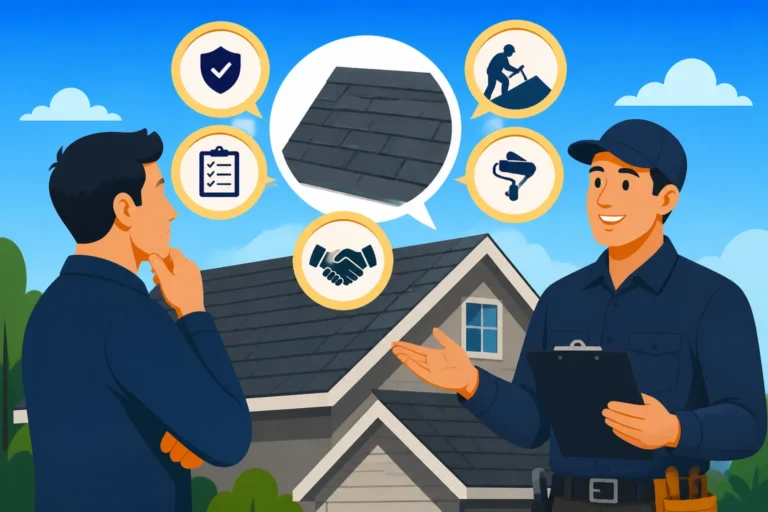
Don't be shy about asking a lot of questions. This is a significant investment in your home, and you deserve to feel confident in your choice. When you're speaking with prospective roofers, prepare a list of questions that cover their experience, credentials, process, and references. You might feel a bit overwhelmed or even intimidated, but remember, a good contractor expects these questions and will be happy to answer them thoroughly. Ask about their specific experience with storm damage claims, how long they've been in business in your area, and who will be managing your project day-to-day.
Inquire about their safety protocols, how they protect your landscaping and property during the job, and what their cleanup process entails. Don't forget to ask about the warranty – both for the materials from the manufacturer and for their workmanship. Understanding these details upfront can prevent misunderstandings and headaches down the road. For a comprehensive list of what to ask, refer to my guide on Questions to Ask a Roofing Contractor Before Hiring. Taking the time to ask these probing questions will give you a clearer picture of their capabilities and commitment to quality.
Checking References and Reviews
Once you’ve had your conversations, it’s crucial to verify their claims. A reputable roofer should be able to provide you with a list of recent local references, especially those for storm damage work. Take the time to call these references and ask about their experience with the contractor: Were they satisfied with the work? Was the project completed on time and within budget? How was the communication? Did the contractor handle any issues promptly and professionally?
In addition to personal references, dive into online reviews. Check platforms like Google, Yelp, and the Better Business Bureau (BBB). Look for patterns in reviews – both positive and negative. A few minor complaints aren't necessarily a deal-breaker, but consistent themes of poor communication, missed deadlines, or shoddy workmanship are major red flags. Pay attention to how the contractor responds to negative reviews, as this can reveal a lot about their customer service approach. Modernize can be a valuable tool here, as it often features verified reviews from homeowners who have worked with local contractors, helping you make a more informed decision. This due diligence is a critical step in ensuring you hire someone truly reliable.
Understanding the Contract and Warranty
Before you sign anything, read the contract thoroughly. This document is your protection, and it should clearly outline every aspect of the project. A solid roofing contract will include the scope of work (what will be done), the materials to be used (brands, types, colors), the project timeline (start and estimated completion dates), the total cost, and a detailed payment schedule. It should also specify who is responsible for obtaining permits, disposing of debris, and providing cleanup. Ensure there are clauses regarding change orders, outlining how unexpected issues (like discovering rotted decking) will be handled and how they might affect the cost and timeline. Check out my article on Roofing Contract: What to Look For for more details.
Finally, understand the warranties being offered. You should receive two types of warranties: the manufacturer's warranty on the roofing materials and the contractor's warranty on their workmanship. Manufacturer warranties often cover defects in the shingles themselves, typically ranging from 25 years for 3-tab shingles to 50 years or even lifetime for architectural shingles. The contractor's workmanship warranty covers the installation itself, ensuring the roof is installed correctly and will perform as expected. This typically ranges from 2 to 10 years, though some top-tier certified installers offer longer periods. Make sure both warranties are in writing, clear, and understand any conditions that might void them. Don't forget to discuss Roofing Warranty: Workmanship vs Manufacturer to fully grasp what you're getting.
Disclaimer
Please note that the information provided in this article is intended for general guidance and informational purposes only, and does not constitute professional advice. Roofing projects, especially those involving storm damage, can be complex and are subject to local building codes, regulations, and individual property conditions. Always consult with a qualified, licensed, and insured roofing professional for specific advice tailored to your situation. Never attempt to inspect or repair a damaged roof if it is unsafe to do so.