Roofing License Requirements in Texas
Navigating the world of home repairs can feel like a maze, and when it comes to something as critical as your roof, the stakes are incredibly high. Many homeowners mistakenly assume that every state has a straightforward, statewide licensing system for roofing contractors, just like electricians or plumbers. This misconception often leads to confusion and frustration, especially here in Texas, where the regulations are a little different. This guide will cut through the clutter, explaining exactly what "roofing license requirements in Texas" truly means, what you should look for in a contractor, and how to protect your home and your investment.
Understanding the Unique Landscape of Roofing Licenses in Texas
It's easy to assume that if someone is doing specialized work on your home, they must hold a state-issued license. After all, isn't that how we ensure professionalism and quality? However, when it comes to roofing in Texas, the reality is quite different from what many people expect.
The Absence of a Statewide Roofing License
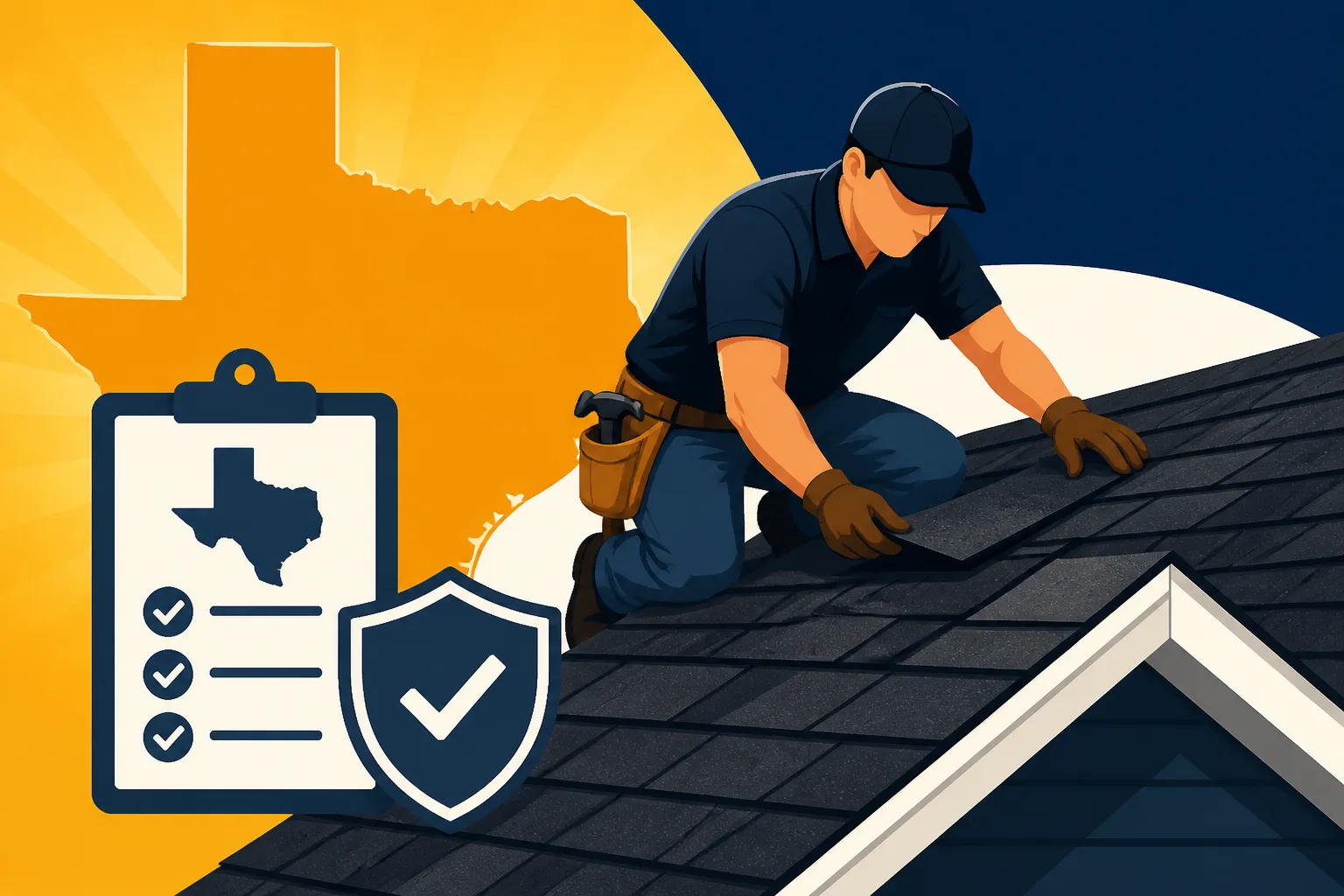
Here's the crucial detail: Texas does not have a statewide licensing requirement for roofing contractors. You read that right. Unlike many other states that have a central board or agency overseeing and licensing roofers across all cities and counties, Texas operates on a more decentralized model. This means there isn't one universal license that a roofer can present that automatically qualifies them to work anywhere in the state. This can be a huge surprise, and frankly, a bit unsettling for homeowners who are trying to make sure they're hiring someone reputable. It’s no wonder people get confused when they start asking about licenses and get vague answers.
What this translates to is a patchwork system. While the state doesn't mandate a license, individual cities or counties can and often do have their own local requirements. For example, a roofer working in Houston might need to be registered with the city, while a roofer in San Antonio might have different local prerequisites. This variability can make it incredibly difficult for homeowners to know what to look for, and it puts more of the burden on you to do your due diligence. It also means that a contractor who is perfectly legitimate in one town might not meet the local criteria in another, even if they're only a few miles apart.
Why This Creates Confusion for Homeowners
This lack of a uniform state license is a primary source of anxiety and misunderstanding for homeowners. You want to ensure you're getting a qualified, honest professional, not some fly-by-night operator. When you ask a potential contractor, "Are you licensed?" and they might honestly say "No, Texas doesn't have a state license," it can sound like a huge red flag. You might immediately think they're unqualified or trying to pull a fast one.
The confusion is compounded by the fact that many other trades do require state licenses. You wouldn't hire an electrician or a plumber without verifying their state license, so why should a roofer be any different? This often leads homeowners to feel like they're navigating a minefield without a map. It’s hard enough to gauge the trustworthiness of a contractor without adding this layer of regulatory ambiguity. Without a simple "yes" or "no" answer, you're left wondering what standards, if any, are truly in place to protect you. This is precisely why it's so important to dig deeper and understand what other credentials and protections you should be looking for, beyond just a "license."
Navigating Local Roofing Regulations and Permits
Since a statewide license isn't the standard, your focus needs to shift to the local level. This means getting familiar with city ordinances and, most importantly, understanding the crucial role of building permits in any roofing project.
City-Specific Licensing and Registration
While the state of Texas doesn't issue a roofing license, many individual cities and municipalities have stepped up to create their own local registration or licensing programs. These local requirements can vary significantly. For instance, the City of Dallas requires general contractors (which includes roofers) to be registered with the city's building department, providing proof of insurance and meeting certain criteria. Houston, on the other hand, might have different or fewer specific requirements for roofers, often focusing more heavily on the permitting process itself rather than a contractor registration.
It’s absolutely critical that you, as the homeowner, ask any potential contractor about their specific compliance with the local regulations for your city or county. Don't just assume they know or that they'll take care of it without you asking. A reputable contractor will be well aware of these local rules and will be able to provide documentation of their local registration or any required bonds. If a contractor seems vague or dismissive when you ask about city permits or registrations, consider it a serious red flag. You can often check your city's official website (usually under the "Permitting" or "Building Department" sections) to understand what's required in your specific area. This due diligence is vital because local compliance can impact everything from the legality of the work to your ability to make an insurance claim down the line.
The Importance of Building Permits for Every Project
Regardless of whether your city requires a specific "roofer's license," almost every significant roofing project in Texas will require a building permit. This is non-negotiable and incredibly important. A building permit isn't just a piece of paper; it's your assurance that the work being done on your home will meet established safety and structural codes.
When a permit is pulled, it means that a local building inspector will typically review the proposed work and, in many cases, inspect the work at various stages (like after tear-off but before new shingles go on, and then a final inspection). This oversight protects you from shoddy workmanship and ensures that your new roof is installed correctly and safely. Without a permit, you run several risks:
- Substandard Work: If no one is checking the work, a contractor might cut corners, leading to a roof that fails prematurely or has hidden issues.
- Insurance Problems: If you have to file an insurance claim for future damage and it's discovered that your roof was replaced without the proper permits, your claim could be denied.
- Resale Issues: When you sell your home, a future buyer's inspector might discover that major work was done without permits, leading to complications, delays, or even a reduced selling price.
- Legal Penalties: Local authorities can fine you, the homeowner, for unpermitted work, and you might be forced to tear off the new roof and redo it correctly, all at your own expense.
Always insist that your contractor obtain the necessary permits before any work begins. A trustworthy contractor will not only handle this process for you but will also factor the permit fees and inspection schedule into their project timeline. Asking about Roofing Permits: Who Pulls Them is one of the key questions to ask.
Essential Credentials for Texas Roofing Contractors (Beyond Licensing)
Since a state license isn't the standard in Texas, you need to arm yourself with knowledge about the other critical credentials that truly indicate a reputable, reliable roofing contractor. These factors are often more telling than a general "license" would be anyway, as they speak to responsibility, quality, and consumer protection.
Proof of Insurance: A Non-Negotiable Requirement
This is perhaps the single most important credential you should verify. Any legitimate roofing contractor in Texas must carry comprehensive insurance policies. There are two primary types of insurance you should be asking about:
- General Liability Insurance: This protects you, the homeowner, if the roofing crew accidentally damages your property during the project. Imagine a shingle falling and cracking a window, or heavy equipment damaging your landscaping. Without general liability insurance, you could be on the hook for those repair costs. This also covers any accidental damage to a neighbor's property.
- Worker's Compensation Insurance: Roofing is dangerous work, and accidents can happen. If a roofer falls and is injured on your property, and the contractor doesn't have worker's comp, you could be held liable for their medical bills, lost wages, and even legal fees. This is a terrifying prospect that no homeowner wants to face.
Before any work begins, always ask for an Acord certificate directly from the contractor's insurance provider. Do not just accept a photocopy from the contractor. Call the insurance company listed on the certificate to verify that the policies are active and cover the specific work being done. This step is non-negotiable and provides immense peace of mind. Without proper insurance, you’re exposing yourself to significant financial risk. If you're wondering What Happens If a Roofer Gets Injured on Your Property, this insurance is your shield.
Manufacturer Certifications: A Mark of Quality and Training
While Texas might not have a state license, leading shingle manufacturers do have rigorous certification programs for contractors. These certifications are a gold standard in the industry and demonstrate that a contractor has met specific training, experience, and quality requirements set by the manufacturers themselves.
For example, companies like GAF, Owens Corning, and CertainTeed offer various levels of certification. A "GAF Master Elite Contractor," an "Owens Corning Platinum Preferred Contractor," or a "CertainTeed SELECT ShingleMaster" isn't just a fancy title. It means:
- Extensive Training: The contractor's team has undergone specific training directly from the manufacturer on the proper installation techniques for their products. This ensures your roof is installed according to the highest standards, maximizing its longevity and performance.
- Product Knowledge: Certified contractors are experts in the specific shingle systems they install, understanding how all the components work together for optimal protection.
- Enhanced Warranties: This is a huge benefit! Often, only manufacturer-certified contractors can offer the highest-tier, non-prorated, transferable warranties that cover both materials and workmanship for extended periods (sometimes 25 years or more). A standard warranty from a non-certified installer might only cover materials for a shorter period, leaving you vulnerable to labor issues.
Always ask if a contractor is manufacturer-certified for the specific brand of shingles you plan to use. You can even verify these certifications directly on the manufacturer's website. This is a strong indicator that the contractor is committed to quality and stands behind their work. Understanding Manufacturer-Certified Roofers Explained can give you a significant advantage in vetting contractors.
Bonding and Business Registration: Added Layers of Protection
Beyond insurance and manufacturer certifications, there are other credentials that speak to a contractor's legitimacy and financial stability.
- Bonding: A bonded contractor provides a financial guarantee to the homeowner that if they fail to complete the work as per the contract or don't meet their financial obligations (like paying suppliers or subcontractors), you have recourse through the bond. While not as universally required as insurance, a performance bond or a payment bond adds another layer of financial protection. This is especially relevant in states like Texas where there isn't state licensing. It shows they're willing to put up a guarantee.
- Business Registration: Even if they don't have a specific "roofer's license," every legitimate business in Texas should be registered with the Secretary of State's office and/or the local county clerk's office. This proves they are a legal entity operating in the state. You can usually look this up online. This is a basic but essential check to ensure you're dealing with a real business, not just an individual working out of a truck.
- Physical Address and Local Presence: Be wary of contractors who only operate out of a P.O. Box or who seem to appear out of nowhere after a storm. A reputable company will have a physical office, a local phone number, and a verifiable history in the community. This indicates stability and accountability. Companies that use platforms like Modernize to connect with homeowners often demonstrate a commitment to professionalism by building out their online presence and ensuring they have the right paperwork in order.
Here's a quick comparison of what to prioritize when vetting a Texas roofer:
| Credential Type | What it Means | Why it's Important for Texas Homeowners | How to Verify |
|---|---|---|---|
| State License | Official permission from a state board to operate a specific trade. | Not applicable for roofers in Texas. Focus on other credentials. | N/A |
| Local Registration/Permit | Permission from city/county to operate or perform work in that specific jurisdiction. | Ensures compliance with local building codes and ordinances. Prevents future legal/insurance issues. | Ask contractor for proof; check city/county building department website. |
| General Liability Insurance | Covers property damage to your home or others caused by the contractor. | Protects you from financial liability for accidental damage during the project. | Request Acord certificate directly from insurer; call insurer to verify active policy. |
| Worker's Comp Insurance | Covers contractor employees if injured on your property. | Protects you from liability for worker injuries. Critical for peace of mind. | Request Acord certificate directly from insurer; call insurer to verify active policy. |
| Manufacturer Certification | Contractor is trained and approved by shingle manufacturers (e.g., GAF, Owens Corning). | Guarantees proper installation, offers enhanced warranties, indicates high quality and commitment to standards. | Ask for certificate; verify on manufacturer's official website. |
| Business Bonding | Financial guarantee if contractor fails to fulfill contract or obligations. | Provides an extra layer of financial protection, especially important in a non-licensed state. | Ask for bond certificate; verify with bonding company. |
| Business Registration | Contractor is a legally recognized business entity in Texas. | Confirms legitimacy, not just a "cash-only" operation. | Check Texas Secretary of State or local county clerk websites. |
How to Vet a Texas Roofing Contractor Like a Pro
Given the unique licensing landscape in Texas, you need to be extra diligent in your selection process. It’s not just about getting a good price; it’s about ensuring quality, accountability, and peace of mind.
Gathering Multiple Quotes and Checking References
Never, ever settle for the first quote you receive, no matter how good it sounds. It's best practice to get at least three to five estimates from different companies. This allows you to compare not just prices, but also the scope of work, materials proposed, and the professionalism of each contractor. A detailed estimate should itemize everything from tear-off and disposal costs to specific shingle types, underlayment, flashing, and ventilation. Knowing How to Read and Compare Roofing Estimates is a superpower for homeowners.
When you're getting those quotes, also make sure to ask for references – and then actually call them. Ask previous clients about their experience:
- Did the contractor communicate well throughout the project?
- Was the work completed on time and within budget?
- Were there any unexpected issues, and if so, how were they handled?
- Was the job site kept clean?
- Would they hire this contractor again?
Online reviews on platforms like Google, Yelp, and the Better Business Bureau are also valuable, but take them with a grain of salt. Look for patterns in feedback, both positive and negative, and how the contractor responds to criticism. Modernize can also be a good resource to connect with reputable contractors in your area, as they often pre-screen professionals, helping you kickstart your search for reliable options.
Questions to Ask and Red Flags to Watch For
Beyond the essential credentials, a thorough conversation with potential contractors is vital. Think of it as an interview for a very important job: protecting your home. Asking the right Questions to Ask a Roofing Contractor Before Hiring can make all the difference.
Here are some key questions and some serious red flags:
Questions to Ask:
- "Can you provide proof of your general liability and worker's compensation insurance, directly from your insurer?" (As discussed, this is critical).
- "What local permits are required for this project, and will you handle obtaining them?" (They should know and assure you they will manage it).
- "Are you certified by any shingle manufacturers, and if so, which ones? Can you offer enhanced warranties?" (This is a huge value-add).
- "What is your project timeline, from start to finish, including permit inspections?"
- "What is your process for protecting my landscaping and cleaning up the job site?" (A good contractor will have a clear plan).
- "Can you provide a detailed written contract that outlines all materials, labor, timelines, and payment schedules?" (Never proceed without one).
- "What is your warranty on workmanship, separate from the manufacturer's warranty on materials?" (You want both).
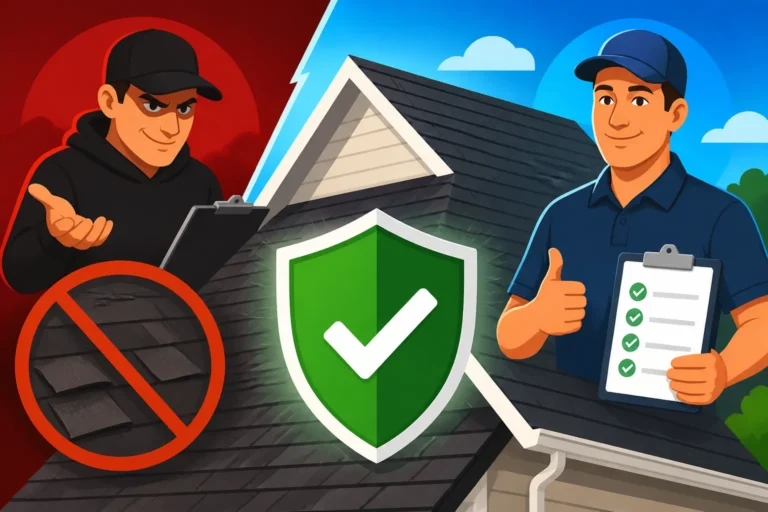
Red Flags to Watch For:
- No physical address or only a P.O. Box: This makes them hard to track down if issues arise.
- Pressure to sign immediately: "This offer is only good today!" is a classic high-pressure sales tactic. Walk away.
- Asking for the entire payment upfront: A reputable contractor will have a reasonable payment schedule, often a deposit, followed by milestone payments. Avoid contractors asking for excessive upfront money. Understanding Roofing Deposit: How Much Is Normal can save you from a scam.
- Door-to-door solicitation, especially after a storm: While some legitimate roofers do this, it's also a common tactic for "storm chasers" who do quick, often low-quality work and then disappear. Always do your research on these types of contractors.
- Offers a price significantly lower than others: While everyone loves a deal, a bid that's drastically cheaper than all others is a major warning sign that they're cutting corners on materials, labor, or insurance. Be wary of Why the Lowest Roofing Bid Is Risky.
- Refusal to provide a written contract or detailed estimate: Everything should be in writing. Period.
- Refusal to pull permits or suggests you pull the permit: This means they're trying to skirt regulations and inspections, leaving you liable.
By staying informed and asking the right questions, even without a statewide licensing system, you can confidently choose a qualified and trustworthy roofing contractor in Texas.
Disclaimer
Please remember that building codes, local ordinances, and licensing requirements can change. This information is intended as a general guide and should not be considered legal advice. Always verify current requirements with your local municipality and consult with legal and insurance professionals before making significant decisions regarding your home improvement projects.