How to File a Complaint Against a Roofer
It's incredibly frustrating when you hire a roofing contractor, expect professional work and peace of mind, and instead end up with shoddy craftsmanship, unfinished projects, or even outright scams. You've invested a significant amount of money and trust, and it feels like a betrayal when things go wrong. This comprehensive guide is here to walk you through the precise steps to take when you need to file a complaint against a roofer, ensuring you know your rights and have a clear path to resolution.
Recognizing When It's Time to File a Complaint
You might be wondering if your issue is "big enough" to warrant a formal complaint, or if it's just a minor hiccup. Trust your gut. If a problem is impacting your home's safety, your finances, or your peace of mind, it's worth addressing. Many homeowners hesitate, hoping the problem will resolve itself, but often, that only prolongs the stress and potential damage.
Common Red Flags and Issues
There's a wide spectrum of issues that can arise with a roofing contractor, ranging from minor annoyances to significant contractual breaches and even outright fraud. Sometimes it's a simple miscommunication, but other times it points to a deeper problem with the contractor's professionalism or ethics. Knowing what to look for can help you identify a legitimate complaint sooner rather than later.
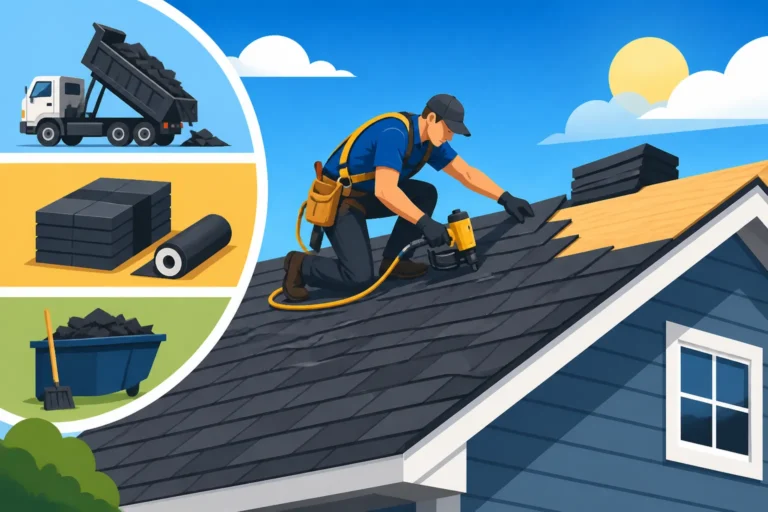
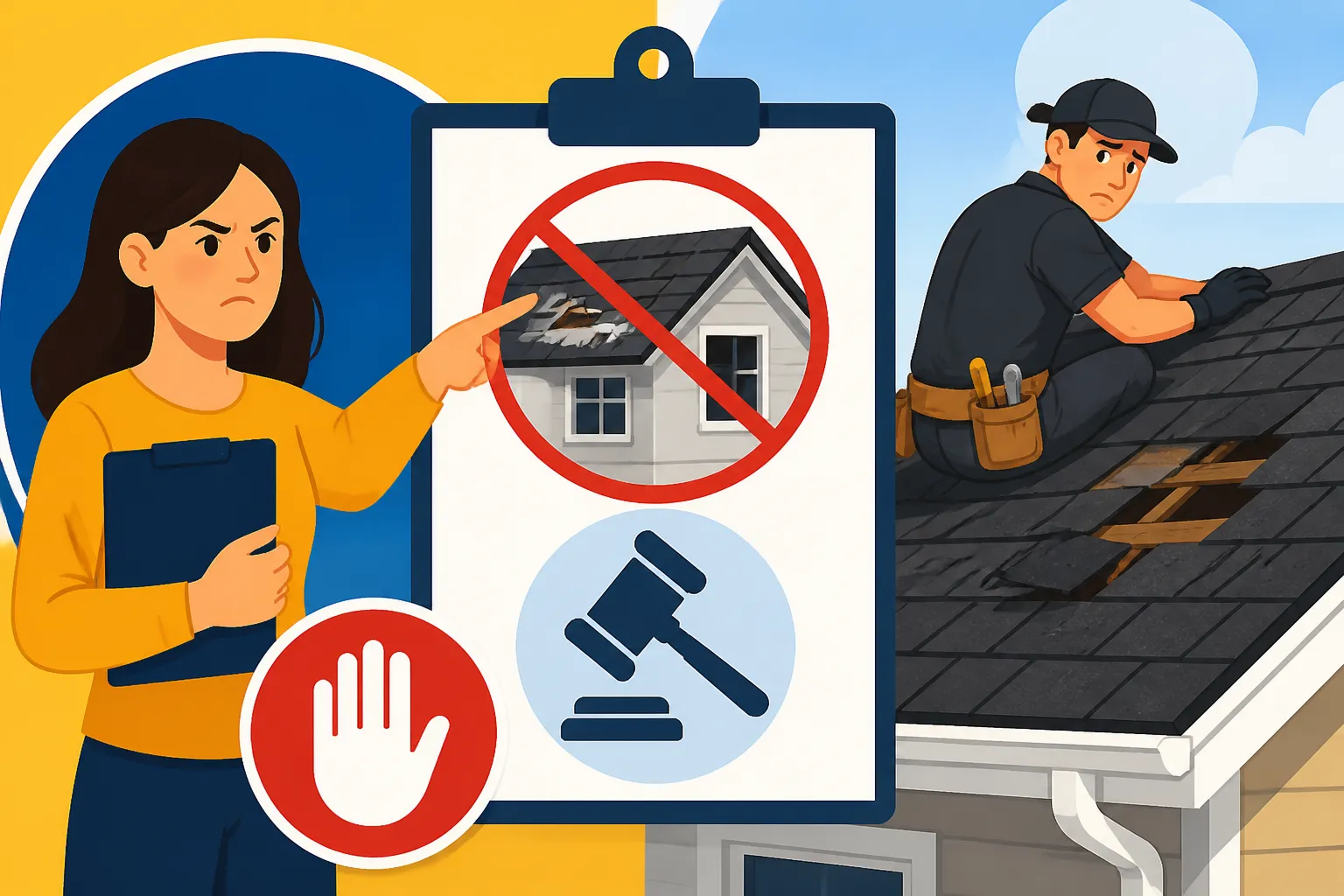
Perhaps the most common issue is poor workmanship. This can manifest in a variety of ways: shingles that aren't properly aligned or fastened, visible gaps, improper flashing around chimneys or vents, or even debris left embedded in the new roof. You might notice leaks shortly after installation, especially during a heavy rainstorm, which immediately tells you something went wrong with the waterproofing. This isn't just cosmetic; these issues can severely compromise your roof's integrity and lead to costly water damage inside your home down the line. It's a prime example of why getting a high-quality installation matters for the long-term health of your home.
Another huge source of frustration is project abandonment or significant delays without proper communication. Imagine your roof is halfway torn off, and then the crew simply disappears for days or weeks, leaving your home exposed to the elements. This is not only incredibly stressful but also puts your home at severe risk. Or perhaps the project drags on far longer than the agreed-upon timeline, causing disruption to your daily life and sometimes affecting other scheduled home improvements. These types of delays often point to poor project management or overbooking by the contractor.
Then there are the financial discrepancies. This could involve being charged for materials not used, an unexpected surge in the final price that wasn't justified by a change order, or demands for payments that don't align with the agreed-upon schedule. For instance, if a contractor demands a substantial portion of the payment upfront, far exceeding a reasonable deposit, that's a major red flag, especially if they haven't ordered materials yet. Similarly, if they try to tack on charges for items that were clearly outlined in the original scope of work, you have every right to question it. Understanding the nuances of How to Read and Compare Roofing Estimates can empower you to spot these issues early.
Documenting the Problem Thoroughly
Before you even think about picking up the phone to complain, your absolute best defense is meticulous documentation. This isn't about being overly critical; it's about protecting yourself and providing clear, irrefutable evidence should the dispute escalate. Think of yourself as building a case, even if you hope it never goes beyond an initial conversation.
Start with photographs and videos. Capture every angle of the problematic areas. If there's a leak, show the water damage inside your home, then go up on the roof (safely, or have a professional do it) and photograph the suspected source. Take pictures of any visible defects in the shingles, flashing, or gutters. If the work is unfinished, photograph the incomplete state. Make sure your photos are date-stamped if possible, or keep a log of when they were taken. These visual records are incredibly powerful and often speak louder than words when trying to convey the extent of an issue.
Equally important are all your written communications. This includes the original contract, any change orders, invoices, payment receipts, emails, and even text messages. These documents form the backbone of your agreement with the contractor and will show exactly what was promised and what was delivered (or not delivered). If you've had verbal conversations, follow them up with an email summarizing what was discussed and agreed upon. For example, "Following our call today, I understand you will be sending a crew out next Tuesday to address the missing shingles near the ridge vent. Please confirm." This creates a paper trail and holds both parties accountable.
Maintain a detailed log of all interactions. This log should include the date, time, who you spoke with, what was discussed, and any agreed-upon next steps. If a crew was supposed to show up and didn't, note it. If they promised a call-back and didn't deliver, note it. This timeline helps to establish a pattern of behavior, especially if there are issues with responsiveness or follow-through. It paints a clear picture of the sequence of events and can be invaluable if you need to escalate your complaint to a regulatory body.
Initial Steps to Resolve Disputes Directly with Your Roofer
Before involving outside parties, your first and often most effective course of action is to try and resolve the dispute directly with the contractor. Many issues can be a result of miscommunication or an oversight, and a reputable roofer will want to address and fix problems to maintain their reputation. It’s a process of respectful but firm communication.
Direct Communication and Negotiation
When things go wrong, it's easy to get emotional, but approaching the conversation calmly and professionally will yield the best results. Schedule a meeting or a detailed phone call with the contractor, preferably the owner or project manager. Come prepared with all your documentation – your photos, videos, and communication logs. This isn't just about venting; it's about presenting a clear, evidence-backed case.
Start by clearly articulating the problem. Use specific examples rather than vague complaints. Instead of saying, "Your work is terrible," say, "The flashing around the chimney is incorrectly installed, allowing water to penetrate, as shown in these photos from August 15th." Refer back to your contract if the issue directly contradicts a term or specification agreed upon. State what you expect as a resolution – whether it’s a repair, a partial refund, or completion of unfinished work. Be open to their proposed solutions, but don't feel pressured to accept anything less than what's fair and reasonable. Remember, a good contractor will want to make things right, not just argue. Sometimes, simply having a calm, documented conversation can resolve issues without further escalation, saving everyone time and stress.
If initial conversations don't lead to a resolution, consider sending a formal written complaint via certified mail. This letter should summarize the problem, reference specific sections of your contract, detail your previous attempts to resolve the issue, and state your desired resolution along with a reasonable deadline for response or action. Certified mail provides proof that the letter was received, which can be crucial evidence if you need to take further action. Keep a copy of everything you send.
Reviewing Your Contract and Warranty
Your contract is more than just a piece of paper; it's the legal agreement outlining the responsibilities of both you and the contractor. Before any serious dispute resolution, you need to thoroughly review it. Look for clauses related to workmanship, timelines, payment schedules, and dispute resolution. Does it specify the quality of materials or the installation methods to be used? A detailed contract will lay out expectations clearly. If the contractor failed to meet these, you have a strong basis for your complaint.
Equally important is understanding your roofing warranty. There are typically two types: the manufacturer's warranty, which covers the materials themselves (like the shingles), and the contractor's workmanship warranty, which covers the quality of the installation. For instance, if you had CertainTeed shingles installed, their warranty would cover defects in the shingle product, while your roofer's warranty would cover if they were installed incorrectly. Many reputable contractors offer a warranty on their labor, often for several years. This is where issues like leaks due to improper nailing or flashing would fall. If your contract doesn't clearly outline these warranties, it's a red flag. Knowing the specifics of Roofing Warranty: Workmanship vs Manufacturer is essential. If your problem is covered by a warranty, clearly state this when communicating with the contractor. This puts the onus on them to honor their commitment, often outlined in the contract you both signed.
Formal Avenues for Filing a Complaint
When direct communication falters or fails to produce a satisfactory outcome, it's time to explore formal complaint channels. These bodies exist to protect consumers and regulate industries, and they can often bring the necessary pressure to bear on an uncooperative contractor.
State Licensing Boards and Regulatory Agencies
For licensed contractors, one of the most powerful avenues for a complaint is the state licensing board or equivalent regulatory agency. Most states require roofing contractors to be licensed, and these licenses come with specific requirements regarding competency, financial responsibility, and adherence to ethical business practices. In states like Florida or California, where strict licensing is enforced, the Construction Industry Licensing Board or the Contractors State License Board can be a significant resource.
When you file a complaint with a licensing board, you’re essentially asking them to investigate whether the contractor violated any state laws or regulations related to their license. This could include gross negligence, poor workmanship, abandonment of a project, or even taking excessive upfront payments without providing services. The board has the power to mediate disputes, impose fines, or, in severe cases, suspend or revoke a contractor's license. This potential consequence often provides a strong incentive for contractors to resolve issues that they might otherwise ignore. You'll need to provide all your documentation, just as you would for direct negotiation. Each state has different requirements, so a quick web search for "Roofing License Requirements in [Your State]" will give you specific details for your area. For example, Roofing License Requirements in Texas differ from those in Roofing License Requirements in Florida, so be sure to check your local regulations.
Consumer Protection Agencies and BBB
Beyond licensing boards, several consumer protection organizations can assist. The Attorney General's office in your state often has a consumer protection division that handles complaints against businesses. They might not directly mediate every dispute, but they can collect complaints, investigate patterns of misconduct, and sometimes take legal action on behalf of consumers or groups of consumers. Filing a complaint with them adds to a public record, which can impact a contractor's reputation and potentially trigger broader investigations if many complaints are filed against the same business.
The Better Business Bureau (BBB) is another well-known resource for consumer complaints. While not a government agency, the BBB is a non-profit organization that rates businesses based on factors like customer service, complaint history, and honesty in advertising. Filing a complaint with the BBB creates a public record of your issue and allows the contractor an opportunity to respond and resolve it. Many consumers check BBB ratings before hiring, so contractors often have a strong incentive to resolve complaints amicably to maintain a good rating. The BBB's mediation services can also be quite effective in facilitating a resolution. When researching contractors, many homeowners look to services like Modernize to find reputable professionals, often cross-referencing with BBB ratings.
Utilizing Online Review Platforms and Mediation Services
In today's digital age, online review platforms carry significant weight. Websites like Google Reviews, Yelp, Angie's List (now Angi), and HomeAdvisor allow customers to share their experiences, both good and bad. While posting a negative review should typically be a last resort after attempting other avenues, it can be a powerful tool for resolution. Many contractors actively monitor these platforms, as their online reputation directly impacts their ability to attract new business. A well-documented, factual review detailing your experience can sometimes prompt a contractor to finally address your concerns, especially if they see their rating taking a hit.
However, be cautious: keep your reviews factual, avoid overly emotional language, and stick to the verifiable details of the dispute. Threatening a negative review to extort a specific outcome is generally unethical and can backfire. The goal is to inform future consumers and apply legitimate pressure for a resolution, not to engage in defamation.
Beyond public reviews, some platforms or professional organizations offer mediation services. These services provide a neutral third party to facilitate communication and help both sides reach a mutually agreeable solution. This can be less adversarial and costly than legal action, and a mediator can help clarify misunderstandings and explore creative solutions that might not have been apparent to either party. Companies like Modernize often connect homeowners with vetted contractors, which can preemptively reduce the likelihood of needing to file a complaint in the first place, but if an issue arises, their support might include avenues for dispute resolution or advice on how to proceed.
Legal Options and When to Consider Them
When all other avenues fail, or if the damages are substantial, legal action might be your only recourse. This path can be more complex and costly, so it's important to understand your options and when they are appropriate.
Small Claims Court and Arbitration
For disputes involving a monetary amount below a certain threshold (which varies by state, often ranging from $5,000 to $10,000 or even higher in some areas like California, up to $12,500), small claims court can be an accessible and relatively inexpensive option. You typically don't need a lawyer, and the process is designed to be straightforward for individuals. In small claims court, you present your case and evidence to a judge or magistrate, and the contractor does the same. The judge then makes a ruling.
The main advantages of small claims court are its lower cost and simplified procedures compared to traditional litigation. It can be a powerful tool for recovering financial losses related to poor workmanship, unfulfilled contracts, or minor damages. However, there are limitations. Even if you win, collecting the judgment can sometimes be challenging, especially if the contractor is uncooperative or financially unstable. You’ll need to do your homework on How to Choose a Roofing Contractor to avoid these kinds of situations where you might have to chase down a judgment.
Arbitration, on the other hand, is a process where both parties agree to have a neutral third-party arbitrator hear their case and make a binding decision. Sometimes, arbitration clauses are included in the original contract, meaning you implicitly agreed to this method of dispute resolution when you signed. Arbitration can be faster and less formal than court, and the decisions are often final, meaning you can't usually appeal them. While it can be more expensive than small claims court, it might be a more efficient path for larger disputes if both parties are willing to engage.
Consulting with a Legal Professional
If the dispute involves significant financial loss, complex legal issues, or if the contractor is refusing to engage in any form of resolution, it’s absolutely time to consult with an attorney. A lawyer specializing in construction law or consumer protection can assess the strength of your case, advise you on the best course of action, and represent your interests. They can help you understand the intricacies of contractor liens, contractual breaches, and potential damages you could recover.
For example, if the contractor caused significant damage to your home, like structural issues or extensive water damage, or if the cost to remedy the poor work far exceeds the small claims limit, a lawyer can guide you through the process of filing a lawsuit. They can help gather additional evidence, interview witnesses, and navigate the formal court system. While legal fees can be a concern, many attorneys offer initial consultations at a reduced rate or for free, which can help you understand your options and the potential costs involved before committing. Sometimes, a strongly worded letter from an attorney is all it takes to prompt a difficult contractor into action. This step is usually the most serious and should only be considered after all other attempts at resolution have been exhausted.
Preventing Future Roofing Contractor Issues
The best way to deal with a complaint is to avoid having one in the first place. Proactive measures and careful planning can significantly reduce your risk of encountering problems with roofing contractors.
Due Diligence Before Hiring
Choosing the right roofing contractor is paramount. This isn't a decision you should rush into, no matter how urgent your roofing needs might seem. Start by asking for recommendations from friends, family, and neighbors who have recently had roofing work done. Personal referrals are gold because they come with firsthand experience. Beyond that, use online platforms and professional organizations. This is where services like Modernize really shine, as they can help connect you with pre-vetted, local professionals who have a track record of good service.
Always verify the contractor's credentials. Ensure they are properly licensed in your state (if required), bonded, and insured. "Licensed and insured roofers: Why It Matters" cannot be overstated. A licensed contractor has demonstrated a certain level of competency, and adequate insurance (liability and worker's compensation) protects you from financial responsibility if there's an accident or damage to your property during the job. Ask for proof of insurance and call their insurance carrier to verify coverage. Also, check their track record with the BBB and other review sites. Look for consistent positive reviews, but also pay attention to how they respond to any negative feedback – a willingness to address issues professionally can be a good sign. Be wary of Roofing Contractor Red Flags to Avoid, such as contractors who pressure you for quick decisions or demand large upfront payments.
Gather at least three detailed estimates from different contractors. Don't just compare the bottom line; scrutinize what each estimate includes. Are they using similar materials? Do they specify the full scope of work, including tear-off, underlayment, flashing, ventilation, and cleanup? Understanding the Cost to Replace a Roof by House Size can help you determine if an estimate is wildly out of line. Compare warranties offered for both materials and labor. This process of getting multiple bids helps you understand the fair market price and the different approaches contractors might take to your project.
Understanding Your Roofing Contract
Before you sign anything, read the contract thoroughly. This document is your protection and outlines every detail of the agreement. It should specify the exact materials to be used, including the brand, type, and color of shingles (e.g., GAF Timberline HDZ or Owens Corning Duration), the type of underlayment, and all other components of the roofing system. It should also clearly define the scope of work, detailing everything from tear-off and disposal to the installation of new flashing, drip edge, and ventilation. Make sure it includes provisions for protecting your property during the job and thorough cleanup afterward.
The payment schedule is another critical component. It should clearly outline the total cost, the amount of the initial deposit (which should typically be reasonable, often 10-30%), and milestone payments tied to completed work, rather than just arbitrary dates. Avoid contractors who demand 50% or more upfront, as this is a common tactic for less scrupulous businesses. A clear Roofing Deposit: How Much Is Normal and payment structure helps protect your financial investment. Finally, ensure the contract specifies start and completion dates, and what happens in case of delays. Understanding what to look for in your Roofing Contract: What to Look For will equip you with the knowledge to protect your interests. If anything in the contract is unclear, don't hesitate to ask for clarification or even have a legal professional review it before you put your signature on the dotted line.
| Complaint Resolution Pathway | Initial Action | Required Documentation | Potential Outcome | Pros | Cons |
|---|---|---|---|---|---|
| Direct Communication | Phone call, meeting, formal letter | Contract, photos, videos, communication log | Resolution, repair, partial refund | Quick, informal, preserves relationship | No leverage if contractor is uncooperative |
| State Licensing Board | File formal complaint via their website/mail | Contract, photos, communication log, letter of demand | Investigation, mediation, fines, license suspension/revocation | High leverage, government-backed | Can be slow, outcome not guaranteed |
| Consumer Protection Agency / Attorney General | File formal complaint online/mail | Contract, photos, communication log, letter of demand | Public record, investigation, potential legal action | Adds pressure, helps identify patterns of fraud | May not directly mediate individual disputes |
| Better Business Bureau (BBB) | File formal complaint online | Contract, photos, communication log | Mediation, public record, contractor rating impact | Contractor incentive to resolve, non-profit assistance | Not a government agency, resolutions are voluntary |
| Online Review Platforms | Post factual, detailed review | Photos, contract details | Public pressure, contractor incentive to address | Can be quick and impactful | Must be factual, avoid defamation, can be seen as aggressive |
| Small Claims Court | File a claim with local court | Contract, all evidence, repair estimates | Binding court judgment for monetary damages | Relatively inexpensive, no lawyer needed, binding decision | Collecting judgment can be difficult, limited monetary caps |
| Legal Counsel / Lawsuit | Consult with attorney | All documentation, expert reports | Lawsuit, settlement, court judgment, arbitration | Highest leverage, can recover significant damages | Expensive, time-consuming, stressful |
Disclaimer
Please remember that this article provides general information and guidance. Roofing regulations, licensing requirements, and legal processes can vary significantly by state and local jurisdiction. It is always recommended to consult with local authorities, a legal professional, or relevant consumer protection agencies for advice specific to your situation.