Cost to Replace Roof Decking and Shingles
Facing the daunting prospect of a new roof can be overwhelming, especially when you discover it's not just the shingles that need replacing, but the underlying roof decking too. This often brings with it a whole new set of worries about unexpected costs and project complexities. This comprehensive guide is here to demystify the cost of replacing both your roof decking and shingles, helping you understand every factor involved so you can approach your roofing project with confidence and a clear budget in mind.
Understanding Why Both Decking and Shingles Need Replacement
It's common for homeowners to think of a roof replacement as simply swapping out old shingles for new ones. But sometimes, especially after a severe storm or if your roof has been neglected for years, the damage runs much deeper than just the visible surface. When the structural integrity of your roof deck is compromised, replacing just the shingles would be like putting a fresh coat of paint on a crumbling wall – it looks good for a moment, but the underlying problem persists and will eventually lead to bigger headaches and expenses.
When Shingles Alone Aren't Enough
There are several scenarios where a roofing contractor will recommend replacing both the shingles and the decking. The most common culprit is water damage. If your roof has suffered from leaks for an extended period, that moisture can seep through the underlayment and begin to rot or delaminate the plywood or OSB decking beneath. You might not see the damage from the ground, but up close, a seasoned roofer will spot spongy areas, discoloration, or even holes. Hail damage can also be severe enough to crack the decking, especially if the impact was significant. Additionally, improper attic ventilation can lead to moisture buildup, which, over time, can cause the decking to warp or sag. If a contractor spots any of these issues, replacing only the shingles would be a temporary fix, leaving you vulnerable to future leaks and structural problems.
The Interconnectedness of the Roof System
Think of your roof as a complete system, where every component plays a vital role. The shingles are your primary line of defense against the elements, but they rely on a sound base to do their job effectively. Beneath the shingles, you have the underlayment, which acts as a secondary moisture barrier. And beneath that is the roof decking, the structural sheathing that provides the surface for everything else to be fastened to. If the decking is weak, soft, or damaged, it won't properly hold nails, making your new shingles susceptible to wind uplift and premature failure. It also won't provide a smooth, stable surface, which can lead to aesthetic issues like wavy shingles or even compromised shingle warranties. A robust roof system requires all its parts to be in excellent condition, ensuring longevity and optimal performance.
Breaking Down the Costs: Shingles First
When it comes to the cost of a new roof, the shingles themselves are often the most visible and easily understood component of the material budget. However, even within asphalt shingles, there's a significant range of options and price points that can greatly influence your final bill.
Material Choices and Their Impact
Asphalt shingles come in a few main types, each with its own aesthetic, durability, and cost.
- 3-Tab Shingles: These are the most economical option, characterized by their flat, single-layer appearance with three tabs. They typically offer a basic level of protection and come with a shorter warranty, often 20-25 years. The cost to replace a roof with 3-tab shingles will be the lowest, usually ranging from $75 to $120 per square (a "square" is 100 square feet of roofing material). While budget-friendly, they don't offer the visual depth or wind resistance of higher-end options.
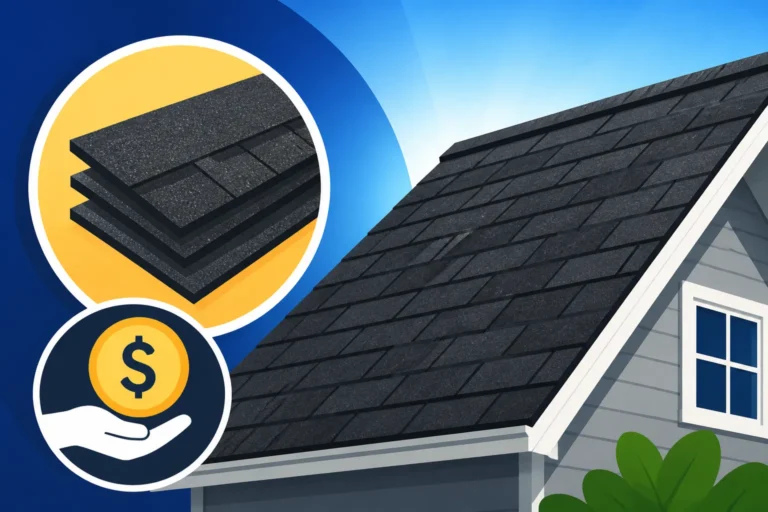
- Architectural (Laminate or Dimensional) Shingles: These are by far the most popular choice today. They are multi-layered, creating a thicker, more dimensional look that mimics natural wood shakes or slate. They offer improved durability, better wind resistance, and longer warranties, typically 30-50 years, with some even offering lifetime limited warranties. The cost of architectural shingles per square generally falls between $100 and $200. Brands like GAF Timberline HDZ and Owens Corning Duration are popular choices in this category. For many homeowners, the enhanced curb appeal and performance make the slight increase in cost well worth it.
- Designer (Luxury) Shingles: At the high end of the asphalt shingle spectrum, designer shingles offer premium aesthetics and often enhanced performance features. They are even thicker and heavier than architectural shingles, designed to replicate natural slate or cedar shakes with incredible realism. These often come with advanced features like impact resistance (Class 4 shingles) or cool roof technology, which can even qualify you for insurance discounts or energy rebates. Expect to pay anywhere from $200 to $400+ per square for these luxury options. While the initial investment is higher, the superior durability and striking appearance can significantly boost your home's value and curb appeal. To understand more about the differences, check out our guide on 3-Tab vs Architectural Shingle Cost Compared.
Labor Costs for Shingle Installation
Beyond the materials, the labor involved in installing shingles is a significant portion of your total project cost. Roofing labor costs can fluctuate based on several factors. The complexity of your roof (multiple angles, dormers, skylights), its pitch (a steep roof is more challenging and dangerous to work on), and the number of stories your home has will all impact how much roofers charge per hour or per square. A simple, low-slope ranch home will naturally be less labor-intensive than a multi-story house with a steep, intricate roofline. Regional labor rates also play a huge role; a crew in a high cost-of-living area like Southern California or New York will charge more than one in a lower cost area like the Midwest. On average, you can expect shingle installation labor to range from $70 to $150+ per square, depending on these variables.
The Core of the Problem: Roof Decking Replacement Costs
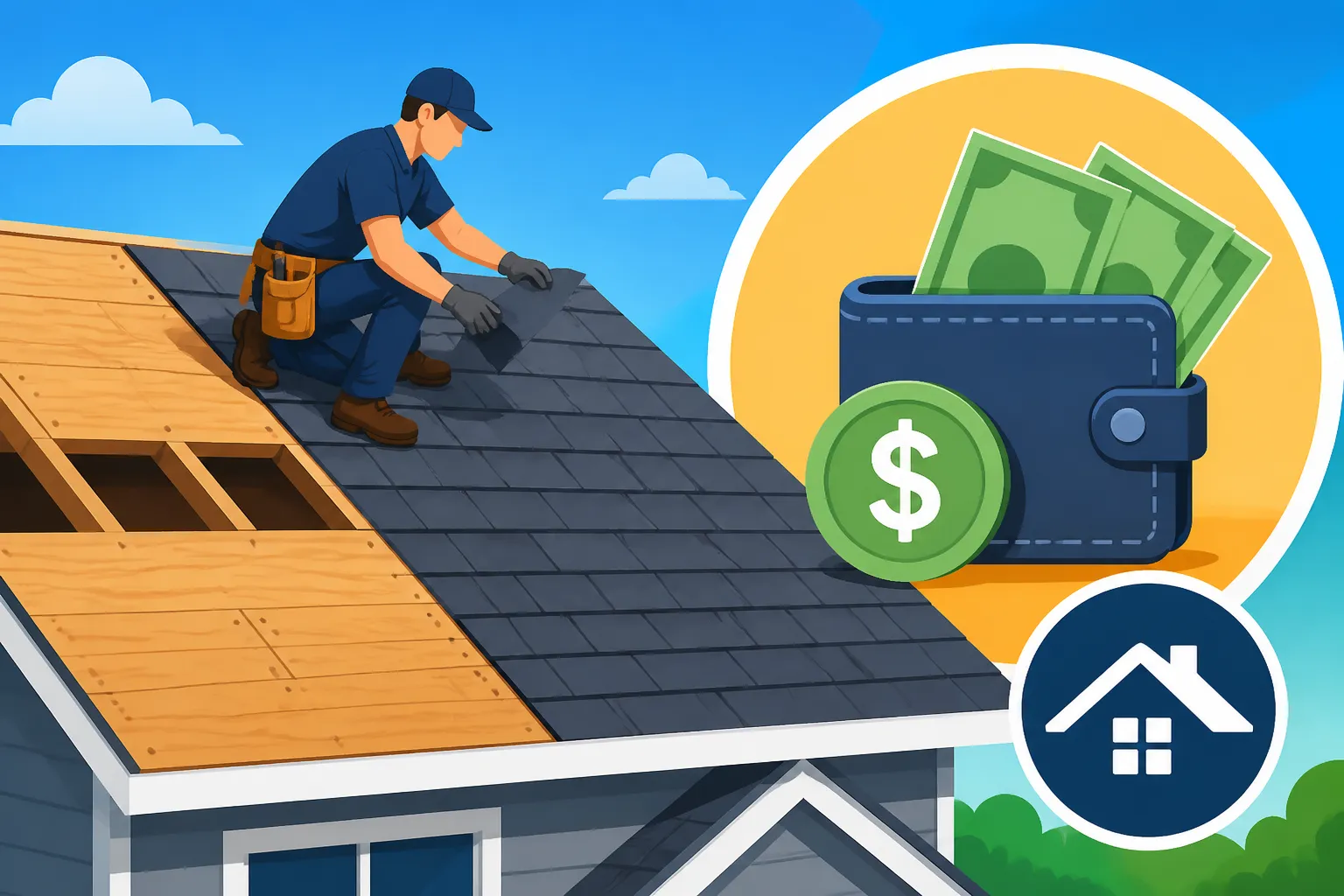
When your roof decking is compromised, it adds a whole new layer of complexity and cost to your roofing project. This isn't just about replacing a few damaged boards; it often involves a significant amount of demolition and rebuilding work.
Identifying Damaged Decking
Before any new materials go on, your contractor will perform a thorough inspection of the existing roof deck after the old shingles and underlayment have been removed. They’ll be looking for several key signs of damage:
- Rot or Deterioration: This is often visible as dark, discolored areas, especially around valleys, chimneys, skylights, or wherever water has pooled or leaked. Rotted wood will be soft and spongy when poked, sometimes crumbling entirely.
- Warping or Sagging: If the decking boards aren't lying flat and true, or if there are noticeable dips or bows in the roof plane, it indicates moisture damage or structural weakening. This can also manifest as nail pops or wavy shingles on your old roof.
- Delamination: For plywood or OSB, continuous exposure to moisture can cause the layers to separate, weakening the board.
- Holes or Missing Sections: Severe impact from hail or falling debris might create actual holes in the decking, or during tear-off, sections might simply disintegrate due to extreme rot.
- Pest Damage: Termites, carpenter ants, or other wood-boring insects can cause significant structural damage to roof decking, often leaving behind tunnels or frass.
When these issues are present, the damaged sections must be cut out and replaced with new, sound decking to ensure a stable and secure foundation for your new roof system. Ignoring these issues would be a grave mistake, leading to premature failure of your new roof and potential structural issues for your entire home.
Plywood vs. OSB and Cost Implications
The two most common materials used for roof decking are plywood and Oriented Strand Board (OSB). Both are engineered wood products, but they have distinct characteristics and cost implications.
- Plywood: Made from thin layers of wood veneer glued together, plywood is known for its strength and durability. It holds fasteners well and is generally more resistant to moisture damage and warping than OSB, though it can still be compromised. Plywood typically costs more, ranging from $30 to $60 per 4×8 sheet.
- OSB (Oriented Strand Board): Composed of wood strands arranged in specific directions and bonded with resins, OSB is a popular, more economical choice. It's usually denser and heavier than plywood and offers a good balance of strength and cost-effectiveness. However, OSB can be more susceptible to swelling and delamination if exposed to prolonged moisture, making quality installation critical. OSB sheets often run from $25 to $50 per 4×8 sheet.
The choice between plywood and OSB often comes down to budget, regional availability, and local building codes. Your contractor will typically use whatever is standard in your area and meets code requirements. The cost of roof decking replacement can significantly increase your overall budget, often adding $40 to $80 per 4×8 sheet installed, which includes both the material and the labor to cut out and replace the old decking. On a 2,000 square foot roof, if 25% of the decking needs replacement, that's roughly 16 sheets, adding $640 to $1,280 to your project, purely for decking materials and labor.
Factors Affecting Decking Labor Costs
Replacing roof decking is labor-intensive work, and several factors influence the cost:
- Extent of Damage: Naturally, replacing a few sheets is far less costly than a complete decking overhaul. The more widespread the damage, the more time and materials will be required.
- Accessibility: If the damaged areas are hard to reach, or if the roof has a very steep pitch, it will slow down the crew and increase labor hours. Multi-story homes also present additional challenges and safety considerations, leading to higher labor costs.
- Tear-Off Complexity: Removing existing damaged decking can be tricky. Sometimes, it's just a matter of prying up a few nails, but if the wood is severely rotted, it can disintegrate, making removal more challenging and requiring careful handling to prevent debris from falling into the attic.
- Disposal: Old, damaged decking needs to be disposed of, and this adds to the overall project cost, typically rolled into the tear-off and disposal fees.
Considering all these, the labor component for decking replacement often ranges from $30 to $60 per sheet, in addition to the material cost itself. This is why getting a transparent estimate that clearly breaks down these potential costs is crucial.
Additional Cost Factors Beyond Materials and Basic Labor
While shingles and decking are major cost drivers, a complete roof replacement involves many other components and services that contribute to the final price. Overlooking these can lead to unpleasant surprises when the final bill arrives.
Tear-Off and Disposal
You can't put a new roof over a severely damaged one, or one with compromised decking. The first step in almost any comprehensive roof replacement is the tear-off: removing all the old shingles, underlayment, flashing, and any damaged decking down to the bare rafters or existing sound decking. This is a messy, labor-intensive process, and the debris needs to be hauled away.
The cost of roof tear-off and disposal depends on several factors:
- Number of Layers: If your existing roof has multiple layers of shingles (which is sometimes done as a cost-saving measure if allowed by code), the tear-off becomes more involved and costly. Removing two layers of shingles will naturally cost more than removing a single layer. Many areas now limit the number of shingle layers, making a full tear-off often mandatory.
- Weight and Material: Asphalt shingles are heavy, and the more material that needs to be removed, the higher the disposal fees for the dumpster and landfill.
- Accessibility: Just like shingle installation, difficult-to-access roofs or those with a steep pitch can increase tear-off labor costs.
On average, expect tear-off and disposal to add anywhere from $1.50 to $5.00 per square foot to your project, which can add up significantly. For a typical 2,000 sq ft roof, this could be an additional $3,000 to $10,000. It's a non-negotiable part of a proper roof replacement.
Underlayment, Flashing, and Ventilation
These "behind-the-scenes" components are critical for your roof's long-term performance and protection, yet their costs are often bundled or underestimated.
- Underlayment: This is the waterproof barrier installed directly over the decking, beneath the shingles. Traditional felt paper is a budget-friendly option, but synthetic underlayment has become the industry standard for its superior tear resistance, durability, and moisture protection. Some premium synthetic options also act as a secondary water barrier. You'll also need ice and water shield in vulnerable areas like eaves, valleys, and around penetrations, especially in colder climates prone to ice dams. The cost of underlayment, including basic synthetic and ice & water shield, typically ranges from $0.50 to $2.00 per square foot.
- Flashing: Critical for preventing leaks around vulnerable areas, flashing consists of metal pieces (usually aluminum or galvanized steel) installed around chimneys, skylights, vents, and wall intersections. Replacing old, corroded, or improperly installed flashing is a must for a watertight seal. The cost can vary widely depending on the number of penetrations and the complexity of the flashing work, usually ranging from $300 to $1,000+ for a standard home.
- Ventilation: Proper attic ventilation is paramount for extending your roof's lifespan and maintaining comfortable indoor temperatures. It helps remove hot, moist air in summer and prevents moisture buildup in winter. This often involves installing ridge vents along the peak of the roof and soffit vents at the eaves. If your current ventilation system is inadequate, upgrading it will be an additional cost, but it's an investment that pays off in energy savings and roof longevity. Costs for ventilation upgrades can range from $200 to $1,000 or more, depending on the type and extent of work needed. You can learn more about the importance of proper ventilation in our article on How Roof Ventilation Works.
Roof Pitch, Size, and Complexity
These structural characteristics of your home's roof are fundamental cost drivers.
- Roof Pitch: The steepness of your roof directly impacts labor costs. A low-slope roof (easy to walk on) is less dangerous and quicker to work on. A steep roof, however, requires more safety equipment, slower work, and specialized techniques, incurring a significant "steep roof cost premium." Roofs with a pitch above 6/12 (meaning it rises 6 inches for every 12 inches of horizontal run) are often considered steep.
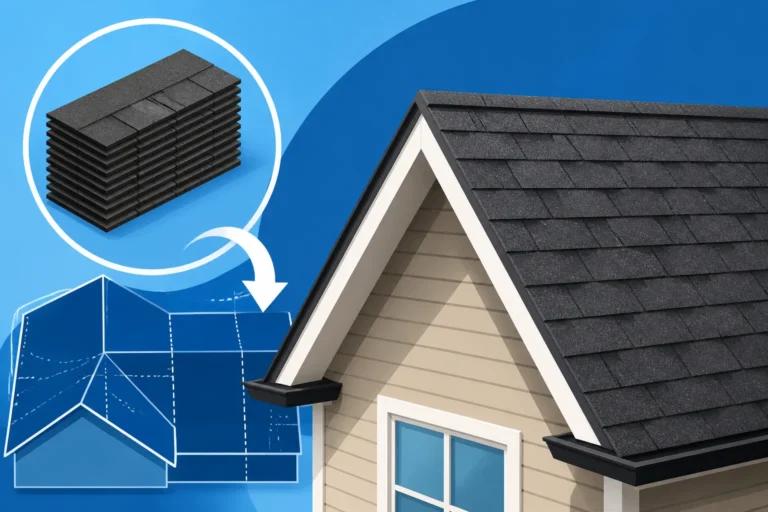
- Roof Size: This is straightforward – a larger roof requires more materials and more labor, thus costing more. Roof sizes are typically measured in "squares" (100 square feet). Understanding your roof's square footage is key to getting accurate estimates for your Roof Cost Per Square: What You'll Pay.
- Roof Complexity: A simple gable roof (two flat slopes meeting at a ridge) is the easiest and cheapest to roof. But if your roof has multiple valleys, hips, dormers, skylights, or intricate angles, each of these features adds complexity, requires more cutting of shingles, more flashing, and more skilled labor, all of which drive up the cost.
The Total Investment: An Example Breakdown
Understanding these individual components is one thing, but seeing how they come together in a real-world scenario can be truly helpful for budgeting. Keep in mind these are averages, and your specific project costs will vary.
Hypothetical Scenario: A 2,000 Sq Ft Roof
Let's imagine you own a single-story home with a moderately complex roof that's roughly 2,000 square feet (20 squares) with a moderate pitch. After a severe hail storm, your shingles are damaged, and upon inspection, the contractor finds significant water damage requiring replacement of about 25% of the roof decking.
Here's a potential cost breakdown:
| Component | Estimated Cost (Low End) | Estimated Cost (High End) | Notes |
|---|---|---|---|
| Shingles (Architectural) | $2,000 (20 squares @ $100/sq) | $4,000 (20 squares @ $200/sq) | Quality architectural shingles like GAF Timberline or Owens Corning Duration. |
| Shingle Installation Labor | $1,400 (20 squares @ $70/sq) | $3,000 (20 squares @ $150/sq) | Includes basic shingle laying. |
| Roof Decking Material | $500 (16 sheets @ $30/sheet) | $960 (16 sheets @ $60/sheet) | For 25% decking replacement (approx. 16 sheets for 2,000 sq ft). Assumes mixed plywood/OSB. |
| Roof Decking Labor | $480 (16 sheets @ $30/sheet) | $960 (16 sheets @ $60/sheet) | Labor to remove old, install new decking. |
| Tear-Off & Disposal | $3,000 ($1.50/sq ft) | $10,000 ($5.00/sq ft) | Assumes removal of one layer of shingles and damaged decking, including dumpster and haul-away. |
| Underlayment & Ice/Water | $1,000 ($0.50/sq ft) | $4,000 ($2.00/sq ft) | Synthetic underlayment, ice and water shield in vulnerable areas. |
| Flashing & Drip Edge | $500 | $1,500 | Chimney, vent pipes, valleys, wall flashing, and perimeter drip edge. |
| Roof Ventilation | $200 | $1,000 | Ridge vents and necessary soffit vents. |
| Permits & Inspections | $150 | $500 | Local building permits and required inspections. |
| Contingency (10-15%) | $923 | $2,781 | For unforeseen issues, minor repairs, or additional materials. |
| TOTAL ESTIMATED COST | $10,153 | $24,701 | Note: These figures are general estimates. Your actual costs will vary based on location, contractor, and specific materials. |
As you can see, the range is quite broad. This example highlights why getting detailed estimates from several reputable contractors is absolutely essential. A good contractor, like those found through services like Modernize, will provide a transparent breakdown of these costs.
How Location and Time of Year Influence Pricing
Where you live can have a massive impact on your roof replacement cost. Areas with higher costs of living, stricter building codes (e.g., hurricane-prone Florida or hail-prone Texas requiring impact-resistant shingles), or regions with limited skilled labor will naturally see higher prices. For example, the Asphalt Roof Replacement Cost in California might be considerably higher than in a state like Ohio, simply due to economic and regulatory differences.
The time of year can also influence pricing. Roofing contractors are often busiest during late spring, summer, and early fall when the weather is most favorable. During these peak seasons, demand is high, and contractors might charge a bit more due to their busy schedules. If you live in a milder climate, scheduling your roof replacement during the "off-season" (late fall or early spring) when contractors might have more availability could potentially lead to slightly more competitive pricing. However, be aware that extreme cold or heat can also complicate installation and sometimes incur a slight premium or specialized installation techniques.
Smart Strategies to Manage Your Roof Replacement Budget
Replacing a roof, especially one that includes decking, is a significant financial undertaking. It's an investment in your home's protection and value, but that doesn't mean you shouldn't be smart about how you spend your money.
Getting Multiple Estimates
This is perhaps the single most important piece of advice for any major home renovation project. Never settle for the first estimate you receive. Contact at least three to five reputable, licensed, and insured roofing contractors in your area. Make sure each contractor inspects your roof thoroughly and provides a detailed written estimate that breaks down material costs, labor for shingles, labor for decking, tear-off and disposal fees, and all other components like underlayment, flashing, and ventilation.
Comparing estimates isn't just about finding the lowest price; it's about comparing the scope of work, material quality, warranty offerings, and the contractor's reputation. A significantly lower bid might indicate shortcuts or a lack of proper insurance, which could cost you more in the long run. Use a service like Modernize to connect with pre-screened contractors who understand the nuances of a roof replacement project. They can help you compare bids effectively, ensuring you're getting a fair price for quality work. Always ask plenty of questions, such as "What a Roofing Estimate Should Include" to ensure transparency.
Understanding Warranties and Long-Term Value
A roof replacement isn't just about immediate cost; it's about long-term value. Don't let a lower upfront cost compromise the longevity and warranty of your new roof. There are two main types of warranties to consider:
- Manufacturer Warranty: This covers the materials themselves (the shingles, underlayment, etc.) against defects. Look for "system warranties" which cover all compatible components from a single manufacturer (e.g., GAF's Golden Pledge or Owens Corning's Platinum Protection). These often offer extended coverage and greater peace of mind, but typically require installation by a manufacturer-certified contractor.
- Workmanship Warranty: This covers the quality of the installation by your roofing contractor. A good contractor will offer at least a 5-10 year workmanship warranty, with some offering even longer.
Investing in high-quality architectural or designer shingles, even if they cost a bit more initially, can pay off with a longer lifespan, better wind resistance, and potentially lower home insurance premiums (especially for Class 4 impact-resistant shingles). This strategic thinking helps reduce your total cost of ownership over the life of the roof.
Exploring Financing and Insurance Options
The sticker shock of a full roof replacement, especially with decking involved, can be substantial. Fortunately, there are several ways to finance your project:
- Homeowners Insurance: If the need for decking and shingle replacement is due to storm damage (hail, wind, falling trees), your homeowners insurance policy might cover a significant portion, if not all, of the costs, minus your deductible. Document all damage thoroughly and contact your insurance provider as soon as possible. Understand what your policy covers regarding Does Insurance Cover Roof Replacement and the claims process.
- Home Equity Line of Credit (HELOC) or Home Equity Loan: These allow you to borrow against the equity in your home, often at competitive interest rates, making them a popular choice for major home improvements.
- Contractor Financing: Many roofing companies partner with lenders to offer financing options, sometimes with deferred interest or low-APR plans. While convenient, always compare these rates with other financing avenues.
- Personal Loan: For smaller projects or if you prefer not to use your home as collateral, a personal loan can be an option, though interest rates tend to be higher.
Don't let the immediate cost deter you from getting a necessary roof replacement. Explore all your options to find the most financially comfortable path forward.
Disclaimer
Please remember that the cost estimates and information provided in this guide are general averages. Actual costs can vary significantly based on your specific location, the complexity of your roof, the chosen materials, your contractor's rates, and current market conditions. Always obtain multiple detailed quotes from licensed and insured professionals before making any decisions.