Cost to Reroof a Cape Cod Home
It’s completely understandable to feel overwhelmed when thinking about reroofing your Cape Cod home. These charming houses, with their distinctive architectural features, often present unique challenges and cost considerations that differ from a standard ranch or colonial. This guide will meticulously break down the various factors that go into the cost of replacing the roof on a Cape Cod house, helping you budget accurately and understand what to expect.
Understanding the Unique Characteristics of a Cape Cod Roof
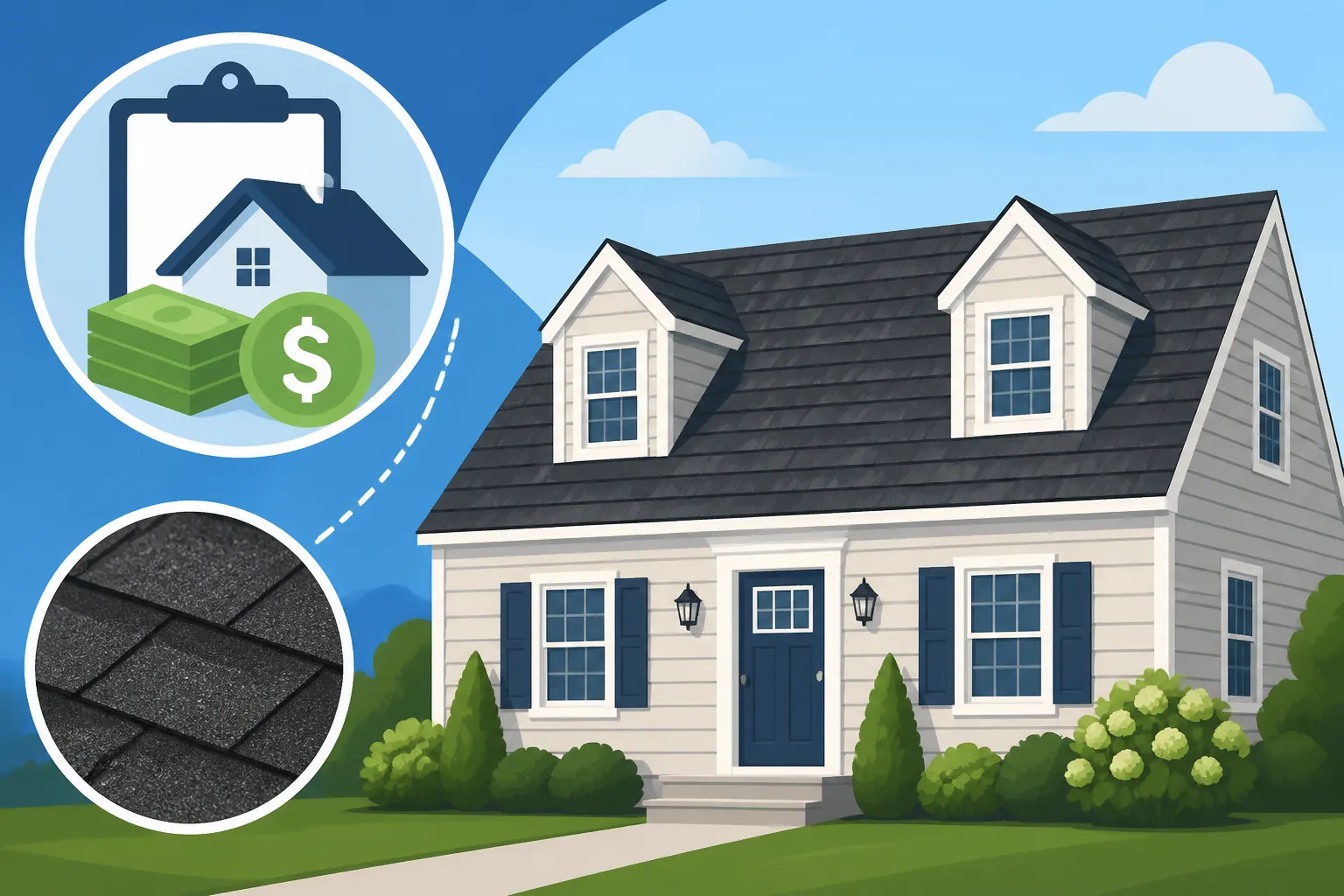
Cape Cod homes, with their classic New England charm, are known for their distinctive steep roofs and often picturesque dormers. While beautiful, these very features can significantly impact the complexity and cost of a roof replacement project. It's not just about square footage; it's about the unique geometry that requires specialized skill and time.
Common Roof Pitches and Shapes on Cape Cod Homes
Unlike homes with low-slope roofs, traditional Cape Cod homes typically feature a moderately to steeply pitched gable roof. This design is not only aesthetically pleasing but also functional, allowing snow to shed easily in colder climates. However, a steeper pitch means roofers spend more time on safety measures, require more specialized equipment, and work more slowly. Think about it: walking on a nearly flat surface is one thing; navigating a 8/12 or 10/12 pitch roof is another entirely. This "steep roof cost premium" isn't just a fancy term; it's a real factor that adds to labor expenses because of the increased hazard and effort involved.
Furthermore, many Cape Cods have a simple rectangular footprint, but variations like the "half-Cape" or "three-quarter Cape" can introduce different gable end configurations. While some might have a relatively straightforward single-ridge line, others might have multiple smaller gables. The more complex the roof shape, with more angles and intersecting planes, the more cutting and fitting of shingles is required, leading to higher material waste and labor hours.
Impact of Dormers and Valleys on Roofing Costs
Here’s where Cape Cod homes often diverge significantly from simpler roof structures: dormers and valleys. Many Cape Cods feature charming dormers – those windowed structures that project vertically from the slope of the roof, often enhancing living space upstairs. While they add character, each dormer acts as a miniature, complex roofing project in itself. They introduce additional roof planes, vertical walls, and intricate flashing details.
Every dormer requires precise cutting of shingles around its perimeter, careful installation of step flashing where the dormer wall meets the main roof slope, and often new headwall and sidewall flashing. The more dormers your Cape Cod home has, the more labor and material will be needed for these specialized components. Similarly, valleys – where two roof planes meet and form an internal angle – are critical points for water drainage. They need careful preparation with ice and water shield and meticulous flashing to prevent leaks. A Cape Cod roof with multiple dormers and intricate valleys is inherently more labor-intensive and requires higher-skilled roofers, driving up the overall cost compared to a plain, uninterrupted roof surface. This increased complexity directly correlates with a higher "Cost of a Roof with Multiple Valleys" and detailed flashing work.
Key Factors Influencing Your Cape Cod Reroofing Cost
When you're looking at reroofing your Cape Cod home, it's not just a single number; it's a culmination of several intertwined factors. Understanding these elements can help you make sense of different quotes and prepare your budget more effectively.
Roof Size and Complexity
First and foremost is the sheer size of your roof, measured in "squares" (one roofing square equals 100 square feet). A larger Cape Cod home, naturally, will require more materials and more labor hours. But it's not just the flat surface area that matters. As we discussed, the complexity of a Cape Cod roof plays a huge role. Imagine a simple shed roof versus the intricate angles and multiple planes of a Cape Cod with several dormers and chimneys. The latter demands far more cutting, sealing, and precision work.
For instance, a 1,500 square foot Cape Cod might have a roof that effectively covers 2,000 square feet or more in surface area due to its steep pitch and overhangs. Moreover, the number of "penetrations" (chimneys, skylights, plumbing vents) also adds to complexity. Each one needs custom flashing and sealing to prevent leaks, requiring extra labor and materials. A home with a straightforward roofline will always be less expensive to reroof per square than one with numerous features that interrupt the shingle pattern and require custom work.
Material Choices and Their Price Points
The type of asphalt shingle you choose is a major cost driver. While all asphalt shingles offer good protection, their appearance, durability, and price points vary significantly.
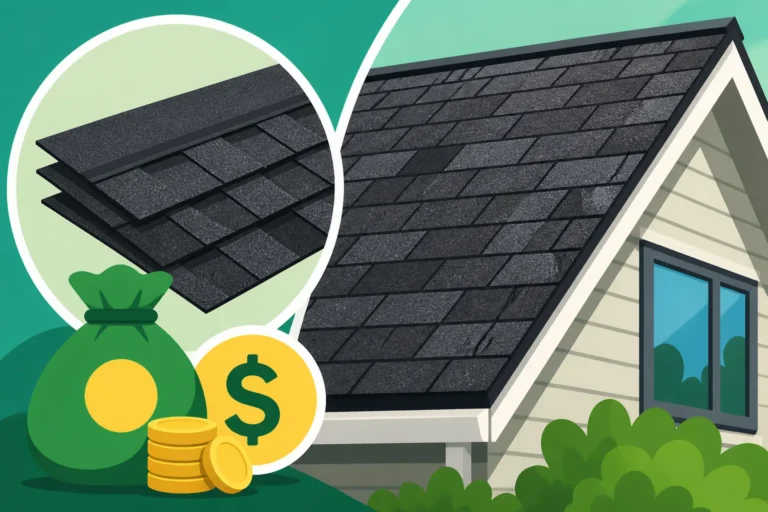
- 3-Tab Shingles: These are the most basic and economical option. They are flat, single-layer shingles designed to look like three separate tabs. While affordable, they offer a shorter lifespan (typically 15-20 years) and less wind resistance compared to other types. Their simple design makes them quicker to install, which can slightly reduce labor costs.
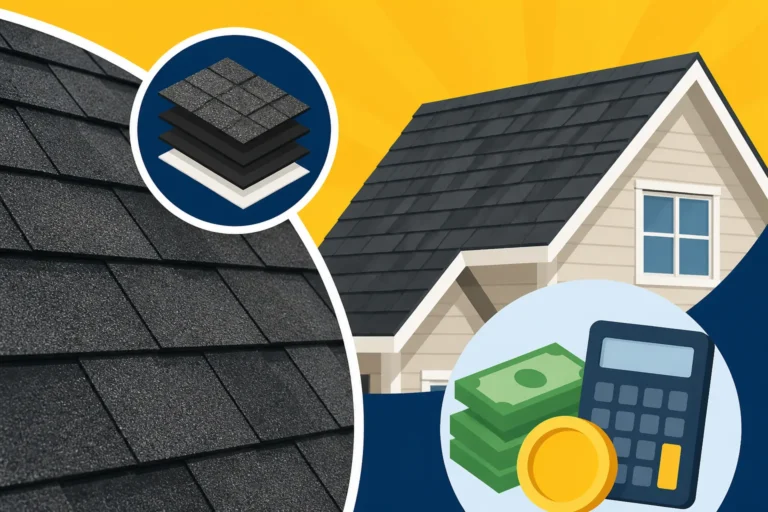
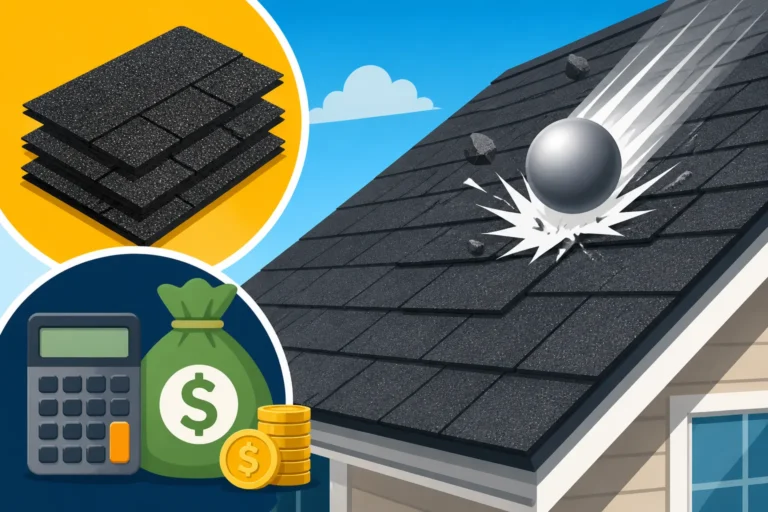
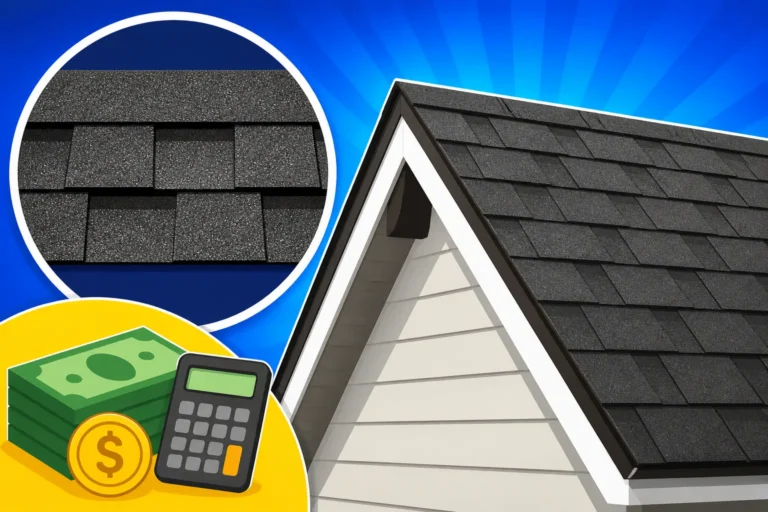
- Architectural Shingles (Dimensional): By far the most popular choice today, architectural shingles are thicker, multi-layered, and create a more textured, aesthetically pleasing look that mimics natural wood shakes or slate. They are more durable, offering better wind and impact resistance, and come with longer warranties (25-50 years). The extra thickness and more intricate installation process mean they are a step up in price from 3-tab, both for materials and sometimes for labor. Many homeowners find the enhanced curb appeal and extended lifespan well worth the investment.
- Designer or Luxury Shingles: These are the premium end of asphalt shingles, designed to replicate the high-end look of natural slate or cedar shakes with remarkable realism. They are the thickest, heaviest, and most durable, often offering superior warranties and impact resistance. However, their sophisticated design and material density come at a significantly higher price point, potentially doubling or tripling the cost of architectural shingles. For a traditional Cape Cod, the classic aesthetic of an architectural shingle often provides the best balance of cost and visual appeal.
Beyond the shingles, don't forget the underlayment. While traditional felt paper is still an option, many roofers now recommend synthetic underlayment for its superior tear resistance, water protection, and longevity. Then there's ice and water shield, critical in regions prone to ice dams, which adds another layer of cost but offers invaluable protection. These foundational materials are often overlooked but are essential for a long-lasting roof.
Labor Rates and Regional Variations
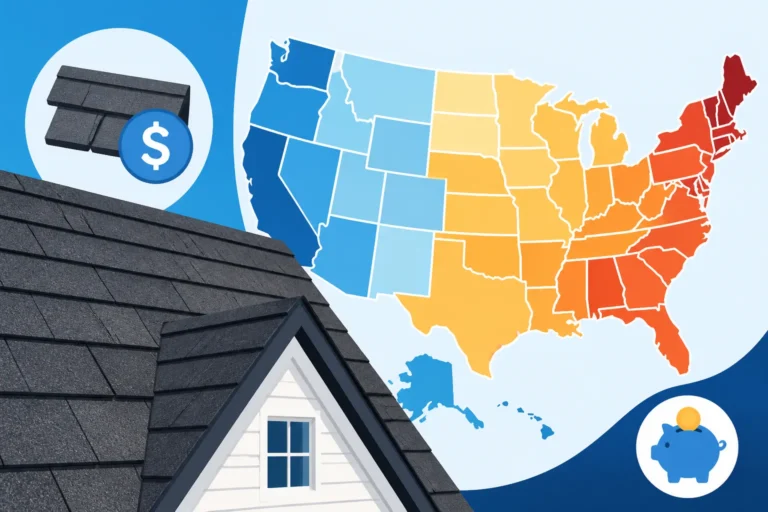
The cost of labor is a significant portion of your reroofing project, and it can fluctuate wildly depending on where your Cape Cod home is located. Areas with a higher cost of living, like Massachusetts, particularly near Boston or on Cape Cod itself, will naturally have higher labor rates than rural areas in other states. Demand also plays a role; if a major storm has recently hit your region, local roofers may be booked solid, driving up prices due to supply and demand.
The complexity of your specific Cape Cod roof (steep pitches, multiple dormers, complex valleys) directly impacts labor hours. A roofer might charge more per square for a very steep roof or one with extensive detailing because it requires more time, specialized safety equipment, and a higher skill level. For instance, a challenging two-story Cape Cod with multiple dormers in a high-demand area of New England could easily see labor costs that are 20-30% higher than a simpler, one-story ranch in a less populated region. This is why getting local estimates is so crucial. Many homeowners use platforms like Modernize to connect with local contractors who understand these regional differences and can provide accurate quotes. The "Asphalt Roof Labor Cost Explained" article offers more insight into these nuances.
Breaking Down the Typical Costs for a Cape Cod Roof Replacement
Getting a new roof is a significant investment, and for a Cape Cod home, understanding where your money goes is key to a smooth project. Let's dig into the typical categories of expenses you'll encounter.
Material Costs Shingles, Underlayment, Accessories
When you receive a quote for your Cape Cod roof, a substantial portion will be allocated to materials. This isn't just the shingles themselves; it's a whole system designed to protect your home.
- Asphalt Shingles: As mentioned earlier, your choice here is primary. For an average 1,500 sq ft Cape Cod, the roof surface area might be around 15-20 "squares" depending on pitch and overhangs. Basic 3-tab shingles might run $70-$100 per square for materials, while architectural shingles usually fall into the $120-$200 per square range. Premium designer shingles can easily exceed $250-$400 per square. So, for a 17-square architectural roof, you could be looking at $2,040 to $3,400 just for the shingles. Brands like GAF, Owens Corning, and CertainTeed are popular choices, each with different price points for their various lines.
- Underlayment: This vital layer sits directly on your roof deck. Felt paper is generally $10-$20 per square, while synthetic underlayment, offering better protection and easier installation, is typically $25-$50 per square. For a robust system, especially on a Cape Cod, synthetic is often recommended.
- Ice and Water Shield: Crucial in colder climates, this self-adhering membrane is installed along eaves, in valleys, and around penetrations to prevent water backup from ice dams. This can add $50-$100 per square for the areas it covers, which might be 2-3 squares on the lower edges of your roof and in each valley.
- Flashings and Drip Edge: Flashing, typically made of aluminum or galvanized steel, is installed around chimneys, skylights, vent pipes, and where roof planes meet walls (like dormer walls) to prevent water intrusion. Drip edge is metal flashing installed along the eaves and rake edges to direct water away from the fascia and prevent damage. These components are essential and factor into the overall material cost. Replacing all the necessary flashing and installing new drip edge can add several hundred dollars to the material bill.
- Starter Shingles and Ridge Caps: These specialized shingles are used at the eaves (starter) and along the ridge lines (cap) for proper sealing and aesthetic finish. They are part of the material package and are crucial for the integrity of your new roof.
A full breakdown of material costs, including the often-forgotten "Cost of New Flashing and Drip Edge," helps you see the whole picture.
Labor and Installation Costs
The installation is where the skilled craftsmanship comes in, and for a Cape Cod roof, this is often where the unique architecture really influences the price.
- Tear-Off and Disposal: Before new shingles go down, the old ones need to come off. This involves labor to remove existing layers of shingles, underlayment, and any damaged decking, plus the cost of renting a dumpster and hauling away the debris. If your Cape Cod home has two or even three layers of old shingles (though building codes often restrict this), the tear-off cost will be higher due to the increased weight and effort. This process, often detailed in "Cost of Roof Tear-Off and Disposal," is messy and labor-intensive, usually adding $30-$70 per square.
- Installation of New Materials: This is the core labor cost – the hours spent by the roofing crew installing the underlayment, ice and water shield, shingles, flashing, and ventilation. For a Cape Cod home, the steep pitch significantly increases this cost. Roofers might charge an additional 10-25% for steeper roofs due to safety precautions, harnesses, and the slower pace of work. The presence of multiple dormers and valleys further adds to the complexity, requiring more precise cuts and detailed sealing work.
- Cleanup: A good roofing contractor will ensure your property is meticulously cleaned of all debris, including nails, shingle scraps, and packaging. This is part of the labor charge and often involves magnet sweeps and thorough checks around the perimeter of your home.
Overall, labor can account for 40-60% of your total roofing project cost, especially with the intricate nature of many Cape Cod roofs. Factors like the region's "Regional Labor Rates for Roofing" also play a significant role.
Additional Costs and Unexpected Expenses
No homeowner ever wants surprises, but it’s wise to budget for potential additional costs. For Cape Cod homes, these can include:
- Roof Decking Replacement: When the old roof is torn off, hidden issues with the roof decking (the plywood or OSB sheathing beneath the underlayment) might be discovered. Water damage, rot, or inadequate sheathing from previous installations can necessitate replacement. Each sheet of plywood or OSB can cost $30-$80, plus labor for installation. This is a very common unexpected expense, as explained in "Roof Decking Replacement Cost."
- Ventilation Upgrades: Many older Cape Cod homes might have inadequate attic ventilation. Proper ventilation is crucial for extending the life of your new roof and preventing issues like mold and ice dams. This might involve adding new ridge vents, soffit vents, or other passive/active ventilation systems. A new ridge vent installation can range from $400 to $1,000 or more, depending on the length of your ridge and the system chosen.
- Permits and Inspections: Nearly all roof replacements require a building permit from your local municipality. The cost of a permit varies by location but generally ranges from $100 to $500, and it ensures that the work meets local building codes. Your contractor should handle pulling the permit, but the cost will be passed on to you. Understanding "Roofing Permits Explained" is essential.
- Chimney Repair or Repointing: If you have a brick chimney, the roofing project is an ideal time to assess its condition. Any necessary repairs, like repointing mortar joints or replacing damaged bricks, would be an additional cost, but doing it while roofers are already on site can save you money compared to a separate project later.
- Delivery Fees: Some suppliers or contractors might charge a separate fee for delivering materials to your site, especially if it’s a difficult location or requires specialized equipment like a crane.
Always ask your prospective contractors about how they handle unforeseen issues and whether they include a contingency in their estimates.
Getting Accurate Estimates and Making Smart Decisions
Navigating the world of roofing estimates can feel like a maze, but for your Cape Cod home, a clear process is essential to ensure you get quality work at a fair price. It's about empowering yourself with information and asking the right questions.
The Importance of Multiple Quotes
This cannot be stressed enough: always get at least three detailed quotes from different reputable roofing contractors. Why three? Because it gives you a crucial baseline. You’ll quickly identify if one quote is suspiciously low (a major red flag for potential cut corners or hidden costs) or unusually high without clear justification. Each contractor will have slightly different approaches, material preferences, and labor rates, and seeing these variations helps you understand the market value for your specific Cape Cod roof.
When comparing quotes, don't just look at the bottom line. Scrutinize what's included. Does it specify the brand and type of shingles? Does it detail the underlayment? What about flashing around dormers and chimneys? Is tear-off and disposal included? Are permits mentioned? A comprehensive quote provides a transparent breakdown of all costs, materials, and labor, similar to what's outlined in "What a Roofing Estimate Should Include." If a quote is vague, push for more details. Using a service like Modernize can help you quickly gather competitive bids from qualified local professionals who understand the intricacies of Cape Cod roofing projects.
Questions to Ask Your Roofing Contractor
Before you sign on the dotted line, arm yourself with a list of pertinent questions. This not only helps you gather crucial information but also assesses the contractor's professionalism and knowledge.
- Are you licensed and insured? Always ask for proof of both liability insurance and workers' compensation. This protects you in case of accidents or damage during the project. You'll want to ensure they are "Licensed and Insured Roofers: Why It Matters."
- How much experience do you have with Cape Cod style homes? Given the unique features like dormers and steep pitches, specific experience is invaluable.
- What type of underlayment do you use, and why? Discussing options like synthetic versus felt paper and the necessity of ice and water shield demonstrates their expertise and commitment to quality.
- How will you protect my property during the tear-off and installation? This includes landscaping, driveways, and exterior walls.
- What is your warranty for workmanship? This is separate from the manufacturer's warranty on the shingles themselves. A good contractor will offer at least a 5-10 year workmanship warranty. You should also inquire about how to register your manufacturer warranty to ensure maximum coverage for your chosen shingles, whether they are GAF, Owens Corning, or CertainTeed.
- Who pulls the necessary permits? The contractor should always handle this.
- What is your payment schedule? Avoid contractors who demand a large upfront deposit. A typical schedule might be a small deposit, followed by progress payments, and a final payment upon completion and your satisfaction.
- Can you provide references from recent jobs? Speaking with past clients can offer invaluable insight into their experience.
- What is your process for handling unexpected issues, such as damaged decking? Knowing this upfront avoids surprises and ensures transparency.
- What is the estimated timeline for completion? While weather can always be a factor, a good contractor can give you a realistic timeframe for a project of your Cape Cod home's complexity.
By asking these questions, you’re not just getting information; you’re vetting your potential partner for this significant home improvement project. The goal is to find a contractor who is transparent, experienced, and committed to delivering a high-quality roof that will protect your Cape Cod home for decades to come.
Disclaimer
Please note that the cost estimates and information provided in this guide are general averages and can vary significantly based on your specific location, local market conditions, choice of materials, contractor rates, and the unique characteristics of your Cape Cod home. It is always recommended to obtain multiple detailed quotes from qualified local roofing professionals for the most accurate assessment of your project's cost.