Roof Replacement Payment Plans
Facing a roof replacement can feel like a punch to the gut, especially when you see the price tag. It’s not just a major home improvement; it’s a significant financial undertaking that most homeowners haven’t budgeted for, often coming as an unexpected expense after a storm or years of wear and tear. But don't despair! Understanding the various roof replacement payment plans available can make this daunting task much more manageable, allowing you to protect your home without breaking the bank. This guide will walk you through your options, from traditional loans to contractor financing and even leveraging insurance.
The Financial Reality of Roof Replacement
Let's be honest, few of us have a "new roof fund" tucked away. The reality of needing a roof replacement often hits hard, making the thought of covering such a substantial cost incredibly stressful. It's not just about the shingles; it's the entire system that needs attention, and those costs add up quickly.
Why Roofs Are So Expensive
The primary reason roof replacements carry such a hefty price tag boils down to materials, labor, and the complexity of the job. Think about it: you're essentially putting a brand-new, weatherproof shield over your entire home, often dozens of feet in the air. The sheer volume of materials needed, from the underlayment and starter strips to the hundreds, if not thousands, of asphalt shingles themselves, represents a significant investment. Beyond that, specialized tools and equipment are required, and the labor involved is skilled, demanding, and often physically intense. Roofing crews are not just throwing shingles on; they’re carefully tearing off old material, inspecting decking, making repairs, and meticulously installing a layered system designed to last decades.
The market for roofing materials also fluctuates, influenced by everything from petroleum prices (a key component in asphalt shingles) to global supply chain issues. You might wonder, "How Much Does an Asphalt Shingle Roof Cost?" and find that the answer varies wildly depending on current economic factors and regional demand. It's a complex puzzle of moving parts, all contributing to the final invoice you receive. This is why when you look at the big picture, the average cost of a full roof replacement can easily range from $10,000 to $20,000 or even more, depending on your home's size and the materials chosen.
Unexpected Costs to Budget For
While the main cost components are materials and labor, homeowners are often blindsided by "hidden costs in a roof replacement" that can quickly inflate the final bill. For instance, once the old shingles are torn off, a contractor might discover underlying issues with your roof decking – rotten or damaged plywood that needs to be replaced. This isn't usually visible from an exterior inspection and becomes an additional charge. Similarly, if your current roof has multiple layers of old shingles, the cost of roof tear-off and disposal will be higher, as it requires more labor and dumpster space.
Beyond structural surprises, think about upgrades that become necessary or highly recommended. Improved ventilation, like a new ridge vent installation, might be crucial for extending your roof's lifespan and maintaining your warranty, but it's an added expense. New flashing around chimneys, skylights, and valleys, or updated drip edge, are essential components that add to the material and labor costs. Always ask your contractor for a comprehensive estimate that details potential extra charges, so you’re not caught off guard. When planning your budget for a new roof, it’s wise to set aside an extra 10-15% for these unforeseen circumstances.
Common Roof Replacement Payment Options
When faced with a large expense like a new roof, it's natural to explore all available avenues for financing. Fortunately, there are several common payment plans and loan types that homeowners frequently utilize to make their roof replacement affordable.
Home Equity Loans and HELOCs
One of the most popular ways homeowners finance significant home improvements is by leveraging their home's equity. A home equity loan provides a lump sum of money, typically with a fixed interest rate and a set repayment schedule, offering predictability in your monthly payments. This is essentially a second mortgage, using your home as collateral. Because it's secured by your home, these loans often come with lower interest rates compared to unsecured personal loans, which can be a huge benefit over the life of the loan.
A Home Equity Line of Credit (HELOC), on the other hand, functions more like a credit card. It's a revolving line of credit that allows you to borrow money as needed, up to a certain limit, during a draw period. You only pay interest on the amount you actually borrow. This can be great if you anticipate staggered payments or if there's uncertainty about the total final cost, as you only draw funds when absolutely necessary. However, HELOCs often have variable interest rates, which means your monthly payments could fluctuate. Both home equity loans and HELOCs can be excellent choices if you have substantial equity built up in your home and a good credit score. They provide significant funds and competitive interest rates, making them attractive for major projects like a full roof replacement.
Personal Loans and Credit Cards
If you don't have enough home equity, or you prefer not to use your home as collateral, personal loans and credit cards are other options. A personal loan is an unsecured loan, meaning it doesn't require collateral. Lenders approve these based on your creditworthiness, income, and debt-to-income ratio. While typically having higher interest rates than home equity products, personal loans offer flexibility and faster approval times. They can be a good choice for those who need funds quickly and have a strong credit history to secure a favorable rate. Many banks and credit unions offer personal loans specifically for home improvement.
Credit cards, especially those with an introductory 0% APR offer, can also be used for roof replacement, but they require careful management. If you can pay off the entire balance before the promotional period ends, you effectively get an interest-free loan. This can be a smart way to finance if the project cost is manageable and you're disciplined with repayment. However, if you don't pay it off in time, the interest rates on credit cards can be incredibly high, quickly turning an affordable solution into a financial burden. For larger projects, or if you're unsure about rapid repayment, a dedicated loan is usually a safer bet. For those looking at "0% APR Roof Financing Options," understanding the terms and conditions is paramount to avoid unexpected interest charges.
Contractor Financing Programs
Many roofing contractors understand that homeowners often need assistance with financing, so they partner with third-party lenders to offer specialized financing programs. These programs can vary widely but often include options like same-as-cash financing (where you pay no interest if the loan is paid off within a specific promotional period, usually 6-18 months) or fixed-rate installment loans. Some contractors, especially larger, reputable ones, might even offer their own in-house payment plans or work with regional banks.
The advantage of contractor financing is convenience. The application process is often streamlined, sometimes even handled right there during your estimate appointment. The terms can be tailored to roofing projects, and approval can be quick. However, it's crucial to compare these offers with other financing options you might qualify for, such as home equity loans or personal loans from your own bank. Sometimes, contractor-offered rates might be higher to cover the contractor's fee for facilitating the loan. Always read the fine print, understand the interest rate, any hidden fees, and the repayment terms. Platforms like Modernize can help connect you with contractors who offer various financing solutions, allowing you to explore these options during the quoting process.
| Payment Option | Typical Interest Rate | Repayment Term | Pros | Cons | Best For |
|---|---|---|---|---|---|
| Home Equity Loan | 6-10% (Fixed) | 5-30 years | Lower rates, predictable payments, lump sum | Secured by home, slower approval | Homeowners with substantial equity, large projects |
| HELOC | 7-12% (Variable) | 10-20 year draw period, 10-20 year repayment | Flexibility to borrow as needed, lower rates | Secured by home, variable payments, can be tempting to overspend | Phased projects, uncertain total costs, disciplined borrowers |
| Personal Loan | 8-25% (Fixed) | 1-7 years | Unsecured, faster approval, predictable payments | Higher rates than secured loans | Good credit, quick access to funds, smaller projects |
| Credit Card (0% APR Intro) | 0% (intro), then 18-29% | Varies | Interest-free if paid off quickly | Very high rates after intro, limits might be low | Manageable project costs, ability to pay off quickly |
| Contractor Financing | 0% (promo), then 7-18% | 1-10 years | Convenient, quick approval, specific to roofing | Rates can be higher, less choice in lenders | Convenience, direct coordination with contractor |
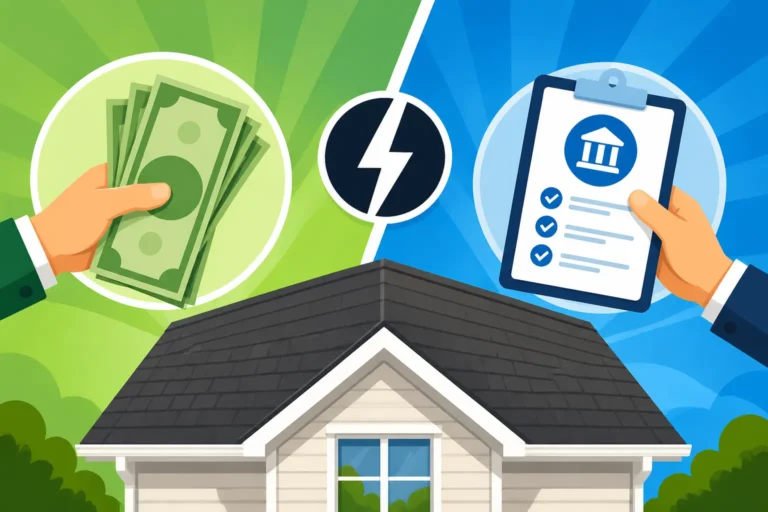
Navigating Insurance Claims for Roof Replacement
For many homeowners, the possibility of insurance covering a significant portion of their roof replacement is a beacon of hope. However, navigating the claims process can be a labyrinth, filled with specific terminology and procedures that often leave homeowners feeling overwhelmed. Understanding how "does insurance cover roof replacement" is critical to getting the most out of your policy.
When Insurance Steps In
Homeowners insurance policies typically cover damage to your roof caused by sudden and accidental events, such as severe weather, fire, or vandalism. This often includes damage from hail, wind, and falling trees. However, insurance generally does not cover damage resulting from neglect, wear and tear, or aging. For example, if your asphalt shingles are simply old and curling due to years of sun exposure and natural deterioration, that's typically not an insurable event. But if a strong windstorm rips off a significant portion of your shingles, or a hailstorm pummels your roof, leading to widespread damage, that's when your policy is designed to step in.
It's essential to understand your specific policy's coverage details, including your deductible, which is the amount you pay out-of-pocket before insurance coverage kicks in. Some policies might have a separate, higher deductible for wind and hail damage. After any significant weather event, it’s crucial to promptly inspect your roof for signs of damage. If you suspect an issue, getting a professional roof inspection from a reputable contractor is the next step before filing a claim.
Understanding Depreciation and ACV vs. RCV
One of the most confusing aspects of roof insurance claims is the distinction between Actual Cash Value (ACV) and Replacement Cost Value (RCV). This difference can drastically impact the amount of money you receive for your roof replacement. An ACV policy will pay you the depreciated value of your roof. This means the insurance company calculates the current value of your roof, taking into account its age and condition, and pays you that amount. If your roof is 15 years old and had a 20-year lifespan, you'd only get a fraction of the cost for a new one. This can leave a substantial gap that you, the homeowner, must cover.
An RCV policy, on the other hand, will pay the cost to replace your roof with a new one of similar quality, without factoring in depreciation. This is generally split into two payments: an initial payment based on ACV, and then a second payment for the recoverable depreciation once the roof replacement is completed and verified. An "Actual Cash Value vs Replacement Cost Roof Claims" scenario can mean tens of thousands of dollars difference in what you receive. Many homeowners opt for RCV coverage because it provides more comprehensive protection and significantly reduces out-of-pocket expenses. Review your policy carefully to understand whether you have ACV or RCV coverage for your roof.
The Claims Process and How to Maximize Coverage
If you believe your roof damage is covered by insurance, the first step is to document everything. Take clear photos and videos of the damage, both from the ground and, if safely possible, from a ladder. Contact your insurance company immediately to file a claim. They will send an adjuster to assess the damage. It's often beneficial to have your chosen roofing contractor present during the adjuster's visit. A good contractor can point out damage the adjuster might miss and advocate on your behalf, ensuring all damage is noted and estimated properly. Many contractors specialize in working with insurance claims and can help you navigate the paperwork.
Don't settle for the first offer if it seems insufficient. You have the right to request a re-inspection or provide additional estimates. Sometimes, the initial estimate from the insurance company might not cover the full cost of a quality replacement, especially if they use older pricing data or overlook certain components. Being proactive, thoroughly documenting your damage, and having a knowledgeable contractor on your side are crucial steps to maximize your insurance coverage and ensure a fair settlement for your roof replacement. If you have any doubts or questions, never hesitate to reach out to your insurance agent for clarification during the process.
Government and Energy Efficiency Programs
Beyond traditional financing and insurance, there are sometimes governmental programs and energy efficiency incentives that can help offset the cost of a roof replacement. These programs aim to encourage homeowners to invest in energy-saving home improvements, including certain types of roofing materials.
Federal and State Energy-Efficiency Incentives
At the federal level, homeowners have historically been able to take advantage of tax credits for certain energy-efficient home improvements, including roofing materials that meet specific energy-saving criteria. For example, "cool-roof shingles" are designed to reflect more sunlight and absorb less heat than traditional asphalt shingles, potentially reducing cooling costs in warmer climates. When you opt for a cool roof shingle cost, you might find that the initial investment can be partially offset by these tax incentives. These programs can change, so it’s always best to check the latest information from the Department of Energy or the IRS websites for current eligibility and credit amounts.
Many states also offer their own energy efficiency programs or rebates. For instance, in sunny states like California or Arizona, there might be incentives for installing highly reflective roofing. Conversely, in colder climates, some programs might focus on insulation upgrades done in conjunction with roofing, or even materials that help with ice dam prevention. These state-specific incentives vary widely, so a quick search for "energy efficiency roofing rebates [Your State]" can often yield valuable information. These programs are often administered by state energy offices or local utility companies.
Local Programs and Disaster Relief
On a more localized level, some municipalities or counties offer grants or low-interest loans for home improvements, especially for low-income residents or those in designated revitalization areas. While not always directly tied to roofing, a new roof is often a fundamental component of any significant home renovation project. These programs can be more difficult to find but are worth investigating through your local city or county housing authority website.
Furthermore, in areas prone to natural disasters like hurricanes or hail storms, there may be specific disaster relief programs or grants available after a major event. These funds are usually intended to help homeowners rebuild and make their homes more resilient to future events. For example, some programs might incentivize "impact-resistant shingle cost" or offer support for upgrading to Class 4 shingles, which are designed to withstand severe hail. After a major storm, keep an eye on announcements from FEMA (Federal Emergency Management Agency) or your state's emergency management agency, as they often disseminate information about available aid. Connecting with local community organizations or even platforms like Modernize can also sometimes reveal lesser-known local aid options or contractors familiar with specific regional programs.
Making the Best Financial Decision for Your New Roof
Choosing the right payment plan for your roof replacement isn't a one-size-fits-all situation. It requires careful consideration of your financial situation, the urgency of the repair, and your long-term goals. Taking the time to evaluate all options can save you significant money and stress down the road.
Comparing Interest Rates and Terms
This might seem obvious, but it's where many homeowners get tripped up. Different loan products come with vastly different interest rates and repayment terms. A seemingly small difference in interest rate, say 2%, can translate to thousands of dollars over the life of a 15 or 30-year loan. For example, a $15,000 loan at 7% over 10 years will cost you significantly more in total interest than the same loan at 5%. Always request a full amortization schedule if possible, so you can see exactly how much you'll be paying in principal and interest each month and over the entire loan period. Don't just look at the monthly payment; understand the total cost of borrowing.
Consider the repayment term that best fits your budget and financial goals. A shorter term means higher monthly payments but less interest paid overall. A longer term means lower monthly payments but more interest. If you opt for contractor financing or a personal loan, pay close attention to any prepayment penalties. Some lenders might charge a fee if you pay off your loan early, which could negate some of the savings you hoped to achieve. Comparing offers from multiple lenders – your bank, credit unions, and contractor-preferred lenders – is crucial. This due diligence can illuminate the best "roof financing options explained" and ensure you secure the most favorable terms for your unique circumstances.
The Importance of a Detailed Budget
Before you commit to any financing, you absolutely need a clear, detailed budget for your roof replacement. This isn't just about the base cost of shingles and labor. As we discussed, there can be unexpected expenses like roof decking replacement cost, or upgrades like a new ventilation system, or even the cost of new flashing and drip edge. A thorough roofing estimate should break down all these components. Don't be shy about asking questions if something isn't clear. You should have a firm understanding of what's included and what might be an additional charge.
When creating your budget, factor in your deductible if you're going through insurance. Also, consider if there are any other home improvements you might want to tackle at the same time, which could potentially be rolled into a larger loan. Knowing your true financial limit will prevent you from overextending yourself. It's also wise to have an emergency fund set aside for any home project, not just the roof, because things sometimes go awry. A robust budget helps you approach contractors with confidence and make informed decisions about financing, rather than reacting under pressure.
Getting Multiple Estimates and Evaluating Offers
This is perhaps the most critical step in ensuring you get both a quality roof and a fair price. Never settle for just one estimate. You should always get multiple roofing quotes and compare them, ideally from at least three different reputable contractors. This not only gives you a clearer picture of the average cost in your area but also allows you to compare different material options, warranty offerings, and, yes, financing plans. Platforms like Modernize can be particularly helpful here, as they can connect you with several local, pre-vetted roofing professionals, streamlining the process of getting competitive bids.
When evaluating offers, don't just look at the bottom line. Compare the scope of work: are all contractors proposing the same quality materials, underlayment, and ancillary components? What are their warranties like – both for materials and workmanship? Pay attention to any "roofing contractor red flags to avoid," such as unusually low bids, pressure tactics, or a lack of proper licensing and insurance. A contractor who offers financing might be convenient, but make sure their rates and terms are competitive with what you could get independently. Sometimes, the best strategy is to secure your own financing and then choose the best contractor based solely on their quality of work and price for the job itself, rather than their financing package. Your new roof is a significant investment; taking the time to thoroughly research and compare will pay dividends for years to come, potentially even increasing your "roof replacement and home value."
Disclaimer
Please note that this article is intended for informational purposes only and does not constitute financial advice. The availability and terms of payment plans, interest rates, and government programs can vary based on individual creditworthiness, location, market conditions, and program requirements. Always consult with a qualified financial advisor, lending institution, and roofing professional to determine the best options for your specific situation.