HOA Approval for a New Roof
Dealing with a roof replacement is already a huge undertaking, often bringing unexpected stress and a significant financial burden. But when you live in a community governed by a Homeowners Association (HOA), that stress can amplify exponentially. The thought of getting approval for something as essential as a new roof can feel like navigating a bureaucratic labyrinth, leaving many homeowners wondering where to even begin. This guide is here to demystify the HOA approval process for your new roof, helping you understand what to expect, how to prepare, and ultimately, how to secure that crucial green light.
Navigating the HOA Maze for Your Roof Replacement
It’s easy to feel like your HOA is just another hurdle in a long list of tasks, especially when your home's most vital protective layer is at stake. The reality is, while sometimes frustrating, HOAs exist to maintain community aesthetics and property values. For something as visible and impactful as a roof, it’s understandable that they’ll have a say. But that doesn't make it any less overwhelming when you just want to get your leaky, granule-shedding roof replaced before the next big storm rolls in.
Understanding the "Why" Behind HOA Rules
Many homeowners feel a tinge of resentment when the HOA steps in on what they consider their private property decisions. "It's my house, why can't I choose my own roof?" is a common and totally valid sentiment. However, from the HOA's perspective, they're looking at the bigger picture. Their primary goal is to protect the collective property values and maintain a consistent visual appeal within the neighborhood. A hodgepodge of different roof colors, styles, and materials can, in their view, detract from the community's overall desirability and, consequently, its property values.
Think about it from a potential buyer's perspective. If every house on the street had a wildly different roof—some bright blue, some mismatched shingle patterns—it might give an impression of disorder rather than a cohesive, attractive community. HOAs establish rules around roofing materials, colors, and even specific installation methods to ensure uniformity. This helps to foster a consistent aesthetic, which they believe contributes to higher property values for everyone. Additionally, some rules might be tied to practical considerations like local building codes, fire ratings, or even a desire to protect against specific climate challenges, like choosing more durable materials for hurricane-prone areas.
Initial Steps: Checking Your HOA Documents
Before you even think about getting a quote from a roofer, your first and most critical step is to dive headfirst into your HOA's governing documents. I know, it sounds about as exciting as reading the phone book, but trust me, this is where you'll find the keys to successful approval. These documents, typically called the Covenants, Conditions, and Restrictions (CC&Rs) or sometimes Bylaws, will explicitly outline what you can and cannot do regarding exterior changes, including your roof.
You're looking for sections specifically pertaining to "architectural changes," "exterior modifications," or "roofing materials." Pay close attention to details about approved shingle types (like whether you're limited to architectural shingles over 3-tab), specific color palettes, and even manufacturer preferences. Some HOAs might have a pre-approved list of colors or even exact shingle products from brands like GAF, Owens Corning, or CertainTeed. You might also find information on the required application process, submission deadlines, and any fees involved. If you can't locate these documents, reach out to your HOA management company or board directly. They are legally obligated to provide them to you. Knowing these rules upfront will save you immense headaches down the line and help you understand how to budget for a new roof, as certain materials or styles might be more expensive.
Common HOA Roofing Requirements You'll Encounter
Once you've poured over those documents, you'll likely notice a few recurring themes in what HOAs regulate about roofs. These requirements are put in place to maintain the community's aesthetic and structural integrity. Understanding these common requirements will help you prepare your application and choose a contractor who can meet these specific standards.
Material and Style Restrictions
This is perhaps the most common area where HOAs impose rules. They want consistency, and that often means dictating the type of roofing material allowed. For communities primarily featuring asphalt shingles, you might be restricted to certain grades or styles. For instance, many HOAs in modern subdivisions prefer the thicker, more textured appearance of architectural shingles over the flatter, more traditional look of 3-tab shingles. They might even specify a minimum lifespan or wind rating for the shingles, or require impact-resistant shingles, especially in areas prone to hail.
If your current roof is 3-tab, but the HOA now mandates architectural, that's a significant change in material and, often, in 3-Tab vs Architectural Shingle Cost Compared. You’ll need to factor this into your financial planning. Similarly, if you live in a historic district within an HOA, they might have even stricter rules, potentially requiring specific types of slate, tile, or even cedar shakes, often with an emphasis on preserving historical accuracy rather than just uniformity. Understanding these material restrictions is crucial because installing the wrong type of shingle could lead to your HOA demanding a costly re-do, completely at your expense.
Color Palettes and Approved Manufacturers
Beyond material and style, color is almost universally regulated by HOAs. Nobody wants a bright red roof next to a classic charcoal one, especially if the community guidelines lean towards earthy tones. Many HOAs will provide a specific list of approved shingle colors or even a range of acceptable shades (e.g., "grays, browns, and muted greens only"). Some even go so far as to list approved shingle manufacturers or specific product lines, such as requiring GAF Timberline HDZ or Owens Corning Duration shingles. This level of detail removes guesswork and ensures that all new roofs blend seamlessly into the existing neighborhood palette.
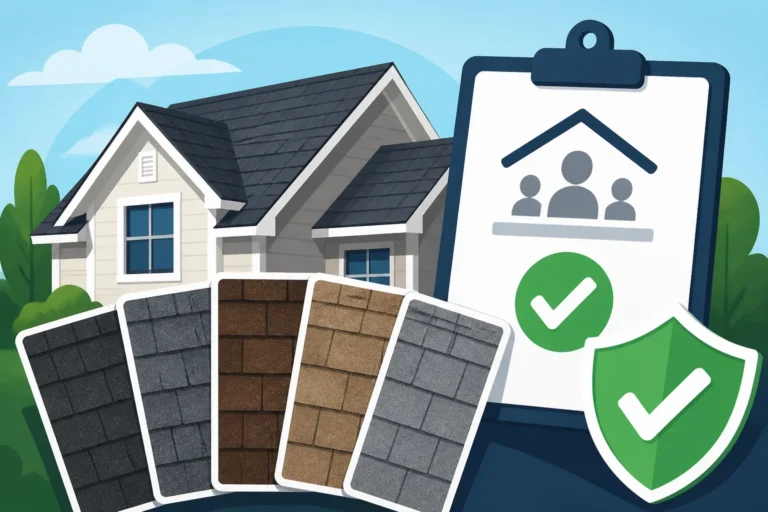
It’s not uncommon for an HOA to have a specific binder or digital catalog of approved options. If you’re looking at a shingle color that's a close match but not exactly on their list, you might need to submit a sample for review. This is where your roofing contractor can be a huge asset; many experienced local roofers are familiar with the common HOA requirements in different neighborhoods and can guide you toward compliant options. They'll also be able to provide product samples and specifications to include in your application.
Installation Standards and Contractor Requirements
While less common than material and color rules, some HOAs also have stipulations regarding the installation process itself or the credentials of the contractor. This isn't usually about the granular "how-to" of installing shingles—that's generally covered by local building codes and manufacturer specifications for a proper How Asphalt Shingles Are Installed: Step by Step. Instead, it might include requirements for ensuring proper cleanup, protecting adjacent properties during the work, or limiting noise during certain hours.
More significantly, some HOAs might require that your chosen roofing contractor be licensed and insured, which is a standard best practice anyway. In rarer cases, they might require a contractor to be manufacturer-certified by brands like GAF Master Elite or Owens Corning Platinum Preferred, ensuring a high level of expertise and adherence to manufacturer guidelines. This is primarily to protect the community from shoddy workmanship that could negatively impact property values and potentially lead to future problems for residents. When you’re trying to figure out How to Choose a Roofing Contractor, remember to ask them about their experience with HOA requirements in your area and their certifications.
Here’s a quick overview of common HOA roofing restrictions:
| Category | Common Restrictions | Examples |
|---|---|---|
| Material Type | Specific shingle styles, grades, or materials | Architectural shingles only, no 3-tab; no metal roofs |
| Color | Approved color palettes, specific shades | Earth tones (grays, browns, greens); no bright or custom colors |
| Manufacturer/Brand | Preferred or required manufacturers | GAF, Owens Corning, CertainTeed only; specific product lines |
| Installation | Specific underlayment, ventilation, or flashing | Ice and water shield required; certain ridge vent types; proper cleanup |
| Contractor | Licensed, insured, or manufacturer-certified | Proof of licensing and insurance; GAF Master Elite required |
| Timeline | Deadlines for completion, restricted work hours | Project completion within X days; no work on weekends/holidays |
The HOA Approval Process: A Step-by-Step Breakdown
Now that you know what kind of rules to expect, let’s walk through the actual process of getting your roof replacement approved. This isn't typically an overnight process, so it's wise to start well in advance of when you actually need the work done. A little patience and thoroughness here can save you a lot of grief.
Gathering Your Documentation
The HOA loves paperwork – it’s just a fact of life in these communities. To give your application the best chance of swift approval, you need to provide a complete and accurate packet of information. This usually includes:
- A completed architectural review application form: Most HOAs have a specific form you need to fill out. Don't skip any fields!
- Detailed scope of work: Your roofing contractor should provide a written description of the work to be performed, including tear-off, decking inspection, underlayment, and shingle installation. This is a critical part of How to Read and Compare Roofing Estimates.
- Product specifications: Include brochures, data sheets, or manufacturer websites for the exact shingles you plan to use. This should detail the material, style, color, warranty information, and any special features like impact resistance or algae resistance.
- Color samples: Physical shingle samples are often required. Your contractor should be able to provide these. Placing a sample board on your existing roof for a few days can help the board visualize it against your home and the neighborhood.
- Contractor credentials: Provide proof of your chosen contractor's license and insurance. This demonstrates that you’re working with a reputable company, which is often an HOA requirement.
- Site plan or drawing: Sometimes, a simple drawing showing the roof's footprint and how the new roof will look in context of your home's exterior is requested.
- Timeline: A proposed start and completion date for the project.
Remember, the more information you provide upfront, the less back-and-forth there will be. An incomplete application is the easiest way to get delayed or denied.
Submitting Your Application
Once you have all your ducks in a row, it's time to submit. Be sure to follow the HOA's specific submission instructions to the letter. Do they require physical copies, or can you submit digitally? Is there a specific email address or portal? Are there any associated fees for the review? Missing these small details can also cause unnecessary delays.
It's a good idea to submit your application with ample time to spare, usually several weeks before you'd ideally like the work to begin. HOAs often have a set schedule for reviewing architectural requests, such as monthly board meetings, so if you miss a deadline, you could be waiting another month for consideration. Confirm their review timeline and factor that into your overall roof replacement schedule. And always, always keep a copy of your submitted application and any correspondence. This is your proof of submission and can be invaluable if questions arise later.
What to Do While You Wait (And What If You Get Denied)
The waiting game can be nerve-wracking, especially when you have a visibly aging roof. While you wait for approval, resist the urge to start any work. Beginning a roof replacement without prior HOA approval is a surefire way to incur fines, legal action, and a mandatory tear-off and re-do if the work doesn't meet their standards. Use this time to finalize arrangements with your contractor, check on potential Roof Financing Options Explained, and ensure all other necessary permits (which are separate from HOA approval) are in order. Speaking of permits, it's good to understand Roofing Permits Explained for your local municipality.
What if, despite all your efforts, your application gets denied? Don't panic. First, understand why it was denied. Was it a specific color? The shingle type? A missing piece of documentation? HOAs are usually required to provide a reason for denial. Once you know the reason, you can address it. Perhaps you need to choose a different shingle from their approved list, or maybe your contractor needs to provide more specific details.
If you believe the denial is unfair or based on outdated rules, you might need to appeal the decision. This usually involves presenting your case to the architectural review board or the full HOA board. Come prepared with supporting documentation, photos, and even examples of other homes in the community that might have similar roofing materials or colors to what you proposed. Sometimes, a polite, well-reasoned argument, backed by facts, can sway their decision.
Potential Hurdles and How to Overcome Them
Even with the best preparation, dealing with HOAs can sometimes feel like an uphill battle. You might encounter situations where the rules are unclear, or you want to install something that isn't on their standard list. Knowing how to approach these challenges can make a significant difference.
Dealing with Vague or Outdated Rules
One of the most frustrating aspects of HOA bureaucracy is when the rules are vague, contradictory, or simply haven't been updated in decades. Imagine your CC&Rs state "roofing must be dark, earth-toned shingles," but your preferred manufacturer only offers a slightly lighter shade of charcoal that still fits the general aesthetic. Or perhaps the approved materials list includes shingle brands that are no longer readily available.
In these situations, open communication is your best tool. Don't assume. Reach out to the HOA's architectural review committee or management directly for clarification. Ask specific questions and, if possible, get answers in writing. If rules are truly outdated, you might have a strong case for an exception. For example, if the only "approved" shingle brand went out of business, the HOA has to consider other options. You can present them with alternatives that closely match the original intent of the rule while meeting modern standards. Show them samples, provide comparisons, and explain how your choice upholds the community's aesthetic values. This proactive, collaborative approach is often more effective than simply pushing back. It shows you're committed to compliance while also seeking a practical solution for your home.
Advocating for Modern or Specialty Materials
Sometimes, you might want to install a roof that offers superior performance or energy efficiency, but it's not explicitly listed in your HOA's approved materials. This is particularly true for items like cool-roof shingles, which reflect more sunlight to reduce attic temperatures, or advanced Class 4 Shingle Roof Cost options that offer enhanced impact resistance. These materials can be a fantastic investment for your home, potentially lowering energy bills and increasing longevity, but they might look slightly different than traditional shingles.
When advocating for these specialty materials, focus on the benefits they bring, not just to your home, but potentially to the entire community. For example:
- Energy Efficiency: Present data on how cool-roof shingles can reduce heat island effect and lower energy consumption, potentially making the whole neighborhood more environmentally friendly.
- Durability and Longevity: Highlight the enhanced performance of impact-resistant shingles in severe weather, emphasizing that a more durable roof means fewer repairs and less visual disruption from damaged roofs in the future.
- Property Value: Connect the dots between these advanced materials and increased home value and curb appeal, which aligns with the HOA's core mission. A roof that lasts longer and performs better is an asset. You might even find that Roof Replacement ROI Explained articles can help you make a case.
Gather testimonials or examples from other HOAs that have approved similar materials. Your roofing contractor can often provide valuable information and documentation to support your case, as they deal with these materials regularly. Remember, the goal is to show the HOA that your choice is not only beneficial for you but also aligns with, or even enhances, the overall goals of the community.
Working with Your Roofer and the HOA
The relationship between your roofing contractor and the HOA can be critical to a smooth project. A contractor who understands and respects HOA guidelines can be a powerful ally, whereas one who ignores them can create a nightmare.
Choosing a Roofer Familiar with Local HOAs
When you’re going through the process of hiring a roofing contractor, it's a huge advantage to choose one who has experience working in HOA-governed communities, especially your particular HOA. Local roofers often have a good understanding of the common requirements in specific neighborhoods, and they might even have established relationships with HOA management. For instance, a roofer in Dallas might know exactly what types of materials and colors are approved in neighborhoods like Highland Park or Preston Hollow, while a roofer in Austin would be familiar with different requirements.
During your initial consultations, make sure to ask potential contractors about their experience with HOAs.
Questions to Ask a Roofing Contractor Before Hiring should definitely include inquiries about their familiarity with HOA procedures, their willingness to provide documentation for your application, and how they handle any potential HOA-related issues during the project. A good contractor will be happy to work with you on the application process and ensure that the selected materials meet all HOA requirements. They should also be ready to provide a detailed breakdown of the roofing material cost vs labor cost.
Communication During the Project
Once approval is secured and the work begins, maintaining clear communication is still key. Ensure your contractor understands any specific HOA rules regarding work hours, noise levels, dumpster placement, or yard protection. If your HOA requires advance notice before work starts, make sure that communication happens.
It's also a good idea to inform your immediate neighbors that roofing work will be taking place. A courtesy heads-up can go a long way in preventing complaints to the HOA about noise or debris. While your contractor is responsible for job site management and cleanup, you, as the homeowner, are ultimately responsible for ensuring compliance with HOA rules. A smooth, well-managed project that adheres to all guidelines reflects positively on you and can help build goodwill with your HOA for any future projects.
Final Considerations for HOA Roof Replacements
Getting a new roof is an investment, and when an HOA is involved, it adds another layer of complexity that you need to be mindful of from start to finish. Ignoring HOA rules is simply not an option, as the repercussions can be far more costly than the original project.
Understanding Penalties for Non-Compliance
HOAs have the authority to enforce their rules, and non-compliance with roofing regulations can lead to a range of penalties. These can include:
- Fines: Daily or weekly fines until the issue is resolved. These can add up quickly.
- Mandatory Removal/Replacement: The HOA could demand that you tear off the non-compliant roof and replace it with an approved one, all at your own expense. This would essentially mean paying for two roofs!
- Legal Action: In severe cases, the HOA might take legal action against you to force compliance, leading to court costs and attorney fees in addition to the other penalties.
- Liens: Some HOAs can place a lien on your property, which can complicate selling or refinancing your home in the future.
These penalties underscore why it’s so vital to get clear, written approval before any work commences. It’s also why understanding Roofing Building Codes: What to Know and ensuring your contractor pulls the necessary local permits are equally important – a roof needs to meet both HOA and municipal requirements.
Protecting Your Investment with Warranties and Records
Once your beautiful new roof is installed and has passed any final HOA inspections (if required), your job isn't quite over. Make sure you register your manufacturer warranty, especially if your chosen shingles come with enhanced coverage from brands like GAF, Owens Corning, or CertainTeed. Understanding the difference between a Roofing Warranty: Workmanship vs Manufacturer is crucial for future protection.
Keep detailed records of everything related to your roof replacement: the HOA application, approval letter, contractor’s contract, invoices, and all warranty documents. This paper trail will be invaluable if you ever need to file an insurance claim, sell your home, or address any future issues with the roof or the HOA. A well-documented roof replacement with HOA approval can even add to your home's value and appeal to future buyers, as it demonstrates responsible homeownership within the community.
Disclaimer
Please note that this guide provides general information and recommendations. Homeowners Association (HOA) rules and local building codes can vary significantly by community, city, and state. Always consult your specific HOA documents, local building department, and a qualified, licensed roofing professional for advice tailored to your individual circumstances before making any decisions or starting any work on your roof.