Roof Claim Supplement Explained
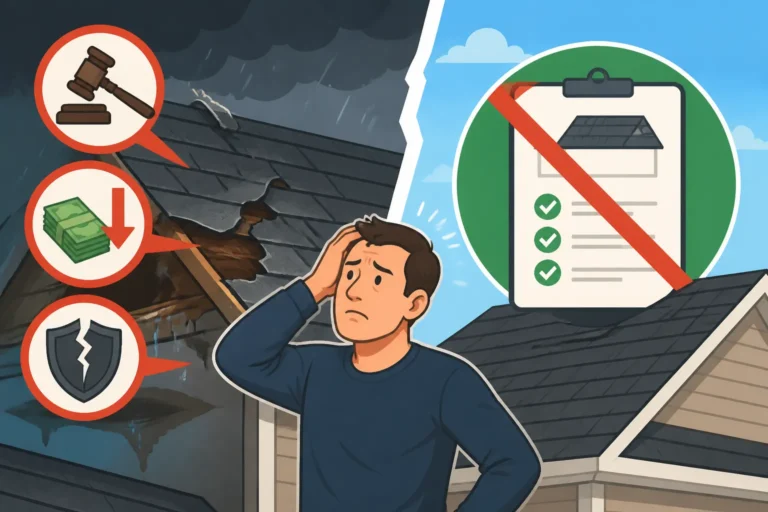
It's incredibly frustrating when you've just dealt with a roofing disaster, filed an insurance claim, and then the initial estimate comes back feeling… incomplete. You breathe a sigh of relief thinking the hard part is over, only to realize that what the insurance company initially offers doesn't quite match the reality of what your home truly needs. This guide is here to walk you through exactly what a roof claim supplement is, why it's a common and necessary part of the process, and how to navigate it with confidence.
What Exactly is a Roof Claim Supplement?
Think of a roof claim supplement as an amendment or an addendum to your original insurance claim estimate. It's not a sign that something went wrong initially, but rather a crucial step to ensure all necessary repairs or replacements are adequately covered. When an insurance adjuster first assesses your roof damage, they're often doing it quickly, sometimes from the ground, and making an estimate based on visible damage and general assumptions about your home's construction. This initial assessment, while a good starting point, frequently overlooks hidden issues, specific local building code requirements, or fluctuations in material costs that become apparent only after a contractor performs a more detailed inspection or even begins the work.
A supplement bridges that gap between the initial estimate and the true cost of returning your roof to its pre-loss condition, or even better, bringing it up to current code. It details additional labor, materials, or unforeseen repairs that weren't included in the original insurance payout. For instance, an adjuster might estimate a certain number of squares for your roof, but once the contractor gets up there and starts to measure, they might find the actual area is larger, or there are complexities like multiple valleys or dormers that add to the material and labor. It's about ensuring fairness and that your home gets the complete, quality repair it deserves, rather than a rushed, cut-corners job that only addresses the most superficial damage.
This process can feel like yet another hurdle in an already stressful situation, but understanding it is key. Your roofing contractor, especially one experienced with insurance claims, will typically be the one to identify the need for a supplement and submit it on your behalf. They're the experts on the ground, literally, seeing things the initial adjuster might have missed.
Common Reasons for a Roof Claim Supplement
Supplements are incredibly common, and for good reason. A roof replacement is a complex project, and many factors can influence the final cost that aren't apparent during an initial inspection. Here are some of the most frequent reasons why a roof claim needs a supplement.
Unforeseen Damage and Hidden Issues
One of the biggest drivers for a supplement is discovering damage that wasn't visible during the initial assessment. Imagine a hailstorm that pounded your roof, but much of the damage to the underlying structures isn't obvious until the old shingles are torn off. You might assume only the shingles need replacing, but once your contractor starts the work, they could find sections of the roof decking that are softened by water intrusion or have suffered impact damage that compromised their integrity. Replacing just the shingles over damaged decking would be a serious mistake, leading to future problems like sagging and leaks.
Similarly, older homes might have issues with the existing roof sheathing or framing that become apparent during the tear-off process. Perhaps some boards are cracked, delaminated, or rotted from years of slow leaks that went undetected. These hidden issues require immediate attention for a sound new roof system. Including the cost for unexpected repairs like this is vital, and it’s something your contractor will document thoroughly, often with photos, to present to the insurance company. This is a common situation that often leads to a higher Roof Decking Replacement Cost.
Code Upgrades and Local Requirements
Building codes are not static; they evolve to ensure homes are safer and more resilient to natural disasters. What was compliant when your old roof was installed might not meet today's standards. For example, many areas now require additional components like ice and water shield in vulnerable areas, enhanced attic ventilation systems, or specific drip edge installations. If your existing roof doesn't have these, but local codes mandate them for new construction or major repairs, your insurance company is often obligated to cover the cost to bring your roof up to code, even if the initial estimate didn't include it.
Navigating these code upgrades can be tricky, as requirements vary significantly from one municipality to another, and even within the same state. A reputable roofing contractor will be familiar with the local codes in your area, whether you're in a high-wind zone along the coast or a region prone to heavy snow. They'll ensure that the supplemental claim includes these necessary upgrades, preventing you from facing fines or future issues with home inspections. Understanding Roofing Building Codes What to Know is crucial for this aspect.
Material Price Increases and Supply Chain Issues
The cost of roofing materials can fluctuate, sometimes quite dramatically. This has become particularly evident in recent years with global supply chain challenges. An initial estimate might be based on material prices from several weeks or even months prior, especially if there's a backlog in scheduling the work or if the claim takes time to process. By the time your contractor is ready to order materials, the prices might have gone up considerably.
When this happens, a supplement is necessary to cover the increased cost of shingles, underlayment, flashing, and other essential components. Reputable insurance companies understand that these market fluctuations occur and will typically approve a supplement for material price increases, provided the contractor can show documented proof of the current market rates. This ensures that you don't have to absorb these unexpected increases out of your own pocket. If you're wondering about the overall expenses, our guide on Roof Replacement Cost Complete Breakdown can provide a broader perspective.
Scope Differences and Missed Items
Sometimes, the initial adjuster's scope of work just doesn't match the contractor's more detailed assessment. This isn't usually malicious; it's just the nature of the beast. An adjuster might estimate for a certain type of underlayment, but your contractor knows a higher-quality synthetic underlayment is needed for better protection, or perhaps the initial estimate missed specific components like ridge vents, starter shingles, or new flashing around chimneys and vents. These "missed items" add up quickly.
Consider the example of a home with a complex roofline, multiple dormers, or a detached garage that needs to be reroofed along with the main house. The initial estimate might have underestimated the complexity or the total square footage, leading to a significant difference in labor and material needs. Or perhaps the initial estimate didn't account for the Cost of Roof Tear-Off and Disposal for two layers of existing shingles, which is a common scenario. A contractor's supplement will itemize all these discrepancies, detailing exactly what was missed or undervalued in the initial assessment, ensuring that every aspect of the job is accounted for.
The Supplement Process: Step by Step
Navigating the supplement process can feel intimidating, but understanding the steps involved can empower you. It usually involves a collaboration between your contractor and your insurance company.
Documentation is Key
The success of a roof claim supplement hinges almost entirely on thorough and accurate documentation. Your roofing contractor plays a pivotal role here. They will perform a detailed inspection, often more in-depth than the initial insurance adjustment, identifying all visible and potential hidden damage. This includes taking copious photographs and videos from multiple angles – close-ups of damaged areas, wider shots showing the extent of the damage, and images demonstrating specific areas that require code upgrades or additional materials.
For instance, if rotten decking is discovered once old shingles are removed, the contractor will photograph it immediately before repairs begin. They will also document measurements, material specifics, and labor costs associated with the supplemental items. This comprehensive package of evidence, often compiled in a professional estimate software, serves as the backbone of the supplement request. Without solid proof, it's very difficult to justify additional costs to the insurance company. This meticulous approach helps prevent Hidden Costs in a Roof Replacement from surprising you later.
Communication with Your Contractor and Adjuster
Open and consistent communication is paramount. Once your contractor identifies the need for a supplement, they should review it with you, explaining exactly what additional work is required and why. They will then typically submit the supplement directly to your insurance company, often along with their detailed estimate and supporting documentation. This is where a good contractor truly shines; they act as your advocate, speaking the insurance company's language and justifying the additional costs.
The insurance adjuster will review the submitted supplement. Sometimes, they might approve it quickly. Other times, they may want to discuss the items with your contractor, request more documentation, or even schedule a re-inspection to verify the additional damage or scope of work. It’s not uncommon for there to be a bit of back-and-forth. Your contractor should keep you informed throughout this dialogue, letting you know about any updates or potential delays. Our guide on How to Read and Compare Roofing Estimates can help you understand what to look for.
Negotiation and Approval
Once the supplement is submitted, a negotiation phase may begin. This isn't always a confrontational process; often, it's about clarifying details and ensuring both parties agree on the necessary scope of work and fair pricing. The insurance company's goal is to pay for covered damages, and the contractor's goal is to perform a complete and quality repair. If there are disagreements, they usually revolve around pricing for specific items, the necessity of certain code upgrades, or the extent of damage to underlying structures.
A skilled contractor will be prepared to justify every item on the supplement, using industry-standard pricing guides and detailed explanations. If an agreement is reached, the insurance company will issue an additional payment for the approved supplemental items. If you find yourself in a situation where the Roof Insurance Claim Denied What to Do after a supplement, or if there are significant disputes, it might be time to consider involving a public adjuster. These professionals specialize in advocating for policyholders in complex claims.
What to Expect When Submitting a Supplement
The reality of dealing with insurance claims, even with a supplement, can sometimes be a bit of a waiting game. Knowing what to expect can help manage your stress and expectations.
Timelines and Potential Delays
After your contractor submits a supplement, the insurance company generally has a certain timeframe to respond, which can vary by state regulations and company policy. While some supplements are approved quickly, others might take several days to a few weeks, especially if a re-inspection is required or if the claim is particularly complex. Factors like adjuster workload, the clarity of the documentation, and the extent of the additional costs can all influence the timeline.
During peak storm seasons, when many homeowners are filing claims, delays can be even more pronounced due to the sheer volume of work adjusters are handling. It's important to remain patient but also to follow up regularly with your contractor, who should be communicating with the insurance company on your behalf. If you're trying to figure out if your entire roof is covered, our comprehensive guide on Does Insurance Cover Roof Replacement can provide valuable insights.
Tips for a Smooth Supplement Process
Making the supplement process as smooth as possible starts with choosing the right roofing contractor. Look for a contractor who has extensive experience working with insurance claims and a strong track record of successfully navigating supplements. They should be transparent with you about what they're submitting and why, and provide you with copies of all documentation.
Here are a few tips to help you:
- Choose an experienced contractor: Their expertise in documenting damage and negotiating with insurance companies is invaluable.
- Stay informed: Ask your contractor questions and understand what's being submitted.
- Keep good records: Maintain copies of all estimates, communications, and photos.
- Be patient but persistent: Follow up without being overly aggressive.
- Understand your policy: While your contractor handles the specifics, a basic understanding of your coverage will empower you.
This proactive approach can significantly reduce the potential headaches associated with additional claims.
When to Seek Professional Help
Most of the time, a good roofing contractor can handle the supplement process effectively. However, there are instances when you might need to bring in additional professional help. If your insurance company is denying legitimate supplemental items, dragging their feet excessively, or if you feel completely overwhelmed and out of your depth, a public adjuster might be a beneficial resource.
A public adjuster is an independent claims adjuster who works exclusively for the policyholder, not the insurance company. They can review your policy, re-evaluate the damage, prepare their own estimate and supplement, and negotiate directly with your insurance company on your behalf. They often work on a contingency basis, meaning they only get paid a percentage of the final settlement. While they come at a cost, their expertise can sometimes result in a significantly higher payout, especially if your claim is large or complex. Learning about Public Adjuster for Roof Claims Explained can clarify if this is the right path for you.
Common Items Included in Roof Supplements
To give you a better idea of what frequently appears on a supplement, here's a table of common items that might be added to an initial insurance estimate:
| Category | Common Supplemental Items | Why It's Often Missed/Needed |
|---|---|---|
| Roof Decking | Replacement of rotten, damaged, or delaminated sheathing (OSB or plywood) | Initial adjusters cannot see damage under existing shingles; only discovered during tear-off. Essential for a solid roof foundation. |
| Code Upgrades | Ice and water shield, synthetic underlayment, additional ventilation (ridge vents), drip edge | Building codes evolve; older roofs may not meet current requirements. Adjusters may not include these unless specifically requested and justified by code. |
| Flashing | Step flashing, counter flashing, chimney flashing, pipe boot replacement | Often underestimated or assumed to be reusable. Damage might not be visible from the ground, or new flashing is required for proper seal and longevity. |
| Ventilation | Installation of new ridge vents, soffit vents, or exhaust vents (e.g., box, turbine) | Often required by code or necessary for a balanced attic ventilation system to prevent premature roof aging and energy loss. Initial estimates might only cover existing, insufficient vents. |
| Access & Safety | Steep roof premium, multi-story premium, specialized equipment for access | Not always factored into standard estimates. Significant additional labor and safety considerations for complex or high roofs. This relates closely to the Steep Roof Cost Premium. |
| Waste Disposal | Haul-off fees for extra layers of shingles, additional debris from decking replacement | Initial estimate might assume one layer of shingles, but multiple layers or damaged decking create significantly more waste. |
| Miscellaneous Materials | Starter shingles, hip & ridge cap shingles, specialized fasteners, sealants | Small but essential items that add up; sometimes overlooked in broad initial estimates. |
| Temporary Protection | Tarping services, debris netting, magnetic sweeps | Necessary to protect the home during the re-roofing process, especially if unexpected issues cause delays or if it rains. Also ensures a clean property post-project. |
| Gutter/Siding Damage | Repair or replacement of collateral damage (e.g., from hail or installation) | While sometimes separate claims, minor damage to gutters or siding often occurs during a roof event or replacement and should be included if related to the original loss. |
| Market Adjustments | Increased material costs, labor rate adjustments | Due to economic fluctuations or supply chain issues, material and labor costs can rise between the initial estimate and project start. This is a primary driver of a Roofing Cost Increases Why Prices Went Up. |
Ultimately, a roof claim supplement isn't just a formality; it's a vital tool that helps ensure your home receives the complete, high-quality repair it needs. By understanding this process and working with a knowledgeable contractor, you can navigate your roof replacement with greater peace of mind, knowing that all the critical details are being addressed.
Disclaimer
This article is for general informational purposes only and does not constitute professional advice. Laws, prices and regulations vary by location and change over time. Consult a qualified professional for guidance on your specific situation.