Do You Need a Permit for Roof Repair
Thinking about getting a roof repair can already feel like a huge headache, especially when you're staring at potential leaks or damaged shingles. The last thing most homeowners want to deal with is navigating a confusing maze of permits and regulations. It's truly frustrating trying to figure out if that repair job, big or small, even needs official approval from your local city or county. This guide is here to untangle that knot, walking you through exactly when a roof repair permit is necessary and what you need to know to avoid costly mistakes and unnecessary stress.
Understanding the "Why" Behind Roofing Permits
It's easy to look at permits as just another bureaucratic hurdle, a piece of paper that adds time and cost to your project. And let's be honest, sometimes it really feels that way! But there's a genuine reason behind these requirements, especially when it comes to something as vital as your home's roof. These rules are put in place to protect you, your neighbors, and the long-term integrity of your property.
Protecting Homeowners and Neighborhoods
Imagine a scenario where anyone could just slap any material onto their roof without any oversight. You might end up with shoddy workmanship, dangerous installations, or materials that aren't suited for your climate. This isn't just a risk to your home; it can affect property values and even safety across an entire neighborhood. Permits act as a checkpoint, ensuring that the work being done meets a certain standard. This standard helps maintain the aesthetic and structural harmony of an area, and ultimately, protects everyone's investment. It's about preventing problems down the line that could be much more expensive and dangerous than the initial permit fee.
Ensuring Code Compliance and Safety Standards
Every locality has a set of building codes. These aren't just arbitrary rules; they're developed based on years of construction experience, engineering principles, and lessons learned from past disasters. When you get a permit for roof repair, you're essentially agreeing that the work will adhere to these codes. This is crucial for safety. For instance, proper nailing patterns, the right type of underlayment, and adequate roof ventilation aren't just suggestions; they're often codified to ensure your roof can withstand local weather conditions, from heavy snow loads to high winds. Without a permit, there's no official mechanism to confirm that a contractor is following these vital safety standards, potentially leaving your home vulnerable. This is why understanding Roofing Building Codes: What to Know is so essential for any homeowner.
Tracking Property Improvements and Tax Assessments
Permits also serve a practical purpose for local government. They help keep tabs on significant property improvements. When you undertake a major roof repair or replacement, it can affect the value of your home. Local assessors use permit records to update property assessments, which in turn influences property taxes. While this might not sound like a direct benefit to you, it ensures that property values are assessed fairly across the community, funding local services like schools and infrastructure. It's part of the broader system that keeps communities functioning and growing, even if it feels a little indirect when you're just trying to fix a leaky roof.
When a Permit is Absolutely Required for Roof Repair
Navigating the permit landscape can be confusing because the line between "repair" and "replacement" isn't always clear-cut, and local rules vary wildly. However, there are some pretty universal situations where you can almost guarantee you'll need to pull a permit. It's always best to err on the side of caution and check with your local building department, but these scenarios are strong indicators.
Major Structural Changes or Full Replacement
This is perhaps the most straightforward category. If your project involves anything that fundamentally alters the structure of your roof, you will need a permit. This isn't just about the shingles; it's about the bones of your roof. For example, if you're adding a dormer, changing the pitch of your roof, or if the roof decking itself needs significant repair or replacement, that's structural. And of course, a complete How Much Does an Asphalt Shingle Roof Cost involves removing all existing materials down to the deck and installing an entirely new system. This type of extensive work is always going to require a permit, as it touches upon foundational building codes and safety regulations. You can expect inspectors to review plans to ensure everything from the roof's load-bearing capacity to its ability to shed water properly is up to snuff.
Significant Repairs Exceeding a Certain Percentage
Here's where it can get a little murky, but it's a critical point to understand. Many jurisdictions have rules stating that if your "repair" exceeds a certain percentage of the total roof area—often 25% or 50%—it's no longer considered a repair but a replacement, and thus, requires a permit. This is to prevent homeowners from performing piecemeal repairs over time that collectively amount to a full replacement without any oversight. For instance, if you've had multiple small leaks over a few years, and now you're looking at replacing a large section of one slope, that could easily trigger the permit requirement in many cities like Denver, Colorado, or Tallahassee, Florida. The idea is that if you're fixing enough of the roof that it approaches the scope of a new roof, it should be held to the same standards.
Changes to Roof Pitch or Material Type
Thinking about making your low-slope roof a bit steeper for better drainage? Or perhaps you're moving from a traditional 3-tab shingle to a heavier architectural shingle, or even exploring different roofing materials entirely? Any alteration to your roof's pitch or a significant change in material type will almost certainly necessitate a permit. A change in pitch affects the structural integrity and load-bearing capacity of the roof system, which is a big deal for safety. Likewise, switching to a different material can impact everything from the weight the roof deck needs to support to its fire rating and how it performs in various weather conditions. For instance, if you're considering a material like slate or tile, which are much heavier than asphalt shingles, your entire roof structure might need reinforcement, a project that is absolutely permit-worthy. Even just changing from a standard asphalt shingle to an Impact-Resistant Shingle Cost might require permit review in certain hail-prone areas to ensure proper installation for the specified performance.
Common Roof Repairs That Often Don't Need a Permit
While the previous section highlighted when permits are a must, the good news is that not every single flick of a hammer on your roof requires a government green light. Many minor repairs, the kinds that prevent bigger problems down the road, can often be handled without getting wrapped up in permit paperwork. It’s always smart to double-check with your local authority, but these are generally the less restrictive scenarios.
Minor Shingle Replacement or Patching
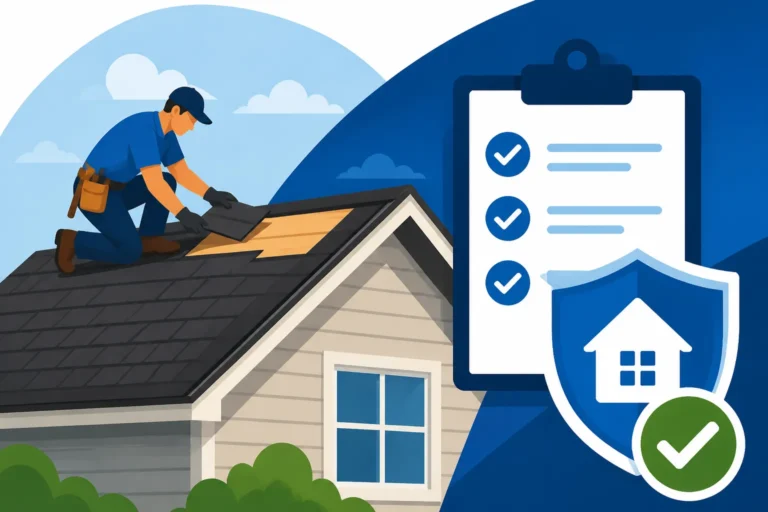
If you've noticed a few missing shingles after a brisk windstorm, or perhaps some isolated damage from a falling branch, a minor repair to replace just those few shingles usually won't require a permit. We're talking about fixing a small, localized area, maybe a square or two (a "square" in roofing terms is 100 square feet). The intent here isn't to rebuild a large section of the roof, but simply to address immediate, localized damage. This kind of work is often considered routine maintenance or a cosmetic fix rather than a structural alteration. If you're just looking to replace a handful of Missing Shingles: Repair or Replace, chances are you can proceed without a permit, provided the underlying decking and structure are sound and don't need extensive work. The goal is to get your roof back to its functional state quickly and efficiently without adding unnecessary bureaucratic steps to a simple fix.
Routine Maintenance and Cleaning
Regular roof maintenance is key to extending its lifespan, and thankfully, these activities rarely require a permit. This includes things like cleaning gutters, removing moss and algae growth, inspecting flashing, or sealing small cracks around vents. Think of it as keeping your roof in good shape, much like changing the oil in your car. These tasks are preventative and generally don't involve altering the fundamental structure or materials of your roof. For example, if you're dealing with Moss Growth: Repair or Replace on your shingles and decide to clean them, that's considered maintenance. Similarly, if you need to reseal some existing flashing around your chimney or a vent pipe, that's typically permissible without a permit. It's about preserving the existing roof, not changing or extensively repairing it.
Emergency Repairs (with caveats)
Sometimes, disaster strikes, and you need to act fast. A sudden major storm might cause significant damage, leading to an immediate leak that threatens your home's interior. In such emergency situations, many jurisdictions understand that you can't wait for a permit to begin urgent repairs, such as temporarily covering a gaping hole with a tarp or making quick, essential fixes to stop active water intrusion. However, there's a big caveat: while you can often perform the initial temporary repair without a permit, you will almost certainly need to apply for a proper permit for the permanent repairs afterward. The emergency clause is for mitigating immediate danger and preventing further damage, not for bypassing the permit process entirely. Always document the emergency, take photos, and contact your local building department as soon as safely possible to inform them of the situation and begin the permit application for the full repair. This distinction is crucial, especially when considering How to Temporarily Stop a Roof Leak in a crisis.
Navigating Local Regulations: It's Not One-Size-Fits-All
This is perhaps the biggest source of confusion and frustration for homeowners: there isn't one universal answer to the permit question. What's required in one city or county might be completely different in another, even if they're just a few miles apart. It’s like trying to hit a moving target, which can be incredibly annoying when all you want is a clear answer.
Checking with Your Local Building Department
This is the golden rule, the absolute best piece of advice anyone can give you: always check with your local building department. Seriously, don't rely on what your neighbor did last year or what you read on a general online forum. Every municipality, from bustling New York City to a quiet rural county in Georgia, has its own specific set of ordinances and regulations. These can evolve, too, with new building codes being adopted every few years.
You can usually find their contact information on your city or county government website. Look for departments related to "Building," "Permits," "Planning," or "Code Enforcement." A quick phone call or an email explaining your specific repair project will get you the most accurate information. Be prepared to describe the scope of work: what kind of damage, how large an area, what materials, and if it involves any structural changes. This proactive step can save you immense headaches, fines, or even having to undo work later. It's also wise to check who pulls the permit – sometimes it's the homeowner, but often your contractor will handle this. Learning about Roofing Permits: Who Pulls Them can streamline the process significantly.
The Role of HOAs and Historic Districts
As if local government permits weren't enough, some homeowners have additional layers of approval to navigate. If you live in a community with a Homeowners Association (HOA), you'll likely have specific covenants, conditions, and restrictions (CC&Rs) that dictate what kind of exterior changes you can make. This often includes roof repairs and replacements. Your HOA might have rules on everything from shingle color and style to the type of materials allowed, even if local building codes would permit other options. Always consult your HOA documents and get their approval before starting any work, even if it's a minor repair that doesn't require a municipal permit.
Similarly, if your home is located in a historic district, you'll be subject to an entirely different set of regulations. These districts aim to preserve the architectural character of the area, which often means strict guidelines on materials, appearance, and even specific installation methods for your roof. A simple repair that wouldn't normally need a permit could require extensive review and approval from a historic preservation commission if it impacts the visible aesthetic of the building. Ignoring these rules can lead to significant fines and mandated changes, so confirming these details is paramount.
What Happens If You Skip the Permit?
It might be tempting to just "do the repair" and hope nobody notices, especially for a seemingly minor fix. But skipping a required permit for roof repair can lead to a host of unpleasant and expensive consequences. You might think you're saving time and money, but often, you're creating a bigger problem.
First, if your unpermitted work is discovered, usually by a code enforcement officer, an unhappy neighbor, or during a subsequent property inspection (like when you go to sell your home), you could face hefty fines. These fines often far exceed the original permit fee.
Second, you'll likely be issued a "stop work order," halting all activity until you apply for and receive the proper permits. This can cause significant delays, especially if you have an open roof or a partially completed job.
Third, the building department might require you to expose parts of the work, or even tear it down, for inspection to ensure it meets code. This could mean removing newly installed shingles to check underlayment or nailing patterns.
Fourth, and perhaps most damaging, unpermitted work can complicate insurance claims. If a future storm damages your roof, and your insurance company discovers that a previous repair or replacement was done without a required permit, they could deny your claim, leaving you to pay for everything out of pocket.
Finally, when you eventually sell your home, buyers or their lenders will often require proof that all major work was permitted and inspected. Unpermitted work can delay or even derail a sale, potentially forcing you to rectify the situation at your own expense before closing. This is why understanding What Happens If You Skip a Roofing Permit is so crucial. It’s truly not worth the risk.
Here’s a quick overview of typical permit requirements for common roofing scenarios:
| Type of Roof Work | Typical Permit Requirement | Common Conditions/Notes |
|---|---|---|
| Full Roof Replacement | YES | Always requires a permit. Involves tear-off down to decking and full re-installation. |
| Major Repair (over 25-50% area) | YES | If the repair area exceeds a certain percentage (e.g., 25% or 50%) of the total roof surface, it's often reclassified as a replacement. Local codes vary significantly. |
| Structural Changes (e.g., dormer) | YES | Any alteration to the roof's framing, pitch, or load-bearing components. |
| Change in Material Type | YES | Switching from asphalt shingles to tile, metal, or even a significantly heavier type of asphalt shingle (e.g., 3-tab to designer architectural) can require a permit due to weight, fire ratings, or structural implications. |
| Re-roofing Over Existing Shingles | YES (often) | Even if allowed by code (often only one layer over existing), a permit is usually required as it changes the roof's weight and condition. Some areas, like those prone to hurricanes, strictly forbid this. |
| Minor Shingle Replacement (few) | NO (usually) | Replacing a handful of missing or damaged shingles (e.g., less than 1-2 squares). Does not involve structural work. |
| Flashing Repair/Replacement | NO (usually) | Repairing or replacing localized flashing around chimneys, vents, or walls, provided no structural work is involved. |
| Gutter Cleaning/Repair | NO | Routine maintenance. |
| Moss/Algae Removal | NO | Routine maintenance. |
| Emergency Temporary Repairs | NO (initially) | For immediate safety or to prevent further damage (e.g., tarping a hole). Permanent repairs will still require a permit, and you must notify the building department as soon as possible after the emergency. |
The bottom line when it comes to permits for roof repair is this: assume you might need one, and then verify. It's always better to ask your local building department directly than to make assumptions that could lead to costly problems down the road. Work with a reputable contractor who is familiar with local regulations; a good roofer will often handle the permit process for you, easing your burden significantly. If you’re unsure how to find one, our guide on How to Choose a Roofing Contractor can help. By being proactive and informed, you can ensure your roof repair is done correctly, safely, and legally, protecting your home and your investment for years to come.
Disclaimer
Please remember that the information provided in this article is intended for general guidance only and should not be considered legal or professional advice. Roofing regulations and permit requirements are highly specific to local jurisdictions and can change. Always consult directly with your local building department, a qualified roofing contractor, and relevant homeowner association (HOA) officials to confirm the exact requirements for your specific roof repair or replacement project. Relying solely on general online information could lead to unexpected costs, fines, or project delays.