Do You Need a Roofing Permit in Tennessee
It can feel incredibly confusing when you're staring down a roof replacement or a major repair, wondering if you need to jump through the hoops of obtaining a permit. The rules aren't always crystal clear, and the last thing any homeowner wants is to unknowingly break a regulation or face fines down the line. This guide is here to shed light on whether you need a roofing permit in Tennessee, what the process generally involves, and why it's so important not to skip this crucial step.
Why Roofing Permits Exist and Why They Matter
Let's be honest, nobody enjoys dealing with bureaucracy. The idea of getting a permit often conjures images of endless paperwork, extra fees, and delays. But here’s the thing: roofing permits aren't just red tape for the sake of it. They exist for very important reasons, primarily focused on your safety and the long-term integrity of your home. Building codes are in place to ensure that construction work, especially something as critical as your roof, meets certain standards. These standards protect your property from structural damage, ensure proper installation techniques, and verify that the materials used are appropriate and safe.
Imagine a scenario where a storm rolls through Nashville and damages your roof. You hire a contractor who starts work immediately, but they skip the permit. If that contractor uses subpar materials, installs things incorrectly, or cuts corners, and then another storm hits, you could be left with a severely compromised roof and no recourse because the work wasn't inspected. The permit process, while sometimes a hassle, is designed to prevent these kinds of costly and dangerous situations by providing oversight. It's an assurance that the work done on your home is up to snuff.
Protecting Your Investment and Ensuring Safety
A new roof is a significant investment, often costing thousands of dollars. Whether you're considering a full overhaul or just a substantial repair, you want that investment to last and to perform its primary function: protecting your home from the elements. Permits require that work is inspected at various stages, ensuring that the structural integrity of your roof decking, the quality of the underlayment, and the proper installation of shingles are all up to current building codes. For instance, if you're replacing your entire roof, a municipal inspector might check the roof deck for rot or damage after the old shingles are removed and before the new ones go on. This critical check can catch underlying issues that an unscrupulous or inexperienced contractor might otherwise ignore, saving you from headaches and expensive repairs down the road.
Moreover, these codes often reflect lessons learned from past disasters. For example, in high-wind zones, there are specific requirements for how shingles are nailed to resist uplift. Without a permit and subsequent inspection, there’s no guarantee these crucial protections are being implemented correctly. It’s not just about passing an inspection; it’s about having peace of mind that your home is genuinely protected.
Staying Compliant with Local Ordinances
Tennessee is a diverse state, from the Appalachian foothills to the Mississippi River Delta, and while there might be some overarching state guidelines, the specifics of roofing permits are almost always handled at the local level. This means that requirements can vary significantly from one city or county to another. What’s perfectly acceptable for a small repair in a rural area of Grundy County might require a full permit and multiple inspections in a bustling city like Chattanooga.
The local building department is responsible for enforcing these codes and issuing permits. Their goal is to ensure all construction within their jurisdiction is safe and compliant. Failing to obtain a required permit can lead to enforcement actions, which can be far more troublesome and expensive than simply getting the permit in the first place. This is why understanding the local rules is paramount, and it's something your chosen roofing contractor should be well-versed in.
Navigating Tennessee's Roofing Permit Requirements
When it comes to roofing permits in Tennessee, the Golden Rule is simple: always check with your local authority. While Tennessee doesn't have a statewide uniform building code that dictates specific permit requirements for every single roofing job, it mandates that counties and municipalities adopt and enforce building codes. This means permit necessities are determined by your specific city or county building department.
For instance, major metropolitan areas like Nashville and Memphis will have very defined permit processes and requirements, often more stringent than those in smaller towns. Even within a county, some smaller cities might have their own building departments and codes distinct from the county's. It's easy to get lost in the nuances, which is why a good, licensed contractor is invaluable.
When a Permit Is Typically Required
Generally speaking, you will almost certainly need a roofing permit for any job that constitutes a "new roof" or a "total roof replacement." This includes:
- Tear-off and Replace: This is the most common scenario. If your old shingles are being completely removed down to the roof decking and new materials are being installed, a permit is typically required. This allows inspectors to check the integrity of the underlying decking, flashing, and ventilation system before it's covered up. You might be surprised at what they find under there, from minor rot to inadequate nailing.
- Roof Overlay (Roofing Over Existing Shingles): While it's generally discouraged to install new shingles directly over old ones (especially if there are already two layers), some municipalities might allow it under certain conditions. Even in these cases, a permit is usually necessary to ensure the existing structure can handle the added weight and that the new layer meets current code. However, many areas, including larger cities in Tennessee, strictly prohibit more than two layers of roofing material, making a tear-off mandatory.
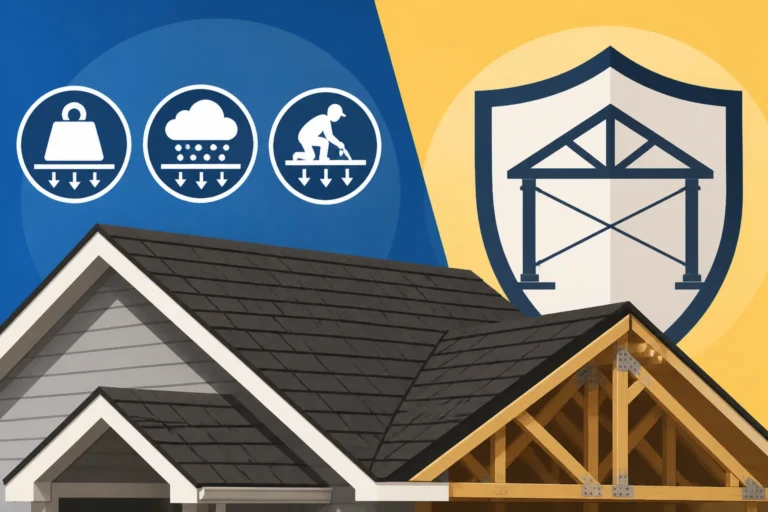
- Structural Changes: If your roofing project involves any alteration to the roof's structure itself, such as changing the pitch, adding dormers, or extending the roofline, a permit is definitely required. These changes affect the load-bearing capacity and structural integrity of your home.
- Changing Roofing Material Type: Switching from asphalt shingles to something much heavier like tile or slate, or even lighter options like metal, usually triggers a permit requirement. This is because different materials have different weight loads, installation methods, and ventilation needs that building codes address.
- Major Repairs: While minor patch jobs or replacing a few shingles often don't require a permit, extensive repairs that involve a significant portion of the roof or impact its structural elements typically do. The line between "minor repair" and "major repair" can sometimes be blurry, but if you're in doubt, err on the side of caution and ask your local building department or a reputable contractor.
Here's a quick look at how requirements can vary, using major Tennessee cities as examples:
| City/County | Common Permit Triggers | Specifics to Note |
|---|---|---|
| Nashville/Davidson | Full roof replacement (tear-off), structural changes. | Metro Nashville Department of Codes Administration is very thorough. Permits required for most structural work. |
| Memphis/Shelby | Full roof replacement, re-roofing over existing (if allowed), structural changes. | City of Memphis Code Enforcement and Shelby County Office of Construction Code Enforcement enforce strict guidelines. |
| Knoxville/Knox | Total re-roofing, alterations to roof structure. | City of Knoxville and Knox County Planning require permits for roof replacements to ensure compliance with current codes. |
| Chattanooga/Hamilton | New roof, re-roofing, or any work affecting structural integrity. | Chattanooga City Planning & Development and Hamilton County Building Inspection Division are the authorities. |
As you can see, the theme is consistent: major work means a permit. Small patch jobs, where you're replacing just a handful of shingles and not delving into the underlying structure, typically don't trigger a permit. But if you're unsure, it's always best to make a quick call to your local building department, or better yet, trust your contractor to guide you. A good contractor will tell you straight away if a permit is needed and will typically handle the entire process for you. For more insights into state-level guidelines, you can review information on Roofing Regulations by State.
The Role of Your Contractor in the Permit Process
This is where having a reputable, licensed roofing contractor really pays off. A professional contractor in Tennessee should be well-versed in the local permitting requirements for the area they serve. They know the process, the paperwork, and the inspection checkpoints. In most cases, the contractor will be the one to pull the permit on your behalf. This is crucial because it means they are responsible for ensuring the work meets code and passes inspection.
When you're comparing bids and discussing your project, make sure to ask prospective roofers about their experience with local permits. Ask them to clearly outline whether a permit is included in their estimate and who will be responsible for obtaining it. A contractor who tries to dissuade you from getting a permit, or suggests doing the work "under the radar," is a massive red flag. Always choose a contractor who is transparent and insists on following proper procedures, even if it means a little extra time and paperwork. Knowing How to Choose a Roofing Contractor and asking Questions to Ask a Roofing Contractor Before Hiring can help you find the right professional.
The Risks of Skipping a Roofing Permit in Tennessee
Okay, so you might be thinking, "What's the real harm in just getting the roof done without the permit? No one will know, right?" While it might seem like a shortcut at the time, bypassing a required roofing permit in Tennessee can lead to a host of serious, expensive, and long-lasting problems. It's a gamble that almost never pays off in the long run.
Legal and Financial Consequences
The most immediate risk of skipping a permit is facing legal and financial penalties from your local building department. If city or county inspectors discover unpermitted work, they can issue a "stop work" order, halting the entire project until a permit is obtained and all issues are resolved. This can lead to significant delays, additional contractor fees for rescheduling, and potential material spoilage if the roof is left exposed.
Beyond stop-work orders, you could face hefty fines. These fines aren't just a slap on the wrist; they can be substantial, often many times the cost of the original permit fee. In some cases, authorities might even require you to tear off the unpermitted work so it can be properly inspected and redone according to code, which is an incredibly costly and frustrating experience. Imagine having a brand new roof, only to be told you have to pay to have it ripped off and reinstalled. It's a nightmare scenario that sadly happens. If you're curious about the potential consequences, it's worth reading about What Happens If You Skip a Roofing Permit.
Insurance Issues and Warranty Voids
This is a big one that many homeowners overlook. Most homeowners insurance policies require that any significant work done on your home, including roofing, is performed legally and according to code. If your new, unpermitted roof suffers damage in a storm, your insurance company might deny your claim entirely. Why? Because the work wasn't permitted and therefore wasn't officially approved to meet safety and building standards. They might argue that the damage could be a result of shoddy, uninspected work rather than a legitimate peril. This could leave you on the hook for the entire cost of repairs, which could be thousands of dollars, far more than the original Roof Replacement Cost: Complete Breakdown.
Furthermore, manufacturer warranties on your new shingles and roofing system often stipulate that the product must be installed by a certified contractor according to local building codes and manufacturer specifications. If you don't have a permit, it becomes harder to prove that the installation was done correctly, potentially voiding your warranty should a product defect arise. You wouldn't want to invest in high-quality GAF or Owens Corning shingles only to find out their warranty is useless because of an unpermitted installation. For more on insurance, check out Does Insurance Cover Roof Replacement.
Problems When Selling Your Home
Thinking of selling your house down the line? Unpermitted work can throw a major wrench into the sale process. When potential buyers hire home inspectors, they're looking for red flags. An inspector will often look for permits on file for major renovations, and if a roof replacement isn't documented, it will raise questions. Buyers, and their lenders, are often hesitant to move forward with a purchase if there's unpermitted work because it represents a legal and financial liability.
You might be required to obtain retroactive permits, which can be a more complex and expensive process than getting one upfront. In some cases, you might even have to disclose the unpermitted work, potentially lowering your home's value or making it difficult to find a buyer willing to take on the risk. It’s simply not worth the short-term saving to create such a significant long-term headache.
The Permit Process: What to Expect and How to Make it Smooth
Alright, so we've established that permits are necessary. Now, let's talk about how the process actually works, so it feels less like a giant, scary unknown and more like a manageable step in your roofing project. Understanding the typical flow can help you stay informed and ensure your contractor is doing things by the book.
Key Steps in Obtaining a Roofing Permit
While the exact steps might vary slightly between Tennessee's municipalities like Chattanooga, Knoxville, or Murfreesboro, the general process usually looks something like this:
- Application Submission: This is typically done by your licensed roofing contractor. They'll fill out a permit application form, providing details about the property, the scope of work, the materials to be used, and their contractor license information. This usually includes diagrams or plans if structural changes are involved.
- Plan Review (if applicable): For more complex projects involving structural changes, the building department might review the plans to ensure they meet current building codes. For a standard roof replacement, this step might be minimal or even skipped, assuming the contractor is well-known and reputable.
- Permit Issuance: Once the application is approved and any necessary fees are paid, the building department will issue the permit. This permit should be clearly displayed on your property, usually in a window or on a sign, for the duration of the project.
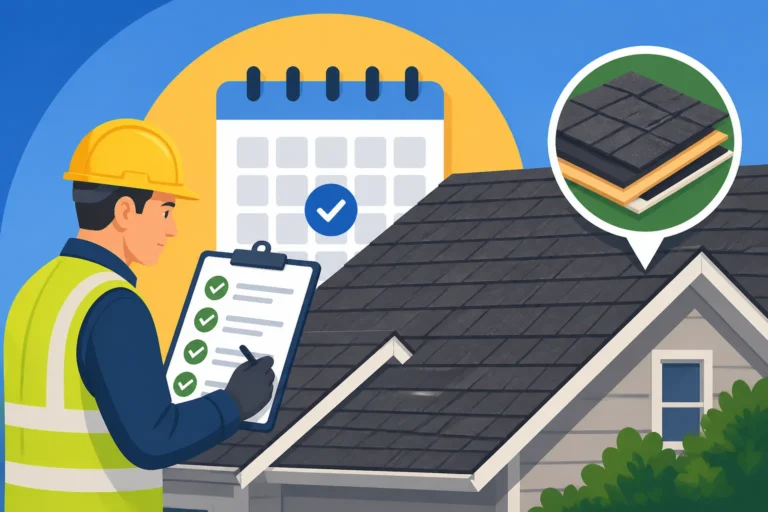
- Inspections: This is the critical part. Depending on the scope of work, there might be one or more inspections. For a full roof replacement, a common inspection point is after the old roof has been torn off but before the new underlayment and shingles are installed. This allows the inspector to verify the condition of the roof decking, look for adequate ventilation, and ensure proper flashing. Once the work is complete, a final inspection might be required to ensure everything is done correctly and safely.
- Final Approval: After all inspections are passed, the permit is closed, signifying that the work has been completed in compliance with local codes.
The good news is that for most homeowners, the licensed roofing contractor handles the bulk of this process. They're accustomed to dealing with the local building department and submitting the correct documentation. Make sure to discuss the permit process with your contractor upfront and confirm they will manage it. You can learn more about this by reading How to Pull a Roofing Permit.
Typical Costs and Timelines
The cost of a roofing permit in Tennessee will vary widely depending on your specific location and the value or scope of the project. In many areas, the permit fee is calculated based on the estimated cost of the roofing work. For example, in Davidson County (Nashville), fees are determined by the valuation of the construction. You might pay anywhere from a few hundred dollars to closer to a thousand, though average costs for a residential roof replacement permit usually fall on the lower end of that spectrum. This fee covers the administrative costs of processing the permit and conducting inspections.
As for timelines, the process can range from a few days to a couple of weeks. In larger cities with busier building departments, it might take a bit longer for the permit to be issued. However, for a straightforward roof replacement, many contractors can get the permit quickly, especially if they have a good working relationship with the local department. It’s always a good idea to factor in a week or two for the permit process when planning your roofing project to avoid unexpected delays. Detailed information on fees and timelines can often be found in resources like Roofing Permit Cost and Process.
What to Expect During Inspections
Don't let the word "inspection" make you nervous! When a building inspector comes out to your property, they're not trying to find fault; they're ensuring that the work is up to code and safe. They'll typically check for:
- Proper Tear-Off: If it's a tear-off, they'll verify that all old materials were removed.
- Decking Condition: They'll inspect the roof deck for any signs of rot, damage, or improper fastening. If issues are found, they'll require them to be addressed before new materials go on.
- Underlayment: They'll check that the appropriate underlayment (felt or synthetic) is correctly installed according to code, especially in areas like valleys and eaves where ice and water shield might be required.
- Flashing: Proper flashing around chimneys, skylights, vents, and walls is critical for preventing leaks. Inspectors will pay close attention to this.
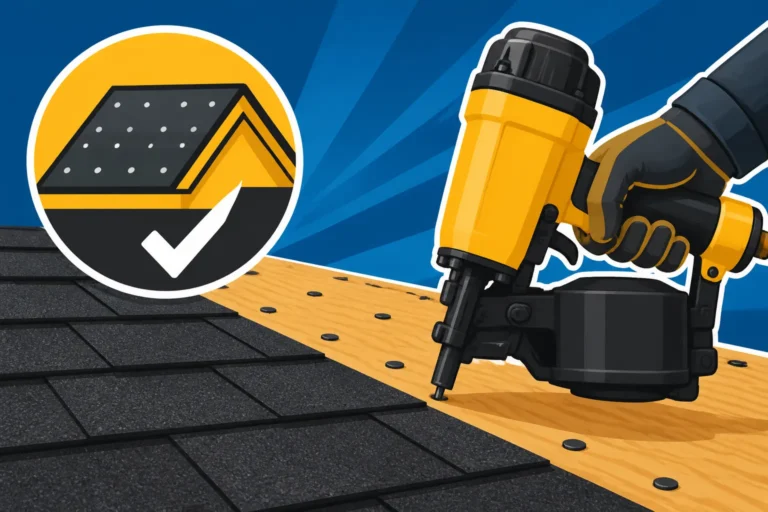
- Nailing Patterns: They'll ensure shingles are nailed correctly with the right number of nails per shingle, which is vital for wind resistance.
- Ventilation: Proper attic ventilation helps prolong the life of your roof and improve energy efficiency. Inspectors will often check that your ventilation system meets code requirements.
Your contractor should be present or available during inspections, or at least ensure their crew is prepared for what the inspector will look for. It's their responsibility to ensure the work passes. For a deeper dive into what inspectors focus on, check out Roofing Inspection: What Inspectors Check.
By understanding these steps and working with a qualified, honest roofing contractor, the permit process for your asphalt roofing project in Tennessee doesn't have to be a source of stress. It's a vital part of ensuring your home remains safe, compliant, and protected for years to come.
Disclaimer
The information provided in this article is intended for general guidance and informational purposes only, and does not constitute professional advice. Local building codes and permit requirements in Tennessee are subject to change and can vary significantly by municipality and county. Always consult with your local building department and a qualified, licensed roofing contractor for specific requirements related to your project and location. We do not accept responsibility for any loss which may arise from reliance on information contained in this article.