Two-Layer Shingle Rule Explained
One of the most common questions and biggest areas of confusion homeowners face when their roof starts showing its age is whether they can simply put new shingles right over the old ones. It sounds like such an easy way to save time and money, doesn't it? But, unfortunately, what many people don't realize is that most local building codes have very strict guidelines about how many layers of roofing material are allowed, often referred to as the "two-layer shingle rule." This guide will unpack everything you need to know about this regulation, why it exists, and what it means for your next roofing project.
Understanding the "Two-Layer Shingle Rule"
The phrase "two-layer shingle rule" is something you'll hear a lot in the roofing world, and it can be a bit misleading because, in practice, it often means that having any existing layer of asphalt shingles makes adding a second layer a no-go in many jurisdictions today. Historically, it meant that you could install new asphalt shingles over one existing layer, but generally not a third. However, modern building codes, evolving technology, and a deeper understanding of roof performance have largely shifted the standard practice towards a full tear-off, especially when dealing with existing asphalt shingles.
Definition and Rationale
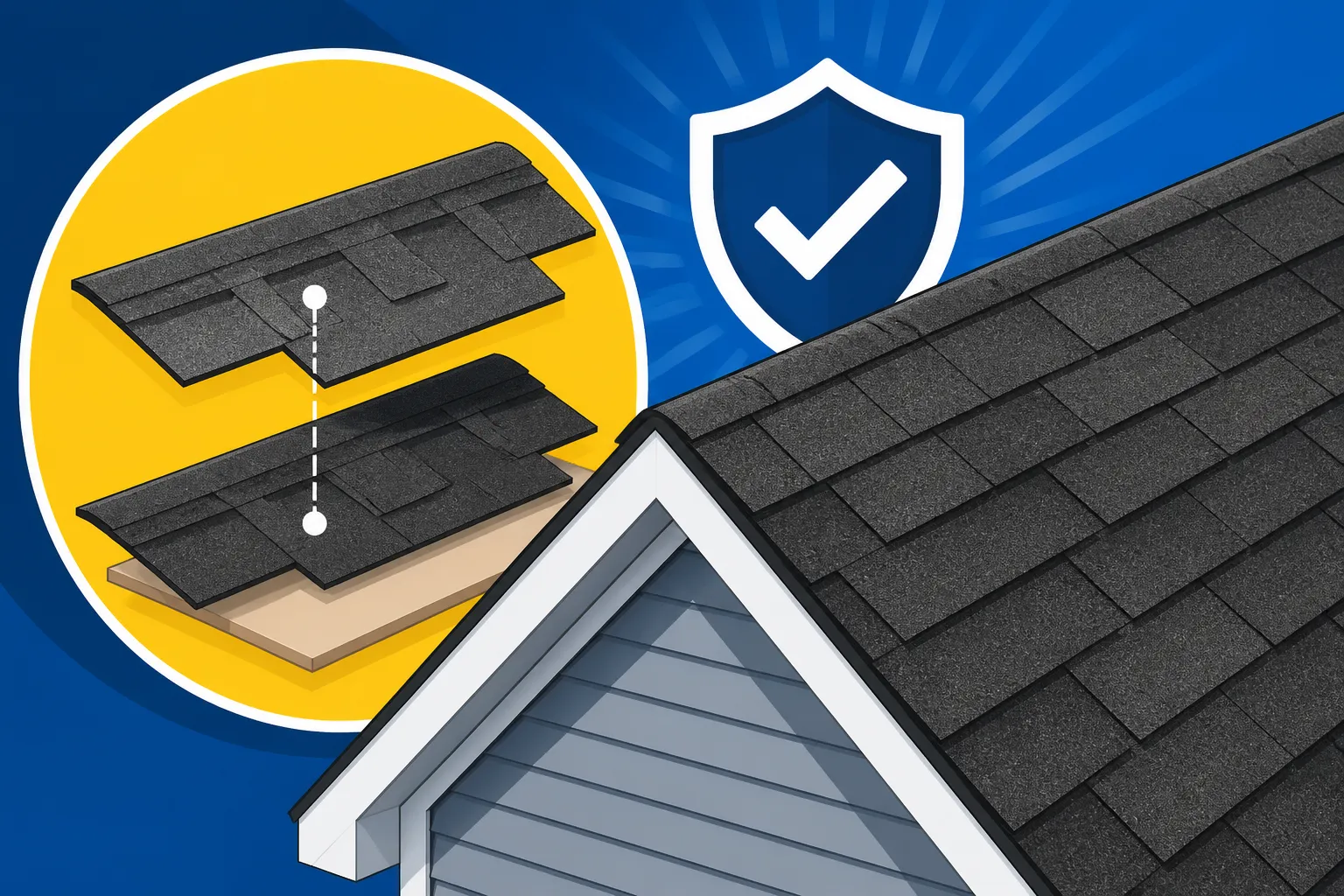
At its core, the rule dictates the maximum number of shingle layers permitted on a residential roof. While some older codes or specific municipalities might still allow a second layer of asphalt shingles over an existing one, the overwhelming trend and best practice today is to limit roofs to a single layer of shingles, meaning any existing layers must be removed before new ones are installed. This isn't just an arbitrary regulation; it's rooted in significant engineering and safety considerations. The primary rationale involves structural integrity, proper shingle adhesion, and the ability to properly inspect the roof decking beneath. When you consider the cumulative weight and potential for hidden issues, it becomes clear why this rule, or rather, the preference for a single layer, is so prevalent.
Imagine your roof as a complex system designed to shed water and withstand the elements for decades. Each component plays a vital role. When you start adding layers without proper consideration, you're essentially altering that finely tuned system, often to its detriment. This rule, therefore, acts as a safeguard, ensuring that new roofing installations meet contemporary standards for longevity and safety, protecting both the homeowner's investment and the home's structural well-being.
Historical Context and Evolution of Codes
For many years, especially before the 1990s, it was quite common for homeowners and contractors to simply "roof over" existing asphalt shingles. It saved on labor and disposal costs, making a new roof seem more affordable. Many homes built decades ago in places like the suburbs of Chicago or the older neighborhoods of Atlanta might still have two, or even three, layers of shingles stacked on top of each other from previous reroofing jobs. The thinking was, "If it ain't broke, don't fix it," and simply adding a new layer was seen as a quick and effective solution.
However, as roofing technology advanced and the understanding of roof system performance improved, building codes began to adapt. The shift was driven by lessons learned from storm damage, premature roof failures, and the recognition of issues caused by multiple layers. Engineers and building scientists realized that the old practice created more problems than it solved. Codes started to tighten, with many jurisdictions eventually moving to a "one existing layer maximum" rule, and then, for asphalt shingles, often transitioning to a "one layer total" standard, effectively making a full tear-off mandatory for most asphalt shingle replacements. This evolution reflects a commitment to higher quality, safer, and more durable roofing systems nationwide.
Why the Rule Exists: Safety and Structural Integrity
You might think, "What's the big deal with a few extra pounds on the roof?" But when you multiply that "few extra pounds" by thousands of square feet, you quickly realize the immense impact multiple shingle layers can have. The rule, or rather, the modern emphasis on single layers, isn't about making your life harder; it's about preventing serious structural problems and ensuring your roof performs as it should.
Weight Load Concerns
This is arguably the biggest reason why layering is now so widely discouraged, especially with asphalt shingles. Asphalt shingles are heavy. A typical square (100 square feet) of architectural shingles can weigh anywhere from 240 to 400 pounds or more. If you already have one layer on your roof, adding a second layer means you're potentially doubling that weight. For a 2,000 square foot roof, that's an additional 4,800 to 8,000 pounds! Now, imagine if an older home already has two layers and someone tries to put on a third – you're talking about a cumulative weight that the original roof framing was likely never designed to support.
This excessive weight can lead to a host of problems:
- Sagging Roof Decking: The plywood or OSB sheathing that forms the base of your roof can begin to sag under the strain, especially if it's older or has experienced some moisture damage.
- Strained Trusses and Rafters: The structural members holding up your roof are designed for a specific load, including the weight of the roofing materials and anticipated snow loads. Overloading them can cause them to deflect, warp, or even crack, compromising the entire roof structure.
- Compromised Wall Integrity: In extreme cases, the added weight can transfer down through your home's walls, potentially leading to cracks in drywall, sticking doors and windows, and even foundation issues over time. It's a domino effect that starts at the top.
The potential for such significant structural damage is why a full tear-off, even with its higher initial cost, is almost universally recommended and often mandated today. You can learn more about specific costs associated with this process in our guide on the Cost of Roof Tear-Off and Disposal.
Proper Adhesion and Performance
Beyond the sheer weight, layering shingles can severely impact how well your new roof performs. Modern asphalt shingles are designed to seal to each other using a thermal sealant strip, creating a monolithic barrier against wind and rain. This sealing process relies on a flat, even surface for optimal contact and activation. When you install new shingles over old, uneven, or curled shingles, you create an irregular surface.
Here's how improper adhesion can compromise your roof:
- Reduced Wind Resistance: The sealant strips on the new shingles won't activate uniformly or adhere properly if the underlying surface isn't flat. This makes the new shingles much more susceptible to wind uplift and blow-offs, especially during severe weather events. What's the point of investing in a new roof if it's going to fail at the first strong gust?
- "Telegraphing" Imperfections: Any curling, buckling, or unevenness in the existing layers will eventually "telegraph" through the new shingles. This not only looks terrible, making your new roof appear wavy or lumpy, but it also creates stress points that can lead to premature cracking and deterioration of the new material.
- Trapped Moisture: Old, failing shingles often have underlying moisture issues. Covering them up can trap this moisture, accelerating rot in your roof decking and promoting mold and mildew growth. This turns a superficial problem into a hidden, structural nightmare.
Proper adhesion is critical for the long-term durability and weather resistance of your asphalt roof. Compromising it from the start can significantly shorten the lifespan of your new roof, negating any perceived savings from not doing a full tear-off.
Impact on Roof Decking
The roof decking is the unsung hero of your roof system. It's the sturdy foundation that everything else rests upon. When you decide to overlay shingles, you completely bypass the opportunity to properly inspect and repair this crucial element. Over the years, your roof decking, typically made of plywood or OSB, can suffer from moisture damage, rot, or even structural fatigue.
Consider these scenarios:
- Hidden Rot and Water Damage: Leaks might not always manifest inside your home immediately. Water can seep in, saturate the roof decking, and cause rot that goes unnoticed for years. If you simply cover this with new shingles, the rot continues to spread, weakening the structure and potentially leading to catastrophic failure. A full tear-off allows the contractor to identify and address any instances of Rotted Roof Decking during the process.
- Improper Fastening: Shingles need to be nailed securely into solid decking. If the existing decking is soft, delaminated, or rotted in places, the nails won't have a secure bite. This further compromises wind resistance and can lead to shingles detaching.
- Warranty Voidance: Many shingle manufacturers will explicitly void their warranties if their products are installed over an existing roof without a full tear-off, precisely because they cannot guarantee proper adhesion or substrate integrity. It's a huge risk to take with such a significant investment. Always check the fine print! What Voids a Shingle Warranty is an important read before any project.
A full tear-off ensures that the contractor can thoroughly inspect the roof decking, make any necessary repairs or replacements, and install your new shingles onto a solid, sound foundation. This step alone can add years to the life of your new roof and provide immense peace of mind.
Local Variations and Code Enforcement
It would be wonderful if roofing rules were uniform across the board, but unfortunately, they're not. Building codes are often adopted and enforced at the state or local municipal level, leading to variations in what's permitted. This is why understanding your local regulations is absolutely paramount before starting any roofing project.
State and Municipal Differences
While the general trend leans heavily towards full tear-offs, specific rules about shingle layers can still vary. For instance, in some parts of Texas, where weather conditions can be severe, local building codes might be very strict about single-layer roofing to withstand high winds and hail. Conversely, an older, less populated county in a different state might still be operating under codes that permit a single overlay, although this is becoming increasingly rare for asphalt shingles.
It's not just about the number of layers, either. Some municipalities might have specific requirements for underlayment, drip edge, or ventilation that differ. For example, coastal areas of Florida have stringent high-wind resistance codes that often require specific nailing patterns and impact-resistant shingles, and these codes implicitly make layering problematic. If you're wondering, Do You Need a Permit to Replace a Roof, the answer is almost always yes, and this permit process is where local code compliance is enforced.
Before any work begins, you or your contractor must check with your local building department in cities like Phoenix, Arizona, or Raleigh, North Carolina, or wherever your home is located. This isn't just a recommendation; it's a legal requirement to ensure your project adheres to local safety and structural standards.
Permit Requirements and Inspections
This is where the rubber meets the road. Nearly all roof replacements, even repairs above a certain threshold, require a building permit. This isn't just bureaucracy; it's the mechanism by which your local government ensures that construction work meets safety standards and codes.
Here’s how it typically works:
- Application: Your contractor (or you, if you're pulling an owner-builder permit) applies for a roofing permit with the local building department. This application usually includes details about the scope of work, materials, and sometimes even a diagram of your roof.
- Code Review: The building department reviews the application to ensure it complies with all local Roofing Building Codes. This is where the "two-layer shingle rule" or, more commonly, the "full tear-off required" rule, would be checked.
- Inspection: Once the old roof is torn off and before the new shingles go down, an inspector from the building department will typically come out to perform a "decking inspection." During this inspection, they are checking for several critical things:
- Number of Layers: They will verify that all old layers have been removed. If they find more than one layer, the job will fail inspection, and you'll be required to remove them.
- Decking Condition: They will ensure the roof decking is sound, free of rot, and properly nailed according to code. If there's damaged decking, you'll need to replace it. This is a huge benefit to a full tear-off that often goes overlooked.
- Other Components: They might also check for proper installation of drip edge, ice and water shield, and other critical elements before shingles are applied.
Failing an inspection can cause significant delays and additional costs. It's far better to understand and adhere to the codes from the outset. Detailed information on this can be found in our comprehensive guide on Roofing Permits Explained.
Consequences of Non-Compliance
Ignoring building codes and proceeding with an unauthorized overlay can lead to serious headaches and costly repercussions down the line. It might seem like a shortcut to save a few bucks, but the long-term consequences almost always outweigh any perceived immediate savings.
What happens if you don't comply?
- Fines and Stop-Work Orders: If caught without a permit or violating code (like an illegal overlay), your local building department can issue hefty fines and immediately slap a stop-work order on your project. This means workers have to leave, materials sit, and your home is left vulnerable until you fix the issue and gain compliance.
- Mandatory Rework: The most frustrating consequence is often being forced to tear off the newly installed, non-compliant roof and start over, correctly this time. This means paying for the same job twice, plus the cost of disposal and potentially penalties.
- Insurance Issues: This is a big one. If your roof fails due to wind, hail, or other peril and an inspection reveals it was installed improperly or without a permit, your homeowner's insurance company could deny your claim. They may argue that the damage was due to faulty installation, not the covered peril. This could leave you on the hook for a full roof replacement out of pocket.
- Resale Problems: When you go to sell your home, a potential buyer's inspector will likely catch an improperly installed roof. This could lead to demands for a full replacement before closing, or at best, a significant hit to your home's value and negotiating power. In some cases, title companies may even require proof of permitted work.
It’s just not worth the risk. Always work with a reputable contractor who understands and adheres to local codes, and ensure all necessary permits are pulled.
The Tear-Off Advantage: Why It's Usually Best
Given the common restrictions and potential issues with overlaying, a full tear-off has become the industry standard for a reason. While it might seem like a bigger upfront investment, the benefits far outweigh the temporary savings of an overlay.
Benefits of a Full Tear-Off
When you opt for a full tear-off, you're not just getting a new layer of shingles; you're getting a completely revitalized roof system. This comprehensive approach offers numerous advantages that contribute to the longevity, performance, and overall value of your home.
Here’s what makes a full tear-off the superior choice:
- Thorough Inspection and Repair: With all the old layers removed, the entire roof deck is exposed. This allows your contractor to meticulously inspect every square inch for signs of rot, water damage, weak spots, or improper nailing patterns. Any issues with the Roof Decking Replacement Cost can then be addressed proactively, ensuring a solid foundation for your new shingles. This preventative measure is crucial for long-term durability.
- Optimal Adhesion and Performance: New shingles are installed directly onto a smooth, clean, and solid surface. This guarantees proper adhesion of the thermal sealant strips, maximizing wind resistance and ensuring the shingles lay flat and shed water effectively. The new roof will perform exactly as the manufacturer intended.
- Reduced Weight: By removing all existing materials, you eliminate the excessive weight load on your roof's structure, protecting your rafters, trusses, and the integrity of your home's frame. This is particularly important for older homes.
- Enhanced Curb Appeal: A new roof installed on a clean deck will have a crisp, uniform appearance, free from the "telegraphing" effect of old layers. This significantly boosts your home's curb appeal and can even increase its market value.
- Full Manufacturer Warranty: Most reputable shingle manufacturers, such as GAF, Owens Corning, and CertainTeed, require their products to be installed on a clean, solid deck for their full warranty coverage to be valid. A tear-off ensures you receive the maximum protection for your investment.
Choosing a full tear-off is about prioritizing quality, safety, and long-term value. It’s the closest you can get to having a truly "new" roof. For a detailed overview of the entire process, check out How a Roof Replacement Works: The Full Process.
Addressing Hidden Damage
One of the scariest aspects of an overlay is the potential for hidden damage that you simply can't see or fix. Think of it like putting a fresh coat of paint over bubbling plaster without addressing the underlying water leak – it might look good for a minute, but the problem is still there, quietly getting worse.
During a tear-off, roofers often uncover issues that would have otherwise gone unnoticed, such as:
- Rotted Decking: Years of small leaks, ice dams, or poor ventilation can lead to sections of your plywood or OSB decking becoming soft, spongy, or completely rotted. This severely compromises the structural integrity and fastener holding power.
- Compromised Flashing: Flashing around chimneys, skylights, and vent pipes is crucial for preventing leaks. Over time, it can crack, rust, or separate. A tear-off allows for the inspection and replacement of all critical flashing components, ensuring a watertight seal.
- Inadequate Ventilation: Sometimes, existing roofs have poor attic ventilation, leading to excessive heat buildup and moisture issues that shorten shingle life and increase energy bills. A tear-off provides an opportunity to assess and upgrade your roof's ventilation system, which is vital for both your home's health and your roof's longevity.
- Pest Infestations: Occasionally, contractors might find signs of pest activity, like squirrels or raccoons, who have chewed through the decking or created nests. Addressing these issues during the tear-off prevents them from becoming a bigger problem in your attic.
By dealing with these hidden problems head-on, a full tear-off prevents them from festering and causing much more expensive repairs down the road. It's a proactive measure that saves you stress and money in the long run.
Warranty Implications
This cannot be stressed enough: your roof's warranty is a critical safety net, protecting your investment against defects and premature failure. However, this safety net often comes with specific installation requirements, and non-compliance can leave you completely exposed.
Most major shingle manufacturers, like Owens Corning with their Duration shingles or CertainTeed with their Landmark Pro series, design their warranties assuming their products will be installed on a clean, solid, and properly prepared roof deck. They want their shingles to perform optimally, and that's impossible if they're laid over an uneven, unstable, or compromised base.
Here's why this matters:
- Voided Coverage: If you have an overlay and your new shingles fail prematurely – maybe they blow off in a windstorm or experience widespread cracking – the manufacturer can and likely will deny your warranty claim. They'll point to the improper installation over an existing layer as the cause, not a defect in their product. You'd be responsible for the full cost of repairs or even another replacement.
- Contractor Liability: While some unscrupulous contractors might offer to do an overlay "off the books" or without a permit, they usually won't offer a strong workmanship warranty for such a job, knowing it's not best practice. Even if they do, if they went against code or manufacturer guidelines, you might have little recourse if problems arise.
- Extended Warranties: Many manufacturers offer enhanced or extended warranties (like GAF's Golden Pledge warranty) when their full roofing system components are installed by a certified contractor. These premium warranties almost always explicitly require a full tear-off to ensure every component, from underlayment to shingles, performs as a cohesive unit. You simply can't get this level of protection with an overlay.
Always ask your contractor about the warranty implications of any proposed installation method. If they suggest an overlay without discussing these risks, it's a major red flag. Understanding your roofing warranty is crucial.
| Feature / Aspect | Full Tear-Off (Recommended) | Shingle Overlay (Generally Discouraged/Disallowed) |
|---|---|---|
| Code Compliance | Almost always compliant with modern building codes. | Often non-compliant with modern codes; requires checking local rules. |
| Structural Impact | Removes old weight; allows inspection of decking; protects framing. | Adds significant extra weight; risks sagging and structural strain. |
| Decking Inspection | Allows full inspection and repair of underlying roof decking. | No access to inspect or repair underlying roof decking. |
| Shingle Performance | Optimal adhesion; flat, uniform surface; maximum wind resistance. | Poor adhesion possible; uneven surface; reduced wind resistance. |
| Warranty Validity | Typically ensures full manufacturer warranty coverage. | Often voids or severely limits manufacturer warranty. |
| Longevity | Maximizes lifespan of new roof by addressing underlying issues. | Can significantly shorten new roof's lifespan due to underlying issues. |
| Aesthetics | Clean, smooth, and professional appearance. | Can "telegraph" existing imperfections, looking wavy or lumpy. |
| Cost | Higher upfront due to labor and disposal. | Lower initial cost (less labor/disposal), but higher long-term risk. |
| Permit | Required, ensures code compliance and inspections. | Often required; may not be approved if not code compliant. |
Exceptions and Special Considerations
While the resounding message for asphalt shingles is "tear it off," there are rare circumstances or different material considerations where layering might be permitted or simply doesn't apply. It's crucial to understand these nuances, always with the caveat that asphalt shingle overlays are typically a no-go on existing asphalt shingle roofs.
Older Codes or Specific Local Ordinances
In a few very localized areas, particularly those with less stringent building codes or historical districts, you might encounter an ordinance that still allows for a single overlay of asphalt shingles. However, this is becoming increasingly uncommon as jurisdictions update their codes to meet modern safety and performance standards, especially those outlined by the International Residential Code (IRC), which most states adopt or adapt.
If you happen to be in one of these rare pockets, it's usually because the area hasn't experienced significant enough natural disasters (like hurricanes or major hail storms) to prompt a code update. Even if legally permitted, it’s rarely recommended by reputable contractors for all the reasons mentioned earlier – weight, performance, and warranty. If a contractor suggests an overlay and claims it's perfectly fine, it's vital to independently verify this with your local building department, rather than just taking their word for it. Remember, an older code doesn't necessarily mean it's the best practice for your home's long-term health.
Non-Asphalt Material Overlays
This is where the "two-layer rule" gets a bit more complex and where overlays can sometimes be a legitimate option. The restrictions against layering primarily apply to asphalt shingles over existing asphalt shingles due to their specific weight, flexibility, and adhesion properties. However, you might see other types of roofing materials being installed over existing shingles, and this is generally treated differently.
For instance:
- Metal Roofing Over Shingles: It's quite common and often permissible to install a metal roof directly over existing asphalt shingles. Metal roofs are significantly lighter per square foot than asphalt, so the added weight is less of a concern. The metal panels are also typically installed on battens or a furring strip system, which creates an air gap for ventilation and helps level out the existing shingle surface. This can be a viable option for homeowners looking to switch to a more durable, longer-lasting material without the full tear-off labor. However, even with metal, proper preparation and ensuring the existing shingle roof is in stable condition are crucial.
- Solar Panels: While not an overlay in the traditional sense, the installation of solar panels requires careful consideration of the existing roof's condition. While panels sit on the roof, the mounting system involves penetrating the existing shingles. Most solar installers and good roofing contractors will insist that the underlying asphalt shingle roof be in good condition, ideally less than 10-15 years old, to ensure it will last as long as the solar panels themselves. Replacing a roof with solar panels already installed is a much more complex and costly endeavor.
Even with these alternatives, local codes still apply, and a permit will absolutely be required. Never assume just because it's a different material that the rules are completely different or that an inspection isn't needed.
Manufacturer Recommendations
Beyond local codes, manufacturer recommendations are a powerful, often overlooked, layer of regulation. As discussed, most asphalt shingle manufacturers explicitly state that their warranties are contingent upon proper installation over a clean, solid deck. This means that if you perform an overlay, you are almost certainly operating outside of the manufacturer's specified installation guidelines.
Take, for example, a company like GAF. They have very specific installation instructions for their Timberline HDZ or Timberline UHDZ shingles, which detail everything from proper nailing patterns to underlayment requirements. These instructions are designed to ensure their product performs to its advertised standards. Deviating from these, such as by installing over existing shingles, can render their warranty null and void. The same goes for brands like Atlas and Malarkey, which emphasize their complete roofing systems.
It’s always a good idea to consult the installation guidelines for the specific shingle product you intend to use. Your chosen contractor should be well-versed in these guidelines, especially if they are a manufacturer-certified installer (e.g., a GAF Master Elite Contractor or Owens Corning Platinum Preferred Contractor). Their certification often depends on adhering strictly to these manufacturer best practices, which virtually always include a full tear-off for asphalt-over-asphalt installations.
Making the Right Decision for Your Roof
Navigating a roof replacement can feel overwhelming, especially with conflicting information or pressure to cut costs. But when it comes to the "two-layer shingle rule" and the decision between an overlay and a tear-off, making an informed choice is critical for your home's longevity and your peace of mind.
Consulting with Professionals
The absolute best first step is to engage with reputable, licensed, and insured roofing professionals in your area. Avoid "storm chasers" or contractors who offer incredibly low bids without a detailed explanation. Good contractors are your allies in this process.
When you're getting estimates, ask direct questions:
- "Do you recommend a full tear-off or an overlay, and why?": Listen carefully to their explanation. If they immediately jump to an overlay for asphalt shingles, ask them to justify it against local codes, structural concerns, and warranty implications. A good contractor will explain the benefits of a tear-off thoroughly.
- "What are the specific local code requirements for shingle layers in [Your City/County]?": They should be able to cite the relevant sections of the building code or at least confirm that they will pull the necessary permits and adhere to current standards.
- "How will a full tear-off allow you to assess the roof decking and flashing?": They should explain their process for inspecting the exposed deck and identifying any necessary repairs or upgrades, such as new flashing around chimneys or skylights.
Don't settle for just one estimate. Get multiple quotes from at least three different companies. This allows you to compare not only pricing but also their proposed scope of work, their understanding of local codes, and their overall professionalism. Look for contractors who are transparent about the process and educate you rather than just selling you on the cheapest option. Our guide on How to Choose a Roofing Contractor can offer more guidance.
Understanding Your Local Codes
While a good contractor will handle the permits and ensure compliance, it’s empowering for you, the homeowner, to have a basic understanding of your local rules. This allows you to ask informed questions and act as an extra layer of oversight.
Here’s how you can educate yourself:
- Visit Your Local Building Department Website: Most city or county building departments have websites with sections dedicated to permits and building codes. Look for "roofing permits" or "residential building codes." They often publish guides or summaries that are easier for homeowners to digest.
- Call the Building Department: Don't hesitate to call their office. They can answer specific questions about shingle layer limits, permit costs, and inspection requirements. Just be aware that their answers will be general; they won't design your project for you.
- Review Your Contractor's Proposal: Ensure that the proposal clearly states that a full tear-off will be performed and that all work will comply with local building codes. It should also mention that the contractor will pull all necessary permits. If it just says "install new shingles," that's a red flag that it might be an overlay, or at least they aren't being explicit.
Knowing the rules empowers you to make sure your contractor is playing by them. This proactive approach protects your investment and ensures your new roof is built to last and to code.
Long-Term Costs vs. Short-Term Savings
The appeal of an overlay often comes down to perceived cost savings. Initially, it is cheaper because it avoids the labor and disposal costs associated with removing the old roof. However, this short-term gain often leads to significant long-term pain and expenses.
Let's look at the financial implications:
- Initial Cost: An overlay might save you 10-20% on the upfront cost compared to a full tear-off. For a typical 2,000 square foot roof, that could be a few thousand dollars in immediate savings.
- Hidden Repair Costs: If you do an overlay and there's hidden rot or structural issues beneath, those problems will continue to worsen. Eventually, you might face much more expensive structural repairs, potentially even requiring partial reconstruction of your roof system, far beyond the initial cost of a tear-off.
- Premature Failure and Replacement: A roof installed over an unstable base or without proper adhesion is highly susceptible to premature failure. This means your "new" roof might only last half its expected lifespan, forcing you to replace it again much sooner. This second replacement will likely involve a full tear-off anyway, meaning you've paid for two roofs (and two tear-offs) in a shorter period than if you had done it right the first time.
- Voided Warranty and Insurance Claims: As discussed, losing your manufacturer's warranty or having an insurance claim denied due to improper installation can be financially devastating. You'd be on the hook for tens of thousands of dollars that would have otherwise been covered.
- Reduced Home Value: If an illegal or improperly installed roof is discovered during a home inspection when you sell, it can significantly reduce your home's market value or even scuttle the sale, costing you more than any initial savings.
When you factor in potential hidden repairs, premature replacement, and the risk to your warranty and insurance, the "savings" from an overlay quickly evaporate and turn into substantial long-term losses. Investing in a proper full tear-off might seem more expensive upfront, but it is almost always the more cost-effective, safer, and stress-free decision for the long haul. It's a key part of understanding the true Asphalt Roof Replacement Cost: Complete Breakdown.
Disclaimer
This article is for general informational purposes only and does not constitute professional advice. Laws, prices and regulations vary by location and change over time. Consult a qualified professional for guidance on your specific situation.