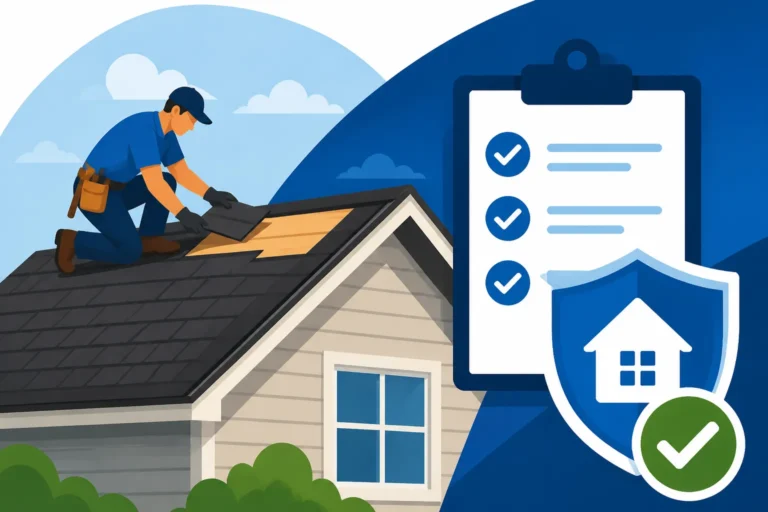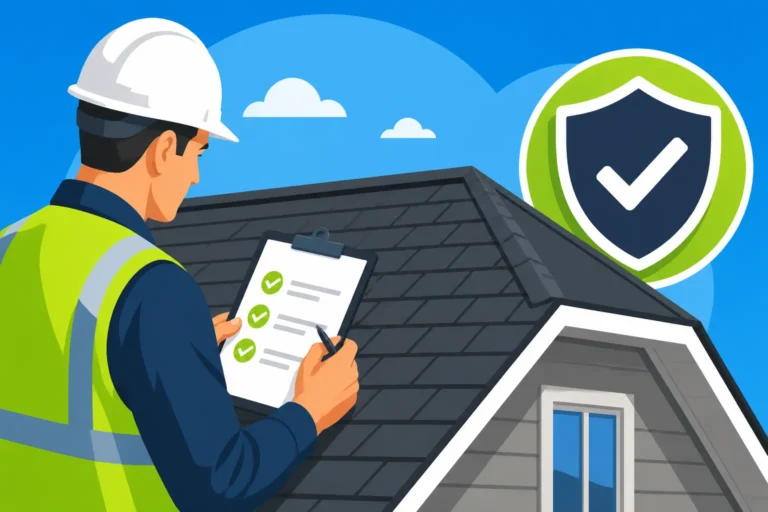
Roofing Inspection: What Inspectors Check
The thought of a roofing inspection can feel a bit daunting, can't it? You might be wondering what exactly a professional is looking for up there, what kinds of issues they might uncover, and whether it’s going to lead to a big bill or just some peace of mind. Many homeowners dread the unknown, especially when it comes to their roof, the most critical protector of their home. This comprehensive guide is here to demystify the roofing inspection process, breaking down what inspectors check, why it matters, and what you can expect from their findings.
Understanding the Core Purpose of a Roofing Inspection
Before we dive into the nitty-gritty of what’s being checked, let's understand why we even have roof inspections. It’s not just a formality; it’s a crucial step in maintaining your home’s integrity, protecting your investment, and often, satisfying insurance or permitting requirements. A thorough inspection goes beyond a quick glance and aims to provide a complete picture of your roof's health, from the visible shingles to the often-hidden underlying structures.
Proactive Maintenance and Longevity
Think of a roof inspection as a regular check-up for your home. Just like you visit the doctor for preventative care, your roof benefits immensely from periodic professional assessment. Small issues, if caught early, can be simple, inexpensive repairs. A slightly loose shingle, a tiny crack in the caulk around a vent pipe, or minor debris accumulation in a valley – these seem insignificant on their own, but left unchecked, they can escalate into major problems like widespread water damage, mold growth in the attic, or even structural compromise. Regular inspections, ideally once a year or after significant weather events, are key to extending the overall service life of your asphalt roof and getting the most value out of your investment. It's a proactive approach that saves you from costly reactive repairs down the line.
Addressing Specific Concerns or Damage
Of course, not all inspections are proactive. Many homeowners call an inspector when they have a specific concern: a mysterious water stain on the ceiling, a few shingles found in the yard after a storm, or even just a general feeling that the roof "doesn't look right." In these cases, the inspector's role is to identify the source of the problem, assess the extent of the damage, and recommend appropriate solutions. This is particularly vital after severe weather events, such as hailstorms or strong winds, where damage might not be immediately obvious from the ground. A trained eye can spot subtle signs of impact or lifting that an untrained homeowner would easily miss, ensuring you understand if you need to file an insurance claim. This careful damage assessment is critical to understand if you are facing a minor repair or a more extensive roof repair vs replacement decision.
Key Components and Areas Inspectors Focus On
A professional roofing inspection is a systematic process, covering every inch of your roof and often extending into your attic. It's much more than just looking at the shingles; it's about evaluating the entire roofing system and how its various components work together to protect your home.
Shingle Condition and Integrity
The shingles are the most visible part of your roof, and naturally, they're a primary focus. Inspectors will meticulously examine the surface of every shingle, looking for a variety of indicators of wear, age, and potential damage. They're not just looking for missing shingles, but for more subtle signs that might indicate your roof is nearing its end of life or has suffered recent trauma.
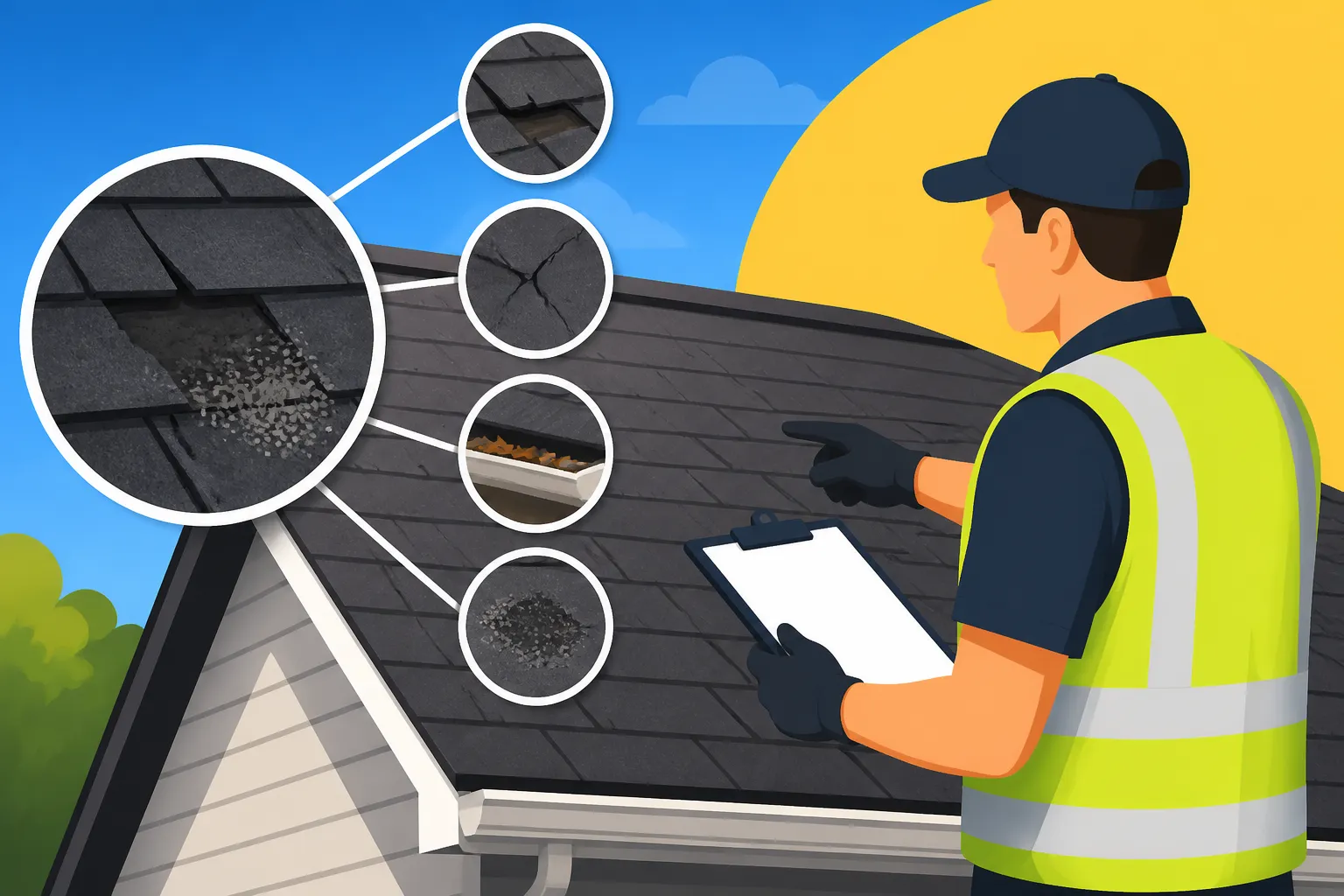
Firstly, they'll check for granule loss. The tiny ceramic granules embedded in the asphalt are critical for protecting the shingle from UV rays and provide color. When these start shedding excessively, it exposes the asphalt, making the shingle brittle and accelerating its deterioration. You might see these granules collecting in your gutters or around downspouts. Then, they'll look for signs of curling, lifting, or buckling. Curling can happen when the shingles start to dry out, causing the edges to turn upwards or downwards. Lifting suggests the adhesive seal has failed, making them vulnerable to wind and rain. Buckling often points to issues with the roof decking or improper installation. Cracking, especially widespread cracking, indicates that the shingles are becoming old and inflexible, losing their ability to shed water effectively. Finally, blistering can occur when moisture or trapped gases under the shingle cause small bubbles to form, which can eventually break open, exposing the shingle's mat and leading to faster degradation. Inspectors are also trained to spot the distinct patterns of hail damage (random bruising, soft spots) versus wind damage (creased, torn, or missing shingles).
Flashing, Penetrations, and Transitions
While shingles cover the broad surfaces, flashing is arguably the most critical component for preventing leaks, especially around vulnerable areas. These are the metal or sometimes plastic strips installed around anything that penetrates the roof plane or where the roof changes direction. Inspectors pay extremely close attention to these areas because they are common points of failure.
This includes pipe collars (around vent pipes), chimney flashing, skylight flashing, and step flashing where the roof meets a wall. They'll check for cracks in the caulk or sealant, corrosion, bent or loose metal, or improper installation techniques. Any gap, no matter how small, can be an entry point for water. They'll also inspect valleys, where two roof planes meet, often using a "closed cut" or "open metal" valley flashing, to ensure they are free of debris and properly sealed. Transitions, where one roof section meets another or where a low-slope roof meets a steep-slope roof, also get a thorough examination. Improperly installed or deteriorated flashing is a leading cause of roof leaks, so this area receives intense scrutiny. Ensuring proper flashing installation is key to a watertight roof.
Roof Decking and Structural Elements
What lies beneath the shingles is just as important as the shingles themselves. The roof decking (typically plywood or OSB) provides the structural base for your roof system. An inspector will check for sagging between rafters, which could indicate rotted or weakened decking due to prolonged moisture exposure or insufficient support. They'll also look for signs of delamination or swelling, especially if they can access the attic. Inside the attic, they'll check the rafters and trusses for any signs of water stains, mold, rot, or structural damage. Any significant deflections or compromised wood could mean more extensive repairs are needed beyond just the shingles. The integrity of your roof decking is fundamental to the entire roof's stability and how well it holds up over time. If you suspect issues, understanding your Roof Decking Replacement Cost might become important.
Drainage Systems and Gutters
Effective drainage is vital for preventing water from pooling on your roof or running down your home's siding and foundation. The inspection will include a close look at your gutters and downspouts. They'll check for blockages caused by leaves, shingle granules, or other debris, which can lead to water overflowing and potentially causing fascia board damage or foundation issues. They'll also assess the condition of the gutters themselves, checking for rust, holes, loose hangers, or improper slope that prevents efficient water flow. Drip edge, the metal flashing installed along the eaves and rake edges of the roof, also gets attention. It's designed to direct water away from the fascia and into the gutters. If it's bent, missing, or installed incorrectly, water can seep behind the gutters and cause rot. Ensuring your entire drainage system is functioning optimally is a major factor in extending the life of your roof and protecting your home's exterior.
Attic Ventilation and Insulation
Many homeowners overlook the critical role the attic plays in the overall health of their roof, but inspectors know better. Proper attic ventilation is essential for regulating temperature and moisture levels. A poorly ventilated attic can trap hot, humid air, which can cause shingles to "cook" from the underside, accelerating their aging and reducing their lifespan. This trapped moisture can also lead to condensation, promoting mold and mildew growth on the roof decking, insulation, and even structural elements.
Inspectors will assess the type and adequacy of your ventilation system, checking soffit vents (intake), ridge vents, gable vents, or box vents (exhaust) to ensure they are not blocked by insulation, debris, or other obstructions. They'll also look at the amount and condition of your attic insulation. While not strictly part of the roof structure, insulation performance directly impacts attic temperatures and moisture, indirectly affecting the roof's longevity. If an inspector finds signs of poor ventilation or moisture issues in the attic, they'll often recommend improvements, as these can be silent killers of a roof system. Learn more about How Roof Ventilation Works to protect your home.
Common Issues Discovered During an Inspection
It's rare for an older roof to pass an inspection with absolutely no recommendations. The wear and tear of weather, time, and sometimes even poor original installation methods mean there are usually some points for concern. Inspectors are adept at identifying common problems that homeowners might miss.
Age-Related Wear and Tear
Asphalt roofs, like all building materials, degrade over time. The lifespan of an asphalt roof typically ranges from 15 to 30 years, depending on the shingle type, installation quality, and local climate. During an inspection, signs of age-related wear are paramount. This includes significant granule loss across large sections of the roof, brittle shingles that snap easily, widespread curling or cupping, and a general lack of flexibility in the material.
An inspector can often estimate the remaining years left on your roof by observing these indicators. For instance, a roof with widespread, severe granule loss and consistent curling on all slopes might be deemed to have only a few years left, even if it hasn't started leaking yet. This assessment is incredibly valuable for homeowners to plan for future expenses and decide when a full replacement is imminent rather than trying to patch up a failing roof. Knowing these Signs You Need a New Roof can help you prepare.
Weather-Related Damage
Our roofs are constantly battling the elements, and unfortunately, weather can take a significant toll. Hailstorms can cause direct impact damage, creating bruises or fractures in the shingle mat that might not immediately leak but compromise the shingle's integrity and waterproofing over time. Wind can lift, crease, or even completely tear off shingles, especially along eaves, rakes, and ridges. Tree branches falling can cause punctures or cracks.
An inspector is trained to differentiate between normal wear and tear and actual storm damage, which is crucial for insurance claims. They'll look for specific patterns and characteristics of damage consistent with hail (circular impact marks, granule displacement) or wind (missing shingle tabs, uplifted edges that haven't sealed back down). They'll also assess the extent of the damage across the entire roof plane. For example, scattered hail hits might warrant targeted repairs, while widespread damage across multiple slopes often indicates the need for a full roof replacement. This distinction is critical for homeowners looking to understand if insurance will cover their roofing needs.
Installation Defects and Workmanship Issues
Sometimes, problems aren't caused by age or weather but by how the roof was originally installed. Poor workmanship can drastically shorten a roof's lifespan and lead to leaks from day one. Inspectors look for common installation defects such as improper shingle nailing (nails too high, too low, or exposed), insufficient overlap between shingle courses, or inadequate headlap. These errors can make shingles more prone to blow-offs in high winds or allow water to seep underneath.
They'll also check for improper flashing installation, which, as mentioned earlier, is a major culprit for leaks. For example, if a roofer didn't use step flashing where the roof meets a wall, or if the chimney flashing isn't properly sealed and integrated, you're almost guaranteed to have issues. Another common defect is inadequate or poorly installed underlayment, which is the protective layer beneath the shingles. While not visible, signs like widespread buckling or soft spots on the decking might hint at underlying underlayment problems. These issues highlight why choosing a reputable contractor and understanding the How a Roof Replacement Works: The Full Process is so vital from the outset.
Moss, Algae, and Biological Growth
While often more aesthetic than immediately damaging, biological growth like moss, algae, and lichens can still impact your roof's performance and longevity. Algae typically manifests as dark streaks and can retain moisture, potentially leading to faster degradation of the shingles over time, particularly in humid climates. Moss, on the other hand, can be more problematic. It grows in thicker mats, trapping moisture against the shingles and, as it grows, can lift shingle tabs, making them susceptible to wind and water infiltration. Over time, excessive moss can also degrade the shingle surface and lead to granule loss.
Inspectors will identify the type and extent of growth. While minor algae streaking might be addressed with cleaning, significant moss growth, especially if it's lifting shingles, often indicates that the affected shingles are compromised. They might recommend cleaning, but if the growth is severe and pervasive, it could be a contributing factor to the need for repair or even replacement. Some modern asphalt shingles, like those from GAF or Owens Corning, come with algae-resistant granules, which can significantly reduce this issue.
What to Expect from the Inspection Report
After the inspector has thoroughly examined your roof, you'll receive a detailed report. This isn't just a simple pass/fail; it's a comprehensive document that outlines their findings, observations, and recommendations, helping you make informed decisions about your roof's future.
Comprehensive Documentation and Findings
A good inspection report will be thorough and well-organized, typically including photographic evidence of any issues found. This visual documentation is incredibly valuable, as it allows you to see exactly what the inspector saw, even if you can't safely get on the roof yourself. The report will detail the specific components examined, such as shingles, flashing, gutters, and attic ventilation. For each component, it should describe its current condition, noting any deficiencies or areas of concern.
For example, it might state: "Granule loss observed across 70% of the south-facing slope," or "Chimney flashing sealant is cracked and deteriorated, indicating potential water entry points." The best reports categorize issues by severity (e.g., minor, moderate, severe) and provide an overall assessment of the roof's estimated age and remaining lifespan. This level of detail helps you understand the health of your roof system and prioritize any necessary repairs or replacements. It should also specify the type of roof, the pitch, and the materials used.
Recommendations and Next Steps
Beyond just listing problems, the core value of an inspection report lies in its recommendations. The inspector will provide clear, actionable advice on what steps you should take based on their findings. These recommendations might range from simple maintenance tasks to urgent repairs or even a full roof replacement.
For minor issues, they might suggest cleaning gutters, resealing small areas of flashing, or replacing a few isolated shingles. For more significant problems, like widespread storm damage or advanced age, they will likely recommend a professional roofing contractor for further assessment or to provide an estimate for repairs or replacement. If structural issues are suspected, they might even advise consulting a structural engineer. The report should help you understand the urgency of each recommendation and the potential consequences of delaying action. For instance, a recommendation to address a compromised flashing quickly might come with a warning about potential interior water damage if ignored. This is your guide for what happens next, whether it’s a quick fix or researching the Average Roof Replacement Cost This Year.
Understanding the Implications for Insurance and Permits
The inspection report often plays a crucial role in other aspects of homeownership, particularly concerning insurance claims and permits. If the inspection uncovers storm damage (hail, wind, etc.), the detailed report with photos can be invaluable when filing a claim with your homeowner's insurance. It provides objective evidence that supports your claim and can help ensure a smoother process. Remember, insurance companies often require specific documentation to approve claims.
Furthermore, if the report recommends significant repairs or a full roof replacement, it's highly likely that a roofing permit will be required by your local municipality. The report can serve as supporting documentation for the permit application, explaining why the work is necessary. Understanding permit requirements, like those detailed in Do You Need a Permit to Replace a Roof, is crucial to ensure any work done on your roof is up to code and legal. Inspectors are knowledgeable about common building codes and can often advise on whether your existing roof meets current standards, which is especially important for older homes.
Preparing for Your Roof Inspection
While the bulk of the work falls to the inspector, there are a few things you can do as a homeowner to prepare for the inspection and ensure it goes as smoothly and thoroughly as possible. A little preparation can go a long way in helping the inspector do their best work and providing you with the most accurate assessment.
Providing Access and Information
Firstly, ensure that the inspector has clear and safe access to your property and, most importantly, to the roof. This means clearing any obstacles around the house, like ladders, lawn furniture, or overgrown shrubs that might impede access. If you have pets, make sure they are secured so they don't interfere with the inspector's work or get in harm's way.
Additionally, be prepared to share any relevant information you have about your roof's history. This could include the age of the roof (if known), details about any previous repairs, warranty information, or concerns you might have noticed yourself (e.g., "I saw a water stain in the attic right after that last heavy rain"). Even if you have an old invoice from a previous repair or installation, that can provide valuable context. This background information can help the inspector focus their efforts and understand the historical context of any issues they find.
Clearing the Area and Protecting Your Property
A roofing inspection, especially one that involves walking the roof, can sometimes dislodge loose debris or granules. While inspectors are careful, it's a good idea to protect sensitive areas around your home. Consider moving outdoor furniture, potted plants, or delicate decorations away from the perimeter of the house. If you have valuable shrubbery or flower beds, you might cover them with tarps to protect them from falling debris.
Also, if the inspector needs attic access, make sure the path to the attic access point is clear. Remove any stored items that might be in the way. If your attic is heavily insulated, it's helpful to know where the joists are to avoid stepping through the ceiling. While inspectors are professionals and take precautions, a little preparation on your part can prevent minor inconveniences and ensure a smoother, safer process for everyone involved.
Asking the Right Questions
When the inspector is finished, or during the process if it's appropriate, don't be afraid to ask questions. This is your opportunity to gain a deeper understanding of your roof's condition. You might ask:
- What is the estimated age of my roof?
- What are the most significant issues you found, and how urgent are they?
- Do you see any signs of storm damage that might be covered by insurance?
- What are your recommendations for maintenance or repair?
- Can you explain what caused this particular problem (e.g., curling shingles)?
- How long do you think these repairs will hold up, or is a full replacement a better long-term solution?
Being engaged and asking specific questions about the Roof Damage Assessment: A Homeowner's Guide will not only help you understand the report better but also show the inspector that you're serious about your home's upkeep, often leading to a more detailed and communicative discussion of their findings. It’s an opportunity to learn from an expert and ensure you're fully informed before making any decisions.
Why a Professional Inspection is Crucial
You might be tempted to just climb up on a ladder yourself and take a peek, or rely on a drive-by assessment from a contractor. While a quick look can sometimes reveal obvious issues like missing shingles, it truly pales in comparison to a professional inspection. The expertise and tools a certified inspector brings to the table are invaluable for a comprehensive and accurate assessment.
Specialized Knowledge and Experience
Professional roofing inspectors possess specialized knowledge that goes far beyond what the average homeowner understands. They are trained to identify subtle signs of damage or deterioration that are easily missed by an untrained eye. For example, they can distinguish between normal wear and tear and specific patterns indicative of hail or wind damage, which is crucial for insurance claims. They understand building codes, manufacturer specifications for proper installation, and the various ways different roofing materials age and fail.
Their experience allows them to quickly pinpoint potential problem areas, such as vulnerable flashing points or inadequate ventilation, and accurately diagnose the root cause of issues. They know exactly what to look for and where to look for it, ensuring that no critical area is overlooked. This expertise is a significant reason why you should always opt for a professional assessment, especially when making major decisions like a full roof replacement.
Safety and Comprehensive Access
Climbing onto a roof, especially a steep or multi-story one, can be incredibly dangerous for an untrained individual. Professionals have the right safety equipment, training, and experience to safely access and navigate all areas of your roof. They use ladders, safety harnesses, and other tools to perform a thorough, hands-on inspection without risking injury or causing further damage to your roof.
Furthermore, a professional inspection isn't limited to what's visible from the ground. They will get up on the roof to examine shingles and components closely, as well as access the attic to check the underside of the roof deck, insulation, and ventilation from the inside. This comprehensive access allows for a much more accurate and complete assessment of your entire roofing system, ensuring that hidden issues, like subtle leaks or early signs of rot, are not missed. This holistic approach means you're getting a full picture, not just a partial glimpse, of your roof's condition.
Objectivity and Unbiased Assessment
When you get an inspection from an independent professional inspector, you're receiving an objective and unbiased assessment of your roof's condition. Unlike a roofing contractor who might have a vested interest in selling you a new roof, an inspector's primary goal is to provide you with an accurate report of the current state of your roof. They are not there to sell you services, but to inform you.
This objectivity is crucial, particularly if you're dealing with insurance claims or trying to decide between repairing and replacing your roof. Their report provides a neutral, expert opinion that you can use to validate contractor estimates, negotiate with insurance companies, or simply gain peace of mind about your home's most important protective layer. An unbiased report helps you avoid unnecessary expenses and make the best decision for your home and your budget.
| Component Inspected | Key Things Inspectors Check For | Common Issues Indicated | Potential Impact |
|---|---|---|---|
| Asphalt Shingles | Granule loss, curling, cracking, blistering, lifting, missing tabs, impact marks | Age, weather damage (hail/wind), manufacturing defects, improper nailing | Reduced weather protection, leaks, shorter roof lifespan, poor aesthetics |
| Flashing | Cracks, corrosion, loose seams, improper sealant, bends around chimneys, vents, valleys | Water penetration, leaks around penetrations, structural wood rot | Interior water damage, mold, compromised structural integrity |
| Roof Decking | Sagging, soft spots, water stains, mold, rot | Water intrusion, structural weakness, improper installation | Roof collapse risk, extensive and costly structural repairs |
| Gutters & Drainage | Clogs, damage, proper slope, loose hangers, drip edge condition | Water overflow, fascia rot, foundation damage, ice dams | Water damage to exterior, landscaping, foundation |
| Attic Ventilation | Blocked vents, inadequate airflow, excessive heat/moisture, soffit/ridge function | Premature shingle aging, mold/mildew growth, higher energy bills | Reduced roof lifespan, poor indoor air quality, structural damage |
| Fascia & Soffit | Rot, damage, peeling paint, pest entry points | Water damage, pest infestation | Compromised structural integrity, reduced curb appeal |
Disclaimer
Please note that this guide provides general information about roofing inspections. Specific requirements, building codes, and common issues can vary significantly based on your geographic location, climate, and the age and style of your home. Always consult with a qualified, licensed, and insured roofing professional for a thorough inspection and personalized advice regarding your specific roofing needs. This information is not a substitute for professional advice or a comprehensive on-site inspection.