What Happens If You Skip a Roofing Permit
It’s a scenario many homeowners contemplate when faced with a looming roof replacement or a significant repair: "Do I really need a permit for this?" The temptation to skip the paperwork, save a few bucks, and get the job done quickly can be incredibly strong, especially when you're already stressed about the cost and disruption. But trust me, taking that shortcut can lead to a tangled mess of legal, financial, and structural nightmares far worse than the initial inconvenience. This guide is here to walk you through exactly what happens if you decide to forgo that crucial roofing permit, shedding light on the serious repercussions and why it's a step you absolutely shouldn't skip.
The Foundation of Trust: Why Roofing Permits Exist
Before we dive into the murky waters of what happens when you skip a permit, let's chat for a moment about why these permits exist in the first place. It’s easy to see them as just another bureaucratic hurdle, a bit of red tape designed to slow you down and cost you money. But honestly, they serve a really vital purpose, acting as a homeowner's silent guardian, ensuring the work done on your most important asset is safe, sound, and up to snuff.
Protecting Homeowners and Public Safety
Think about it: your roof is your home's primary shield against the elements. If it’s not installed correctly, or if shortcuts are taken, it can lead to catastrophic failures. Imagine a heavy snowfall or a severe windstorm exposing shoddy workmanship, leading to a partial collapse, extensive water damage, or even injury to someone on your property. Roofing permits are essentially a checkpoint system. They mandate that a trained, impartial building inspector reviews the proposed work and, more importantly, inspects it at various stages to ensure it adheres to established safety and structural standards. This isn't just about protecting your investment; it's about the safety of your family and anyone who steps foot near your home. Without this oversight, you're entirely reliant on your contractor's word, and while many are excellent, it only takes one bad apple to cause a lifetime of regret.
Ensuring Quality Workmanship and Building Standards
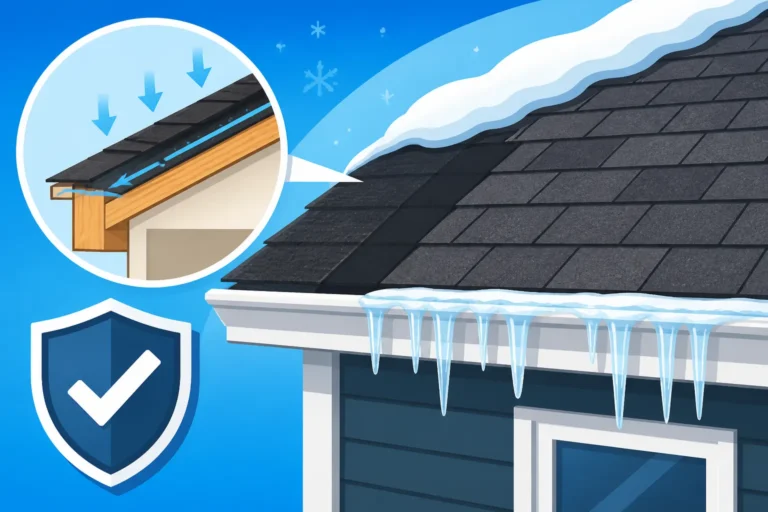
Every region has its own specific building codes, which are essentially a rulebook for construction. These codes cover everything from the type of materials allowed to how many nails per shingle are required, and even the necessary pitch for drainage. A roofing permit ensures that your project complies with these critical regulations. For example, in high-wind areas like coastal Florida, building codes often require enhanced nailing patterns and specific types of fasteners to withstand hurricane-force gusts. In colder climates, regulations might specify certain ice and water shield requirements to prevent devastating ice dams.
When you pull a permit, you're essentially telling the local municipality, "Hey, I'm doing this work, and I'm committed to doing it right and having it inspected." The inspection process is where a professional eyes the work to ensure it aligns with these building standards. They're checking for proper deck preparation, correct underlayment installation, appropriate shingle application, and adherence to all local requirements. This accountability encourages contractors to maintain high standards and prevents them from cutting corners that could compromise your roof's longevity and performance. If you're wondering what these inspections actually entail, you might find our guide on Roofing Permit Inspection Schedule a really helpful read.
Tracking Property Improvements and Tax Assessments
While not directly tied to safety, permits also play a role in municipal record-keeping. When you obtain a permit, it creates a public record of the improvements made to your property. This can be important for future property valuations and tax assessments. For most homeowners, this is a less immediate concern than safety or quality, but it's part of the overarching system that permits support. It helps ensure that property values accurately reflect improvements, which can impact local tax revenues that fund community services. While some people might see this as a negative, it does ensure transparency and fairness in the long run.
Immediate Risks and Legal Troubles When You Skip a Permit
So, you've decided to roll the dice and proceed without a permit. The crew shows up, the old shingles start flying, and for a day or two, everything seems fine. But then, a neighbor notices, or a city inspector drives by, or maybe even a drone from the building department gets a glimpse. That's when things can go south, very, very quickly. The immediate repercussions of unpermitted roofing work are often swift, costly, and incredibly stressful.
Stop-Work Orders and Hefty Fines
This is perhaps the most common and immediate consequence. If a local building official discovers work being performed without the necessary permit, they have the authority to issue a stop-work order. This means all construction activity must cease immediately. Period. The work crew has to pack up and leave. This isn't just an inconvenience; it can throw your entire project into disarray, leaving your roof exposed or half-finished.
On top of the stop-work order, you'll almost certainly face fines. These aren't usually a slap on the wrist. Depending on your municipality and the severity of the violation, fines can range from hundreds to thousands of dollars, and in some stricter jurisdictions, they can even accrue daily until the situation is rectified. Imagine getting a letter that says you owe $500 a day for unpermitted work. That adds up faster than you can say "asphalt shingles"! You'll then be required to retroactively apply for the permit, which often comes with additional late fees and penalties, and you’ll have to wait for inspections, further delaying the project.
Mandatory Tear-Off and Reinstallation
This is where the costs really skyrocket. If the work was done without a permit, and therefore without proper inspections, the local building department has no way of verifying that it meets code. In many cases, especially if there are any visible signs of non-compliance or if the inspector simply can't verify the underlying work (like the condition of the roof decking or the underlayment), they may demand a full tear-off and reinstallation.
Yes, you read that right. You might have to pay to have your brand-new, unpermitted roof completely removed and then pay again to have a new one installed correctly, this time with a permit and proper inspections. This isn't a hypothetical scare tactic; it happens more often than you think. Let's say your contractor installed the shingles directly over old ones without verifying the roof decking, or they used a synthetic underlayment that doesn't meet local fire codes. An inspector can't see these things after the fact without a tear-off. Suddenly, that few hundred dollars you thought you were saving on a permit has turned into tens of thousands in wasted costs and double labor. For a full breakdown of the replacement process, check out How a Roof Replacement Works: The Full Process to understand what goes into a compliant roof installation.
Contractor Liability and Relationship Breakdown
Reputable, licensed, and insured roofing contractors will almost always insist on pulling the proper permits. They know the risks involved and understand their professional obligations. If a contractor suggests skipping the permit, that's a massive red flag. It often indicates they are either inexperienced, unlicensed, uninsured, or planning to cut corners on the job. Our guide on Roofing Contractor Red Flags to Avoid delves deeper into these warning signs.
If you proceed with such a contractor, and you get caught, the blame often falls squarely on the homeowner, even if the contractor assured you it was fine. The municipality typically holds the property owner responsible for compliance. This can lead to a complete breakdown in your relationship with the contractor, especially if they disappear or refuse to remedy the situation once the stop-work order is issued. You might find yourself in a legal dispute, trying to recoup costs from a contractor who was already operating outside the law. This is why asking Questions to Ask a Roofing Contractor Before Hiring is so important before any work begins.
Long-Term Consequences You Can't Ignore
While the immediate fallout of unpermitted work is certainly painful, the headaches don't necessarily end once the fines are paid or the roof is (finally) brought up to code. Skipping a permit can cast a long shadow over your homeownership, leading to problems that manifest years down the line, often at the most inconvenient times.
Insurance Coverage Issues
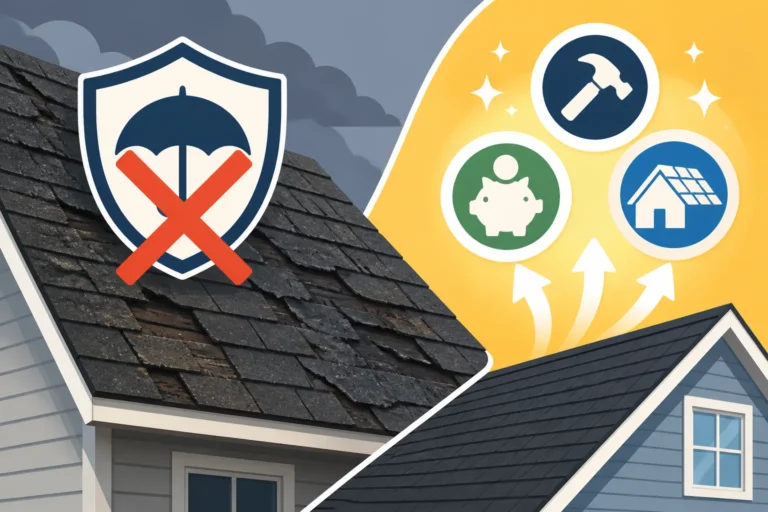
This is a big one, and it's a risk many homeowners unfortunately overlook. Your homeowner's insurance policy is there to protect you from unexpected damage, but it's not a blanket guarantee. Most policies have clauses that require any work done on your home to comply with local building codes. If you have unpermitted work, especially something as critical as a roof, your insurance company might deny a claim related to that work.
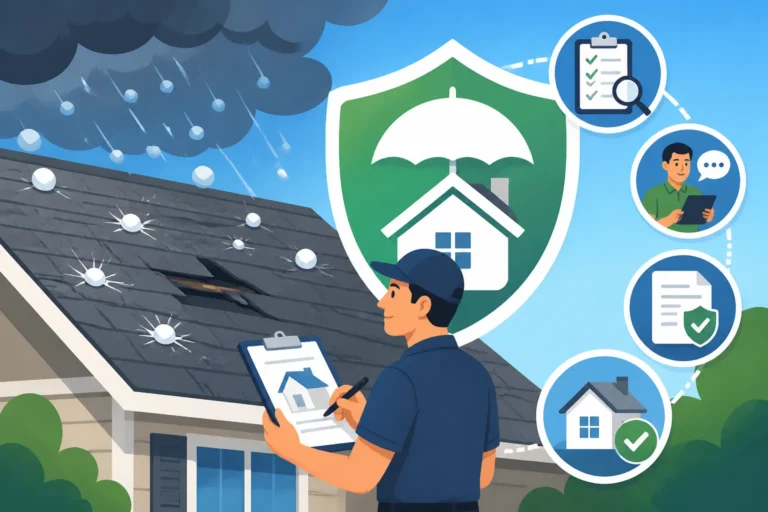
Imagine this scenario: a major hailstorm rolls through your town a year after your unpermitted roof was installed. You file a claim for hail damage, only for the insurance adjuster to discover that the roof replacement was done without a permit. They could argue that because the work wasn't inspected and verified to meet code, they cannot guarantee its structural integrity or proper installation, and therefore, they may deny coverage. This leaves you on the hook for the entire cost of repairs or even a full roof replacement, not to mention the deductible you still might have to pay. Understanding Does Insurance Cover Roof Replacement is crucial here; unpermitted work often invalidates the very protection you're paying for.
Problems When Selling Your Home
Eventually, most homes are sold, and this is often where unpermitted work truly comes back to bite you. When you decide to sell, a potential buyer will almost certainly hire a home inspector. These professionals are trained to spot signs of unpermitted work, and a new roof installed without a permit will undoubtedly raise a red flag. They'll often check local municipal records for permits corresponding to major renovations.
If unpermitted work is discovered, it can derail the sale entirely. Buyers will be hesitant to purchase a home with potential legal liabilities, not to mention the insurance and structural risks. They may demand that you obtain a retroactive permit (which, as mentioned, comes with penalties) or even pay to have the work redone. Alternatively, they might demand a significant price reduction to compensate for the risk and future costs they would incur. This whole ordeal adds immense stress and cost to an already complex process. Lenders can also get involved, as they may refuse to finance a home with unverified major improvements, deeming it too risky.
Warranty Invalidations
Roofing manufacturers like GAF, Owens Corning, and CertainTeed offer extensive warranties on their shingles and roofing systems, often covering defects for decades. However, these warranties are almost always contingent on the product being installed according to the manufacturer's specifications and all local building codes. Guess how local building code compliance is verified? Through the permit and inspection process.
If your roof was installed without a permit, and later develops an issue (say, premature shingle failure or widespread leaks), the manufacturer could very well deny your warranty claim. They might argue that since the installation was never formally approved by a building inspector, they cannot guarantee it met the necessary standards for their warranty to apply. This means you lose out on the protection that often provides decades of peace of mind, leaving you responsible for costly repairs or even another full replacement. Learning about How to Keep a Roof Warranty Valid can highlight how crucial proper installation and permits are to safeguard your investment.
The Permit Process: It's Simpler Than You Think
Now, after discussing all the potential pitfalls, you might be thinking the permit process sounds like a nightmare. The good news is, it's really not! In most cases, it's a fairly straightforward process, especially when handled by an experienced professional. Viewing it as a necessary part of ensuring quality and protecting your investment makes it much less daunting.
Who is Responsible for Pulling the Permit
This is a common question, and it's a crucial one to understand. While the homeowner is ultimately responsible for ensuring all work on their property is permitted, it is almost always the roofing contractor's responsibility to pull the actual permit. A reputable contractor will include the permit application and fees as part of their service and will handle all the necessary paperwork and coordination with the local building department.
If a contractor tells you you need to pull the permit, be wary. This could be a sign they are not licensed or properly insured, and they are trying to shift the liability onto you. There are very few scenarios where a homeowner should be pulling a permit for a major roofing project, unless they are acting as their own general contractor (which we strongly advise against for roofing unless you are highly experienced in construction). When you get an estimate, make sure it explicitly states that the contractor will handle all permits. Our article, What a Roofing Estimate Should Include, details other critical components of a comprehensive roofing estimate.
Typical Steps to Obtain a Roofing Permit
The exact steps can vary slightly by municipality, but generally, the process looks something like this:
- Application Submission: Your contractor will fill out and submit a permit application to your local building department. This usually includes details about the scope of work, materials to be used, and a site plan.
- Plan Review (if required): For simple re-roofs, this might be quick or skipped. For more complex projects or if structural changes are involved, the department might review plans to ensure they meet code.
- Fee Payment: The contractor will pay the permit fee. This fee varies widely but is usually a few hundred dollars.
- Permit Issuance: Once approved, the permit is issued. It's often a physical document that needs to be displayed prominently on your property during the work.
- Inspections: This is the critical part!
- Pre-installation/Decking Inspection: After the old roof is torn off, but before the new underlayment and shingles are installed, an inspector will come out to check the roof decking for damage or rot, and to ensure any necessary repairs meet code.
- Final Inspection: Once the new roof is completely installed, an inspector will perform a final check to ensure everything was installed correctly and meets all local building codes.
- Permit Closure: Once all inspections are passed, the permit is officially closed out, and the work is officially recorded as compliant.
Knowing Roofing Permit Cost and Process can give you a better idea of what to expect from this process.
Understanding Inspections and Approvals
Think of these inspections as your quality assurance checkpoints. The pre-installation inspection, in particular, is incredibly valuable. This is the moment when the roof's skeleton is exposed, and an expert can ensure the foundation for your new shingles is solid. They're looking for things like proper nailing of the existing decking, signs of water damage, or areas that might need new plywood or OSB. If issues are found, they must be addressed before the new roofing system goes on, preventing future problems from being hidden beneath layers of new material.
The final inspection is your official seal of approval. It confirms that the entire roofing system, from the drip edge to the ridge cap, was installed correctly and adheres to all local codes. This documentation is invaluable for future insurance claims, home sales, and simply for your own peace of mind. It’s a small investment of time and money that pays huge dividends in long-term security and value for your home.
Common Misconceptions and Special Circumstances
The world of permits can seem shrouded in mystery, leading to a lot of misunderstandings. Let's clear up a few common myths and discuss some situations where permit rules might be a little different.
"It's Just a Repair, I Don't Need a Permit"
This is one of the most widespread misconceptions. Many homeowners assume permits are only for full roof replacements. However, the line between a "repair" and a "replacement" can be blurry, and what constitutes a major repair varies by jurisdiction. Generally, if you're replacing more than a certain percentage of your roof (often 25% or 50% of the surface area), or if you're replacing structural components like roof decking, a permit is usually required.
For example, replacing a few missing shingles or patching a small leak probably won't require a permit in most places. But if you have significant storm damage that necessitates replacing a large section of shingles, or if an inspector finds widespread rot in your roof decking that needs extensive replacement, you’ll likely need one. It's always best to err on the side of caution and consult with your contractor or local building department. Our guide on Roofing Permit for a Repair vs Replacement can help you discern when you're truly in "repair" territory versus a more extensive project.
Variances by Location and Scope of Work
The rules aren't uniform across the board, which can certainly add to the confusion. Permit requirements and specific building codes vary significantly from state to state, county to county, and even city to city. What's required for a roof replacement in Houston, Texas, might be different from the rules in Seattle, Washington.
- Regional Differences: States prone to specific natural disasters, like Florida (hurricanes) or California (earthquakes and wildfires), often have very strict and detailed building codes for roofing, necessitating thorough permit processes. Their codes might mandate specific types of shingles or particular fastening methods. Conversely, a rural county in a less hazard-prone state might have more relaxed requirements for minor repairs.
- Scope of Work: The type of roofing work also matters. A simple re-shingle with no decking replacement might have a slightly simpler permit process than a complete tear-off and re-decking project, or one that involves changing the roofline or adding dormers. The key takeaway here is never assume. Always verify the specific requirements for your location and your project with your chosen contractor and local building department.
Dealing with Previous Unpermitted Work
Perhaps you've just bought an older home, and during a routine inspection, you or your home inspector discovered that a previous owner replaced the roof without a permit. This is an uncomfortable situation, but it's not uncommon. You have a few options, none of which are ideal, but they are ways to mitigate the risk:
- Retroactive Permitting and Inspection: In some municipalities, you can apply for a retroactive permit. This typically involves paying increased fees and having the existing unpermitted work inspected. The challenge here is that an inspector can't always verify the hidden components (like underlayment or decking condition) without some level of destructive investigation. They may require opening up parts of the roof or even a partial tear-off to satisfy code requirements.
- Disclosure: If you decide to sell the home, you might be legally required to disclose any known unpermitted work to potential buyers. This protects you from future liability but will almost certainly impact your sale price and create hurdles with buyers and lenders.
- Do Nothing (at your own risk): Some homeowners choose to do nothing and hope it never becomes an issue. This is a risky gamble. As discussed, it can lead to problems with insurance, future sales, and leaves you vulnerable if a city official ever discovers the unpermitted work. The best course of action is almost always to address it proactively, working with local officials to bring the work into compliance.
Consequences of Skipping a Roofing Permit
| Consequence Type | Description | Immediate Impact | Long-Term Impact |
|---|---|---|---|
| Legal & Financial | Stop-work orders, fines, penalties, mandatory tear-off/reinstallation. | Project halted, significant unexpected costs, potential legal disputes. | Decreased home value, difficulty selling, future legal liabilities. |
| Structural Integrity | Risk of improper installation, use of substandard materials, or skipped critical steps. | Increased likelihood of leaks, damage, premature roof failure. | Ongoing repair costs, potential for major structural damage to home, safety risks. |
| Insurance Coverage | Unpermitted work may violate policy terms. | Claims for roof damage may be denied, leaving homeowner responsible for costs. | Difficulty securing future insurance, higher premiums, limited coverage. |
| Home Value & Sale | Unpermitted improvements not officially recorded or compliant. | Home inspectors flag issues, potential buyers deterred or demand concessions. | Reduced resale value, protracted selling process, potential for deal collapse. |
| Manufacturer Warranty | Installation not verified against manufacturer specifications and local codes. | Warranty claims for defects or premature failure may be denied. | Loss of long-term protection on materials and workmanship, full replacement costs. |
| Contractor Relations | Working with unlicensed or unethical contractors who suggest skipping permits. | Contractor may perform poor work, disappear, or refuse to remedy issues. | No recourse for faulty work, potential for fraud, added stress and expense. |
Final Thoughts: Don't Risk It for the Biscuit!
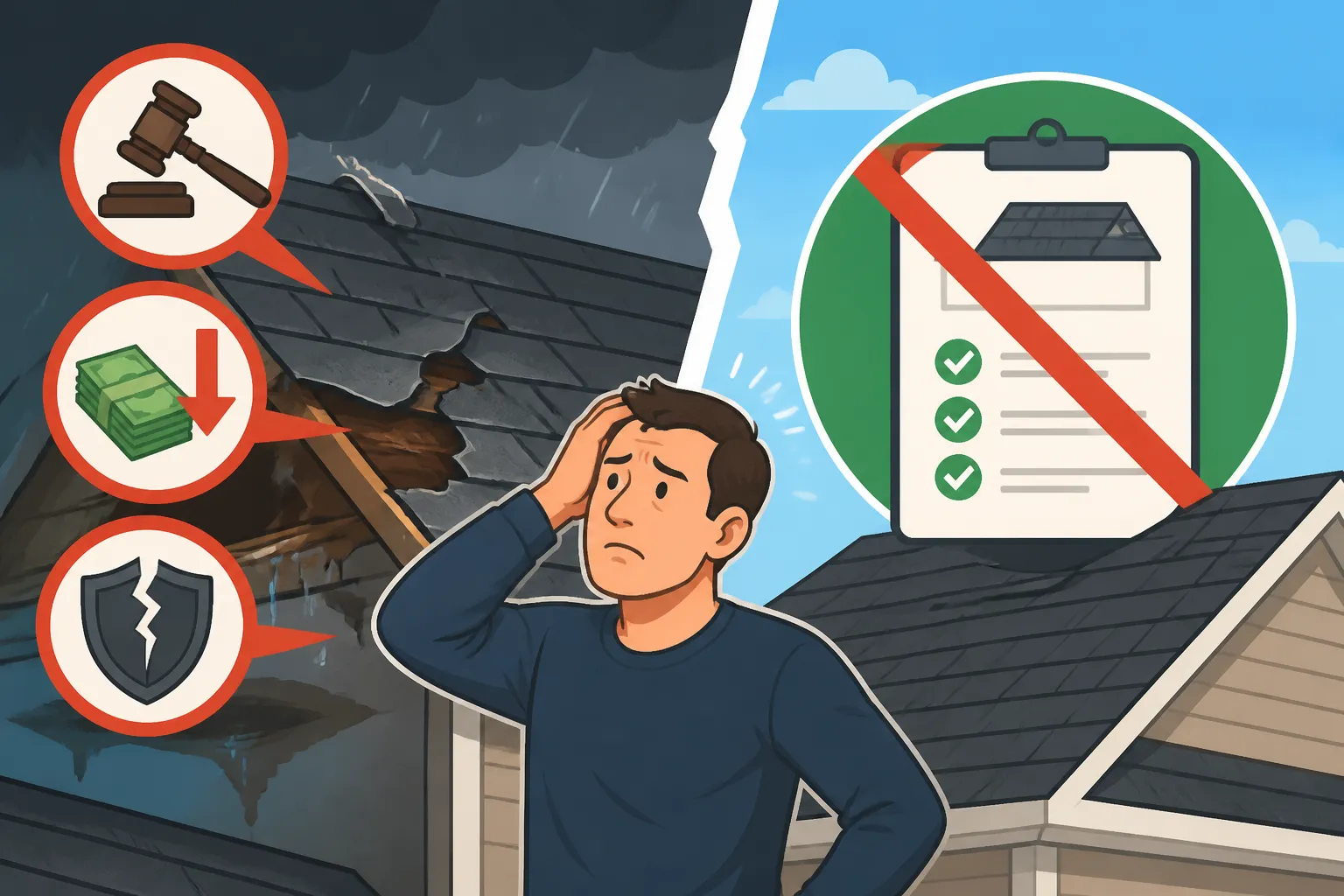
Look, I get it. Homeownership comes with endless tasks and expenses, and a roof replacement is one of the biggest. The idea of saving a few hundred dollars and sidestepping what seems like bureaucratic red tape can be incredibly tempting. But as we've explored, the risks associated with skipping a roofing permit are simply not worth it. The immediate headaches of stop-work orders and fines are bad enough, but the long-term consequences — voided insurance, invalidated warranties, and crippling difficulties when selling your home — can be truly devastating.
A roofing permit isn't just about government oversight; it's a critical consumer protection mechanism. It ensures that the work on your home meets safety standards, is structurally sound, and is performed by qualified individuals. It provides a layer of accountability that protects your investment for years to come. Do yourself and your home a huge favor: work with a reputable, licensed, and insured contractor who understands the importance of permits and handles the process correctly. It’s a small step that guarantees massive peace of mind.
Disclaimer
Please note that this article provides general information and should not be considered legal advice. Building codes and permit requirements vary significantly by location and are subject to change. Always consult with your local building department or a qualified, licensed roofing contractor to confirm the specific permit requirements for your project and jurisdiction.