Repairing a Roof in Winter
The arrival of winter often brings with it a whole new set of worries for homeowners, and discovering a roof problem when temperatures plummet can feel like a real punch to the gut. You might find yourself staring up at a drip, seeing missing shingles after a blustery storm, or spotting mysterious stains on your ceiling, all while snow dusts the eaves. The thought of getting anyone up on a cold, possibly icy roof is daunting, but ignoring the issue could lead to far worse damage. This guide is here to walk you through the realistic approach to repairing a roof in winter, addressing the challenges and outlining your best options.
Why Winter Roof Repair is Tricky And Sometimes Urgent
Dealing with a roof issue during the colder months isn't just an inconvenience; it presents a unique set of challenges and, often, an immediate sense of urgency. You're balancing the risks of cold-weather work against the potential for exponentially worse damage if you wait. It's a tough spot to be in, and it's completely understandable to feel overwhelmed.
The Challenges of Cold Weather Roofing
Let's be honest, nobody wants to be on a roof when it's freezing, and for good reason. The cold fundamentally changes how roofing materials behave and how safely the work can be done.
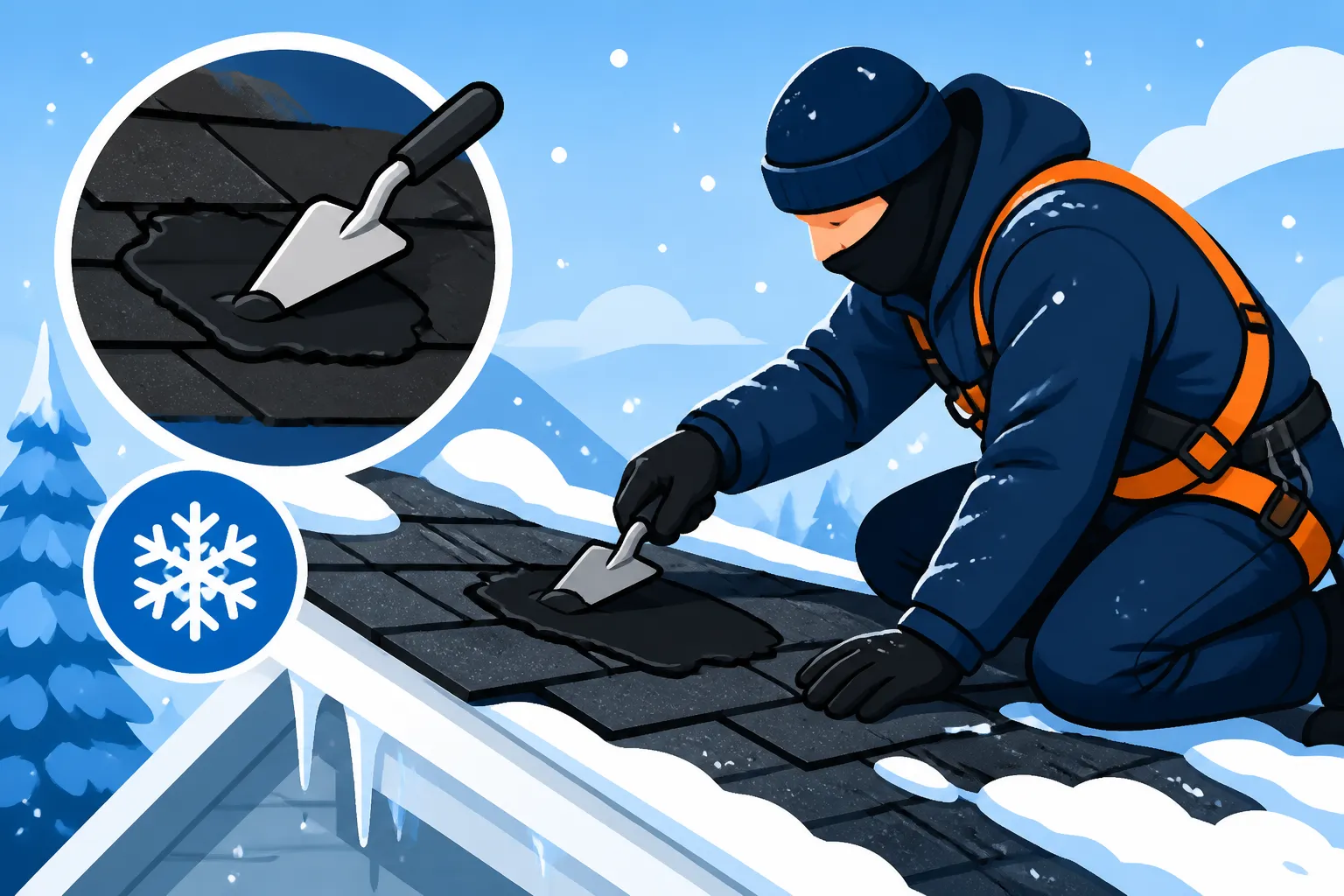
- Shingle Brittleness and Sealing Issues: Asphalt shingles are designed to be flexible and to seal together under warm sunlight, creating a watertight barrier. In freezing temperatures, they become brittle. Trying to bend or manipulate them can cause cracking and breakage, especially older shingles that might already be stressed. Even worse, the adhesive strips on new shingles won't activate and seal down in the cold, leaving them vulnerable to wind uplift. This means a roofer might have to hand-seal each shingle with an appropriate adhesive, which adds time and labor. If you're wondering how these materials are usually installed, you might find our guide on how asphalt shingles are installed: step by step helpful.
- Safety Hazards: Ice, snow, and even just wet, cold surfaces make a roof incredibly slippery and dangerous. The risk of falls skyrockets. Professionals have specialized safety gear, but even with harnesses and tie-offs, every step requires extreme caution. Reduced daylight hours in winter also mean shorter working days, which can prolong a repair project. Imagine trying to navigate a steep-pitch roof covered in a thin layer of frost—it's a recipe for disaster for anyone not properly trained and equipped.
- Reduced Visibility: Shorter days and often overcast skies mean less natural light. Snow cover can also obscure underlying damage, making it harder to accurately assess the full scope of the repair needed without extensive and careful removal.
When Winter Repairs Can't Wait
Despite the difficulties, some roof problems simply cannot wait for spring. The immediate dangers of an active leak or compromised roof often outweigh the challenges of cold-weather repair.
- Active Leaks: This is the most common and urgent scenario. A persistent drip or stream of water inside your home isn't just annoying; it can lead to severe interior damage, including ruined drywall, insulation, electrical issues, and the rapid growth of mold and mildew. If you're seeing signs you need a new roof, especially an active leak, a temporary or permanent fix is essential. Water can penetrate deep into your home's structure, compromising beams and weakening the integrity of your entire house.
- Major Structural Compromise: If a severe storm has caused significant damage, like a fallen tree limb puncturing the roof or a large section of decking becoming exposed, immediate action is crucial. These issues can quickly escalate, leading to widespread water infiltration and even structural collapse under heavy snow loads.
- Large Missing Sections of Shingles: While a few missing shingles might be temporarily manageable in mild conditions, a large area of exposed underlayment or, worse, exposed roof decking, is an open invitation for water and wind. Winter winds can tear away even more material, and heavy snow or ice can sit directly on vulnerable areas, causing leaks. In such cases, an emergency roof tarping explained approach might be the first line of defense.
- Preventing Further Damage: Sometimes, waiting for warmer weather can result in far more costly repairs later. For instance, an unfixed leak can ruin your attic insulation, saturate ceilings, and lead to extensive mold remediation. The cost of addressing these secondary issues often far exceeds the premium associated with a winter roof repair. You might be interested in knowing how much does an asphalt shingle roof cost when planning for a full replacement down the line.
Essential Steps for Safe and Effective Winter Roof Repairs
When faced with a winter roof repair, a strategic and safety-first approach is non-negotiable. This isn't the time for DIY heroics, but rather a moment to engage professionals who understand the specific demands of cold-weather work.
Prioritizing Safety First
The dangers associated with winter roofing can't be overstated. This is where professional expertise truly shines.
- Hiring Professionals for Winter Work: This is the single most important piece of advice. Reputable roofing contractors are equipped with the right safety gear, training, and experience to work in challenging conditions. They understand how to properly clear snow and ice, utilize fall protection, and handle materials that behave differently in the cold. Attempting winter roof repairs yourself, especially if you're not experienced, is incredibly risky and could lead to serious injury. When hiring, always ask for proof that they are licensed and insured roofers: why it matters is critical for your protection.
- Specific Safety Gear and Protocols: Professional roofers will employ a range of safety measures. This includes full-body harnesses, safety ropes, anchors, and non-slip footwear. They'll use specialized ladders that can be secured effectively and potentially even heated tools to assist with material application. Before work begins, a thorough assessment of the roof’s stability and the extent of snow and ice cover is performed to determine the safest approach.
- Snow and Ice Removal: Before any repair work can begin, snow and ice often need to be carefully removed from the affected area. This is a delicate process that requires care to avoid further damaging the shingles or underlying structure. Professional roofers have specific techniques and equipment for ice dam removal and snow clearing that minimize risk to both the roof and the workers.
- Material Handling in the Cold: Shingles stored in a heated environment will be more pliable than those left outside in freezing temperatures. A good contractor will plan for this, bringing materials onto the roof in smaller batches or ensuring they are kept warm until ready for installation. This reduces the risk of material breakage during installation and ensures a better bond.
Temporary Fixes to Buy You Time
Sometimes, a full, permanent repair isn't feasible immediately due to extreme weather or contractor availability. In these situations, temporary fixes are your best friend to prevent further damage.
- Tarping the Damaged Area: This is the most common temporary solution for larger areas of damage or active leaks. A heavy-duty tarp, securely fastened, can effectively shed water away from the compromised area.
- How to Apply a Tarp (Professional Method): A roofer will typically secure the tarp by placing wood lath or 2x4s along the edges, extending past the damaged area by at least three feet in all directions. These boards are then screwed or nailed into the roof decking, ensuring the fasteners penetrate solid wood, not just shingles. The tarp is usually draped over the ridge of the roof, if possible, to allow water to flow freely down both sides.
- Securing Against Wind: In winter, high winds are a constant threat. Proper tarping involves using multiple fasteners and potentially additional strapping to prevent the tarp from flapping loose and becoming a projectile, which could cause more damage or injure someone.
- Roof Cements and Plastic Sheeting: For smaller leaks or areas where shingles have lifted but not detached, specialized cold-weather roof cements or sealants can provide a temporary patch. These flexible, waterproof compounds can be applied under lifted shingles or over small holes. Clear plastic sheeting, often reinforced with tape, can also be used over very localized spots, though it's less durable than a tarp. Remember, these are stop-gap measures. They are not meant to last and should always be followed up with a professional assessment and permanent repair when conditions allow. Our guide on how to temporarily stop a roof leak offers more details on these methods.
Professional Assessment and Material Considerations
Even if you've managed a temporary fix, a professional assessment is crucial to understand the full extent of the damage and plan for a lasting solution.
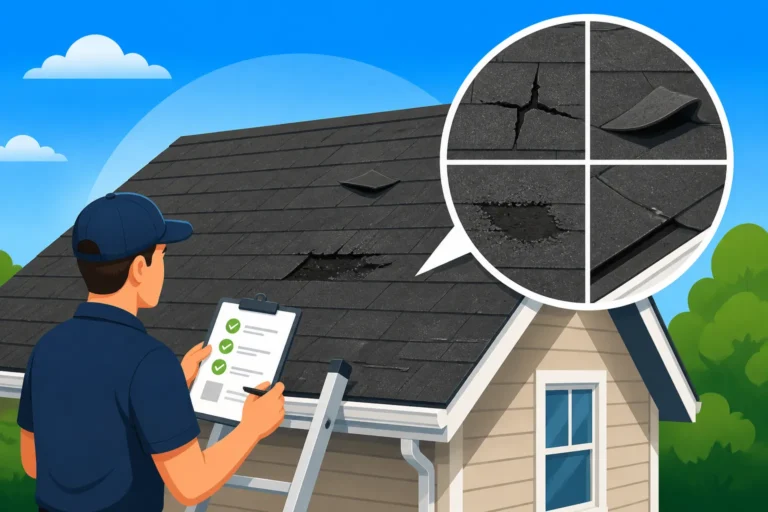
- Why a Professional Inspection is Crucial: A trained eye can spot subtle damage that might be missed by a homeowner, such as hairline cracks, granule loss, or underlying decking issues. They can also provide an accurate estimate for the permanent repair and advise on the best timing. Finding a reputable roofer to conduct this assessment, perhaps through a platform like Modernize, is a vital first step. They can identify if the leak is isolated or part of a larger issue signaling the need for more extensive work, which might lead to a discussion about roof repair vs replacement: how to decide.
- Specialized Cold-Weather Roofing Materials: Modern roofing technology includes materials designed for colder temperatures. This might involve special cold-weather modified bitumen products for low-slope sections, or specialized adhesives that cure at lower temperatures. Some manufacturers, like GAF or Owens Corning, produce shingles with advanced sealing technologies that perform better in variable conditions, although even these may require hand-sealing in extreme cold.
- Choosing an Experienced Contractor: Not all roofers are equally equipped or experienced for winter work. Look for a contractor with a proven track record of successful projects in cold climates. Ask for references, inquire about their specific cold-weather installation procedures, and ensure they provide comprehensive warranties that cover winter installations. This is one of the key questions to ask a roofing contractor before hiring.
- Understanding Shingle Behavior: Different types of asphalt shingles react uniquely to the cold. Architectural shingles, with their thicker, multi-layered construction, tend to be more robust than thinner 3-tab shingles, but they can still be brittle when frozen. A good contractor will understand these nuances and adjust their handling and installation techniques accordingly to prevent damage.
What to Expect During a Winter Roof Repair Project
Embarking on a winter roof repair comes with its own set of expectations and potential considerations, from how the work itself progresses to the financial implications and what you should monitor afterward.
The Repair Process in Freezing Temperatures
The actual repair process during winter will look and feel a bit different from a spring or summer job. Your roofing contractor will employ specific strategies to ensure the repair is effective and long-lasting, despite the chill.
- Shingle Installation Adaptations: As mentioned, cold asphalt shingles are less pliable and the sealant strips won't activate naturally. Expect your roofers to manually apply roofing cement or specialized sealants beneath each new shingle tab to ensure it adheres securely. This step is critical for wind resistance and waterproofing until warmer weather allows the shingle's inherent adhesive to fully bond. This can make the process slower and more meticulous than typical installation.
- Underlayment Application Challenges: The underlayment, whether synthetic or felt, is crucial for your roof's waterproofing. In cold conditions, synthetic underlayments are generally more flexible and easier to work with than traditional felt, which can become stiff and prone to cracking. Ice and water shield explained is particularly important in colder climates for protecting vulnerable areas like eaves and valleys from ice dams. Proper adhesion of these membranes is vital, and cold temperatures can affect the stickiness of self-adhering products, requiring careful attention from the installers.
- Working with Frozen Debris and Substrates: Before new materials go down, any old, damaged materials and debris must be removed. This can be tougher when everything is frozen solid. Additionally, the roof deck itself might be cold or even slightly damp. Roofers must ensure the surface is as clean and dry as possible to allow new materials to bond correctly. If there's any rotten decking discovered, the roof decking replacement cost will need to be factored into the overall project.
- Potential Delays and Scheduling: Winter weather is unpredictable. Snow, ice storms, or simply extreme cold can halt work for days at a time. This means your project might take longer than anticipated. A good contractor will communicate these possibilities upfront and keep you informed of any schedule adjustments. Platforms like Modernize can sometimes help you connect with contractors who have immediate availability for emergency repairs, even in challenging weather.
Cost Implications and Warranty Considerations
Cost is always a major factor in any home improvement project, and winter repairs can sometimes come with a slightly higher price tag. It's also essential to understand how warranties are affected.
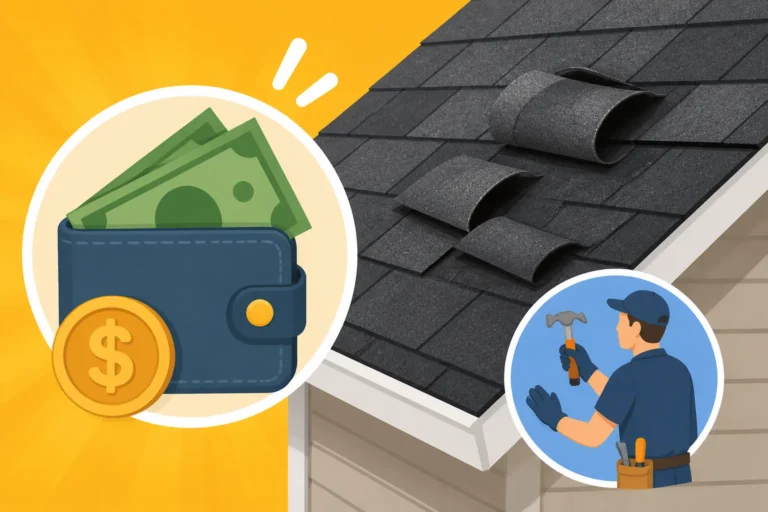
- Potential Cost Premiums: You might see a slight increase in labor costs for winter work. This can be due to:
- Increased Difficulty: Working in cold, slippery conditions is harder and slower, often requiring more labor hours.
- Safety Measures: The additional safety protocols and equipment needed add to operational costs.
- Specialized Materials: Cold-weather specific sealants or modified underlayments might be more expensive than standard products.
- Emergency Surcharges: For urgent repairs, some contractors might charge a premium for immediate service during off-peak times or challenging conditions.
When getting quotes, make sure to ask for a detailed breakdown so you can understand what drives asphalt roofing costs up or down. Learning how to read and compare roofing estimates is crucial here.
- Warranty Impact: Most manufacturer warranties for asphalt shingles stipulate proper installation techniques, which include allowing the shingles to seal naturally under sunlight. If shingles are hand-sealed during winter, it's crucial that the contractor uses manufacturer-approved cold-weather adhesives and follows specific guidelines. Otherwise, an improperly performed winter repair could potentially void aspects of your roofing warranty: workmanship vs manufacturer. Always clarify with your contractor how the winter installation will affect your warranty coverage and get it in writing. This is especially important for full system warranties offered by brands like GAF or CertainTeed, which require specific components and installation methods.
- Clear Contract: Ensure your contract explicitly outlines all work to be performed, the materials used, the expected timeline (with contingencies for weather), and any specific cold-weather installation procedures. It should also detail the warranty information relevant to your specific repair.
Post-Repair Monitoring and Follow-Up
Your job isn't entirely done once the roofers leave. A bit of vigilance after a winter repair can save you headaches down the line.
- Watching for New Leaks or Issues: Keep a close eye on your attic and interior ceilings, especially during subsequent thaws or heavy rains. If the temporary or permanent repair wasn't fully effective, or if another underlying issue was missed, you might spot new signs of moisture. This is why learning how to spot a roof leak is so important for every homeowner.
- Monitoring Shingle Sealing: Once temperatures consistently rise above freezing (typically 40-50°F / 4-10°C), the self-sealing strips on your asphalt shingles should activate. If you notice shingles that appear to be loose or flapping in the wind even after a period of warm weather, it could indicate a problem with the initial installation or the quality of the temporary adhesive used.
- Scheduling a Follow-Up Inspection: It's highly recommended to schedule a follow-up inspection with your roofing contractor once warmer weather arrives. This allows them to reassess the repair area under optimal conditions, confirm that all shingles have properly sealed, and ensure no issues have developed due to the cold-weather installation. This is a good time to ensure all elements, including components like the drip edge, are performing as expected.
- Ventilation and Ice Dams: Proper roof ventilation is crucial year-round, but especially in winter. Good attic ventilation helps prevent the formation of ice dams, which can push water back up under your shingles and cause leaks, even on a newly repaired roof. Ensure your attic has adequate airflow, perhaps discussing options like a ridge vent installation with your contractor.
Here's a quick look at the pros and cons of winter roof repair:
| Feature | Pros of Winter Repair | Cons of Winter Repair |
|---|---|---|
| Urgency | Prevents extensive interior damage from active leaks. | Not suitable for non-urgent aesthetic repairs. |
| Protection | Protects structural integrity from ongoing water intrusion. | Risk of aesthetic imperfections due to shingle brittleness. |
| Availability | Contractors may have more immediate availability. | Work can be delayed by severe weather conditions (snow/ice). |
| Materials | Specialized cold-weather products can be effective. | Shingles are brittle and self-sealing strips don't activate. |
| Safety | Professionals are trained for hazardous conditions. | High safety risks (slips, falls) for untrained individuals. |
| Cost | Avoids greater future costs from escalated damage. | Potentially higher labor costs due to difficulty/slow pace. |
| Warranty | Can maintain warranty if done by certified professionals. | Improper installation can potentially void manufacturer warranties. |
Disclaimer
Please remember that this article is intended for informational purposes only and should not be taken as professional advice. Always consult with a qualified and licensed roofing contractor for any specific roof repair or replacement needs. Roofing work, especially in challenging winter conditions, can be dangerous and should be performed by experienced professionals.