Second Opinion on Roof Replacement
It's incredibly frustrating when you suspect your roof might need replacing, only to get an initial quote that feels sky-high or a recommendation that doesn't quite sit right. The thought of spending tens of thousands of dollars on a new roof is daunting enough without the nagging doubt that you might be getting oversold or missing a critical detail. This guide is here to walk you through exactly why and how to get a comprehensive second opinion on your roof replacement, ensuring you make the most informed and confident decision for your home and your wallet.
Why a Second Opinion is Crucial for Your Roofing Decision
Let's be real, a roof replacement is one of the biggest investments you'll make in your home. It's not like buying a new appliance where the features and prices are pretty straightforward. Roofing involves so many variables – materials, labor, existing damage, local codes, and contractor practices – that it's easy to feel overwhelmed and unsure if you're getting a fair shake. That's precisely why a second (or even third) opinion isn't just a good idea; it's often essential. You wouldn't buy a car or undergo a major medical procedure based on just one quote, so why would you gamble with your home's most important protective layer?
The reality is that roofing contractors, like any service provider, operate with different business models, levels of expertise, and sometimes, varying ethical standards. Some might genuinely believe a full replacement is necessary based on their assessment, while others might be more inclined to recommend it because it's a larger, more profitable job for them. Without another set of eyes and an alternative perspective, you're left to wonder if your initial contractor is truly looking out for your best interests or just their bottom line.
The Cost Factor and Your Peace of Mind
Money is almost always the biggest concern when it comes to roofing. The cost of a new roof can range dramatically depending on your location, the size of your home, the type of shingles, and the complexity of your roof. Just think about the sheer range when considering an "How Much Does an Asphalt Shingle Roof Cost" project! A significant discrepancy between quotes can leave you feeling bewildered and anxious. Maybe one quote is suspiciously low, making you question the quality of work, or another is so high it makes you gasp.
Getting multiple opinions provides a sanity check on pricing. It helps you understand the average market rate for the specific work needed in your area. If one contractor quotes you $15,000 for a project and another quotes $25,000 for what seems like the same work, you know there's something to investigate. Perhaps the higher quote includes premium materials or a more extensive warranty, or maybe the lower one is cutting corners. Comparing these figures helps illuminate potential hidden costs in a roof replacement or areas where a contractor might be overcharging. Beyond the financial aspect, knowing you've done your due diligence and explored all reasonable options can bring immense peace of mind.
Unmasking Overzealous Sales Pitches
It's a common story: a storm rolls through your neighborhood, and suddenly there's a parade of roofing salespeople knocking on doors. While many are legitimate, some might be storm chasers or simply pushy sales tactics designed to get you to sign on the dotted line quickly. They might point out "damage" that isn't severe enough for a full replacement or exaggerate the urgency of the situation. Some might even try to get you to sign an "assignment of benefits" form without fully explaining its implications.
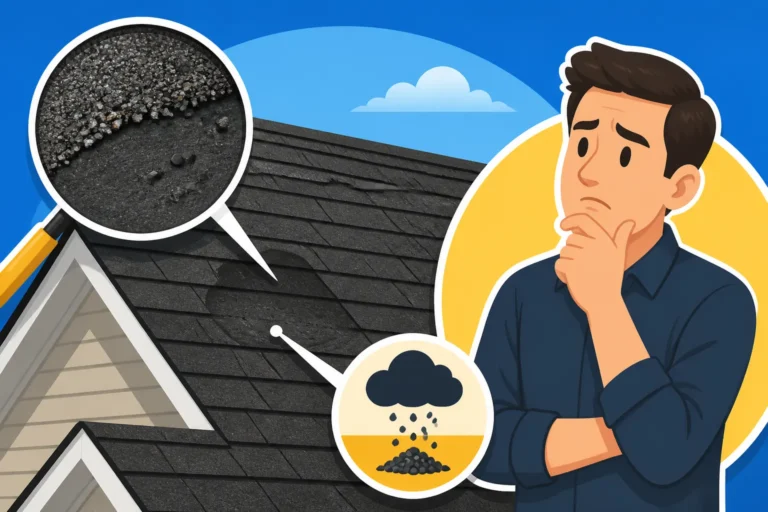
An initial assessment, especially one prompted by a knock on your door, can sometimes lean heavily towards a full replacement when a repair might actually suffice. Understanding the difference between a minor repair and a total replacement is critical, and sometimes the lines can feel blurry. For example, if you're just seeing some granule loss or a few curling shingles, it might not automatically mean a full replacement is needed. A second opinion from an independent, reputable contractor can help you differentiate between genuine necessity and an aggressive sales pitch. They can provide an objective assessment, focusing on what's truly best for your home, rather than what’s most profitable for them.
When to Seek a Second Opinion
So, how do you know when it's time to hit pause and get another contractor out to your home? There are several situations where a second opinion becomes not just advisable, but practically essential for making a sound decision. It's all about equipping yourself with enough information to feel confident in the path you choose, whether that's proceeding with a full replacement or exploring less drastic alternatives.
Contradictory Quotes and Recommendations
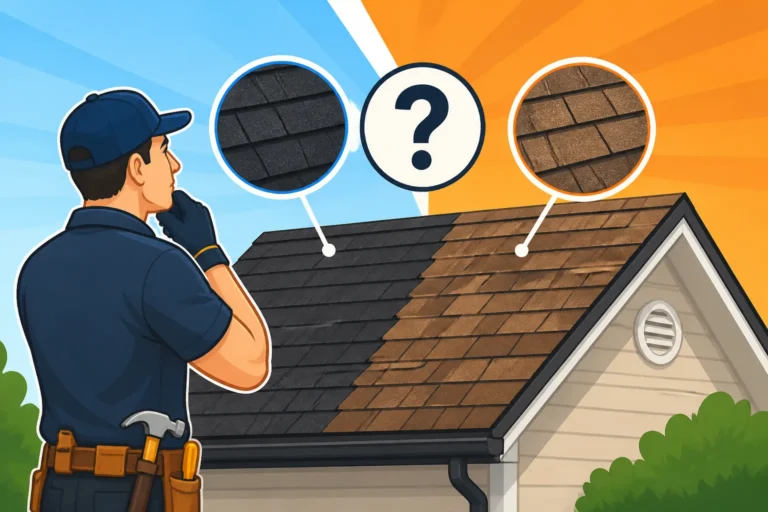
This is probably the most straightforward sign that you need another perspective. If you've received two or more roofing estimates, and they differ significantly in terms of the scope of work, the materials recommended, the overall price, or even the estimated lifespan of your existing roof, it's a huge red flag. One contractor might say you need a full tear-off due to widespread rot, while another might suggest that only a partial section of roof decking replacement is needed. These kinds of disparities indicate that there's a fundamental disagreement on the diagnosis, and you, the homeowner, are caught in the middle.
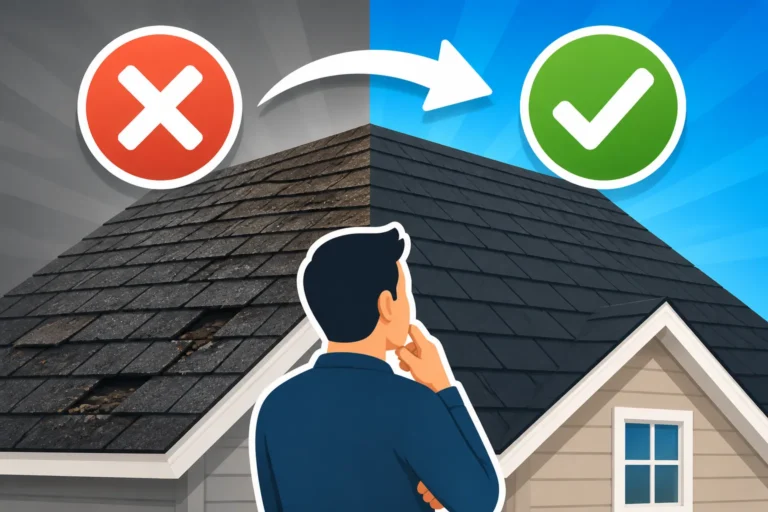
Let's say one contractor insists your roof needs a complete overhaul, citing issues like widespread granule loss and brittle shingles, recommending a premium architectural shingle. Then another contractor comes along and suggests that your roof, while showing age, could benefit from targeted repairs, replacing only the worst sections and installing new flashing, effectively saving you thousands. In this scenario, you'd be wise to get a third contractor to weigh in, providing an independent assessment. They can help you understand the nuances of things like Roof Repair vs Replacement: How to Decide or if your roof truly exhibits "Signs You Need a New Roof."
After a Major Storm Event
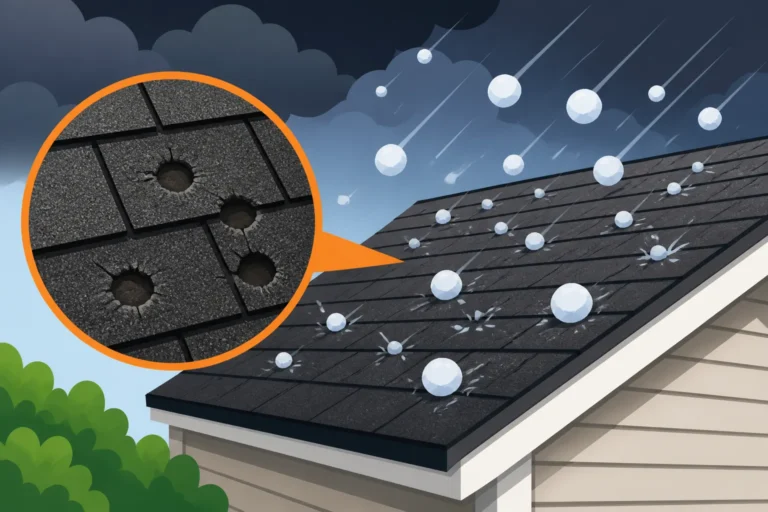
When hail or high winds sweep through your area, it's natural to be concerned about your roof. Insurance companies often get involved in these scenarios, and that adds another layer of complexity. Sometimes, an insurance adjuster might assess your roof and recommend a repair, while a roofing contractor insists on a full replacement due to "unseen damage" or code upgrades. Or perhaps your initial contractor's assessment doesn't quite align with what your insurance company is willing to cover under "Does Insurance Cover Roof Replacement". This divergence of opinion can leave you feeling lost in the shuffle.
A second opinion from a reputable, local contractor—one who is familiar with the specifics of storm damage, local building codes, and insurance claim processes—can be invaluable. They can perform a thorough Roof Damage Assessment: A Homeowner's Guide to verify the extent of the damage, identifying whether it's truly widespread enough to warrant a full replacement or if targeted repairs would suffice. They can also help clarify if code upgrades, like stronger nailing patterns or additional ice and water shield, are legally required after a certain percentage of roof damage, which can sometimes push a repair into a replacement scenario. This independent evaluation protects you from both unnecessary expenses and potential issues with your insurance claim.
How to Get a Reliable Second Opinion
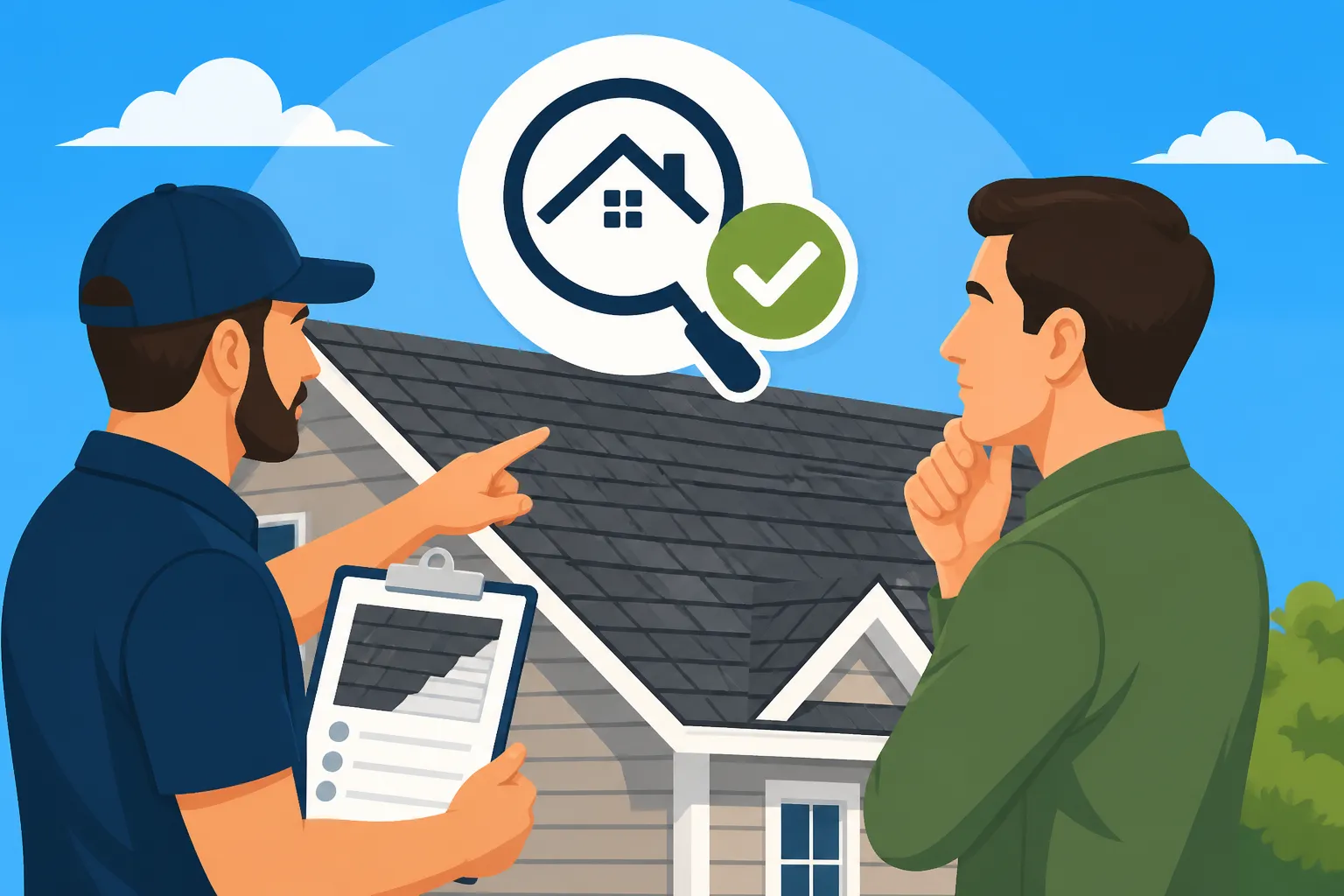
Getting a solid second opinion isn't just about calling another roofer. It's about being strategic in your approach to ensure you get an objective, informed assessment that you can trust. You're looking for clarity, not more confusion, so it's essential to know how to properly vet contractors and present your situation.
Finding a Reputable, Unbiased Contractor
The key to a reliable second opinion lies in finding the right contractor. You don't want to simply pick the next name off a quick Google search. Instead, focus on finding a company known for its integrity and thoroughness. Start by asking friends, family, and neighbors for recommendations. Look for local companies that have been established for a while and have a strong track record. Online reviews (on platforms like Google, Yelp, or industry-specific sites) can be helpful, but always look for patterns in feedback rather than relying on a single glowing or negative review. When considering options, you'll want to review your options for How to Choose a Roofing Contractor.
Once you have a few candidates, verify their credentials. Are they licensed and insured? This is non-negotiable. Don't be shy about asking for proof of both liability insurance and workers' compensation. Check their standing with the Better Business Bureau. For an added layer of confidence, consider contractors who are certified by major shingle manufacturers like GAF, Owens Corning, or CertainTeed. These certifications often indicate a commitment to quality workmanship and adherence to manufacturer specifications, which can be critical for warranty purposes. Tools like Modernize can also connect you with pre-vetted local professionals, streamlining your search for reliable contractors. This can be a great way to access multiple quotes without the hassle of individual research.
What Information to Share (and Not Share)
When the second contractor arrives, resist the urge to immediately share the details of your first quote. It's tempting to say, "The first guy said I need a whole new roof for $20,000," but this can inadvertently bias their assessment. If they know the previous quote, they might unconsciously align their own recommendation or pricing to match, or try to undercut it without doing a full, independent evaluation.
Instead, present the situation as if it's their first time assessing your roof. Explain why you're concerned (e.g., "I've noticed some shingles blowing off," or "I had a leak in the attic," or "My roof is 20 years old and I'm wondering about its condition"). Let them conduct their own thorough inspection, taking notes and photos. After their assessment, you can then ask them specific questions you might have, such as "Do you think a repair is possible here, or is a full replacement necessary?" or "What specific issues did you find that lead to your recommendation?" This approach allows for a truly independent opinion and gives you a much clearer picture of what's going on with your roof. Remember to also ask "Questions to Ask a Roofing Contractor Before Hiring" to ensure you understand their process and recommendations.
What to Do Once You Have Multiple Opinions
Now that you've gathered a few different perspectives and quotes, it's time to roll up your sleeves and compare them. This is where you leverage the power of multiple opinions to make an informed decision, rather than letting the options overwhelm you. Don't feel rushed; take your time to understand every detail.
Comparing the Scope and Pricing
Lay out all the estimates side-by-side. Don't just look at the bottom-line price. Dive into the details. What exactly is each contractor proposing?
- Scope of Work: Does one include a full tear-off while another suggests roofing over existing shingles? Are they both planning to replace all damaged decking, or only a portion?
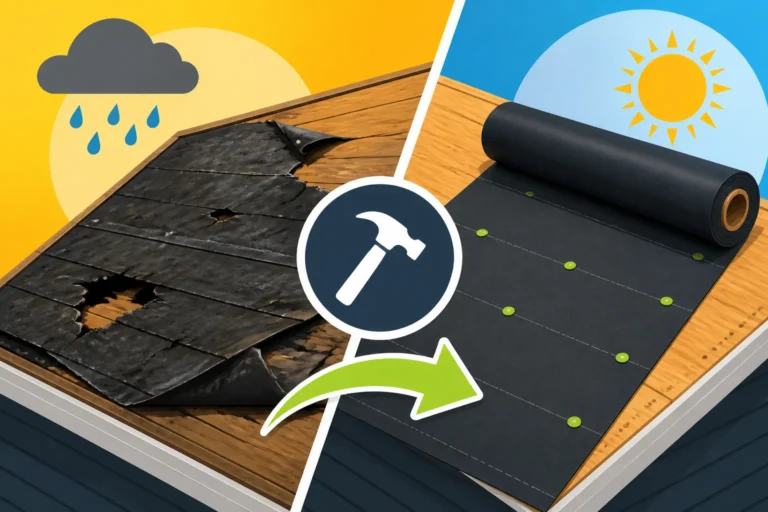
- Materials: Are they quoting the same type of asphalt shingle (e.g., 3-tab, architectural, designer)? Are they using the same underlayment (synthetic vs. felt)? Do they specify the type of flashing, ridge vents, and drip edge? Different material choices, even within the asphalt shingle category, can significantly impact the overall 3-Tab vs Architectural Shingle Cost Compared.
- Warranty: What kind of warranty is offered – both for materials and workmanship? Is it a standard manufacturer's warranty, or an enhanced system warranty that covers labor and materials?
- Inclusions/Exclusions: Does the quote include cleanup and debris removal? What about permits? Are there any hidden costs in a roof replacement that might pop up later?
A table can be incredibly helpful here to visualize the differences:
| Feature/Component | Contractor A (First Opinion) | Contractor B (Second Opinion) | Contractor C (Optional Third Opinion) |
|---|---|---|---|
| Recommendation | Full Replacement (2 layers) | Full Replacement (1 layer) | Extensive Repair + Partial Replacement |
| Shingle Type | GAF Timberline HDZ | Owens Corning Duration | CertainTeed Landmark |
| Underlayment | Synthetic | Synthetic with Ice & Water Shield | Felt |
| Flashing Replacement | Yes | Yes | Partial |
| Decking Replacement | Full allowance (per square foot) | As needed (per sheet) | As needed (per sheet) |
| Ventilation | Ridge Vent | Ridge Vent + Soffit Vents | Existing Box Vents |
| Cleanup Included | Yes | Yes | Yes |
| Permit Included | Yes | Yes | No |
| Material Warranty | 25-Year (Limited Lifetime) | Limited Lifetime | 20-Year |
| Workmanship Warranty | 10-Year | 5-Year | 2-Year |
| Total Estimated Cost | $23,500 | $21,000 | $14,000 |
| Estimated Timeline | 3 days | 2 days | 4 days |
Analyzing this table, you can see how different the options can be. Contractor C, for example, might seem cheaper, but if they aren't pulling permits, using felt underlayment, or offering a strong warranty, that initial savings could cost you more in the long run. Learning "How to Read and Compare Roofing Estimates" will be your superpower in this phase.
Trusting Your Gut and the Evidence
Beyond the numbers, consider your overall experience with each contractor. Did they show up on time? Were they professional and knowledgeable? Did they answer all your questions patiently and clearly, without making you feel unintelligent for asking? A good contractor will educate you, not just sell to you. If you felt pressured, confused, or dismissed by one company, that's a significant red flag, regardless of their price. Remember the common Roofing Contractor Red Flags to Avoid, such as demands for full payment upfront or a refusal to provide proof of insurance.
Finally, trust your gut. If one contractor meticulously explained why a full replacement was necessary, pointing out specific areas of concern, showing you photos, and detailing the implications of not replacing certain components, their explanation might resonate more strongly with you. Conversely, if another contractor's argument for repair seems more logical and aligns with your budget and perceived issues, that could be the right path. The goal of getting a second opinion is to gather enough data and perspectives to make a decision that feels right and logical for you. Sometimes, the lowest bid isn't the best value, and the highest bid isn't always an overcharge; it's about matching the value to your needs and ensuring that the work is truly necessary and executed by a trustworthy professional. When you ultimately decide, having this clear understanding will make you confident in your choice, whether you opt for a full replacement or When to Call a Pro for Roof Repair.
Disclaimer
Please note that the information provided in this article is intended for general guidance and informational purposes only, and does not constitute professional advice. Roofing projects can be complex, and local building codes, material specifications, and installation techniques can vary significantly. Always consult with multiple licensed and insured roofing professionals in your area for accurate assessments, customized recommendations, and detailed estimates pertaining to your specific situation. This content is not a substitute for professional contractor evaluations or engineering advice.