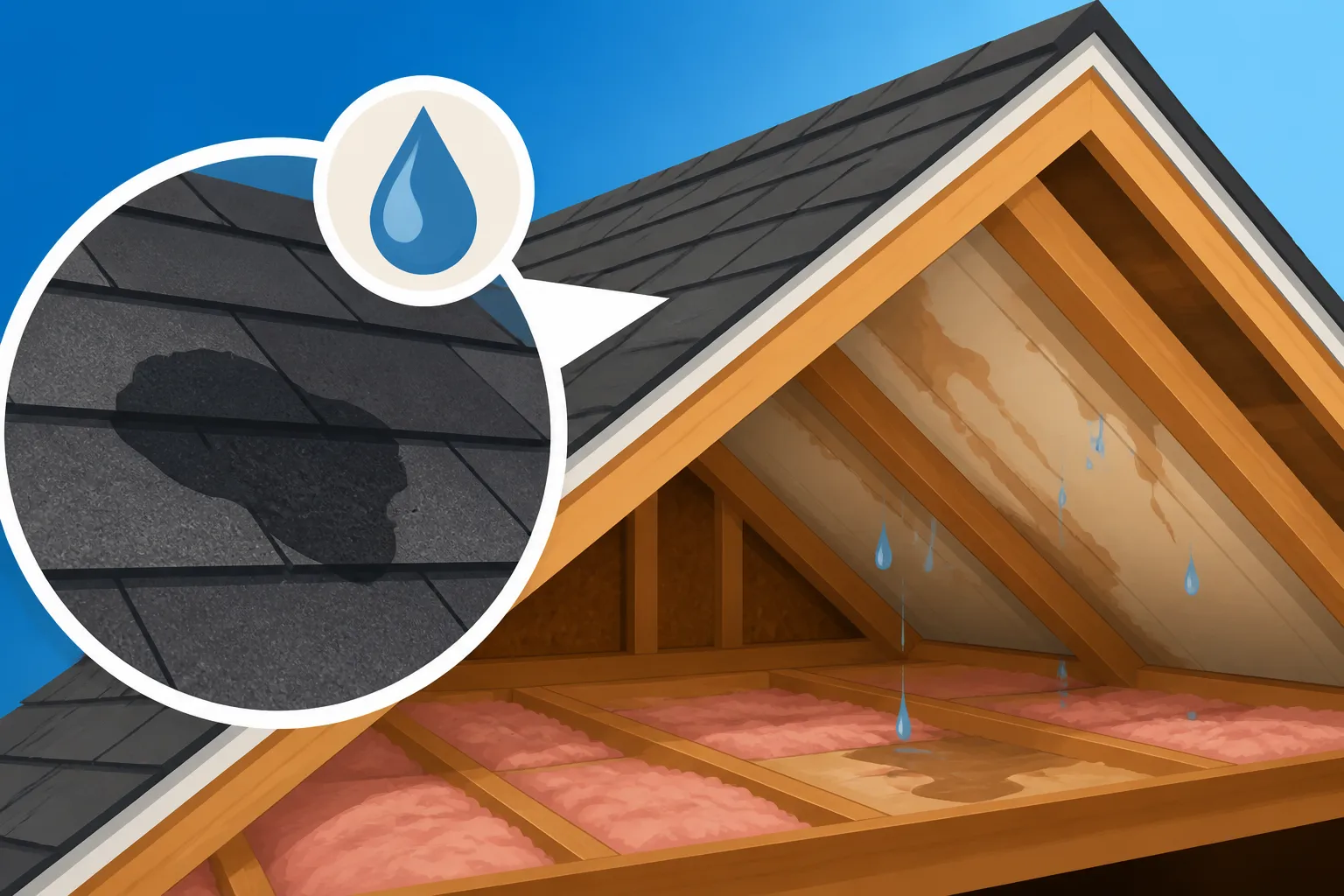
Signs of Water Damage in the Attic
That moment you step into your attic, perhaps to grab some holiday decorations or check on an old box, and you spot it—a dark, tell-tale stain on the ceiling joists, or a damp patch on your insulation. It's a homeowner's nightmare, a clear sign that water is getting in where it absolutely shouldn't be. This guide will walk you through the distinct signs of water damage in your attic, help you understand what they mean, and arm you with the knowledge to address the issue effectively.
Why Your Attic is a Prime Spot for Water Woes
Your attic, often out of sight and out of mind, is surprisingly vulnerable to water intrusion. It's the first line of defense beneath your roof, meaning any issues with your exterior roofing components will inevitably make their presence known here. This space acts like a silent alarm system, collecting evidence of leaks long before they become visible in your living areas. Understanding how water breaches this barrier is the first step in identifying the problem.
Common Entry Points for Water
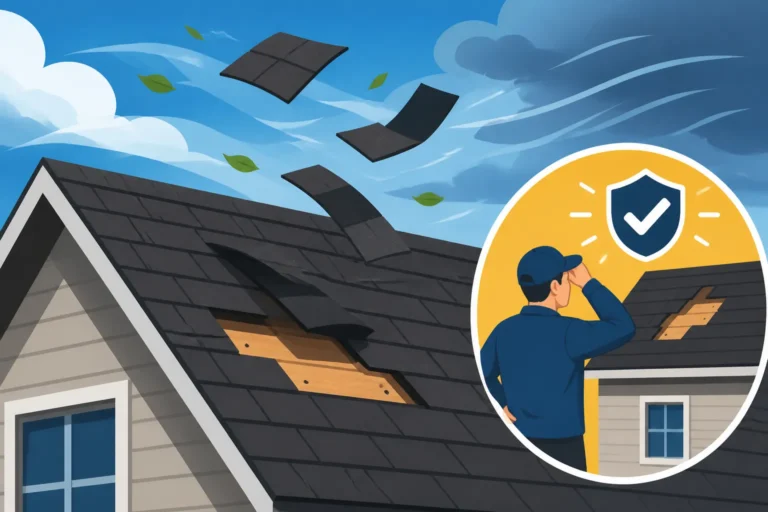
Water isn't picky about how it gets in, but there are some usual suspects. Think about all the penetrations on your roof: plumbing vent pipes, chimneys, skylights, exhaust vents, and even those little satellite dishes you might have. Each of these creates a break in the shingle system that needs to be perfectly sealed with flashing. When that flashing deteriorates, rusts, or gets improperly installed, water seeps right in. Missing or damaged shingles, especially after a storm, also create direct pathways. Even poorly sealed valleys—those V-shaped channels where two roof planes meet—are notorious for collecting and funneling water directly into your attic if their flashing or underlayment fails.
It's not just about the big holes, either. Sometimes, even a misplaced nail from a previous roof repair or installation can be enough. Over time, that tiny puncture can widen with temperature fluctuations, allowing a persistent drip that slowly, but surely, damages the surrounding wood and insulation.
The Silent Threat of Slow Leaks
While a sudden, gushing leak is alarming and demands immediate attention, it's often the slow, insidious drips that cause the most long-term damage. These leaks might not even leave a visible wet spot on your attic floor for weeks or months. Instead, they saturate insulation, wick into wooden beams, and create a perpetually damp environment perfect for mold and mildew growth. By the time you notice a faint musty odor, or a subtle stain, the problem might have been developing for a considerable period. This is why vigilance and knowing what to look for are so crucial, even if you haven't seen an obvious deluge. You might not see active water, but the evidence of past or ongoing drips can be quite clear if you know where to look.
Obvious and Subtle Signs of Water Damage in Your Attic
Identifying water damage isn't always as simple as finding a puddle. Many signs are subtle, revealing themselves over time. A thorough inspection of your attic, even just once or twice a year, can save you a world of headaches and expensive repairs down the line. It's about tuning into your home's subtle cues.
Visual Cues on Wood and Insulation
The most common and immediate indicators of water damage often appear on the structural components of your attic and the insulation. Keep an eye out for these visual red flags:
- Water Stains: These are perhaps the most classic sign. Look for discolored areas on the wooden roof decking (the underside of your roof), rafters, or ceiling joists. These stains can range from light yellowish-brown to dark, almost black, depending on the severity and age of the leak. Often, they'll have a concentric ring pattern, like a coffee stain spreading on a napkin, indicating periods of wetting and drying. If you see a dark stain that's still wet to the touch, you've got an active leak. You might also notice these stains on the attic side of your interior ceilings, which means the water has already seeped through your roof decking and possibly insulation.
- Mold and Mildew Growth: Where there's persistent moisture, mold will follow. This is one of the more insidious signs, as mold can compromise air quality and cause structural decay. Look for fuzzy, discolored patches—green, black, white, or even pink—on wood, insulation, or even stored items. Mold isn't always obvious; sometimes it's hidden under insulation batts or behind stored boxes. A musty, earthy smell often accompanies mold growth, even if you can't see it directly. This is a critical indicator and points to a long-standing moisture problem.
- Sagging or Distorted Roof Decking: If your roof decking (the plywood or OSB sheeting beneath your shingles) looks warped, bowed, or sags between the rafters, it's a strong sign of long-term water exposure. When wood repeatedly gets wet and then dries out, it loses its structural integrity and can become soft or spongy. This can lead to a compromised roof structure and will likely require a full roof decking replacement.
- Compacted or Discolored Insulation: Insulation is designed to be fluffy and keep its loft. If you see insulation that's matted down, compressed, or stained dark, it's likely been exposed to water. Wet insulation loses its R-value (its ability to insulate), making your home less energy- efficient. Furthermore, wet insulation provides an ideal breeding ground for mold and can even harbor pests. Check areas directly beneath roof penetrations like chimneys or vents, as well as in valleys where water tends to collect.
If you observe these signs, it's essential to understand that the external source of the leak could be several feet away from where the water damage appears. Water often travels along rafters or through insulation before dripping down. This is why a professional roofer's assessment is so valuable, as they can accurately pinpoint the entry point. A thorough understanding of how a roof replacement works can highlight the many layers that protect your home.
The Smell Test and Humidity Check
Sometimes, your nose knows before your eyes do. A musty odor is a powerful indicator of hidden moisture, even if you can't visually locate the source. This is often the first sign of mold or mildew growth, which thrives in damp, dark environments like an attic. Trust your senses. If the air in your attic feels noticeably humid or heavy, or smells like old, wet laundry, it’s time for a deeper investigation.
Consider investing in a simple humidity monitor for your attic. Ideal attic humidity levels are typically between 30% and 50%. Consistently higher readings, especially without obvious recent rain, suggest a moisture problem, possibly from a leak, inadequate ventilation, or even issues within your home migrating upwards. Proper roof ventilation works to prevent this buildup, circulating air and reducing condensation that can mimic leak damage.
Beyond the Obvious: Peeling Paint and Pest Activity
Sometimes, the signs of attic water damage aren't even in the attic. If you notice paint peeling or bubbling on the ceiling of your topmost floor, directly beneath your attic, that's a classic symptom of a leak. Water works its way through the roof decking, through your attic's insulation, and eventually seeps into the drywall or plaster below, causing paint to lose adhesion. This is a clear indicator that the problem has become quite advanced.
Another often overlooked sign is increased pest activity. Rodents, insects, and even some birds are attracted to damp, rotting wood, as it's easier to chew through for nesting or offers a source of moisture. If you suddenly notice more spiders, carpenter ants, or even rodent droppings in your attic, it could be a secondary sign that a leak has created an inviting environment for these unwelcome guests. They might be drawn to damp insulation or weakened wood, using the compromised areas as entry points or nesting sites.
What to Do When You Find Water Damage
Finding water damage in your attic can feel overwhelming, but swift and organized action can minimize further harm and help streamline the repair process. Panic is not your friend here; a clear head and a plan are.
Immediate Steps to Mitigate Damage
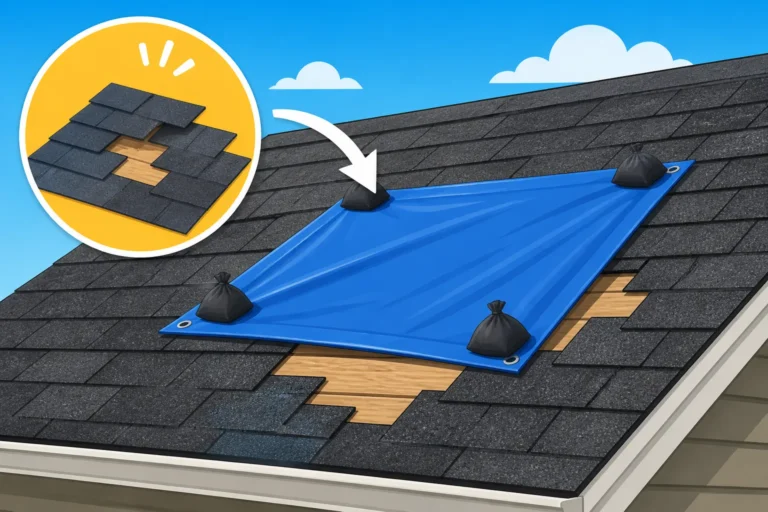
First and foremost, if there's active dripping, try to contain the water. Place buckets or towels directly under the leak. If possible and safe to do so, carefully move any stored items away from the wet area. This isn't about fixing the leak, but about preventing more extensive damage to your belongings and the structure below.
Next, it's critical to document everything. Take clear photos and videos of all visible damage: stains, mold, warped wood, and wet insulation. These visuals will be invaluable when you speak with contractors and, especially, if you need to file an insurance claim. Note the location, approximate size, and any distinct features of the damage. This detailed record helps both you and the professionals understand the scope of the problem.
If you suspect the leak is tied to a specific storm, note the date and time of the event. This information is crucial for insurance purposes, as policies often have time limits for reporting storm-related damage. Many homeowners wonder, "Does insurance cover roof replacement?" and the answer often depends on the cause of the damage and your specific policy.
Calling in the Professionals
Once you've contained the immediate issue and documented the damage, it's time to call in the experts. Unless you're a seasoned roofing professional, attempting DIY roof repairs, especially for a leak source that isn't immediately obvious, can be dangerous and may lead to further damage or void warranties.
You'll primarily need a reputable roofing contractor. They have the expertise to safely access your roof, pinpoint the exact source of the leak, and recommend the necessary repairs or even a full roof replacement if the damage is extensive. When seeking a contractor, look for those who are licensed, insured, and have strong local references. Services like Modernize can help connect you with vetted professionals in your area, making it easier to gather quotes and find the right fit. It's also wise to ask about their experience with water damage repair and mold remediation if mold is present. Remember that the source of the leak could be a deteriorated flashing around a chimney or a vent, a damaged shingle in a particularly vulnerable spot, or an issue with your roof's underlayment.
In cases where mold growth is significant or structural wood damage is suspected, you might also need a mold remediation specialist or a structural engineer, respectively. A good roofing contractor will be able to advise you on these additional needs.
Dealing with Insurance
Navigating insurance claims can be a complicated part of the repair process. Contact your homeowners insurance provider as soon as you discover the damage and have taken initial mitigation steps. Provide them with your documentation (photos, videos, dates). Be honest and thorough in your description of the damage.
An insurance adjuster will likely need to inspect your attic and roof to assess the damage themselves. Be prepared to walk them through what you've found. It's often beneficial to have your chosen roofing contractor present during this inspection, as they can speak directly to the adjuster about the technical aspects of the damage and the scope of work required. This can help prevent misunderstandings and ensure all necessary repairs are covered. Understanding how to read and compare roofing estimates will be invaluable during this stage, as you'll likely be submitting these to your insurer. Keep detailed records of all communications with your insurance company, including names, dates, and what was discussed.
Preventing Future Attic Water Damage
An ounce of prevention is truly worth a pound of cure, especially when it comes to your roof and attic. Being proactive about maintenance and understanding how your roof system works together can significantly reduce your risk of costly water damage.
Regular Roof Maintenance and Inspections
The single best way to prevent water damage in your attic is through consistent, thorough roof maintenance and regular inspections. Most roofing experts recommend at least one professional roof inspection per year, preferably in the spring or fall, and especially after any significant storm activity. These inspections are your frontline defense against small issues turning into major problems.
During an inspection, a qualified contractor will meticulously examine all components of your roof:
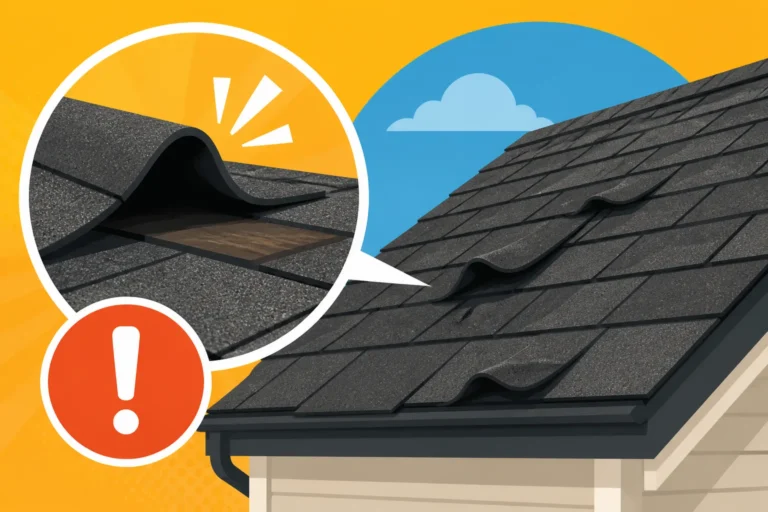
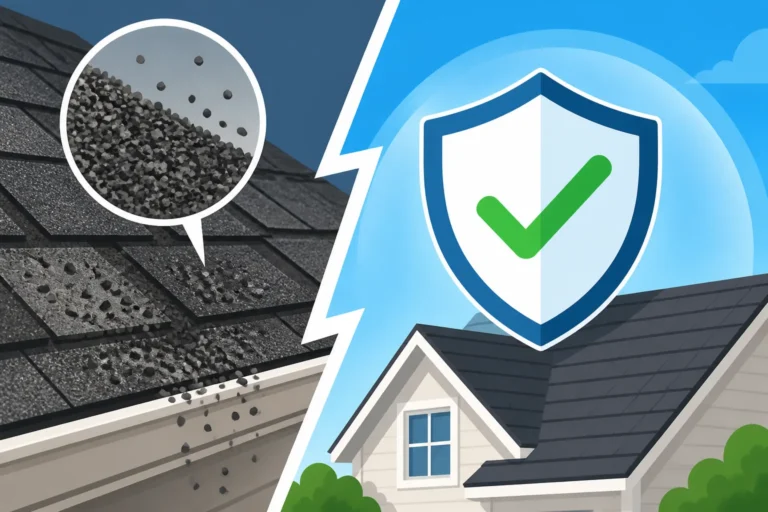
- Shingles: They'll look for missing, cracked, curled, or blistering shingles, as well as signs of excessive granule loss. Even seemingly minor shingle damage can compromise your roof's integrity. Getting a second opinion on roof replacement can give you peace of mind regarding recommended work.
- Flashing: This critical component around chimneys, vents, skylights, and valleys is a common failure point. Inspectors will check for corrosion, loose seals, or improper installation.
- Gutters and Downspouts: Clogged gutters can cause water to back up and seep under your roofline or behind fascia boards, leading to rot and leaks. Ensure they are clear and draining properly.
- Roof Penetrations: All vents (plumbing, attic, exhaust) and pipes will be checked for secure boots and seals.
- Attic Interior: A good inspection includes a look inside your attic for any early signs of water staining, mold, or condensation issues.
Catching a minor issue, like a loose piece of flashing or a few cracked shingles, and addressing it promptly is far less expensive than dealing with extensive water damage, mold remediation, and potentially structural repairs months or years down the line. Remember, regular inspections are a small investment that protects a much larger one.
Ensuring Proper Ventilation and Insulation
While not direct causes of leaks, inadequate attic ventilation and improperly installed insulation can create conditions that mimic water damage or exacerbate existing problems. Poor ventilation leads to a buildup of heat and humidity in the attic. This warm, moist air can condense on the cooler underside of your roof decking, especially during colder months. This condensation can look exactly like a roof leak, leading to water stains, mold growth, and even wood rot. The irony is that it's not water from outside, but from inside your home.
Proper attic ventilation, usually a combination of soffit vents (intake) and ridge or gable vents (exhaust), allows hot, humid air to escape, keeping your attic cooler and drier. A balanced system helps prevent condensation and reduces strain on your HVAC system. Similarly, insulation plays a crucial role. If insulation blocks soffit vents, it impedes airflow. If it's old, wet, or improperly installed, it can retain moisture, contributing to mold and reducing energy efficiency.
A roofing professional, perhaps one connected through a platform like Modernize, can assess your attic's ventilation system to ensure it meets current building codes and performs optimally for your climate. They can recommend solutions like adding more vents or improving insulation baffles to ensure consistent airflow, protecting your attic from condensation-related issues. An assessment of your roof's age and overall condition, as explored in articles like "How Long Does an Asphalt Roof Last", can help determine if it's time for more than just a repair.
By being proactive with inspections and ensuring your attic is properly ventilated and insulated, you're not just preventing leaks; you're safeguarding the longevity of your entire roof system and the health of your home.
| Sign of Water Damage | What it Looks Like / Feels Like | Potential Source(s) (Attic/Roof) | Urgency Level |
|---|---|---|---|
| Water Stains | Yellowish-brown to dark spots on wood/insulation | Damaged shingles, flashing leaks, ice dams, condensation | High |
| Mold/Mildew Growth | Fuzzy, discolored patches (green, black, white) | Persistent leak, high humidity/poor ventilation | High |
| Sagging Roof Decking | Warped, bowed, or soft wood on underside of roof | Long-term severe leak, structural compromise | Very High |
| Compacted Insulation | Matted, heavy, dark insulation that has lost loft | Leak, condensation | High |
| Musty/Earthy Odor | Distinct smell of dampness or rotting wood | Hidden mold/mildew, long-term moisture buildup, leak | High |
| Peeling/Bubbling Paint | On ceiling below attic (top floor) | Active leak that has seeped through entire roof/ceiling system | Very High |
| Pest Activity | Increased insects or rodents in attic | Weakened, damp wood attracting pests, easy entry point | Medium |
| High Humidity | Air feels heavy, condensation on surfaces | Poor ventilation, leak, high interior humidity | Medium |
Disclaimer
This guide provides general information and recommendations regarding asphalt roofing and water damage in attics. It is not a substitute for professional advice. Always consult with a qualified, licensed, and insured roofing contractor for specific assessments, repairs, or replacements. Roofing work can be dangerous and should only be performed by experienced professionals.