Curling Shingles: What They Mean
Spotting curling shingles on your roof can be a genuinely unsettling experience for any homeowner. It immediately brings up questions of roof health, potential leaks, and, let's be honest, the looming thought of expensive repairs or even a full replacement. This guide is here to demystify what those curling edges and warped tabs actually mean for your asphalt roof, breaking down the underlying causes, the real risks involved, and how to approach the best solution to protect your home and your peace of mind.
What Exactly Are Curling Shingles?
When we talk about curling shingles, we're not just referring to a single, easily identifiable issue. It’s a nuanced problem that can manifest in several ways, each telling a slightly different story about the condition and history of your roof. Understanding these distinctions is the first step in figuring out what’s going on up there and what action you might need to take. It's often one of the clear signs you need a new roof, but not always.
The Visual Cues of Shingle Curling
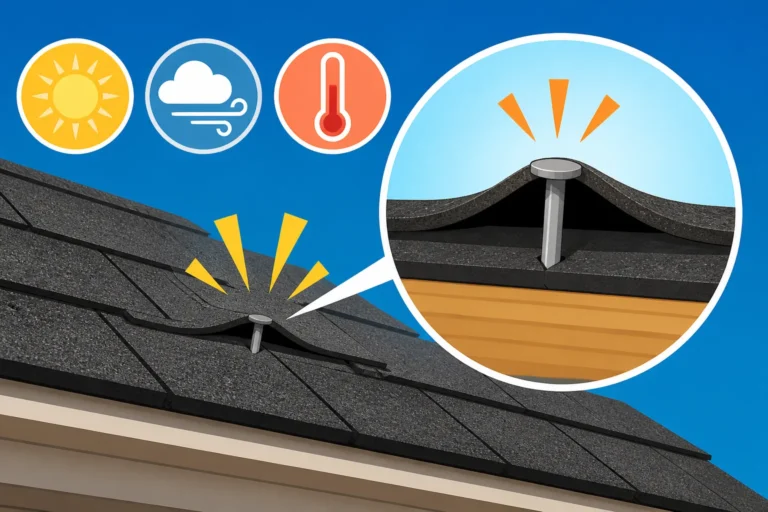
The most obvious sign of shingle curling is, well, the shingles not lying flat anymore. Instead of a smooth, uniform surface, you'll start to see edges or corners lifting and bending away from the roof deck. It’s like watching a piece of paper get damp and start to wrinkle, but on a much larger and more critical scale. From the ground, it might look subtle at first, especially if you're not specifically looking for it. You might notice shadows cast where there shouldn't be any, or a change in the roof's overall texture.
As the problem progresses, these subtle shifts become much more pronounced. You might see the shingle tabs begin to distinctly cup upwards or curve downwards. Sometimes, it's just the bottom edge, other times it's the entire shingle body that appears distorted. The granules, those tiny, protective stones embedded in the asphalt, might also start to look sparse or even completely worn off in the affected areas, leaving bare asphalt exposed to the elements. This visual deterioration is a critical indicator that your roof's protective layer is compromised and actively failing.
Understanding the Different Types of Curling
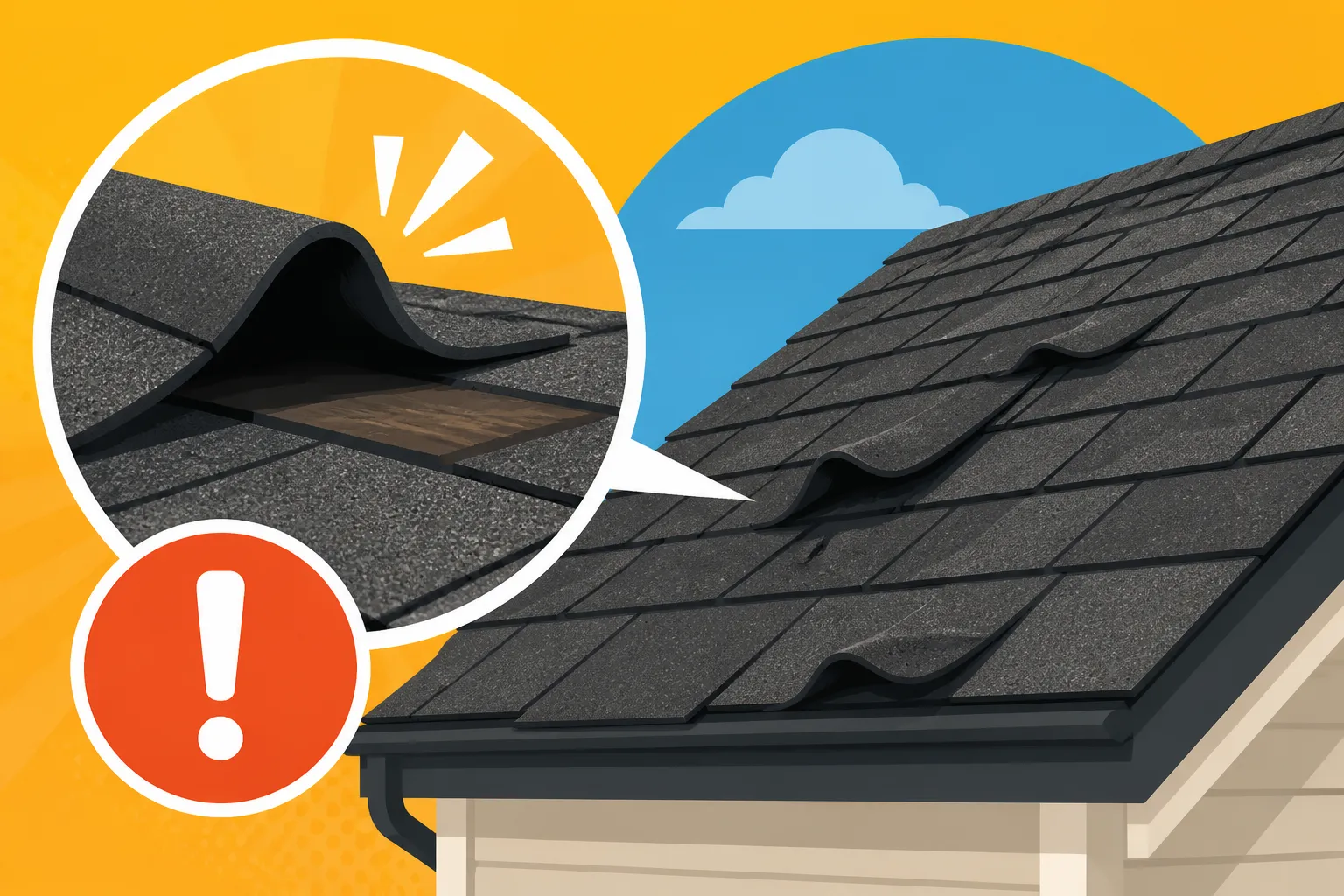
Not all curling is created equal, and recognizing the specific type can offer clues about the cause. The two primary forms you'll encounter are "cupping" and "clawing."
Cupping occurs when the edges of a shingle turn upward, creating a concave shape. Imagine a shallow bowl – that’s essentially what a cupped shingle looks like. This often happens due to a loss of volatile oils from the shingle's asphalt over time, or uneven absorption of moisture. The center of the shingle remains somewhat adhered to the roof, while the edges pull away. This type of curling creates pockets where water can sit, leading to potential leaks and further deterioration. It also makes the roof far more vulnerable to wind uplift, as the edges are no longer sealed down properly.
Clawing, on the other hand, is when the center of the shingle raises up, while the edges remain relatively flat or curl slightly downward, resembling a claw or an inverted cup. This usually points to issues with the shingle's felt mat absorbing moisture and expanding unevenly. The result is the top and bottom edges staying down, while the middle pushes upward. Clawing can sometimes be harder to spot from the ground, but it creates similar vulnerabilities to water penetration and wind damage. Both cupping and clawing indicate that the shingle's structural integrity and its ability to shed water effectively are diminishing significantly.
Why Asphalt Shingles Are Susceptible
Asphalt shingles are incredibly popular for a reason – they're affordable, durable, and come in a vast array of styles and colors. However, their very composition makes them susceptible to curling over time. They are essentially layers of asphalt, fiberglass mat (or organic felt), and ceramic granules. Each of these components reacts differently to environmental stressors.
The asphalt itself contains volatile oils that keep the shingle flexible and pliable. Over years of exposure to the sun's intense UV rays, these oils can dry out and dissipate. This drying process causes the asphalt to become brittle and shrink, leading to the distortion we see as curling. Think of how old leather dries out and cracks – it’s a similar principle. Furthermore, changes in temperature cause materials to expand and contract. Asphalt shingles are constantly undergoing this cycle, and over decades, this repeated stress can lead to fatigue and shape distortion.
The fiberglass mat, or sometimes an older organic felt base, also plays a role. If this mat absorbs moisture unevenly, or if there's a manufacturing defect in its composition or how it's bonded with the asphalt, it can lead to internal stresses within the shingle that cause it to warp. The granules, while protective, also contribute to how the shingle handles heat. Darker granules absorb more heat, which can accelerate the drying out of the asphalt layer underneath. So, while asphalt shingles are designed to be tough, their multi-layered construction and organic components inherently leave them vulnerable to the forces of nature that cause curling.
Common Culprits Behind Curling Shingles
Curling shingles rarely appear overnight. They're usually the result of a combination of factors, a slow degradation over time that eventually reaches a tipping point. Understanding these common culprits is crucial for both identifying the problem and considering how to prevent it in the future. It’s like a detective story, where each clue leads you closer to the truth about your roof's condition.
The Impact of Age and Wear on Shingles
This is perhaps the most straightforward and common reason for shingles to start curling. Just like anything else, roofs have a lifespan, and asphalt shingles are no exception. Most architectural shingles are designed to last 20-30 years, and 3-tab shingles typically last 15-20 years. As they approach or exceed this expected lifespan, the materials naturally begin to break down. You can learn more about how long asphalt roofs last to better estimate your roof's remaining life.
Over decades, the constant bombardment from the sun’s ultraviolet (UV) radiation is a primary antagonist. UV rays degrade the asphalt, causing those essential oils we talked about earlier to evaporate. This process makes the shingles less flexible, more brittle, and prone to shrinking and warping. You'll often see this manifest as widespread cupping or clawing across the entire roof surface, not just in isolated spots. Granule loss, which exposes the underlying asphalt to further UV damage, also becomes more prevalent with age, accelerating the curling process. This natural aging process is simply unavoidable, and it’s a clear sign that your roof is nearing the end of its functional life.
Manufacturing Defects and Material Issues
While less common than age-related curling, sometimes the problem isn't with how your roof has aged, but with how the shingles were made in the first place. Manufacturing defects can lead to premature curling, sometimes appearing within just a few years of installation. These defects might include an uneven distribution of asphalt, an improperly made fiberglass mat, or inconsistent sealant strips. If the shingle material itself is not uniform or lacks the proper composition, it won't hold up as intended when exposed to the elements.
For example, if a batch of shingles has an inadequate amount of asphalt, they might dry out and become brittle much faster than they should. Or, if the fiberglass mat is not properly saturated or has weak spots, it can absorb moisture unevenly, leading to internal stresses and warping. In such cases, you might notice curling appearing in specific areas, or across entire bundles of shingles that were part of a faulty production run. Major shingle brands like GAF, Owens Corning, and CertainTeed have rigorous quality controls, but even the best manufacturers can occasionally have a batch issue. If you suspect a manufacturing defect, especially on a relatively new roof, it's crucial to contact your installer and review your manufacturer's warranty.
Improper Installation Techniques
Even the highest quality shingles can fail prematurely if they're not installed correctly. Believe it or not, improper installation is a significant contributor to premature curling. A skilled and reputable roofer understands the nuances of how asphalt shingles are installed: step by step, ensuring proper adhesion, nailing patterns, and ventilation.
One common issue is insufficient or improper nailing. If shingles are nailed too high, too low, or with too few nails, they won't be properly secured to the roof deck. This allows them to lift, shift, and become more susceptible to wind damage, which can lead to curling. Over-nailing, where nails are driven in too deep, can also create stress points that lead to cracking and curling. Similarly, if the shingles are installed too tightly without adequate space for expansion and contraction in different temperatures, they can buckle and curl.
Another crucial factor is inadequate ventilation in the attic space below the roof. If the attic is not properly vented, heat and moisture can build up, essentially cooking the underside of the shingles. This extreme heat differential between the top (exposed to the sun) and bottom (exposed to hot attic air) can accelerate the drying out of the asphalt and cause the shingles to warp and curl from the inside out. Understanding how roof ventilation works is key to ensuring your roof's longevity. This is why choosing a contractor who adheres to manufacturer specifications and local building codes is absolutely paramount for a durable roof.
Environmental Factors and Weather Extremes
Your roof is constantly battling the elements, and extreme weather conditions can certainly contribute to shingle curling. While age is often the primary factor, these environmental stressors can significantly accelerate the process.
Sun Exposure: The sun's UV rays are relentless. In regions with intense, prolonged sunlight, like Arizona or Florida, shingles can degrade faster than in cooler, cloudier climates. The continuous cycle of heating and cooling, particularly in areas with large daily temperature swings, also puts immense stress on the shingles, making them expand and contract repeatedly. This constant movement weakens the shingle's internal structure and bond, leading to premature brittleness and curling.
Moisture and Humidity: While asphalt shingles are designed to be waterproof, prolonged exposure to excessive moisture and high humidity can take a toll. This is especially true if water gets underneath the shingles due to poor drainage, damaged underlayment, or ice dams. Constant moisture can cause the shingle's fiberglass mat to swell and contract, leading to warping. In humid climates, moss and algae growth can also retain moisture on the shingle surface, preventing them from drying out properly and contributing to deterioration.
Temperature Fluctuations: Rapid and drastic temperature changes, such as scorching hot days followed by freezing nights, are particularly tough on shingles. The constant expansion and contraction can stress the materials to their breaking point, leading to cracks, granule loss, and eventually, curling. This is often seen in transitional climates where seasons bring extreme variations. While shingles are engineered to withstand a range of temperatures, continuous, extreme fluctuations will always accelerate their demise.
The Real Risks of Ignoring Curling Shingles
It's tempting to put off roof repairs, especially when the issue seems minor or out of sight, out of mind. But with curling shingles, procrastination can lead to a cascade of problems that are far more costly and damaging in the long run. Ignoring these early warning signs is like ignoring a small crack in a dam; eventually, the small problem will lead to a catastrophic failure.
Compromised Weather Protection and Leaks
The most immediate and severe risk of curling shingles is the compromise of your roof's primary function: protecting your home from the elements. Asphalt shingles are designed to create a continuous, overlapping barrier that sheds water down and off your roof. When shingles curl, this protective barrier is broken.
Cupped shingles create channels and pockets where rainwater can collect instead of flowing freely. These pockets allow water to sit longer on the roof, increasing the chance of it seeping under the shingle, past the underlayment, and eventually into your attic and home. Clawed shingles also create vulnerabilities by lifting the center, allowing wind-driven rain to more easily penetrate beneath the shingle tabs. Once water breaches this initial line of defense, it can wreak havoc on your roof deck, attic insulation, ceilings, and even interior walls. A small leak might start as a faint water stain, but it can quickly escalate to widespread mold growth, damaged structural components, and significant repair bills. This is why understanding when to repair a roof leak vs replace the roof is so vital.
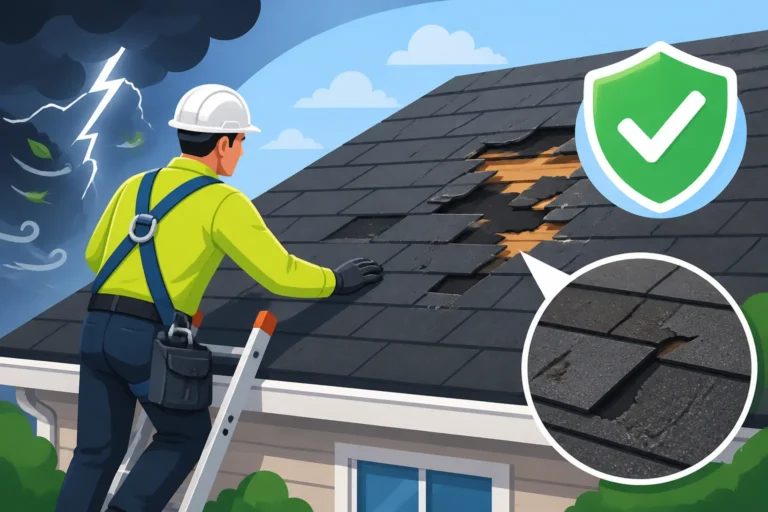
Moreover, curling shingles are far more susceptible to being torn off by strong winds. Their lifted edges offer an easy grip for gusts, and once a few shingles are gone, the entire adjacent section becomes exposed and vulnerable. This can rapidly escalate a minor curling issue into a major emergency repair scenario after a storm.
Reduced Energy Efficiency and Higher Bills
You might not immediately connect curling shingles with your utility bills, but there's a definite link. A healthy roof acts as a critical component of your home's thermal envelope, helping to regulate indoor temperatures. When shingles curl, this efficiency can be significantly reduced.
Curling can impact your roof's ability to reflect solar radiation, especially if the lighter-colored granules have worn away and exposed darker asphalt. Darker surfaces absorb more heat, transferring it directly into your attic. More importantly, compromised shingles and potential gaps they create can lead to air leaks. A properly sealed and insulated attic is essential for energy efficiency. When warm air from your home leaks into the attic in winter, or hot attic air seeps into your living space in summer, your HVAC system has to work much harder to maintain a comfortable temperature.
This increased workload translates directly into higher energy consumption and steeper utility bills. Imagine your air conditioner running constantly in the summer because your attic is baking due to poor roof integrity. The cost savings of ignoring curling shingles will quickly be overshadowed by the continuous drain on your wallet from an inefficient home.
Diminished Curb Appeal and Home Value
Beyond the structural and functional issues, curling shingles simply look bad. They give your home a neglected, rundown appearance that can significantly diminish its curb appeal. Whether you're planning to sell in the near future or just want to maintain a beautiful home, a roof full of warped, distorted shingles sends a clear negative message.
Think about it: a prospective buyer's first impression of your home is often the exterior. A roof in obvious disrepair suggests neglect and foretells immediate, expensive work for them. This can deter potential buyers or lead them to offer significantly less than your asking price. Even if you're not selling, the visual impact on your own enjoyment of your home, and how your property fits into the neighborhood, is undeniable. A healthy, attractive roof contributes positively to the overall aesthetic and perceived value of your property.
Ignoring curling shingles will only make the problem more pronounced and visually jarring over time. What starts as a few subtly cupped edges can become a widespread, unsightly mess, reflecting poorly on your entire property and potentially impacting resale value down the line.
Warranty Implications and Insurance Headaches
When you purchase a new roof, it typically comes with both a manufacturer's warranty on the shingles and a workmanship warranty from the installer. Ignoring obvious signs of roof deterioration like curling shingles can complicate future warranty claims. Most warranties require regular maintenance and timely repairs to remain valid. If a manufacturer can argue that the curling progressed due to homeowner neglect or failure to address issues promptly, they might deny a claim. You should always understand your roofing warranty: workmanship vs manufacturer coverage.
Similarly, delaying action on curling shingles can lead to headaches with your homeowner's insurance. Insurance policies typically cover sudden, accidental damage (like hail or wind storms), but they generally don't cover damage resulting from neglect, wear and tear, or deferred maintenance. If a small leak caused by curling shingles eventually leads to significant interior water damage, your insurer might deny the claim, stating that the root cause was an unaddressed maintenance issue. They might argue that the damage wasn't "sudden" but rather a prolonged consequence of an aging, neglected roof.
In worst-case scenarios, an old roof with extensive curling might even be deemed uninsurable, or your premiums could skyrocket. Some insurance companies require a roof inspection to ensure the roof is in good condition, especially if it's nearing the end of its typical lifespan. It's far better to address curling shingles proactively to protect your warranty and ensure your home remains properly insured. Does insurance cover roof replacement for issues like widespread curling? It depends heavily on the cause and your policy.
Assessing the Severity: When to Repair, When to Replace
You've identified curling shingles, and now the big question looms: can you fix it, or are you looking at a full roof replacement? This decision isn't always cut and dried. It depends on the extent of the damage, the age of your roof, and your budget. Making the right call requires a careful assessment, sometimes with professional help.
DIY Inspection: What You Can Safely Check
Before calling in the cavalry, there are a few things you can safely check yourself, if you feel comfortable and have the proper safety equipment (a sturdy ladder, non-slip shoes, and ideally a spotter). Never go on a roof alone if you're not experienced or if the roof is steep or wet. For most homeowners, a good pair of binoculars from the ground or inspecting from a second-story window can give you a decent overview.
What to look for:
- Widespread vs. Localized Curling: Is the curling limited to a small area, perhaps one slope that gets more sun, or is it visible across the entire roof? If it's widespread, especially on an older roof, that's a stronger indicator for replacement. If it's just a few shingles in one spot, a repair might be feasible.
- Granule Loss: Examine the gutters and downspouts for excessive granules. If your gutters are constantly filling with grit, it means the protective layer of your shingles is eroding, often accompanying curling.
- Shingle Brittleness: If you can safely access a small area (again, use extreme caution), gently try to lift the edge of a curled shingle. If it's extremely brittle and cracks easily, that's a sign of significant degradation.
- Attic Inspection: Head into your attic with a flashlight during the day. Look for any signs of water stains, active leaks, or daylight peering through the roof deck. Even if you don't see direct leaks, moisture or dark spots on the underside of the roof deck can indicate water infiltration.
- Age of the Roof: Do you know how old your roof is? This is a critical piece of information. If your asphalt roof is already 20-25 years old and showing significant curling, its useful life is likely over.
Remember, a DIY inspection is just a preliminary check. It's not a substitute for a professional roof damage assessment.
Professional Assessment: Why an Expert Eye Matters
While your DIY check can give you an idea, a professional roofing contractor has the expertise, tools, and safety training to conduct a thorough and accurate assessment. They can identify subtle issues you might miss and understand the implications of different types of damage. When you're dealing with something as critical as your roof, an expert eye is invaluable.
A reputable roofer will do more than just look for curling. They'll examine the entire roofing system, including:
- The extent and pattern of curling: Is it uniform, or in specific areas? This helps pinpoint causes like ventilation issues, manufacturing defects, or localized damage.
- Granule loss and shingle wear: They'll assess how much protective granule layer remains and the overall condition of the shingle surface.
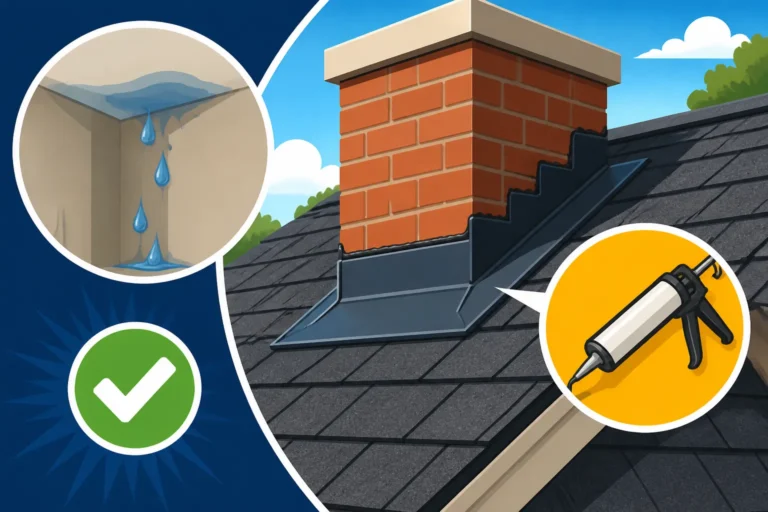
- Flashing and seals: They'll check around chimneys, vents, skylights, and valleys for signs of flashing failure or compromised seals, which are common leak points.
- Gutter condition: They'll check for proper drainage and any signs of shingle debris in your gutters.
- Roof decking: They'll look for soft spots, rot, or water damage on the roof deck itself, which could indicate long-term leaks.
- Attic ventilation: They'll assess whether your attic has adequate intake and exhaust ventilation to prevent heat and moisture buildup.
Getting multiple roofing quotes is always a good idea. A qualified professional can give you an honest opinion on the root cause of the curling and whether a repair or a full replacement is the most cost-effective and durable solution for your specific situation. They can also explain the pros and cons of an overlay vs tear-off if a replacement is recommended.
Cost-Benefit Analysis: Repair vs. Replace Scenarios
The decision to repair or replace often comes down to a practical cost-benefit analysis, factoring in the age of the roof and the extent of the damage. Here’s how to approach it:
Scenario 1: Minor, Localized Curling on a Younger Roof
If your roof is relatively young (under 10-15 years old for architectural shingles) and only a small number of shingles are curling in a contained area, a targeted repair might be an option. This could be due to a specific defect in a shingle bundle, localized sun exposure, or minor installation error. A roofer might be able to carefully remove and replace the affected shingles, ensuring proper sealing. However, matching new shingles to old ones can be tricky, as weathering causes color changes. This repair strategy is usually only viable if the underlying roof structure is sound and the majority of the roof is in good condition.
Scenario 2: Widespread Curling on an Older Roof
This is the most common situation leading to replacement. If your asphalt roof is nearing or past its expected lifespan (15+ years for 3-tab, 20+ years for architectural) and you see widespread curling, granule loss, and brittleness, then spot repairs are likely a waste of money. Even if you replace a few curled shingles, others will soon follow suit. In this case, the entire roof system has degraded, and a full asphalt roof replacement cost is the most sensible long-term solution. It provides a fresh start, ensures uniform protection, and typically comes with new warranties. Trying to patch an old, failing roof is often a temporary fix that ends up costing more in repeated repairs and eventual leaks.
Scenario 3: Curling with Underlying Issues
If the curling is accompanied by signs of roof decking damage (soft spots, rot), significant leaks into the attic, or severe ventilation problems that contributed to the curling, a full replacement is almost certainly necessary. These underlying issues need to be addressed before new shingles can even be installed effectively. A new roof allows for the inspection and replacement of damaged decking and the upgrade of ventilation systems, ensuring the entire roof system is healthy.
Consider the "25% rule" some roofing professionals use: If more than 25% of your roof shows significant damage or deterioration, a full replacement is generally more cost-effective than extensive repairs. While the initial cost of a full replacement is higher, it offers long-term peace of mind, improved energy efficiency, and a boost to your home's value, making it a sound investment. Modernize can help you connect with qualified roofers for accurate estimates for both repair and replacement options.
Preventing Curling: Proactive Steps for a Healthier Roof
While you can't stop time or the sun, there are definitely proactive steps you can take to delay the onset of curling and extend the overall lifespan of your asphalt roof. It's all about making smart choices upfront and maintaining diligence over the years. Think of it as preventative medicine for your home's most important defense system.
Choosing Quality Shingles and Reputable Installers
The foundation of a long-lasting, curl-resistant roof begins before the first shingle is even laid. Investing in high-quality shingles is paramount. Brands like Owens Corning, GAF, and CertainTeed offer a range of architectural and designer shingles that are engineered for enhanced durability, better granule adhesion, and superior resistance to environmental factors like UV radiation and extreme temperatures. Many of these premium shingles come with longer warranties and advanced technologies, such as reflective granules to reduce heat absorption or enhanced sealant strips for better wind resistance. While they might have a slightly higher upfront cost, the added longevity and reduced issues can save you money in the long run.
Equally, if not more important, is choosing a reputable and experienced roofing contractor. Improper installation is a leading cause of premature roof failure, including curling. A good contractor will ensure proper nailing techniques, correct shingle alignment, and adherence to manufacturer specifications – all critical for shingles to perform as intended. They should be licensed, insured, and have a proven track record. Ask for references, check online reviews, and verify their manufacturer certifications (e.g., GAF Master Elite, Owens Corning Platinum Preferred). These certifications often mean the contractor has undergone specific training and can offer enhanced warranties on the products they install. A trustworthy installer from a platform like Modernize understands the nuances of how asphalt shingles are installed: step by step and will ensure your roof is put on right the first time.
Ensuring Proper Ventilation
This is a step often overlooked by homeowners but cannot be stressed enough when it comes to preventing shingle curling. Proper attic ventilation is absolutely crucial for the health and longevity of your asphalt roof. Without it, your attic can become an oven in the summer and a damp, frosty cave in the winter, creating conditions that severely stress your shingles.
In the summer, a poorly ventilated attic traps heat, which can reach extreme temperatures (think 150-160°F or more). This superheated air bakes the underside of your shingles, accelerating the drying out of the asphalt and causing them to curl prematurely from the inside out. In the winter, poor ventilation can lead to moisture buildup from household activities (showering, cooking, laundry) condensing on the cold underside of the roof deck. This moisture can damage the roof deck, promote mold growth, and contribute to ice dam formation, which can also stress and warp shingles.
A properly designed ventilation system involves a balanced flow of air, with adequate intake vents (usually in the soffits) and exhaust vents (like ridge vents or box vents) at the roof peak. This continuous airflow helps to equalize the temperature between the attic and the outside air, keeping the roof deck cooler in summer and drier in winter. When you're considering a new roof or even major repairs, always discuss your attic ventilation with your contractor. Ensuring adequate airflow helps protect your investment and helps your shingles last their full expected lifespan.
Regular Maintenance and Inspections
Even the best-installed, highest-quality roof needs a little love and attention over the years. Regular maintenance and periodic inspections are simple, cost-effective ways to catch minor issues before they escalate into major problems, including preventing premature curling.
Annual Inspections: Aim for at least one professional roof inspection per year, ideally in the spring or fall. A qualified roofer can identify early signs of shingle degradation, such as subtle curling, minor granule loss, or weakened seals, that you might miss. They can also check for damaged flashing, clogged gutters, or developing issues around roof penetrations (like vents and chimneys). Catching a few curling shingles early might allow for a spot repair, preventing the need for a full replacement prematurely. This is also a good opportunity to evaluate how many years left on your roof.
Keeping Gutters Clean: Clogged gutters cause water to back up and sit on the edge of your roof, or even overflow onto the fascia. This prolonged moisture exposure can lead to deterioration of the lower courses of shingles, causing them to curl, rot, or even fostering moss and algae growth. Regularly cleaning your gutters, especially after heavy leaf falls, ensures proper drainage and protects your roof's edge.
Trim Overhanging Branches: Tree branches that rub against your roof can abrade shingles, stripping away granules and weakening them over time, making them more prone to curling. Falling branches can also cause impact damage. Trimming back any branches that are touching or overhanging your roof is a wise preventative measure.
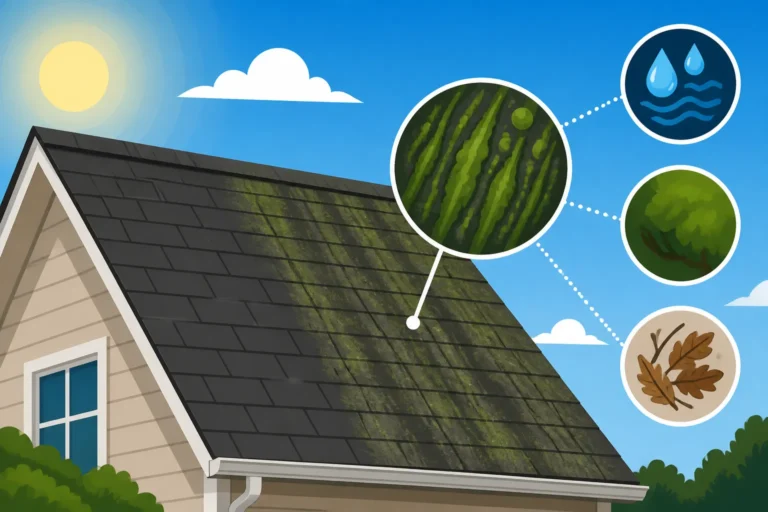
Address Moss and Algae: While not a direct cause of curling, moss and algae growth can trap moisture against the shingle surface and prevent the roof from drying out properly. This continuous dampness can contribute to shingle degradation and makes curling more likely. Gentle cleaning with appropriate roof-safe solutions can help prevent these growths from taking hold. However, always consult a professional for cleaning to avoid damaging the shingles.
By staying proactive with maintenance and inspections, you can significantly extend the life of your roof, keep curling at bay for longer, and ensure your home remains well-protected.
Frequently Asked Questions About Curling Shingles
It's natural to have a lot of questions when you discover your shingles are curling. Let's tackle some of the most common concerns homeowners have, offering clear, realistic answers to help you navigate this common roofing issue.
Can Curling Shingles Be Flattened?
This is a common wish, but unfortunately, the answer is almost always no. Once asphalt shingles have curled, whether due to age, heat, or moisture absorption, their internal structure has been irreversibly altered. The asphalt has dried out, the fiberglass mat has warped, or both. Attempting to flatten them by applying heat or pressure can actually cause more damage, leading to cracks, breakage, or further granule loss.
Even if you could temporarily flatten them, the underlying cause of the curling (age, heat, moisture stress) would still be present, and they would likely curl right back up, or worse, become brittle and shatter. The only effective "fix" for a curled shingle is replacement. If only a few shingles are curled and the rest of the roof is in good shape, a professional roofer can carefully remove and replace individual damaged shingles. However, if the curling is widespread, it signals that the entire roof is failing, and a full replacement is the only viable long-term solution.
Does Home Insurance Cover Curling Shingles?
Generally, homeowner's insurance does not cover curling shingles if the cause is simply age, wear and tear, or a lack of maintenance. Insurance policies are designed to cover sudden, accidental damage from specific perils like severe wind, hail, fire, or falling trees. They typically exclude damage that occurs gradually over time due to natural deterioration.
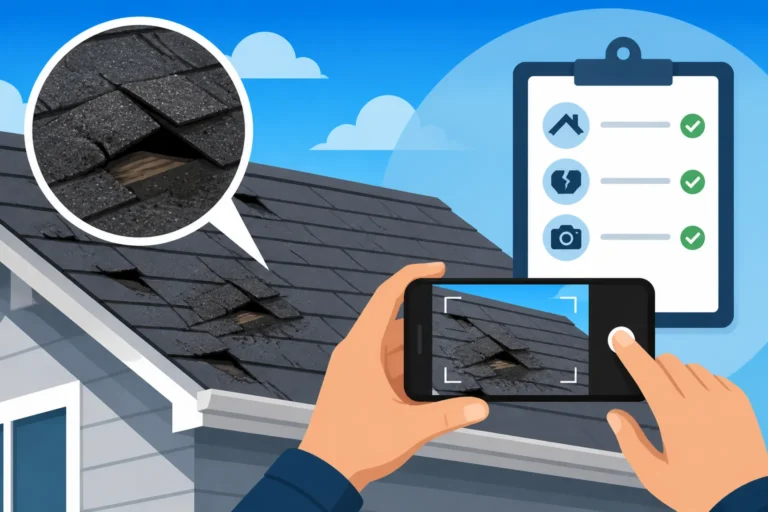
If, however, the curling was exacerbated or directly caused by a sudden, covered event, there might be a slim chance. For example, if a severe hail storm significantly damaged otherwise healthy shingles, causing them to crack and subsequently curl prematurely, that might be covered. Or if a strong wind storm lifted and then improperly reseated shingles, leading to curling, that could also be a possibility. In these cases, it's crucial to document the storm damage thoroughly.
It’s important to read your specific policy carefully and understand its limitations. If you believe a covered peril contributed to your curling shingles, you should contact your insurance provider. However, for most cases of curling due to natural aging or improper ventilation, you'll find that insurance companies consider it a maintenance issue that falls outside the scope of coverage. This is a key reason why roof age: when to start planning replacement is so important, as older roofs are less likely to get insurance coverage for anything but catastrophic, sudden damage.
How Can I Find a Trustworthy Roofer?
Finding a trustworthy roofer can feel like a daunting task, especially when you're already stressed about a damaged roof. But it's arguably the most important step in resolving your curling shingle issue effectively and economically. Here’s a breakdown of how to find a reputable professional:
- Seek Local Referrals: Start by asking friends, family, neighbors, and colleagues for recommendations. Personal referrals from people you trust are often the best starting point.
- Check Online Reviews and Ratings: Websites like the Better Business Bureau (BBB), Google Reviews, Yelp, and platforms like Modernize offer a wealth of customer feedback. Look for roofers with a strong average rating and a significant number of positive reviews. Pay attention to how they respond to negative feedback.
- Verify Licensing and Insurance: This is non-negotiable. Always ask for proof of a current state or local contractor's license (if required in your area) and, crucially, general liability insurance and workers' compensation insurance. Do not hire a contractor who cannot provide these. This protects you from liability if there's an accident on your property or damage to your home.
- Get Multiple Detailed Quotes: Don't settle for the first estimate. Contact at least three different reputable roofers and ask for detailed, written estimates. These estimates should clearly break down material costs, labor costs, permit fees, and a complete scope of work. Comparing estimates helps you understand average costs and spot any outliers or hidden charges. Learn how to read and compare roofing estimates effectively.
- Ask for References and See Their Work: A good roofer should be happy to provide references from past clients. Take the time to call those references and, if possible, drive by to see examples of their completed work.
- Inquire About Warranties: Discuss both the manufacturer's warranty on the shingles and the contractor's workmanship warranty. Understand what they cover, for how long, and if they are transferable.
- Avoid High-Pressure Tactics: Be wary of roofers who pressure you to sign a contract immediately, especially after a storm. Reputable contractors will give you time to consider your options.
- Look for Manufacturer Certifications: Many top shingle manufacturers (like GAF, Owens Corning, CertainTeed) offer certification programs for contractors. These certifications often indicate that the contractor has met certain standards for training, professionalism, and quality installation, and can offer enhanced warranties.
By following these steps, you significantly increase your chances of finding a qualified and trustworthy roofer who will address your curling shingle problem with integrity and expertise. You can also review questions to ask a roofing contractor before hiring to ensure you cover all your bases.
Disclaimer
Please remember that the information provided in this article is intended for general guidance and informational purposes only, and does not constitute professional roofing advice. Every roof and every situation is unique. We strongly recommend consulting with a qualified and licensed roofing contractor for any specific questions, assessments, or repairs related to your roof. Attempting DIY roof repairs can be dangerous and may void existing warranties.