Overlay vs Tear-Off: Which to Choose
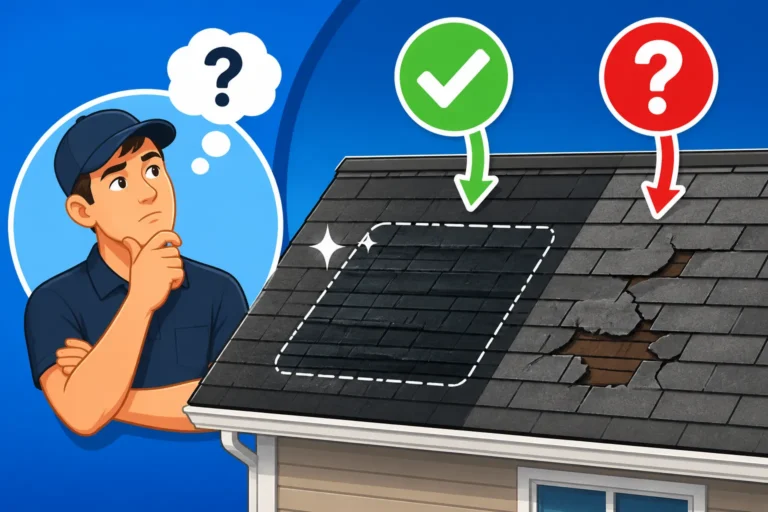
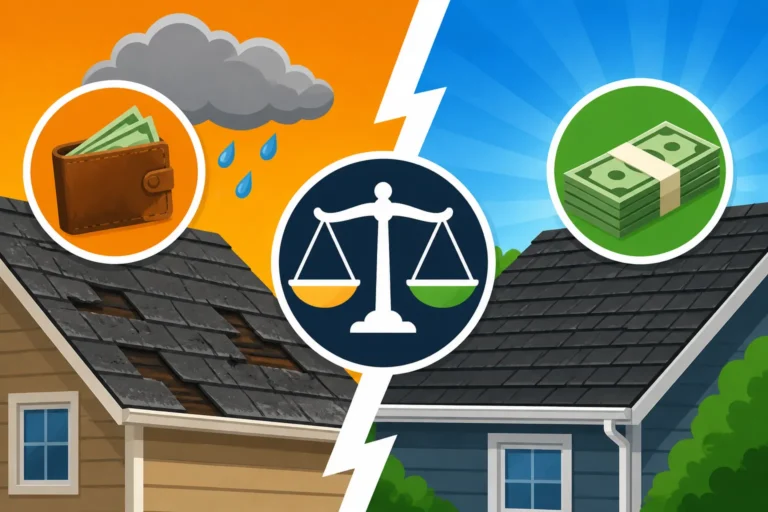
Deciding on a new roof can feel like a daunting task, and one of the biggest questions homeowners grapple with is whether to go for a simple "overlay" or bite the bullet for a full "tear-off." It's a choice that impacts your wallet, your home's integrity, and even its curb appeal for years to come. This comprehensive guide is here to cut through the confusion, lay out the facts, and help you understand the nuances of each option so you can make the best decision for your asphalt roof.
Understanding the Basics: What Are Overlay and Tear-Off?
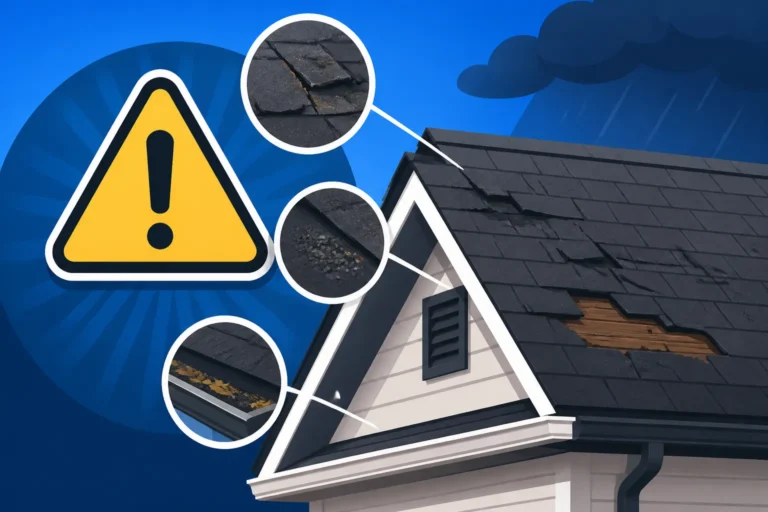
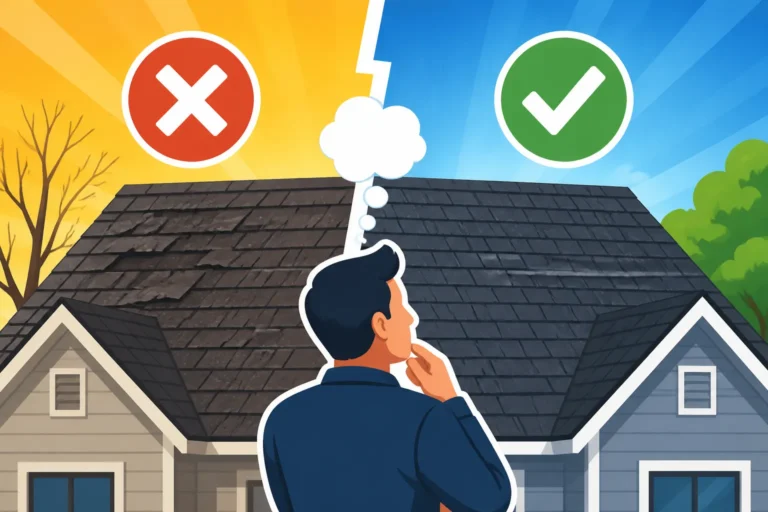
When your roof starts showing its age, with curling shingles, granule loss, or even a leak or two, you're faced with a big decision. Do you just slap new shingles on top of the old ones, or do you strip everything down to the bare decking? These are the fundamental choices: an overlay (also known as a re-roof or roof-over) or a full tear-off. It’s crucial to understand what each process entails before you even start looking for quotes.
What is a Roof Overlay?
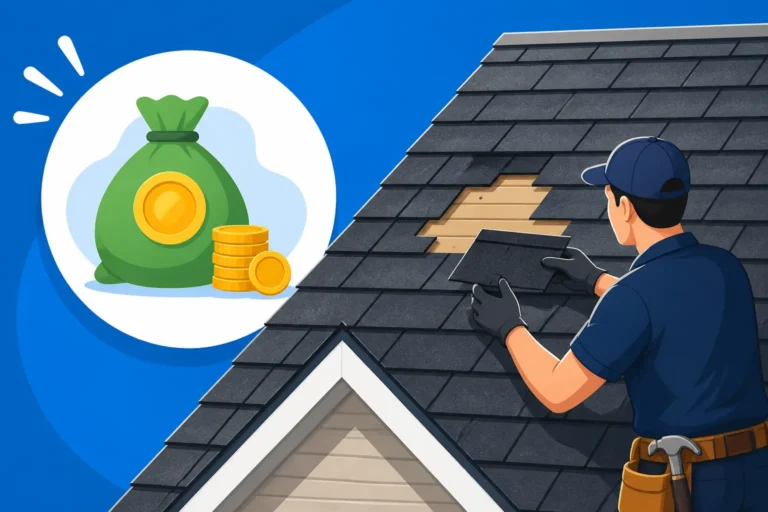
A roof overlay, or re-roof, is exactly what it sounds like: a new layer of asphalt shingles is installed directly over your existing layer of shingles. This method can seem incredibly appealing at first glance, primarily because it's often presented as a faster and less expensive solution. The roofing crew doesn't spend time tearing off the old materials, hauling away debris, or preparing a completely clean deck, which saves on labor and disposal costs.
Imagine your roof has a single layer of old, weathered architectural shingles. With an overlay, a contractor would come in, make sure the existing shingles are relatively flat and stable, perhaps trim off some loose edges, and then install brand new shingles right on top. It’s like putting a new coat on over your old one – it covers up the old, but the old is still there underneath. This approach can be tempting for homeowners looking to save money in the short term or those needing a quicker solution for a property they might not plan to live in for decades.
What is a Full Roof Tear-Off?
In contrast, a full roof tear-off is a complete replacement. This process involves stripping away all existing roofing materials – not just the shingles, but often the underlayment, and sometimes even checking the drip edge and flashing. Everything is removed right down to the bare roof decking (usually plywood or OSB). Once the decking is exposed, the roofing crew can inspect it for any damage, rot, or weakness. Any necessary repairs to the decking are made before new underlayment, shingles, and other roofing components are installed.
Think of it as starting with a completely blank canvas. If your roof has two layers of shingles already, a tear-off is almost always the only option available due to building codes (more on that later!). This method allows for a thorough assessment of your roof's foundation, ensuring that any hidden problems are addressed. While it involves more labor, more debris, and typically a higher initial cost, many roofing experts, myself included, often recommend a full tear-off as the superior long-term solution for most homeowners. The process itself, from setup to clean-up, is a substantial project, but it gives you a truly fresh start. If you're wondering, "How a Roof Replacement Works: The Full Process", a tear-off is the comprehensive answer.
The Pros and Cons of a Roof Overlay
Choosing a roof overlay isn't a universally bad decision, but it's certainly not a one-size-fits-all solution either. It comes with its own set of advantages that can be very attractive, but also significant drawbacks that homeowners often don't fully consider until it's too late. Let's break down the realistic ups and downs of opting for an overlay.
Advantages of Choosing an Overlay
One of the most immediate benefits of an overlay is the lower upfront cost. Because the labor for tear-off, debris disposal, and sometimes even minimal decking repair is eliminated, the initial quote for an overlay can be significantly less than a full replacement. For homeowners on a tight budget, this can be a major deciding factor. Imagine you're selling your home soon and need to address a visibly failing roof without a huge investment – an overlay could bridge that gap.
Another notable advantage is quicker installation. Without the tear-off phase, the entire roofing process can be completed in less time, often by a day or two depending on the roof's size and complexity. This means less disruption to your daily life, and for some, the appeal of having a new roof installed faster is worth considering. If you live in an area with unpredictable weather patterns, a quicker installation might minimize the risk of your home being exposed during unexpected rain.
Finally, there's the reduced debris and mess. A tear-off generates a tremendous amount of old shingles, nails, and underlayment that needs to be collected and disposed of. An overlay, by skipping this step, means less waste in your driveway and yard, which can be a relief for homeowners who are particularly sensitive to construction mess or have limited space for a dumpster.
Disadvantages of a Roof Overlay
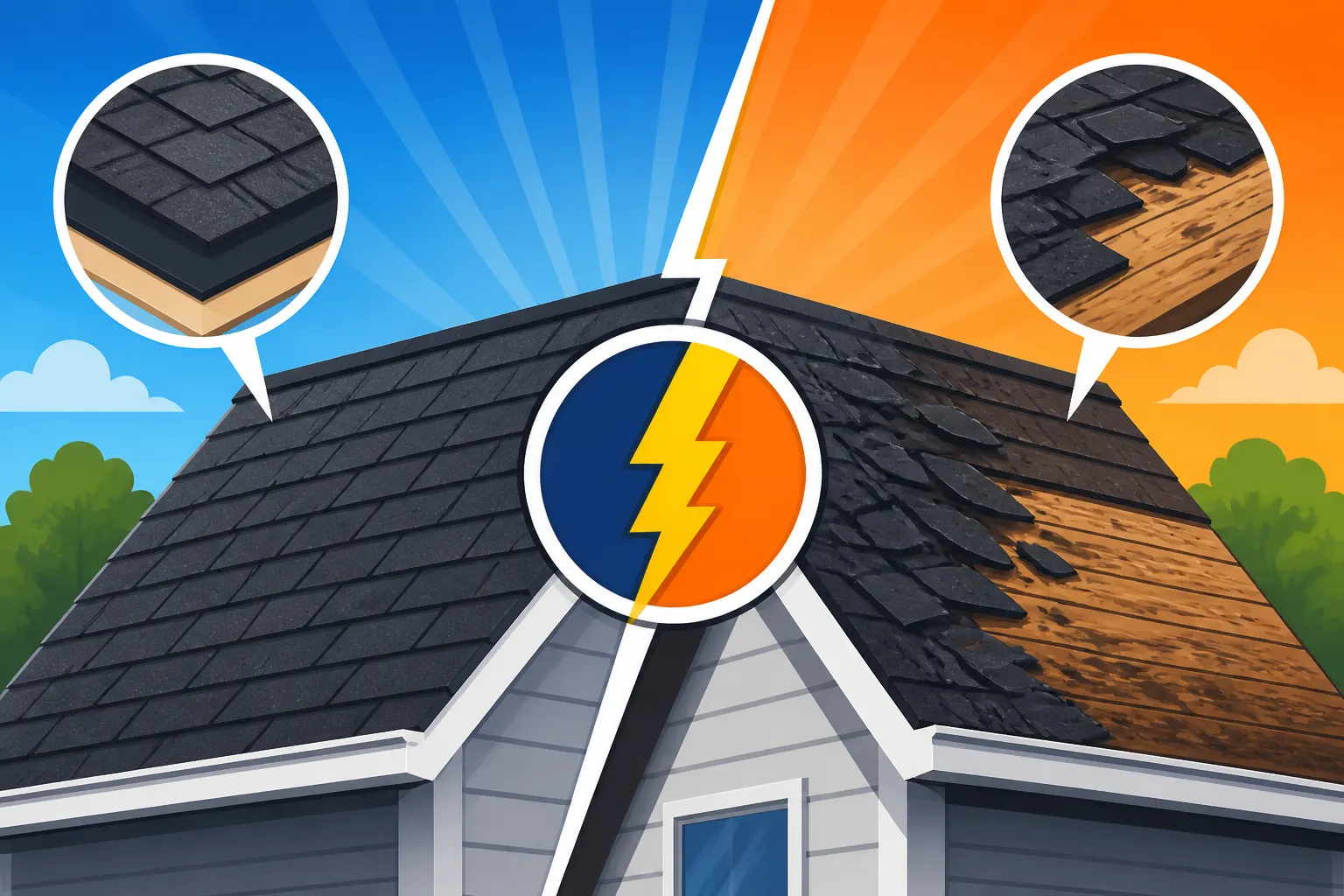
Now, for the downsides, and these are critical. The biggest drawback is that an overlay masks underlying problems. When you simply cover old shingles, you can't inspect the roof deck underneath for rot, mold, water damage, or structural issues. If there's hidden damage, putting new shingles over it will only exacerbate the problem over time, potentially leading to costly repairs down the road that could have been prevented. Think of it like putting a Band-Aid on a broken bone – it looks better, but the core issue remains and will likely worsen.
Another significant issue is reduced shingle lifespan and performance. Adding a new layer of shingles on top of an old one essentially traps heat between the two layers. This excessive heat can accelerate the aging process of both the old and new shingles, causing the new shingles to crack, curl, or blister prematurely. This means the 20-30 year warranty you might expect from new architectural shingles could be severely compromised, and your roof might only last 10-15 years instead. Moreover, the uneven surface of existing shingles can prevent the new shingles from lying flat and sealing properly, making them more susceptible to wind damage. This can lead to issues like those discussed in "What Causes Curling Shingles on a Roof".
Overlays can also lead to an increased weight load on your roof's structure. While asphalt shingles aren't excessively heavy, adding thousands of pounds of new material on top of existing material can put undue stress on your home's framing and trusses, especially on older homes not designed for such loads. In some cases, this extra weight can even void structural warranties or lead to sagging roofs. Furthermore, many building codes only allow a maximum of two layers of shingles. If you already have two layers, an overlay isn't even an option; a tear-off becomes mandatory. Ignoring this can lead to issues with permits and inspections.
The Pros and Cons of a Full Roof Tear-Off
While an overlay might offer tempting short-term savings, a full roof tear-off presents a different set of considerations, often prioritizing long-term value and peace of mind over immediate cost savings. Understanding these aspects will help you weigh your options realistically.
Advantages of Choosing a Full Tear-Off
The primary advantage of a full tear-off is the opportunity for thorough inspection and repair of the roof deck. With all the old materials removed, the structural integrity of your roof's sheathing (plywood or OSB) can be fully assessed. This allows contractors to identify and repair any hidden rot, water damage, or weak spots that might have developed over years of exposure to the elements. Addressing these issues ensures a solid foundation for your new roof, preventing potential future leaks and structural problems. It's an investment in your home's foundational health. Sometimes, homeowners are shocked to discover significant issues like those covered in "Roof Decking Replacement Cost" during this phase, but it's always better to know and fix them.
Another major benefit is the maximum lifespan and performance of your new shingles. A new roof installed on a clean, smooth, and properly prepared deck will lie flat, seal correctly, and ventilate as intended. This optimal installation ensures your new asphalt shingles can achieve their full expected lifespan – often 20 to 30 years or more for quality architectural shingles, or even longer for premium options. It also means the manufacturer's warranty is fully intact, protecting your investment for decades. When shingles are installed correctly on a clean deck, their sealant strips activate properly, offering superior wind resistance and waterproofing.
Finally, a tear-off provides the best opportunity to upgrade your entire roofing system. This isn't just about shingles; it's about the underlayment, flashing, ventilation, and drip edge. During a full replacement, you can install new, modern synthetic underlayment for enhanced protection, ensure proper attic ventilation with a new ridge vent system, and replace all flashing around chimneys, vents, and skylights. These components are vital to your roof's long-term health and efficiency. An updated roofing system not only performs better but can also potentially increase your home's value and curb appeal, offering a good return on investment as explored in "Roof Replacement ROI Explained". This also makes it easier for contractors, such as those you can find via Modernize, to provide accurate estimates for a complete and robust system.
Disadvantages of a Full Tear-Off
Of course, a tear-off isn't without its drawbacks. The most immediate concern for many homeowners is the higher upfront cost. Because it involves more labor (for removal and disposal), potentially more materials (like new underlayment and flashing), and sometimes dumpster rental fees, a full tear-off will almost always be more expensive than an overlay. You're paying for a comprehensive job, and that costs more. For example, the "Cost of Roof Tear-Off and Disposal" can add a significant amount to your overall project budget.
The longer installation time is another consideration. Stripping off old layers, inspecting the decking, and then building up a new system takes more time than simply laying new shingles over old ones. This means your home might be exposed to the elements for a slightly longer period, and the construction process will extend for a few extra days. While reputable contractors take precautions, homeowners often worry about unexpected weather during this time, which is a valid concern.
Lastly, increased mess and disruption are inevitable with a tear-off. The process generates a lot of debris, dust, and noise. Dumpsters will be on your property, and roofing materials will be scattered during the removal phase. While professional roofers go to great lengths to protect your landscaping and thoroughly clean up afterwards, there's no avoiding the fact that your yard will be a construction zone for a period. This can be particularly disruptive if you have pets or small children, or if you work from home.
Key Factors Influencing Your Decision
The choice between an overlay and a tear-off isn't just about cost; it's a complex decision influenced by several crucial factors unique to your home and situation. Overlooking any of these could lead to regret down the line.
Current Number of Shingle Layers
This is often the most straightforward and non-negotiable factor. Most building codes across the United States limit residential roofs to a maximum of two layers of asphalt shingles. If your current roof already has two layers, an overlay is simply not an option. You must opt for a full tear-off to comply with local regulations. Attempting to install a third layer would be a code violation, potentially leading to fines, difficulty selling your home, and even voiding your homeowner's insurance if damage occurs.
To figure out how many layers you have, you can sometimes check from the ground if you have exposed gable edges, but the most reliable way is to ask a professional roofer to inspect it during an estimate. They can often tell by looking at the eaves or by carefully lifting a shingle at a less visible spot. This code exists for good reason: multiple layers add excessive weight, can conceal severe issues, and make proper new shingle adhesion difficult, compromising the roof’s integrity.
Roof Condition and Structural Integrity
The underlying condition of your roof and its supporting structure plays a massive role. If your existing shingles show signs of significant damage like widespread rot, soft spots, significant sagging, or if you've experienced persistent leaks that have reached the roof deck, a tear-off is the only responsible choice. An overlay would merely cover up these critical issues, allowing them to fester and potentially cause far more expensive damage to your home's framing, insulation, and interior.
Consider a scenario where a homeowner in Florida noticed some persistent leaks after a hurricane. An inspection might reveal not just missing shingles, but also significant water damage to the plywood decking underneath. In this case, simply putting new shingles on top would be a monumental mistake, leaving rotted wood susceptible to further water intrusion and even mold growth. A full tear-off allows for those vital "Roof Decking Replacement Cost" considerations and repairs to be made, ensuring a sound base for your new roof.
Age of the Existing Roof
The age of your existing roof is another important indicator. While asphalt shingles can last 20-30 years, if your current roof is already at or past its expected lifespan, or if it's nearing the 20-year mark, a full tear-off is generally advisable. An older roof is more likely to have underlying issues like weakened decking, deteriorated underlayment, or compromised flashing that an overlay would simply ignore.
Even if an older roof looks decent on the surface, the granular surfacing that protects the asphalt from UV rays might be significantly depleted, or the shingles themselves might be brittle. Trying to nail new shingles into an old, brittle layer can cause further damage to the existing roof and lead to poor installation of the new layer. Furthermore, if the current roof is already experiencing significant granule loss, an overlay might just accelerate that problem for the new layer due to heat retention.
Local Climate Considerations
Your local climate can also sway the decision. In regions prone to severe weather, such as hurricanes in the Gulf Coast or heavy snowfall in the Northeast, a robust, properly installed roof is paramount. An overlay, with its potentially compromised adhesion and inability to address underlying issues, might not offer the same level of protection as a full tear-off with a brand-new, code-compliant roofing system, including new ice and water shield.
For instance, in areas like Colorado or Texas that experience frequent hailstorms, homeowners often invest in impact-resistant shingles. These specialized shingles perform best when installed on a perfectly smooth, solid deck. An uneven surface from an existing shingle layer could hinder their ability to withstand impacts effectively. Similarly, in high-wind zones, nailing patterns and shingle adhesion are critical; an overlay might compromise both, making the new roof more vulnerable to wind uplift.
Cost Implications and Long-Term Value
When it comes to your roof, the upfront cost often feels like the primary driver, but it's essential to look beyond the initial price tag. The long-term value, durability, and potential hidden costs associated with each choice can dramatically change which option is truly more economical.
Initial Costs: Overlay vs. Tear-Off
Let’s be realistic: a roof overlay will almost always have a lower initial price point than a full tear-off. This is the main reason homeowners even consider it. You save on the labor hours required to strip off existing shingles, the cost of renting a large dumpster, and the fees associated with disposing of old roofing materials. Depending on your home's size and the local labor rates, these savings could range from hundreds to a few thousand dollars.
For example, if the average "Cost of Roof Tear-Off and Disposal" is around $1,500-$3,000 for a typical 2,000 sq ft house, an overlay immediately shaves that off the bill. If a full roof replacement on a 1,500 sq ft house might run you $10,000-$15,000, an overlay could potentially reduce that by 10-20%. However, this initial saving often comes at the expense of other factors that are harder to quantify on a quote.
Long-Term Expenses and Value
Here's where the perspective shifts dramatically. While an overlay saves money upfront, it can be a penny-wise, pound-foolish decision in the long run. The reduced lifespan of the shingles installed over an existing layer means you'll likely need to replace your roof much sooner. Instead of 25-30 years, you might only get 10-15 years out of an overlaid roof. This means you'll be facing another roof replacement project, and its associated costs, in half the time. Effectively, you might pay for two overlaid roofs in the time it would take to replace one full tear-off roof.
Furthermore, if underlying damage exists or develops beneath an overlaid roof, the repairs can be significantly more complex and expensive. Imagine discovering extensive rot and mold in your roof deck years after an overlay, meaning both layers of shingles need to be removed, the decking repaired, and then new shingles installed – a much larger and more costly project than if the issue had been caught during an initial tear-off. The compromised warranties that often accompany overlays also mean you're on the hook for premature failures, rather than having manufacturer protection. The long-term "Is an Asphalt Shingle Roof Worth the Money" question often leans heavily towards a tear-off for its superior longevity and reduced future headaches.
Impact on Resale Value
The type of roof replacement you choose can also impact your home's resale value. A full tear-off, properly installed with a clean deck, new underlayment, and a comprehensive warranty, is a significant selling point. It tells potential buyers that the home has a solid, new roofing system that will last for decades, providing them with peace of mind. Many home inspectors will explicitly note the number of shingle layers, and if they find an overlay that's already the second layer, it can be a red flag.
Conversely, an overlay, especially if it's the second layer or shows signs of premature failure, can be a deterrent to buyers. They might view it as a superficial fix or a deferred problem, potentially leading to lower offers or demands for credit to cover future replacement costs. A home with a clearly aging or improperly installed roof can sometimes struggle to sell at its full market value. Investing in a full tear-off showcases your commitment to maintaining your property, which is often reflected in a higher appraisal and sale price. When buyers search for homes and see a roof installed by a reputable contractor, perhaps found through a platform like Modernize, they gain confidence.
The Permitting and Code Compliance Aspect
Navigating the world of roofing permits and building codes can feel like a labyrinth, but it's a non-negotiable part of any major roofing project. Ignoring these regulations, especially when considering an overlay, can lead to serious legal, financial, and safety consequences.
Understanding Roofing Permit Requirements
First things first: in most jurisdictions, you will need a permit for a roof replacement, whether it's an overlay or a tear-off. The rules vary by locality, but a permit ensures that your roofing project meets the minimum safety and quality standards set by your municipality. Without a permit, you could face hefty fines, be forced to redo the work, or encounter significant issues when trying to sell your home down the road.
The permit process typically involves submitting an application to your local building department, which may require detailed plans of the work to be done. Once the work begins, inspectors may visit at various stages to ensure compliance. For example, some cities require an inspection after the tear-off to verify the decking's condition and again after the new underlayment is installed, before the shingles go on. Your contractor should handle the permit application process, as they are typically more familiar with the local "Roofing Permits Explained" and requirements, such as who pulls the permit. Always verify that a permit has been pulled before work begins.
Building Codes and Shingle Layers
As mentioned earlier, one of the most critical building codes pertaining to overlays is the maximum number of shingle layers allowed. The vast majority of municipalities across the United States prohibit more than two layers of asphalt shingles on a residential roof. This code is in place due to concerns about excessive weight, compromised structural integrity, and the inability to properly assess and repair the roof deck.
If you have a single layer of shingles, an overlay would result in two layers, which is generally permissible. However, if your roof already has two layers (perhaps a previous owner did an overlay), you are legally required to do a full tear-off. Attempting to install a third layer is not only a code violation but can lead to severe structural stress on your home, making it unsafe and potentially voiding your insurance. A knowledgeable contractor will be well-versed in "Roofing Building Codes: What to Know" in your specific area and advise you accordingly. They might even have a checklist, ensuring all aspects, from ice barrier requirements in cold climates to proper ventilation codes, are met.
The Role of Inspections
Permits almost always necessitate inspections. These inspections are crucial for your safety and investment. For a full tear-off, an inspector will often check the bare roof deck after the old materials have been removed but before new ones are installed. This "open roof" inspection verifies that any necessary decking repairs have been made and that the structure is sound. They'll also check for proper underlayment installation, flashing, and correct nailing patterns as the work progresses.
With an overlay, inspections might be less stringent on the underlying structure, which is precisely why they can hide problems. However, inspectors will still check for proper shingle application, starter course installation, and correct flashing around vents and chimneys. If your contractor has failed to pull a permit or if the work doesn't pass inspection, you could be ordered to stop work, redo faulty sections, or even remove the entire roof. This can be incredibly frustrating and expensive, which is why working with licensed and insured roofers is paramount.
When a Tear-Off is Absolutely Necessary
While the decision between an overlay and a tear-off often comes down to weighing pros and cons, there are specific scenarios where an overlay isn't just a poor choice; it's simply not an option. Knowing these situations can save you time, money, and a lot of headaches.
Existing Multiple Layers
As we've discussed, if your roof already has two layers of asphalt shingles, a full tear-off is mandatory. This isn't a recommendation; it's a building code requirement in most places. Trying to skirt this rule could lead to fines, difficulties with home inspections (especially if you plan to sell), and voided warranties or insurance claims.
How can you tell if you have two layers? A professional roofer can quickly determine this by examining the thickness at the eaves or by looking for exposed shingle ends. Sometimes, a homeowner might remember a previous re-roof, or it might be evident in older home inspection reports. Don't try to guess or ignore this critical factor; always get a definitive answer from a qualified expert. Building codes are in place to protect your home's structural integrity and ensure safety, and adding excessive weight beyond the intended design capacity of your roof framing is a serious risk.
Significant Structural Damage or Sagging
If your roof deck is compromised with noticeable sagging, soft spots, extensive rot, or severe water damage, an overlay is completely out of the question. These issues indicate underlying structural problems that must be addressed. Simply covering them with a new layer of shingles would be like putting a fresh coat of paint on a crumbling wall – it might look better temporarily, but the fundamental problem remains and will likely worsen.
Imagine a section of your roof where the decking feels spongy when walked on, or where there's visible water staining on the underside of your attic ceiling. These are clear "Signs You Need a New Roof" that goes beyond just cosmetic shingle wear. A tear-off allows the roofing crew to remove the damaged decking, replace it with new plywood or OSB, and ensure a solid, stable foundation for your new roof. Attempting an overlay over such damage would not only fail to fix the problem but could also accelerate further deterioration, making future repairs even more extensive and costly.
Persistent Leaks or Water Penetration
If your home has been plagued by persistent leaks, especially those that appear in multiple spots or occur frequently despite minor repairs, a full tear-off is almost certainly necessary. Leaks are often symptoms of deeper problems, such as compromised underlayment, improperly installed flashing, or widespread shingle deterioration that an overlay cannot adequately address.
An overlay might temporarily stop a surface-level leak, but it won't fix the root cause if it lies in the underlayment, flashing around a chimney or vent pipe, or even the decking itself. For example, if your "Roof Leak Around a Chimney: Fixes" often requires replacing old, corroded flashing, simply covering it with new shingles won't solve the issue; the old flashing will continue to allow water intrusion beneath the new layer. A tear-off provides the opportunity to inspect and replace all these critical components, creating a truly watertight roofing system.
Desire for a Complete Manufacturer's Warranty
If you're investing in a high-quality asphalt shingle roof from a reputable manufacturer like GAF, Owens Corning, or CertainTeed, and you want to ensure you receive the full protection of their enhanced warranty packages, a full tear-off is typically required. Many extended or "system" warranties from leading manufacturers are contingent on the installation of their complete roofing system (shingles, underlayment, flashing, ventilation, etc.) on a clean, new roof deck.
An overlay can void these comprehensive warranties or limit them to a basic materials-only warranty, which offers far less protection. Manufacturers know that installing new shingles over old ones introduces variables that can compromise the performance and lifespan of their products. If you're spending thousands on a new roof, you want that investment protected by the best possible warranty, and that usually means a full tear-off. Always discuss warranty specifics with your contractor and the shingle manufacturer before making your final decision.
Making the Right Choice for Your Home
Choosing between a roof overlay and a tear-off is one of the biggest home improvement decisions you'll make. It involves weighing immediate costs against long-term benefits, and it's essential to approach it with a clear understanding of all the factors involved. While an overlay might seem appealing initially, a full tear-off often proves to be the wiser investment for most homeowners.
Key Decision-Making Questions
To help you navigate this choice, here are some critical questions to ask yourself and your potential contractors:
- How many layers of shingles are currently on your roof? Get a definitive answer from a professional. If it's two, a tear-off is your only legal option.
- What is the overall condition of your existing roof? Are there signs of sagging, soft spots, or widespread rot? If so, a tear-off is necessary to address these structural issues.
- How long do you plan to live in your home? If it's your forever home, the long-term value and durability of a tear-off likely outweigh the initial savings of an overlay. If you're selling in a year or two, an overlay might be considered, but be aware of how it impacts buyer perception.
- What is your budget, and how does it align with your long-term goals? While an overlay is cheaper upfront, consider the potential for premature failure and earlier replacement costs.
- Are there any existing leaks or moisture problems? Persistent leaks almost always point to underlying issues that an overlay will not fix.
- Do you want the full protection of a manufacturer's warranty? Most comprehensive warranties require a full tear-off and installation of a complete roofing system.
These questions will help frame the conversation with your contractors and guide you toward the most appropriate solution for your specific circumstances.
The Importance of Professional Advice
Regardless of which way you're leaning, the single most important step you can take is to consult with reputable, licensed, and experienced roofing contractors. Avoid making a decision based solely on online information or the cheapest quote. A good contractor will thoroughly inspect your roof, discuss their findings transparently, and explain both options in detail, including the pros, cons, costs, and long-term implications for your specific home.
Don't be afraid to get multiple estimates. Using a platform like Modernize can help you connect with several vetted roofing companies in your area, allowing you to compare bids and advice. Ask for references, check reviews, and ensure any contractor you consider is fully licensed and insured. Pay particular attention to how they address the underlying condition of your roof and whether they recommend a tear-off for valid reasons, rather than just pushing the cheaper option. A truly professional roofer will prioritize the longevity and integrity of your home's protection. When comparing estimates, make sure to read "How to Read and Compare Roofing Estimates" carefully to understand what's included.
Making an Informed Decision
Ultimately, the choice is yours, but an informed decision is always the best decision. While the allure of saving money with an overlay is strong, the hidden risks and potential for future expenses often make a full tear-off the superior long-term investment. It provides peace of mind, maximizes the lifespan of your new roof, and protects your most valuable asset: your home.
| Feature | Roof Overlay (Re-roof) | Full Roof Tear-Off (Replacement) |
|---|---|---|
| Initial Cost | Generally Lower | Generally Higher |
| Installation Time | Quicker (1-2 days less) | Longer (adds 1-2 days for removal) |
| Debris & Mess | Less | More significant, requires dumpster |
| Inspection of Deck | Not possible | Full inspection possible |
| Addressing Damage | Covers existing damage, no repairs possible | Allows for full repair or replacement of damaged decking |
| Shingle Lifespan | Reduced (often 10-15 years) | Maximize full lifespan (20-30+ years) |
| Warranty Coverage | Often limited or voided for extended warranties | Full manufacturer and workmanship warranties possible |
| Structural Impact | Adds weight, potential for sagging, code limits apply | Ensures proper weight distribution, adheres to codes |
| Long-term Value | Lower, potential for earlier replacement & hidden costs | Higher, fewer future issues, better resale value |
| Code Compliance | Only if current roof has 1 layer | Always compliant (within local regulations) |
Think about your personal situation, your home’s condition, and your financial goals. Then, armed with this knowledge, have an in-depth discussion with several trusted roofing contractors. They can walk you through the specifics, perhaps discussing the benefits of a "Full Roofing System Explained" approach, and help you determine which path is truly best for your home.
Disclaimer
Please remember that this article provides general information and recommendations regarding roofing decisions. Building codes, permit requirements, and best practices can vary significantly by location and specific circumstances. Always consult with multiple licensed and insured roofing professionals and your local building authorities to obtain accurate, personalized advice and ensure compliance with all applicable regulations before undertaking any roofing project.