How IKO Shingle Warranties Work
Understanding your roof's warranty can feel like trying to decipher an ancient scroll, full of legal jargon and confusing clauses. It's a huge investment, and the last thing you want is to be caught off guard when an issue arises, only to find out your coverage isn't what you thought. This guide aims to pull back the curtain on IKO shingle warranties, explaining how they work so you can feel confident about your roof's protection.
Demystifying IKO's Warranty Approach: What You Need to Know
When you invest in a new roof, especially one with asphalt shingles, the warranty is a crucial piece of the puzzle. It's your long-term insurance policy against manufacturing defects and, in some cases, installation issues. IKO, like other major manufacturers, offers various levels of warranty coverage designed to protect your investment. However, these aren't "one-size-fits-all" documents, and understanding the nuances between their standard limited warranties and their enhanced offerings is key to peace of mind. Many homeowners mistakenly believe all shingles come with the same robust protection, but the reality is far more complex, often depending on the specific shingle line chosen and the contractor who installed it.
The Foundation: IKO Limited Warranties
Every IKO shingle product comes with a Limited Warranty, which is the baseline protection. This warranty primarily covers manufacturing defects in the shingles themselves. What does that mean in real terms? It means if the shingles were faulty right out of the factory, causing premature failure like severe granule loss, blistering, or delamination that isn't due to environmental factors or improper installation, IKO would typically cover the cost of replacement materials.
However, it's important to understand the "limited" aspect. This standard warranty often has a specific "Iron Clad Protection Period" within its overall term. During this initial period, which can range from a few years to several decades depending on the shingle type, IKO's coverage is usually at its strongest, often including both material and labor costs to repair or replace the defective shingles. After this initial period, the warranty typically becomes prorated. A prorated warranty means that the coverage amount diminishes over time, so if a defect appears 15 years into a 30-year prorated warranty, you might only receive a fraction of the original material cost. This is a common industry practice, but it's a detail many homeowners overlook until it's too late.
Expanding Coverage: The Importance of a Full IKO System
IKO strongly emphasizes the benefits of installing a complete IKO PRO4 Roofing System. This isn't just a marketing ploy; it's genuinely tied to how their best warranties function. A full system typically includes IKO’s specialized underlayment, starter strips, shingles, and ridge cap shingles, all designed to work together to provide optimal protection.
When you purchase a full system installed by an IKO-certified contractor, you often qualify for extended warranty benefits beyond the standard Limited Warranty. This is because IKO is confident in the performance of their components when used in conjunction and installed according to their strict specifications. It reduces the variables that can lead to roof failure, making them more willing to offer comprehensive protection. For instance, using a non-IKO underlayment or generic starter shingles could potentially limit your warranty coverage, even if the primary shingles are IKO. This is a critical point to discuss with your roofing professional. If you're looking for a qualified contractor, platforms like Modernize can help connect you with IKO-certified installers in your area who understand these system requirements.
Deciphering IKO's Enhanced Warranty Programs
While the Limited Warranty provides baseline coverage, IKO offers enhanced warranty programs that can significantly upgrade your protection, especially when using a certified contractor. These programs are designed to give homeowners greater peace of mind and more comprehensive coverage, moving beyond just material defects to sometimes include labor and disposal costs for a longer duration. It's worth exploring these options thoroughly, as they can make a substantial difference if your roof ever experiences an issue.
The Gold Standard: IKO Shield and IKO Gold Shield
IKO offers two primary enhanced warranty programs through their network of IKO Certified and IKO Shield Certified roofing contractors: the IKO Shield and IKO Gold Shield warranties. These are not standard offerings for every installation but are granted when a complete IKO PRO4 Roofing System is installed by a contractor who has met IKO's stringent training and performance requirements.
The IKO Shield Warranty typically provides longer-term, non-prorated coverage on materials and, importantly, includes labor and tear-off costs for a significant portion of the warranty period. This is a huge benefit because labor and disposal can represent a substantial portion of a roof replacement cost. Think about it: if your shingles fail prematurely, replacing them isn't just about the cost of new shingles; it's about the hours of work to remove the old ones, haul them away, and install the new ones. The IKO Shield warranty addresses these concerns, providing a much more robust safety net.
The IKO Gold Shield Warranty takes this protection even further. It offers the longest, most comprehensive coverage, often extending the non-prorated period for both materials and labor, and sometimes even covering disposal costs for the full warranty term. This level of warranty signals IKO's highest confidence in their products and the certified contractor's installation expertise. To qualify for a Gold Shield warranty, contractors must often meet even higher standards, demonstrating a consistent track record of quality workmanship and adherence to IKO's best practices. Choosing a contractor capable of offering an IKO Gold Shield warranty means you're opting for the very best in protection and installation quality. This level of coverage is highly sought after because it can protect homeowners from unexpected expenses for decades.
Understanding the "Iron Clad Protection Period" and Proration
Within both the Limited Warranty and the enhanced Shield warranties, there's always a critical component known as the "Iron Clad Protection Period." This is the initial phase of the warranty, during which IKO's coverage is typically at its strongest. For IKO's Limited Warranty, this period can range from 5 to 15 years, depending on the shingle series. During the Iron Clad period, if a manufacturing defect occurs, IKO generally covers 100% of the material and, in some cases, the labor costs for repair or replacement. This is the sweet spot of coverage.
However, once the Iron Clad Protection Period expires, the warranty usually becomes prorated. As discussed earlier, this means the value of the coverage decreases each year. For example, if you have a 30-year Limited Warranty with a 10-year Iron Clad Protection, any defect after year 10 would be covered at a depreciated rate. The exact formula for proration is detailed in the warranty document, but generally, the older your roof, the less financial assistance you'll receive from IKO for material defects. This is where the enhanced IKO Shield and Gold Shield warranties shine, as they extend this crucial non-prorated, full coverage period significantly, offering protection for much longer into your roof's lifespan. This longer, non-prorated coverage can be a deciding factor for many homeowners when weighing the value of different roofing systems and contractors.
Here's a simplified comparison of common IKO warranty features:
| Warranty Type | Coverage Duration (Total) | Iron Clad Protection (Non-Prorated) | Material Coverage After Iron Clad | Labor & Tear-Off Coverage | Transferability | Installation Requirement |
|---|---|---|---|---|---|---|
| Standard Limited | 20-30 Years | 5-15 Years | Prorated | Limited/None | Yes | Any Installation |
| IKO Shield | Up to 50 Years | Up to 25 Years | Prorated | Significant (Extended) | Yes | IKO Certified Contractor & PRO4 System |
| IKO Gold Shield | Up to 50 Years | Up to 30 Years | Non-Prorated (Often) | Extensive (Full Term) | Yes | IKO Shield Certified Contractor & PRO4 System |
Note: Specific terms and durations can vary by shingle product and region. Always consult the actual IKO warranty document for your chosen shingles.
Essential Steps to Ensure Your IKO Warranty Remains Valid
A warranty is only as good as its validity. Unfortunately, many homeowners unknowingly void their warranties through common mistakes, leading to frustrating and expensive surprises down the road. It's not enough to simply have the warranty; you need to understand the steps required to keep it active and ready to protect your investment. This section will cover the critical actions you must take, from proper installation to timely registration and ongoing maintenance.
The Cornerstone: Proper Installation and Documentation
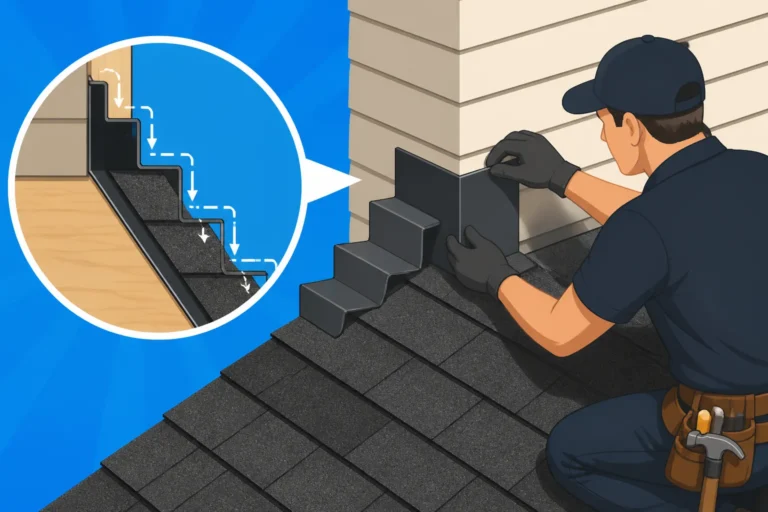
This is perhaps the single most critical factor in maintaining your IKO shingle warranty. IKO, like all manufacturers, has very specific installation guidelines that must be followed to the letter. This includes everything from the type and number of fasteners used, the nailing pattern, shingle alignment, and the proper installation of underlayment, starter strips, and ridge caps. Any deviation from these specifications, even seemingly minor ones, could be grounds for IKO to deny a future warranty claim. For example, if the shingles are fastened with staples instead of nails where nails are specified, or if too few nails are used per shingle, the warranty could be compromised.
This is why choosing a reputable and experienced roofing contractor is paramount. An IKO-certified contractor will be familiar with IKO's installation requirements and has demonstrated their commitment to quality workmanship. Before hiring anyone, make sure to ask about their experience with IKO products and if they are IKO-certified. You can use resources like Modernize to find local contractors who specialize in IKO installations. Always ensure your contractor pulls the necessary permits, as a lack of proper permits can also invalidate warranties and lead to other legal issues.
Beyond installation, thorough documentation is vital. Keep all receipts, contracts, and proof of purchase for your IKO shingles and roofing system components. Get a copy of the specific IKO warranty document that applies to your shingles at the time of purchase. Take photos of the installation process if possible, and definitely keep records of any repairs or maintenance performed on the roof over the years. This paper trail can be invaluable if you ever need to file a claim. If you're comparing bids, make sure that any roofing estimate you receive clearly outlines the IKO products being used and states that the installation will adhere to manufacturer specifications.
Don't Forget to Register Your Warranty
Another easily overlooked but crucial step is warranty registration. Many enhanced manufacturer warranties, including IKO's Shield and Gold Shield programs, require that the warranty be formally registered with IKO within a specific timeframe after installation. This is often done by your roofing contractor on your behalf, but it is ultimately your responsibility as the homeowner to ensure it gets done.
Failure to register the warranty within the stipulated period (which could be as short as 30 or 60 days post-installation) can reduce your coverage back to the basic Limited Warranty, or even void certain enhanced benefits entirely. Always confirm with your contractor that they will handle the registration, and ask for proof of registration. Many manufacturers will send you a confirmation email or a physical certificate once your warranty is registered. This step is a small effort for a huge potential benefit, as it officially links your new roof to the extended protections you've invested in.
The Silent Killers: What Voids Your IKO Warranty
Beyond improper installation and lack of registration, several other actions or inactions can unfortunately void your IKO shingle warranty. Being aware of these common pitfalls can save you significant headaches and expenses.
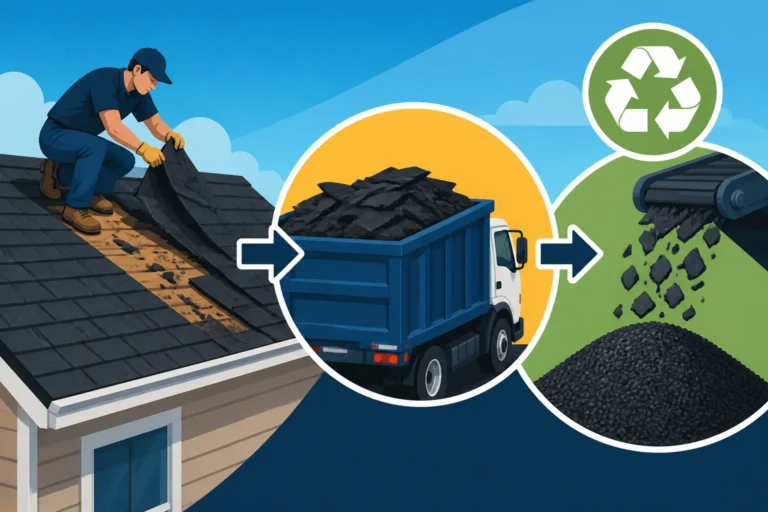
- Installing a Second Layer of Shingles (Overlay): While some local codes might allow for roofing over existing shingles, most manufacturers, including IKO, will state in their warranty that installing new shingles directly over an old layer can void their warranty. This is because a second layer can hide underlying decking issues, reduce nail penetration effectiveness, and prevent the new shingles from sealing properly. The best practice, almost always, is a full roof tear-off and replacement.
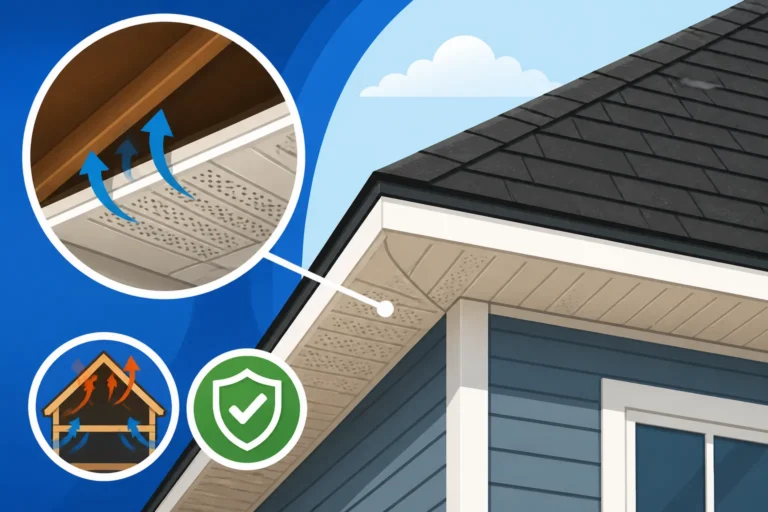
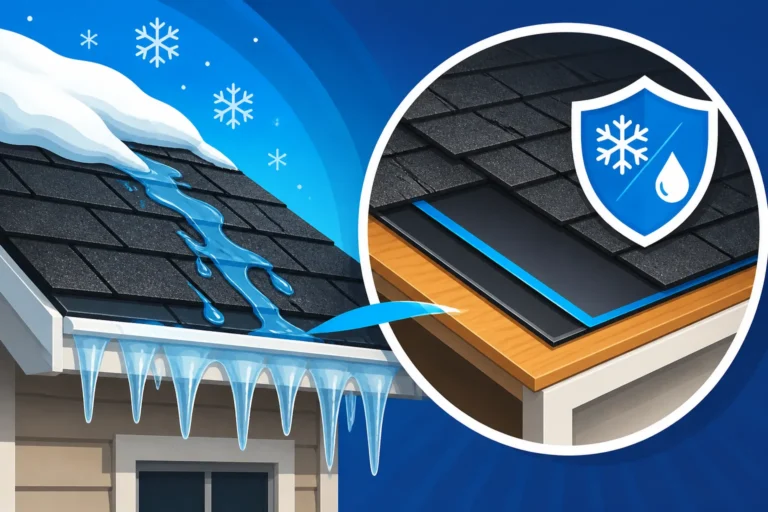
- Improper Ventilation: Believe it or not, your attic's ventilation system plays a huge role in your roof's health and warranty. Inadequate attic ventilation can lead to excessive heat buildup, causing shingles to prematurely age, curl, and crack. It can also lead to moisture problems, ice dams, and mold. IKO's warranties often require proper attic ventilation as per building codes and their specifications. If your roof fails due to ventilation issues, your shingle warranty might not cover it. Understanding how roof ventilation works is key to preventing this issue.
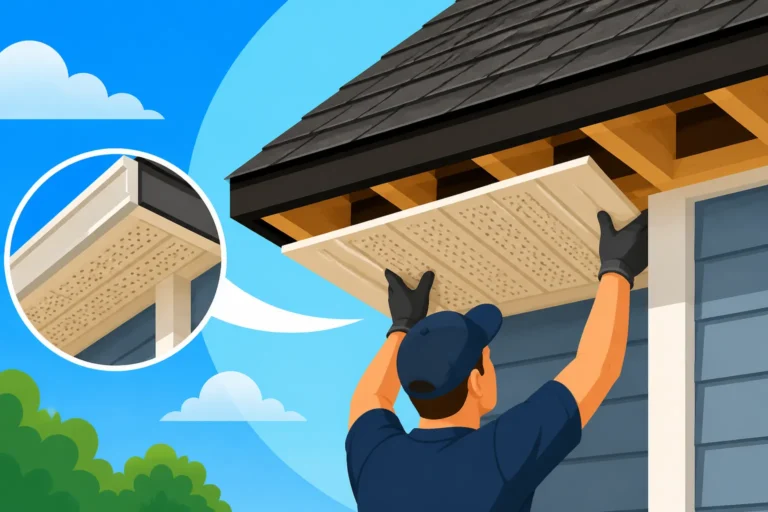
- Using Incompatible Accessories: While IKO encourages the use of its PRO4 system components, using non-IKO accessories that are not compatible or of inferior quality can also void portions of your warranty. For example, using a non-approved sealant or incompatible flashing materials could be problematic.
- Damage from External Factors: Warranties typically do not cover damage caused by external events such as hurricanes, tornadoes, hail (unless specifically covered by an enhanced impact-resistant shingle warranty), falling trees, or acts of vandalism. These types of damages are usually covered by your homeowner's insurance policy, not the manufacturer's shingle warranty. Likewise, improper maintenance, like using a high-pressure washer to clean shingles, can damage the granules and prematurely age the roof, thereby voiding the warranty.
- Unauthorized Repairs or Modifications: Attempting DIY repairs or having an uncertified person work on your roof, especially if those repairs are not performed to IKO's specifications, can also void your warranty. If a repair is needed, it's always best to use a qualified, IKO-certified professional.
Understanding these exclusions and requirements will help you maintain your IKO warranty and ensure your home is protected for its full lifespan. Remember, your roof is your home's first line of defense, and its warranty is your peace of mind.
Filing an IKO Warranty Claim: What to Expect
Even with the best shingles and professional installation, sometimes issues arise that may warrant a warranty claim. Navigating the claims process can feel daunting, but knowing what to expect can make it much smoother. This section will guide you through the typical steps involved when you need to activate your IKO shingle warranty.
The Initial Steps: Notification and Documentation
The moment you suspect a manufacturing defect with your IKO shingles, the first thing you need to do is contact IKO directly. Most warranty documents specify a timeframe within which you must notify the company of a potential claim, often within a certain number of days after discovering the defect. Don't delay, as late notification could jeopardize your claim. You'll typically find the contact information on your warranty certificate or on IKO's official website.
When you contact IKO, be prepared to provide all relevant details:
- Your name, address, and contact information.
- The date of installation and the name of your roofing contractor.
- The specific IKO shingle product installed.
- Your warranty registration number, if applicable.
- A clear description of the problem you're experiencing.
Beyond notifying IKO, thorough documentation is absolutely essential. This means taking clear, well-lit photographs and videos of the affected areas of your roof. Capture close-ups of the specific shingle defects (e.g., granule loss, cracking, blistering, delamination) and wider shots that show the overall roof area and how the problem manifests. If there's any related damage inside your home (like ceiling stains from a leak), document that too, as it can help illustrate the impact of the shingle failure. Keep all your original purchase receipts, the contract with your roofing contractor, and the warranty registration certificate in an easily accessible file. This documentation will be critical evidence to support your claim.
The Inspection Process and Resolution
Once you've submitted your initial claim, IKO will typically initiate an investigation. This usually involves an on-site inspection by an IKO representative or an independent third-party inspector. The purpose of this inspection is to determine the cause of the problem. They will assess whether the issue is indeed a manufacturing defect, or if it's related to environmental factors, improper installation, lack of maintenance, or another cause not covered by the warranty. This is where your detailed photo and video documentation can be incredibly helpful, providing the inspector with a clear understanding of the situation even before they arrive.
It's a good idea to be present during the inspection if possible, so you can point out specific areas of concern and ask questions. The inspector will often take samples of the shingles for laboratory analysis to pinpoint the exact nature of any defect.
After the inspection, IKO will review the findings and make a determination regarding your claim.
- If the claim is approved: IKO will notify you of their decision and outline the proposed resolution. This might involve providing replacement materials, covering labor costs (especially if you have an enhanced warranty like the IKO Shield or Gold Shield), or offering a monetary settlement based on the terms of your specific warranty (e.g., prorated value).
- If the claim is denied: IKO will typically provide a reason for the denial. It's important to understand this reason. If you believe the denial is unwarranted, you may have the option to appeal the decision, often requiring additional evidence or a re-evaluation. In some cases, if the issue is deemed to be an installation error rather than a manufacturing defect, you might then need to pursue a claim directly with your roofing contractor under their workmanship warranty. This is why understanding the difference between a manufacturer's warranty and a workmanship warranty is so important.
Transferring Your IKO Warranty
Many IKO warranties are transferable to a new homeowner, which can be a significant selling point if you decide to move. However, there are usually specific conditions and procedures for transferring a roof warranty.
- Notification and Fees: You typically need to notify IKO in writing (and sometimes pay a transfer fee) within a specific timeframe after the property sale.
- Original Warranty Terms: The new homeowner will generally inherit the remaining term and conditions of the original warranty, including any prorated aspects. For example, if you transfer a 30-year Limited Warranty after 10 years, the new owner will have 20 years of remaining coverage, subject to proration.
- Documentation: Providing the new homeowners with all your warranty documents and maintenance records will facilitate the transfer and give them confidence in their purchase.
Ensuring your IKO warranty is handled correctly, from initial installation and registration to understanding the claims process and transferability, will help protect your investment and give you genuine peace of mind under your new roof.
Disclaimer
Please remember that this article provides general information about IKO shingle warranties. Warranty terms, conditions, and coverage can vary significantly based on the specific IKO product, the date of installation, the region, and the installer's certification level. Always consult the official IKO warranty document provided with your specific shingles for the most accurate and up-to-date information. This content is for informational purposes only and should not be considered legal or professional advice.