How Dimensional Shingles Are Made
Have you ever looked up at a beautiful roof, noticing the rich texture and varying shades, and wondered how those sophisticated asphalt shingles are actually made? It's easy to assume they're all cut from the same cloth, but dimensional shingles, with their distinctive layered appearance, go through a fascinating and precise manufacturing process that sets them apart. This guide will take you on a journey through the creation of these popular roofing materials, breaking down each step from their humble beginnings as a fiberglass mat to the durable, aesthetically pleasing protection on your home.
The Foundational Layers of Dimensional Shingles
At its heart, any asphalt shingle starts with a solid foundation. For dimensional shingles, this foundation is crucial to their strength and the multi-layered design that gives them their unique look. It's not just about aesthetics; these initial layers are what provide the structural integrity and primary protection against the elements.
The Core Mat: High-Performance Fiberglass
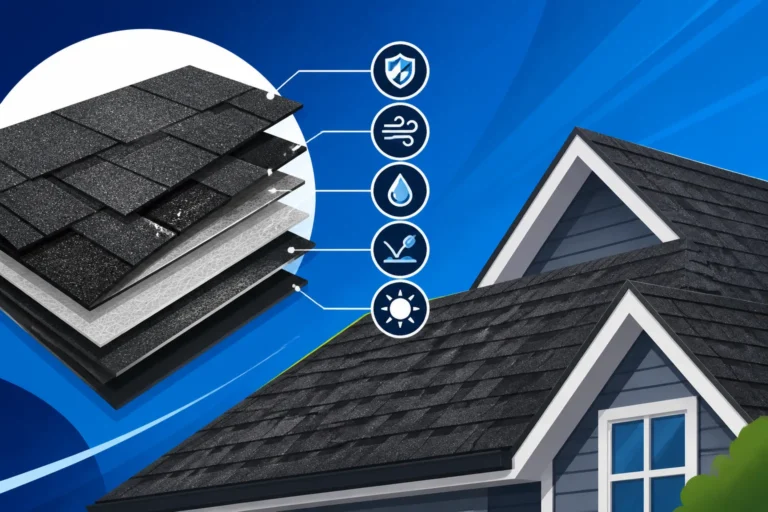
Every dimensional shingle begins its life as a continuous roll of fiberglass mat. This isn't your grandma's fiberglass insulation; this is a finely spun, non-woven mat specifically engineered for roofing applications. Imagine tiny glass fibers, carefully bound together, forming a sturdy yet flexible base.
The beauty of using fiberglass as the core mat lies in its incredible stability and resistance to moisture. Unlike organic felt mats used in older shingle types, fiberglass won't absorb water, which prevents common issues like curling, buckling, and warping that can shorten a roof's lifespan. This inherent dimensional stability is key to ensuring your shingles lay flat and maintain their shape over decades. Manufacturers like CertainTeed and GAF invest heavily in the quality of these fiberglass mats, understanding that a strong core is the backbone of a durable shingle. It's the silent hero providing tensile strength and holding everything together, ensuring your roof can stand up to the daily expansion and contraction caused by temperature changes.
Asphalt Impregnation: Waterproofing Powerhouse
Once the fiberglass mat is perfectly formed, it's time for its transformation into a waterproof barrier. The mat is fed through massive rollers that completely saturate and coat it with a specialized asphalt blend. This isn't just any asphalt you see on roads; it’s an oxidized asphalt, which means it has been processed to increase its hardness, viscosity, and most importantly, its weather resistance.
This asphalt layer is the true waterproofing champion of the shingle. It locks out water, preventing it from ever reaching your roof decking. Think of it as the shingle's personal raincoat, but one that’s incredibly tough and flexible. The amount and quality of this asphalt are critical; a thicker, higher-quality asphalt coating contributes directly to the shingle's durability and its ability to withstand extreme temperatures, from scorching summer sun in Arizona to freezing winters in Minnesota. Without proper asphalt saturation, the shingle would be brittle and porous, offering little to no protection. This process is a significant part of what makes asphalt shingles so effective and contributes to their longevity. If you're wondering how long asphalt shingles last, the quality of this asphalt layer is a major factor.
Crafting the Dimensional Aesthetic
What truly makes dimensional shingles stand out is their distinctive, textured appearance. This isn't just a trick of the eye; it's a result of carefully designed layers and specialized granule application processes. It's how a flat shingle can convincingly mimic the look of natural wood shakes or slate tiles, adding significant curb appeal to your home.
Granule Application: Protection and Visual Depth
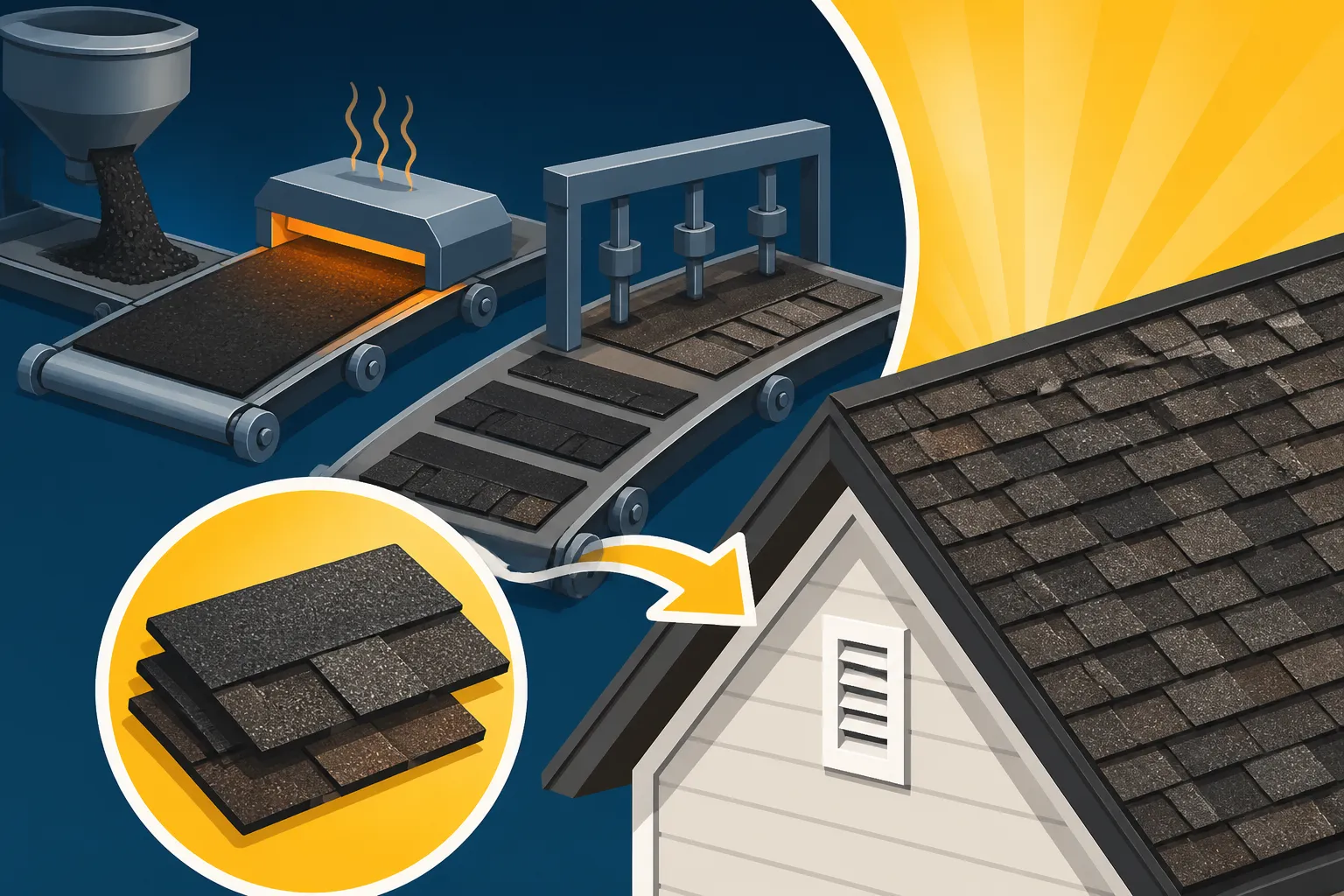
After the fiberglass mat is thoroughly impregnated with asphalt, it's rolled through a waterfall of ceramic-coated granules. These aren't just for looks; these tiny, crushed mineral granules are a multi-purpose powerhouse. Firstly, they act as the shingle’s primary defense against the sun's harmful ultraviolet (UV) rays, which can quickly degrade asphalt. Think of them as sunscreen for your roof, significantly extending its life.
Beyond UV protection, these granules provide fire resistance, add weight for wind resistance, and offer crucial texture that helps shed water. But for dimensional shingles, the application of these granules is far more intricate than for a standard 3-tab shingle. Multiple layers of granules, often in varying colors and sizes, are applied to different areas of the shingle. Some areas might receive a heavier concentration, while others have lighter coverage or even different shades, creating depth and shadow lines. This multi-layered granule application is precisely what gives dimensional shingles their "architectural" look, making them appear thicker and more varied than they actually are. Some even incorporate copper-infused granules or special coatings to prevent algae growth, common in humid climates like Florida. For those interested in energy efficiency, certain advanced options, known as cool-roof shingles, use highly reflective granules to bounce sunlight away, keeping your attic cooler.
Adhesive Strips and Cutouts: Wind Resistance and Visual Depth
The manufacturing process doesn't stop at granule application. To ensure these shingles truly perform and look fantastic, adhesive strips and precise cutouts are essential. As the granule-coated sheet moves along the production line, a thermoadhesive sealant strip is applied. This strip is typically made of a modified asphalt that, once exposed to the sun's heat after installation, will bond the shingles together, creating a powerful seal against wind uplift. This is especially vital in regions prone to strong winds, contributing to the shingle's overall wind rating. The stronger the seal, the less likely your shingles are to become missing shingles during a storm.
Concurrently, specialized cutting machinery precisely cuts the continuous sheet into individual shingles. Unlike the uniform rectangles of 3-tab shingles, dimensional shingles are cut with irregular patterns and varying tabs. These deliberate "cutouts" and varying top layers are what create the distinct, interlocking appearance. One layer of asphalt is typically laminated over another in specific areas, giving the shingle a raised profile. This lamination process is key to achieving the robust, multi-dimensional look that homeowners often compare to the stately appearance of slate or cedar shakes. It’s this ingenious design that makes each shingle appear unique, adding character and depth to the entire roof.
Quality Control and Finishing Touches
The journey from raw materials to a finished dimensional shingle is a marvel of modern manufacturing, relying heavily on precision and rigorous quality checks. It's not enough to just assemble the components; every shingle must meet stringent performance standards to ensure it protects your home for decades.
The Automated Manufacturing Process: Precision at Scale
The creation of dimensional shingles is a highly automated process, a testament to modern engineering. Enormous rolls of fiberglass mat feed into the production line, moving at impressive speeds. First, they are continuously unwound and fed into giant asphalt saturators, where they are thoroughly coated. Next, the granules cascade onto the hot asphalt, adhering firmly. As the continuous sheet moves, precise cutting machines, often guided by lasers, cut the material into the various shapes and sizes that define each shingle's unique look. These machines also apply the crucial sealing strips and perform the lamination that gives dimensional shingles their signature layered effect.
The scale of this operation is immense, with factories producing thousands of squares of shingles every day. This efficiency ensures consistency in product quality and helps to manage the overall cost of asphalt shingle roof cost. From the initial loading of raw materials to the final packaging into bundles, human hands might monitor the process, but advanced robotics and integrated systems do the heavy lifting and precise shaping. This ensures that whether you're getting Owens Corning Duration shingles or GAF Timberline HDZ, you're receiving a product manufactured to exacting standards. If you’re looking to connect with contractors who work with these advanced manufacturing processes, platforms like Modernize can help you find local pros experienced in installing them.
Rigorous Testing and Industry Standards
Before a single bundle of dimensional shingles leaves the factory, it undergoes a battery of rigorous tests to ensure it meets both manufacturer specifications and industry standards. This isn't just a suggestion; it's a critical step that guarantees the performance and safety of the product. Shingles are tested for their wind uplift resistance, often in specialized wind tunnels, to ensure they can withstand extreme weather conditions. They also face fire resistance tests, earning ratings (like Class A) that indicate their ability to resist flame spread. Impact resistance is another key metric, especially for Class 4 shingles, which are designed to resist hail damage, a common concern in states like Colorado and Texas.
These tests comply with widely recognized standards set by organizations like ASTM International (formerly the American Society for Testing and Materials) and Underwriters Laboratories (UL). These third-party certifications assure homeowners and contractors that the shingles have been independently verified for performance. Manufacturers also conduct their own internal quality control checks at every stage of the process, from verifying the consistency of the asphalt blend to inspecting the granule adhesion and cutout accuracy. This multi-layered approach to quality control is why modern dimensional shingles offer such reliable protection and often come with robust warranties, giving you peace of mind for your investment.
Why Dimensional Shingles Stand Out
Understanding how dimensional shingles are made truly helps you appreciate why they’ve become the go-to choice for so many homeowners. It's not just about looking good; it's about a combination of advanced manufacturing, durable materials, and smart design that results in a superior roofing product.
Durability and Longevity Compared to Traditional Options
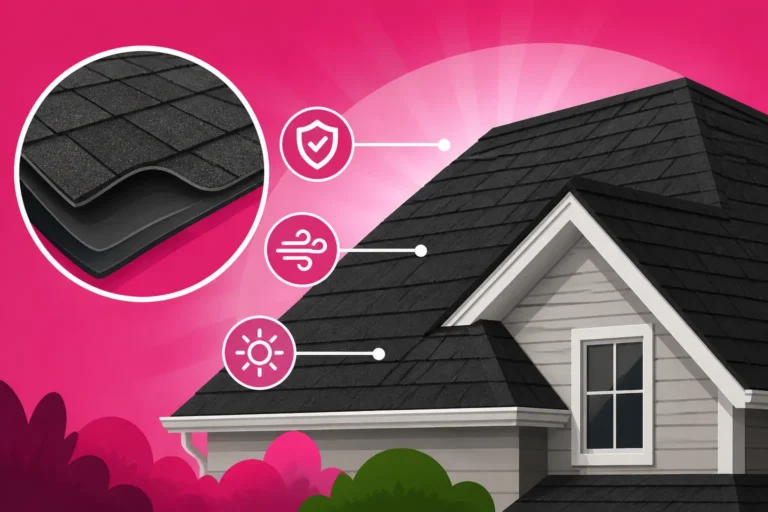
One of the biggest reasons homeowners choose dimensional shingles over older styles like 3-tab shingles is their superior durability and lifespan. The multi-layered construction, which includes two or more layers of asphalt and fiberglass mat bonded together, inherently makes them more robust. This added thickness and mass provide better resistance to various forms of wear and tear. They stand up better to hail, heavy rains, and especially high winds because of their heavier construction and strong sealant strips. Many dimensional shingles come with impressive wind ratings, often capable of withstanding gusts up to 130 mph, far exceeding what many 3-tab shingles can handle.
This enhanced structural integrity means they tend to last longer, with many manufacturers offering warranties ranging from 30 years to a lifetime. For comparison, 3-tab shingles typically have a lifespan of 15-20 years. This longer service life means less frequent roof replacements, saving homeowners significant money and hassle in the long run. When you consider the upfront cost of architectural shingle roof cost versus their extended durability, it often presents a more economical choice over the lifespan of your home. Platforms like Modernize can connect you with contractors who specialize in installing these long-lasting dimensional shingle systems, ensuring you get a quality installation that maximizes their lifespan.
Aesthetic Appeal and Home Value Enhancement
Beyond their practical advantages, dimensional shingles are highly prized for their aesthetic appeal. Their layered, textured look creates a rich, sophisticated appearance that can dramatically enhance a home's curb appeal. They are designed to mimic the natural variations and depth of more expensive roofing materials like cedar shakes, slate, or tile, but at a fraction of the cost. The diverse range of colors, from deep grays and browns to vibrant reds and greens, often with blended tones, allows homeowners to choose a style that perfectly complements their home's architecture and exterior palette.
This enhanced aesthetic is more than just pleasing to the eye; it can directly impact your home's value. A beautiful, well-maintained roof with dimensional shingles is a significant selling point, often yielding a good return on investment (ROI) if you ever decide to sell. Potential buyers are drawn to homes that look well-cared for and have modern, attractive features. Replacing an old, worn-out 3-tab roof with new architectural shingles can transform the entire look of your property, making it stand out in the neighborhood. So, while you're protecting your home, you're also making a smart investment in its visual appeal and market value.
Disclaimer
This article is intended for informational purposes only and should not be considered professional advice. Always consult with a qualified and licensed roofing contractor for specific guidance on your roofing project, as local building codes, material availability, and installation practices can vary.