What Is Starter Shingles and Why It Matters
Getting a new roof, or even just understanding what goes into one, can feel incredibly overwhelming, like trying to learn a whole new language. You hear terms like "starter shingles" and wonder if it's just another way for roofers to upsell you on something you don't really need. But here's the honest truth: starter shingles are a fundamental, non-negotiable component of a robust, long-lasting asphalt shingle roof. This comprehensive guide will walk you through exactly what starter shingles are, why they're so crucial, and what happens when they're skipped, helping you navigate your roofing project with confidence.
Understanding Starter Shingles: The Foundation of Your Roof's Defense
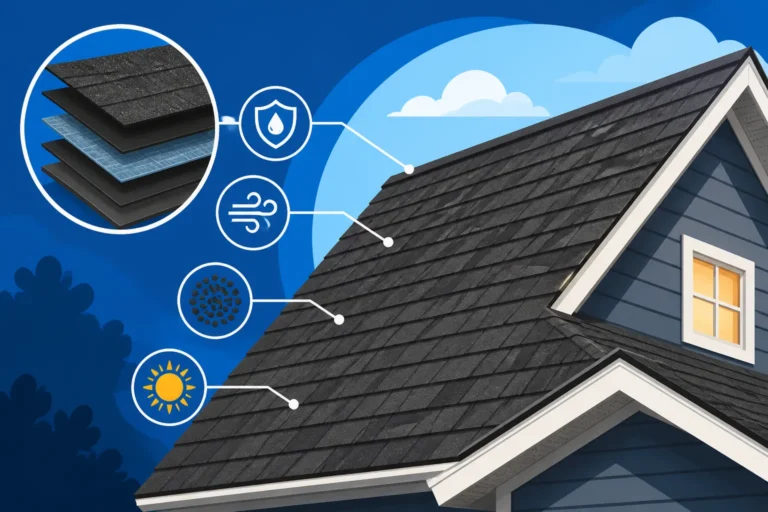
When you look at a finished roof, you often only see the main field shingles, beautifully layered and protecting your home. But beneath that visible surface, and especially along the edges, there's a carefully constructed system designed to keep water out and the roof intact. Starter shingles are a critical, often overlooked part of this system, specifically designed to secure the edges of your roof and enhance its weather resistance from the very first row.
What Exactly Are They and Where Do They Go?
Imagine building a house: you wouldn't start stacking bricks on bare dirt, right? You'd lay a solid foundation. Starter shingles serve a similar purpose for your roof. They are the very first course of shingles installed, specifically along the eaves (the horizontal edges at the bottom of your roof) and sometimes the rake edges (the sloped sides).
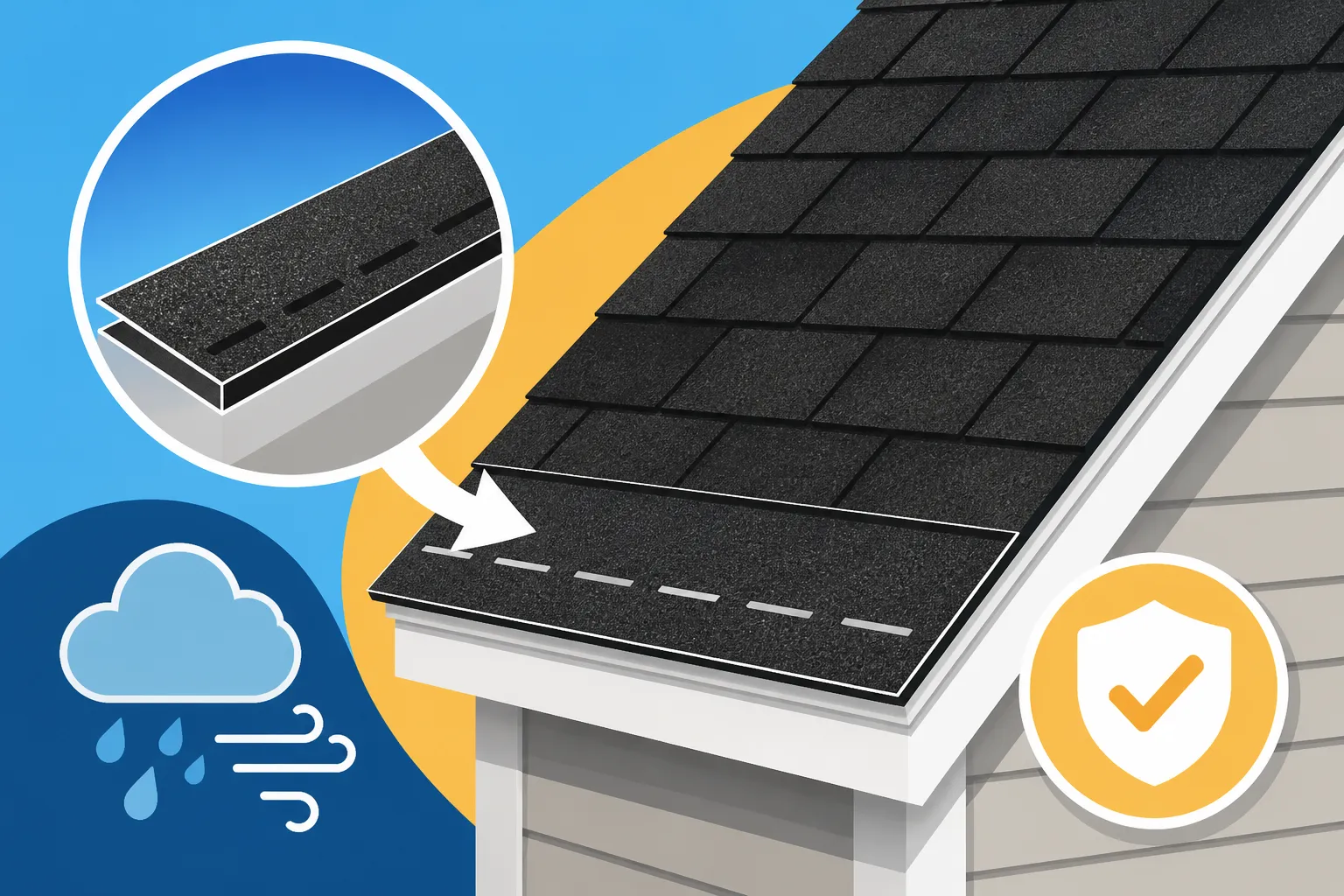
Unlike regular field shingles, which are designed for aesthetic appeal and water shedding across the main roof surface, starter shingles are uniquely engineered for foundational protection. They typically come in rolls or strips, often pre-perforated or pre-cut by manufacturers to the correct dimensions. The most distinctive feature of a starter shingle is the factory-applied adhesive sealant strip, which runs along one edge. When installed correctly, this sealant strip lies directly beneath the first full course of main shingles. This strip creates a strong bond between the starter shingle and the first row of field shingles, effectively sealing the critical lower edge of your roof.
Think about it: the main shingles are designed to overlap, creating a staggered effect where water runs over the top shingle and onto the one below it. But what about that very first row? If you just started with regular shingles, the spaces between the cutouts (or "dragon's teeth" on architectural shingles) would be directly exposed to the decking below, creating an open channel for water and wind. Starter shingles bridge this gap, creating a continuous sealed edge that prevents water from wicking up underneath and blocks wind from getting under the shingles and peeling them away.
The Critical Role in Your Complete Roofing System
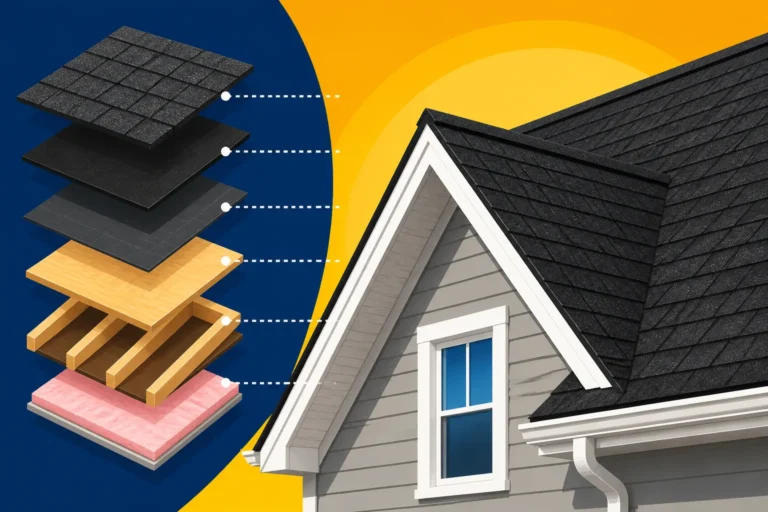
Starter shingles aren't just an accessory; they are an integral part of what's often referred to as a "complete roofing system" or "total protection system" by leading manufacturers like GAF and Owens Corning. These systems are designed to work synergistically, with each component supporting the others to provide maximum protection and longevity. For a deeper dive into all the components that make up your roof, you might find our guide on Roof Anatomy: Parts of an Asphalt Shingle Roof incredibly helpful.
The primary role of starter shingles is twofold: to protect against water infiltration at the most vulnerable edges and to provide superior wind resistance. Without them, the entire integrity of the roof is compromised from day one. Many manufacturers, in fact, require the use of their proprietary starter shingles as part of their enhanced warranty programs. This is because they understand that the performance of the entire roof depends on the strength of its weakest links—and the edges are undeniably critical. If you're curious about how a fully integrated system can protect your investment, explore How a Complete Roof System Qualifies for Warranty to see why every piece matters.
This sealed and protected edge is where your roof truly begins its defense against the elements. It's the first line of defense against the driving rain that can work its way under the bottom edge of shingles, and it's what prevents strong winds from lifting and tearing away the first course of shingles, leading to a cascade of damage across your roof.
Why Starter Shingles Are Non-Negotiable for Long-Term Performance
It's tempting to think that a few strips of asphalt aren't that important in the grand scheme of an entire roof. But the truth is, starter shingles play an outsized role in the overall durability and performance of your asphalt roofing system. Their unique design addresses specific vulnerabilities that regular shingles simply cannot.
Preventing Water Infiltration at the Edges
One of the most insidious ways a roof can fail is through water infiltration, and the edges are notorious hotspots for this problem. When rain, especially wind-driven rain, hits your roof, it doesn't always just flow straight down. It can be forced up under the bottom edge of the first row of shingles by wind currents. If there's no sealed barrier there, that water can easily wick onto your roof decking, leading to rot, mold, and costly interior damage.
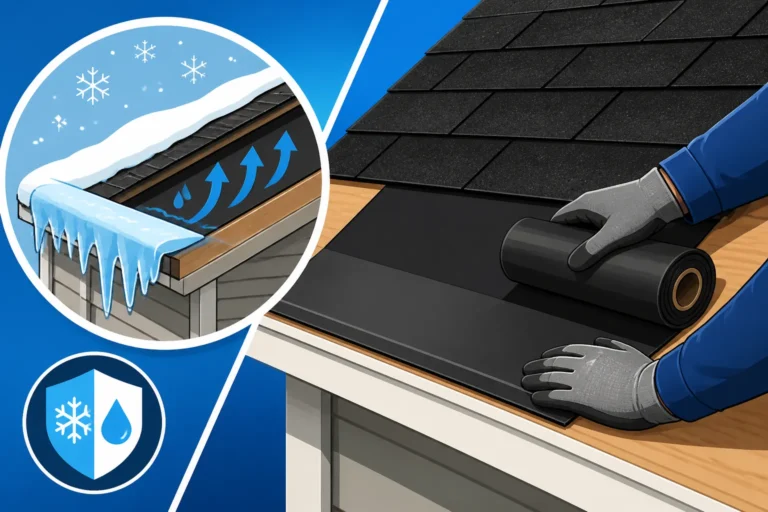
Starter shingles, with their continuous adhesive strip, create a waterproof barrier right where it's needed most. This strip seals the bottom edge of the first course of regular shingles to the starter strip itself, preventing water from being driven up and under. This is especially crucial in areas prone to heavy rain or even ice dams. While ice and water shield is typically installed higher up the roof deck, the starter shingle ensures that the very edge where water first leaves the roof is fortified. For more information on how different layers protect against moisture, you might be interested in What Is Drip Edge and Why It Matters, as it works hand-in-hand with starter shingles.
Bolstering Wind Resistance and Preventing Shingle Blow-Offs
This is perhaps where starter shingles shine the brightest. The first course of shingles is the most vulnerable to wind uplift because it lacks the full weight and overlap of multiple shingle layers above it. High winds can get underneath these exposed edges and literally peel them off, one by one. Once the first course goes, the subsequent courses become exposed and are much easier for the wind to grab and tear away.
The strong adhesive sealant on starter shingles is activated by the sun's heat after installation, creating a tenacious bond with the first full course of shingles. This creates a much stronger, more rigid edge that is incredibly resistant to wind uplift. Manufacturers often design their starter shingles to meet specific wind resistance ratings, and their use is a prerequisite for achieving the maximum wind warranty for their shingle systems. Knowing about How Wind Ratings Work for Shingles can give you a better understanding of how vital this component is. This robust seal is particularly important in regions prone to high winds or severe storms, where the difference between a minor repair and a full roof replacement can come down to the strength of this initial bond. Some contractors even employ High-Wind Nailing Explained techniques alongside starter shingles to maximize resilience.
Maintaining Shingle Alignment and Overall Aesthetics
Beyond the critical functional benefits, starter shingles also contribute significantly to the visual appeal of your roof. They provide a perfectly straight, consistent base for the installation of the first full course of shingles. Because they are designed to be installed flush with the drip edge, they ensure that the bottom edge of your roof looks crisp and uniform.
Without a dedicated starter shingle, roofers would have to cut regular shingles to create a makeshift starter course. This is not only more time-consuming but can also result in an uneven, unsightly edge. The factory-manufactured starter shingles ensure precise alignment and a clean finish, setting the stage for a professional-looking roof installation from the ground up. Aesthetics are often an afterthought until something looks off, and the straightness of that first line is something you'll notice every time you pull into your driveway.
The Risks of Skipping Starter Shingles (and Why Some Contractors Might)
It might seem unbelievable that a contractor would ever skip such a vital component, but it happens. And the consequences for you, the homeowner, can be severe and costly. Understanding why this happens and how to prevent it is key to protecting your investment.
The Hidden Costs of Cutting Corners
Skipping starter shingles is a classic example of "penny wise and pound foolish." While it might save a contractor a small amount on materials and labor upfront, the long-term repercussions for the homeowner are substantial:
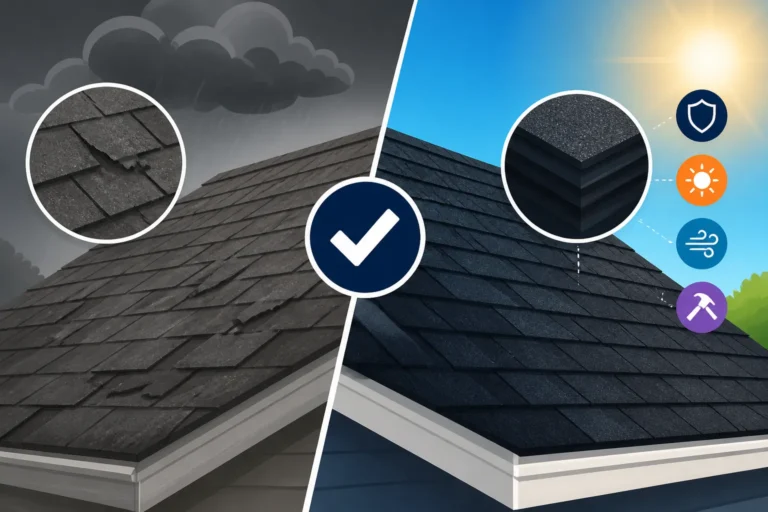
- Premature Roof Failure: Without the sealed edge provided by starter shingles, your roof is immediately vulnerable to wind and water damage. The first course of shingles is much more likely to blow off in a storm, leaving the underlying decking exposed to rain. This can lead to leaks, rot, and the need for expensive Roof Decking Replacement Cost much sooner than expected. Our article on What Makes Shingles Fail Early often highlights issues directly related to improper foundational installation.
- Voided Warranties: This is a huge one. Reputable shingle manufacturers explicitly state in their installation instructions that a compatible starter shingle (often their own brand's product) must be used. If an inspection reveals that starter shingles were omitted or improperly installed, your valuable manufacturer's warranty could be voided. This means if your roof fails prematurely due to wind damage or other issues at the eaves, you'll be footing the entire bill, not the manufacturer. Understanding What Voids a Shingle Warranty is crucial before any work begins.
- Increased Repair Costs: Even if your roof doesn't completely fail, the lack of starter shingles will make it more susceptible to localized damage, like lifted or missing shingles at the edges. These constant small repairs add up, and they're usually preventable.
- Decreased Home Value: A roof that constantly needs repairs or shows signs of early failure won't impress potential buyers. A compromised roof can significantly reduce your home's curb appeal and resale value.
Contractor Red Flags and What to Look For
So, why would a contractor skip starter shingles? Typically, it comes down to two things:
- Cutting Costs: They might try to offer a cheaper bid by omitting materials they deem "unnecessary" or by using field-cut regular shingles as a starter, which don't have the crucial sealant strip.
- Lack of Knowledge or Laziness: Unfortunately, some contractors are either not properly trained or simply cut corners to speed up the job. This is unacceptable for such a critical part of your home.
When you're comparing roofing estimates, it's absolutely vital to look for explicit mention of starter shingles (or "starter strip" or "eave starter") in the material breakdown. If it's not listed, ask about it directly. A reputable contractor will not only include them but will also be able to explain their importance clearly. They should also detail the type of starter shingle they plan to use – ideally, one from the same manufacturer as the field shingles to ensure system compatibility and warranty coverage.
This is where finding a vetted, trustworthy contractor becomes paramount. Services like Modernize can be incredibly helpful. When you're comparing roofing estimates, a reputable service like Modernize can help you connect with qualified professionals who understand the importance of a complete roofing system, including starter shingles. These platforms often screen contractors, making it easier for homeowners to find reliable options. Using resources like Modernize to get multiple quotes can also help you compare what different contractors include in their bids, ensuring no critical components like starter shingles are overlooked.
A good roofing estimate should be transparent and comprehensive. If a quote seems significantly lower than others, it's a huge red flag that something might be missing, and starter shingles are a common item to be skimped on. Always insist on a detailed contract that specifies every component of the roofing system.
Proper Installation: Ensuring Your Starter Shingles Do Their Job
Having the right materials is only half the battle; proper installation is equally, if not more, important. Even the best starter shingles won't perform their protective duties if they're not installed meticulously.
The Step-by-Step Process for a Secure Installation
The installation of starter shingles is precise, and typically follows these steps:
- Prepare the Deck: Before anything else, the roof deck must be clean, dry, and properly prepared. This usually involves installing an underlayment (synthetic or felt) and then drip edge along the eaves and rake edges. Our guide on How Underlayment Is Installed goes into more detail on this foundational step.
- Drip Edge Installation: The drip edge is installed along the eaves under the underlayment and along the rakes over the underlayment. The starter shingle will then be installed directly on top of the drip edge at the eaves. You can read more about How Drip Edge Is Installed for specific details.
- Placement and Overhang: The starter shingle is installed flush with the drip edge along the eave. The adhesive strip should be positioned towards the eave, facing up. This precise positioning ensures that the sealant will properly bond with the first course of main shingles. A slight overhang of about 1/4 to 3/4 inch over the drip edge is standard, allowing water to shed clear of the fascia board.
- Nailing: Starter shingles are secured with roofing nails, typically two nails per strip, placed strategically so they will be covered by the first course of main shingles. The nailing pattern is crucial for both security and warranty compliance. The nails should be driven straight, flush with the shingle surface, but not overdriven.
- Rake Edges (Optional but Recommended): While most critical at the eaves, some manufacturers and best practices also recommend installing starter shingles along the rake edges. This provides continuous wind and water protection along all roof perimeters.
- First Course of Main Shingles: Once the starter shingles are in place, the first course of main field shingles is installed directly on top, covering the starter shingle completely. The main shingle’s bottom edge will align perfectly with the bottom edge of the starter shingle, and crucially, the sealant strip of the starter shingle will adhere to the underside of the main shingle.
This meticulous process ensures that a continuous, sealed layer runs along the entire perimeter of your roof, setting up the entire system for success. Any deviation from these steps can compromise the roof's ability to shed water and resist wind.
Understanding Different Types of Starter Shingles
You'll generally encounter two main categories of starter shingles:
-
Factory-Manufactured Starter Strips: These are purpose-built products specifically designed by shingle manufacturers to work seamlessly with their roofing systems. They typically come in long rolls or strips, pre-perforated for easy separation, and have a clearly defined adhesive sealant strip.
- Pros: Guaranteed compatibility with manufacturer warranties (especially enhanced warranties), consistent quality, precise adhesive application, and often made with durable materials. Brands like GAF offer their StarterStrip™ and Owens Corning has its Starter Shingle product, both designed to integrate perfectly with their respective roofing systems.
- Cons: Can be slightly more expensive than field-cut options, but the benefits far outweigh the cost.
-
Field-Cut Starter Shingles: In some older practices, roofers might cut a regular 3-tab shingle into strips and use those as a "starter."
- Pros: Cheaper in terms of material cost since they're using scraps or cheaper regular shingles.
- Cons: This is a major red flag. Field-cut shingles do not have the crucial factory-applied adhesive sealant strip. This means they offer significantly reduced wind resistance and water protection. Using them can also void your manufacturer's warranty. It's an inferior solution that should be avoided.
When receiving a quote, ask your contractor what kind of starter shingle they plan to use. A professional and reputable contractor will always specify and use factory-manufactured starter strips that are compatible with the shingles they're installing. For homeowners looking for reliable professionals, platforms like Modernize often vet contractors to ensure they meet certain standards, which usually includes adherence to manufacturer specifications for proper installation, including the correct type of starter shingles.
Integration with Drip Edge and Underlayment
Starter shingles don't work in isolation; they are part of a team of components that form the critical perimeter seal of your roof. The relationship between the drip edge, underlayment, and starter shingles is like a well-choreographed dance, each playing its part to direct water off and away from your home.
The underlayment, whether it's traditional felt or a modern synthetic material, is applied first, directly to the roof decking. It acts as a secondary water barrier, protecting the decking from moisture that might get past the shingles. Then comes the drip edge along the eaves, which is installed under the underlayment, ensuring any water that runs off the underlayment goes directly into the gutters. Finally, the starter shingle is installed over the drip edge and underlayment, providing that crucial sealed bottom edge for the first course of shingles. This layering creates multiple redundant protection points, ensuring no water can creep back up or under the roof's edge.
It's a system designed for maximum defense, and removing any single component weakens the entire chain. Think about it like this:
| Component | Primary Function | Placement | Importance for Starter Shingles |
|---|---|---|---|
| Roof Decking | Structural base; foundation for all layers | Directly on rafters/trusses | Provides surface for all layers |
| Underlayment | Secondary water barrier; protects deck from moisture | Over decking, under shingles and drip edge (eave) | Additional protection if water gets past shingles |
| Drip Edge | Directs water off roof into gutters; protects fascia | Over underlayment at rake, under underlayment at eave | Works with starter to shed water clear of house |
| Starter Shingle | Seals the first course of shingles; boosts wind resistance | Over drip edge (eave) & underlayment; under first main shingle course | Essential seal, initial wind protection |
| Field Shingles | Primary weather protection; aesthetic | Over starter course, overlapping each other | Relies on starter for initial bond & seal |
This table clearly illustrates how each part builds upon the last, with the starter shingle acting as the vital link between the protective under-layers and the visible shingle surface, particularly at the vulnerable eave. This collaborative effort ensures comprehensive protection against the elements, something a roof without proper starter shingles simply cannot achieve.
When you're investing in a new roof, you're not just buying shingles; you're investing in a complete system designed to protect your home for decades. Starter shingles are an indispensable part of that system, offering foundational protection against water and wind, and ensuring the long-term performance and aesthetic appeal of your roof. Don't let anyone convince you they're optional – they are absolutely essential.
Disclaimer
Please remember that the information provided in this guide is intended for general informational purposes only and should not be considered professional roofing advice. Always consult with a qualified and licensed roofing contractor for specific recommendations regarding your home's roof replacement or repair needs. Building codes and warranty requirements can vary by location and manufacturer, so it's essential to ensure your contractor adheres to all local regulations and product specifications.