What Is Underlayment and Why It Matters
It’s easy to get swept up in the excitement of choosing new asphalt shingles, envisioning the perfect color and style that will transform your home's curb appeal. But beneath those beautiful shingles lies an often-overlooked yet utterly critical component: the roof underlayment. Many homeowners don't realize how vital this unseen layer is until they're facing a leak or premature roof failure. This guide will take you on a deep dive into what roof underlayment is, why it's far more than just "paper," and why its proper selection and installation are paramount for the long-term health and protection of your home.
The Unseen Foundation: What Exactly Is Roof Underlayment?
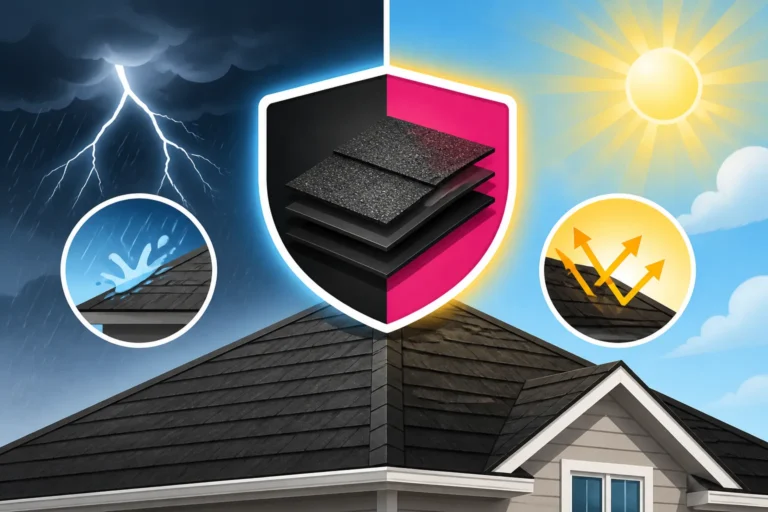
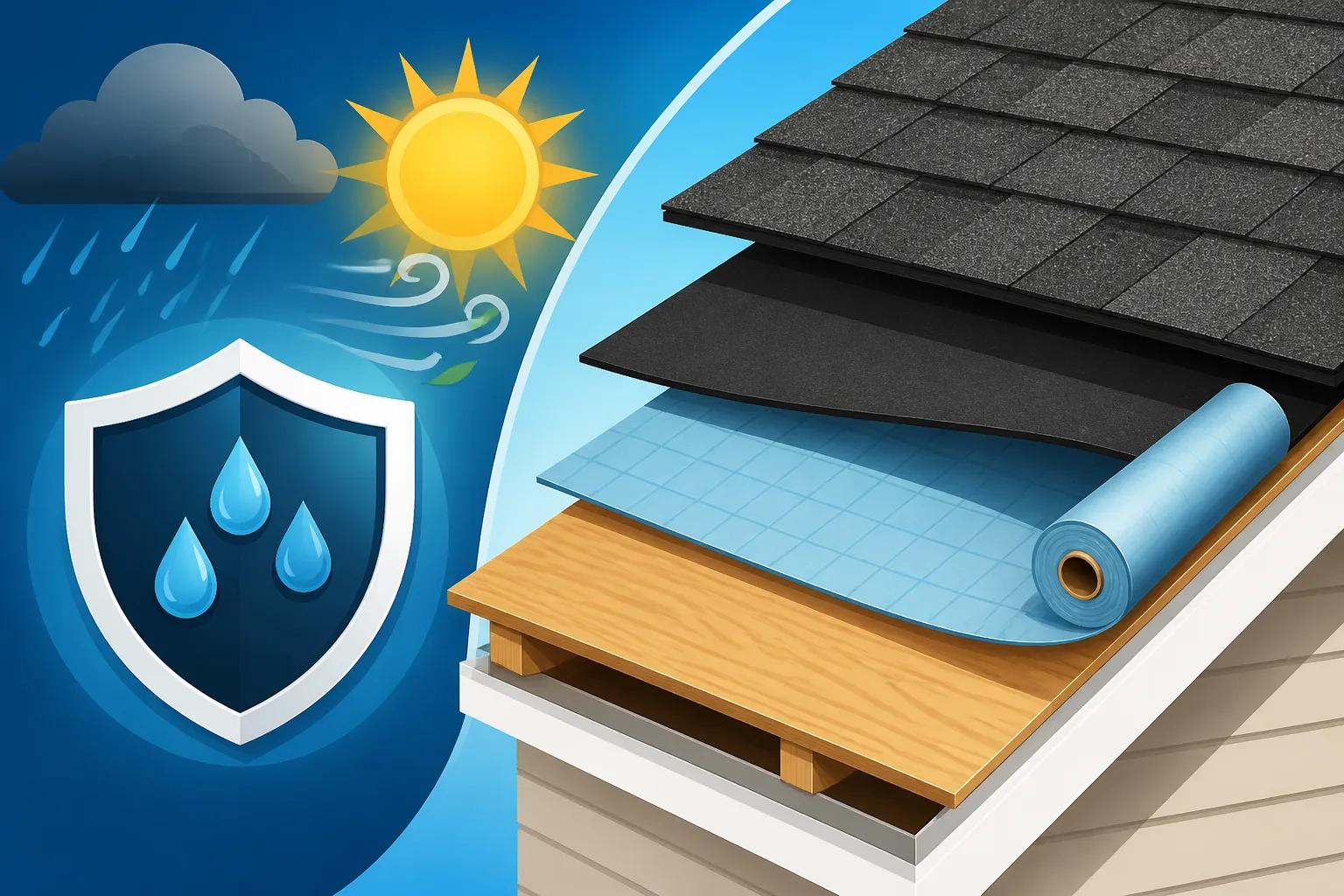
When you look at a finished roof, all you see are the shingles, right? But what you don't see is the silent protector working tirelessly beneath them: the underlayment. Think of it as your roof's second line of defense against Mother Nature, sitting directly on top of your roof deck before the shingles are installed. It's a crucial component of a complete roofing system, and frankly, without it, your beautiful new shingles wouldn't stand a chance against the elements.
Historically, underlayment was primarily asphalt-saturated felt, often called "tar paper" or "felt paper." While traditional, it served its purpose as a temporary water barrier during installation and offered some protection against moisture. However, roofing technology has advanced significantly, and today's underlayments are far more sophisticated, offering superior protection and longevity. The fundamental purpose remains the same: to prevent water from reaching your roof decking and attic, even if wind-driven rain gets under your shingles or if a shingle becomes damaged.
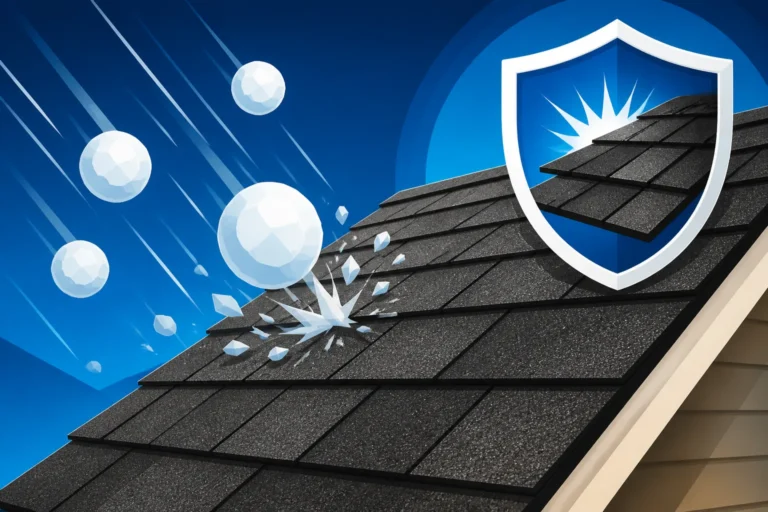
Many homeowners mistakenly believe their shingles alone are enough to waterproof their home. While asphalt shingles are designed to shed water efficiently, they aren't completely watertight, especially during severe weather. Wind can lift shingles, hail can crack them, and over time, UV rays and temperature fluctuations can cause them to curl or lose granules. This is where underlayment steps in, acting as an essential backup layer, channeling any water that penetrates the shingles safely down to the eaves and into your gutters. Skipping this layer is a huge gamble, one that rarely pays off in the long run.
Why This Unseen Layer Matters: The Critical Benefits of Underlayment
It might be hidden, but the benefits of a well-chosen and properly installed roof underlayment are anything but minor. This foundational layer provides several layers of protection and contributes significantly to the overall performance and lifespan of your entire roofing system. Ignoring its importance can lead to costly repairs and headaches down the line.
Providing a Robust Secondary Water Barrier
The most obvious and arguably most critical role of underlayment is to serve as a secondary barrier against water infiltration. While your shingles are the primary defense, they're not foolproof. Strong winds can lift shingles, allowing rain to blow underneath. Heavy downpours can sometimes overwhelm the shingle's ability to shed water efficiently, especially on lower-sloped roofs. Even minor damage, like a small crack or a dislodged shingle, can create an entry point for water.
When water does manage to get past the shingles, the underlayment is there to stop it in its tracks, preventing it from seeping into your roof deck, attic, and eventually, your living space. This protection is invaluable, especially during severe storms or prolonged periods of rain. It means that a small shingle issue won't immediately translate into a major interior leak and extensive water damage to your home's structure, insulation, and belongings. This extra layer buys you time and prevents significant damage.
Enhancing Fire Resistance and Meeting Building Codes
While underlayment isn't the primary fire retardant for your roof, certain types, particularly synthetic varieties, can offer an added layer of fire resistance. This isn't just a bonus; it can be a critical safety feature, especially in areas prone to wildfires or simply for peace of mind. Check local building codes for specific requirements, as these can vary significantly based on your region's climate and fire risk assessments.
Speaking of building codes, underlayment is often a mandatory component. Building codes are in place to ensure a minimum standard of safety and durability for structures. Many municipalities require specific types of underlayment, and often, an Ice and Water Shield in vulnerable areas, particularly in colder climates where ice dams are a concern. A reputable roofing contractor will be well-versed in these requirements and ensure your roof meets or exceeds them. This is where resources like Modernize can be helpful, connecting you with contractors who understand local regulations and the importance of a compliant roofing system. Neglecting code compliance during installation could lead to issues during a home inspection or even void your homeowner's insurance policy down the road.
Protecting the Roof Deck During Installation and Beyond
Before your new shingles arrive on site, or during the tear-off process for a replacement, your roof deck is exposed and vulnerable. Underlayment provides a temporary shield, protecting the exposed decking from sudden rain showers or morning dew during the installation phase. This is crucial because a wet roof deck before shingle installation can lead to moisture entrapment, which can cause mold, mildew, or even rot over time.
Once the shingles are installed, the underlayment continues to protect the decking by acting as a buffer between the wood and the shingles. It prevents the chemicals in the asphalt shingles from reacting directly with the wood, which can extend the life of both components. Additionally, a smooth, consistently applied underlayment provides a better surface for the shingles to lie flat, leading to a more uniform and aesthetically pleasing finished roof. This can also help reduce the risk of nail pops by providing a consistent surface for fasteners to bite into.
Decoding Your Options: Types of Roofing Underlayment
The world of roofing underlayment has expanded beyond just the traditional felt paper. Today, homeowners have a few distinct options, each with its own set of advantages and ideal applications. Understanding these differences is key to making an informed decision that suits your home, budget, and local climate.
Asphalt-Saturated Felt Underlayment
This is the traditional workhorse of underlayments, also known as "felt paper" or "tar paper." It's made from a base mat (usually organic cellulose or fiberglass) saturated with asphalt, giving it its water-resistant properties. You'll typically find it in two main weights: 15-pound felt and 30-pound felt. The 30-pound felt is thicker, heavier, and generally offers better tear resistance and protection than the 15-pound variety.
Pros of Felt Underlayment:
- Cost-Effective: It's generally the most budget-friendly option, making it attractive for those looking to keep costs down.
- Time-Tested: It's been used for decades and its effectiveness as a temporary barrier is well-established.
- Breathability: Organic felt can "breathe" to some extent, allowing some moisture vapor to escape from the attic, which can be beneficial in certain climates.
Cons of Felt Underlayment:
- Tear Resistance: It's more prone to tearing during installation or in high winds compared to synthetic options.
- Water Absorption: While water-resistant, it can absorb some moisture, which can cause it to wrinkle or buckle, potentially affecting the flatness of your shingles.
- Temporary Exposure: It's not designed for long-term exposure to UV rays, meaning shingles need to be installed relatively quickly after it's laid down.
Synthetic Underlayment
Synthetic underlayments represent a significant leap forward in roofing technology. These products are typically made from polypropylene or polyethylene plastic and are often reinforced with fiberglass for added strength. They are lightweight, extremely durable, and resistant to tearing.
Pros of Synthetic Underlayment:
- Superior Water Resistance: Many synthetic underlayments are completely waterproof, not just water-resistant, offering a much higher level of protection against leaks.
- Exceptional Durability: They are incredibly strong and resistant to tearing, even under foot traffic or high winds during installation. This means less chance of damage before your shingles go on.
- Lightweight and Easy to Install: Synthetic rolls are often much lighter than felt and cover more square footage per roll, making installation quicker and easier for roofers.
- UV Resistance: Many synthetic options can be exposed to UV rays for extended periods (some for up to six months), providing more flexibility during installation.
- Mold and Mildew Resistant: Being inorganic, they are not susceptible to mold or mildew growth, which can be an issue with organic felt in humid environments.
Cons of Synthetic Underlayment:
- Higher Cost: Synthetics are more expensive per square foot than felt, though the added benefits often justify the investment.
- Less Breathable: Some synthetic options are less breathable than organic felt, which may be a consideration depending on your attic ventilation strategy.
Self-Adhering Underlayment (Ice and Water Shield)
Often referred to as "Ice and Water Shield," this specialized underlayment is a game-changer, particularly in regions that experience cold winters and heavy snowfall. Unlike felt or synthetic underlayments, which are mechanically fastened (nailed), self-adhering membranes have a sticky, asphalt-modified rubberized adhesive on one side, protected by a release liner. When installed, it creates a watertight seal directly to the roof deck.
Pros of Self-Adhering Underlayment:
- Watertight Seal: Its adhesive backing seals directly to the roof deck and around fasteners, providing unparalleled protection against water penetration, even from ice dams or wind-driven rain.
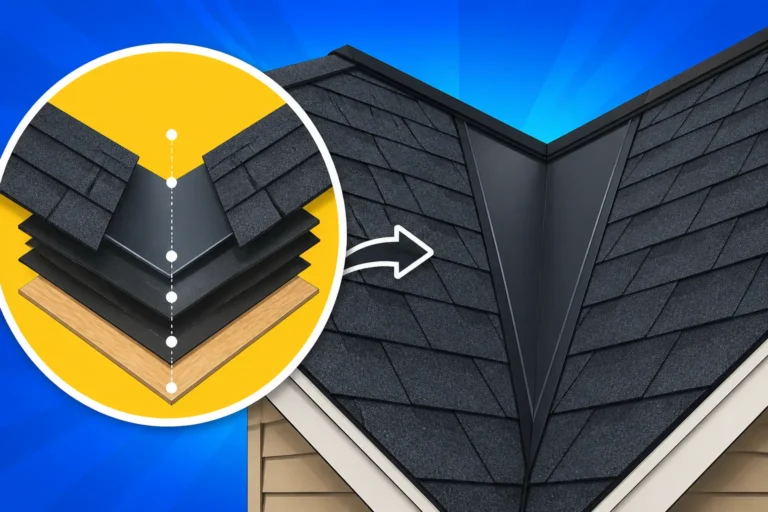
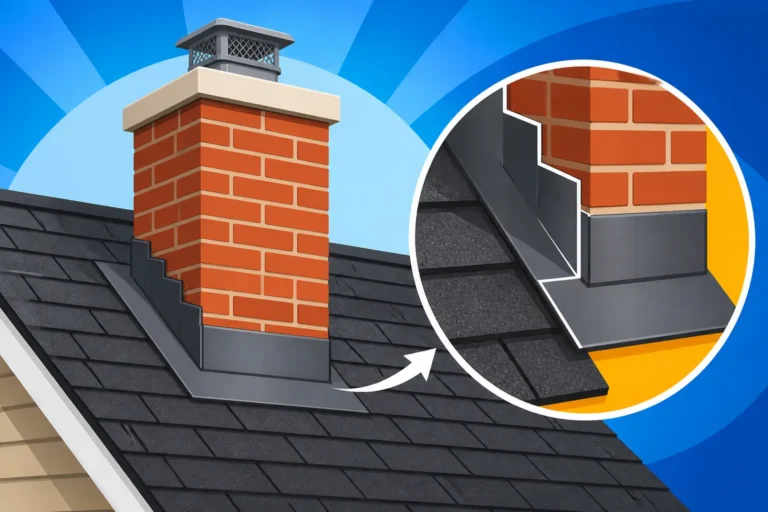
- Essential for Critical Areas: It's typically used in vulnerable areas like eaves, valleys, around chimneys, skylights, and other roof penetrations where water is most likely to accumulate or enter.
- Flexibility and Durability: It remains flexible in cold temperatures and expands and contracts with the roof deck, maintaining its seal over time.
Cons of Self-Adhering Underlayment:
- Highest Cost: This is the most expensive type of underlayment, which is why it's usually reserved for specific, high-risk areas rather than the entire roof.
- Installation Challenges: It requires a very clean, dry surface for proper adhesion and can be tricky to install without wrinkles or bubbles, requiring experienced hands.
- Vapor Barrier: Because it forms such a tight seal, it acts as a vapor barrier. Proper attic ventilation is crucial to prevent moisture buildup within the attic space when using it.
Here’s a quick comparison of these common underlayment types:
| Feature | Asphalt-Saturated Felt | Synthetic Underlayment | Self-Adhering (Ice & Water Shield) |
|---|---|---|---|
| Material | Organic/Fiberglass, Asphalt | Polypropylene/Polyethylene | Rubberized Asphalt, Polymer Film |
| Water Resistance | Water-resistant | Highly water-resistant to waterproof | Fully waterproof, self-sealing |
| Cost (Relative) | Low | Medium | High |
| Weight | Medium | Low (per roll) | Medium to High |
| Durability | Moderate, prone to tearing | High, tear-resistant | Very High, flexible, self-sealing |
| UV Exposure | Limited | Extended (weeks to months) | Moderate |
| Typical Use | Entire roof (budget option) | Entire roof (standard) | Eaves, valleys, penetrations |
| Building Code | Meets basic codes | Meets/exceeds most codes | Often required in cold climates |
Understanding these options helps you see why underlayment isn't a "one-size-fits-all" product. Your roofing contractor should be able to guide you on the best choice for your specific project, factoring in your budget, home's design, and local weather patterns. For example, if you live in a cold climate like Minnesota, you'll definitely want to prioritize good ice and water protection.
Installation Insights: Getting Underlayment Right for Longevity
Choosing the right underlayment is only half the battle; proper installation is equally, if not more, crucial. Even the most advanced synthetic underlayment won't perform as intended if it's not installed correctly. This is where the skill and experience of your roofing contractor truly shine, or, unfortunately, where mistakes can lead to major problems down the road.
The Importance of a Clean and Dry Deck
Before a single strip of underlayment is laid, the roof deck must be meticulously prepared. This means a thorough tear-off, removing all old shingles, nails, and debris. The exposed roof decking must then be carefully inspected for any signs of damage, rot, or weakness. Any compromised sections of wood decking need to be repaired or replaced before proceeding. Installing underlayment over a damaged or wet deck is a recipe for disaster, trapping moisture and accelerating deterioration of the new roofing system.
Once the deck is sound, it must be completely dry. Even a slight dampness can hinder the adhesion of self-adhering membranes or cause felt underlayment to wrinkle as it dries, creating an uneven surface for shingles. This step emphasizes why it's so important for roofers to keep an eye on the weather and protect the exposed roof during the tear-off and installation phases.
Proper Overlap and Fastening Techniques
The method of installing underlayment depends on its type. Felt and synthetic underlayments are typically rolled out horizontally across the roof deck, starting from the eaves and working upwards towards the ridge. Crucially, each successive layer must overlap the one below it by a specific amount, usually 2 to 4 inches, to ensure a continuous, shingle-like shedding path for water. Vertical seams also require a specific overlap, often 6 inches.
Fastening is key. Felt underlayment is usually held down with roofing nails or staples. Synthetic underlayments, being lighter and stronger, often require fewer fasteners and sometimes have integrated fastening lines to guide installers. Self-adhering membranes, as the name suggests, stick directly to the deck after the release liner is removed, requiring careful alignment and rolling to ensure full contact and to prevent bubbles. These membranes are also designed to self-seal around fasteners, creating a truly watertight barrier.
One common mistake is insufficient overlap or improper fastening. If layers don't overlap enough, or if fasteners are poorly placed, water can find its way underneath. Another issue can be neglecting Drip Edge installation, which works in conjunction with the underlayment to guide water off the roof and into the gutters. When planning a roof replacement, a good contractor will walk you through the entire process, including how the underlayment will be installed as part of a complete roof system. You can learn more about how to choose a roofing contractor who prioritizes these details.
Building Code Compliance and Regional Considerations
As mentioned earlier, building codes often dictate the type and extent of underlayment required, especially for critical areas. For instance, in cold climates like those found across the northern states, an ice and water shield is typically mandated at the eaves, extending a certain distance up the roof slope to protect against ice dam formation. These regional requirements are not optional; they are designed to protect your home from specific environmental challenges.
A knowledgeable contractor will be fully aware of the local roofing code requirements. This is where engaging with a platform like Modernize, which connects homeowners with vetted professionals, can give you peace of mind that your contractor understands the nuances of local regulations, ensuring your roof is not just installed, but installed correctly and to code. Neglecting these requirements could lead to failed inspections, fines, or even issues with your home insurance. When considering the Cost of Ridge Vent Installation or Cost of New Flashing and Drip Edge, remember that these components work hand-in-hand with underlayment to create a truly watertight and compliant roofing system.
Ultimately, the underlayment is an unsung hero of your asphalt roofing system. Investing in a quality product and ensuring its professional installation will significantly extend the life of your roof, prevent costly water damage, and provide you with lasting peace of mind. It’s a small component with a massive impact on your home's integrity. For further reading, understanding more about how a roof replacement works: the full process can provide additional context.
Disclaimer
Please remember that this article provides general information and recommendations. Roofing materials, installation techniques, building codes, and costs can vary significantly based on your specific location, local regulations, and the unique characteristics of your home. Always consult with a qualified, licensed, and insured roofing professional for personalized advice and estimates for your roofing project. They can assess your specific needs and ensure compliance with all local codes and best practices.