How Long Should a Roofing Warranty Last
It’s a common frustration: you're making a huge investment in a new roof, and you hear terms like "warranty" thrown around, but what do they really mean? How long is this supposed protection actually going to last, and what does it even cover? This guide aims to pull back the curtain on roofing warranties, helping you understand their true duration, what factors affect them, and how to ensure you're getting the best possible coverage for your asphalt roofing investment.
Understanding the Two Main Types of Roofing Warranties
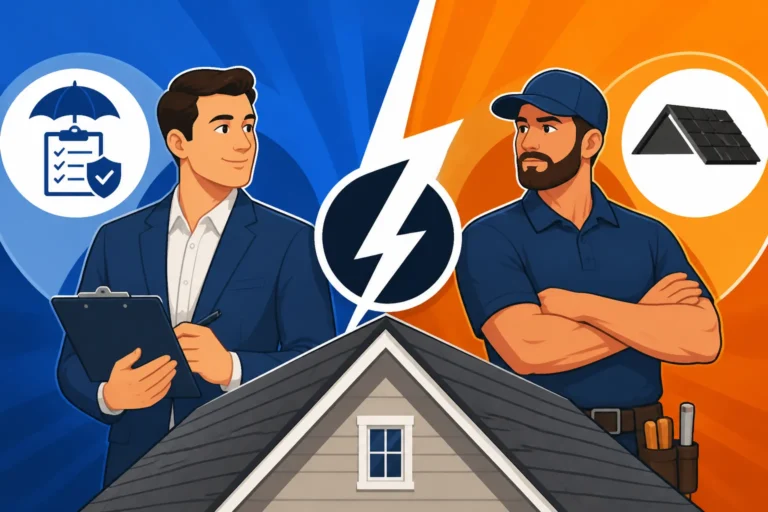
When you get a new asphalt shingle roof, you're not just getting one warranty; you're often dealing with two distinct layers of protection, each covering different aspects of your new roof. Understanding this distinction is absolutely crucial for any homeowner. One covers the materials themselves, while the other protects against installation blunders.
Manufacturer Warranties: Covering the Product Itself
This is the warranty that comes directly from the company that makes your shingles, like GAF, Owens Corning, or CertainTeed. Think of it as the guarantee on the product itself. If the shingles fail prematurely due to a manufacturing defect – maybe they start to crack and blister long before they should, or the granules shed excessively – this is the warranty that steps in.
There are generally two flavors of manufacturer warranties:
- Standard Material Warranties: These are the basic warranties that come with the shingles right out of the box. They typically cover material defects for a set period, often 25-30 years for traditional 3-tab shingles, and 30-50 years (or even "Lifetime") for architectural shingles. However, these are often prorated, meaning the coverage value decreases over time. So, if your shingles fail 15 years in, you might only get a percentage of the original material cost back, not the full replacement value. This can be a real shock if you're not expecting it.
- Enhanced or System Warranties: This is where things get interesting, and usually, much better for you. These warranties, often called "system warranties," cover not just the shingles but the entire roofing system – including the underlayment, starter strips, ridge cap shingles, and attic ventilation components – all from the same manufacturer. To qualify for these, a certified contractor usually needs to install the entire system according to strict guidelines. The biggest advantage? They often come with longer, non-prorated coverage periods, sometimes for 50 years or even the "Lifetime" of the roof (which is defined by the manufacturer, typically as long as the original homeowner owns the home). These often include a period of workmanship coverage from the manufacturer as well, which is a huge bonus. We'll dive deeper into this, but know that these enhanced options are usually a stronger play for long-term peace of mind.
Workmanship Warranties: Protecting Against Installation Errors
This warranty comes directly from your roofing contractor, not the shingle manufacturer. It's their promise that they've installed your roof correctly and according to industry standards and manufacturer specifications. This is a big one, because even the best shingles in the world won't perform if they're installed incorrectly. Missing nails, improperly sealed flashing, or incorrect shingle alignment can all lead to leaks and premature failure, and those issues typically aren't covered by a manufacturer's material warranty.
The duration of a workmanship warranty can vary significantly from one contractor to another. You might see anything from a standard 2-year warranty to a more robust 10-year or even 25-year offering from highly reputable companies. It's imperative that this warranty is clearly outlined in your roofing contract. A good contractor will stand behind their work, and a strong workmanship warranty is a testament to their confidence in their team's skills. When you’re looking into How to Choose a Roofing Contractor, always make sure to ask about their workmanship warranty specifically. If a problem arises from a faulty installation, you’ll be calling your contractor, not the shingle manufacturer, for resolution under this type of warranty.
Typical Lifespans for Roofing Warranties on Asphalt Shingles
When people ask "how long does a roofing warranty last?", they often have a specific number in mind, like 25 years or 50 years. The truth is, it's not a single, straightforward answer, as it depends heavily on the type of shingle, the manufacturer, and the installation choices made.
Standard Manufacturer Material Warranties
For most standard asphalt shingles, particularly the common 3-tab variety, you can expect a manufacturer's material warranty to be in the range of 20 to 30 years. These are often marketed as a "25-year shingle" or "30-year shingle." However, it's critical to remember that this "life" almost always refers to the prorated period. For example, a 25-year warranty might offer 100% material replacement for the first 5 years, and then decrease by a certain percentage each year thereafter. If your roof fails in year 15, you might only get 40% of the material cost back, which means you're on the hook for the remaining 60% of materials and all the labor.
Architectural or dimensional shingles, which are thicker and offer a more varied appearance, typically come with longer standard material warranties, often ranging from 30 to 50 years, sometimes even labeled as "Limited Lifetime." Even with these longer warranties, the prorated nature usually applies after an initial non-prorated period (e.g., the first 10-15 years). So, while the coverage period sounds impressive, the actual value of that coverage diminishes significantly over time. Understanding this distinction is key to setting realistic expectations for your Asphalt Roof Replacement Cost: Complete Breakdown.
Enhanced Manufacturer System Warranties
This is where you often get the longest and most comprehensive warranty periods. When a manufacturer offers a "Lifetime" warranty, it's almost always in the context of an enhanced system warranty. These "Lifetime" designations typically mean 50 years for a homeowner (as long as they own the home), after which they usually revert to a prorated 50-year warranty for subsequent owners. Brands like GAF (with their Golden Pledge® Warranty) or Owens Corning (with their Platinum Protection® Roofing System Limited Warranty) offer these types of guarantees.
These enhanced warranties don't just extend the material coverage; they often include a significant non-prorated period for materials (e.g., the first 10-25 years) and, crucially, a manufacturer-backed workmanship warranty for a set period, typically 10 to 25 years. This means if the installation is faulty, the manufacturer might help cover the costs, which is a powerful layer of protection beyond just what your contractor provides. To qualify, a contractor must be specially certified (e.g., GAF Master Elite® or Owens Corning Platinum Preferred Contractor) and use all components from that specific manufacturer's roofing system. This is a fantastic option for maximum peace of mind.
Contractor Workmanship Warranties
As mentioned, these warranties come directly from your chosen roofing contractor and can vary widely. A basic workmanship warranty might only last 1-2 years, covering immediate issues that might arise shortly after installation. This is fairly minimal protection. More reputable contractors, especially those who stand behind the quality of their team and processes, will offer longer workmanship warranties, typically in the range of 5 to 10 years. Some highly confident and established companies might even offer 20-year or 25-year workmanship warranties, particularly if they are also manufacturer-certified and installing a full system.
It's vital to get the length and terms of this warranty in writing in your contract. While a shorter contractor warranty might be acceptable if you also have a strong manufacturer-backed workmanship portion from an enhanced system warranty, a lengthy standalone contractor workmanship warranty demonstrates immense confidence in their work. When exploring How to Get Roofing Quotes and Compare Them, make sure the warranty details are crystal clear for each option.
Here’s a quick overview of typical warranty lengths:
| Warranty Type | Typical Duration (Materials) | Typical Duration (Workmanship) | Prorated After (Materials) | Key Requirements |
|---|---|---|---|---|
| Standard 3-Tab Shingle | 20-30 Years (Limited) | Varies by Contractor (1-5 yrs) | Often 5-10 Years | Basic installation, purchase of shingles |
| Standard Architectural Shingle | 30-50 Years (Limited Lifetime) | Varies by Contractor (1-10 yrs) | Often 10-15 Years | Basic installation, purchase of shingles |
| Enhanced "System" Warranty | 50 Years / Lifetime (Non-Prorated for initial period) | 10-25 Years (Manufacturer-backed) | 10-25 Years (then prorated) | Manufacturer-certified contractor, full system install |
| Contractor Workmanship Only | N/A (Covers installation only) | 1-25 Years (from contractor) | N/A | Varies by contractor, part of contract |
Note: "Lifetime" typically means for as long as the original individual homeowner owns the home, often capping at 50 years.
Factors Influencing Your Roofing Warranty's Effectiveness and Longevity
Getting a warranty is one thing; ensuring it actually works when you need it is another. Several factors can either bolster your warranty's strength or render it virtually useless. Don't let your valuable protection slip away due to oversight.
Proper Installation and Manufacturer Certification
This is arguably the most critical factor. A warranty, especially a manufacturer's material warranty, is contingent on the shingles being installed correctly, precisely to the manufacturer's specifications. If a roofer cuts corners – uses too few nails, nails them improperly, or installs components incorrectly – any resulting damage might not be covered by the manufacturer. They’ll argue that the product itself wasn't defective, but rather that the installation was at fault. This is why a strong Roofing Warranty: Workmanship vs Manufacturer is so important.
This is also where manufacturer certification comes into play. Companies like Owens Corning and GAF offer tiered certification programs for contractors. For example, an Owens Corning Platinum Preferred Contractor or a GAF Master Elite Contractor has undergone specific training, met certain business standards, and proven their commitment to quality. These certified contractors are often the only ones authorized to offer the truly comprehensive, long-term enhanced system warranties. By choosing one of these certified professionals, you’re not only getting an installer who understands the product intimately but also unlocking the best possible warranty coverage. Look for contractors who proudly display their manufacturer certifications, and you can even verify them through the manufacturer's website. If you’re ever unsure, resources like Modernize can help connect you with reputable, certified professionals in your area.
Maintenance, Inspections, and Avoiding Voids
Even the most robust warranty comes with responsibilities on your part as a homeowner. Manufacturers expect you to reasonably maintain your roof. This doesn't mean you need to get up there every month, but regular, professional roof inspections (typically every 3-5 years, or after major storms) can catch minor issues before they become major warranty-voiding problems. Things like clearing debris, trimming overhanging branches, and ensuring proper attic ventilation are all part of responsible roof care.
There are also specific actions that can unwittingly void your warranty. These often include:
- Improper Repairs: If you or an unqualified individual attempts a DIY repair using non-compatible materials or methods, it could void the warranty on that section of the roof, or even the whole system.
- Painting Shingles: While rare, some homeowners might consider painting shingles for aesthetic reasons. This is almost guaranteed to void your warranty as it interferes with the shingle's composition and performance.
- Adding Antennas or Satellite Dishes Improperly: Penetrating the roof deck without proper flashing and sealing can lead to leaks and, again, void warranty coverage for damage related to that penetration.
- Inadequate Ventilation: Poor attic ventilation can lead to heat buildup, causing shingles to prematurely age, blister, and degrade. If the manufacturer can prove that lack of proper ventilation (often outlined in local building codes) contributed to the shingle failure, your warranty claim might be denied. This is why proper Roof Ventilation Works is crucial.
Always check the fine print of your specific warranty for a full list of exclusions and conditions. Knowing What Voids a Shingle Warranty upfront can save you a lot of headache down the road.
Transferability and Claim Processes
One detail often overlooked is whether a warranty is transferable. If you sell your home, does the new homeowner inherit your fantastic 50-year warranty? For many standard warranties, the answer is often no, or the coverage significantly diminishes. However, many enhanced manufacturer system warranties are transferable, usually once, and sometimes for a reduced period (e.g., from a "Lifetime" for the original owner to a 50-year prorated warranty for the second owner). This is a huge selling point when you eventually decide to move, as it adds significant value to your home. Always ask your contractor about Transferable Roofing Warranties Explained.
Understanding the claim process before you need it is also smart. What documentation do you need? Who do you contact first – the manufacturer or the contractor? How long does the process typically take? A good contractor will walk you through these steps and help you register your warranty properly immediately after installation. When you're facing a problem and need to file a claim, knowing the procedure can significantly reduce stress and speed up resolution. It's not always easy to get a warranty honored, but being prepared makes a big difference.
Maximizing Your Roof Warranty Benefits
You’ve invested a lot of money into your new roof, and that warranty is a critical part of that investment. Don't just file it away and forget about it. Being proactive and informed can make all the difference when it comes to leveraging your roof's protection.
Reading the Fine Print and Asking the Right Questions
Let’s be honest, warranty documents are usually dense, full of legal jargon, and about as exciting as reading the phone book. But I cannot stress enough how important it is to actually read the fine print. Don't just skim it. Pay close attention to:
- Prorated vs. Non-Prorated Coverage: Understand exactly when and how the value of your material coverage decreases. Is there an initial non-prorated period, and for how long?
- Exclusions: What specifically isn't covered? Often, damage from natural disasters (like hurricanes or tornadoes), lack of maintenance, or improper repairs by uncertified individuals are excluded.
- Definitions: What does "Lifetime" actually mean to this manufacturer? Is it truly for the life of the house, or for as long as you own it, with a specific cap like 50 years?
- Claim Procedures: Who do you call first? What information do you need to provide? Are there deadlines for filing a claim?
Before signing any contract, make sure you ask your prospective contractor every question you have about the warranty. Don't be shy! Reputable roofers, like those you might find through Modernize, will be happy to explain everything in detail. Ask them about the duration of their workmanship warranty, what it covers specifically, and how it interacts with the manufacturer's warranty. Dig into Questions to Ask a Roofing Contractor Before Hiring to ensure you cover all your bases regarding warranties. Make sure the answers they give you are reflected in your written contract.
Registration and Documentation
This is a step that far too many homeowners overlook, and it can be a costly mistake. For enhanced manufacturer warranties, you almost always need to register your warranty with the manufacturer within a certain timeframe (often 30-60 days) after your roof installation. If you don't register it, your enhanced warranty might default to a much more basic, less valuable standard warranty, or even be completely invalid. Your contractor should handle this for you, but it’s your responsibility to ensure it gets done. Ask for proof of registration.
Beyond registration, keep meticulous records. This includes:
- Your signed contract: Clearly outlining the scope of work, materials used, and both workmanship and manufacturer warranty details.
- Proof of payment: Invoices, receipts, canceled checks.
- Warranty certificates: Both from the contractor and the manufacturer.
- Photos of your new roof: Especially during and immediately after installation.
- Maintenance records: If you have any professional inspections or cleaning done.
This documentation is your evidence should you ever need to file a claim. It helps prove that the roof was installed correctly, that you maintained it, and that your claim is valid. Think of it as your roof's personal history book, ready to back you up.
Disclaimer
Please note that the information provided in this guide is intended for general informational purposes only and does not constitute professional advice. Roofing warranty terms and conditions can vary significantly by manufacturer, product type, and contractor. Always consult with a qualified roofing professional and review your specific warranty documents for precise details regarding your roof's coverage.