Should You Hire the Cheapest Roofer
When you're facing a major home expense like a new roof, it's completely natural to look for ways to save money. The sticker shock alone from a roofing estimate can be enough to send anyone scrambling for the lowest possible price. However, while pinching pennies is smart in many areas of life, when it comes to something as vital as your home's protection, the cheapest option often comes with hidden costs that far outweigh any initial savings. This guide will help you understand why chasing the lowest bid on a roof replacement can be a risky gamble and what truly goes into finding a contractor who offers value and peace of mind.
The Allure of the Lowest Bid: Why It's So Tempting
Let's be honest, the thought of saving thousands on a roof replacement is incredibly appealing. Most homeowners aren't roofing experts, and it's easy to assume that all shingles are pretty much the same, and all roofers perform the same basic task. This mindset, combined with the sheer financial burden, often steers people directly toward the lowest price point they can find.
The Sticker Shock of Roofing Costs
A full roof replacement is rarely a small investment. Depending on your home's size, roof pitch, location, and the materials you choose, the cost can easily climb into five figures. You might be looking at figures that make you gasp, especially if you haven't budgeted for it or if the need for a new roof came unexpectedly due to storm damage. For instance, the overall cost of an asphalt shingle roof can vary wildly depending on whether you're replacing a small ranch home or a sprawling multi-story residence. This overwhelming financial pressure naturally makes the idea of a "deal" or a significantly lower bid incredibly attractive, almost like a lifeline. It feels like a smart financial move, but in the roofing world, it often sets off alarm bells for those in the know.
Misconceptions About Roofing Simplicity
Many homeowners mistakenly believe that roofing is a relatively simple, straightforward job where one roofer's work is interchangeable with another's. They might think, "It's just shingles and nails, right?" This oversimplification often leads to prioritizing price above all else, assuming that as long as the roof keeps water out, the job is done. However, roofing is a complex trade that requires skill, adherence to strict building codes, proper installation techniques, and a deep understanding of roofing systems. A seemingly simple job on the surface involves careful flashing around chimneys and vents, precise nailing patterns, proper underlayment installation, and adequate ventilation, all of which contribute to the roof's longevity and performance. Cutting corners on any of these elements can lead to significant problems down the line, turning that initial "saving" into a much larger, more expensive headache.
The Hidden Dangers of Hiring the Cheapest Roofer
While a low price might feel like a win in the short term, opting for the cheapest roofer often comes with a host of risks that can haunt you for years, costing far more in repairs, legal fees, or even structural damage to your home.
Subpar Materials and Shoddy Workmanship
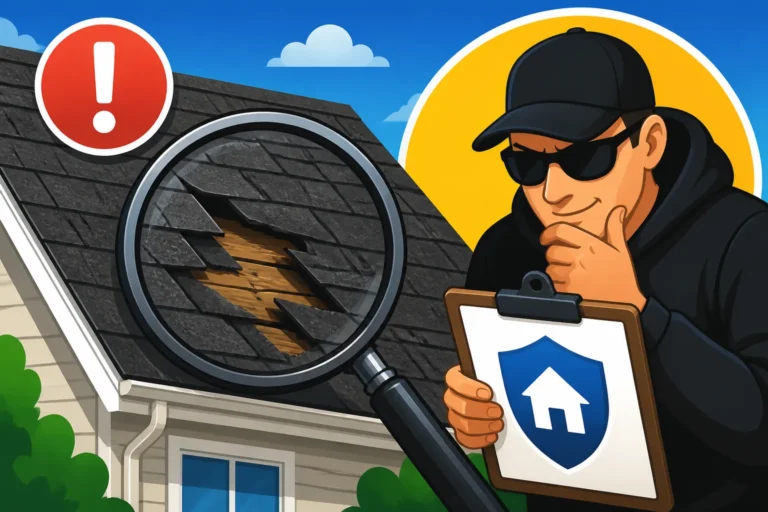
One of the most common ways a roofer can offer an unusually low price is by using inferior materials. Instead of durable, long-lasting architectural shingles, they might opt for thinner, less resilient 3-tab shingles, or even use off-brand components that haven't been tested for quality. They might skimp on crucial elements like the ice and water shield in vulnerable areas or use a less effective underlayment.
Beyond materials, shoddy workmanship is a massive red flag. This can manifest in several ways:
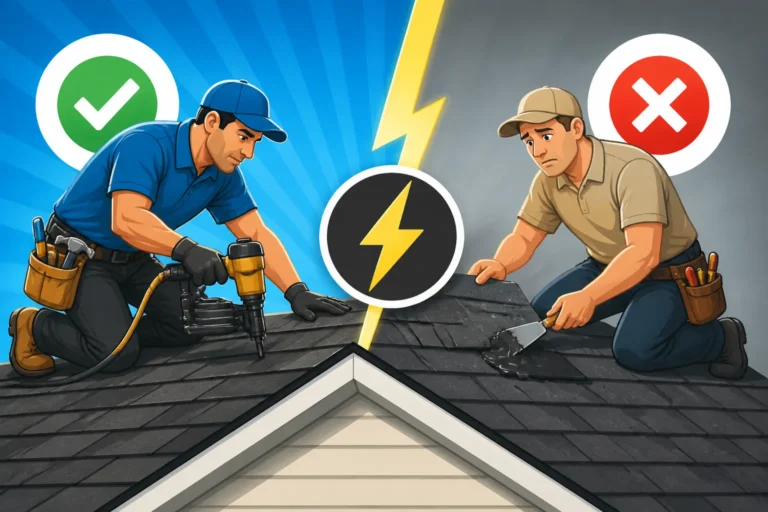
- Improper Nailing: Shingles need to be nailed in specific locations with the correct number of nails and at the right pressure. Too high, and they won't hold; too low, and they can puncture the shingle. A cheap roofer might use fewer nails than recommended or nail them improperly, leaving your shingles vulnerable to wind uplift.
- Insufficient Flashing: Flashing is the metal or composite material that directs water away from critical areas like chimneys, skylights, and vent pipes. If not installed correctly or if cheap, inadequate flashing is used, these areas become prime candidates for leaks, leading to costly interior water damage.
- Poor Decking Installation: The roof decking is the foundation for your shingles. If the underlying plywood or OSB is old, rotted, or installed incorrectly, simply putting new shingles over it won't solve the problem. A cheap roofer might ignore existing damage or replace sections improperly, compromising the entire system.
- Lack of Ventilation: Proper attic ventilation is crucial for your roof's health and your home's energy efficiency. A cheap roofer might neglect to assess or install adequate ridge vents, soffit vents, or other ventilation components, leading to heat buildup, moisture issues, and premature shingle deterioration.
These shortcuts aren't always immediately obvious. Your new roof might look fine for the first year or two, but as it's exposed to the elements, these underlying issues will begin to surface, often right after the limited warranty (if any) from the cheap contractor expires.
Lack of Proper Licensing and Insurance
This is perhaps the biggest and most dangerous risk associated with hiring the cheapest roofer. A legitimate, reputable roofing company will always be properly licensed and insured. What does that mean for you?
- Licensing: A license signifies that the contractor has met specific state or local requirements, often including demonstrating competence, passing exams, and sometimes providing financial solvency. It means they're recognized by the authorities as a legitimate business. You can learn more about Licensed and Insured Roofers: Why It Matters. Many states, like California or Florida, have specific licensing boards for contractors.
- Insurance: This includes general liability insurance and workers' compensation insurance. General liability protects your property from damage caused by the roofing company during the project. Workers' compensation protects the workers themselves. If a roofer falls off your roof and doesn't have workers' comp, you, the homeowner, could be held responsible for their medical bills and lost wages. This is a terrifying thought, but it happens. Understanding What Happens If a Roofer Gets Injured on Your Property is critical for any homeowner.
Unlicensed or uninsured contractors can offer lower prices because they aren't paying for these essential protections. By hiring them, you're essentially taking on all their risk. If something goes wrong, you're on the hook, and what seemed like a bargain can quickly turn into a financial nightmare involving lawsuits and significant out-of-pocket expenses.
Incomplete or Non-Compliant Work
Building codes exist for a reason: to ensure the safety, durability, and performance of construction projects. Reputable roofers understand and adhere to these codes, knowing that obtaining the necessary permits and passing inspections are non-negotiable parts of the job. You should always consult our guide on Roofing Building Codes: What to Know.
A cheap roofer, however, might try to bypass permits and inspections to save time and money. The problem? If your roof isn't installed to code, it could fail inspection, leading to costly rework, fines, or even issues when you try to sell your home. Imagine trying to close on a house sale only to have the buyer's inspector flag your roof for unpermitted work or code violations. It can delay or even derail the sale. Understanding What Happens If You Skip a Roofing Permit illustrates the serious consequences. Local authorities in places like Atlanta or Phoenix are increasingly vigilant about ensuring permits are pulled and inspections are passed for major home renovations like roofing.
What a Reputable Roofer Brings to the Table (Beyond Price)
Choosing a reputable roofing contractor isn't just about avoiding problems; it's about investing in peace of mind and the long-term protection of your home. They offer a comprehensive package of quality, professionalism, and accountability that the cheapest option simply cannot match.
Quality Materials and Certified Installation
A good roofer understands that a roof is a system, not just a pile of shingles. They'll recommend high-quality materials from trusted manufacturers like GAF, Owens Corning, CertainTeed, or Malarkey, knowing that these products come with robust warranties and a proven track record. They'll explain the differences between various shingle types, like architectural vs. 3-tab, and help you choose the best fit for your home and budget.
Furthermore, many top-tier manufacturers offer certification programs for contractors. For example, a GAF Master Elite Contractor or an Owens Corning Platinum Preferred Contractor has gone through rigorous training and demonstrated a commitment to quality installation. This often means they can offer enhanced manufacturer warranties that go above and beyond standard coverage, protecting you for decades. You can learn more about what it means to work with a GAF Master Elite Contractors Explained and the benefits of choosing Manufacturer-Certified Roofers Explained. These certifications aren't just badges; they reflect a dedication to proper installation techniques that ensure your roof performs as intended.
Comprehensive Contracts and Transparent Communication
A reputable roofer will provide a detailed, written contract that clearly outlines every aspect of the project. This document isn't just a formality; it's your protection. It should include:
- Scope of Work: What exactly is being done? (e.g., full tear-off, number of layers removed, new underlayment, flashing replacement, ventilation work).
- Materials: Specific brands, types, and colors of shingles, underlayment, and other components.
- Timeline: Start and estimated completion dates.
- Payment Schedule: Clear milestones for payments, usually with a reasonable deposit upfront, progress payments, and a final payment upon completion and your satisfaction. You should never pay for the entire project upfront.
- Warranties: Details on both the manufacturer's warranty for materials and the contractor's workmanship warranty.
- Cleanup: How debris will be handled and disposed of.
- Proof of Insurance: Copies of their liability and workers' compensation insurance certificates.
The contract is also where you'll find specifics about things like permits, ensuring that all necessary regulatory steps will be handled. A good contract prevents misunderstandings and ensures everyone is on the same page. If you're unsure what to look for, our guide on a Roofing Contract: What to Look For can provide invaluable assistance. Beyond the contract, transparent communication is key. A good contractor will keep you informed of progress, address any concerns promptly, and be accessible throughout the project.
Robust Warranties and Post-Installation Support
When you invest in a new roof, you're not just buying materials; you're buying long-term protection. Reputable roofers offer comprehensive warranties that protect your investment. These typically come in two forms:
- Manufacturer's Warranty: This covers the materials themselves (shingles, underlayment, etc.) against manufacturing defects. The length and coverage can vary significantly based on the product and whether it was installed by a certified contractor.
- Workmanship Warranty: This covers the installation quality by the contractor. A reliable roofer will stand behind their work for an extended period, typically 5-25 years, promising to fix any issues arising from their installation errors.
Understanding the nuances of a Roofing Warranty: Workmanship vs Manufacturer is essential. A cheap roofer might offer a bare-bones 1-year workmanship warranty, or worse, no written warranty at all. When problems inevitably arise, they're often nowhere to be found. A reputable company, however, will be around to honor their commitments, providing ongoing support and addressing any post-installation concerns. This long-term accountability is a major component of the value they provide.
How to Get a Fair Price Without Sacrificing Quality
So, how do you navigate the challenge of finding an affordable roof replacement without falling victim to the pitfalls of the cheapest bid? It's all about doing your homework, comparing apples to apples, and understanding where true value lies.
Gather Multiple Detailed Estimates
This is step one for any major home project. Don't settle for just one or two estimates. Reach out to at least three to five different reputable roofing contractors in your area. When they visit your home, they should conduct a thorough inspection of your existing roof, attic, and overall roofing system. They should then provide you with a detailed, written estimate that breaks down all costs, including materials, labor, tear-off, disposal, permits, and warranty information.
It’s crucial to make sure each estimate specifies the exact same scope of work and comparable materials. If one contractor proposes premium architectural shingles with a full synthetic underlayment and another suggests basic 3-tab shingles with felt underlayment, their prices will naturally differ significantly. You can't compare those directly. Ask clarifying questions about everything included in the estimate. Our guide on How to Read and Compare Roofing Estimates will walk you through the process, ensuring you're comparing proposals effectively. For a broader understanding of the process, also refer to How to Get Roofing Quotes and Compare Them.
Research and Vet Contractors Thoroughly
Once you have your estimates, it's time to dig into the contractors themselves. Don't just look at the price tag; investigate the company behind it.
- Check Online Reviews: Look beyond just star ratings. Read detailed reviews on platforms like Google, Yelp, and the Better Business Bureau (BBB). Are there consistent complaints about shoddy work, unresponsiveness, or abandoned jobs? Look for patterns.
- Ask for References: A good contractor should be happy to provide references from recent clients. Call them and ask about their experience with the contractor, communication, project timeline, and satisfaction with the finished work.
- Verify Licensing and Insurance: This cannot be stressed enough. Ask for copies of their license and insurance certificates, then verify them with the issuing authorities (state licensing board, insurance carrier). Don't just take their word for it. Learn How to Vet a Roofing Company thoroughly.
- Manufacturer Certifications: As mentioned earlier, ask if they hold any manufacturer certifications (e.g., GAF Master Elite, Owens Corning Platinum Preferred). These indicate a higher level of training and commitment.
- Physical Address: Be wary of companies that only list a P.O. Box or don't have a verifiable physical office. This can be a significant Roofing Contractor Red Flags to Avoid.
Websites like Modernize can be a valuable resource to connect with pre-vetted contractors in your area, helping you streamline the process of finding reputable companies without starting from scratch. They can often connect you with contractors who meet certain quality and vetting standards, making your initial search much easier.
Understanding Value vs. Cost
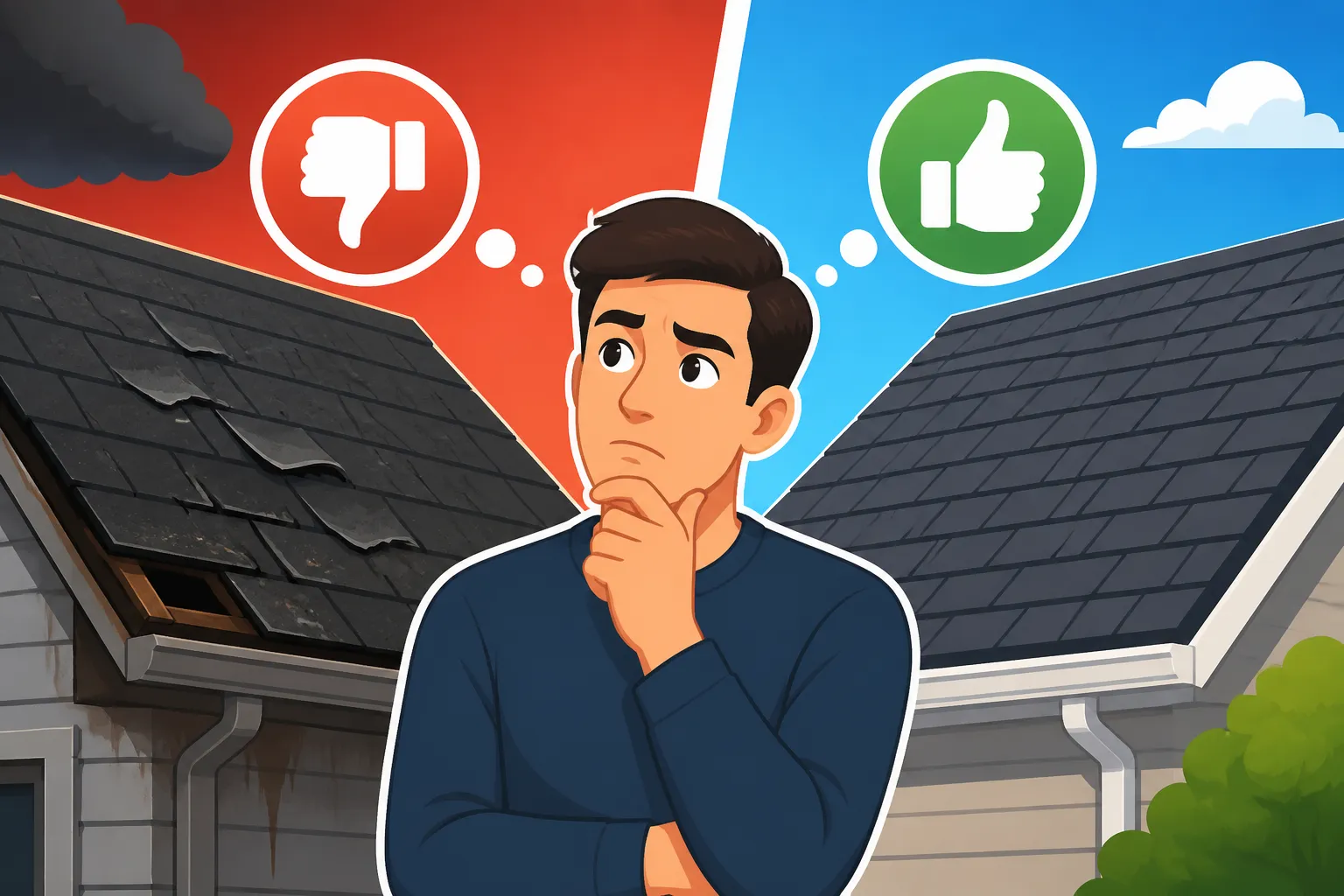
Ultimately, the decision isn't about finding the cheapest roofer; it's about finding the best value. Value encompasses not just the initial price, but also the quality of materials, the skill of the installers, the strength of the warranties, the professionalism of the company, and the peace of mind that comes with knowing the job was done right.
Think of your roof as an investment in your home's protection, energy efficiency, and curb appeal. A slightly higher upfront cost for a reputable contractor, quality materials, and a solid warranty can save you tens of thousands of dollars in premature repairs, interior water damage, or even a full roof replacement sooner than anticipated. A roof installed by a cheap, uninsured, or unlicensed contractor that fails in five years is exponentially more expensive than a roof from a reputable company that lasts 20-30 years.
As we often say, Why the Lowest Roofing Bid Is Risky is a lesson many homeowners learn the hard way. It's not uncommon for a homeowner who chose the cheapest option to find themselves needing repairs just a few years later, only to discover the original contractor is no longer in business, leaving them with no warranty and another substantial bill. Prioritize the long-term health and safety of your home, and choose a roofer who reflects that commitment.
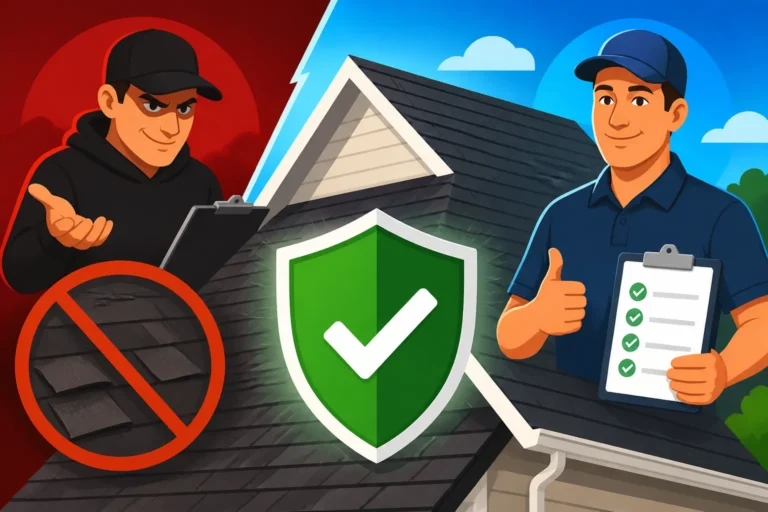
| Feature | Cheapest Roofer (Risky) | Reputable Roofer (Value) |
|---|---|---|
| Initial Cost | Significantly lower, often too good to be true | Competitive, fair, reflects quality materials and labor |
| Materials | Lowest grade, off-brand, shortcuts on accessories | Quality, manufacturer-backed brands (GAF, Owens Corning, etc.) |
| Workmanship | Prone to shortcuts (improper nailing, flashing, ventilation) | Adheres to manufacturer specs and building codes, skilled labor |
| Licensing | Often unlicensed, difficult to verify | Fully licensed, verifiable with state/local authorities |
| Insurance | Typically uninsured (no general liability, workers' comp) | Fully insured with valid general liability and workers' comp |
| Permits & Codes | May skip permits, ignore local building codes, no inspections | Pulls necessary permits, ensures code compliance, passes inspections |
| Warranty | Minimal or no written warranty, contractor may disappear | Comprehensive manufacturer and workmanship warranties |
| Contract | Vague, handwritten, missing crucial details | Detailed, written, covers scope, materials, payment, timeline |
| Cleanup | Often poor, leaves debris, nails, damage to landscaping | Thorough, magnetic sweeps, protects landscaping |
| Long-Term Cost | High risk of premature failure, costly repairs, legal issues | Lower total cost of ownership due to longevity and reliability |
| Peace of Mind | Constant worry, stress, potential financial disaster | Confidence in quality, protected investment, problem-free life |
Choosing a new roof is a significant decision, and the desire to save money is understandable. However, when it comes to the roof over your head, the old adage "you get what you pay for" rings particularly true. Prioritizing the lowest bid often leads to short-term savings but long-term headaches and expenses. Instead, focus on finding a reputable contractor who offers a fair price for quality materials, expert installation, proper licensing and insurance, and a robust warranty. This approach ensures your home is protected for decades to come, providing true value and peace of mind.
Disclaimer
This article is intended for informational purposes only and does not constitute professional advice. Always consult with a qualified and licensed roofing contractor for specific recommendations and estimates for your property. Building codes, regulations, and insurance requirements vary by location.