How to Get a Roofing Warranty Honored
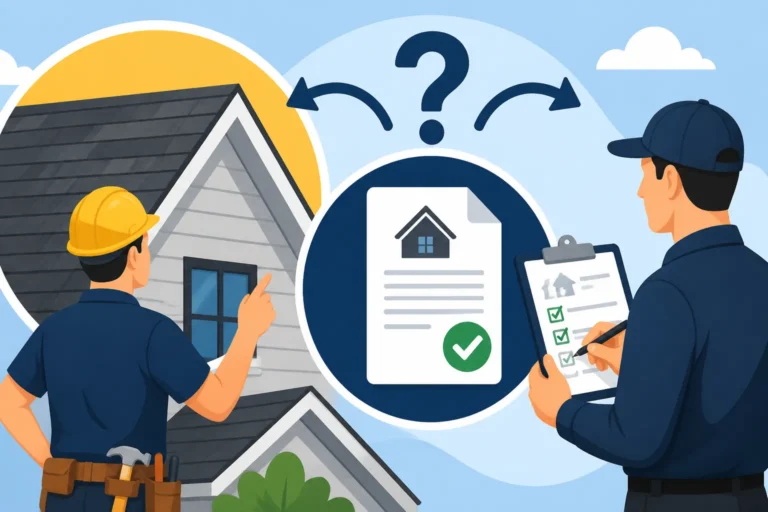
Few things are more frustrating than investing significant time and money into a new asphalt roof, only to discover problems a few years down the line and realize your warranty isn't being honored as you expected. You bought the roof with peace of mind, believing you were protected from defects and installation errors, but now you're facing a leaky ceiling or crumbling shingles, and getting answers feels like pulling teeth. This guide is here to cut through the confusion and equip you with the knowledge and steps needed to successfully pursue and get your roofing warranty honored.
Demystifying Your Roofing Warranty Coverage
Understanding the specifics of your roofing warranty is the absolute first step, and honestly, it's where many homeowners get tripped up. Warranties are complex legal documents, often filled with jargon that can be difficult to decipher. It's not uncommon for people to think they have a certain level of coverage, only to find out the reality is quite different when a problem arises.
Manufacturer vs. Workmanship Warranties
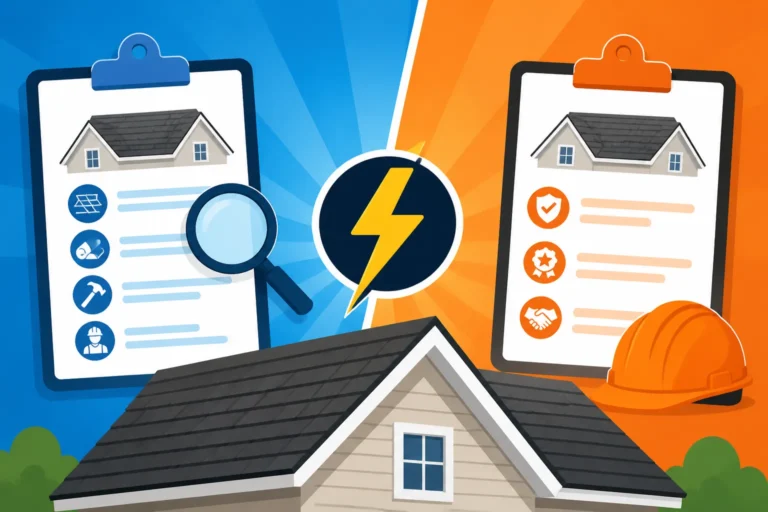
When you get a new roof, you're actually dealing with two distinct types of warranties, and understanding the difference is crucial. Misunderstanding these can lead to endless frustration when trying to figure out who is responsible for a problem.
The manufacturer's warranty covers the materials themselves – the asphalt shingles, the underlayment, and sometimes other components of the roofing system like starter strips or ridge caps. This warranty is issued by the company that made the actual products, such as GAF, Owens Corning, or CertainTeed. They guarantee that their products will be free from manufacturing defects and will perform as expected for a specified period, which can range anywhere from 20 years to a lifetime, depending on the shingle type and level of coverage. If your shingles start cracking prematurely or shedding granules excessively due to a flaw in how they were made, the manufacturer is typically on the hook. However, this warranty generally doesn't cover problems caused by how the roof was installed, which is a major point of confusion for many.
On the flip side, the workmanship warranty (also known as a contractor's warranty or labor warranty) is issued by the roofing contractor who installed your roof. This warranty covers the quality of the installation itself. If the shingles were nailed incorrectly, flashing wasn't properly sealed, or the underlayment was installed with gaps, leading to leaks or premature wear, then your contractor is responsible. These warranties typically last for a shorter period than manufacturer warranties, often between 2 to 10 years, though some premium contractors offer longer terms. It's important to remember that a fantastic shingle won't last if it's installed poorly, and that's precisely what the workmanship warranty protects against. Many homeowners combine these two in their minds, but treating them as separate entities will save you a lot of grief. To dive deeper into these distinctions, check out our guide on Roofing Warranty: Workmanship vs Manufacturer.
Decoding Key Terms and Coverage Details
Beyond knowing the two main types, you absolutely need to understand the fine print within each warranty document. These documents can be dense, but ignoring them can cost you thousands. For instance, many manufacturer warranties are prorated, meaning the coverage amount decreases over time. If your 30-year prorated warranty shingle fails in year 15, you might only get a percentage of the original material cost back, not a full replacement. Non-prorated warranties, especially on labor and materials, offer much better protection, but they usually come at a higher cost.
You'll also find specific exclusions. Most warranties won't cover damage from "acts of God" like severe hail, high winds, or earthquakes – that's what your homeowners insurance is for. They might also exclude damage from improper maintenance, structural issues with your home, or even cosmetic changes. Another crucial detail is transferability; if you sell your home, can the new owner benefit from the remaining warranty? Some warranties are transferable, others are not, or they may require a fee and specific paperwork to transfer. Always look for details on manufacturer warranty registration; often, you or your contractor must register the warranty shortly after installation for it to be valid. Ignoring this small step can completely void your coverage down the line. We cover many of these vital considerations in Questions to Ask About Roofing Warranties.
Here's a quick comparison of what you might typically see:
| Feature | Manufacturer Warranty (Material) | Workmanship Warranty (Labor) |
|---|---|---|
| Issuer | Shingle/component manufacturer (e.g., GAF, Owens Corning) | Roofing contractor |
| What it Covers | Defects in roofing materials (shingles, underlayment) | Errors in installation, faulty workmanship |
| Typical Duration | 20 years to Lifetime (often prorated) | 2 to 10 years (some premium systems offer longer) |
| Common Exclusions | Improper installation, natural disasters, lack of maintenance | Material defects, natural disasters, structural issues |
| Transferability | Varies; often transferable with conditions/fees | Less common; usually ends with original homeowner or specific transfer clauses |
| Claim Process | Direct with manufacturer (or through contractor) | Direct with the roofing contractor |
| Cost Implications | Replacement materials, sometimes labor for removal/reinstallation | Labor to fix installation errors, sometimes new materials if damaged by error |
Common Reasons Roofing Warranties Get Denied
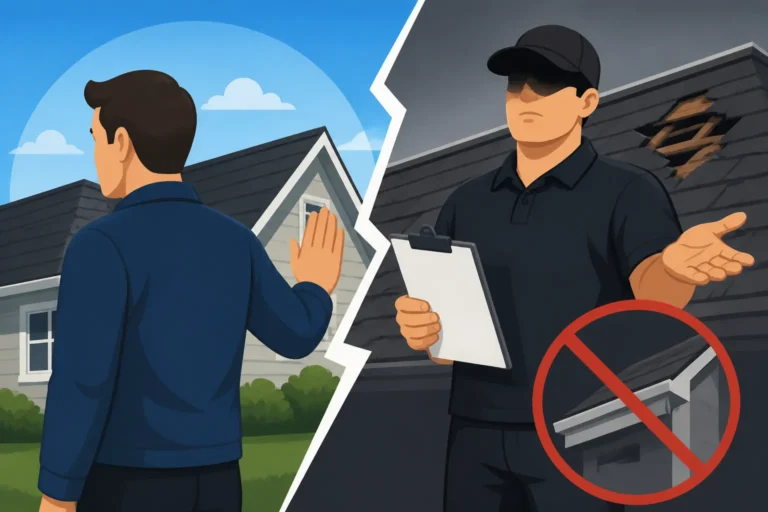
It’s disheartening when you’ve done everything right, or so you thought, and your warranty claim still gets denied. The truth is, warranty providers, whether manufacturers or contractors, have specific criteria, and if those aren't met, they have every right to deny a claim. Understanding the common pitfalls can help you avoid them, or at least prepare for the arguments you might face.
Improper Installation and System Completeness
This is hands down one of the biggest reasons for denial, especially on manufacturer warranties. Many leading shingle manufacturers offer extended warranties that go beyond just the material, sometimes covering the entire roofing system and even labor for a period. However, these enhanced warranties almost always come with a strict requirement: the entire roofing system must be comprised of their approved components (shingles, underlayment, flashing, vents, etc.) and installed by a certified contractor according to their precise specifications. If your contractor used a different brand of underlayment, failed to install starter shingles, or used incorrect nailing patterns, the manufacturer can argue that the system wasn't installed correctly and deny your claim.
Imagine you bought a GAF Timberline HDZ shingle roof, and a few years later, the shingles start delaminating. If a GAF representative inspects it and finds that generic felt paper was used instead of GAF's specific underlayment, or the contractor wasn't GAF Master Elite certified, they might deny your claim, stating the full GAF roofing system wasn't installed as required. This scenario highlights why it's so important to scrutinize your roofing contract to ensure it specifies the exact materials and installation methods, aligning with any enhanced warranty promises. Our article How a Complete Roof System Qualifies for Warranty delves into these requirements.
Lack of Proper Maintenance and Neglect
This might sound harsh, but many warranty claims are denied because the homeowner hasn't performed basic, routine maintenance on their roof. While roofs are designed to be durable, they aren't entirely "set it and forget it." Over time, debris can accumulate in valleys, gutters can clog, and tree branches can rub against shingles, causing wear. If you have excessive moss or algae growth that leads to shingle degradation, and you haven't taken steps to clean it, a manufacturer or contractor might argue that your neglect contributed to the problem, therefore voiding the warranty.
For instance, if your roof starts leaking due to ice dams forming because your gutters were perpetually clogged, the contractor might say it's not a workmanship issue but a maintenance one. Similarly, if a vent pipe flashing fails, but upon inspection, it's clear that leaves and branches have been piling up around it for months, leading to premature breakdown, the warranty provider could point to neglect. It's not about making your roof spotless every week, but ensuring clear gutters, trimming overhanging branches, and performing periodic visual inspections can go a long way in demonstrating you've cared for your investment.
Damage Due to External Factors Versus Defects
One of the trickiest areas of warranty disputes involves distinguishing between damage caused by manufacturing defects or installation errors, and damage caused by external factors. Roofing warranties typically do not cover damage from events like extreme weather (hail, tornadoes, hurricanes), falling objects (tree limbs), or even structural shifts in the house that aren't related to the roof itself. This is where your homeowners insurance often steps in.
Let's say a severe hailstorm hits your area, and afterward, you notice numerous dents and granule loss on your shingles. While this is clearly damage, a manufacturer will likely attribute it to the hailstorm, not a defect in the shingle, and thus deny a warranty claim. You'd need to file an insurance claim instead. The challenge arises when there's ambiguity. What if the shingles seemed to fail prematurely in a mild windstorm? Was it due to faulty nailing (workmanship) or an inherent weakness in the shingle (manufacturing defect), or just a very unlucky gust that would have ripped off any shingle? This is where expert assessment becomes critical. Unfortunately, contractors may sometimes claim issues are "acts of God" to avoid their workmanship responsibilities, even if poor installation made the roof more vulnerable. Being able to demonstrate that the damage isn't solely due to an external factor but was exacerbated by a defect or faulty installation is key.
Steps to Take When Filing a Warranty Claim
When you notice a problem with your roof and suspect it might be covered by a warranty, don't panic. Taking a structured, methodical approach can significantly increase your chances of a successful claim. This isn't a race; it's a careful process of documentation and communication.
Gathering Comprehensive Documentation
Before you even pick up the phone, your first step is to gather every single piece of documentation related to your roof. This isn't just helpful; it's absolutely critical. You'll want to compile:
- Your original roofing contract: This is your foundational document. It should detail the scope of work, the materials used (specific shingle brand, type, color, and any other system components), the total cost, and crucially, the terms of the workmanship warranty offered by the contractor.
- Manufacturer warranty certificates: These are typically provided by your contractor after the job is completed and often need to be registered with the manufacturer within a certain timeframe. Make sure you have the official certificates and proof of registration.
- Invoices and payment records: Proof of purchase and payment shows you are the rightful owner and consumer.
- Photos and videos: Document the damage extensively. Take clear, high-resolution photos and videos from multiple angles, showing the overall roof and close-ups of specific problem areas like missing shingles, curled edges, granule loss, leaks in the attic, or damaged flashing. Include a ruler or common object for scale if possible. Date-stamp these images if your device allows. The more evidence, the better.
- Communication records: Keep a log of all previous communications with your contractor or manufacturer, including dates, names of people you spoke with, summaries of conversations, and copies of any emails or letters.
- Permit information: The permit ensures the job was done according to local building codes. You can learn more about this in Roofing Permit Cost and Process.
- Maintenance records: If you've had your roof professionally inspected or cleaned, include those records to demonstrate you've maintained the roof.
Having this organized portfolio ready will save you time and bolster your credibility when you reach out. It also helps you precisely articulate your claim. If you're struggling to find certified contractors, platforms like Modernize can sometimes help you find professionals who are diligent about providing these documents.
Initiating Contact with the Right Parties
Once your documentation is in order, it's time to make contact. The golden rule here is to contact the right party first. If you suspect a manufacturing defect in the shingles themselves, you'll generally need to contact the roofing contractor first. Many manufacturer warranties require that the contractor who installed the roof initiates the claim on your behalf, especially for extended warranties that include labor. The contractor often has direct channels and relationships with the manufacturer.
If the problem is clearly an installation issue – say, leaky flashing or improperly nailed shingles – then your first point of contact should absolutely be the roofing contractor who installed the roof, specifically regarding their workmanship warranty. Send a formal letter or email outlining the problem, referencing your contract and warranty, and attaching your documentation. Request a clear course of action and a timeline for their response. Avoid emotional language; stick to the facts, the dates, and the observed damage. Keep copies of all correspondence. If your original contractor has gone out of business, which unfortunately happens, then you might need to directly contact the shingle manufacturer even for what seems like an installation issue, or seek advice from another reputable roofing company.
The Inspection Process and What to Expect
After you initiate a claim, both the contractor (for workmanship issues) and/or the manufacturer (for material defects) will typically send out an inspector to assess the damage. This is a critical step.
When the inspector arrives:
- Be present: If possible, be home during the inspection. This allows you to point out specific areas of concern and ask questions.
- Provide your documentation: Have your organized binder of photos, contract, and warranty information ready to share.
- Ask for identification: Confirm they are indeed representatives of the company you are dealing with.
- Understand their findings: Don't be afraid to ask what they are observing, what their initial thoughts are, and what their next steps will be.
- Take notes: Jot down the inspector's name, the date of inspection, their observations, and any comments they make.
- Follow up: After the inspection, don't assume anything. Politely follow up to inquire about the findings and the status of your claim.
The inspector's job is to determine if the damage falls within the warranty's coverage. They'll look for signs of improper installation, manufacturing defects, or external damage. For instance, if they're looking at granule loss, they might check the age of the roof and whether the loss is uniform or localized. If it's a leak, they'll try to trace its origin. They will compare the actual installation against manufacturer guidelines. Be prepared for a detailed examination, and remember that their findings will heavily influence the decision on your claim.
What to Do If Your Warranty Claim is Denied
Facing a denied warranty claim can feel like a punch to the gut. You’ve put in all this effort, only to be told "no." But a denial isn't always the final word. There are often avenues for appeal and further action you can take. Don't give up too easily.
Appealing the Decision and Seeking Mediation
If your claim is initially denied, don't just accept it. The first step is to understand why it was denied. Request a formal letter or email explaining the exact reasons for the denial. Was it deemed an installation error not covered by the manufacturer? Was it attributed to an "act of God"? Did they cite lack of maintenance? Knowing the specific reason allows you to formulate a targeted appeal.
Once you have the denial reasons, review your warranty documents again, alongside all your gathered evidence. Do you have documentation that directly refutes their reason? For example, if they claim improper installation but your contractor is manufacturer-certified and the contract specifically detailed adherence to their guidelines, you have a strong counter-argument. Draft a clear, concise letter of appeal, addressing each point of their denial with supporting evidence. Be polite but firm, restating your position and demanding a re-evaluation.
If direct appeal fails, consider third-party mediation. Many state consumer protection agencies or even local Better Business Bureau branches offer dispute resolution services. These services can sometimes help facilitate a conversation between you and the warranty provider or contractor, aiming for a fair resolution without resorting to legal action. Sometimes, the presence of a neutral third party can help both sides see eye-to-eye and reach a compromise. Seeking advice from organizations like Modernize can sometimes connect you with resources or contractors experienced in handling these kinds of disputes.
Exploring Legal Avenues and Consumer Protection
If appeals and mediation don't yield results, you might need to consider legal avenues. This is usually a last resort, as litigation can be costly and time-consuming, but it can be necessary if you have a strong case and significant financial damages.
- Consult with an attorney: Find a lawyer specializing in construction law or consumer protection. They can review your contract, warranty documents, and the details of your denial to assess the strength of your case. They can also advise you on your rights under state and federal consumer protection laws. Many lawyers offer initial consultations at no or low cost.
- Small claims court: For smaller damages, small claims court might be an option. The limits for small claims vary by state (e.g., $10,000 in California, $5,000 in Texas), but it’s a less formal and less expensive way to pursue a claim without needing a lawyer, though you can still consult one for advice.
- Consumer protection agencies: File a complaint with your state’s Attorney General’s office or consumer affairs department. While they can't always force a company to act, they can investigate patterns of misconduct and sometimes mediate disputes.
- Licensing boards: If your issue is with a contractor, you can file a complaint with your state's contractor licensing board. They have the authority to investigate complaints, impose fines, or even revoke licenses if a contractor is found to be in violation of regulations or performing shoddy work.
Remember, the goal is to resolve the issue as efficiently as possible. Legal action should be weighed carefully, but knowing your options empowers you. If you were diligent in finding a reputable contractor (perhaps by using tips from How to Choose a Roofing Contractor or avoiding Roofing Contractor Red Flags to Avoid), your chances of having a dispute resolved without escalation are much higher.
Alternative Solutions and Next Steps
Even if your warranty claim is ultimately denied, or the legal path proves too daunting, you're not entirely without options for getting your roof fixed. You might need to explore alternative solutions to mitigate further damage and protect your home.
- Hiring a different contractor for repairs: If your original contractor won't honor their workmanship warranty, or the manufacturer won't budge on a material defect, you may have no choice but to hire another reputable roofing company to perform the necessary repairs. While this means out-of-pocket expenses, it's often better than letting a small problem turn into a catastrophic failure. Make sure to get multiple quotes, similar to when you learned How to Read and Compare Roofing Estimates, and thoroughly vet the new contractor.
- Homeowners insurance: Revisit your homeowners insurance policy. While warranties typically cover defects, and insurance covers sudden, accidental damage (like storms), sometimes there's overlap or an issue that could fall under insurance coverage. For example, if a small leak from a defect has led to significant interior water damage, your insurance might cover the interior damage, even if they don't cover the roof repair itself.
- Document everything for future reference: Regardless of the outcome, keep meticulous records of everything – all correspondence, repair estimates, and invoices from the new contractor. This information is valuable if you ever decide to sell your home or if further problems arise. It can also be crucial in understanding how How Long a Roof Replacement Takes and its associated costs may impact your long-term budget.
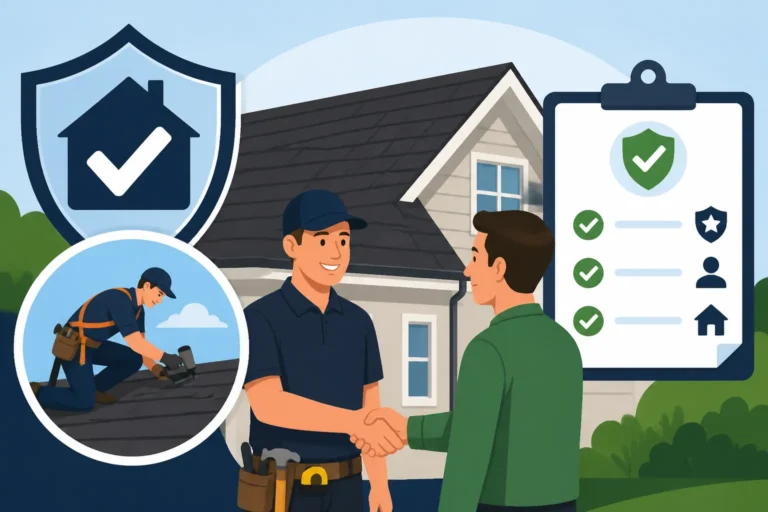
It’s never ideal to have to fight for what you believe you're owed, especially when it concerns something as vital as your roof. But by being informed, organized, and persistent, you significantly improve your chances of getting your roofing warranty honored and protecting your investment.
Disclaimer
Please note that the information provided in this article is intended for general guidance and informational purposes only, and does not constitute legal, financial, or professional roofing advice. Warranty terms, local building codes, and insurance policies can vary significantly. Always consult with a qualified roofing professional, legal expert, or insurance provider for advice tailored to your specific situation.