Insurance Claim Roofers: What to Know
Dealing with roof damage, especially after a nasty storm, is stressful enough. But then you have to navigate the confusing world of insurance claims, trying to figure out if your damage is covered and who you can trust to fix it. It feels like you're caught between a rock and a hard place, trying to get your home back in shape without getting ripped off or lost in paperwork. This comprehensive guide is here to demystify the process of working with roofers who specialize in insurance claims, ensuring you know exactly what to expect and how to protect yourself every step of the way.
Understanding the Role of an Insurance Claim Roofer
When your roof takes a hit, whether from a severe hail storm in Colorado or high winds whipping through the Carolinas, the first question often isn't "how much will it cost to fix?" but "will my insurance cover this?" That's where an insurance claim roofer comes into play. They aren't just experts in shingles and decking; they're also familiar with the insurance claims process, acting as a crucial bridge between you, your damaged roof, and your insurance provider.
More Than Just a Roofer
A regular roofing contractor is fantastic for planned replacements or minor repairs. They'll give you a quote, do the work, and send an invoice. An insurance claim roofer, however, brings an added layer of specialized knowledge to the table. They often have experience working with various insurance companies, understanding their procedures, terminology, and what documentation is needed to get a claim approved. They can help identify damage that might not be obvious to the untrained eye but is critical for your claim, like subtle hail impacts that weaken shingles over time. Think of them as a dual-threat professional: a roofing expert and a claims consultant rolled into one. They understand the nuances of things like how different types of damage, such as from wind or hail, are typically assessed and what specific evidence adjusters look for.
Why Their Expertise Matters for Your Claim
The insurance world speaks its own language, full of jargon like "actual cash value," "replacement cost value," and "depreciation." An insurance claim roofer can translate this for you, explaining what your policy likely covers and what it doesn't. They know the common pitfalls and delays in the claims process, helping you avoid them. For instance, they can advise you on how to document roof damage for insurance, making sure you capture all the necessary evidence before the adjuster even arrives. This might involve taking specific photos, marking damaged areas, or even temporarily tarping your roof to prevent further interior damage – all things that can significantly smooth out your claim experience. They're also often adept at working with insurance adjusters, speaking their language, and advocating on your behalf when there's a disagreement about the scope of work or the necessary repairs.
Navigating the Insurance Claim Process with a Roofer
The process of filing an insurance claim for roof damage can feel like a daunting maze. But when you have a qualified insurance claim roofer by your side, they can act as your guide, helping you understand each turn and jump over common hurdles. This partnership is all about ensuring your claim is handled efficiently and thoroughly, giving you the best chance for a fair payout.
Initial Inspection and Damage Assessment
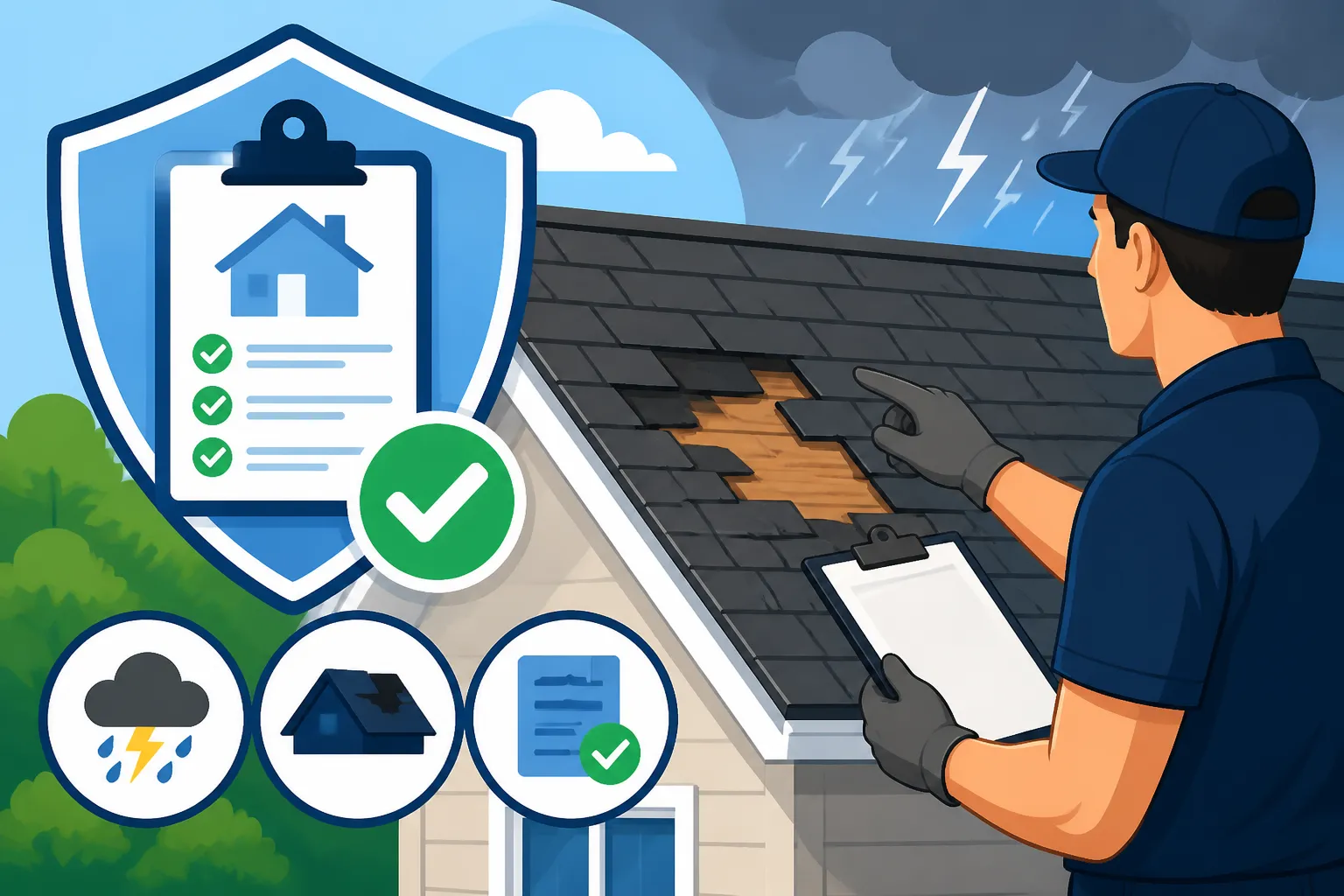
The very first step after discovering potential roof damage, whether it's after a major storm or just noticing some wear and tear, is to get a professional assessment. An insurance claim roofer will conduct a thorough inspection, often more detailed than what you might initially do yourself. They'll climb up there and look for all the signs of damage—missing shingles, cracked tiles, granule loss, and those often-missed hail dents that compromise the integrity of your asphalt shingles. They aren't just looking at the obvious; they're checking for less visible but equally critical issues like damage to flashing around chimneys or skylights, or signs of compromised underlayment.
Once they've completed their assessment, they'll provide you with a comprehensive report, usually including photos, diagrams, and a detailed list of damages. This report is crucial; it serves as your initial evidence when you contact your insurance company. This thorough documentation helps establish the full scope of the problem right from the start, minimizing the chances of overlooked damage and ensuring you get a complete picture of what needs to be fixed. For example, a roofer might identify subtle bruising on shingles from hail, which an untrained eye might miss, but is vital for a successful claim. This initial step is critical for building a strong case with your insurer, helping to ensure a fair assessment of your situation.
Meeting with the Adjuster
This is often where homeowners feel the most anxiety. The insurance adjuster is the person who ultimately decides what damage is covered and how much your insurance company will pay. Having your insurance claim roofer present during the adjuster's visit can be incredibly beneficial. Your roofer can point out the specific damages they identified, using their expertise to ensure nothing is missed or misinterpreted. They can speak the technical language of roofing and construction, providing clarity and context that might be lost if you were explaining things on your own.
For example, if an adjuster unfamiliar with the specifics of asphalt roofing might underestimate the extent of granule loss or the structural compromise caused by certain types of impact, your roofer can explain exactly why these issues necessitate repair or replacement. This collaborative approach often leads to a more accurate and comprehensive damage assessment, increasing the likelihood that your claim will cover the full cost of necessary repairs. It also minimizes the potential for disputes down the line, as both parties have a clear understanding of the damage. This interaction is key, and having an advocate who understands both roofing and the claims process can make all the difference in getting your claim approved fairly. You'll want to review your full Roofing Insurance Claim Process Step by Step to prepare adequately for this meeting.
Scope of Work and Negotiation
After the adjuster's visit, your insurance company will provide a summary of what they've approved, often called the "scope of loss." This document outlines the estimated costs for repairs or replacement based on their assessment. This is where your roofer's negotiation skills become invaluable. It's not uncommon for the insurance company's initial estimate to differ from your roofer's assessment of what's truly needed to restore your roof to proper condition and code compliance.
Your insurance claim roofer will meticulously compare their detailed damage assessment and proposed scope of work against the insurance company's document. If there are discrepancies – perhaps the insurer didn't account for necessary Roof Decking Replacement Cost, or underestimated the cost of a full roof tear-off and disposal versus a simple repair – your roofer can present a supplement claim. This involves providing additional documentation, explaining why the extra work or materials are necessary, and advocating for a higher payout. They understand that ensuring your roof is repaired or replaced correctly isn't just about aesthetics, but about the long-term protection of your home. This negotiation phase is critical, as it ensures your roof is fully restored to its pre-loss condition, rather than just patched up. Many homeowners find connecting with reputable local contractors through services like Modernize helps them find roofers skilled in these negotiations.
Key Qualities to Look for in an Insurance Claim Roofer
Choosing the right roofer is paramount, especially when an insurance claim is involved. You're not just looking for someone who can swing a hammer; you need a professional who understands the intricacies of both roofing and insurance. The right choice can save you a world of headaches and ensure your home is properly protected.
Experience with Insurance Claims and Adjusters
This might seem obvious, but it's worth emphasizing. Not all excellent roofers are experienced in insurance claims. Look for a contractor who explicitly advertises and demonstrates expertise in this area. Ask them about their track record with different insurance companies – do they primarily work with State Farm, Allstate, Farmers, or do they have broad experience? A roofer who regularly interacts with adjusters will understand their expectations, know what documentation is required, and be able to effectively communicate the scope of work needed.
They should be able to walk you through the entire process, from filing the initial claim to the final inspection. This specialized knowledge is crucial because it helps streamline communication, reduce misunderstandings, and ultimately leads to a smoother, faster, and more successful claim resolution. An experienced insurance claim roofer will be comfortable discussing line items, codes, and pricing with the adjuster, ensuring that nothing is overlooked or undervalued. They should also be able to explain complex terms like Actual Cash Value vs Replacement Cost Roof Claims in a way that makes sense to you.
Proper Licensing, Insurance, and Certification
This is non-negotiable for any roofing project, but especially when dealing with insurance work. A reputable roofer should be fully licensed to operate in your state and local municipality. This license ensures they meet specific industry standards and have passed necessary examinations. Beyond licensing, proper insurance is critical. They should carry both general liability insurance, which protects your property from damage caused by the contractors, and workers' compensation insurance, which covers their employees if they get injured on your job site. Without these, you could be held liable for accidents or damages.
Furthermore, look for roofers who are certified by major shingle manufacturers like GAF, Owens Corning, or CertainTeed. These certifications, such as a GAF Master Elite Contractor or Owens Corning Platinum Preferred, often come with enhanced warranty options and signify that the contractor has met stringent training and installation standards. This assures you that the work will be done to the highest quality, which is essential for maximizing the lifespan of your new asphalt roof. You can ask for proof of all these credentials and should always verify them. Make sure to read our guide on Licensed and Insured Roofers: Why It Matters.
Strong Communication and Transparency
When you're dealing with something as important as your roof and navigating an insurance claim, clear, consistent communication is paramount. A good insurance claim roofer will keep you informed every step of the way, from the initial inspection to the project completion. They should explain the damage, their proposed solutions, the estimated timeline, and all financial aspects in an easy-to-understand manner. You should never feel like you're in the dark or confused about what's happening.
They should also be transparent about costs, outlining what the insurance company is covering, what your deductible is, and any potential out-of-pocket expenses. They should be willing to provide a detailed, written contract that clearly states the scope of work, materials to be used, payment schedule, and warranty information. Be wary of any roofer who is vague, pushes you to sign quickly, or doesn't provide clear answers to your questions. A trustworthy contractor will prioritize building a relationship based on trust and clear communication, making you feel comfortable and informed throughout the entire process.
Potential Pitfalls and How to Avoid Them
The roofing industry, unfortunately, has its share of less-than-reputable players, especially after major storms. When insurance money is involved, the stakes are even higher. Knowing the common pitfalls can help you steer clear of scams and bad experiences, ensuring your roof replacement or repair is handled professionally and ethically.
Storm Chasers and Door-to-Door Sales
After a severe weather event, you might notice an influx of unfamiliar roofing companies canvassing neighborhoods, often going door-to-door. These are sometimes referred to as "storm chasers," and while not all are bad, many operate with questionable ethics. They might pressure you into signing contracts on the spot, promise to cover your deductible (which is often illegal), or use high-pressure sales tactics. They often swoop in from out of state, complete quick, shoddy work, and then vanish, leaving homeowners with no recourse if problems arise later.
To avoid this, always be wary of unsolicited offers. Don't feel pressured to make a decision immediately. Always research any company thoroughly, even if they claim to be local. Look for signs of an established local business, like a physical office address, a long-standing positive reputation, and local references. If someone knocks on your door, politely decline and seek out contractors yourself through trusted local sources or platforms like Modernize. Remember, a legitimate contractor will give you time to make an informed decision. For more information on identifying these businesses, review our guide on Storm Chaser Roofers: How to Spot Them.
"Waiving" Your Deductible: A Red Flag
One of the most common, and often illegal, tactics used by unethical roofers is offering to "waive" your deductible. Your insurance deductible is the amount you are responsible for paying out-of-pocket before your insurance coverage kicks in. Contractors who offer to cover this amount for you are essentially committing insurance fraud. They might inflate the cost of the repair to cover the deductible, or simply not do all the work promised to recoup their costs.
This practice can have serious repercussions for you, the homeowner, including potential legal trouble and your claim being denied if discovered by your insurance company. Always remember that your deductible is a contractual obligation with your insurer. A reputable roofer will always expect you to pay your deductible and will provide clear invoicing to reflect this. If a roofer offers to cover your deductible, consider it a massive red flag and walk away immediately. It's a clear indication that they are willing to engage in fraudulent practices, and you don't want to be associated with that.
Unclear Contracts and Hidden Costs
A vague or incomplete contract is a recipe for disaster. Before any work begins, you must have a clear, detailed, and written contract that outlines every aspect of the project. This includes the exact scope of work, the type and brand of materials to be used (e.g., GAF Timberline HDZ shingles), the total cost, a payment schedule, cleanup procedures, and warranty information. Any verbal promises should also be included in writing.
Watch out for contracts with vague language, open-ended clauses, or missing details. Ensure it specifies who is responsible for pulling permits (it should be the contractor!), who handles debris disposal, and what happens if additional damage is found during the tear-off. Hidden costs can quickly inflate your bill, so make sure everything is itemized. For example, the Cost of Roof Tear-Off and Disposal should be clearly separated from the cost of new materials and labor. If anything seems unclear, ask for clarification and don't sign until you are completely satisfied and understand every clause. A trustworthy roofer will be transparent and happy to explain every detail of the agreement.
The Financial Side: Payments and Deductibles
Understanding how money changes hands during an insurance claim roofing project is vital. It’s not always as straightforward as paying for a new car; there are specific protocols and considerations unique to insurance payouts. Getting a clear handle on these financial aspects will help you budget, avoid surprises, and protect your investment.
How Insurance Payments Work
When your insurance claim is approved, the payout typically comes in two installments. The first payment, known as the Actual Cash Value (ACV) check, is usually sent shortly after the claim is approved. This amount reflects the depreciated value of your damaged roof, meaning it accounts for its age and wear and tear. This check is often made out to both you and your mortgage company if you have one, requiring an endorsement from both parties before it can be cashed.
Once the roofing work is completed and inspected, your roofer will notify the insurance company. At this point, you can submit documentation (like the final invoice and a certificate of completion) to claim the second part of your payout, the Recoverable Depreciation. This is the amount that was initially held back by the insurer to account for depreciation. Once your roof is actually replaced, the insurance company will release these funds, bringing your total reimbursement closer to the full Replacement Cost Value (RCV) of the new roof. It’s a process designed to ensure that the work is actually done before the full payment is released. Familiarizing yourself with Roof Replacement Payment Plans can also help you manage this two-stage payment process.
Managing Your Deductible and Payment Schedule
Your deductible is your out-of-pocket responsibility – the first portion of the repair cost that you must pay. This amount is typically paid directly to your chosen roofing contractor. It’s crucial to understand that reputable roofers will always require you to pay this deductible. As mentioned, any offer to "waive" or "absorb" your deductible should be seen as a huge warning sign, as it constitutes insurance fraud.
Beyond the deductible, discuss a clear payment schedule with your roofer. A common arrangement is an initial deposit (often covering material costs), followed by progress payments as certain milestones are met, and a final payment upon satisfactory completion of the project. Avoid paying the entire amount upfront, especially if the contractor is new to you or lacks substantial local references. A small upfront deposit, usually 10-30% for materials, is standard, but beyond that, link payments to actual work completed. This phased approach protects both you and the contractor, ensuring work progresses as agreed upon before large sums of money are transferred. Always ensure that the payment schedule is clearly documented in your contract before you sign anything. Knowing Roofing Deposit: How Much Is Normal can help set your expectations.
| Aspect | Standard Roofer | Insurance Claim Roofer |
|---|---|---|
| Primary Focus | Installation & Repair | Installation, Repair & Claims Management |
| Claims Expertise | Limited to none | Deep understanding of insurance processes & jargon |
| Adjuster Meetings | Might attend if requested | Often attends, acts as homeowner advocate |
| Damage Assessment | Focuses on visible damage for quote | Thoroughly documents all damage for insurance filing |
| Scope Negotiation | Quotes their price based on their assessment | Negotiates with insurer based on their assessment & codes |
| Payment Handling | Direct invoicing to homeowner | Guides homeowner through insurance payout process |
| Fraud Awareness | General knowledge | Highly aware of claim fraud (e.g., deductible waivers) |
| Documentation | Basic estimates & invoices | Detailed reports, photos, supplement requests |
Post-Installation: Warranties and Follow-Up
Getting a new roof installed after an insurance claim isn't the final step. It's crucial to understand what protections you have in place after the crew leaves, particularly concerning warranties and any necessary follow-up. This ensures that your investment is safeguarded for years to come.
Manufacturer and Workmanship Warranties
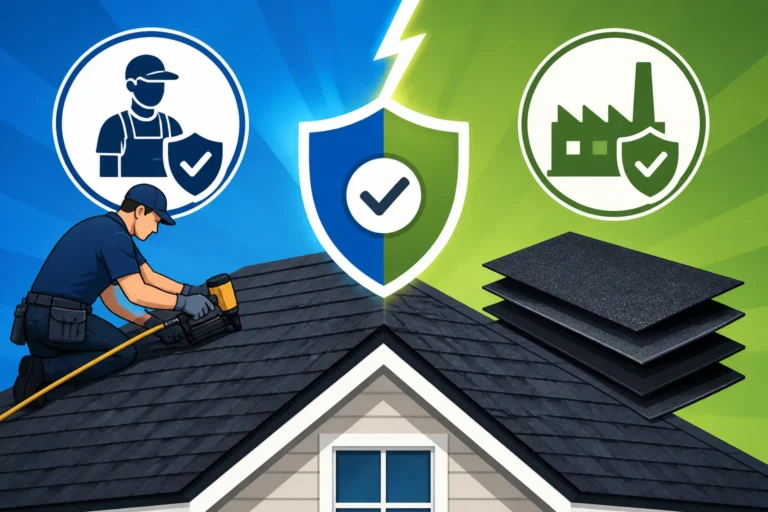
When your new asphalt roof is installed, you'll typically receive two types of warranties: a manufacturer's warranty and a workmanship warranty. The manufacturer's warranty covers the materials themselves – the shingles, underlayment, and other components – against defects in manufacturing. These can vary significantly by brand (e.g., GAF, Owens Corning, CertainTeed) and shingle type, often ranging from 25 years for 3-tab shingles to 50 years or even a lifetime for architectural shingles. It's crucial to understand what voids a shingle warranty, such as improper installation. Many top-tier manufacturers offer enhanced warranties when a complete roofing system (shingles, underlayment, ventilation, etc.) is installed by a certified contractor. For example, GAF's Golden Pledge Warranty offers a 50-year non-prorated material warranty and a 25-year workmanship warranty when installed by a Master Elite Contractor.
The workmanship warranty, on the other hand, covers the quality of the installation itself. This is provided by your roofing contractor and guarantees that their work will be free from defects, such as improper nailing, flashing errors, or issues caused by poor installation. The length of a workmanship warranty can vary widely, from a standard one-year to longer periods (5, 10, or even 25 years) from highly reputable companies or those with manufacturer certifications. Always get both warranties in writing and understand their terms, conditions, and how to file a claim if an issue arises. Make sure to register your manufacturer warranty, as often they require this for full coverage. Our Roofing Warranty: Workmanship vs Manufacturer guide can provide more details.
What to Do If Problems Arise After Installation
Even with the best contractors and materials, sometimes issues can pop up after a roof installation. Perhaps a shingle lifts in a high wind, or you notice a small leak during a heavy downpour. It's essential to know the proper steps to take. First, don't try to fix it yourself if the issue is covered by a warranty, as this could inadvertently void your coverage. Instead, contact your roofing contractor immediately. Provide them with details about the problem, including photos if possible, and refer to your workmanship warranty.
A reputable contractor will respond promptly and schedule an inspection to assess the issue. If it's a defect covered by their workmanship warranty, they should repair it at no additional cost. If the problem is determined to be a material defect, your contractor can help facilitate a claim with the shingle manufacturer under their warranty. Keep all communication with your contractor and any warranty documents organized. This proactive approach ensures that any post-installation problems are addressed quickly and efficiently, protecting your investment and maintaining the integrity of your new roof. If your roofer isn't responsive, you may need to escalate, but starting with clear communication is key.
Disclaimer
This article is for general informational purposes only and does not constitute professional advice. Laws, prices and regulations vary by location and change over time. Consult a qualified professional for guidance on your specific situation.