Roofing Contractor vs Handyman for Repairs
When a problem pops up with your roof, it can feel like a punch to the gut. That sudden drip, the missing shingle after a storm, or just the creeping anxiety of an aging roof – it immediately brings up the frantic question: who do I call? Do I need a full-blown roofing contractor, or can my trusted local handyman handle this? It’s a common dilemma that leaves many homeowners feeling overwhelmed and unsure, worried about making the wrong, costly decision. This guide is here to untangle that confusion, helping you understand precisely when to lean on a specialized roofing contractor and when a skilled handyman might be just what you need for your asphalt roof repairs.
Understanding Your Roofing Repair Needs
Before you even think about picking up the phone, the most crucial step is to accurately assess the nature and severity of your roof damage. Many homeowners jump to conclusions, either underestimating the problem or panicking over what might be a simple fix. Taking a moment to understand the scope will save you time, money, and potential headaches down the line. It's about being informed, not just reactive.
Minor Dings vs. Major Damage
Let's be real, not all roof problems are created equal. A small, isolated issue is a world away from widespread deterioration. Think about the difference between a minor scratch on your car door and a crumpled fender – both need attention, but the expertise and cost involved are vastly different. For your roof, this could mean a single blown-off shingle versus widespread granule loss, significant cracking, or a persistent leak that has defied previous patch-up attempts.
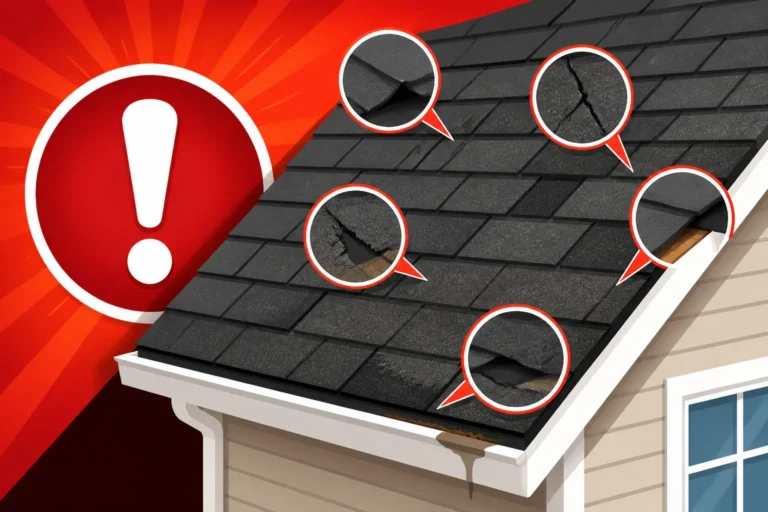
A "minor ding" might involve replacing a handful of missing shingles after a mild windstorm, sealing a small nail pop that's caused a tiny drip, or addressing a bit of loose flashing around a vent pipe. These are often superficial issues that haven't compromised the overall integrity of the roof system. On the other hand, "major damage" implies deeper issues, perhaps affecting the underlying roof decking, multiple layers of shingles, or compromising the structural components of your roof. This could be extensive hail damage that has peppered your entire roof with divots, widespread curling and cracking indicating the shingles are beyond their lifespan, or a persistent leak causing significant water damage in your attic.
The Importance of a Thorough Assessment
You can't make an informed decision without truly understanding what you're dealing with. Just glancing up from the ground often isn't enough, and frankly, it can be dangerous to climb onto a compromised roof yourself. This is where a professional assessment comes into play. A good assessment isn't just about identifying the visible problem; it’s about understanding its root cause and potential ramifications.
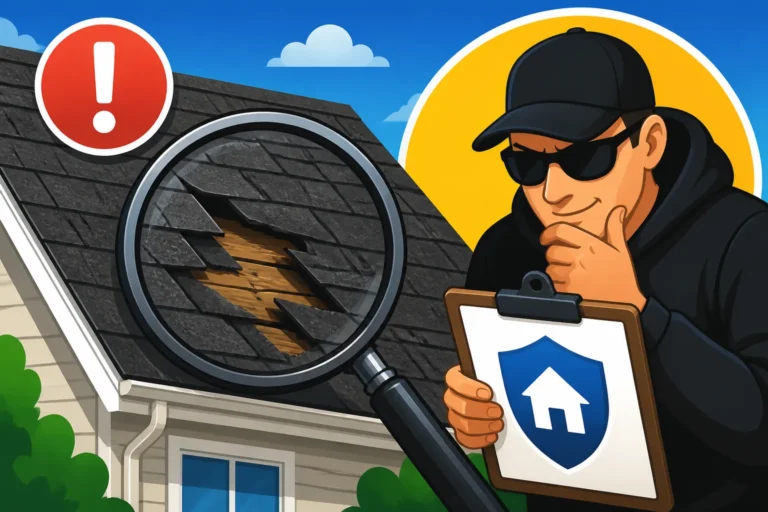
A thorough roof inspection by a knowledgeable professional involves checking everything from the integrity of the shingles to the flashing around chimneys and vents, the condition of the gutters, and the state of your attic ventilation. They'll look for signs of granule loss, blistering, cracking, and even less obvious issues like rot on the fascia boards or improper sealing that could lead to future leaks. Often, what appears to be a small leak in one spot might actually originate much higher up the roof or be a symptom of a larger underlying issue. Without this detailed examination, you're essentially guessing, which can lead to ineffective repairs or overlooked problems that will only worsen over time.
When to Question the Repair Scope
It’s natural to want the quickest, cheapest fix, but sometimes that's a false economy. If a professional comes out and tells you your "minor ding" is actually a symptom of a larger problem, or that a repair isn't truly feasible for a roof nearing the end of its life, it’s worth paying attention. For instance, if your roof is already 20 years old and showing signs of significant wear, fixing a few shingles might just be a band-aid on a much bigger issue. You might be better served considering a full Cost to Replace vs Repair an Old Roof.
Be wary of anyone who immediately pushes for a full replacement without properly inspecting the repair potential, or conversely, someone who promises a cheap repair for what looks like extensive, systemic damage. Understanding the lifespan of your asphalt roof and what constitutes Signs You Need a New Roof is key here. If the proposed repair seems too good to be true, or if it doesn't align with what you've observed or read about common roofing issues, don't hesitate to get a second opinion. A reputable pro will always explain their findings clearly and discuss all your viable options.
The Specialized Advantage of a Roofing Contractor
When your roof needs serious attention, a specialized roofing contractor is often the best choice. These aren't just general handymen with a ladder; they are professionals whose entire business revolves around roofs. They bring a level of expertise, equipment, and accountability that a generalist simply cannot match, especially for the complex nature of asphalt roofing systems.
Expertise and Specialization
A dedicated roofing contractor lives and breathes roofs. They understand the nuances of different shingle types, from 3-tab to architectural, and how they interact with underlayment, flashing, and ventilation systems. They're intimately familiar with local building codes, manufacturer specifications, and the best practices for installation and repair that ensure longevity and performance. When you hire a specialist, you're not just getting a pair of hands; you're getting years of focused experience and training.
For example, correctly installing ice and water shield, managing complex roof valleys, or addressing issues around chimneys and skylights requires a deep understanding of water diversion techniques and material compatibility. A contractor will know the specific nailing patterns required for high-wind areas or the optimal placement for Ridge Vent vs Box Vent vs Turbine to ensure proper attic ventilation. They understand that a small mistake in one area, like improper flashing installation, can lead to a catastrophic leak down the line. This specialization means they can diagnose problems more accurately and implement solutions that are both effective and durable.
Licensing, Insurance, and Warranties
This is where the rubber meets the road when it comes to peace of mind. A legitimate roofing contractor will be licensed, bonded, and fully insured. These aren't just fancy words; they are critical safeguards for you, the homeowner. Licensing ensures they meet minimum competency standards set by the state or municipality, while bonding provides financial protection in case they fail to complete a job or pay their suppliers. More importantly, comprehensive insurance – including general liability and worker's compensation – protects you from financial responsibility if an accident occurs on your property or if their work causes damage. For more on this, check out Licensed and Insured Roofers: Why It Matters.
Beyond immediate protection, a contractor will typically offer both workmanship warranties and can facilitate manufacturer warranties on the materials they install. This means if there's an issue with the installation down the road, you have a clear path to recourse. Many shingle manufacturers like GAF, Owens Corning, and CertainTeed offer enhanced warranties only when their products are installed by their certified contractors. This provides a significant layer of long-term protection that you simply won't get from an uninsured handyman. Understanding Roofing Warranty: Workmanship vs Manufacturer is crucial for appreciating this benefit.
Comprehensive Project Management
Replacing a significant portion of a roof or undertaking a complex repair isn't just about nailing shingles. It's a full-blown construction project that requires careful planning, coordination, and execution. A roofing contractor excels at this comprehensive project management. They handle everything from obtaining necessary permits (a critical step you don't want to overlook) to scheduling material deliveries, managing their crew, and ensuring proper cleanup.
They'll provide a detailed contract outlining the scope of work, materials, timeline, and payment schedule, giving you a clear understanding of the entire process. They also often have the heavy equipment necessary for safe and efficient work, such as specialized lifts for materials and debris chutes for tear-offs. This level of organization minimizes disruption to your daily life and ensures the project moves smoothly from start to finish. Without this structured approach, a significant roofing project can quickly spiral into a chaotic, drawn-out nightmare for an unprepared homeowner.
When a Handyman Might Be a Viable Option
While roofing contractors are the go-to for major work, there are definitely situations where a local handyman can be a perfectly viable and cost-effective choice. It’s all about matching the skill set to the task at hand, and for certain minor issues, a handyman's versatility can be a real asset.
Small, Non-Structural Fixes
For truly isolated and straightforward issues that don't involve the underlying structure or an entire roofing system, a handyman can often provide a quick and affordable solution. Think of tasks like replacing one or two missing shingles, sealing a small leak around a loose nail, or reattaching a piece of loose flashing that has simply come undone rather than deteriorated. These are problems that don't require specialized roofing tools or extensive knowledge of roofing mechanics beyond basic repair techniques.
For example, if a tree branch scraped your roof and knocked off a single shingle, a handyman with general construction experience can typically replace it without issue, provided they can match the shingle style and color. Similarly, if you notice a small drip coming from an exposed nail head in your attic, a handyman can usually seal it up quickly. These are often superficial repairs that don't demand the deep expertise required for preventing systemic failures or adhering to complex manufacturer warranty requirements.
Budget-Friendly Considerations
Let’s face it, money is often a major factor in home repairs. Hiring a handyman for small tasks is almost always more budget-friendly than bringing in a full-service roofing contractor. Contractors have higher overheads – specialized equipment, insurance premiums, larger crews, and often a higher hourly rate reflecting their niche expertise. For something truly minor, paying a contractor's minimum service fee might feel excessive when a handyman can do the job for less.
If you're on a tight budget and the repair is genuinely simple, a handyman can offer a cost-effective alternative. They often operate with lower overheads, which translates to more competitive hourly rates or project quotes for small jobs. This can be particularly appealing for homeowners who just need a quick patch-up to tide them over until a larger project can be budgeted for, or for very isolated issues that pose no risk to the roof's overall integrity. However, it’s crucial to weigh this immediate saving against potential long-term risks if the repair isn't done correctly.
Limitations and Risks
Here’s the rub: while handymen are versatile, they typically lack the specialized training, equipment, and insurance specific to roofing. They might be great at general carpentry, painting, or even minor plumbing, but roofing is a specialized trade with unique safety considerations and technical requirements. A handyman might not have the correct safety harnesses, specialized tools for shingle removal and installation, or the knowledge of proper underlayment application or complex flashing details.
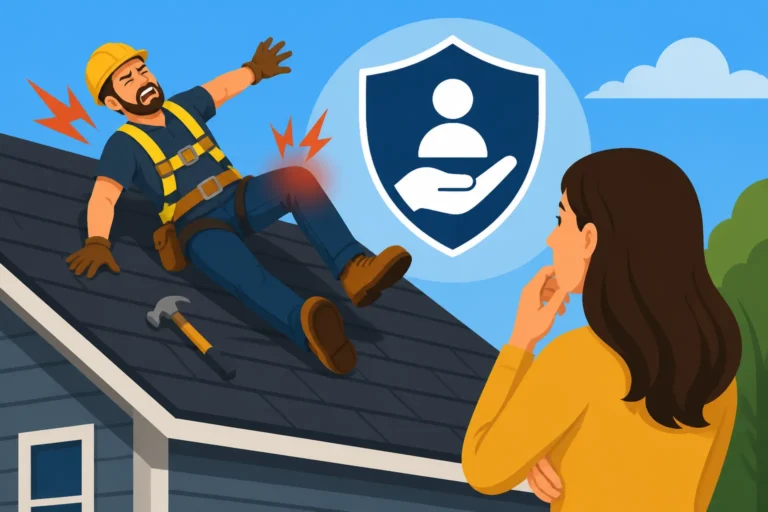
The biggest risk is that a handyman, while well-intentioned, might misdiagnose the problem or perform a repair that doesn't fully solve the issue, potentially leading to bigger, more expensive problems down the road. For instance, they might patch a leak, but if the underlying cause was rotted decking or compromised flashing, the leak will likely reappear. Furthermore, if they get injured on your property and don't carry their own worker's compensation insurance, you could be held liable. If their work causes further damage to your home, and they only have basic liability insurance (or none at all), you might be left footing the bill. This is a significant consideration, especially if you're looking for long-term reliability.
Key Differences in Approach and Outcome
Understanding the core differences in how roofing contractors and handymen approach a job, and what the typical outcome might be, is crucial for your decision-making. It’s not just about who can physically do the work, but who can do it right, safely, and with lasting results.
Tools, Equipment, and Safety Protocols
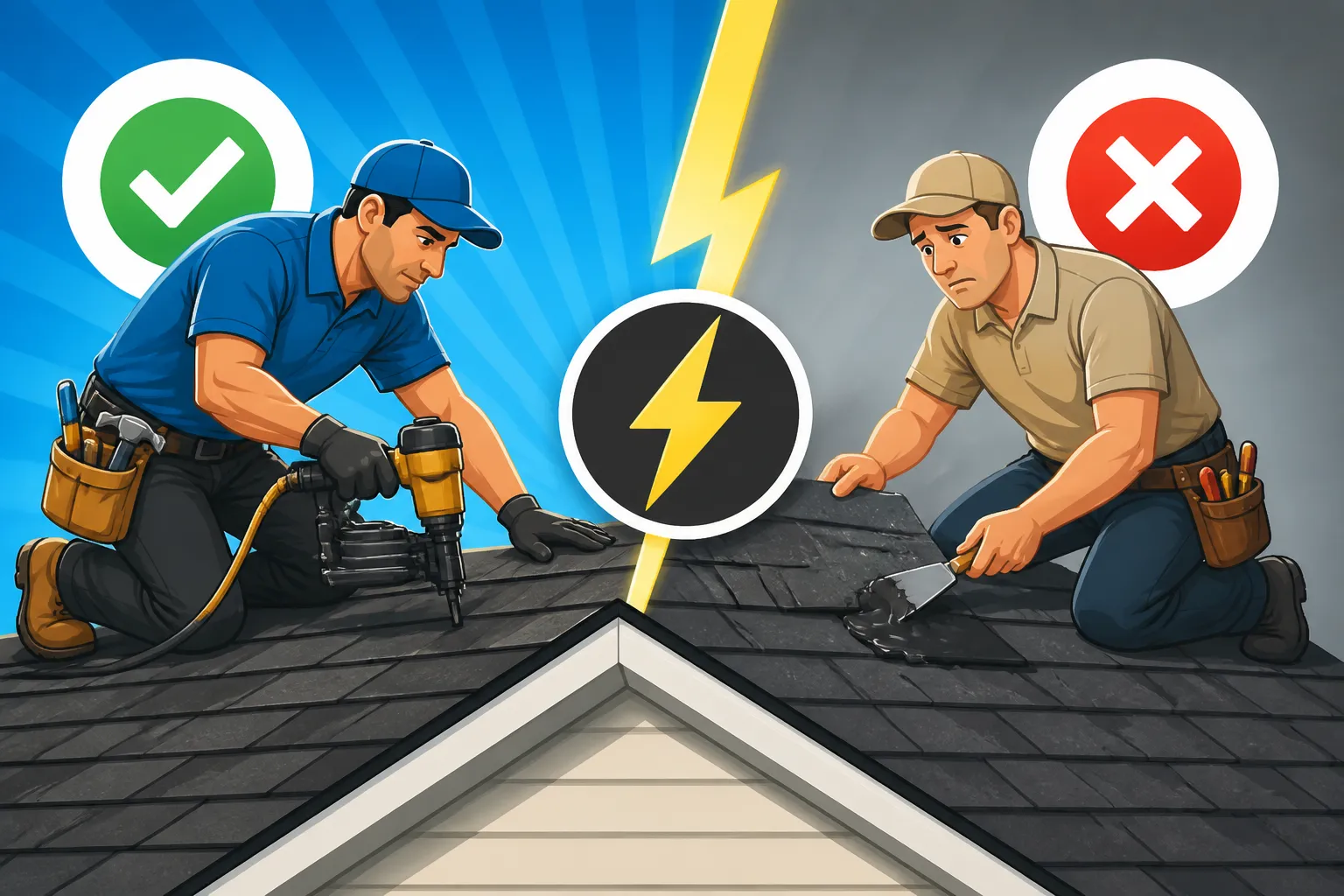
When you see a professional roofing crew at work, you'll notice a significant array of specialized tools and equipment. This isn't just for show; it's essential for efficiency, quality, and safety. Roofing contractors invest in heavy-duty air compressors and nail guns calibrated for specific shingle types, specialized shingle removers, safety harnesses, roof jacks, and advanced scaffolding. They also use industrial-grade magnets to meticulously clean up nails and debris after a tear-off, minimizing the risk of punctures to tires or feet.
Crucially, professional roofers adhere to strict safety protocols. They understand OSHA regulations, implement fall protection measures, and conduct regular safety briefings. Roofing is inherently dangerous work, and proper training and equipment significantly reduce the risk of accidents. A handyman, while potentially skilled in other areas, typically won't have this specialized equipment or the extensive safety training. They might rely on basic ladders, hand tools, and a less rigorous approach to safety, which can put them and your property at greater risk. For a job like a full roof replacement, or even a large repair on a steep roof, this difference in equipment and safety is paramount.
Material Knowledge and Sourcing
Modern asphalt roofing systems are more complex than ever, with various layers and components designed to work together to protect your home. A professional roofing contractor possesses in-depth knowledge of these materials, their specific applications, and how they contribute to the overall roof system. They know the differences between various grades of asphalt shingles, the importance of synthetic underlayment versus traditional felt, and the nuances of different types of flashing materials. They'll advise on Impact-Resistant Shingle Cost or Cool-Roof Shingle Cost if those are considerations for your climate and budget.
Contractors also have established relationships with suppliers, allowing them to source high-quality materials at competitive prices and ensuring consistency. They understand manufacturer specifications and warranties, ensuring that the chosen materials are compatible and installed in a way that preserves your warranty. A handyman, on the other hand, might purchase materials from a local hardware store, which may not always offer the same commercial-grade products or the expert advice on optimal material choices for a specific roof system. This can lead to using suboptimal materials or a patchwork of components that don't integrate properly, potentially compromising the roof's performance and longevity.
Long-Term Reliability and Accountability
Perhaps the most significant difference lies in long-term reliability and accountability. A reputable roofing contractor builds their business on client satisfaction and referrals. They are typically a well-established entity with a physical address, a strong online presence, and a track record of completed projects. If an issue arises months or even years after their work, you know who to call, and they are motivated to honor their warranties and maintain their reputation. This means they stand behind their work. Many homeowners use platforms like Modernize to find and vet contractors, ensuring they connect with reliable professionals.
A handyman, while often reliable for small, immediate fixes, might be a more transient entity. They may not have the same formal structure, extensive insurance, or long-term commitment to a single trade. If a repair fails or a problem emerges later, tracking them down for accountability can be challenging. Without a formal contract, explicit warranties, and robust business infrastructure, you might find yourself with no recourse if the work proves substandard. This difference in accountability can translate to significantly different levels of peace of mind for you, the homeowner.
Comparing Costs and Value for Money
Cost is almost always a driving factor when it comes to home repairs. It's tempting to opt for the cheapest solution, but with roofing, a lower upfront cost doesn't always translate to better value in the long run. Understanding how contractors and handymen price their services, and what you’re truly paying for, is essential for making a wise financial decision.
Breaking Down Contractor Pricing
Professional roofing contractors typically provide a detailed estimate that breaks down the costs involved. This usually includes labor, materials, waste disposal, permits, and a contingency for unforeseen issues. Their pricing reflects their specialized skills, extensive insurance, warranties, and the overhead associated with running a professional business. For instance, the Roofing Material Cost vs Labor Cost varies, and a good contractor will itemize this. They often base their pricing on "squares" (a roofing square is 100 square feet), factoring in the complexity of your roof's pitch, valleys, and dormers.
While their initial quotes might seem higher than a handyman's, you're paying for certified expertise, quality materials, comprehensive insurance, project management, and a warranty that provides long-term protection. For a significant repair or a full replacement, comparing How to Read and Compare Roofing Estimates from multiple contractors is crucial. They might use specific brands like GAF or Owens Corning, and their expertise with these systems will be reflected in their pricing. Remember, a higher price often correlates with a higher quality of materials and workmanship, which can prevent costly callbacks or premature roof failure.
Understanding Handyman Rates
Handymen often charge by the hour or provide a flat rate for smaller, simpler jobs. Their rates tend to be lower because they typically have less overhead; they don't have large crews, specialized equipment to maintain, or the same level of insurance or bonding requirements as a dedicated roofing company. For a small task like replacing a few shingles, their cost can be significantly less than a contractor's minimum service call. You might pay a handyman a few hundred dollars to replace five shingles, whereas a contractor might charge double or triple that as their minimum project fee.
However, with handyman rates, what you see isn't always what you get in terms of long-term value. While the immediate cost is lower, you might be foregoing critical elements like comprehensive insurance, specialized tools that ensure a perfect installation, and a robust warranty. If the repair isn't done correctly or if an underlying issue is missed, you could end up paying more in the long run to have a contractor fix the handyman's work, plus the cost of any damage caused by a failed repair.
The Hidden Costs of the Cheapest Option
Choosing the cheapest option, while tempting, can often lead to hidden costs that far outweigh the initial savings. For roofing, these hidden costs can manifest in several ways:
- Substandard Workmanship: A poorly executed repair, such as improper shingle nailing or flashing installation, can lead to leaks, premature material failure, and eventually more extensive and costly damage to your roof deck, attic, and interior ceilings.
- Lack of Warranty: Without a workmanship warranty from a licensed contractor, you have no recourse if the repair fails. You'll have to pay for the repair again, out of pocket.
- Unforeseen Damage: If the handyman causes damage to your property during the repair (e.g., puncturing a gutter, breaking a window), and they lack adequate insurance, you're on the hook for the repairs.
- Injury Liability: As mentioned, if an uninsured handyman is injured on your property, you could face legal and financial repercussions.
- Code Violations: An inexperienced person might unknowingly perform work that doesn't meet local building codes, which can cause issues during a home inspection if you ever sell your property.
- Devaluing Your Home: A shoddy roof repair can be a red flag for potential buyers and home inspectors, potentially reducing your home's value or complicating a sale.
Ultimately, while a handyman might save you a few dollars upfront on a very minor repair, for anything beyond the most superficial fixes, the long-term value and peace of mind offered by a professional roofing contractor are usually worth the investment. For comprehensive coverage and peace of mind, especially on larger issues, you'll want to review How to Get a Lower Roofing Quote from certified pros.
Making the Informed Decision for Your Home
Navigating roof repair options can feel like a minefield, but by asking the right questions, trusting your instincts, and prioritizing long-term quality, you can make a decision that protects your home and your wallet. It’s about being a savvy homeowner.
Asking the Right Questions
When you're trying to decide between a contractor and a handyman, the questions you ask are paramount. Don’t be shy; this is your home, your investment. For any professional you consider, start by asking about their experience with this specific type of repair on your type of roof. A general handyman might say they can fix anything, but a roofing contractor can detail their experience with asphalt shingles, proper flashing techniques, and local climate challenges.
Here’s a quick checklist of questions:
- For Contractors:
- Are you licensed, bonded, and insured? Can you provide proof of each? (This is non-negotiable!)
- How long have you been in business?
- Do you specialize in asphalt roofing?
- Can you provide references from recent roofing projects?
- What kind of warranty do you offer on your workmanship and the materials?
- Will you obtain all necessary permits?
- What is your typical payment schedule? Avoid anyone asking for full payment upfront. Roofing Deposit: How Much Is Normal can help here.
- What is the process for cleanup?
- Can you explain the full scope of work and materials in detail?
- Are you a manufacturer-certified installer (e.g., GAF Master Elite, Owens Corning Platinum Preferred)? This impacts your warranty coverage.
- For Handymen (for minor repairs):
- What is your experience with roofing repairs, specifically?
- Do you carry liability insurance? (Crucial for property damage protection!)
- Can you provide a detailed estimate for the specific repair?
- What materials will you use?
- How will you ensure safety while on my roof?
- What happens if the repair doesn't hold up?
Using resources like Modernize can help you streamline the process of finding and vetting contractors by connecting you with prescreened local professionals who can answer these questions.
Trusting Your Gut and Getting Multiple Opinions
Even with all the right questions, sometimes a situation just doesn't feel right. Listen to that intuition. If a contractor or handyman is pressuring you to sign a contract immediately, offers a deal that seems too good to be true, or refuses to provide proof of insurance, these are all Roofing Contractor Red Flags to Avoid. A trustworthy professional will be transparent, patient, and willing to answer all your questions without making you feel rushed.
Always get at least three estimates, especially for significant repairs or replacements. This isn't just about comparing prices; it's about comparing proposed solutions, communication styles, and professionalism. One contractor might suggest a repair, another a partial replacement, and a third a full replacement. Hearing different perspectives can help you understand the full range of options and make the most informed choice. Getting How to Get Multiple Roofing Estimates Fast allows you to compare their expertise, proposed solutions, and pricing. Pay attention to how thoroughly they inspect your roof and attic, and how clearly they explain their findings.
Prioritizing Longevity Over Short-Term Savings
Ultimately, your roof is your home's primary protector against the elements. It’s not an area where you want to cut corners if there's any doubt about the long-term effectiveness of a repair. While a handyman might be great for patching a small, superficial issue, for anything that could compromise the integrity of your entire roof system, a specialized roofing contractor is almost always the superior choice.
Think of it as an investment. Spending a bit more upfront for a professional, warrantied repair or replacement can save you thousands of dollars in future repairs, interior damage, and the stress of dealing with persistent leaks. A well-installed and properly maintained asphalt roof by a reputable contractor will protect your home for decades, enhancing its value and providing invaluable peace of mind. Prioritizing quality and longevity means you're not just fixing a problem; you're securing your home's future.
Disclaimer
Please remember that this article provides general information and guidance. Roofing conditions and local regulations can vary significantly. Always consult with qualified, local roofing professionals and your insurance provider to discuss your specific needs and obtain personalized advice before making any decisions regarding your roof repair or replacement.