How to Get a Lower Roofing Quote
It can feel incredibly overwhelming when you're faced with a roofing quote that makes your jaw drop. You’re left wondering if you’re being taken for a ride, or if that truly is the going rate for a new roof. It’s a common frustration, and one that many homeowners share. This guide is here to demystify the process and equip you with the knowledge and strategies you need to approach roofers confidently and secure a more budget-friendly quote without sacrificing quality.
Understanding What Drives Roofing Quote Costs
Before you can even think about getting a lower roofing quote, it's crucial to understand what factors make those numbers fluctuate wildly. It’s not just about the shingles themselves; there's a whole ecosystem of costs involved that many homeowners don't realize.
The Hidden Costs and Variables in a Roofing Estimate
When you receive a roofing estimate, it's easy to focus solely on the "total" at the bottom. However, a truly comprehensive quote breaks down various line items, and understanding these can reveal opportunities for savings or explain why one quote is higher than another. The most apparent cost is, of course, the materials. This includes your chosen asphalt shingles, but also the underlayment, starter strips, hip and ridge caps, and flashing. Are you getting basic 3-tab shingles, or are you opting for architectural shingles with a longer lifespan and better curb appeal? The choice here alone can significantly impact the overall cost. You might find it useful to check out our detailed guide on the various factors that influence the overall cost of a roof replacement by reading about what drives asphalt roofing costs up or down.
Beyond materials, labor is a huge component, and it's not just the hours spent hammering. It includes the skilled crew, project management, safety equipment, and general overhead. Then there are the "hidden" costs, which aren't necessarily hidden to the contractor but often are to the homeowner. Things like the cost of roof tear-off and disposal of old materials, any necessary roof decking replacement cost if rotten wood is found, and the expense of permits and inspections are all part of the equation. If your roof has multiple layers of old shingles, the tear-off process becomes more intensive and costly. Sometimes, contractors will include contingencies for unforeseen issues, which can inflate a quote, though it's often a smart move for them to do so. You want to avoid surprises, and understanding these potential "hidden costs in a roof replacement" upfront is vital for an accurate budget.
Regional and Local Market Influences
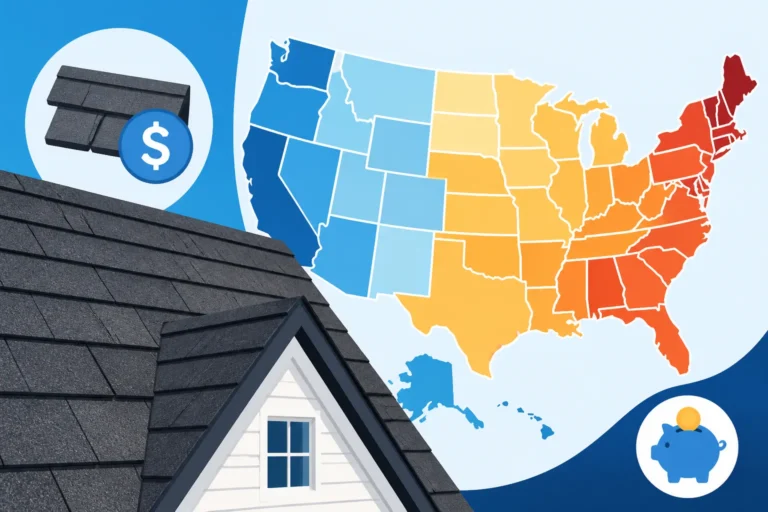
It's a fact of life that where you live plays a huge role in the cost of just about everything, and roofing is no exception. Labor rates, material availability, and even local building codes can cause significant price differences from one city or state to another. For instance, a roofing project in a high-cost-of-living area like Southern California will naturally be more expensive than a similar project in a more rural area of Ohio. This isn't just about the hourly wage for roofers; it also extends to the cost of doing business, including insurance, fuel for transportation, and even the cost of land for their office and yard.
Beyond general economic factors, local weather patterns and regulations can also drive costs. Homeowners in coastal Florida, for example, might face stricter building codes requiring higher wind-resistant shingles and specialized nailing patterns, which add to both material and labor costs. Conversely, areas prone to hail might see higher prices for impact-resistant shingles. These regional nuances mean that a quote you get in Dallas, Texas, might not be comparable to one in Atlanta, Georgia. This is why comparing quotes from local contractors who understand these specific conditions is crucial.
Smart Strategies Before You Get Quotes
Getting a lower roofing quote isn't just about negotiation; it starts long before you ever pick up the phone to call a contractor. Preparing yourself and your project properly can put you in a much stronger position.
Getting Your Roof "Quote Ready" with Information
One of the best ways to ensure you get accurate and competitive bids is to be as informed as possible about your own roof. Think of it like this: if you can speak your roofer's language, even just a little, you're less likely to be swayed by confusing jargon or unnecessary recommendations. Start by understanding your current roof. How old is it? Do you know what type of shingles you currently have (e.g., 3-tab, architectural)? Have you had any recent repairs or issues like leaks or significant granule loss? Knowing the approximate age of your roof can help you determine if it's truly nearing the end of its lifespan or if a repair might still be a viable option.
Take some time to look for visible signs of damage from the ground. Are there obvious missing shingles, curling or buckling, or dark streaks that could indicate algae growth? While you should never climb onto your roof yourself unless you're a trained professional, a good pair of binoculars can give you a decent overview. The more information you can provide to a prospective contractor, the more accurate their initial assessment and quote will be. This also signals to them that you're a diligent homeowner, which can implicitly encourage them to be more transparent and competitive. Consider what kind of roof you want as well. Do you want to stick with basic shingles, or are you dreaming of the more durable and aesthetically pleasing architectural shingles? Having a clear idea of your preferences helps contractors tailor their quotes directly to your needs, rather than making assumptions.
The Power of Multiple Bids and How to Compare Them
This might be the single most important piece of advice for securing a lower roofing quote: never, ever settle for just one estimate. Seriously, it's like buying a car without test-driving any others. You're leaving money on the table and missing out on understanding the market. Aim to get at least three, and ideally five, detailed quotes from different reputable roofing contractors in your area. This allows you to compare not only the bottom-line price but also the scope of work, materials proposed, and warranties offered. Services like Modernize can be incredibly helpful here, as they connect you with pre-screened local professionals, making the process of gathering multiple bids much simpler and more efficient. For a deeper dive into this, you might find our guide on how to get multiple roofing estimates fast incredibly useful.
When you do get your quotes, don't just stack them up and pick the cheapest. That's a common mistake that can lead to headaches down the road. Instead, lay them out side-by-side and truly compare the details. Does one contractor specify a higher quality underlayment or include ice and water shield in areas where another doesn't? Are they all quoting the same brand of shingles, like GAF, Owens Corning, or CertainTeed, or are there variations? Pay close attention to the warranty details—both the manufacturer's warranty on the shingles and the contractor's warranty on their workmanship. A significantly lower bid might indicate that a contractor is cutting corners on materials, labor, or even insurance, which can put you at risk. We have an extensive article dedicated to teaching you how to read and compare roofing estimates, which can be an invaluable resource during this phase. Understanding the nuances between bids can help you make an informed decision that balances cost with quality and peace of mind.
Negotiating and Optimizing Your Roofing Quote
Once you have multiple quotes in hand, the real work of optimizing your costs begins. This isn't about strong-arm tactics, but rather smart questions and strategic timing.
What to Ask and What to Push Back On
Armed with several estimates, you're in a prime position to start asking pointed questions. Don't be afraid to engage with contractors and ask them to clarify any line item that seems unclear. For example, if one contractor’s quote for tear-off and disposal is significantly higher than another's, ask them why. Perhaps they anticipate a second layer of shingles that others missed, or maybe their disposal fees are simply higher. You can also ask about the possibility of material-only vs installed roof pricing if you're curious, though professional installation is almost always recommended for warranties.
You absolutely should ask about potential cost reductions. For example, if you're getting bids from multiple contractors who are certified by a particular manufacturer (like a GAF Master Elite Contractor), they might have access to different pricing tiers or extended warranty options. This is a great opportunity to explore various Roofing Material Cost vs Labor Cost scenarios. Sometimes, a contractor might be able to offer a small discount if you can be flexible with their schedule, allowing them to fit your project in during a slower period. You can also gently push back on certain aspects. If one quote includes a premium feature you don't necessarily need, like a high-end designer shingle when a standard architectural shingle would suffice, ask them for an alternative quote with a more basic option. Remember, the goal isn't to nickel-and-dime but to ensure you're paying for exactly what you need and want. Never hesitate to ask for a breakdown of costs and challenge anything that seems out of place; reputable contractors will appreciate your thoroughness. Our guide on questions to ask a roofing contractor before hiring provides an excellent checklist for these discussions.
Timing Your Project for Potential Savings
Believe it or not, the time of year you schedule your roof replacement can have an impact on the cost. Roofing companies often have peak seasons, typically late spring through early fall, when demand is high. During these busy periods, their crews are booked solid, and they have less incentive to offer discounts. If you can be flexible with your timing, consider scheduling your project during the off-peak months, such as late fall or early winter (as long as weather permits safe and proper installation). Contractors might be more willing to offer a slightly lower price to keep their crews working during slower times. Keep in mind that installing a roof in cold weather comes with its own considerations, but many contractors are equipped for it.
Additionally, keep an eye out for material sales or promotions from manufacturers or suppliers. While these aren't always predictable, a good contractor might be able to advise you if they anticipate any upcoming deals on the shingles you're interested in. Sometimes, simply mentioning that you're in no immediate rush and are looking for the best value can open up a conversation about scheduling for optimal pricing. A local expert from Modernize might be able to guide you on the best time of year for cheap roofing in your specific region.
Long-Term Savings and Value Considerations
While a lower initial quote is appealing, true savings come from making a smart long-term investment. The cheapest option upfront isn't always the most economical in the grand scheme of things.
The True Cost of Cheap vs. Quality
It’s tempting to go with the absolute lowest bid, especially when roof replacement is a significant expense. However, a quote that seems too good to be true often is. A rock-bottom price can sometimes indicate a contractor who is cutting corners on material quality, using inexperienced labor, skipping critical steps in the installation process, or even operating without proper insurance and licensing. Any of these shortcuts can lead to premature roof failure, leaks, and costly repairs down the road, ultimately negating any initial savings. A poorly installed roof might only last half as long as it should, forcing you into another costly replacement much sooner.
Think about the longevity and performance of your investment. A slightly higher quote for quality materials and experienced installation can translate into a roof that lasts for decades, performs reliably through all types of weather, and adds tangible value to your home. It’s also crucial to consider the long-term energy efficiency of your home. High-quality asphalt shingles, especially those with cool-roof technology, can help reduce your cooling costs by reflecting more sunlight. Investing in proper attic ventilation, for instance, can extend your roof's life and lower energy bills. Always prioritize value and reliability over the lowest possible price. Checking for Roofing Contractor Red Flags to Avoid can help you steer clear of companies that might offer deceptively low bids.
Warranties and Future-Proofing Your Investment
A strong warranty is a critical component of your roofing investment and can offer significant peace of mind and long-term savings. There are typically two types of warranties to consider: the manufacturer's warranty, which covers the materials (the shingles themselves), and the contractor's or workmanship warranty, which covers the installation. Many premium shingle manufacturers, like GAF, Owens Corning, and CertainTeed, offer enhanced warranties that provide better coverage and longer terms, especially when their shingles are installed by certified contractors. These extended warranties can cover the entire roofing system, not just the shingles, and often include non-prorated coverage for a longer period.
When comparing quotes, always scrutinize the warranty information. Does the contractor offer a robust workmanship warranty for at least 5-10 years? Is the manufacturer's warranty transferable if you sell your home? A good warranty acts as an insurance policy for your investment. It protects you against defects and poor installation, saving you potentially thousands of dollars in future repairs. Don't hesitate to ask contractors for detailed information on their warranty offerings and how to register them. Understanding your Roofing Warranty: Workmanship vs Manufacturer is paramount to protecting your home and your wallet over the long haul.
Here's a quick overview of factors that typically influence roofing quotes:
| Factor | Tends to Increase Quote | Tends to Decrease Quote |
|---|---|---|
| Shingle Type | Designer, Architectural, Impact-ResResistant | 3-Tab, Standard Architectural |
| Roof Complexity | Steep pitch, multiple valleys, dormers, skylights | Simple gable, low pitch |
| Number of Layers | Multiple old layers (requires tear-off) | Single layer (requires tear-off) |
| Decking Condition | Rotted or damaged decking (requires replacement) | Sound, stable decking |
| Additional Features | New flashing, ice and water shield, ventilation upgrades | Basic installation, reusing existing components |
| Time of Year | Peak season (spring/summer/early fall) | Off-peak (late fall/winter) |
| Contractor Reputation | Established, experienced, highly-rated | Newer, less established |
| Geographic Location | High cost-of-living areas, storm-prone regions | Lower cost-of-living areas, less extreme weather |
| Warranty Package | Extended manufacturer + strong workmanship | Basic manufacturer, limited workmanship |
Remember, a lower roofing quote doesn't have to mean lower quality. By being informed, gathering multiple bids, asking the right questions, and understanding the long-term value, you can confidently navigate the roofing process and get a fair price for a job well done.
Disclaimer
Please note that roofing costs and regulations can vary significantly based on your specific location, the time of year, and the individual circumstances of your roof. This guide provides general information and recommendations. Always consult with multiple licensed and insured roofing professionals for accurate quotes and advice tailored to your needs.