Best Time of Year for Cheap Roofing
The thought of needing a new roof is enough to make anyone's stomach churn, especially when you start picturing those hefty price tags. Homeowners often wonder if there's a secret handshake or a magic month that makes roof replacement more affordable. This guide is here to shed light on how seasonal timing can impact your roofing costs and help you navigate the process like a seasoned pro.
Understanding the Rhythms of Roofing Costs
Just like pretty much everything else, the cost of an asphalt roof replacement isn't static. It ebbs and flows throughout the year, influenced by a complex dance of supply, demand, weather, and contractor availability. Thinking strategically about when you undertake this big project can potentially save you a significant amount of money or, at the very least, help you avoid unnecessary premiums. It's not always about finding the "cheapest" time, but often about finding the "smartest" time for your specific situation and location.
Why Demand Dictates Pricing
At its core, roofing is a service industry heavily reliant on labor and materials. When demand for those services is high, prices tend to follow suit. Imagine everyone in your neighborhood suddenly realizing their roof needs replacing after a particularly harsh storm. Every contractor in town is booked solid, material suppliers are overwhelmed, and suddenly, those competitive bids you were hoping for are few and far between.
Contractors have overheads – crews to pay, insurance, equipment maintenance, and so much more. During busy periods, they can afford to be selective with jobs and might not offer the deep discounts they would during slower times. Conversely, when their schedules are looking a bit sparse, they're often more willing to negotiate or offer incentives to keep their teams working and the business flowing. This fundamental economic principle of supply and demand plays a huge role in the ebb and flow of roofing costs throughout the year. It's not just about the raw material cost, but the value of the contractor's time and expertise.
Peak Versus Off-Peak Seasons for Roofing
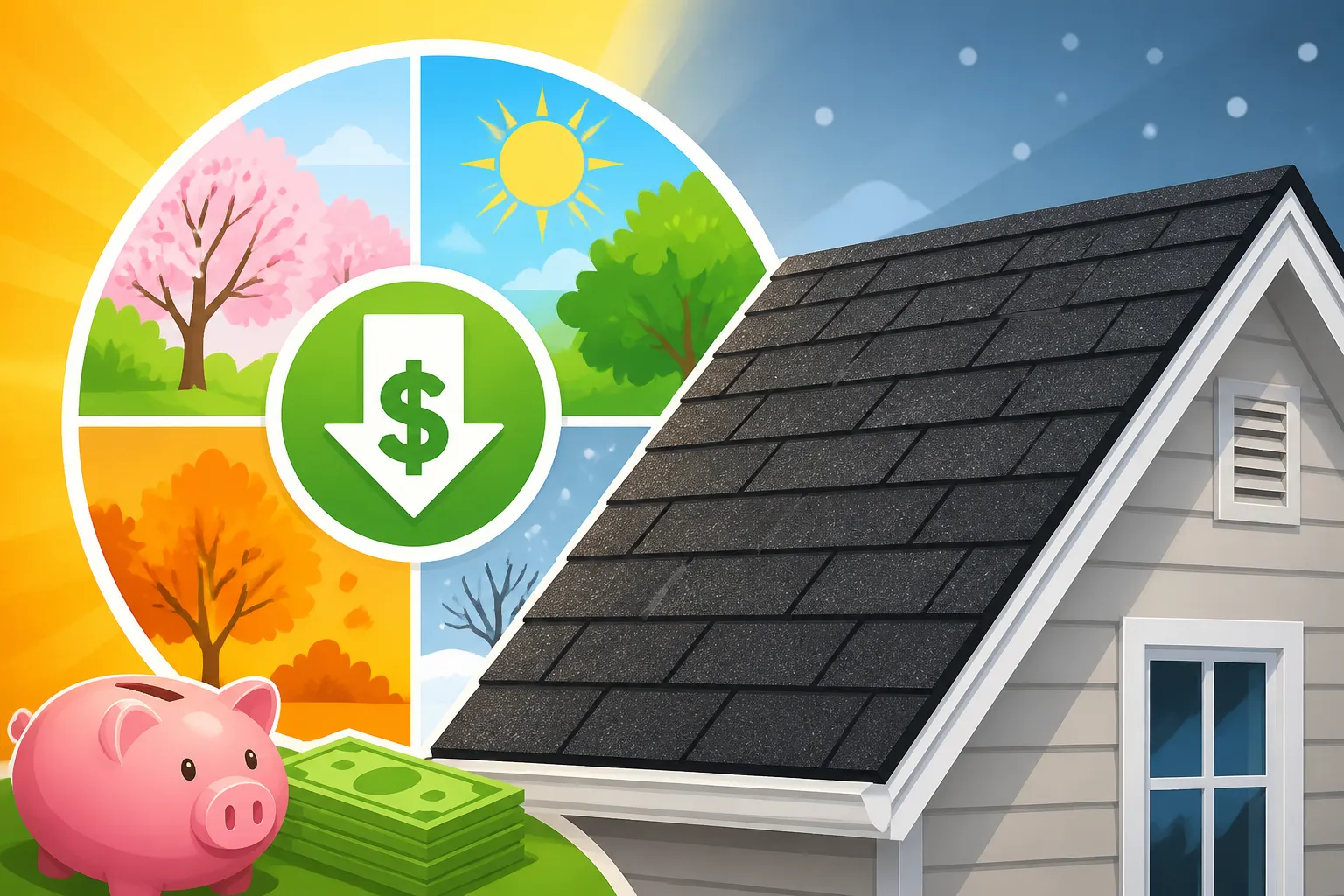
Generally speaking, roofing has peak and off-peak seasons, and these can vary slightly depending on your climate. For much of the United States, especially in temperate zones, the late spring, summer, and early fall are considered peak roofing seasons. This is when the weather is most predictable, temperatures are ideal for shingle adhesion, and contractors can work efficiently without worrying about freezing temperatures or excessive rain. Families also often prefer to get major home projects done when kids are out of school, leading to a surge in demand.
Off-peak seasons, primarily winter and sometimes very early spring or late fall, see a drop in demand. The weather can be less cooperative, with colder temperatures making shingle installation more challenging and increasing the risk of delays. However, it's precisely these challenges that can open doors for potential savings. Contractors are often actively seeking work to fill their schedules, and with less competition, homeowners might find more flexibility in pricing and scheduling. It's a trade-off, certainly, but one worth considering if budget is a primary concern.
The Best Seasons for Potential Savings and Their Trade-Offs
Let's dive into the specifics of each season and explore the pros and cons when it comes to getting a new roof. Understanding these dynamics can empower you to make an informed decision, even if the "best" time isn't always convenient.
Winter: The Cold Hard Truth About Discounts
Believe it or not, winter can often be the best time to snag a deal on a new asphalt roof. Many homeowners shy away from major exterior projects when the temperatures drop, fearing the cold will affect installation quality or cause delays. This dip in demand works in your favor. Contractors often face leaner schedules and are more inclined to offer competitive pricing to keep their crews employed and maintain steady business.
However, there are undeniable trade-offs. The cold weather means shingles are less flexible and the adhesive sealant strips take longer to activate and seal properly. While experienced roofers know how to mitigate these issues with specific installation techniques, specialized cold-weather sealants, and by avoiding extremely low temperatures, the process can be slower. This might mean your project takes a bit longer than it would in warmer months. Also, snow and ice can cause significant delays. If you live in a region like Minnesota or Colorado where winters are harsh, this could be a risk. If you’re considering a winter roof, be sure to discuss with your chosen roofing contractor how they plan to address cold-weather installation challenges and what their contingency plans are for extreme weather. Don't forget to ask about the typical Roofing Deposit: How Much Is Normal and ensure you're comfortable with the payment schedule, especially if there are weather-related delays.
Late Fall and Early Spring: The Sweet Spot?
For many, late fall (after the rush of summer projects subsides) and early spring (before the intense summer heat and heavy bookings begin) offer a potential "sweet spot" for roofing. The weather is generally moderate, providing good conditions for shingle installation without the extreme heat or cold. Demand is typically lower than in the peak summer months, meaning contractors might still be more flexible with pricing and scheduling.
During these transitional periods, you'll often find a good balance between cost savings and ideal working conditions. For instance, in places like Ohio or Pennsylvania, the crisp air of October or the mild breezes of April can be perfect for a roofing crew. You're less likely to encounter delays due to scorching heat that makes shingles difficult to handle or freezing temperatures that prevent proper adhesion. Furthermore, contractors often prefer working in these milder conditions, which can translate into more efficient project completion times compared to the dog days of summer or the depths of winter. This can be a great time to research your options and learn about things like Underlayment Explained: Synthetic vs Felt, which can impact your roof's performance year-round.
Summer and Peak Season: Convenience at a Cost
Summer is undeniably the most popular time for roof replacements. The long, warm, dry days are ideal for installation. Shingles are flexible, sealants activate quickly, and crews can work efficiently without weather-related interruptions. If you have kids home from school, coordinating a major project like a roof replacement might also be easier during summer breaks.
The downside? Everyone else is thinking the same thing. This high demand means contractors are booked solid, often several weeks or even months in advance. Discounts are rare, and prices tend to be at their highest. You might also find yourself waiting longer for your project to begin. While the convenience of good weather is a definite plus, you'll likely pay a premium for it. If you need a new roof due to unforeseen circumstances, like severe storm damage, you might not have a choice, but if you're planning ahead, consider if the higher cost is worth the guaranteed ideal weather. When you're ready to get started, understanding How to Get Roofing Quotes and Compare Them will be crucial, regardless of the season.
Seasonal Factors in a Nutshell
Here’s a quick overview of how each season generally stacks up for asphalt roofing projects:
| Season | Typical Demand | Potential for Savings | Weather Conditions | Average Lead Time | Pros | Cons |
|---|---|---|---|---|---|---|
| Winter | Lowest | Highest | Cold, potential snow/ice | Shortest | Best prices, quick scheduling, less property disruption | Delays due to weather, cold-weather installation challenges |
| Early Spring | Moderate | Good | Mild, some rain | Moderate | Balanced pricing, good working conditions, less competitive | Unpredictable spring showers can cause minor delays |
| Summer | Highest | Lowest | Hot, usually dry | Longest | Ideal for shingle adhesion, fast project completion, most common | Highest prices, long wait times, contractor availability issues |
| Late Fall | Moderate to High | Moderate | Mild, potential for early cold snaps | Moderate to Long | Good working conditions, potential for some end-of-season deals | Shorter days, risk of sudden cold weather |
Smart Strategies for Saving Money Year-Round
While timing can play a role, it's certainly not the only factor in getting a good deal on your asphalt roof. There are several proactive steps you can take to ensure you're getting the best value, no matter what month it is.
Getting Multiple Bids and Comparing Quotes Thoroughly
This is perhaps the single most important step you can take. Never settle for the first estimate you receive. Contact at least three to five reputable local roofing contractors. Platforms like Modernize can be incredibly helpful for this, connecting you with qualified pros in your area who are ready to provide quotes. When comparing, don't just look at the bottom-line number. Really dig into What a Roofing Estimate Should Include. Are they all proposing the same materials, specific shingle brands like GAF or Owens Corning, and the same scope of work?
One contractor might quote a lower price but plan to roof over existing shingles, which might not be ideal or even up to code in your area. Another might offer a slightly higher price but include a full tear-off, new underlayment, and a superior warranty. Always ask questions, clarify line items, and make sure you're comparing apples to apples. This due diligence can uncover significant savings or prevent costly headaches down the road, making it a critical part of How to Budget for a New Roof.
Being Flexible with Scheduling
If you have some leeway in your timeline, communicate that to potential contractors. Let them know you're not in a huge rush and are willing to be flexible with their schedule. This can be particularly appealing to roofers during their slower periods or if they have a small gap between larger projects. A contractor who knows they can fit your job in when it’s convenient for them might be more willing to offer a discount or a slightly better price than if you demand a rigid, immediate start date.
For instance, if you're in a region with mild falls and winters, telling a contractor you're open to a November or February installation might put you at the top of their list for a more attractive quote. This flexibility doesn't mean sacrificing quality, but rather leveraging a contractor's need to keep their crews productive. It's a win-win: they fill a potential downtime, and you potentially save some cash.
Proactive Maintenance to Avoid Emergency Costs
The most expensive roof is often the one you need to replace right now because of a sudden emergency. Waiting until you have a major leak or widespread storm damage forces your hand, eliminating any opportunity to shop around for the best deals or time your replacement strategically. This is where proactive maintenance truly pays off.
Regular inspections (at least once a year, or after any major storm) can help you spot minor issues like loose shingles, damaged flashing, or early signs of granule loss before they escalate into catastrophic problems. Addressing small repairs promptly can significantly extend the life of your existing roof, giving you more control over your replacement timeline. You can then plan your new roof during an off-peak season, saving you money and stress. Thinking about the long game can help you understand Is an Asphalt Shingle Roof Worth the Money, especially when you maintain it well.
Regional Considerations and Local Market Dynamics
It’s impossible to talk about the best time for cheap roofing without acknowledging that "best" can look very different depending on where you live. Climate is a huge factor, but local economic conditions and contractor availability also play significant roles.
Climate's Role in Roofing Seasonality
A roofing season in Arizona, with its hot, dry climate, is vastly different from one in upstate New York, which endures harsh winters. In places with extreme heat, like Phoenix or Las Vegas, mid-summer can actually be a slower time for roofing, as crews struggle with the intense sun and homeowners might delay projects. Here, spring and fall might be the peak, and prices could be higher during those times. Conversely, in cold-weather states like Michigan or Wisconsin, roofing might slow down significantly in winter, creating those potential discount opportunities we discussed.
Hurricane-prone regions like Florida or coastal areas of North Carolina often experience unpredictable surges in demand after major storms, driving prices sky-high for emergency repairs and replacements. If you're in such an area, timing your roof replacement before hurricane season hits can be a smart move, both for cost and peace of mind. For those living in Texas, for example, understanding specific climate considerations and local contractor availability is key to determining the Asphalt Roof Replacement Cost in Texas.
Local Contractor Availability and Competition
The number of roofing contractors in your area, and how busy they typically are, will also influence pricing. In a highly competitive market with many reputable roofers, you might find more consistent pricing and better deals year-round, as contractors vie for business. In smaller towns or areas with fewer licensed and insured professionals, options might be more limited, and prices could remain higher regardless of the season.
Researching local market conditions can be helpful. Talk to neighbors who have recently had their roofs replaced, check online reviews, and look at local builder forums. Understanding the "vibe" of your local roofing scene can give you an edge. Even if you're not specifically looking for a cheap deal, simply finding a reliable contractor is paramount. Checking out resources like How to Choose a Roofing Contractor can guide you in making the right choice. Remember, getting a quality installation, regardless of price, is key to your roof's longevity.
Ultimately, while late fall and early spring often present the best opportunities for cost savings on an asphalt roof replacement, the "best" time for you will depend on your specific circumstances, geographical location, and how much flexibility you have. By doing your homework, getting multiple quotes, and considering the local market, you can ensure you’re making the most informed decision for your home and your wallet. Remember, services like Modernize can help streamline the process of finding and comparing local roofing professionals, giving you a competitive edge regardless of the season.
Disclaimer
This article is intended for informational purposes only and does not constitute professional advice. Roofing costs and best times for installation can vary widely based on location, specific materials, contractor rates, and unforeseen circumstances. Always consult with multiple licensed and insured roofing professionals for accurate estimates and guidance tailored to your specific project needs.