Emergency Roof Repair Permit Rules
When a severe storm hits and your roof suddenly becomes compromised, it’s not just the immediate damage that’s stressful. The whirlwind of figuring out temporary fixes, dealing with insurance, and then, on top of it all, wondering if you even need a permit to get critical repairs done right now can feel overwhelming. Homeowners often find themselves in a bind, needing urgent protection but unsure about the bureaucratic hoops. This comprehensive guide is here to untangle the complexities of emergency roof repair permit rules, helping you understand when and how to secure the necessary approvals to get your home safe again.
The Panic After a Storm: Understanding Emergency Roof Repair
There’s nothing quite like the stomach-dropping feeling of discovering your roof has been seriously damaged. Whether it’s a gaping hole, a cascade of missing shingles, or a tree branch impaled through your ceiling, the urgency is palpable. But in the midst of this immediate crisis, it's crucial to understand what truly qualifies as an "emergency" from a permitting perspective and what your first steps should be.
What Constitutes an "Emergency" Roof Repair?
From a homeowner's perspective, any damage that compromises the integrity of your home feels like an emergency. However, building departments typically have a more specific definition. An emergency roof repair is generally defined as work necessary to immediately prevent further damage to the structure, ensure the safety of occupants, or restore essential services. This isn't about cosmetic fixes; it's about stopping a crisis.
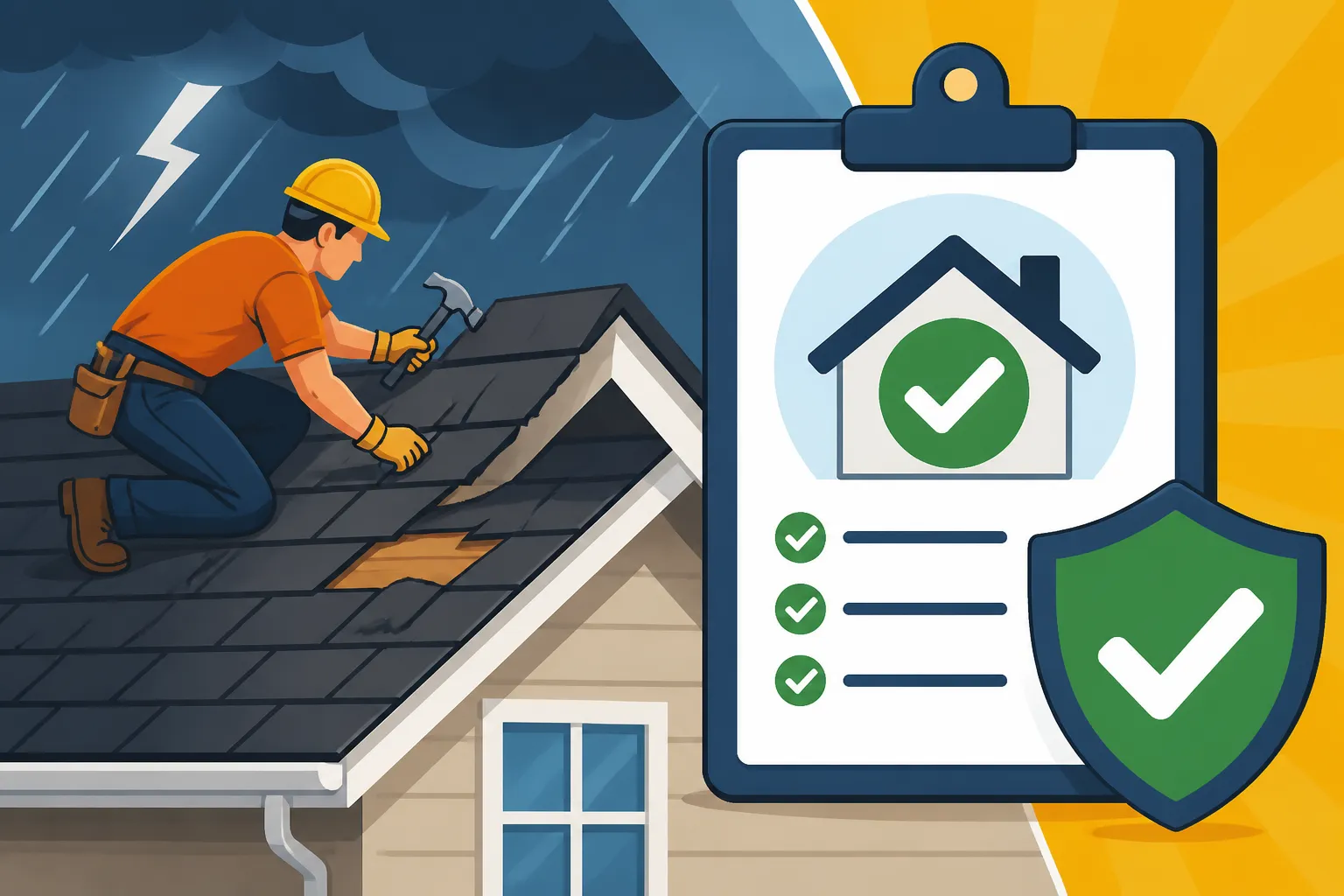
Think of it this way: if water is actively pouring into your living room, if a large section of your roof has collapsed, or if strong winds have torn away so much material that your home is exposed to the elements, that’s an emergency. These situations present an immediate threat to life, health, or property. A few missing shingles might not qualify as an "emergency" for immediate, no-permit-needed work, though they certainly warrant prompt attention. However, widespread shingle loss or damage that exposes the underlayment and decking, potentially leading to widespread water infiltration, would likely fall under emergency criteria.
Common examples of situations that typically qualify include damage from falling trees or large limbs, extensive hail damage that creates widespread punctures or exposes the underlayment, or severe wind damage that has ripped off large sections of roofing material, exposing the roof deck and allowing water to penetrate. These aren’t just inconveniences; they’re threats to the very structure and habitability of your home.
Initial Steps When Your Roof is Damaged
When disaster strikes, the first priority is always safety. Before you even think about permits or repairs, ensure your family is safe, and if there's any risk of electrical hazards or structural collapse, evacuate immediately and call emergency services. Once immediate safety is secured, your next steps become critical for both your home's protection and future permit and insurance claims.
Start by preventing further damage. This often means trying to temporarily secure the affected area. Tarping your roof, for instance, is a common and highly recommended first line of defense. Knowing how to temporarily cover a roof leak can save you a significant amount of headaches and money down the line by stopping water intrusion until professional repairs can begin. Document everything with photos and videos before any temporary work begins and throughout the process. This visual evidence will be invaluable for your insurance claim and, as we'll see, can sometimes be requested by the building department.
Next, contact your homeowners insurance company immediately to report the damage. They'll guide you through their claims process and may send an adjuster to assess the damage. Lastly, reach out to a reputable roofing contractor. They can often provide immediate assistance, offer professional temporary repairs, and, most importantly, guide you through the repair and permitting process. Don't wait for the problem to worsen; proactive steps can mitigate the overall impact.
Navigating the Permit Maze: Emergency Rules and Exceptions
The world of building permits can feel like a labyrinth, even for standard projects. Add an emergency into the mix, and it can become downright confusing. However, most jurisdictions recognize the need for immediate action in dire circumstances and have provisions in place to address these emergencies without undue delay.
General Permit Requirements for Roofing Work
In most cities and counties, if you're undertaking significant roofing work, like a full replacement, you're going to need a permit. The overarching reason for these requirements is public safety. Permits ensure that the work performed meets local building codes, which are designed to protect your home's structural integrity, fire safety, and overall durability against local weather conditions. When you're considering a project, it's always wise to research if you need a permit to replace a roof in your specific area.
A building permit is essentially a formal approval from your local government that your proposed construction or repair project complies with established local building codes. These codes cover everything from the type of materials used to the installation methods, ensuring the roof can withstand local environmental stressors like high winds, heavy snow, or seismic activity. Without a permit, your work might not be inspected, leaving potential deficiencies unnoticed that could lead to bigger problems (and costs) later on.
Beyond safety, permits also protect homeowners by ensuring that contractors are performing legitimate work. They create a record of improvements, which can be important for property valuation and future resale. If work is done without a required permit, it can cause significant issues when you try to sell your home, as future buyers or their lenders might uncover the unpermitted work and demand that it be brought into compliance, often at considerable expense to you. This is why understanding roofing permits explained is so vital for any significant project.
Specific Rules for Emergency Situations
This is where the distinction for emergencies truly comes into play. While permits are generally required, many jurisdictions understand that waiting for a permit to be issued while your home is actively exposed to the elements is impractical and dangerous. Consequently, many local building departments have specific emergency permit rules or exceptions that allow work to commence immediately.
The common practice is often a "start now, permit later" approach. This means you can begin the necessary emergency repairs—like securing the roof deck, installing temporary underlayment, or even a partial shingle installation to make the roof watertight—without an upfront permit. However, this isn't a free pass to skip the permit entirely. You are typically required to apply for the permit within a very short timeframe after the emergency work has begun, often within 24 to 72 hours, depending on the jurisdiction.
For example, in areas frequently hit by hurricanes, like many parts of Florida, local authorities often have well-established protocols for post-storm emergency repairs. After a major hurricane, some counties might even issue blanket declarations allowing emergency work to proceed for a certain period without immediate permit application, provided the application follows quickly thereafter. In Texas cities prone to severe hail or wind, such as Dallas or Fort Worth, homeowners may be advised to get temporary repairs done immediately and apply for the full repair permit within days. It's not uncommon for verbal authorization to be given by building officials in the immediate aftermath of a widespread disaster, with the understanding that formal paperwork will follow. Always document these communications.
The Role of Your Roofing Contractor in Permits
When faced with an emergency, your roofing contractor becomes your primary ally, especially concerning permits. A reputable, experienced contractor will be intimately familiar with the local emergency permit rules and should be able to guide you through the process seamlessly. They often have established relationships with local building departments, which can streamline the application and approval process, even under emergency conditions.
It's crucial that your chosen contractor handles the permit application. In nearly all cases, the contractor performing the work is responsible for pulling the permit. This ensures that the professional accountable for the work is also the one attesting to its compliance with codes. If a contractor asks you, the homeowner, to pull the permit, consider it a significant red flag. This can shift liability from them to you, and it often indicates they might not be properly licensed or insured. For a smooth and compliant process, ensure you know who pulls the roofing permit: you or the contractor, and insist it's the latter.
A good contractor will prepare all the necessary documentation, including a detailed scope of work, material specifications, and potentially even diagrams or photos of the damage. They will submit these to the building department, coordinate inspections, and ensure that all work adheres to the permitted plans and local codes. Choosing a contractor who is experienced in navigating these waters, especially during emergencies, is paramount for your peace of mind and the long-term integrity of your roof. For insights into selecting the right professional, consider reading How to Choose a Roofing Contractor.
State-by-State Breakdown: Emergency Permit Nuances
The phrase "local jurisdiction" is key when discussing roofing permits, and it's even more critical in emergency scenarios. What might be allowed in one state or even one county can be completely different just a few miles down the road. This variability arises from differences in climate, local building codes, population density, and even the frequency of severe weather events.
How Rules Vary by Location
Building codes and permit requirements are primarily governed at the local level – by cities, towns, and counties. While many states adopt statewide building codes (like the International Residential Code or IRC), local amendments and interpretations can create significant differences. This means that a homeowner in Miami, Florida, facing hurricane damage will likely encounter different emergency permit procedures than someone in Denver, Colorado, dealing with hail damage, or a resident in Seattle, Washington, after a heavy windstorm.
For instance, coastal regions often have stricter requirements for wind resistance and specific strapping or nailing patterns for shingles and sheathing, which might necessitate specific permit documentation even for emergency repairs. Densely populated urban areas might have additional requirements related to noise ordinances or debris management that factor into emergency work authorizations. Furthermore, the sheer volume of emergency calls after a widespread disaster can lead municipalities to temporarily waive certain fees or streamline the permit application portal to expedite recovery efforts. It's always best to check with your specific city or county building department, or rely on a local contractor who is well-versed in the specific local regulations.
Examples from High-Storm Areas
Let's look at some real-world scenarios to understand these variations.
In Florida, particularly after a major hurricane, the Governor or local emergency management might declare a state of emergency. Under such declarations, many local building departments will issue emergency orders. For example, Collier County, after Hurricane Ian, temporarily allowed homeowners to make essential repairs to prevent further damage without prior permits, with the stipulation that permit applications must be submitted within a specified timeframe (e.g., 30-90 days) of the work beginning. These emergency provisions are designed to get immediate aid to residents but still maintain regulatory oversight for long-term safety.
In Texas, which experiences frequent severe thunderstorms, hail, and strong winds, cities like Dallas or Houston will typically require permits for roof replacement or significant repairs. However, in the immediate aftermath of a widespread storm, the local building department might issue guidelines advising homeowners to tarp their roofs or make other temporary, non-structural repairs without a permit, provided a formal permit for permanent repairs is obtained promptly. Some cities may even have an accelerated "emergency permit" application track for qualifying damage.
On the other hand, in a state like Ohio, where severe weather might be less frequent but still occurs, a city like Columbus might require a permit for even a smaller, but still critical, roof repair, with less explicit "start now, permit later" provisions outside of truly life-threatening structural collapse. The key takeaway is that even though the spirit of emergency work is to act fast, the letter of the law can vary greatly.
To give you a clearer picture, here's a simplified table comparing potential emergency permit approaches in different states. Please note: This is illustrative and actual rules always depend on specific local ordinances and the nature of the emergency.
| Aspect | Florida (Post-Hurricane) | Texas (Post-Hail/Wind) | Ohio (General Storm Damage) |
|---|---|---|---|
| Initial Action Allowed | Temporary repairs (tarping, boarding) often without immediate permit. | Temporary repairs often without immediate permit. | Usually, temporary tarping is allowed without a permit. |
| Permit Application Window | Often extended (e.g., 30-90 days post-event) to apply for permanent repair permit. | Typically 24-72 hours after emergency work begins for permanent permit. | Standard permit application process, possibly expedited for urgent cases. |
| Streamlined Process | Common, sometimes with waived fees for disaster-related repairs. | Possible accelerated review process for emergency permits. | Less common, standard process with urgency noted. |
| Documentation Needed | Pre-damage photos (if available), post-damage photos, scope of work from contractor. | Post-damage photos, contractor's repair plan. | Detailed repair plan, photos. |
| Inspections | Required for permanent repairs, often with a focus on code compliance (e.g., wind mitigation). | Required for permanent repairs. | Required for permanent repairs. |
This table highlights why relying on a local, knowledgeable contractor is not just convenient, but essential. They are your best resource for navigating the specifics of permit requirements in your area.
The Permit Process for Emergency Repairs
Even with emergency exceptions, the permit process isn't entirely bypassed. It's often a modified or expedited version, but the fundamental steps of application and inspection remain crucial. Understanding these steps will help you work effectively with your contractor and local authorities.
Applying for an Emergency Permit (Post-Facto)
Once the immediate threat is contained and temporary repairs are in place, your contractor will typically move to apply for the necessary permit. This "post-facto" application acknowledges that work had to start immediately but brings it into regulatory compliance. The documentation required usually mirrors a standard roofing permit application but might be reviewed on an accelerated schedule.
Your contractor will usually submit:
- A Completed Permit Application Form: This includes details about your property, the nature of the work, and the contractor's licensing information.
- Scope of Work: A detailed description of the repairs or replacement to be performed, including materials, methods, and specifications. For emergency repairs, this might focus on specific areas of the roof rather than the entire structure, unless a full replacement is deemed necessary due to widespread damage.
- Proof of Damage: This is where your pre- and post-damage photos and videos come in handy. These visuals help the building department understand the emergency nature of the work.
- Site Plan/Roof Diagram: A basic diagram showing the affected areas of the roof.
- Contractor's License and Insurance Information: Essential for verifying that a qualified professional is doing the work. This is why Licensed and Insured Roofers: Why It Matters is such an important topic.
- Applicable Fees: Even for emergencies, permit fees are usually required, though some jurisdictions might waive or reduce them after a major disaster.
The building department's goal is to process these emergency applications quickly. They understand the urgency but also have a duty to ensure that repairs, even urgent ones, are done safely and correctly. Sometimes, you might even get provisional approval to continue permanent work while the full permit is being processed, especially if the initial application is thorough and clearly demonstrates the emergency.
Inspections for Emergency Repairs
Just because repairs started immediately doesn't mean you get to skip inspections. In fact, inspections are arguably more important for emergency work to ensure that quick fixes haven't led to overlooked issues or code violations. The inspection process confirms that the emergency repairs meet structural integrity and safety standards, and that any subsequent permanent work is also compliant.
Typically, two main types of inspections might occur:
- Pre-Cover/Mid-Roof Inspection: This inspection happens before new roofing materials (like shingles) are installed over the new underlayment and roof deck. The inspector wants to see the exposed roof deck, the fastening of new sheathing (if replaced), and the installation of critical components like flashing and ventilation to ensure they meet code. This is a critical check to ensure the underlying structure is sound and properly prepared before it's covered up. This is where a thorough inspection becomes invaluable.
- Final Inspection: Once all the roofing work is complete, a final inspection is conducted. The inspector will check the finished roof for proper shingle installation, flashing around penetrations (like chimneys and vents), ventilation, and overall workmanship. They ensure everything is secure and weatherproof.
It’s the contractor’s responsibility to schedule these inspections and make sure the site is ready for the inspector. Failing to call for required inspections or covering up work before it's inspected can lead to costly delays, rework, and potential fines. Remember, the inspector is there to protect your long-term investment and ensure your home is safe.
Avoiding Pitfalls and Protecting Yourself
Emergency roof repairs often happen under pressure, which unfortunately can create opportunities for mistakes or even scams. Being informed and diligent is your best defense.
Consequences of Not Getting a Permit
Skipping a permit for significant roof work, even in an emergency, can lead to a host of problems that far outweigh the perceived convenience of bypassing the process. The most immediate consequence can be a stop-work order from the local building department, halting your repairs until a permit is obtained. This means delays, potential exposure to further damage, and often additional fees or fines.
Beyond the immediate disruption, unpermitted work can lead to:
- Fines: Municipalities can levy hefty fines for unpermitted construction.
- Safety Hazards: Without inspections, you have no official confirmation that the work meets safety standards, potentially leaving your home vulnerable to future issues, structural failures, or fire hazards.
- Insurance Issues: Your homeowners insurance policy might have clauses regarding permitted work. If future damage occurs and it's linked to unpermitted repairs, your claim could be denied. This can be a huge headache, especially if you're already navigating an insurance claim roofers often help with.
- Difficulty Selling Your Home: When you eventually sell your house, unpermitted work will likely surface during the buyer’s inspection or appraisal process. This can delay or even derail the sale, requiring you to obtain permits retroactively (which is often more complicated and expensive) or pay to have the work redone.
- Warranty Voidance: Some manufacturer warranties on roofing materials may be voided if the installation was not performed according to local building codes, which permits are designed to enforce.
Ultimately, the small effort of getting a permit, even on an expedited emergency basis, is a crucial step in protecting your property value, your safety, and your financial investment. For a deeper dive into these risks, explore What Happens If You Skip a Roofing Permit.
Choosing the Right Contractor for Emergency Work
The urgency of an emergency repair can make homeowners vulnerable to unscrupulous contractors, often referred to as "storm chasers." These individuals or companies descend upon disaster-stricken areas, offering quick fixes at low prices, but often perform shoddy work, demand upfront payment, and disappear when problems arise. Protecting yourself starts with selecting the right professional.
Here are key considerations when choosing a contractor for emergency roof work:
- Local Presence and Reputation: Prioritize contractors with an established local presence and a strong reputation in your community. Check their reviews on platforms like Google, Yelp, or the Better Business Bureau. Ask for local references and call them.
- Licensing and Insurance: Verify that the contractor is fully licensed (where required by state or local law) and carries comprehensive liability insurance and workers' compensation. This protects you if there are accidents on your property or damage to your home during the repair process. This is why Licensed and Insured Roofers: Why It Matters is non-negotiable.
- Emergency Experience: Ask if they have experience with emergency repairs, especially in the context of local building codes and permit processes.
- Written Contract: Always insist on a detailed written contract that outlines the scope of work, materials, timeline, payment schedule, and warranty information. Be wary of contractors who pressure you to sign immediately or offer vague agreements.
- Permit Handling: A legitimate contractor will insist on pulling the necessary permits and will handle the entire process. As mentioned earlier, if they ask you to pull the permit, walk away.
- Manufacturer Certifications: Many reputable roofing manufacturers (like GAF, Owens Corning, or CertainTeed) offer certification programs for contractors. These certifications often mean the contractor has received specific training and can offer enhanced manufacturer warranties. While not always critical for emergency patches, it's a good indicator of their professionalism for permanent repairs.
During an emergency, it's easy to feel rushed. Take a breath and do your due diligence. While quick action is needed, rushing into a contract with the wrong company can turn one disaster into two. Learning how to avoid roofing scams can be incredibly beneficial in these high-stress situations.
Integrating Emergency Repairs with Insurance Claims
Emergency roof repairs and insurance claims are almost always intertwined. Your insurance company will play a significant role in covering the costs, and seamless coordination between you, your contractor, and the insurer is essential.
Documenting Damage for Insurance and Permits
The importance of thorough documentation cannot be overstated. For both your insurance claim and your permit application, detailed evidence of the damage is your most powerful tool. Before any work begins, and even before temporary tarps are placed, grab your smartphone or camera and start snapping photos and recording videos.
Walk around your property and capture wide shots of the house, then zoom in on specific damaged areas of the roof, siding, windows, and any other affected parts. Get different angles. If it's safe to do so, carefully document damage in your attic or interior, such as water stains, dripping water, or compromised insulation. Capture the date and time, if possible, with your camera's settings. This visual record serves multiple purposes:
- Insurance Claim: It provides undeniable proof of the extent and nature of the damage to your insurance adjuster, streamlining the claims process and helping ensure you receive fair compensation.
- Permit Application: As discussed, building departments often require photos to verify the "emergency" nature of the work and to understand the scope of repairs being proposed.
- Contractor's Reference: Your contractor can use these photos to accurately assess the damage, plan the repairs, and communicate effectively with both you and the building department.
Continue to document throughout the temporary repair process and even during the permanent repairs. Photos of the temporary tarping, the tear-off process (especially if underlying damage is revealed), and the installation of new materials can all be valuable. This detailed paper trail, combined with a good understanding of Emergency Roof Repair After a Storm, will serve you well.
Coordination Between Contractor, Insurance, and Local Authorities
A truly professional roofing contractor acts as a central hub for communication, especially during emergency repairs that involve insurance and permits. Their experience allows them to effectively coordinate between all parties, easing your burden during a stressful time.
Here's how a skilled contractor facilitates this coordination:
- Insurance Liaison: Many contractors have experience working with insurance companies. They can often meet with your insurance adjuster on-site, pointing out all damage, explaining the repair process, and helping to ensure that the adjuster's assessment aligns with the necessary repairs. They can help articulate the true extent of the damage and the associated costs, which is vital as Does Insurance Cover Roof Replacement is a common concern.
- Permit Application and Management: As previously emphasized, the contractor will handle the entire permit application process, ensuring all required documents are submitted promptly, especially for emergency situations. They will also schedule and manage all required inspections by the local building department.
- Scope Alignment: Your contractor will ensure that the scope of work approved by your insurance company aligns with what's necessary to meet local building codes and what the permit requires. Sometimes, what insurance initially approves might not fully cover code upgrades or unforeseen issues uncovered during the tear-off. A good contractor will advocate for you to ensure all necessary work is covered.
- Communication Flow: They keep you informed every step of the way, translating technical jargon and navigating potential bureaucratic hurdles. This integrated approach ensures that your emergency repairs are not only effective in making your home safe but also fully compliant with local regulations and properly covered by your insurance policy.
A smooth coordination process means less stress for you and a more efficient, compliant, and well-covered repair job.
Disclaimer
Please remember that this article provides general information and guidance. Local building codes, permit requirements, and emergency provisions vary significantly by jurisdiction and can change. Always consult directly with your local building department and a qualified, licensed roofing contractor to understand the specific rules applicable to your situation. This information should not be taken as legal advice.