How to Prioritize Roof Repairs on a Budget
Finding out your asphalt roof needs attention can send a shiver down your spine, especially when you're already juggling a tight household budget. It's a daunting realization that your home's primary shield against the elements might be compromised, and the immediate thought is often, "How am I going to afford this?" This guide is here to walk you through the process of intelligently prioritizing roof repairs, helping you make smart decisions without breaking the bank or compromising your home's safety.
Understanding Your Roof's Immediate Health Needs
Before you can even begin to think about budgeting, you need a clear, honest assessment of what's actually going on up there. It's easy to panic at the sight of a loose shingle or a tiny drip, but not all roof issues are created equal. Some demand immediate action, while others can safely wait a bit if funds are truly constrained. The key is to distinguish between a minor cosmetic flaw and a ticking time bomb.
Identifying High-Priority Leaks and Water Intrusion
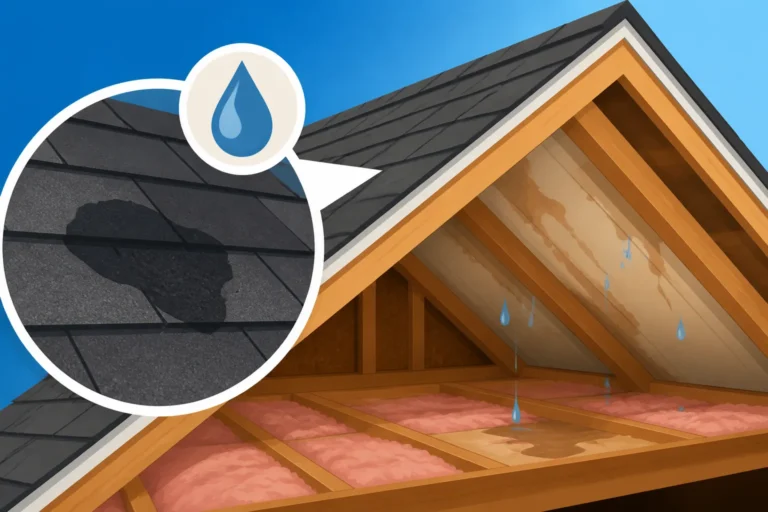
A leak, no matter how small it seems, is almost always a high-priority issue. Water has a way of finding the path of least resistance, and once it gets into your attic or wall cavities, it can cause catastrophic damage very quickly. We're talking about rotted wood, damaged insulation, hazardous electrical issues, and even toxic mold growth that can severely impact your family's health. You might notice water stains on your ceiling, peeling paint, or even a musty smell in your attic. These are red flags that should not be ignored.
Common culprits for leaks include compromised flashing around chimneys, skylights, and vent pipes, or damaged valleys where two roof planes meet. Even a single missing shingle can expose the underlayment to direct rainfall, leading to saturation and eventual leaks. If you suspect a leak, try to locate its source safely, or call a professional immediately. Addressing a small leak now can save you from a much more expensive, extensive repair later, often involving replacing large sections of framing or drywall, not just the roofing materials themselves.
Another area that often leads to high-priority leaks is the presence of ice dams in colder climates. These occur when heat escaping from your home melts snow on your roof, which then refreezes at the colder eaves, forming a barrier that prevents meltwater from draining. This trapped water can then back up under your shingles and leak into your home. While the immediate fix might be to safely remove the ice, the underlying issue of poor insulation or ventilation needs a long-term solution to prevent recurrence.
Assessing Structural Damage Versus Cosmetic Flaws
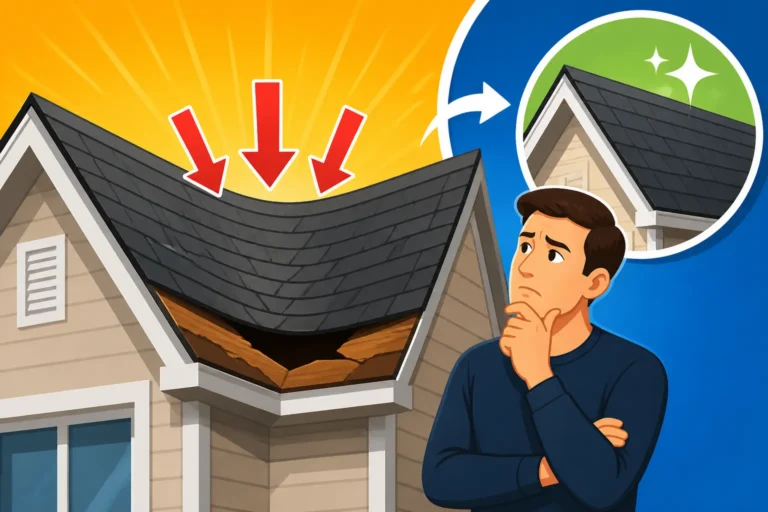
While a leak points to immediate danger, some other signs on your roof indicate structural problems that, if left unattended, can lead to much larger expenses down the line. A sagging roofline, for example, is a serious structural concern that could indicate widespread decking rot or even issues with your home's truss system. This isn't just an eyesore; it's a sign that your roof might be on the verge of collapse in certain areas, especially under the weight of snow or high winds.
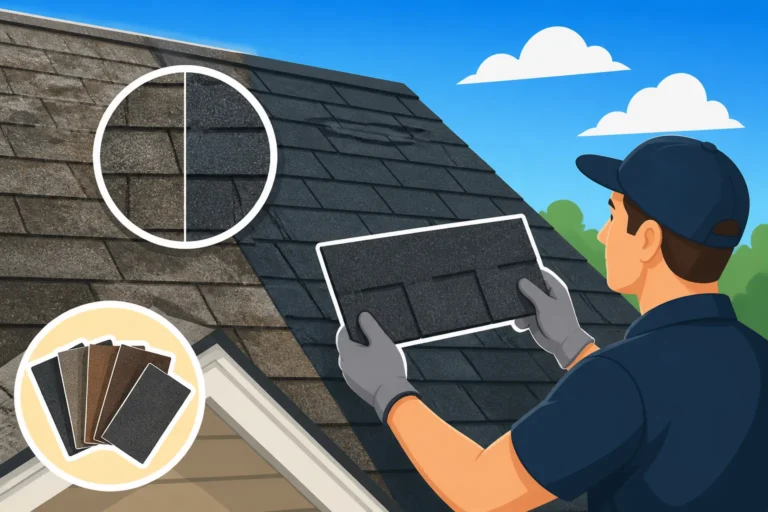
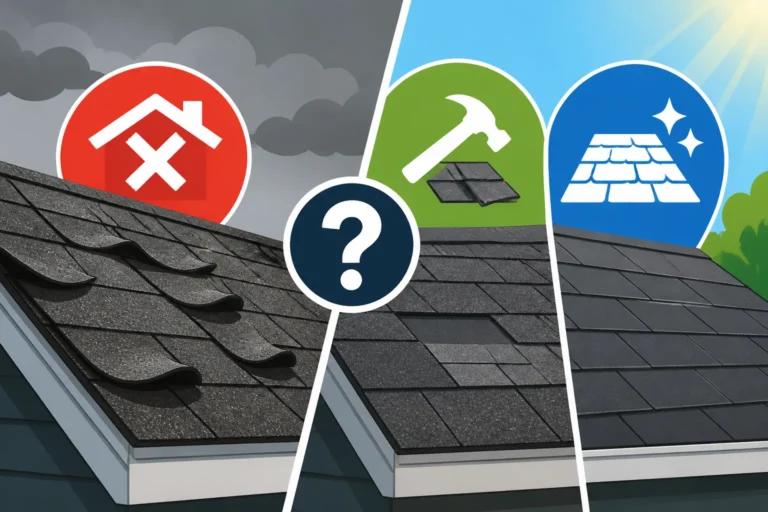
Conversely, some issues might look alarming but are primarily cosmetic. A patch of algae or moss on your shingles, while unsightly, typically doesn't pose an immediate threat to your roof's integrity unless it's widespread and causing significant moisture retention that leads to deterioration. Similarly, a small patch of granule loss on an otherwise healthy shingle might simply be normal wear and tear and not a sign of impending failure, though it's still something to keep an eye on. Learning to differentiate between these two categories is paramount when operating on a tight budget.
It’s crucial to get a professional opinion when you’re unsure. A qualified roofer can provide a comprehensive assessment, detailing exactly what needs immediate attention and what can wait. They can identify subtle signs of damage that might be invisible to an untrained eye, like delaminating shingles or compromised sealants that are on the verge of failing. This expert evaluation is the first step in creating a truly effective budget plan.
Categorizing Repairs for Smart Budgeting
Once you have a good understanding of your roof's condition, the next step is to categorize the necessary repairs. This isn't about ignoring problems, but about strategically allocating your limited funds to ensure the most critical issues are addressed first. Think of it like triage: stop the most serious threats before moving on to less urgent matters. This systematic approach can alleviate some of the stress of unexpected roofing costs.
Critical Repairs: Non-Negotiable Fixes
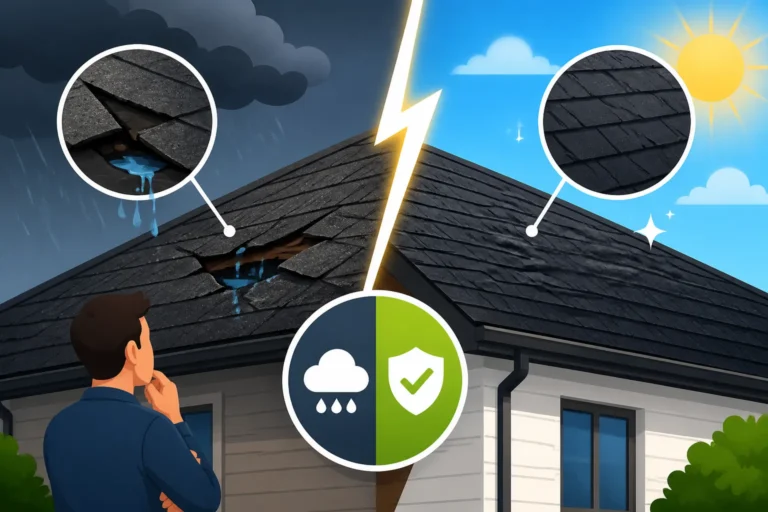
These are the repairs that absolutely cannot wait. Ignoring them will almost certainly lead to rapid, escalating damage to your home and potentially expensive interior repairs. This category includes active leaks that are allowing water into your home, significant structural damage like sagging areas or widespread rotting roof decking, and severe storm damage that has created large breaches in your roof. These issues compromise the integrity of your entire home, not just the roof itself.
For example, if you have multiple missing shingles after a windstorm, and water is actively entering your attic, repairing those immediately is a critical repair. Leaving it exposed could lead to mold growth in your attic insulation, damage to your ceiling joists, and eventually interior water stains and costly drywall replacement. Similarly, if a large tree branch has punctured your roof, creating a significant hole, this is a critical repair that needs to be addressed with urgency, even if it means temporary tarping followed by permanent repair. You might need to assess the situation to determine if a full Roof Repair vs Replacement: How to Decide is necessary, or if targeted repairs will suffice.
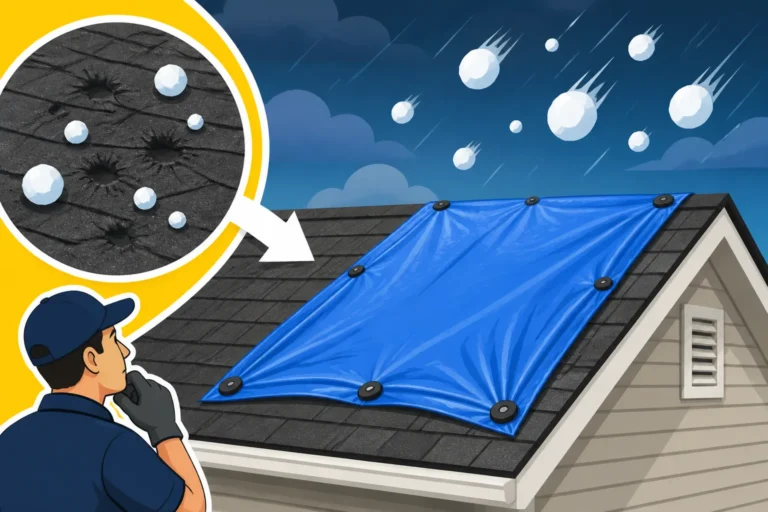
When facing critical repairs, your priority is to stop the immediate threat. This might involve temporary fixes like tarping a damaged section of the roof after a storm to prevent further water intrusion while you gather estimates for a permanent solution. Don't delay these critical fixes. The longer you wait, the more expensive the total repair bill is likely to become, potentially turning a focused repair into a complete replacement scenario.
Important Repairs: Preventing Future Problems
This category includes issues that aren't causing immediate catastrophic damage but will worsen over time and eventually become critical if neglected. These are the "preventative maintenance" types of repairs that, if handled proactively, can save you a lot of money and headache down the road. Examples include curled or cracked shingles that haven't started leaking yet, significant granule loss indicating the shingles are nearing the end of their lifespan, or minor flashing issues that could become leaks with the next heavy rain.
Consider a situation where your asphalt shingles are showing widespread curling or blistering. While they might still be providing a watertight seal for now, these are clear signs of aging and deterioration. The curling edges are more susceptible to wind uplift, and the blistering indicates the shingle's protective layers are breaking down. Addressing these issues by replacing a section of shingles or resealing them can prevent a full blow-off during a storm or a widespread leak in the near future. This is a smart investment in your roof's longevity.
Another example is excessive moss or algae growth. While often considered aesthetic, heavy moss can hold moisture against your shingles, leading to granular erosion and premature breakdown of the shingle material. While not an emergency, cleaning and treating your roof for moss is an important preventative step that extends its life. Thinking ahead about these kinds of repairs is a cornerstone of effective budget management for homeowners.
Aesthetic Repairs: When to Hold Off
Aesthetic repairs are those that primarily affect the look of your roof but don't compromise its functionality or the safety of your home. These are the first things you can defer if your budget is stretched thin. Examples might include minor discoloration, a few shingles that have slightly faded differently than the rest, or a small, non-damaging patch of algae that doesn't hold moisture.
While curb appeal is important, especially if you're planning to sell your home soon, it takes a backseat to structural integrity and preventing water damage. If you have a choice between fixing a minor aesthetic blemish and addressing a developing leak, the leak wins every time. It’s about being realistic with your financial situation and understanding where your priorities truly lie. You can always come back to these cosmetic issues once your critical and important repairs are handled and you've had time to replenish your roofing fund.
A good example might be if a small section of your roof has some slight streaking from algae that hasn't spread widely or caused any material degradation. While it might look a little less perfect, it's not hurting your home. You can make a note to clean it when you have more disposable income, or simply live with it until more pressing repairs are out of the way. This mindful approach helps you stretch your budget further without sacrificing your home's essential protection.
Practical Strategies for Budget-Conscious Repairs
Even after prioritizing, the numbers can still feel overwhelming. But there are smart strategies you can employ to make roof repairs more manageable financially. It's not just about what you fix, but how you go about getting it fixed. From selecting the right contractor to understanding payment options, every step offers an opportunity to optimize your budget.
Getting Detailed Estimates and Comparing Them
This is arguably the most crucial step in managing roof repairs on a budget. You absolutely need to get multiple, detailed estimates from different reputable roofing contractors. Don't just settle for the first quote you receive. Ask at least three contractors to come out, inspect your roof, and provide a written estimate for the specific repairs identified in your triage process. Platforms like Modernize can be a great resource for connecting with local, vetted roofing professionals to get these quotes quickly and efficiently.
When comparing estimates, don't just look at the bottom line. Dig into the details. What materials are they proposing? Are they using quality asphalt shingles that match your existing roof, or are they suggesting a cheaper alternative? Do the estimates include removal of old materials and proper disposal, or is that an extra cost? Make sure each estimate breaks down labor costs, material costs, and any additional fees like permits or cleanup. This is where understanding how to Read and Compare Roofing Estimates truly pays off. Some contractors might offer a lower price by cutting corners, so verify they are licensed and insured before making a decision. You should also ask Questions to Ask a Roofing Contractor Before Hiring to ensure you're getting comprehensive information.
It’s also wise to inquire about manufacturer-certified installers. While this might sometimes come with a slightly higher initial cost, these contractors often provide better workmanship warranties, which can be invaluable down the line. A thorough estimate should leave no stone unturned and clearly outline the scope of work, so you're not hit with unexpected charges halfway through the job. Remember, a suspiciously low bid can sometimes be a red flag, indicating poor quality materials or inexperienced labor.
DIY vs. Professional Help: Knowing Your Limits
For very minor issues, attempting a DIY repair might seem like a budget-friendly option. Replacing a single missing shingle, for example, can be done by a handy homeowner with the right tools and safety precautions. There are plenty of resources on DIY Shingle Repair: When It's Safe that can guide you. However, it's vital to be brutally honest with yourself about your skill level and, more importantly, your comfort with heights and safety protocols. Roofing work is dangerous, and falls are a leading cause of construction injuries.
For anything beyond the most basic, cosmetic fix, it’s almost always better to call in a professional. This includes any active leaks, structural concerns, large areas of damage, or anything that requires working on a steep pitch. A professional roofer has the experience, specialized tools, and safety equipment to perform the job correctly and safely. They also understand local building codes, which can be crucial for ensuring your repair is compliant and doesn't inadvertently void your homeowner's insurance or future warranty. When it comes to significant repairs, When to Call a Pro for Roof Repair is not just a recommendation, it's a necessity.
Attempting a complex repair yourself to save money can often backfire, leading to more extensive and costly damage if done incorrectly. A poorly installed shingle or improperly sealed flashing can create new leaks or exacerbate existing ones. The cost of fixing a botched DIY job, along with the subsequent water damage, will far outweigh any initial savings. Prioritizing your safety and the long-term integrity of your roof by hiring a professional for crucial tasks is a wise budget decision in the grand scheme of things.
Exploring Payment Options and Financial Aid
Even after optimizing your repair plan, the cost can still be substantial. Thankfully, there are several avenues to explore when it comes to financing your roof repairs. Your first stop should be your homeowner's insurance company, especially if the damage was caused by a sudden event like a storm, hail, or strong winds. Understanding if Does Insurance Cover Roof Replacement or specific repairs is critical. Document all damage with photos and videos, and be prepared to file a claim quickly.
If insurance doesn't cover the full extent of the damage, or if the repairs are due to normal wear and tear, consider exploring financing options. Many roofing companies partner with lenders to offer payment plans, sometimes even with 0% APR for a promotional period. These can make large expenses more manageable by breaking them into smaller monthly payments. You might also look into a home equity line of credit (HELOC) or a personal loan, though these come with their own interest rates and terms that need careful consideration. For more detailed information, check out available Roof Replacement Payment Plans and strategies on How to Budget for a New Roof.
Don't forget to research local government or non-profit programs. Some municipalities offer grants or low-interest loans for home improvement, particularly for essential repairs that address safety or structural integrity, especially for low-income homeowners or those in designated historic districts. While these options might require more paperwork and time, they can provide significant financial relief when you're facing a hefty roofing bill on a limited budget.
Long-Term Thinking for Your Asphalt Roof
Prioritizing immediate repairs is critical, but true budget mastery comes from thinking long-term. Your asphalt roof is a significant investment, and proactive maintenance and smart planning can extend its life, deferring the ultimate cost of a full replacement and saving you money over the decades.
Regular Inspections and Preventative Maintenance
One of the absolute best ways to save money on roofing in the long run is through consistent, preventative maintenance. This means not waiting until you see a leak in your living room to think about your roof. Regular inspections, ideally twice a year (once in spring and once in fall), can catch small problems before they escalate into major, expensive disasters. A professional Roof Inspection: What They Check will look for loose or missing shingles, damaged flashing, clogged gutters, and signs of granule loss or blistering.
During these inspections, a roofer can spot and fix minor issues like a nail pop, a slightly lifted shingle, or a small crack in the sealant around a vent pipe. These are quick, inexpensive fixes that can prevent water intrusion and prolong the life of your existing roof. For example, a small amount of caulk on a piece of flashing that's starting to separate is far cheaper than replacing a section of ceiling and insulation due to a leak that could have been avoided. This proactive approach is foundational to avoiding major repair bills down the line.
Additionally, keeping your gutters clean and ensuring proper attic ventilation are often overlooked but incredibly important aspects of preventative maintenance. Clogged gutters can lead to water backing up under your shingles, while poor attic ventilation can cause heat and moisture buildup, prematurely aging your shingles from the inside out. Investing in these relatively simple maintenance tasks can add years to your roof's lifespan, which can typically range from How Long Does an Asphalt Roof Last, depending on the type and maintenance.
When Repair Becomes Replacement: The Tipping Point
Eventually, every roof reaches a point where continuous repairs become a futile exercise – you're simply throwing good money after bad. Recognizing this tipping point is crucial for budget-conscious homeowners. If your asphalt roof is nearing the end of its typical lifespan (often 20-30 years for architectural shingles, less for 3-tab), and you're experiencing frequent, widespread issues like recurring leaks, significant granule loss across multiple slopes, or widespread curling and cracking, it might be more economical to consider a full replacement.
Continuously patching an aging roof can be like bandaging a patient who needs surgery. Each repair fixes one symptom but doesn't address the underlying systemic failure. To help homeowners make this tough decision, we have a detailed guide on Cost to Replace vs Repair an Old Roof. If the cost of repairs over a few years begins to approach a significant percentage of a new roof installation, it's time to seriously evaluate if a replacement would offer better long-term value and peace of mind. A new roof also brings the benefit of enhanced curb appeal, better energy efficiency, and a comprehensive manufacturer's warranty.
Ultimately, the decision to repair or replace comes down to a careful calculation of the remaining useful life of your roof, the extent and frequency of repairs needed, and your financial comfort. Sometimes, biting the bullet on a larger initial investment for a new roof can save you countless smaller repair bills, mitigate the stress of constant leaks, and provide a secure, reliable shelter for your home for decades to come. Keep an eye out for Signs You Need a New Roof to help inform this critical decision.
| Repair Category | Urgency | Typical Cost Impact | Long-Term Outcome | Example |
|---|---|---|---|---|
| Critical | Immediate | High (can escalate) | Prevents major structural damage | Active roof leak, large hole from storm |
| Important | Soon | Medium (can prevent high future cost) | Extends roof lifespan, prevents critical issues | Widespread curling shingles, minor flashing lift |
| Aesthetic | Deferrable | Low | Improves curb appeal, minor roof health | Algae streaks (non-damaging), slight color fade |
Disclaimer
Please remember that this guide offers general advice for informational purposes only. Every roof and home is unique, and local building codes and regulations can vary significantly. Always consult with certified, licensed, and insured roofing professionals for specific assessments, recommendations, and estimates tailored to your situation. Never attempt dangerous roof repairs without proper safety equipment and training.