Architectural Shingle Roof Cost
Trying to figure out the real cost of an architectural shingle roof can feel like you're playing a frustrating game of "guess the number." Every homeowner I talk to struggles with this, and it’s no wonder! The range can be huge, depending on so many factors that aren't always clear from an initial quote. This guide is here to pull back the curtain, giving you a detailed breakdown of what goes into the price of an architectural shingle roof, so you can approach your project with confidence and a clear understanding.
Understanding Architectural Shingles and Their Value
Before we dive into dollars and cents, let's talk about what makes architectural shingles so special and why they often come with a higher price tag than their traditional counterparts. It's not just about looks, though they certainly have that going for them!
What Sets Architectural Shingles Apart?
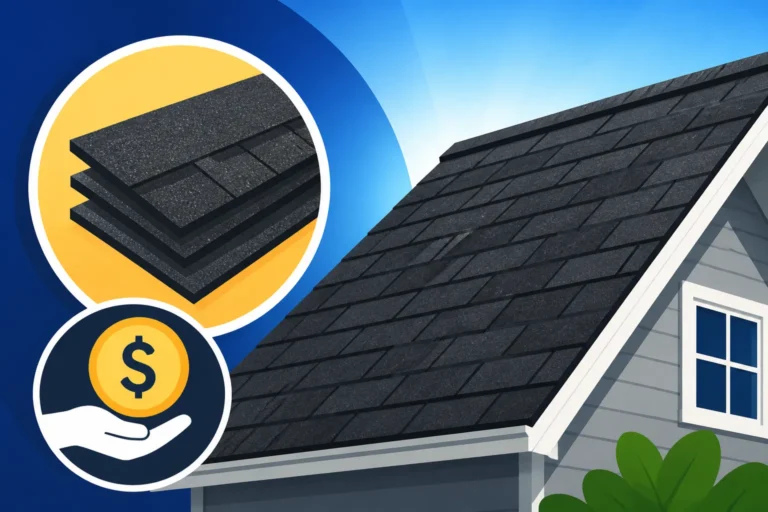
Architectural shingles, also known as laminate or dimensional shingles, are a complete game-changer in the world of asphalt roofing. Unlike the flat, single-layer design of 3-tab shingles, architectural shingles are constructed with multiple layers of material, usually two or more, bonded together. This creates a much thicker, more robust shingle that gives your roof a distinctive, high-definition appearance. Think of it like comparing a single sheet of paper to a sturdy piece of cardboard – the architectural shingle is the cardboard.
This multi-layered construction isn't just for show. It mimics the natural, textured look of wood shakes or slate tiles, adding incredible curb appeal and character to your home. When you stand on the street and look up, you'll notice the rich, varied contours and shadow lines that make an architectural roof truly stand out. This aesthetic upgrade alone is a major draw for many homeowners, and it often contributes significantly to your home's overall value. Beyond aesthetics, this layered design is a key reason for their enhanced performance, which we'll get into next.
The Material Advantage and How It Affects Price
The inherent design of architectural shingles brings with it a substantial material advantage that directly impacts their cost. These shingles are heavier and denser than standard 3-tab options because they contain more asphalt and granules, strategically placed in those multiple layers. This added material doesn't just improve their visual appeal; it significantly boosts their durability and performance.
For instance, many architectural shingles are designed to be more resistant to high winds, often carrying higher wind ratings, thanks to their weight and advanced sealing strips. They also offer superior protection against impact damage, like hail, because of their thicker profile. Manufacturers like GAF, Owens Corning, and CertainTeed invest heavily in research and development to create shingles that not only look good but can withstand harsh weather conditions for longer periods. This enhanced resilience means they're built to last, often coming with longer warranties compared to 3-tab shingles. That extended lifespan and improved protection from the elements naturally translates into a higher upfront material cost. However, it's an investment that often pays off in fewer repairs and a longer-lasting roof, providing peace of mind and potentially lower long-term maintenance expenses. If you're comparing the initial outlay, it’s helpful to understand the distinctions discussed in our guide on 3-Tab vs Architectural Shingle Cost Compared.
Key Factors Driving Architectural Shingle Roof Costs
Understanding the average price is one thing, but knowing what influences that price is where you truly gain power as a homeowner. Many elements play a role, making each roofing project unique, much like building a custom home rather than picking one from a catalog.
Roof Size and Complexity
This might seem obvious, but the sheer size of your roof is the primary driver of cost, usually measured in "squares" (one roofing square equals 100 square feet). A larger roof requires more materials and more labor, plain and simple. However, it's not just the total square footage that matters; the complexity of your roofline plays an enormous role.
Imagine a simple, low-pitch ranch home compared to a multi-story Victorian with numerous dormers, valleys, and hips. The latter requires significantly more intricate cutting, specialized flashing work, and careful installation around multiple angles and transitions. Each valley, each chimney, each skylight adds time and specialized labor. A steep roof pitch also makes the job more challenging and dangerous, often leading to a "steep roof premium" in labor costs. For example, a home with a 12/12 pitch (meaning it rises 12 inches for every 12 inches of horizontal run) will cost more per square to roof than a home with a 4/12 pitch. Getting an accurate measurement for these complex roofs often requires professional tools and expertise, and understanding how roofers measure a roof is crucial for budgeting.
Labor and Regional Rates
Let's be real: installing a roof is hard, skilled work. The cost of labor is a significant portion of your overall architectural shingle roof cost, and it varies quite a bit depending on where you live. Just like the cost of living, labor rates for roofing professionals differ dramatically from state to state and even city to city. For example, you might find that Asphalt Roof Replacement Cost in California could be considerably higher than in a state like Ohio, simply due to prevailing wages and the demand for skilled tradespeople.
Beyond geographical location, the quality and experience of the roofing crew also factor into labor costs. Highly skilled, certified contractors who offer comprehensive warranties and have a strong track record might charge more, but they often provide superior workmanship and peace of mind. On average, labor can account for 40-60% of the total project cost. This percentage might shift based on material costs at any given time, but the human element is undeniably crucial. It's not just about nailing shingles; it's about proper underlayment installation, precise flashing, and ensuring the entire roofing system functions flawlessly. This is why when you're considering How Much Roofers Charge Per Hour, you're often paying for expertise and efficiency as much as the hours worked.
Underlayment and Accessory Costs
A new roof isn't just shingles; it's a complete system, and the components beneath and around those architectural shingles are vital for its long-term performance. These "accessories" might seem like small details, but they add up and are absolutely critical for proper waterproofing and ventilation.
Consider the underlayment, for instance. Modern synthetic underlayments offer superior protection and durability compared to traditional felt paper, but they also come at a higher price point. Then there's ice and water shield, a self-adhering membrane installed at vulnerable areas like eaves, valleys, and around penetrations (chimneys, vents). This is especially important in colder climates prone to ice dams, and many building codes now require its installation. Other essential accessories include drip edge (which helps direct water off the roof and into the gutters), starter shingles (which provide a clean, secure edge for the first course of shingles), and various types of flashing (for chimneys, walls, and vents) that prevent water intrusion. Don't forget proper ventilation, like ridge vents, which are crucial for extending your roof's lifespan and managing attic temperatures. Each of these components contributes to the overall cost but are non-negotiable for a healthy, long-lasting roof. Skimping on these can lead to costly problems down the line, making the initial savings completely negate themselves through future repairs.
Deconstructing Average Architectural Shingle Roof Costs
So, what are we really talking about when it comes to the numbers? It's tough to give a single figure because of all those variables we just discussed, but we can certainly break down the typical ranges you can expect.
Typical Price Ranges
On average, homeowners can expect to pay anywhere from $4.50 to $8.00 per square foot for an installed architectural shingle roof. This translates to a total cost of $9,000 to $24,000 for a typical 2,000 to 3,000 square foot roof. These figures include both materials and labor. Keep in mind, this is a broad range, and your specific project could fall on the lower or higher end depending on all the factors we’ve talked about – roof complexity, regional labor rates, and the specific brand and grade of shingles chosen.
For instance, a straightforward, single-story ranch home in a moderate cost-of-living area might be closer to the lower end, while a large, multi-story home with a steep pitch, numerous dormers, and in a high-cost urban area will undoubtedly lean towards the upper end. It's crucial to get multiple quotes tailored to your specific home to get the most accurate picture. Online platforms like Modernize can be a great resource for connecting with reputable local contractors who can provide detailed estimates.
Here’s a rough breakdown of costs per square (100 sq ft):
| Component | Average Cost Per Square (100 sq ft) | Notes |
|---|---|---|
| Materials (Shingles) | $100 – $250 | Higher for premium brands, impact-resistant, or designer styles |
| Underlayment | $20 – $50 | Synthetic is more expensive than felt, but offers better protection |
| Ice & Water Shield | $15 – $35 | Crucial in cold climates, typically applied at eaves and valleys |
| Drip Edge & Flashing | $10 – $25 | Essential for directing water and sealing penetrations |
| Starter Shingles | $5 – $15 | Ensures a secure and straight starter course |
| Ridge Cap Shingles | $5 – $15 | Finishes the roof ridges, often heavier architectural style |
| Ventilation (Ridge Vent) | $10 – $30 | Important for attic health and shingle lifespan |
| Labor | $200 – $400+ | Varies significantly by region, roof complexity, and contractor experience |
| Dumpster/Disposal | $10 – $20 | Cost to remove old shingles and debris, see Cost of Roof Tear-Off and Disposal |
| Permits & Inspections | $5 – $15 | Local requirements, typically a flat fee but can be calculated per square |
| Total Installed Cost | $380 – $800+ | Estimate: Does not include decking repair or unforeseen issues |
Note: These are average ranges and can fluctuate based on market conditions, specific product choices, and contractor pricing.
Comparing Architectural vs. 3-Tab Shingles
One of the most frequent questions I get is, "Why do architectural shingles cost more than 3-tab, and is the extra expense truly justified?" It’s a valid concern, especially when you're looking at a big project like a roof replacement. The answer is a resounding "yes," and it boils down to a combination of material quality, aesthetic appeal, and long-term performance.
As we touched on earlier, architectural shingles are physically thicker and heavier due to their multi-layered construction. This means more asphalt, more granules, and a more robust shingle overall. This inherent quality gives them superior wind resistance, better impact protection, and a significantly longer lifespan—often 30 years or more, compared to the 20-25 years typical for 3-tab shingles. That alone represents a substantial difference in value over the life of your home. Beyond durability, there's the aesthetic factor. Three-tab shingles offer a flat, uniform appearance, while architectural shingles create a rich, dimensional look that mimics high-end materials like wood or slate. This enhanced curb appeal can significantly boost your home's market value and make it more attractive to potential buyers if you decide to sell. While the initial investment for architectural shingles might be 20-50% higher than 3-tab, the benefits in terms of durability, warranty, and visual appeal often make them the more cost-effective and desirable choice in the long run. Many homeowners consider the modest upfront price difference well worth it for the added peace of mind and enhanced home value. For a deeper dive, check out our piece on How Much Does an Asphalt Shingle Roof Cost.
Cost Breakdown by House Size
To make these numbers more concrete, let's look at typical installed costs for homes of different sizes. Remember, these are broad averages for a moderately complex roof, and your specific quotes will vary.
-
1,000 – 1,500 Square Foot Home (approx. 10-15 roofing squares):
For a smaller home, such as a compact ranch or a townhome, you might expect to pay $5,000 to $12,000. The lower end would be for a very simple roof structure with minimal pitch and no tear-off issues, while the higher end accounts for slightly more complexity or higher local labor rates. Even on a smaller home, choosing premium architectural shingles or needing extensive decking repair can push the cost up. This is a common scenario for a Cost to Replace a Roof on a 1,500 sq ft House. -
1,800 – 2,500 Square Foot Home (approx. 18-25 roofing squares):
This size represents a very common suburban home. For an average 2,000 square foot house, expect the total cost to range from $9,000 to $20,000. This range reflects the likelihood of a slightly more complex roofline, potentially with an attached garage, a few valleys, or a moderate pitch. The majority of homeowners with this size property will find themselves in this price bracket. You can explore this further in our guide on the Cost to Replace a Roof on a 2,000 Sq Ft House. -
2,500 – 3,500+ Square Foot Home (approx. 25-35+ roofing squares):
For larger homes, particularly two-story houses with multiple gables, dormers, and a steeper pitch, the costs will naturally climb. Expect to pay anywhere from $12,500 to $28,000+. These larger projects require significantly more materials, longer labor hours, and often more extensive safety measures due to height and complexity. If your home falls into this category, getting detailed quotes that meticulously break down material and labor per square, considering all roof features, becomes even more critical.
It's clear that the "cost to replace a roof by house size" is heavily influenced by how many "squares" your roof actually measures, which isn't always the same as your home's footprint due to overhangs and pitch.
Exploring Popular Architectural Shingle Brands and Price Points
When you're shopping for architectural shingles, you'll quickly encounter a few big names in the industry. Each brand offers a range of products, from excellent standard options to luxurious designer lines, and their price points can vary significantly.
GAF, Owens Corning, and CertainTeed Options
These three manufacturers are often considered the titans of the asphalt shingle industry, and for good reason. They've built reputations for quality, innovation, and extensive product lines.
-
GAF: GAF is arguably the largest roofing manufacturer in North America. Their Timberline HDZ series is incredibly popular and widely installed. It's a fantastic architectural shingle that offers a great balance of aesthetic appeal, durability, and value. You'll find it in a vast array of colors, designed to mimic the natural look of wood shakes. For those looking for an upgrade, GAF also offers premium options like the Timberline UHDZ (Ultra High Definition with enhanced shadow lines for an even thicker, more dimensional look) and the Grand Sequoia line, which features an oversized design for a rugged, rustic aesthetic. GAF's strong warranty programs, especially when installed by a GAF Master Elite contractor, often provide additional peace of mind, though this can sometimes add a small premium to the installation cost. You can learn more about specific GAF costs in our guide on GAF Shingle Roof Cost.
-
Owens Corning: Known for their distinctive pink insulation and, of course, their reliable roofing materials, Owens Corning is another top choice. Their Duration series is a direct competitor to GAF Timberline and is highly regarded for its SureNail Technology, a wide, highly visible fabric strip that provides incredible gripping power for nail fastening, improving wind resistance. This innovative feature can actually help with installation speed and accuracy, which sometimes translates to slightly more efficient labor. Beyond Duration, they offer the Oakridge series, a more economical architectural shingle, and the heavier, more luxurious Berkshire Collection, which simulates the look of natural slate. Owens Corning also boasts impressive wind ratings and comprehensive warranties. For more detailed pricing, explore our article on Owens Corning Shingle Roof Cost.
-
CertainTeed: CertainTeed consistently ranks among the top manufacturers, offering a diverse portfolio of stylish and durable shingles. Their flagship architectural shingle is the Landmark series, a dual-layered shingle designed to replicate the dimension of wood shake. It's a very popular choice known for its quality and wide color selection. For an enhanced version, the Landmark Pro offers a heavier shingle with a richer granule mixture for vibrant color and improved performance. For those seeking true luxury, CertainTeed's Presidential Shake and Presidential Shake TL (Triple Laminate) are top-tier designer shingles that provide a striking, heavy-duty appearance resembling cedar shakes, but with the fire resistance and lower maintenance of asphalt. While these premium lines come at a higher cost, they deliver exceptional aesthetics and longevity. Our guide on CertainTeed Shingle Roof Cost delves deeper into these options.
Mid-Tier and Premium Choices
While GAF, Owens Corning, and CertainTeed dominate the market, several other excellent manufacturers offer architectural shingles that deserve consideration. These brands often provide competitive pricing, unique features, or specialized products that might be perfect for your home.
- IKO: IKO offers a solid range of architectural shingles, with their Cambridge series being a popular choice for its classic look and competitive pricing. The Dynasty series, however, steps it up with a "ArmourZone" nailing strip for enhanced wind resistance, similar to Owens Corning's SureNail. IKO often positions itself as a value leader, providing quality products that are slightly more budget-friendly than some of the top-tier options from the "big three" while still maintaining strong performance.
- Atlas: Atlas is well-known for its Pinnacle Pristine shingles, which feature Scotchgard Protector from 3M to prevent black streaks caused by algae—a persistent problem in humid climates. This feature is a significant benefit for maintaining the aesthetic appeal of your roof over its lifespan without requiring frequent cleaning. Atlas shingles are often praised for their granule adhesion and overall durability.
- Malarkey: Malarkey Roofing Products is often celebrated for its innovative, environmentally conscious approach. Their Vista and Legacy shingles incorporate "NEX Polymer Modified Asphalt," which makes them more flexible, more durable, and often impact-resistant (Class 4), a huge plus in hail-prone regions. They also use recycled rubber and plastics in their asphalt, making them a greener choice. While sometimes a bit pricier due to their advanced technology, their performance and eco-credentials make them a favorite among discerning homeowners and contractors.
When considering these brands, it's not just about the upfront cost of the shingles themselves. You should also factor in the warranty offerings, local contractor familiarity with the product, and any specific features (like algae resistance or impact resistance) that are particularly important for your region or personal preferences. For instance, in areas frequently hit by severe storms, investing in a Class 4 impact-resistant shingle, regardless of brand, could lead to insurance premium reductions and greater peace of mind.
Impact-Resistant and Specialty Shingles
Beyond standard architectural shingles, the market offers specialized options designed to address specific needs, from extreme weather protection to energy efficiency. These specialty shingles typically command a higher price point but deliver significant long-term benefits.
-
Impact-Resistant (Class 4) Shingles: These are a homeowner's best friend in regions prone to hailstorms. Class 4 is the highest rating for impact resistance under UL 2218, meaning they have passed rigorous tests to withstand the impact of a 2-inch steel ball dropped from 20 feet without cracking. Brands like Malarkey (Legacy), GAF (Timberline AS II), Owens Corning (Duration FLEX), and CertainTeed (Landmark IR) offer Class 4 options. While they can add 10-25% to your material cost, the investment often pays for itself. Many insurance companies offer discounts on premiums for homes equipped with Class 4 shingles, sometimes as much as 15-30% annually, which can provide substantial savings over the roof's lifespan. Moreover, they significantly reduce the likelihood of needing a full roof replacement after a hail event, saving you the headache and deductible costs. This is why Class 4 Shingle Roof Cost is a topic many homeowners are keenly interested in.
-
Cool-Roof Shingles: Designed to reflect more sunlight and absorb less heat than traditional asphalt shingles, cool-roof shingles are an excellent option for homes in hot climates. They often incorporate special reflective granules that help reduce attic temperatures, which in turn can lower your air conditioning costs. Manufacturers like GAF (Timberline Cool Series) and CertainTeed (Landmark Solaris) offer these energy-efficient options. The upfront cost might be 5-15% higher than standard architectural shingles, but the energy savings over a hot summer can quickly offset that difference. Some regions or utility companies even offer rebates or tax credits for installing cool roofs, making the investment even more attractive. Beyond the savings, a cooler attic can contribute to the longevity of your entire roofing system and improve overall indoor comfort.
When deciding on these specialty shingles, it's essential to weigh the upfront cost against the potential long-term savings, insurance benefits, and enhanced protection they offer for your specific climate and home.
Navigating Additional and Unexpected Costs
You've crunched the numbers for shingles and labor, but many homeowners get caught off guard by the "hidden" or unexpected costs that can pop up during a roof replacement. Trust me, these aren't always malicious; sometimes, they're simply unforeseen issues that only become apparent once the old roof is stripped away.
Tear-Off and Disposal Fees
One of the most immediate additional costs you'll encounter is for the tear-off and disposal of your old roof. Unless you're simply roofing over an existing single layer (which often isn't recommended or even permitted), your old shingles and underlayment need to be removed. This process is labor-intensive and messy.
The cost for a tear-off varies depending on how many layers of old shingles need to be removed. Removing one layer is standard, but some older homes might have two or even three layers, significantly increasing labor time and disposal weight. Each layer adds to the volume and weight of debris, which in turn increases the cost of renting a dumpster and paying landfill fees. These fees are constantly fluctuating based on local regulations and disposal site charges. For a typical single-layer tear-off, you might budget anywhere from $1 to $3 per square foot, or roughly $100 to $300 per roofing square. However, if multiple layers are present or if access to your roof is particularly challenging, these costs can rise. Always ask your contractor for a clear breakdown of tear-off and disposal, and be prepared for potential adjustments if more layers are discovered once the work begins. Our article on Cost of Roof Tear-Off and Disposal provides more granular details.
Roof Decking Repairs and Replacements
This is perhaps the most common "surprise" expense that can significantly impact your budget. Your roof's decking (typically plywood or OSB sheathing) provides the structural foundation for your shingles. Unfortunately, it's often impossible to fully assess its condition until the old shingles are removed.
If there have been leaks in the past, or if your roof has suffered prolonged water damage, sections of the decking might be soft, rotted, or otherwise compromised. It’s crucial that any damaged decking is replaced before new shingles are installed, as compromised decking won't hold nails properly and can lead to structural issues and premature shingle failure. Replacing a single sheet of plywood or OSB can cost anywhere from $50 to $100 per sheet, including labor and materials. If widespread damage is found, perhaps due to inadequate ventilation or a long-ignored leak, the costs can escalate quickly. A good roofing contractor will include a line item in their estimate for potential decking repair, usually specifying a certain number of sheets or a per-sheet rate, so you're not completely blindsided. It's an essential part of ensuring the integrity of your new roof, even if it adds to the initial bill.
Permitting, Inspections, and Warranty Upgrades
These are the administrative and protective layers that add to your total cost but are vital for legality, safety, and long-term assurance.
First, permits and inspections. Most municipalities require a building permit for a full roof replacement. This isn't just bureaucracy; it ensures that the work complies with local building codes and safety standards. The cost of a permit varies widely by location, from under $100 to several hundred dollars. Skipping a permit can lead to fines, difficulties with insurance claims, and complications when selling your home. After installation, an inspector will typically verify that the work meets code. For more on this, check out our guide, Do You Need a Permit to Replace a Roof.
Second, warranty upgrades. Standard manufacturer warranties cover material defects, but many homeowners opt for enhanced or extended warranties, often offered by manufacturers through certified contractors. These "system warranties" usually cover not only the shingles but also other components like underlayment, ridge caps, and even the contractor's workmanship. While they add to the upfront cost, often a few hundred to over a thousand dollars, they provide superior protection for a longer period, sometimes 20-50 years, and can even be transferable to a new homeowner. Companies like GAF (Golden Pledge Warranty) and Owens Corning (Platinum Protection Roofing System Limited Warranty) have well-known programs that require installation by their top-tier certified contractors, which can be an excellent long-term investment. Always inquire about the different warranty options and their associated costs when getting your estimates.
Maximizing Value: Is an Architectural Shingle Roof Worth the Investment?
After breaking down all the costs, the big question remains: is an architectural shingle roof truly worth the investment? For most homeowners, the answer is a resounding yes, and it boils down to durability, aesthetics, and long-term financial sense.
Long-Term Durability and Performance
When you choose architectural shingles, you're not just buying a pretty roof; you're investing in a superior protection system for your home. These multi-layered shingles are designed to be significantly more resilient than traditional 3-tab shingles, offering enhanced protection against the elements. Think about the peace of mind that comes with knowing your roof can stand up to higher winds, more intense hailstorms (especially if you opt for Class 4 impact-resistant varieties), and the general wear and tear of decades of weather exposure.
This inherent durability means a longer lifespan for your roof. While 3-tab shingles typically last 20-25 years, architectural shingles often carry warranties of 30 years to a lifetime. This extended longevity translates directly into fewer worries about needing another costly replacement sooner. It also means less frequent maintenance and repairs compared to a less robust roof. A stronger, longer-lasting roof means fewer headaches, less money spent on fixing leaks or replacing damaged shingles, and a more secure home for you and your family. In essence, the added upfront cost often pays for itself over the extended life of the roof through reduced repair bills and delayed replacement cycles. For more context, read our article, How Long an Asphalt Roof Lasts.
Aesthetic Appeal and Curb Appeal Impact
Let's be honest, a roof isn't just functional; it's a huge part of your home's visual identity. Architectural shingles excel in this department, offering a sophisticated, dimensional look that significantly enhances your home's curb appeal. Unlike the flat, uniform appearance of 3-tab shingles, architectural shingles mimic the luxurious look of natural wood shakes or slate tiles, complete with varied granule blends and shadow lines that give your roof depth and character.
This elevated aesthetic can dramatically transform the exterior of your home, making it stand out in your neighborhood. And it's not just about looking good for yourself. If you ever plan to sell your home, a beautiful, well-maintained architectural shingle roof can be a major selling point. It projects an image of quality and care, often translating into a higher resale value and a quicker sale. Buyers are increasingly discerning, and a roof that combines both performance and stunning visual appeal is a significant asset. It's often one of the first things people notice, consciously or subconsciously, and a strong first impression can go a long way.
Understanding Your Investment
Ultimately, deciding on an architectural shingle roof is about understanding it as an investment, not just an expense. While the initial cost is higher than basic shingles, the return on that investment comes in several forms: extended durability, reduced maintenance costs, improved energy efficiency (especially with cool-roof options), and significant enhancement of your home's curb appeal and resale value. Many studies show that a roof replacement with architectural shingles offers one of the highest returns on investment among home improvement projects, recouping a substantial percentage of its cost at resale.
Furthermore, exploring available financing options can make this investment more manageable. Many roofing companies offer payment plans, and there are various home improvement loans or even government-backed programs that can help spread the cost over time. Don't forget to check if installing impact-resistant shingles qualifies you for discounts on your homeowners insurance premiums, which can provide ongoing savings. To get a clear picture of what this investment means for your specific home and budget, it's always best to get detailed estimates from several reputable contractors. Platforms like Modernize can help you connect with qualified professionals in your area who can provide comprehensive quotes and discuss all your options, helping you compare various aspects, as detailed in our guide on How to Read and Compare Roofing Estimates. They can walk you through the specifics and help you determine the best roofing solution for your home and your wallet.
Disclaimer
Please remember that the cost estimates and information provided in this guide are general averages. Actual costs for your architectural shingle roof project will vary significantly based on your specific location, the chosen materials, the complexity of your roof, contractor pricing, and unforeseen issues discovered during the project. Always obtain multiple detailed quotes from licensed and insured roofing professionals before making any decisions.