What Causes Leak on a Roof
There's nothing quite like the stomach-dropping feeling of discovering a leak on your roof. Whether it’s a drip in the attic, a tell-tale stain on your ceiling, or even a visible stream of water, it’s a clear sign that something is seriously wrong. For homeowners with asphalt shingle roofs, these leaks can stem from a variety of sources, each requiring a keen eye and often, professional expertise to pinpoint. This guide is here to walk you through the most common culprits behind roof leaks, helping you understand what to look for and why these issues occur.
The Usual Suspects: Shingle-Related Problems
Asphalt shingles are designed to be your home's primary line of defense against the elements, but even the toughest shingles can succumb to age, weather, or wear and tear. When they do, leaks aren't far behind.
Missing or Damaged Shingles
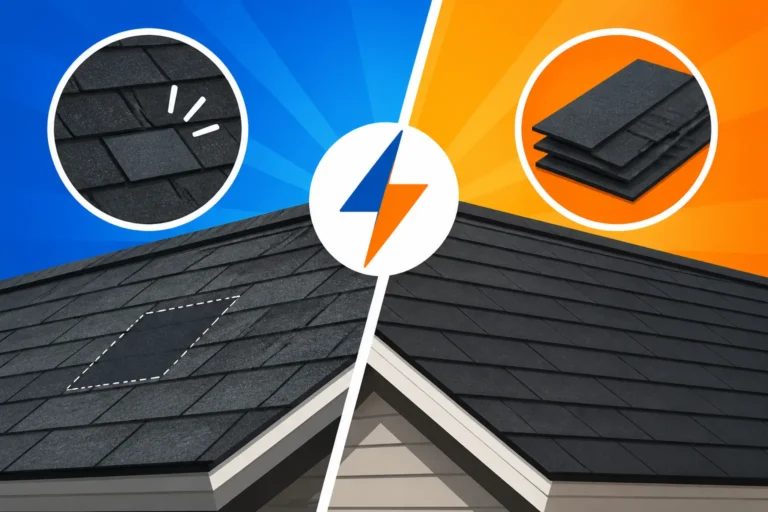
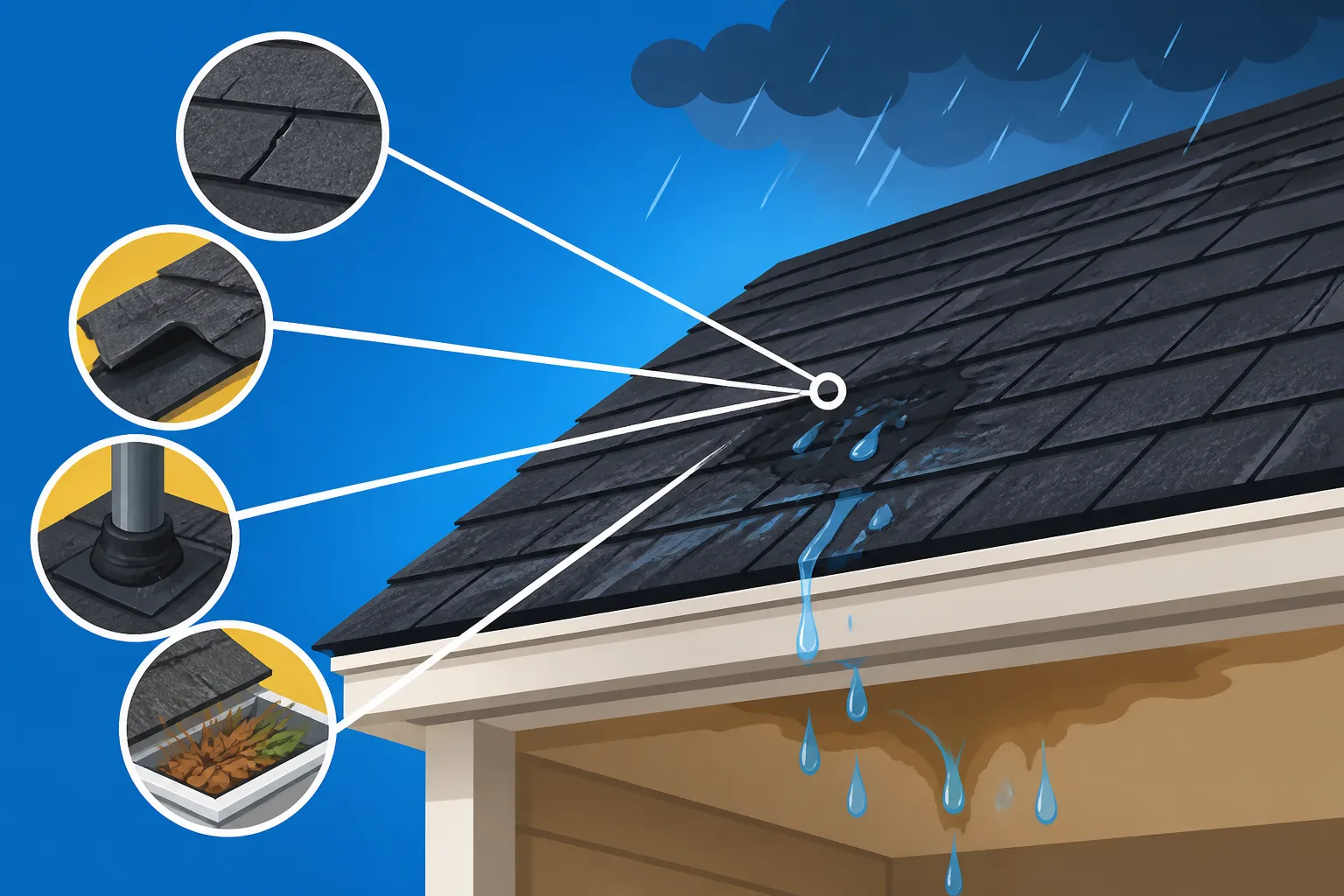
One of the most straightforward and visually obvious causes of a roof leak is missing or severely damaged shingles. It sounds simple, but you'd be surprised how often a homeowner overlooks this until the water starts coming in.
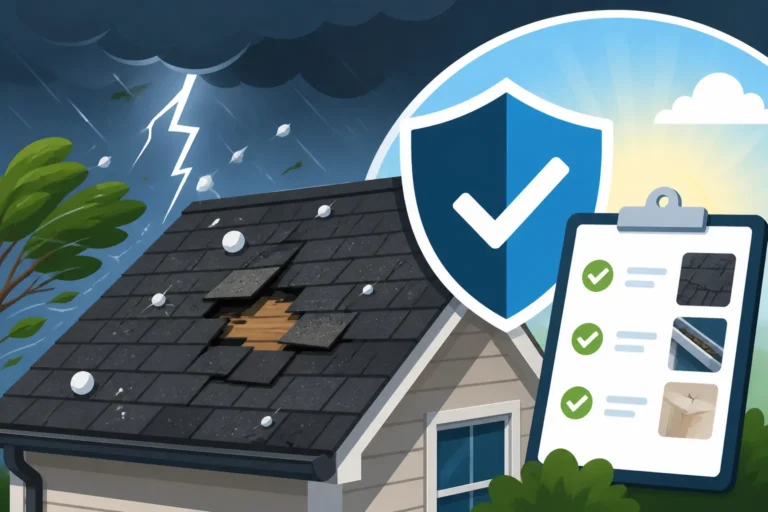
Think about it: your roof is like a coat of armor, and each shingle is a scale. When a scale is knocked off or shattered, it leaves a gap. Strong winds are often the primary culprit here, especially during severe thunderstorms or even just particularly gusty days. They can lift and tear shingles right off the roof deck. Sometimes, though, it’s not just wind; impact from falling branches or even heavy foot traffic during a previous repair can dislodge or crack shingles, making them weak points. Once a shingle is gone, the underlying layers of the roof, like the underlayment and eventually the roof decking, are exposed to rain, snow, and ice. This direct exposure is a fast track to water intrusion, leading to those frustrating leaks inside your home. It’s crucial to address these promptly, as even a small exposed area can lead to significant damage over time.
Cracked, Curled, or Blistering Shingles
Even if no shingles are completely missing, their condition can still be a major factor in roof leaks. Over time, especially as asphalt shingles age, they begin to show signs of wear that compromise their ability to repel water. This is particularly true for older roofs, or those that have experienced extreme weather. If you’re seeing these signs, it might be time to start thinking about when you need a new roof.
- Cracking: Cracks can develop due to prolonged exposure to the sun's harsh UV rays, which dry out the asphalt, making it brittle. Thermal expansion and contraction from temperature fluctuations also play a role, causing the material to stress and eventually crack. Water can then seep directly through these cracks.
- Curling: Shingles can curl in two main ways: "cupping," where the edges turn upward, or "clawing," where the edges remain flat but the center lifts. Both are typically a sign of age, granule loss, or improper installation and ventilation. When shingles curl, the tightly sealed layers that are meant to shed water are disrupted, creating channels for water to flow under them instead of over them.
- Blistering: Blisters are small, raised bubbles that form on the surface of shingles. These can be caused by moisture trapped within the shingle during manufacturing or by excessive heat buildup in the attic due to poor ventilation. Over time, these blisters can pop, leaving small depressions or holes where granules are lost and the asphalt is exposed, creating direct pathways for water to penetrate.
These seemingly small imperfections, when widespread, signify that your roof's waterproofing integrity is severely compromised. The moment you spot these symptoms, it’s a good idea to consider having a professional inspection.
Flashing and Penetration Points: Vulnerable Spots
While the main expanse of your roof is covered by shingles, the areas where the roof meets other structures or where components penetrate the roof are often the most common — and trickiest — spots for leaks to develop. These areas rely on specialized materials called flashing and sealants to keep water out.
Deteriorated or Improperly Installed Flashing
Flashing is essentially a waterproof barrier, typically made of thin metal like aluminum or galvanized steel, that's installed at critical junctures on your roof. Think of the base of your chimney, around skylights, where roof planes meet (valleys), or against walls. Its entire job is to redirect water away from these vulnerable points. When flashing fails, it’s often one of two reasons: age or bad installation.
Over time, older flashing can rust, corrode, or become brittle, especially if it's made of a less durable material. The sealants used around it can also dry out and crack due to UV exposure and temperature fluctuations. If the flashing itself is compromised, or the seal holding it in place deteriorates, water can easily seep behind it and trickle down into your home. Furthermore, if flashing was installed incorrectly to begin with—perhaps not overlapping enough, or using the wrong type for a specific roof feature—it might never have formed a proper watertight seal. For example, if the step flashing around a chimney isn't integrated correctly with the shingles, water will find its way in during a heavy downpour, leading to significant water stains on the ceiling or walls below. Getting these details right is critical for a long-lasting, leak-free roof, which is why choosing a reputable contractor matters when you're considering a roof replacement.
Compromised Sealants Around Roof Penetrations
Beyond the larger areas where flashing is used, your roof has numerous smaller penetrations that are sealed with a caulk-like material, typically a roofing cement or sealant. These include the bases of vent pipes (for plumbing or exhaust fans), satellite dishes, or even small electrical conduits. Each of these penetrations creates a potential entry point for water if the sealant fails.
Much like with flashing, the sealants around these components are constantly exposed to the sun's harsh UV rays, extreme temperatures, and general weathering. Over time, these conditions cause the sealant to dry out, crack, shrink, and lose its adhesion. Imagine the rubber boot around a plumbing vent pipe: it's designed to fit snugly and be sealed, but if the rubber cracks or the sealant around its base shrinks away, water can easily run down the pipe and into the attic or ceiling space. Even a seemingly small crack in the sealant can become a significant leak source during heavy rain or melting snow. If you've got a leak that seems to be directly under a bathroom fan or a plumbing stack, the sealant around those penetrations is often the first place to look. Addressing these issues with a fresh application of high-quality, flexible sealant can often resolve the problem without needing a full roof overhaul.
Underneath It All: Substrate and Structural Issues
Sometimes, the problem isn't just on the surface but lies deeper within the roof's structure. These issues can be more challenging to diagnose but are often the result of long-term neglect or underlying problems that weren't addressed earlier.
Damaged or Rotted Roof Decking
The roof decking, often made of plywood or OSB, is the structural foundation beneath your shingles and underlayment. It's what the entire roof system is nailed to. Ideally, it should remain dry and solid throughout its lifespan. However, persistent leaks, poor ventilation, or even extreme humidity can lead to the decking becoming water-damaged and eventually rotting.
When the decking starts to rot, it loses its structural integrity. You might notice soft, spongy areas when walking on the roof, or visible signs of decay from the attic. More importantly, rotted decking can no longer hold roofing nails securely, causing shingles to loosen and detach prematurely. Once the wood itself is compromised, it becomes highly porous, creating a direct path for any water that bypasses the shingles or underlayment to flow directly into your home. This is a serious issue that often requires sections of the roof decking replacement cost, making a roof leak far more extensive than just replacing a few shingles. Finding a roofing professional through services like Modernize can help identify the extent of this damage and recommend the appropriate repairs or even a full replacement if the rot is widespread.
Inadequate or Damaged Underlayment
Beneath your asphalt shingles and directly on top of the roof decking lies the underlayment. This critical layer, typically felt paper or synthetic material, serves as a secondary water barrier. Its job is to provide added protection against moisture intrusion, especially if water manages to get past your primary shingle layer due to wind-driven rain or ice dams.
However, if the underlayment itself is inadequate, improperly installed, or has sustained damage, its protective capabilities are severely diminished. For instance, if the underlayment wasn't properly overlapped or secured during installation, water can wick underneath it. Over many years, older felt underlayment can become brittle, tear, or even develop holes, especially in areas with persistent moisture issues. Sometimes, damage can occur during a reroofing job if workers aren't careful, puncturing the underlayment as they remove old shingles or move materials. When the underlayment fails, it effectively leaves your roof decking exposed to moisture, making leaks almost inevitable. This is why understanding the difference between synthetic vs felt underlayment cost and installation is important – a robust underlayment can save you a lot of grief down the line.
Environmental and Installation Factors
Beyond the obvious physical damage, sometimes leaks are a result of how your roof interacts with its environment or, unfortunately, how it was put together in the first place.
Ice Dams and Poor Ventilation
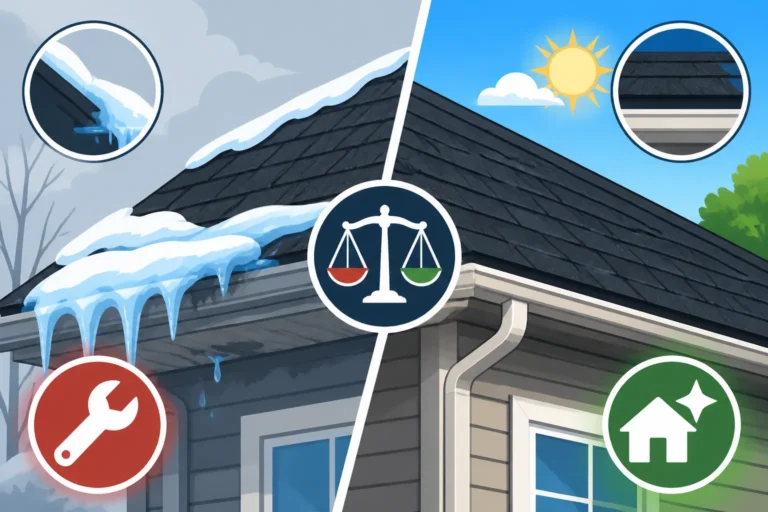
In colder climates, ice dams are a notorious cause of winter leaks. This phenomenon occurs when heat escapes from your home's interior and warms the roof deck, melting the snow on the upper parts of your roof. As this melted water flows down to the colder eaves, it refreezes, forming a barrier of ice – an "ice dam." This dam prevents subsequent meltwater from draining off the roof.
Instead, the water backs up behind the ice dam, sitting stagnant on your roof. This pooled water can then force its way under your shingles, often through capillary action, and seep into your attic or walls, causing significant damage. The root cause of many ice dams is often poor attic ventilation and inadequate insulation. If your attic isn't properly ventilated, hot air gets trapped, warming the roof deck unevenly. Proper attic ventilation works to keep the entire roof deck cool, preventing the melt-freeze cycle that leads to ice dams. Dealing with ice dam damage: repair options is crucial for homes in snowy regions, as persistent ice dams can lead to long-term structural issues.
Poor Workmanship or Installation Errors
Sometimes, a roof leak isn't about age or weather; it's about how the roof was installed. Sadly, poor workmanship is a common, frustrating cause of premature roof failure and leaks, even on relatively new roofs. A truly comprehensive guide to how a roof replacement works: the full process will emphasize how critical proper installation is to longevity.
Common installation errors that lead to leaks include:
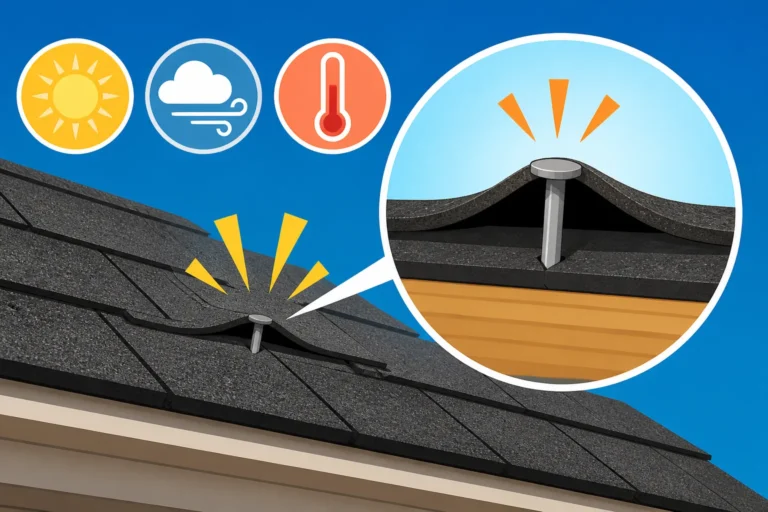
- Improper Nailing: Shingles need to be nailed in specific locations and with the correct pressure. Nails driven too far in (overdriven) can cut through the shingle, while nails not driven far enough (underdriven) can prevent the shingle from lying flat and sealing properly. Nailing in the wrong spot can leave nail heads exposed to water.
- Incorrect Shingle Overlap or Staggering: Asphalt shingles are designed to overlap in a way that sheds water efficiently. If shingles are not overlapped correctly or not properly staggered, gaps can form, allowing water to penetrate.
- Insufficient or Incorrect Flashing Details: As mentioned earlier, flashing is critical. If it's cut too short, bent improperly, or not sealed correctly, especially around complex areas like valleys, chimneys, or dormers, it will fail to divert water effectively.
- Missing Components: Sometimes, contractors might skip critical components like starter shingles, drip edge, or ice and water shield in certain areas to cut costs. These components are essential for protecting the vulnerable edges and low slopes of your roof from water intrusion.
- Wrong Materials: Using the wrong type of nails, sealant, or even incompatible shingle products can compromise the roof's integrity over time.
These kinds of errors can manifest as leaks almost immediately after installation or slowly develop over a few years, making it hard to pinpoint the exact cause without an expert eye. If you suspect poor workmanship is behind your leak, it's vital to refer back to your roofing contract and warranty, and consider getting a second opinion on roof replacement from another reputable contractor. Looking for a trusted local contractor on platforms like Modernize can ensure you find professionals who adhere to industry best practices and warranty their work.
Here’s a quick overview of common leak causes and their tell-tale signs:
| Common Leak Cause | Typical Location of Leak/Sign | How Water Gets In | Urgency |
|---|---|---|---|
| Missing/Damaged Shingles | Scattered across roof, often after storms. Visible bare spots. | Direct exposure of underlayment/decking. | High |
| Cracked/Curled Shingles | Widespread on older roofs. Visible cracks, lifted edges. | Water seeps through cracks or flows underneath lifted edges. | Medium |
| Deteriorated/Improper Flashing | Below chimneys, skylights, vent pipes, valleys. Water stains in these areas. | Flashing fails to divert water, allowing it to seep into gaps. | High |
| Compromised Sealants | Below plumbing vents, exhaust fans. Stains directly under these points. | Cracked or shrunken sealant creates openings for water. | Medium |
| Damaged/Rotted Roof Decking | Soft spots on roof, extensive stains in attic. | Weakened wood becomes porous, cannot hold nails, direct water path. | High |
| Inadequate/Damaged Underlayment | Leaks after heavy, wind-driven rain, even with intact shingles. | Secondary barrier fails, exposing decking to water. | High |
| Ice Dams & Poor Ventilation | Along exterior walls/eaves in winter. Water backs up under shingles. | Meltwater pools, forces its way under shingles and through gaps. | High (seasonal) |
| Poor Workmanship/Installation | Leaks on a relatively new roof, often after first heavy rain. | Gaps from incorrect nailing, overlap, or missing components. | High |
Identifying and Addressing the Leak
Discovering a leak is just the first step. The real challenge is accurately identifying its source, which can be surprisingly tricky. Water doesn't always drip directly from where it enters; it can travel along rafters, insulation, or even electrical conduits before it finally shows itself on your ceiling.
A good initial step is to inspect your attic during daylight hours or with a powerful flashlight. Look for water stains, mold, or visible drips on the underside of the roof decking, rafters, and insulation. Try to trace the path of the water back upwards to its entry point. If you can't safely access your attic or roof, or if the source remains elusive, it's always best to call a professional roofing contractor. They have the experience and tools, including moisture meters and sometimes even thermal cameras, to pinpoint the exact origin of the leak.
Once the source is identified, the next decision is whether to repair or replace. For a small, isolated issue like a single missing shingle or a cracked vent boot, a targeted repair is often sufficient. However, if you're dealing with widespread shingle damage, extensive decking rot, or multiple failing points across an older roof, then a full roof replacement might be the more cost-effective and long-term solution. A thorough assessment from an experienced roofing professional can help you make this critical decision and ensure that your home remains dry and protected for years to come.
Disclaimer
Please remember that this article is for informational purposes only and should not be considered professional advice. Always consult with a qualified roofing contractor for inspections, assessments, and repair recommendations for your specific roof. Roofing work can be dangerous and should only be performed by trained professionals.